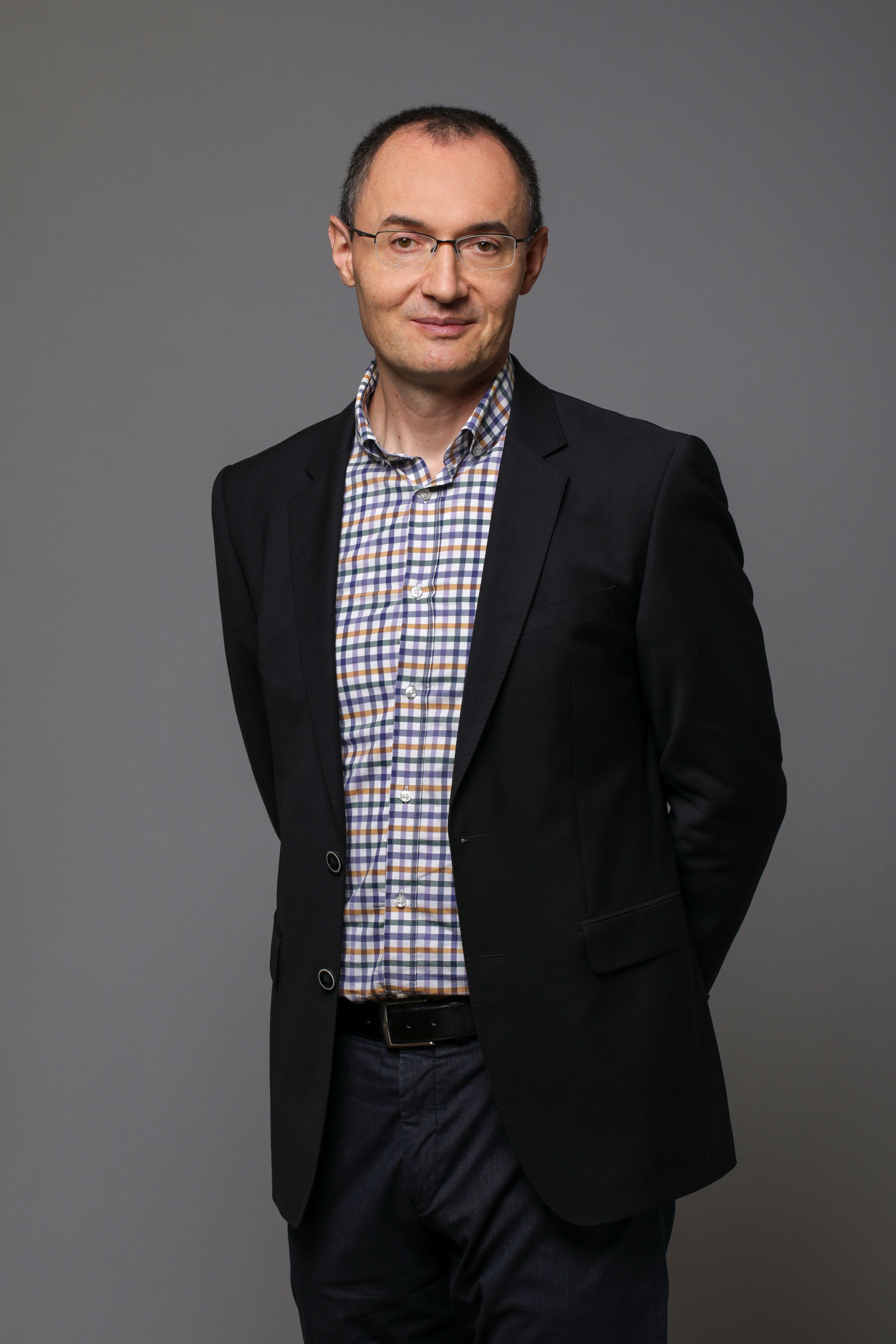
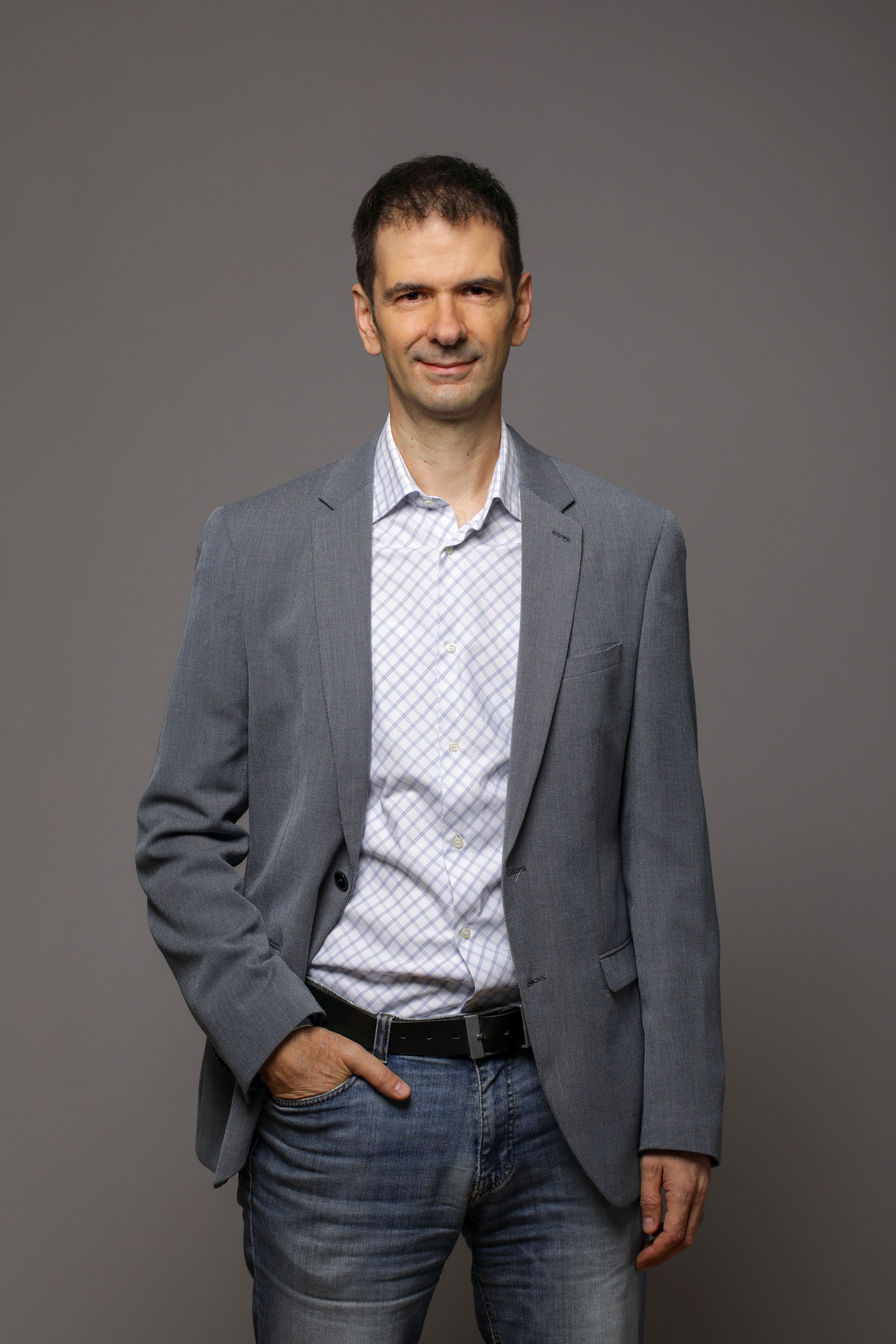
Marina Bubalo Kovačić is an Assistant Professor at the University of Zagreb Faculty of Agriculture, specializing in agroecology and water-soil pollution. Her research focuses on groundwater vulnerability, nitrate leaching, and sustainable water management in agricultural systems. Ph.D. in Civil Engineering (Hydraulics), 2016 M.Sc. in Civil Engineering, 2010 B.Sc. in Civil Engineering, 2008 Her work addresses critical issues such as agricultural impacts on water quality, soil amelioration, and climate-resilient farming. She has contributed to projects on metal-contaminated soil remediation using biochar and salinization monitoring in agroecosystems. Her publications span environmental science and hydrology, emphasizing nitrate pollution dynamics, drainage system efficiency, and groundwater modeling under agricultural stressors. Collaborative projects and field studies form a core part of her research portfolio. Marina actively participates in professional societies like the Croatian Soil Society and Croatian Water Pollution Control Society. She has led international collaborations, including the CROCAN project, and conducted training in soil sampling and lysimeter-sapflow methodologies.
Luca Grisanti is a Researcher at the Division of Theoretical Physics, Ruđer Bošković Institute (IRB) in Zagreb, Croatia, where he has been employed since October 2018. Holding a PhD in Chemical Sciences from Parma University (2011), he previously completed postdoctoral research at the University of Mons (Belgium, 2011-2013), ICTP Trieste (2013-2016), and SISSA Trieste (2016-2018). His interdisciplinary work bridges computational chemistry, materials science, and biophysics, with significant contributions to molecular modeling of optoelectronic materials and biological systems. Education: PhD in Chemical Sciences, Parma University, Italy (2011) Master Degree in Chemistry (Physical Chemistry curriculum), Parma University, Italy Dr. Grisanti's research focuses on computational approaches for modeling material properties from electronic structure to morphology and dynamics. He specializes in charge and exciton transport in molecular/hybrid materials, electron-phonon coupling mechanisms, and computational spectroscopy of excited states in biomolecules and molecular aggregates. His work integrates quantum mechanical methods with classical simulations to address challenges in organic electronics, perovskite optoelectronics, and amyloid biophysics, emphasizing predictive modeling of structure-property relationships. Analysis of his 15 most recent publications (2019-2025) reveals dominant research trajectories in computational perovskite engineering for stable optoelectronic devices, nucleobase assembly dynamics in aqueous environments, and amyloid optical property mechanisms. Key methodological themes include hybrid quantum-classical modeling, crystal structure prediction, and nonadiabatic dynamics simulations, with applications spanning photovoltaics, bioimaging probes, and neurodegenerative disease modeling. Research Funding: Coordinator: HYMO4EXNOMOMA (Hybrid modeling for excited states in novel molecular materials), Croatian Science Foundation (2021-2025) Member: 2DPEROEXLORE (Exploring halide 2D/quasi-2D perovskites), Croatian Science Foundation (2019-2023) Member: Micro4Nano (Multifunctional nanocarriers for nonlinear microscopy), EU H2020-MSCA-RISE (2021-2024) As an active member of IRB's Theoretical Physics division, Dr. Grisanti leads computational efforts in the HYMO4EXNOMOMA project while collaborating on perovskite stability and bioimaging initiatives. His external partnerships span European institutions including University of Mons, ICTP, and SISSA. Beyond research, he engages in science communication and has co-edited conference proceedings on hybrid molecular modeling. His computational frameworks for exciton dynamics and biomolecular simulations continue to influence both materials design and biophysical understanding.
Tin Klanjšček is the Head of the Laboratory for Informatics and Environmental Modelling at the Division for Marine and Environmental Research, Ruđer Bošković Institute (Zagreb, Croatia). He holds a Ph.D. in Biological Oceanography from the Woods Hole Oceanographic Institution and Massachusetts Institute of Technology joint program, where he developed expertise in Dynamic Energy Budget (DEB) theory applied to mariculture optimization and pollution impacts. His earlier education includes an engineering degree in physics from the University of Zagreb. His research integrates mathematical modeling with environmental science, focusing on: Dynamic Energy Budgets to analyze organismal growth under environmental stressors. Aquaculture sustainability , including fish nutrition, climate adaptation, and disease management. Ecological risk assessment of pollutants (e.g., nanomaterials, plastics) and invasive species. Marine conservation , particularly for endangered species like loggerhead turtles and bivalves. Recent publications (2022-2025) reveal a strong emphasis on mechanistic modeling of climate change impacts in aquaculture, Vibrio dynamics as water quality indicators, and meta-research on ecological methodology. Work consistently applies DEB theory to practical challenges like optimizing fish diets, predicting pathogen outbreaks, and reducing research inefficiencies. He leads interdisciplinary projects such as PerfeCt (aquaculture climate resilience) and collaborates globally on metabolic theory. His laboratory develops tools for environmental data analysis and ecological forecasting.
Jadranka Pečar Ilić is a Senior Research Associate and Associate Professor at the Ruđer Bošković Institute (RBI) in Zagreb, Croatia, where she works in the Division for Marine and Environmental Research, specifically in the Laboratory for Informatics and Environmental Modelling. She also serves as an Adjunct Associate Professor at the Faculty of Electrical Engineering and Computing (FER) at the University of Zagreb, a position she has held since 2012, having previously been an Adjunct Assistant Professor from 2007-2012. Dr. Pečar Ilić earned her Ph.D. in Technical Sciences, Electrical Engineering (Telecommunications and Informatics) from the Faculty of Electrical Engineering and Computing (FER), University of Zagreb (1996-2001), with her thesis completed at the Division for Marine and Environmental Research of the Ruđer Bošković Institute. She also completed postgraduate studies at FER (1991-1995) and earned her B.Sc. from the Faculty of Electrical Engineering (1985-1990). Her primary research interests focus on Environmental Informatics (Enviromatics), Intelligent Transport Systems (particularly for Inland Navigation), and the development of specialized information systems for environmental protection, river navigation, and river information services. She specializes in formal specification of complex information systems through the integration of GIS and object-relational databases using object-oriented approaches and the Unified Modeling Language (UML). Her work also includes developing interactive dynamic WebGIS applications and services. Dr. Pečar Ilić's publication record demonstrates a clear evolution from foundational work in GIS and database systems for environmental monitoring (particularly for the Danube River Basin) toward more contemporary research on climate change impacts on aquaculture, Vibrio dynamics in marine environments, and real-time environmental monitoring systems. Her recent work (2022-2024) shows a strong focus on climate change adaptation in aquaculture, with several publications analyzing how changing environmental conditions affect marine ecosystems and aquaculture productivity in the Adriatic Sea. Best scientific paper in application of GIS (2005), awarded by ESRI representative with "Cartographica Extraordinaire" "Silver medal Josip Lončar" awarded by the FER Faculty Council for distinguished Ph.D. Thesis (2001) Dr. Pečar Ilić has secured significant research funding through Croatian Science Foundation (HrZZ) projects, Croatian Ministry for Science, Education and Sports (MSES) projects, and international collaborations including INTERREG IIIB CADSES projects and Croatia-France programs. She has served as project leader for the "Adapting Marine Finfish Aquaculture to a Changing Climate - AqADApt" project (2018-2022) and co-leader for the "Assessment of Carrying Capacity for Tourist in Nature Protected Areas - ACCTA" project (2014-2017). Her expertise is recognized through her membership in professional organizations including IEEE and the International Society for Environmental Information Sciences (ISEIS). As part of the Laboratory for Informatics and Environmental Modelling at RBI, Dr. Pečar Ilić contributes to interdisciplinary research teams focused on environmental data management, climate change adaptation, and the development of innovative information systems for environmental monitoring and protection. Her work bridges computer science, environmental science, and practical applications for sustainable resource management.
Lea Skorin-Kapov is a Full Professor in the Department of Telecommunications at the University of Zagreb Faculty of Electrical Engineering and Computing. Her research focuses on Quality of Experience (QoE), multimedia systems, and telecommunications networks. She leads the MUEXLab research group, which addresses challenges in QoE management, network resource allocation, and user-centric system design. Her work spans topics like video streaming optimization, cloud gaming performance, and energy-efficient network solutions. Notable contributions include frameworks for encrypted video monitoring and best practices for QoE fairness in shared systems. She has authored over 50 peer-reviewed publications and received two Best Paper Awards for innovative work in VR gaming and drone control simulations. Current research emphasizes QoE sustainability in 6G networks and wildfire resource scheduling. Collaborations involve institutions like TU Dortmund and industry partners in telecommunications. Lea actively participates in IEEE standards committees and serves on editorial boards for journals like the International Journal of Human-Computer Interaction .
Prof. Mato Baotić is a Full Professor and Head of the Department of Control and Computer Engineering at the University of Zagreb's Faculty of Electrical Engineering and Computing (FER). His research focuses on advanced control systems, model predictive control (MPC), renewable energy systems, and power engineering. He leads projects in distributed power systems, microgrid control, wind turbine optimization, and mechatronics. His work integrates theoretical advancements with practical applications in energy efficiency, robotics, and smart grids. Key research areas include MPC for wind turbines, grid reconfiguration, and omnidirectional mechatronic systems. He has contributed to the LARES laboratory for renewable energy systems and collaborates on international projects like DYMASOS and MICROGRID. His publications span control algorithms, grid optimization, and energy storage solutions. Prof. Baotić teaches courses on control systems synthesis, predictive control, and automatic control. He advises numerous research initiatives and oversees labs developing systems for energy and robotics applications.
Marija Čargonja is a Postdoctoral Researcher at the Faculty of Physics, University of Rijeka. She holds a PhD in Geophysics (2020), a Master’s in Physics and Mathematics Education (2014), and a Bachelor’s in Physics (2012). Her research focuses on atmospheric physics, nuclear analytical techniques, and environmental pollution analysis. Key areas include particulate matter characterization, aerosol dynamics, and occupational health studies in industrial settings. Education: PhD in Geophysics, University of Rijeka (2020) Master of Education in Physics and Mathematics (2014) Bachelor of Physics (2012) Research Interests: Physics of the atmosphere and its pollutants Nuclear analytical methods (e.g., XRF spectroscopy) Environmental and occupational exposure risks Analysis of particulate matter sources and composition Publications reflect diverse methodologies, including elemental analysis of particles from ship emissions, metal workshops, and oil refineries. Recent work (2025) explores microplastics in ambient air and firework-related pollution. Her conference engagements include international events on ion beam analysis, X-ray spectrometry, and radiation applications (2015–2018). No scientific awards listed. Advising and grants remain unspecified. Her work is affiliated with the Faculty of Physics’ laboratories and environmental research teams.
Kristina Dundović is a Senior Lecturer at Velerija College, specializing in occupational safety and ergonomics. She teaches courses including Ergonomics and Computer Safety, Security Management, Risk Management in Hazardous Industries, and Occupational Medicine. Her research focuses on workplace safety innovation, psychosocial risks in healthcare and law enforcement, maritime safety coordination, and AI applications in safety systems. Her academic work spans over a decade, with recent projects addressing remote work safety protocols (2025), human factors in railway crossings (2024), and stress management compliance frameworks (2022). Earlier work includes confined space safety (2020), dental medicine occupational hazards (2019), and ventilation systems in mining (2017). Dr. Dundović’s expertise includes regulatory analysis across international labor standards and maritime rescue coordination strategies. She consults on organizational safety policies and has contributed to infrastructure development studies in Croatia’s Velebit region.
Mirjana Čižmešija is a faculty member at the University of Zagreb's Faculty of Economics & Business , specifically within the Department of Statistics . She teaches courses such as Quantitative Methods for Business Management , Business Forecasting , and Statistical Models for Decision Making . Office Hours: Tuesday 10:00 - 12:00 Contact: mcizmesija@efzg.hr Research Interests: Her work focuses on economic sentiment analysis , consumer confidence indicators , forecasting economic trends , and statistical modeling for business decisions . She applies methodologies like synthetic control methods , spillover analysis , and nonlinear optimization to economic data interpretation. Scientific Contributions: She has contributed significantly to understanding sentiment-indicator relationships through publications in journals like Public Sector Economics and Proceedings of the Faculty of Economics and Business in Zagreb . Her recent work includes validating revised consumer confidence indicators and analyzing media's role in employment data capture.
Prof. Damir Žarko is a Full Professor at the Department of Electric Machines, Drives and Automation, Faculty of Electrical Engineering and Computing (University of Zagreb). His work focuses on advanced electromagnetic modeling, optimization of electric machines, and industrial applications including traction motors, transformers, and renewable energy systems.
Tomislav Suligoj is a Full Professor at the Department of Electronics, Microelectronics, Computer and Intelligent Systems, Faculty of Electrical Engineering and Computing (FER) at the University of Zagreb. His research focuses on advanced semiconductor devices including horizontal current bipolar transistors (HCBT), single-photon avalanche diodes, and GaN-based high-electron-mobility transistors. Research areas include: Microelectronics, Semiconductor Device Physics, RF Circuit Design, Photodiode Optimization, FinFET Technology, and Gallium Nitride Transistors Key technologies: HCBT (low-cost BiCMOS integration), PureB SPADs (dark count suppression), GaN HEMTs (high 2DEG density), and MALTA architecture (radiation-tolerant sensors) His recent publications analyze: Ultra-low dark count SPADs in 180 nm CMOS Cryogenic temperature performance of HCBT devices Ballistic transport in phosphorene nanoribbon FETs Radiation-hard sensors for ATLAS High Luminosity LHC Advanced mobility modeling in ultra-thin InGaAs channels Stress effects in FinFET structures
Željko Ban is a Full Professor at the Department of Control and Computer Engineering, University of Zagreb, Faculty of Electrical Engineering and Computing. He is affiliated with the LARES (Laboratory for Renewable Energy Sources) , focusing on energy flow optimization, power electronics, and adaptive control systems. Research areas include microgrid optimization, regenerative braking energy management, hybrid energy storage systems, and fuel cell modeling. Professional memberships involve work on control algorithms for electric drives, renewable energy integration, and robotics applications in demining. His work spans modeling and control of DC/DC converters, energy efficiency improvements in rail vehicles, and solar irradiance prediction for photovoltaic systems. While no specific awards or student advisement details are listed, his contributions to energy storage and control systems are evident through numerous research projects and publications.
Drago Žagar is a Full Professor at the Faculty of Electrical Engineering, Computer Science and Information Technologies (FERIT), University of Osijek, where he also serves as Head of Department. He has been permanently appointed since 2015 and has a long-standing affiliation with the institution since 1990, with brief periods at other units within the same university. His educational background includes a B.Eng. (1990), M.Sc. (1995), and Ph.D. (2002), all from the Faculty of Electrical Engineering and Computing in Zagreb. His research spans key areas in modern networking and information systems, including communication networks and protocols , quality of service , cybersecurity , and IoT applications in agriculture and logistics . His recent work emphasizes energy-efficient monitoring, anomaly detection using machine learning, smart labels for supply chains, and adaptive video streaming. The 15 most recent publications reflect a strong trend in applying sensor networks and data analytics to real-world problems in agriculture, network security, and multimedia systems. The interdisciplinary nature of his work bridges computer networks, industrial informatics, and smart technologies. He has led significant projects such as Smart Label for Measuring and Monitoring Product Storage , IoT Ecosystems for Agriculture , and Boosting Telecommunications Engineering Education under Erasmus+. He also managed national and EU-funded initiatives focused on broadband access in rural areas and IPv6 security. He has mentored numerous students and authored key educational materials, including laboratory manuals in computer networks and electronics. His teaching includes courses on Computer and Mobile Networks and Computer Systems Security . He is actively engaged in research, with publications in journals such as Sensors , Electronics , Journal of Industrial Information Integration , and Telecommunications Systems . His work is indexed in Google Scholar, Scopus, Web of Science, and CRORIS.
Vladimir Pavlinović is a Lecturer at the Faculty of Kinesiology, University of Split, specializing in athletes' fitness preparation and training theory. He coordinates the Athletes' Fitness Preparation Course at the Professional Studies level. Education: University Professional Study (BSc) and University Graduate Study (MSc) in Recreation His research focuses on sports performance analysis, stress biomarkers in athletes, agility development in youth, and injury dynamics in soccer. Recent publications explore hormonal responses in weightlifting and diving, tactical performance metrics in soccer, and physical literacy in preadolescents. Article trends highlight interdisciplinary connections between physiology, biomechanics, and tactical training in team sports, with methodological emphasis on longitudinal and cross-sectional studies across diverse athletic populations. He utilizes tools like ResearchGate, Google Scholar, and CroRIS for academic dissemination, though no specific awards or grants are documented in the provided texts.
Prof. Damir Magdić is a Tenured Professor at the University of Osijek , specifically affiliated with the Faculty of Food Technology and Department of Process Engineering . His work bridges Food Technology and Biotechnical Sciences through advanced Chemometric Analysis and Image Processing . Key research areas: Wheat Quality Optimization , Beer Processing , and Nutritional Modeling Current projects focus on non-destructive biotechnology methods and mathematical models for food process control Collaborates with institutions like Agricultural Institute Osijek and University of Zagreb His 42 publications demonstrate expertise in gluten protein analysis , beer storage stability , and image-based food quality assessment . Regularly advises doctoral candidates including Mario Nosić and Esma Karahmet Farhat , with consultation hours available via prior arrangement.