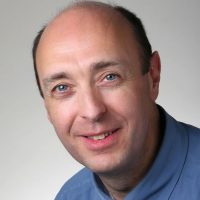
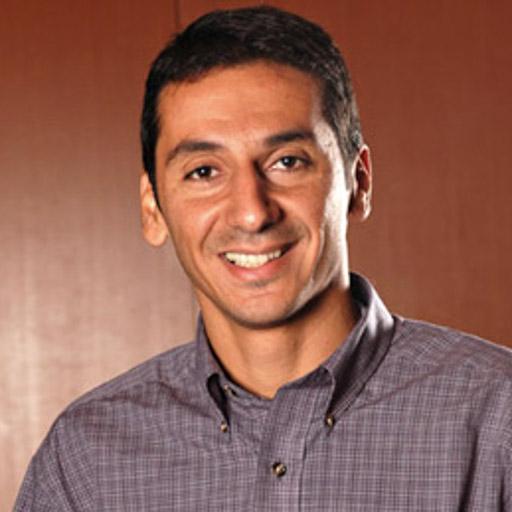
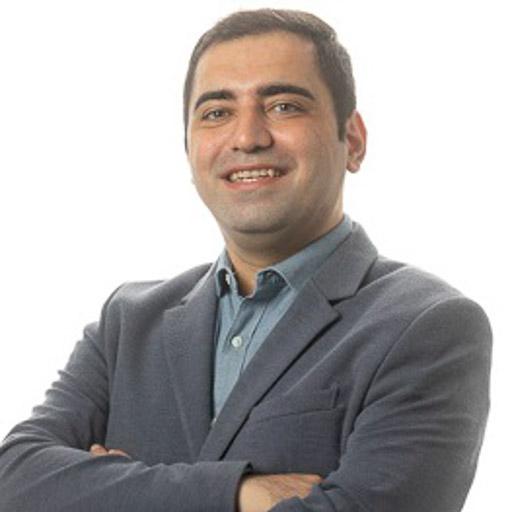
Yvan Labiche is a Professor at Carleton University's Department of Systems and Computer Engineering (SCE), part of the Faculty of Engineering and Design. He holds a Ph.D., P.Eng., and CTFL certifications. His research focuses on software verification/validation, UML-based model-driven engineering, and software quality assurance. Key areas include object-oriented systems, high-dependability systems, and applying AI/evolutionary methods to software testing. He leads research on UML consistency rules, state-based testing strategies, and automated model transformations. Recent work explores metamorphic relations in testing and cost reduction for 5G systems. He has organized workshops like WUCOR (UML Consistency Rules) and contributed to tools like aToucan for UML model derivation. His expertise spans empirical studies in traceability, test effectiveness, and integration testing methodologies.
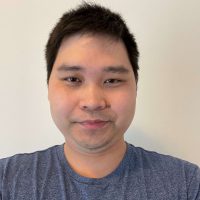
Dr. Chao Shen is an Assistant Professor at the Department of Systems and Computer Engineering, Carleton University, within the Faculty of Engineering and Design. His research focuses on control theory, machine learning, and optimization applied to robotics systems, autonomous underwater vehicles (AUVs), and intelligent control of mechatronic systems. He leads the Robotics Control and Optimization Laboratory and has supervised multiple capstone projects, including a winning team in the 2022 departmental competition. Dr. Shen holds a PhD from the University of Victoria. He has been appointed as a Technical Editor for IEEE/ASME Transactions on Mechatronics (2023) and Associate Editor for IEEE Canadian Journal of Electrical and Computer Engineering (2022). He also served as Technical Program Chair for the 2022 IEEE Electrical Power and Energy Conference. His research interests include perception and navigation for robotics, cooperative control of multi-agent systems, and distributed model predictive control (MPC) for large-scale systems. Notable contributions include a recently published Springer book on 'Advanced Model Predictive Control for Autonomous Marine Vehicles' (2023) and award-winning work funded by NSERC Discovery Grants. Dr. Shen actively mentors graduate and undergraduate students in topics like robust MPC for visual servoing, UAV coordination, and energy-optimal control strategies. His lab offers funded PhD and MASc positions focusing on control theory applications in robotics and autonomous systems.
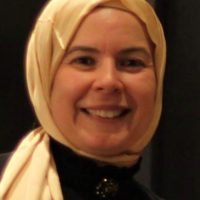
Dr. Hoda Khalil is an Adjunct Research Professor and Contract Instructor in the Department of Systems and Computer Engineering at Carleton University, where she holds a Ph.D. Her research focuses on software engineering, modeling and simulation, and data science. She actively contributes to interdisciplinary projects, including environmental monitoring via Cell-DEVS models, pandemic-related indoor CO2 dispersion studies, and public transit data analysis. Dr. Khalil also explores pedagogical frameworks to bridge academic, industrial, and governmental needs in data science education. Education: Ph.D. in Systems and Computer Engineering, Carleton University Research Interests: Software Engineering methodologies Simulation frameworks for environmental and social systems Data-driven approaches in public policy and industry Machine learning for dynamic knowledge graphs Publications: Her recent work spans cloud-edge provisioning for IoT, CO2 dispersion modeling using Cell-DEVS and deep learning, and pandemic-era labor market analysis. She has developed automation tools like CD2 for CO2 diffusion modeling and contributed to finite state machine testing methodologies. Awards: None explicitly listed. Advising & Grants: No student advisees or grant information provided. Engages in curriculum development and industry collaboration through her teaching and research roles. Labs/Teams: Collaborates with interdisciplinary teams focused on environmental systems modeling, data science education, and pandemic response technologies.
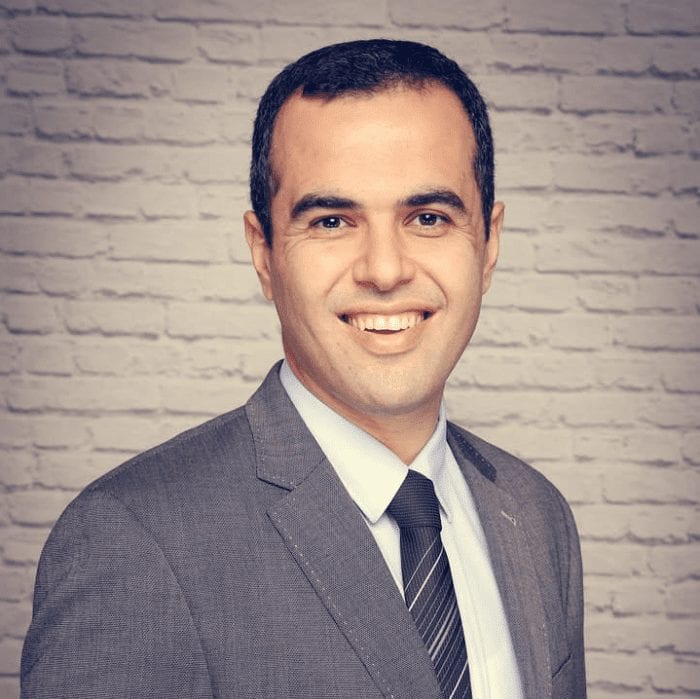
Luke Russell is a Contract Instructor at Carleton University's Faculty of Engineering and Design. He holds a Ph.D. from Carleton University. His research focuses on econometric theory, statistical methods for causal inference, and machine learning applications in policy analysis. Key areas include counterfactual analysis, partial identification in econometric models, and robust optimization techniques. His publications span topics like dynamic panel models, specification tests for moment inequalities, and Wasserstein-robust counterfactuals. He contributes to methodological advancements in handling endogeneity, nonseparable models, and optimal policy learning. No awards or grants are explicitly mentioned in the provided information. Russell’s work bridges econometrics and machine learning, addressing challenges in treatment effect estimation and policy evaluation. While specific lab affiliations are unlisted, his role within the Faculty of Engineering suggests involvement in interdisciplinary research initiatives.
Dr. Perry Howard is an Associate Professor in the Department of Biochemistry and Microbiology at the University of Victoria. His research focuses on RNA processing, cellular decision-making mechanisms, and their roles in human diseases such as cancer and blindness. He leads a lab investigating the ARS2 gene's role in RNA lifecycle regulation and its implications for treatments targeting diseases like malignancy and retinal disorders. His work is supported by grants from NSERC, the Foundation Fighting Blindness, and other organizations. Educations: BSc from University of Waterloo; PhD from University of Toronto Research interests include understanding how RNA processing pathways govern cell behavior and disease progression. Key areas include ARS2-mediated nonsense-mediated decay, ER stress responses, and nanoparticle-based cancer therapies. His lab has discovered critical roles of ARS2 in retinal progenitor cell development and Müller glial fate specification. Dr. Howard’s articles highlight advancements in nanotechnology for cancer treatment, histone isoform regulation, and microRNA-based therapies. His work bridges basic science and clinical applications, emphasizing translational research for human health. Grants from NSERC and other agencies support this mission. He mentors graduate students in areas of molecular biology and nanomedicine, contributing to interdisciplinary collaborations across the Faculty of Science. His lab is part of the Biochemistry & Microbiology department at UVic, fostering innovation in gene regulation and disease modeling.
Isik Bicer is an Associate Professor of Operations Management and Information Systems at the Schulich School of Business, York University. His research focuses on analyzing how operational factors impact financial parameters and designing strategies for customer fulfillment using methods from corporate finance, quantitative finance, and optimization theory. His primary research areas include business analytics, demand fulfillment optimization, operational performance analysis, and supply chain management under uncertainty. He has developed decision tools for supply chain valuation and lead time optimization. Bicer's publications focus on supply chain finance, demand volatility modeling, inventory optimization, and disruption risk mitigation. His work integrates operational strategies with financial outcomes to enhance supply chain resilience and efficiency. He maintains research collaborations with institutions including Rotterdam School of Management and the Swiss Federal Institute of Technology (EPFL).
Detlev Zwick is the Dean and Professor of Marketing at the Schulich School of Business, York University, holding the Tanna H. Schulich Chair in Digital Marketing Strategy. His research focuses on cultural and social theories of consumption, marketing practices, and the intersection of digital technologies with market ideologies. He examines consumer behavior, database marketing, and sustainability within marketing frameworks, emphasizing qualitative social science methodologies. Key research interests include the cultural politics of marketing, the commodification of social contexts, and the ethical dimensions of corporate responsibility. His edited work Inside Marketing: Practices, Ideologies, Devices (2012) explores marketing as both a product and producer of global market ideologies. Recent publications analyze hyperdigital marketspaces, surveillance capitalism, and the contradictions of digital marketing strategies. He critiques contemporary marketing practices through lenses of biopolitics, neoliberalism, and communicative capitalism. His work highlights tensions between consumer empowerment and commercial surveillance in digital ecosystems. Zwick’s academic leadership includes overseeing the Schulich School of Business, driving innovation in digital marketing education, and advancing research on sustainable business practices. His contributions bridge theoretical critique with practical marketing strategies, influencing both academia and industry discourse on ethical market practices.
Qiang Liu is an Adjunct Professor in the Department of Veterinary Microbiology at the Western College of Veterinary Medicine, University of Saskatchewan. His academic credentials include a BSc, MSc from Nankai University (China), and a PhD from Justus Liebig University (Germany). His research focuses on molecular mechanisms of viral pathogenesis, particularly hepatitis viruses (HCV) and porcine circoviruses. Key areas include viral-host interactions, signal transduction pathways, and regulation of gene expression. His work explores how viruses modulate lipid metabolism, transcription factors, and immune responses. Notable studies involve HCV non-structural proteins' effects on fatty acid synthase and sterol regulatory element-binding proteins (SREBPs). He has contributed to vaccine development, including SARS-CoV-2 and PEDV candidates, and has investigated viral translation mechanisms using innovative transfection systems. Dr. Liu's articles span virology, immunology, and emerging technologies like machine learning for predicting T-cell epitope interactions. He also explores welding process optimization through sensor integration and AI-driven defect prediction, demonstrating interdisciplinary research interests. Awards: No specific prizes mentioned in the provided texts. His research is supported by grants focused on viral pathogenesis and vaccine development. Advising: No formal advisee名单 listed. His lab collaborations focus on interdisciplinary projects involving virology and bioengineering. Grants include studies on hepatitis C, coronaviruses, and SARS-CoV-2 vaccine platforms.
Jianping Pan is a Professor in the Department of Computer Science at the University of Victoria (UVic). He specializes in advanced networking, including protocols for mobile/wireless networks, network performance analysis, and applied security. His research focuses on emerging challenges in multi-party multimedia traffic, vehicular networks, and satellite communications. Pan actively teaches graduate and undergraduate courses such as Advanced Computer Networks (CSc 466/579) and Computer Communications (CSc 450/550). He directs student projects in areas like P2P systems, network security, and cloud computing. His work has been recognized with awards including the IEICE 2009 Best Paper Award and the TAF 2010 Telesys Award. Pan leads the PanLab, which explores topics like cognitive radio networks, network measurement, and IoT security. His recent publications address scheduling in LEO satellite networks, multipath QUIC optimization, and privacy-preserving vehicular data aggregation.
Dr. Madeleine McPherson is an Associate Professor in the Department of Civil Engineering at the University of Victoria (UVic) and Principal Investigator of the Sustainable Energy Systems Integration & Transitions (SESIT) Group. She specializes in energy systems integration, decarbonization pathways, and multi-scale energy modeling. Her work focuses on coordinating infrastructure systems (transport, buildings, electricity, water) to achieve climate goals. Education: BASc in Engineering Science (University of Toronto, 2009) MEL in Clean Energy Engineering (UBC, 2010) PhD in Civil Engineering (University of Toronto, 2017) Research Interests: Variable renewable energy integration Energy systems modeling (CREST, SILVER) Electrification pathways for cities Decarbonization of Canada’s energy system through stakeholder engagement Her recent work explores 100% renewable city feasibility (e.g., Regina), grid flexibility requirements under high renewable penetration, and cross-sectoral decarbonization strategies. She collaborates with the Energy Modelling Hub to inform national policy dialogues. Advising & Grants: Actively recruiting graduate students/postdocs with backgrounds in engineering, computer science, or related fields. Funding available for MASc/PhD candidates. Her lab focuses on open-source modeling tools and capacity-building initiatives. Labs/Teams: SESIT Group (UVic) develops decision-support models for energy transitions, emphasizing participatory approaches with stakeholders and communities.
Jeff Dahn is a Professor of Physics and Chemistry at Dalhousie University, Canada, and a world-leading researcher in lithium-ion battery technology. He pioneered the development of lithium-ion batteries now used globally in electronics and electric vehicles. His work focuses on improving energy density, safety, and longevity of batteries through advanced materials and diagnostics. He holds the NSERC/Tesla Canada Industrial Research Chair and the Canada Research Chair in Materials for Advanced Batteries. Education: B.Sc. (Physics), Dalhousie University (1978) M.Sc. (Physics), University of British Columbia (1980) Ph.D. (Physics), University of British Columbia (1982) Research Interests: Development of high-performance Li-ion cathode/anode materials Electrolyte additives and failure mechanisms Battery safety and diagnostics (e.g., High Precision Coulometry) Advances in Na-ion batteries and sustainable energy storage Publications & Awards: Over 820 refereed papers and 78 patents Recipient of Gerhard Herzberg Gold Medal (2017), Killam Prize (2022), and Olin Palladium Medal (2023) Launched spinoff companies like DPM Solutions and Novonix Advising & Impact: Trained over 65 Ph.D. students and 30 postdocs, many now leading roles in academia and industry Led battery research collaborations with Tesla and other industry partners Labs & Teams: Largest university battery lab globally, with advanced equipment for material synthesis and battery testing Focus areas: Electrode materials, electrolyte engineering, and lifetime prediction models
Mélina Mailhot serves as an Associate Professor in the Department of Mathematics and Statistics at Concordia University, specializing in quantitative risk analysis for insurance and financial applications. Her expertise bridges actuarial science, statistics, and climate-related risk modeling. Education: Ph.D., Université Laval, Canada (2012) Research Interests: Professor Mailhot's work focuses on Actuarial Science, Risk Theory, Dependence Modeling, Risk Measures, and Optimization. She develops advanced methodologies for multivariate risk assessment, particularly for extreme events like natural catastrophes. Her research integrates copula theory, extreme value analysis, and machine learning to model complex dependencies in insurance portfolios, with growing emphasis on climate-driven risks such as wildfires and extreme precipitation. Publication Trends: Her recent publications (2021-2025) demonstrate concentrated innovation in dynamic risk measurement and spatial modeling. Key contributions include Bayesian approaches for model uncertainty quantification, multivariate tail-value-at-risk frameworks, and machine learning applications (e.g., Random Forests) for wildfire risk assessment. A significant trend involves translating climate science into actuarial practice, evidenced by spatial interpolation models for extreme rainfall and surge prediction systems using sparse data. Advising and Professional Engagement: She actively mentors graduate researchers including: C. Araiza I. (Tweedie double GLM loss triangles) N. Beck (multivariate extreme expectiles and spatial modeling) B. Kchouk (reciprocal reinsurance treaties) Professor Mailhot maintains strong academic visibility through conferences like the Statistical Society of Canada meetings and international actuarial forums, while also engaging public discourse via Radio Canada appearances on climate-insurance intersections and STEM diversity panels.
Karl-Erich Lindenschmidt is a Professor at the School of Environment and Sustainability, University of Saskatchewan. He serves as Director of the Master of Water Security Program and is a member of the Global Institute for Water Security. His research focuses on river ice processes, climate change impacts, flood risk management, and surface water quality modeling. He holds a PhD in Environmental Engineering from the Technical University of Berlin, an M.Sc. in Mechanical Engineering from the University of Toronto, and a B.Sc. in Mechanical Engineering from the University of Manitoba. His research explores freeze-up and breakup dynamics, ice-jam flood forecasting, and the socio-environmental dimensions of water security. Recent work emphasizes climate change effects on river ice regimes, transdisciplinary integration of human-water systems, and enhancing community resilience through adaptive management strategies. Lindenschmidt has contributed to operational forecasting systems for ice-jam floods and co-produced assessments of Arctic river sensitivity with Indigenous communities. His publications span hydraulic modeling frameworks, machine learning applications, and policy-relevant studies on beneficial management practices under climate change. He has authored influential texts such as River Ice Processes and Ice Flood Forecasting (Springer, 2020) and pioneered stochastic modeling approaches for ice-jam hazard assessment. Lindenschmidt’s work bridges engineering, environmental science, and social sciences to address global water challenges.
Lyes Kadem is a Professor in the Department of Mechanical, Industrial and Aerospace Engineering at Concordia University, where he also serves as Director of the Laboratory of Cardiovascular Fluid Dynamics. His research focuses on cardiovascular fluid dynamics, medical devices, and advanced imaging technologies such as MRI and ultrasound. He specializes in hemodynamic analysis, computational fluid dynamics (CFD), and 3D printing applications in medicine. Dr. Kadem leads a multidisciplinary team investigating flow dynamics in heart valves, cardiac devices, and disease models. His work integrates experimental methods, numerical simulations, and AI-driven approaches to address challenges in cardiovascular diagnostics and therapy. Notable contributions include developing frameworks for cardiac ultrasound robotic systems and open datasets for medical imaging analysis (e.g., CACTUS). His teaching portfolio includes courses in thermodynamics (ENGR 251, MECH 351) and renewable energy (MECH 451). He actively supervises research in biomechanical engineering, with a focus on translational solutions for conditions like mitral regurgitation and aortic valve dysfunction. Dr. Kadem’s lab collaborates on innovations such as 3D-printed heart valve prototypes and robotic systems for remote cardiac ultrasound. His research emphasizes patient-specific modeling, with applications in clinical decision-making and medical device optimization.
Dr. Hamid Taghavifar is an Assistant Professor in the Department of Mechanical, Industrial and Aerospace Engineering at Concordia University. His research focuses on Connected Autonomous Vehicles (CAVs), Robotics, Control Systems, Mechatronics, and Artificial Intelligence (AI), with a particular emphasis on Reinforcement Learning and Intelligent Transportation Systems. He teaches courses such as MECH 6681 (Dynamics and Control of Nonholonomic Systems), MECH373 (Instrumentation and Measurements), and MIAE 215 (Programming for Mechanical and Industrial Engineers). His work involves developing advanced control algorithms for autonomous systems, energy management in electric vehicles, and fault-tolerant robotics. He leads the Lab for Advanced Control and Intelligent Transportation Systems (LACITS), where research integrates AI with cyber-physical systems to enhance automated vehicle decision-making and safety. Recent publications address socially aware autonomous driving, reinforcement learning applications, and robust control methodologies for nonholonomic systems. Dr. Taghavifar supervises Mechanical Engineering (MASc and PhD) students, advising on projects related to autonomous systems, robotics, and control engineering. His research often involves experimental validation and collaboration with industry partners to advance practical applications of control theory and AI.