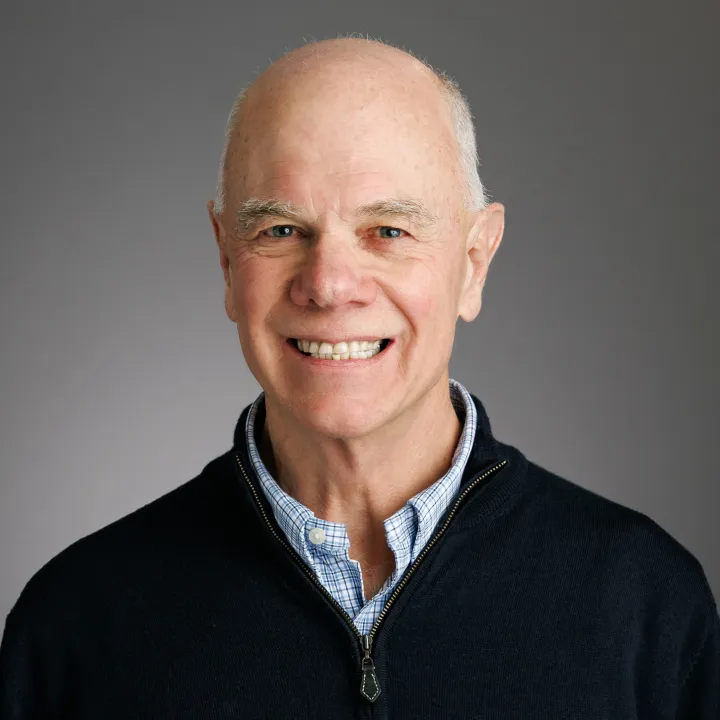
Prof. Dr. Michael Schramm serves as an Extraordinary Professor of Classical Philology at the University of Göttingen's Faculty of Humanities. His academic journey spans prestigious institutions including Heidelberg, Jena, Leipzig, and Bielefeld, with doctoral and habilitation degrees establishing his expertise in ancient philosophical traditions. Research interests center on Neoplatonism, Greek tragedy reception, and Late Antique political-religious dynamics, particularly focusing on Julian the Apostate's theological works and Euripides' influence in imperial philosophy. His publications demonstrate rigorous engagement with textual criticism, philosophical exegesis, and intercultural dialogue between pagan and early Christian thought. Current research includes DFG-funded projects on Julian's religious philosophy (2015-2019) and Euripidean tragedy's relationship to providence (2020-2021), alongside a Gerda Henkel Foundation research fellowship (2020-2021). His editorial leadership in volumes like Euripides-Rezeption in Kaiserzeit und Spätantike (2020) shapes contemporary scholarship in classical reception studies. Advisory roles include postdoctoral mentoring through DFG research groups, with institutional service comprising temporary professorships at Bamberg, Bonn, Tübingen, and Jena since 2012. His methodological approach integrates philological precision with philosophical analysis across monographs, critical editions, and interdisciplinary handbooks.
Zina Makar is an Assistant Professor of Law at the University of Baltimore School of Law, specializing in prison law, criminal procedure, and civil rights. Her work critically examines the intersection of carceral systems and legal rights, with a focus on prisoners’ rights and the transformative impact of technology on incarceration. Education L.L.M., Georgetown University Law Center J.D., University of Maryland Francis King Carey School of Law B.S., University of Maryland Research Interests Makar’s scholarship delves into the jurisprudence of prison law, exploring how carceral spaces shape individuals’ relationships with the state. Her recent work investigates the role of carceral technologies in redefining the nature of incarceration. She examines the ethical and legal implications of surveillance technologies in prisons, the erosion of dignity in prison law, and the systemic issues of pretrial detention and bail reform. Her research also addresses the procedural aspects of criminal law, including the Supreme Court’s shadow docket and the implications of per curiam decisions. She advocates for doctrinal integration to address disenfranchisement and unnecessary incarceration, contributing to broader conversations on criminal justice reform. Scientific Awards Baltimore City Bar Association's Public Interest Attorney of the Year Award (2017) Grants and Advocacy Before entering academia, Makar was an Open Society Institute Fellow from 2014 to 2016. During her fellowship, she established the Pipeline to Habeas program, which serves as a model for the Baltimore City Office of the Public Defender in challenging wrongful pretrial detention. Her advocacy efforts led to the pretrial release of 101 protestors arrested following the death of Freddie Gray, highlighting her commitment to bail reform and civil rights. Labs and Teams While no specific lab or research team is mentioned, her collaborative work with the Baltimore City Office of the Public Defender underscores her ongoing engagement with legal practitioners and reform advocates.
Dr. Andrew Bassett serves as Head of the Cellular and Gene Editing Research group at the Wellcome Sanger Institute, where he develops cutting-edge genome engineering techniques using human pluripotent stem cells to investigate neurodegenerative diseases including Alzheimer's and Parkinson's. His work focuses on scaling genetic screening approaches and improving CRISPR specificity for modeling complex disease mechanisms. His academic training includes: PhD at the MRC Laboratory of Molecular Biology (MRC-LMB) with Andrew Travers on chromatin remodelling in heterochromatin formation Postdoctoral research with David Baulcombe at the University of Cambridge studying small RNA roles in chromatin modification Additional postdoctoral work with Chris Ponting at the MRC Functional Genomics Unit (MRC-FGU) in Oxford, where he pioneered CRISPR applications in Drosophila Bassett's research program centers on developing advanced genome engineering methodologies for precise modulation of gene expression networks during development and neurodegeneration. His group specializes in creating complex editing events (SNPs, paired knockouts, enhancer perturbations) within iPSC-derived models, with particular emphasis on epigenetic regulation and transcriptional control. Current projects integrate single-cell 'omics and phenotypic assays to decode genetic causes of neurodegenerative disorders through the OpenTargets consortium. Analysis of his 15 most recent publications reveals dominant trends in CRISPR technology development (35%), neurodegenerative disease modeling (30%), and single-cell functional genomics (25%). His work consistently bridges methodological innovation with disease mechanism studies, increasingly incorporating multi-omics approaches and expanding into cancer immunology and infectious disease applications since 2022. As group leader, Bassett mentors postdoctoral researchers and PhD students while securing major funding for genome engineering initiatives. His team operates within the Sanger Institute's Cellular Operations division and maintains critical partnerships with the OpenTargets consortium for therapeutic target validation. The laboratory specializes in high-throughput screening platforms using iPSC-derived neural and microglial models, with recent methodological advances including scSNV-seq and ONE-STEP tagging systems that significantly enhance precision genome editing capabilities.
Rita Aiello is an Adjunct Associate Professor in the Department of Psychology at New York University's College of Arts & Science. Her research focuses on the cognitive and perceptual processes involved in musical listening, with particular emphasis on neuroaesthetics, music learning, and memory. She holds an Ed.D. from Columbia University and has held faculty positions at institutions including the Juilliard School and the Manhattan School of Music. Her work bridges music theory, cognitive science, and education, with a lifelong background as a classical pianist. Education: Columbia University (Ed.D.), Manhattan School of Music (M.M., B.M.), Conservatorio San Pietro a Maiella (Diploma in Music Theory) Certifications: Kodály and Orff Methods Her research explores how musical training influences cerebral dominance, the relationship between mental representations and emotional responses to music, and the cognitive underpinnings of musical memory. She has published widely on topics ranging from musical expectation to pedagogical strategies for memorization. Recent work investigates evolutionary perspectives on singing and the psychological mechanisms behind musical communication. Publications reflect interdisciplinary engagement with music's structural rules, metaphorical dimensions, and its role in human cognition. While no specific grants or awards are listed, her extensive international teaching experience includes visiting roles at institutions in Rome and Lugano, Switzerland, and an honorary appointment at Columbia University's Teachers College.
Dr. Mohsen Yoosefzadeh Najafabadi is an Assistant Professor in the Department of Plant Agriculture at the University of Guelph, Ontario Agricultural College. He holds a PhD in Plant Breeding from the University of Guelph (2022), following M.Sc. and B.Sc. degrees from the University of Tehran. His research focuses on dry bean breeding, computational biology, and integrating omics technologies to enhance crop resilience and productivity. Key areas include developing stress-tolerant dry bean varieties, leveraging remote sensing for trait prediction, and optimizing genomic selection methods. He leads the Dry Bean Breeding & Computational Biology Program and has contributed to over 30 peer-reviewed publications since 2017. Education : PhD, Plant Breeding, University of Guelph (2022) M.Sc., University of Tehran B.Sc., University of Tehran Research interests emphasize computational tools development (e.g., AllInOne preprocessing framework), omics-based selection strategies, and non-Mendelian heredity mechanisms. His lab combines machine learning with field phenotyping to address agricultural challenges such as disease resistance and climate adaptation. Collaborative projects include soybean cold stress analysis and cannabinoid profile prediction in cannabis. Publications span genomic approaches to crop improvement, remote sensing applications, and transcriptomic studies. He teaches courses in plant breeding methodologies and actively engages in technology transfer initiatives. Lab activities include developing high-yielding dry bean cultivars resistant to biotic/abiotic stresses and advancing data-driven pipelines for crop breeding. Future work aims to synergize AI with multi-omics data to enhance crop resilience in diverse environments.
Virginia de Sa is a Professor in the Department of Cognitive Science at the University of California, San Diego. Her research integrates computational modeling, psychophysics, and machine learning to investigate visual and multi-sensory perception, with a focus on understanding how humans learn and perceive through neural mechanisms. Her work emphasizes the synergy between human learning and machine learning, applying insights from both fields to advance understanding of perception. Notable projects include developing brain-computer interface (BCI) systems and analyzing biases in facial expression recognition algorithms. She leads the de Sa Lab, which explores the neural basis of learning through interdisciplinary methods, including EEG analysis and biologically inspired algorithms. Key research directions include improving BCI usability through adaptive spatial filtering, investigating pain assessment via facial and electrophysiological data fusion, and enhancing AI fairness in facial expression analysis. Dr. de Sa has contributed to grants such as the NSF-funded CHS project to enhance BCI reliability and collaborates on initiatives like AI-READI to improve healthcare data practices. Her lab’s BCI division focuses on interpreting EEG data for assistive technologies, while her work on divisive normalization bridges biological insights with artificial neural network design. Ongoing efforts explore zero-shot learning and the generalization of neural models to unseen tasks. Dr. de Sa’s interdisciplinary approach spans neuroscience, computer science, and engineering, with a commitment to advancing both theoretical understanding and practical applications in human-computer interaction.
Giuseppe Santucci is an Associate Professor at the Department of Computer, Control and Management Engineering Antonio Ruberti at Sapienza University of Rome. He teaches courses on Fundamentals of Computer Science, Software Engineering, and Visual Analytics. His office is located in Room B218 at Via Ariosto 25, Rome, and his contact email is santucci@diag.uniroma1.it. Dr. Santucci's research focuses on Visual Analytics, Information Visualization, Human-Computer Interaction, and Information Retrieval. His work spans theoretical aspects of visual query languages for semantic models to practical applications in visual analytics for cybersecurity, cryptocurrencies, and deep learning explainability. He has published over 130 articles in international journals and conferences, demonstrating his significant contributions to these fields. His recent publications show a strong trend toward applying visual analytics to increasingly complex domains including cybersecurity, cryptocurrencies, and explainable AI. The work demonstrates an evolution from theoretical foundations of visual query systems to practical applications that help users understand complex data and systems. His research bridges the gap between theoretical computer science and practical user-centered solutions. Dr. Santucci has received notable recognition including: IEEE VizSec 2018 Best Paper Award Human-Computer Interaction Cybersecurity Awards 2018 He actively mentors students through thesis projects focused on information visualization and visual analytics. His PROMISE project provides a framework for students to engage in cutting-edge research in information retrieval and visual analytics. He has supervised work on topics including visual evaluation techniques, visual mappings optimization, and user studies for Infovis systems. Dr. Santucci leads the A.WA.RE (Advanced Visualization & Visual Analytics REsearch) group at Sapienza University. This group conducts research on visual analytics tools for information retrieval evaluation, cybersecurity analysis, and deep learning explainability. Their work includes developing frameworks like CryptoComparator for cryptocurrency analysis and BUCEPHALUS for cybersecurity platform analysis.
Yu Meng is an Assistant Professor in the Department of Computer Science at the University of Virginia (UVA), part of the School of Engineering and Applied Science. He joined UVA in 2024 as a tenure-track faculty member. His research focuses on machine learning, natural language processing (NLP), and data mining, with recent emphasis on large language models (LLMs), alignment, reliability, and ethical AI development. Educated at the University of Illinois Urbana-Champaign (UIUC), Meng earned his Ph.D. in 2023 under advisor Jiawei Han. His doctoral thesis, Efficient and Effective Learning of Text Representations , received the ACM SIGKDD 2024 Dissertation Award. He also held a visiting researcher position at Princeton University under Danqi Chen and was a Google PhD Fellow. His work has been recognized with awards including the Superalignment Fast Grant from OpenAI and notable publications at venues like NeurIPS, ICLR, and ACL. Meng’s research explores topics such as preference optimization (SimPO), retrieval-augmented generation (InstructRAG), and zero-shot learning. He actively serves on program committees for top conferences (ICLR, ICML, NeurIPS) and as an action editor for Transactions of Machine Learning Research (TMLR) . He teaches graduate-level courses on NLP, emphasizing cutting-edge LLM topics like architecture design, instruction tuning, and ethical considerations. Key achievements include contributions to LLM alignment via retrieval optimization, efficient pretraining techniques, and foundational work on weakly supervised learning. His research bridges theory and practice, addressing both technical challenges and societal impacts of AI systems.
Tengfei Ma is an Assistant Professor in the Department of Biomedical Informatics at Stony Brook University, with affiliations to Computer Science and Applied Mathematics & Statistics. He holds a Ph.D. from The University of Tokyo, M.S. from Peking University, and B.E. from Tsinghua University. Previously, he was a Research Scientist at IBM T.J. Watson Research Center. His research focuses on machine learning, natural language processing (NLP), and biomedical informatics, particularly deep graph learning, scalable graph methods, and healthcare applications. He has contributed to frameworks like EvolveGCN for dynamic graphs and IGB datasets for graph benchmarks. Key awards include ISWC 2021 Best Paper (Research Track) and IBM Outstanding Research Accomplishments (2019, 2022). His work bridges theory and practice, addressing challenges like over-dilution in GNNs and interpretable time series analysis. Collaborations span interdisciplinary areas, such as AI for wound monitoring and code summarization. He teaches BMI530: Software Development for Biomedical Informatics and is open to graduate students from CS, BMI, and AMS departments. Research highlights include: Deep Graph Learning: Scalability (FastGCN, IGB), dynamic graphs (EvolveGCN), and topology-enhanced GNNs. Healthcare: Models for EHR analysis, medication recommendation (GAMENet), and wearable wound monitoring. NLP: Document summarization, code summarization (CP-BCS), and commonsense generation via knowledge graph compression. Recent projects include AI tools like Influencer for promotional content creation and neural-symbolic models for interpretable time series analysis. His lab explores foundational AI for healthcare, code analysis, and graph systems.
Wolfgang Lorenzon is a Professor of Physics at the University of Michigan, specializing in experimental particle physics, nuclear physics, and astrophysics. His research spans three major experimental programs: the LUX-ZEPLIN (LZ) dark matter experiment at SURF, the MUSE experiment at PSI for proton radius measurements, and the SpinQuest collaboration at Fermilab studying hadronic physics. He has held significant roles in major collaborations including SeaQuest and HERMES, where he served as Deputy Spokesman from 1997-1998. His educational background includes a Ph.D. (1988) and Diploma (1984), both from the University of Basel. Lorenzon has built a distinguished research career focusing on precision measurements in particle and nuclear physics, with particular expertise in detector development and experimental techniques. Lorenzon's research interests center on fundamental questions in particle physics. His work on the LZ experiment involves developing the in-line radon removal system for the central time-projection chamber, crucial for enhancing the detector's sensitivity to WIMPs. At PSI, he leads the development of liquid hydrogen targets for the MUSE experiment, which aims to resolve discrepancies in proton charge radius measurements. His hadronic physics work with SeaQuest and SpinQuest focuses on understanding nucleon structure through antiquark distributions and polarized Drell-Yan processes. His research bridges theoretical questions with cutting-edge experimental techniques, often requiring innovative detector solutions. Analysis of his recent publications (2023-2025) reveals a strong focus on dark matter detection using liquid xenon technology, precision measurements of nucleon structure, and development of next-generation detectors. His work spans theoretical interpretation of experimental results, detector development, and analysis of fundamental particle interactions. The research shows increasing collaboration across international boundaries, with significant contributions to multiple major experiments simultaneously. Scientific Awards: Fellow of the American Physical Society Lorenzon has mentored numerous graduate students through completion of their Ph.D. degrees, with recent graduates including Haley Reid (2024), Noah Wuerfel and Chami Amarasinghe (2023), Maris Arthurs (2022), Marshall Scott (2020), and Daniel Morton (2019). His current research group includes postdocs, graduate students, and undergraduate researchers. His research is supported by multiple grants from the National Science Foundation (Grant 2110229) and the Department of Energy (Grant SC0019193 and Subcontract 734299), as well as University of Michigan funding. Lorenzon leads a research group with active laboratories at both the Homer A. Neal Laboratory (3265 HANL) and West Hall (357 WH) at the University of Michigan. His team collaborates with international groups at Fermilab, SURF in South Dakota, and the Paul Scherrer Institute in Switzerland. The group maintains strong connections with the LZ collaboration, MUSE experiment, and SpinQuest collaboration, contributing both technical expertise and physics analysis capabilities to these major international efforts.
Laura K. Nelson is an Associate Professor of Sociology at the University of British Columbia , where she also directs the Centre for Computational Social Science . Her work bridges computational methods with sociological inquiry, focusing on gender inequality, social movements, and organizational dynamics. She previously held faculty roles at Northeastern University and affiliated with institutions like the NULab for Texts, Maps, and Networks and the Network Science Institute . Education: PhD in Sociology (2014), University of California, Berkeley MA in Sociology (2009), University of California, Berkeley BA in Sociology (2006), University of Wisconsin-Madison (Phi Beta Kappa) Research Interests span computational sociology, social movement strategy, intersectionality, and STEM equity. She pioneered frameworks like computational grounded theory and radical objectivity , integrating machine learning with qualitative paradigms. Recent publications analyze gender dynamics in emergency medicine, feminist movement histories, and the NSF ADVANCE program’s impact on equity. Her 2024 Social Science Quarterly paper quantifies ADVANCE’s interdisciplinary reach. Awards include the 2020 Best Meta-Reviewer at SocInfo20 and Outstanding Faculty of the Year at Northeastern University. She serves on editorial boards for American Journal of Sociology , Poetics , and Acta Sociologica . She co-PIs a National Science Foundation grant studying gender-equity dissemination in higher education networks and supervises graduate student Jinyang Yu . Her lab, Centre for Computational Social Science , drives open-source methodological innovation.
Professor Catherine Easton serves as Professor in Information Technology and Intellectual Property Law at Lancaster University's School of Law, with additional affiliations at Security Lancaster and the Centre for Law and Society. Her work bridges legal scholarship with practical technology implementation, focusing on digital inclusion and governance frameworks. Her research centers on internet governance, domain name regulation, intellectual property law, and accessibility for disabled users. She examines how legal frameworks interact with human-computer interaction systems, particularly in crisis response scenarios and educational technology. Her scholarship consistently addresses the tension between regulatory compliance and genuine digital inclusion, with special attention to the UN Convention on the Rights of Persons with Disabilities. Her recent publications reveal growing emphasis on autonomous systems regulation, particularly regarding disability access in driverless vehicles, and ethical frameworks for cloud-based disaster response. The scholarly trajectory shows evolution from foundational website accessibility analysis toward complex systems governance in emerging technologies. Higher Education Academy International Scholarship recipient MMU Promising Researcher Fellow (2011) Co-chair of UN Internet Governance Forum's Internet Rights and Principles Dynamic Coalition Treasurer of British and Irish Law, Education and Technology Association Guest editor for Web Journal of Current Legal Issues Disability Special Edition Professor Easton actively develops legal education technologies, having created interactive teaching resources for major textbooks and pioneered clicker technology applications in law classrooms. She leads initiatives like the National Law Student Forum and has presented extensively on MOOCs and legal pedagogy. Her Security Lancaster affiliation connects her work to broader research on information transparency and crisis response ethics, where she examines big data's implications for inclusion and human rights.
Professor Karin Verspoor is the Dean of the School of Computing Technologies at RMIT University in Melbourne, Australia. She previously held roles as Director of Health Technologies and Deputy Head of the School of Computing and Information Systems at the University of Melbourne, and as Scientific Director of Health and Life Sciences at NICTA's Victoria Research Laboratory. Her research focuses on applying artificial intelligence methods to biomedical discovery and clinical decision support, particularly through natural language processing of clinical texts and biomedical literature. Affiliations: RMIT University (STEM College), Australian Alliance for Artificial Intelligence in Health (Victorian Node Lead) Industry Experience: Intelligenesis/Webmind Corp., Applied Semantics, Los Alamos National Laboratory, National ICT Australia Research Interests: Artificial Intelligence in Medicine Biomedical Natural Language Processing Health Informatics Computational Biology Cheminformatics Her work emphasizes cross-modal data integration, EHR analytics, and AI-driven clinical tools to address challenges in healthcare outcomes, musculoskeletal disorders, and infectious disease surveillance. Advising & Grants: Supervises research on AI-based decision-making frameworks, EHR data quality, and chemical knowledge extraction. Leads projects funded by initiatives like CANAIRI (Collaboration for Translational AI in Healthcare). Labs & Collaborations: Co-founder of the Australian Alliance for AI in Health, advancing national AI healthcare policy and translational research.
Ina Fiterau Brostean is an Assistant Professor in the College of Information and Computer Sciences at the University of Massachusetts Amherst, where she leads the Information Fusion Lab. Previously, she was a Postdoctoral Fellow at Stanford University's Mobilize Center (2015–2018) and earned her PhD in Machine Learning from Carnegie Mellon University (2015). Her research focuses on hybrid systems for multimodal data integration, particularly in healthcare, aiming to develop predictive models for clinical outcomes using time series, text, and images. Key areas include disease trajectory modeling, weakly-supervised transfer learning, and adaptive representation learning. Education: PhD in Machine Learning (Carnegie Mellon, 2015), MSc in Machine Learning (Carnegie Mellon, 2012), BEng in Computer Engineering (Politehnica Timisoara, Romania, 2009). Professional roles include teaching COMPSCI 651 (Optimization in Computer Science) and organizing NeurIPS workshops on Machine Learning in Healthcare. Research interests span machine learning methodologies for healthcare applications, including interpretable models, time series analysis, and dimensionality reduction. Notable achievements include the Marr Prize (ICCV 2015) and Star Research Award (SCCM 2016). Her lab collaborates on projects like predicting Alzheimer's disease progression and surgical outcomes using Bayesian networks and deep learning. Awards and recognitions include Rising Stars Workshop (2016), Manning IALS Research Award (2019), and GE Foundation Scholar Leader Award (2007). She actively contributes to the ML4Health community through leadership roles and workshop organization.
James S. Duncan is the Ebenezer K. Hunt Professor of Biomedical Engineering at Yale University, with additional appointments in Electrical & Computer Engineering and Radiology & Biomedical Imaging. His research focuses on biomedical image processing, quantitative image analysis using geometrical models, and applications in cardiac function and neuro-structure analysis. He has pioneered image-guided interventions and developed computational frameworks for medical imaging challenges. He holds a Ph.D. from the University of Southern California. His work integrates AI, deep learning, and statistical decision-making to advance medical imaging technologies. Notable contributions include advancements in 3D image segmentation, deformable models, and MRI-based tumor response assessment. Dr. Duncan has received prestigious awards, including IEEE Fellow (2001) and induction into the American Institute for Medical and Biological Engineering (2000). His recent research spans AI-driven hemodynamics modeling, trustworthy healthcare AI guidelines, and molecular MRI innovations in immunotherapy monitoring. He collaborates across disciplines to address challenges in cardiovascular, neuroimaging, and oncological applications.