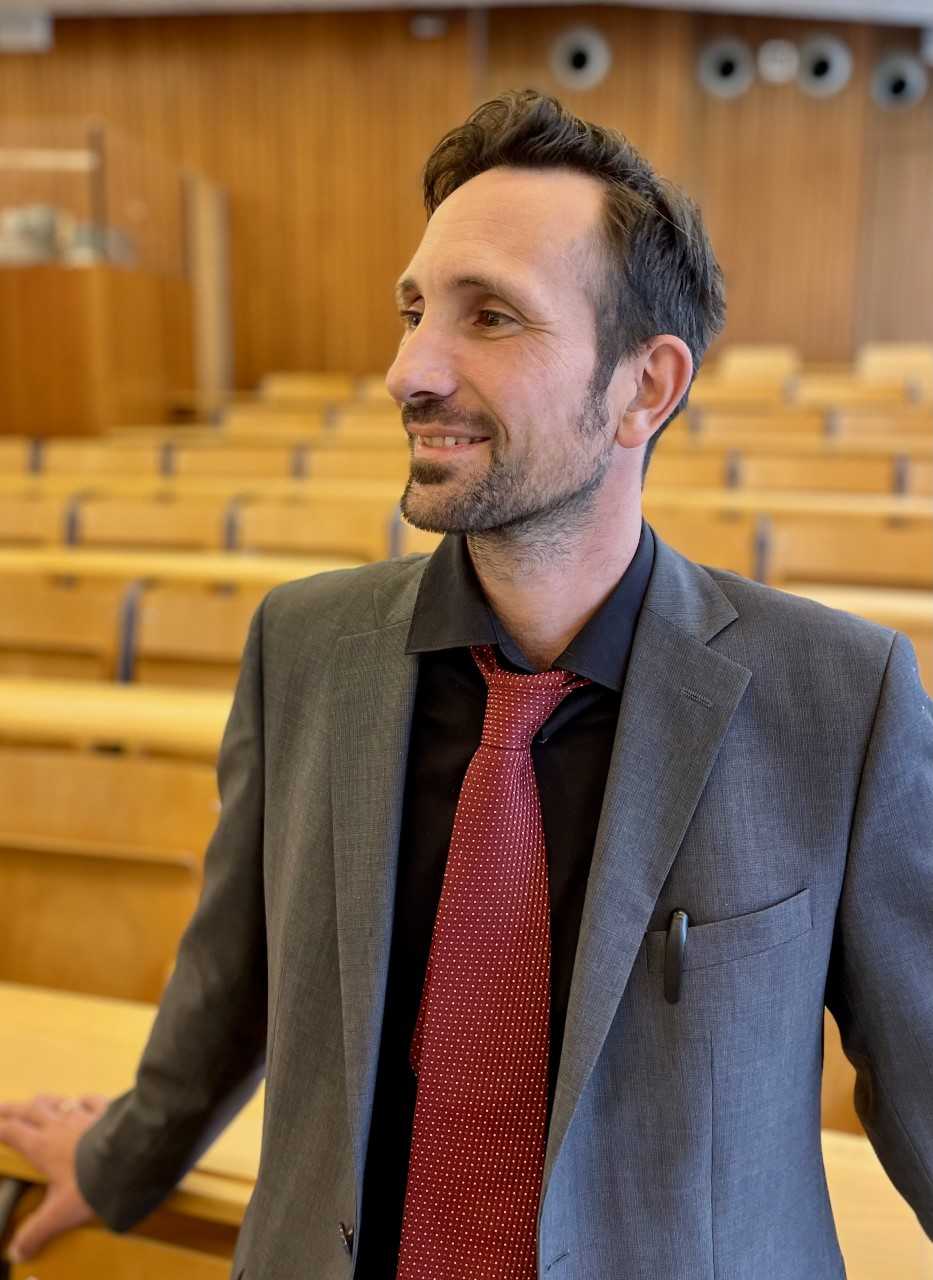
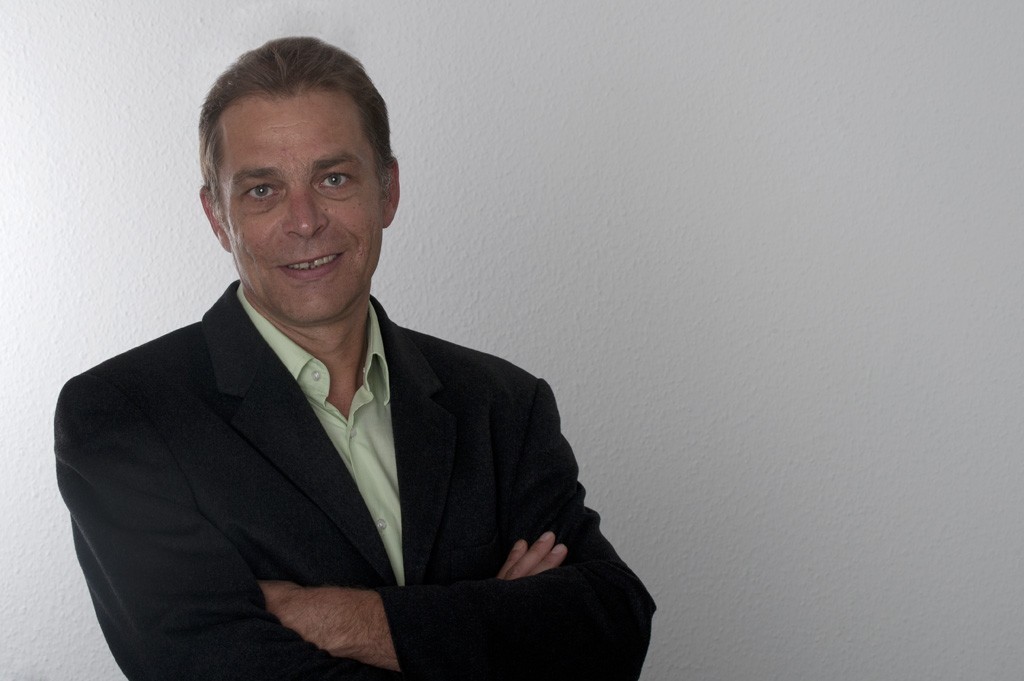
Konstantin Voigt, Professor of Musicology II , serves at the University of Würzburg within the Faculty of Philosophy and Institute of Music Research. His research spans medieval Latin song traditions, music theory, notation systems, and digital humanities applications. He also explores 20th-century composers like Arnold Schoenberg and the reception of medieval music in popular culture. Current: Chair of Musicology II, University of Würzburg (2024–) Previous: Tenure-track Professor, University of Freiburg (2020–2024) Education: PhD (Würzburg), MA (Erlangen-Nürnberg), Musicology & Art History Voigt's research bridges premodern music history with digital methodologies, focusing on: Medieval Latin song structures (9th–13th centuries) Development of musical notation and visualization Digital editions as tools for manuscript analysis Intermedial relationships in postmodern composition Stefan George’s poetry in Schoenberg’s works His recent publications analyze scribal practices in Paris 1139 manuscripts and digital approaches to monophonic music. He co-leads the Weave Lead project on French music reception in Central Europe before 1350 and contributes to the Corpus monodicum digital edition. Collaborations include PD Dr. Hana Vlhova-Wörner (Prague) and institutions like the Schola Cantorum Basiliensis.
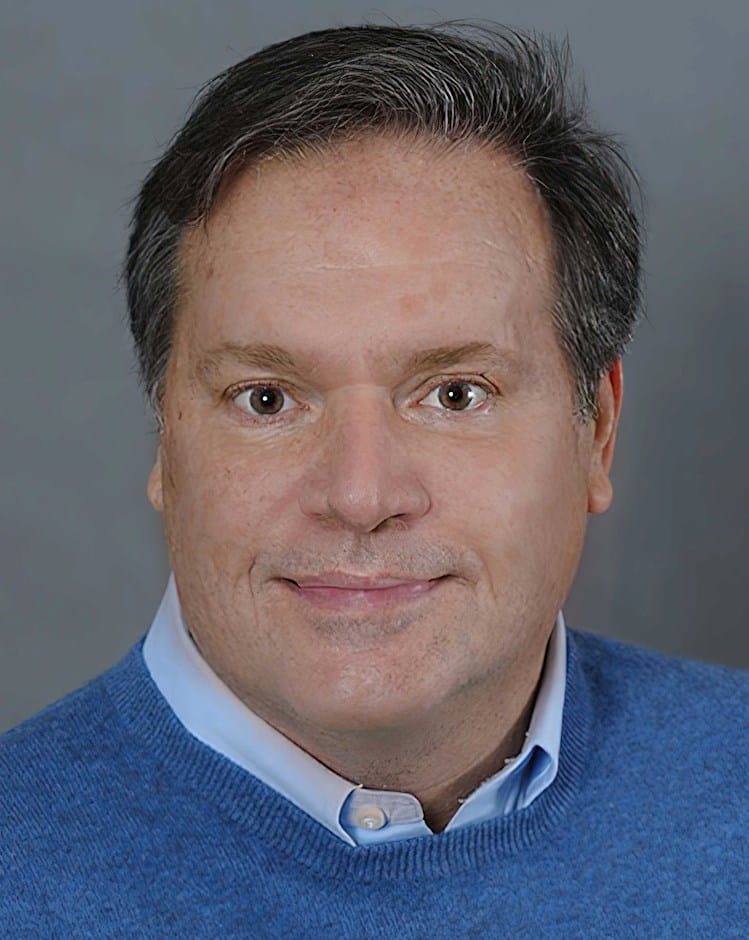
Richard Futrell is an Associate Professor at the University of California, Irvine (UCI), affiliated with the Department of Language Science. He leads the Language Processing Group, focusing on computational models of human and machine language processing. His work bridges information theory, Bayesian cognitive modeling, and natural language processing (NLP) interpretability. University of California, Irvine Department of Language Science Language Processing Group leader His research examines how linguistic structures emerge from cognitive and communicative pressures. Key areas include dependency locality, surprisal theory in sentence processing, and efficiency-driven language evolution. He investigates how memory constraints, predictability, and information density shape syntactic and morphological patterns across languages. Recent publications analyze code-switching efficiency, syntactic priming, ERP component modeling, and agent-based language contact simulations. His work frequently employs Bayesian modeling, neural network analysis, and cross-linguistic corpora to uncover universal principles in language processing. ACL Best Paper Award (2024) Best Paper Award for Computational Modeling of Language (2023) Marr Prize for Best Student Paper (2017) He has developed datasets like SPACER for error repair analysis and contributed to phonotactic learning frameworks. His collaborations span cognitive scientists, computational linguists, and neuroscientists, advancing understanding of language production, comprehension, and structural optimization.
Joseph L. Pagliari is a Clinical Professor of Real Estate at the University of Chicago Booth School of Business. With over 40 years of industry experience, he focuses his research and teaching on issues broadly surrounding institutional real estate investment, analyzing important questions from rigorous theoretical and empirical perspectives. His educational background includes: Bachelor's degree in Finance from University of Illinois-Urbana (1979) MBA from DePaul University-Chicago (1982) PhD in Finance from University of Illinois-Urbana (2002) Professor Pagliari's research centers on asset pricing, strategic use of leverage, portfolio allocation, joint ventures, hedonic pricing, and option-pricing theory. His work specifically addresses the risk-adjusted performance of core and non-core funds, principal/agent issues in incentive fees, comparisons between REITs and private real estate, real estate's pricing and return-generating process, real estate's role in mixed-asset portfolios, and analysis of high-yield financing. His research demonstrates how real estate characteristics impact investment decisions, pricing mechanisms, and portfolio construction across different market conditions and time horizons. His recent publications show a strong focus on understanding leverage dynamics in real estate debt markets, analyzing real estate returns by investment strategy, and examining the role of real estate in mixed-asset portfolios. Pagliari's work on high-yield lending reveals how asset-level volatility significantly impacts mezzanine debt returns, while his research on investment horizons demonstrates how time horizon affects optimal real estate allocations in portfolios. His analysis of credit spreads across different leverage ratios provides critical insights into real estate debt pricing over nearly three decades. Professor Pagliari has received significant recognition for his contributions to real estate research: 2015 winner of PREA's James A Graaskamp Award (recognizing significant research contributions to the common body of knowledge) He actively contributes to the academic and professional real estate community through board memberships and presentations. Pagliari serves on the board of the Real Estate Research Institute (RERI) and previously served on the Real Estate Information Standards (REIS) board. He has presented his research at numerous industry events including ARES, AREUEA, NCREIF, NAREIM, PREA, and ULI, as well as at the Federal Reserve Bank of Atlanta and before a subcommittee of the House of Representatives. His views have also been published in popular press outlets including Barron's and The Wall Street Journal. Professor Pagliari is deeply involved in the real estate academic community, serving as editor of the Handbook of Real Estate Portfolio Management and contributing to numerous academic and professional associations including the American Real Estate Society (ARES), American Real Estate and Urban Economics Association (AREUEA), Homer Hoyt Institute (where he is a Hoyt Fellow), National Association of Real Estate Trusts (NAREIT), National Council of Real Estate Investment Fiduciaries (NCREIF), Pension Real Estate Association (PREA), and Urban Land Institute (ULI).
Mikail Rubinov serves as Assistant Professor of Biomedical Engineering (primary appointment), Computer Science, Psychiatry, and Psychology at Vanderbilt University's School of Engineering. His interdisciplinary work bridges computational neuroscience, network science, and clinical applications. His research focuses on integrative statistical models of large-scale neural data , exploring brain network organization across species and scales. Key interests include evolutionary principles of brain networks, transcriptomic basis of neural individuality, information transfer in neural systems, and neuropsychiatric connectivity phenotypes. The Rubinov Lab develops computational frameworks for analyzing complex neural systems and integrates neuroscientific knowledge with multi-omics data. Recent publications reveal strong trends in network neuroscience methodology development (circular analysis frameworks, unbiased sampling techniques) and translational applications (epilepsy networks, autism spectrum connectomics, gut-brain axis interrogation). His work increasingly incorporates transcriptomic data with neuroimaging at biobank scale. NIH Grant Writing Workshop (June 2022) NIH Workshop Short Talks (April 2023) Rubinov actively mentors graduate and undergraduate students across Biomedical Engineering and Computer Science. His lab maintains collaborations with UCSF, HHMI Janelia Research Campus, Weizmann Institute, and international neuroscience consortia. Current projects include integrative models of large-scale neural data and transcriptomic basis of neural individuality. The Rubinov Lab operates within Vanderbilt's Department of Biomedical Engineering with extensive cross-school collaborations. Technical resources include GitHub repositories for constraint network models (cnm-code), volumetric segmentation (voluseg), and brain connectivity toolboxes.
Elena Barbieri is a Research Assistant Professor in the Department of Physical Medicine and Rehabilitation at Northwestern University's Feinberg School of Medicine, with dual affiliation at the Mesulam Center for Cognitive Neurology and Alzheimer's Disease. Her interdisciplinary work bridges cognitive neuroscience, clinical neuropsychology, and rehabilitation medicine. Her educational trajectory includes: BS in Cognitive Science from University of Milano-Bicocca (2005) MS in Cognitive Neuroscience from University of Milano-Bicocca (2007) PhD in Cognitive Neuroscience from University of Milano-Bicocca (2012) Postgraduate Training Fellow in Clinical Neuropsychology at Northwestern University (2014) Postdoctoral Fellow in Communication Sciences and Disorders at Northwestern University (2017) Dr. Barbieri's research centers on language-brain relationships with primary focus on aphasia mechanisms and rehabilitation. She investigates both stroke-induced aphasia and Primary Progressive Aphasia (PPA), employing multimodal neuroimaging (structural/functional MRI, PET), electrophysiology (ERP), and noninvasive brain stimulation. Her work examines neural reorganization during recovery, cross-linguistic language processing patterns, and development of culturally adapted assessment tools like the Northwestern Assessment of Verbs and Sentences (NAVS) across Italian, Persian, and German populations. Current projects address TDP-43 pathology progression, virtual reality interventions, and neural mechanisms of syntactic processing in neurodegenerative conditions. Analysis of her 2021-2025 publications reveals strong emphasis on PPA neurobiology, cross-linguistic aphasia rehabilitation, and neural plasticity. Key trends include development of international consensus outcome measures (COS-PPA), investigation of disease-specific progression patterns (TDP-43 pathology), and innovative virtual interventions for dementia-related communication disorders. Her work consistently integrates clinical assessment with advanced neuroimaging to map language network reorganization. Her research excellence is recognized through: Karen Toffler Scholarship for neurodegenerative disease research (2023) Cognitive Neuroscience Society Postdoctoral Fellow Award (2018) Society for Neurobiology of Language Travel Award (2016) Dr. Barbieri serves as Associate Editor for Frontiers in Language Science and maintains active roles in ISTAART and the Academy of Aphasia. Her Mesulam Center affiliation enables collaborative research on cognitive-linguistic deficits in Alzheimer's disease and frontotemporal dementia, with particular focus on developing targeted language interventions for progressive neurodegenerative conditions.
Richard Born is a Professor of Neurobiology at Harvard Medical School , focusing on the circuitry of the mammalian cerebral cortex and its role in visual perception. His lab employs multi-species approaches, combining primate psychophysics and electrophysiology rodent 2-photon imaging and optogenetics hierarchical Bayesian modeling of perceptual inference to investigate cortico-cortical feedback, neural variability, and context-dependent visual processing. Research Interests span visual systems neuroscience, with emphasis on top-down modulation of sensory processing binocular rivalry and perceptual states gamma oscillations and neural synchrony input-gain control in V1/V2/V3 Bayesian brain frameworks neuroanatomical connectomics Recent work explores layer 1 dendritic interactions with somatostatin interneurons and collaborations with institutions like Boston University and the University of Rochester. Advising includes mentoring postdoctoral fellows (Ariana Sherdil, Camille Gómez-Laberge, Abhinav Grama) and students at Harvard Medical School. The lab utilizes advanced techniques including multi-electrode arrays laminar probes optogenetic perturbation DTI tractography validation for circuit analysis.
Prof. Dr. Axel Mecklinger is a leading cognitive neuroscientist at Saarland University , specializing in the neurocognition of memory and language through spatiotemporal brain imaging (EEG/MEG/fMRI). His career spans over three decades, with significant contributions to understanding visual working memory , associative recognition , and memory development . Key research areas: Memory binding, ERP subsequent memory effects, novelty detection, and cognitive aging Major grants: DFG Research Groups, Collaborative Research Centers, and international collaborations with the Chinese Academy of Sciences Scientific leadership: Organized conferences, edited journals, and served as speaker for research training groups His recent work explores unitization in memory formation , cross-cultural differences in memory processing , and theta neurofeedback interventions . Awards include the Early Career Award of the German Psychophysiology Society (1992) and the European Federation of Psychophysiology Societies' Federation Prize (1994). Current projects investigate the neural mechanisms of semantic surprisal and memory plasticity in aging populations.
Robert Fulbright, MD, is Professor of Radiology and Biomedical Imaging at Yale School of Medicine with a secondary appointment in Neurology. He serves as Medical Director of the Magnetic Resonance Research Center and specializes in neuroradiology, focusing on diagnostic examinations of the brain, head and neck, spine, and peripheral nervous system using CT, MRI, and MR spectroscopy. Dr. Fulbright completed his medical degree at Baylor College of Medicine (1984), followed by residency training at Baylor College of Medicine and Columbia University, and a fellowship at Yale University School of Medicine. He is board certified in both Diagnostic Radiology (1991) and Internal Medicine (1988). His research centers on advanced magnetic resonance techniques to better understand brain function and disease mechanisms, with particular emphasis on Deuterium Metabolic Imaging (DMI) for mapping brain tumor metabolism. His work bridges radiology, neurology, and oncology to improve diagnostic capabilities and patient outcomes. Analysis of his recent publications (2023-2025) reveals three major research thrusts: metabolic imaging of brain tumors using DMI, genomic correlations with imaging findings in meningiomas, and technical innovations in MRI acquisition and processing. His work demonstrates increasing integration of AI techniques with traditional imaging modalities. As Medical Director of the Magnetic Resonance Research Center, Dr. Fulbright oversees a multidisciplinary team working at the forefront of neuroimaging technology. His clinical work focuses on neuroradiology with particular expertise in brain tumor imaging and neurological disorders.
Alessandra Luchini serves as Professor in George Mason University's School of Systems Biology and the Center for Applied Proteomics and Molecular Medicine (CAPMM), where she pioneers nanotechnology solutions for cancer and infectious disease diagnostics. Her work bridges biomolecular interface engineering with clinical translation through advanced proteomic platforms. Education Ph.D. from University of Padova, Italy Research Focus : Dr. Luchini's program centers on nanoproteomics for biomarker discovery, specifically developing hydrogel-based affinity capture systems to detect urinary biomarkers of Lyme disease, Chagas disease, and tuberculosis. Her lab innovates in biomimetic membrane models using neutron reflectometry to study pathogen-host interactions, while translating findings into point-of-care diagnostic devices through CAPMM's clinical partnerships. Publication Trends : Recent work (2024-2025) reveals three converging trajectories: (1) urinary peptide diagnostics for tick-borne illnesses validated against clinical symptom scores, (2) engineered nanoparticle networks for pathogen sequestration in blood/plasma, and (3) membrane biophysics studies enabling targeted drug delivery. This integration of basic membrane science with clinical proteomics defines her translational approach. Awards 2023 SCHEV Outstanding Faculty Award for Virginia higher education Research Leadership : As CAPMM principal investigator, Dr. Luchini directs NIH-funded projects developing FDA-cleared diagnostic platforms. Her team collaborates with CDC on Babesia diagnostics and with oncology centers on field cancerization proteomics, while mentoring postdocs in nanoparticle engineering and mass spectrometry techniques. Infrastructure : The CAPMM core facility houses state-of-the-art mass spectrometers, neutron reflectometers, and GMP-compliant nanoparticle synthesis equipment, supporting her lab's work on urinary biomarker validation and affinity capture technology development.
Jozien Goense is an Associate Professor at the University of Illinois at Urbana-Champaign (UIUC), holding joint appointments in the Department of Psychology and Department of Bioengineering. She is also affiliated with the Beckman Institute for Advanced Science and Technology and the Neuroscience Program. Her primary research focuses on biomedical imaging, particularly functional MRI (fMRI) and its applications in understanding neurovascular coupling and cortical layer-specific activity. She is recognized for contributions to high-resolution fMRI methodology and laminar imaging techniques. Her work integrates advanced MRI techniques with neurophysiological studies, often using non-human primate models to validate findings in human studies. She has pioneered layer-specific fMRI approaches to map activity across cortical layers, particularly in the motor and visual cortices. Her expertise includes ultra-high field MRI (7T+), BOLD signal modeling, and software development for neuroimaging analysis (e.g., LayNII). Key research themes include the physiological basis of BOLD responses, neurovascular coupling mechanisms, and the application of laminar fMRI to study brain function in health and disease. She has collaborated extensively with neuroscientists, engineers, and clinicians to advance imaging technologies and their translational potential. Publications highlight her contributions to understanding dopamine and acetylcholine effects on neurovascular responses, resting-state gamma-band abnormalities in schizophrenia, and the development of high-resolution imaging protocols. Her work bridges basic science and clinical applications, including studies on vascular contributions to dementia and neuropharmacology. She has received the Beckman Seed Grant as part of a Bioengineering Faculty team, supporting innovative research initiatives. Her lab employs cutting-edge imaging tools and multidisciplinary approaches to unravel brain function at cellular and systems levels.
Dr. Ulas Bagci is an Associate Professor at Northwestern University's Feinberg School of Medicine, Department of Radiology. He holds courtesy appointments in Biomedical Engineering (BME), Electrical and Computer Engineering (ECE) at Northwestern, and Computer Science at the University of Central Florida. As the director of the Machine and Hybrid Intelligence Lab, his research focuses on AI and machine learning applications in biomedical and clinical imaging. Education: BS: Bilkent University (2003) MS: Koç University (2005) Fellow: University of Pennsylvania (2009) PhD: University of Nottingham (2010) ISTP Fellow: NIH (2012) Research Interests: Dr. Bagci’s work spans artificial intelligence, machine learning, and their integration into medical imaging workflows. His lab develops algorithms for tumor segmentation, radiomics analysis, and ethical AI frameworks in healthcare. Notable projects include large-scale MRI segmentation of cirrhotic livers and predictive models for clinical outcomes in oncology and cardiology. Publications: His recent work emphasizes AI-driven solutions for challenges in radiology, including lung disease detection, pulmonary embolism mortality prediction, and ethical considerations in foundational AI models. His articles reflect a focus on bridging clinical needs with advanced computational methods. Lab & Affiliations: The Machine and Hybrid Intelligence Lab collaborates with the Robert H. Lurie Comprehensive Cancer Center. Research themes include federated learning, medical image synthesis, and AI ethics in clinical decision-making.
Daniel Brandenburg is an Assistant Professor of Physics at Ohio State University, affiliated with the Physics Research Building. His research focuses on studying nuclear matter under extreme conditions via relativistic heavy-ion collisions, particularly creating and analyzing the quark-gluon plasma (QGP). He is a key member of the STAR Experiment at RHIC and the EPIC Collaboration for the Electron Ion Collider (EIC). His work explores ultra-strong electromagnetic fields generated in collisions to probe QGP dynamics and search for physics beyond the Standard Model. Brandenburg holds a B.S. in Physics from the University of Florida (2013), followed by an M.S. (2015) and Ph.D. (2016) in Physics from Rice University. He has received notable awards including the Blavatnik Regional Award (2022), Elsevier Young Scientist Award (2019), and Goldhaber Fellowship (2020). His research interests span QGP imaging using high-energy photons, gluon tomography in nuclei, and precision measurements with the upcoming EIC. Recent work includes studies on charge-parity symmetry breaking in baryons, entanglement-based interferometry, and observation of antimatter hypernuclei. His group actively develops detector technologies for STAR and EPIC collaborations. Key achievements include publishing over 50 peer-reviewed articles since 2023, focusing on flow coefficients, strangeness production, and jet modifications in heavy-ion collisions. His 2025 work on QGP photon imaging and 2024 discoveries in ultra-peripheral collisions highlight his contributions to advancing frontier physics.
Daniel Holz is a Professor of Physics and Astronomy & Astrophysics at the University of Chicago, affiliated with the Enrico Fermi Institute, Kavli Institute for Cosmological Physics, and the College. His research focuses on gravitational wave astrophysics, cosmology, and black hole dynamics, contributing to major discoveries like GW150914 and GW170817 as part of the LIGO collaboration. He holds a BA from Princeton and a PhD from the University of Chicago, with postdoctoral fellowships at the Albert Einstein Institute (Germany), Kavli Institutes in Santa Barbara and Chicago, and a Richard Feynman Fellowship at Los Alamos National Laboratory. Research interests include gravitational-wave standard sirens for cosmology, black hole-neutron star mergers, and testing general relativity. Awards include the NSF CAREER Award, Quantrell Teaching Award, and Breakthrough/Gruber Prizes (via LIGO). He chairs the Bulletin of the Atomic Scientists' Science and Security Board, guiding the Doomsday Clock, and directs the UChicago Existential Risk Laboratory (XLab), addressing nuclear, climate, and AI risks. His lab and collaborations leverage multi-messenger astronomy and advanced data analysis techniques. Notable contributions include pioneering gravitational-wave cosmology methods and advancing understanding of cosmic expansion tensions.
Anna Seekatz is an Assistant Professor in the Department of Biological Sciences at Clemson University, affiliated with the College of Science. Her research focuses on the gut microbiome, particularly its role in health and disease, with emphasis on Clostridioides difficile infection (CDI) and fecal microbiota transplantation (FMT). She received her PhD from the University of Maryland School of Medicine and completed postdoctoral training at the University of Michigan. Education : PhD, Molecular Microbiology and Immunology, University of Maryland School of Medicine, 2013 BS, Cellular and Molecular Biology, Western Washington University, 2006 Research Interests : Dr. Seekatz studies microbial interactions within the gut microbiota, including CDI pathogenesis and FMT mechanisms. Her lab investigates how microbial communities contribute to disease resistance and recovery, with a focus on identifying key species and metabolites involved in CDI clearance. Current projects include characterizing commensal Clostridia and their functional dependencies in the gut environment. Techniques employed include bioinformatics, animal models, and traditional microbiology. Lab & Advising : Her research group includes PhD students Sophie Millard, Clara Flores, Christine Woelfel-Monsivais, and postdoctoral fellow Disha Bhattacharjee. She teaches Pathogenic Bacteriology and a creative inquiry course on commensal Clostridia characterization. Lab Locations : Life Sciences Building 157A (Office), 160F and 172 (Labs).
Dr. Ori Ossmy is an Associate Professor (Reader) and Head of the Physical Cognition Lab at Birkbeck College, University of London. His research examines physical cognition across development, injury, and rehabilitation using interdisciplinary approaches combining psychology, neuroscience, and computational methods. Research spans: Infant locomotor development and error learning Neurorehabilitation using VR-manipulated feedback EEG/EMG correlates of motor coordination ADHD interventions through embodied gaming Publication analysis shows strong emphasis on translational research with applications in pediatric healthcare, neurorehabilitation, and educational technology. Methodological innovations include motion tracking, VR environments, and machine learning. Honors include: Best Supervisor Award (2023) Innovative Methods Award from British Psychological Society (2022) Distinguished Early Career Award from ICIS Dr. Ossmy leads the Physical Cognition Lab with 11 PhD students/postdocs and has secured funding from Leverhulme Trust, UKRI, and Simons Foundation. Current projects examine motor learning in Parkinson's patients, infant movement quantification, and cognitive flexibility in ADHD children.