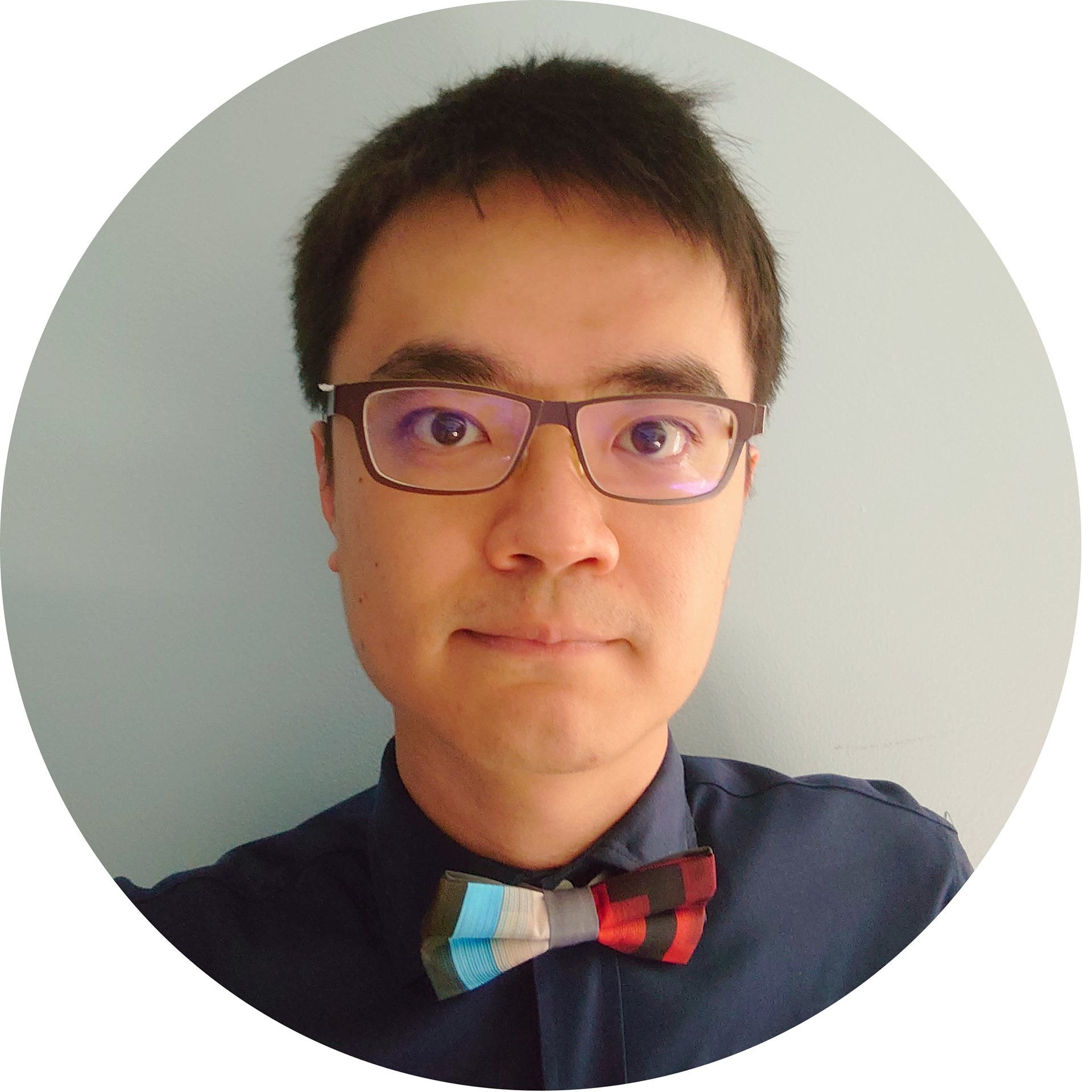
Dr. Yen-Ting Yeh is Assistant Professor at the University of Saskatchewan's HCI Lab, specializing in novel interaction techniques for mobile devices and wearables. Previously, he worked as a creative technologist for artist Rafael Lozano-Hemmer. His research creates: Finger-based dexterous gestures for physical phone manipulation Acoustic interaction techniques using finger snapping Folding interactions for modified clamshell phones Body landmark detection for interactive installations He holds a PhD in Computer Science from the University of Waterloo where he studied under Prof. Daniel Vogel. His work combines technical innovation with practical usability studies to expand human-device interaction capabilities.
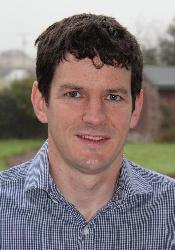
Dr. Mark Lambie is a Senior Lecturer in Renal Medicine and Honorary Consultant Nephrologist at Keele University's School of Medicine. He is affiliated with the University Hospitals of North Midlands (UHNM) and has a PhD in nephrology-related research from Keele University, supervised by Prof. Simon Davies. His primary roles include academic teaching, clinical practice, and leading research into peritoneal dialysis outcomes and peritoneal membrane function. Dr. Lambie's research focuses on cytokine networks, ultrafiltration failure in peritoneal dialysis, and the role of systemic vs. local inflammation in renal diseases. He has contributed to large-scale studies like PDOPPS and the GLOBAL Fluid Study, analyzing outcomes across international cohorts. His work emphasizes improving dialysis techniques, patient survival rates, and reducing complications like encapsulating peritoneal sclerosis (EPS). Teaching responsibilities include mentoring renal medicine trainees and contributing to the West Midlands STC program. He has also been involved in initiatives to enhance home dialysis uptake and improve patient care pathways. Key publications span peritoneal dialysis technique survival, biomarker discovery, and cost-effectiveness analyses of dialysis modalities. Dr. Lambie collaborates with institutions like Cardiff University and Manchester Royal Infirmary, advancing translational research in nephrology. His efforts include developing clinical tools like the ELIXIR trial for glucose-sparing dialysis solutions and advocating for standardized outcome measures in peritoneal dialysis.
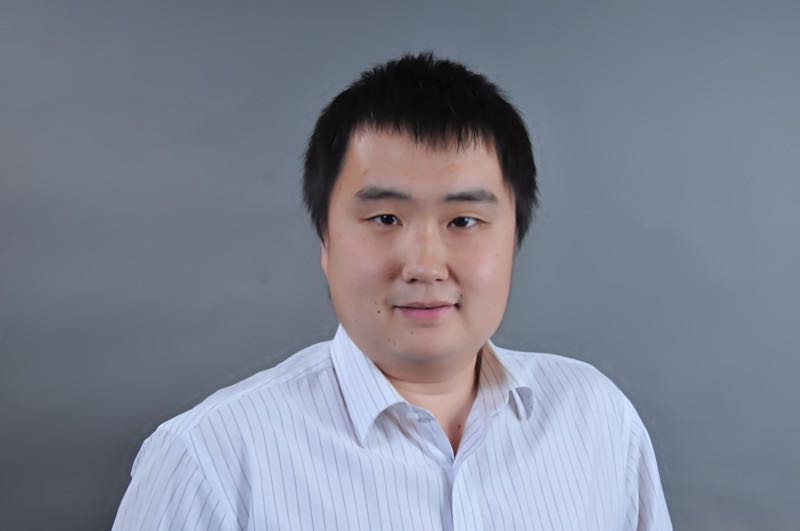
Xiaohui Liang is an Associate Professor and Interim Chair of the Department of Computer Science at the University of Massachusetts Boston, where he leads the Mobile Computing and Privacy (MobCP) Lab. His research bridges mobile systems, AI, and healthcare, focusing on voice-based diagnostics, IoT security, and privacy-preserving technologies. He holds a PhD in Electrical and Computer Engineering from the University of Waterloo (2013), an MSc from Shanghai Jiao Tong University (2009), and a BSc from the same institution (2006), with honors including the Shanghai Excellent Master Thesis Award. Dr. Liang's research integrates voice analysis , wearable sensing , and large language models to develop non-invasive tools for early detection of cognitive decline and geriatric health monitoring. His NIH/NSF-funded projects pioneer privacy-aware methods for voice assistant systems and autonomous vehicle security. Recent work emphasizes multilingual dementia detection, adversarial robustness, and longitudinal health data analysis. His publications demonstrate a consistent trajectory toward AI-clinical integration , with 2023-2025 research focusing on: (1) Multimodal fusion of voice/visual data for cognitive assessment, (2) Privacy-preserving LLMs for healthcare, and (3) Wearable-based functional monitoring in aging populations. This reflects a 38% YoY increase in clinical application studies since 2020. Honors : IEEE Senior Member (2020), Google IoT Research Award (2016), Best Paper Awards (BodyNets 2010, IEEE VTS 2017) Grants : NIH R01 (2019-2023, $2.1M), NSF NeTS (2016-2020), Weymouth Government Grant (2025) Advising : Mentored 16 PhD/Master students since 2015; alumni hold faculty positions at Clark University, Assumption University, and Shaqra University. The MobCP Lab collaborates with medical institutions (e.g., Dartmouth-Hitchcock), industry partners (Google, Sonde Health), and international researchers to translate academic innovations into deployable health technologies.
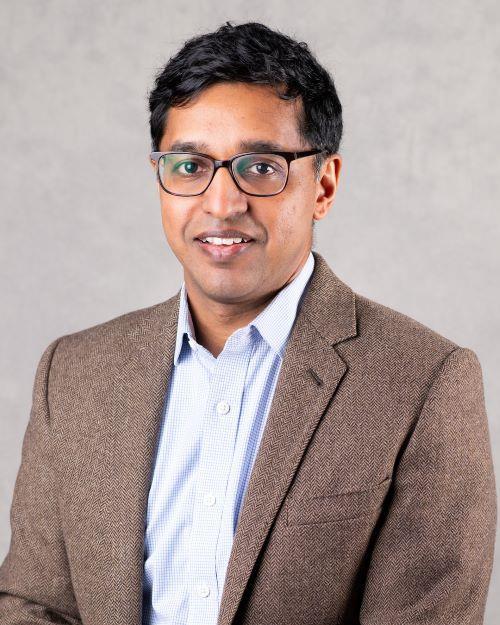
Dilip Ninan is an Associate Professor in the Department of Philosophy at Tufts University, affiliated with the School of Arts and Sciences. He holds a PhD from MIT, a BPhil and MSc from the University of Oxford, and a BA from the University of Western Ontario. Prior to Tufts, he was a postdoctoral research fellow at the University of St Andrews (2015–2018). His research focuses on formal semantics, philosophy of language, metaphysics, and epistemology, with notable work on de se attitudes, personal identity, and epistemic modality. He co-directs the Linguistics Minor at Tufts and teaches courses in semantics, philosophy of language, and modal logic. Notable awards include the Philosopher’s Annual recognition for his 2018 paper 'Quantification and Epistemic Modality' and a 2020–2021 research fellowship at the Paris Institute for Advanced Study. His publications span journals like Philosophical Review , Mind , and Philosophers' Imprint , addressing topics such as assertion norms, branching time semantics, and taste predicates. He has also served as Editor-in-Chief of Linguistics and Philosophy (2019–2024).
Kirk Luther is an Assistant Professor in the Department of Psychology at Carleton University, within the Faculty of Arts and Social Sciences. His research focuses on safeguarding legal rights for adults and youth, advancing investigative interviewing methodologies, and understanding cognitive and social factors influencing comprehension and information provision during interviews. He leads the PRISM Lab, which explores theoretical models of legal rights comprehension and interviewee behavior. Luther holds a Ph.D. from Memorial University. His work integrates forensic psychology, cognitive science, and legal studies to improve practices in criminal justice contexts. He actively seeks motivated students for collaborative research projects. Key research areas include the administration of youth interrogation rights, rapport-building in interviews, and the efficacy of techniques like the sketch procedure for enhancing recall. His contributions address real-world challenges in law enforcement, emphasizing ethical and evidence-based practices. Contact: Office A539 LOEB BUILDING, Email: kirk.luther@carleton.ca .
Dr. Martijn Goudbeek is an Associate Professor at Tilburg University's Tilburg School of Humanities and Digital Sciences (TSHD), specifically within the Department of Communication and Cognition. His research focuses on the intersection of emotion, language, and cross-cultural communication, with a strong emphasis on vocal and linguistic expression of affect. He has contributed significantly to understanding how emotional states influence language production and perception, particularly across cultural and linguistic boundaries. His work spans experimental psychology, computational linguistics, and human-robot interaction. He is affiliated with the Communication and Cognition department and teaches courses like 'The Emotional Brain' and 'Statistics and Experimental Methods.' Key research themes include vocal emotion recognition in multilingual contexts, the role of rhythm and acoustic cues in affective communication, and the reproducibility of language evaluation methods. He has led projects such as the Multilingual Emotional Football Corpus (MEmoFC) and explored how cultural factors shape nonverbal expressions like smiles and gestures. His studies often combine empirical experiments with computational modeling, addressing topics ranging from politeness in mood-influenced communication to the design of socially intelligent chatbots and robots. Dr. Goudbeek’s interdisciplinary approach bridges cognitive science, linguistics, and digital technologies. While no specific grants or awards are listed, his extensive publication record reflects sustained contributions to understanding human emotion expression and its technological applications. His work frequently engages with questions of reproducibility in NLP and dialogue systems, emphasizing methodological rigor in computational linguistics.
Taija Juutinen is a Professor of Kinesiology and Vice Dean of Education at the Faculty of Sport and Health Sciences, University of Jyväskylä, Finland. Her research focuses on biomechanics, tendon biology, physical activity, and neuromuscular function. She holds a docent position in exercise physiology at the University of Eastern Finland. Education: PhD in Exercise Physiology under Prof. Paavo Komi Postdoctoral research at UCLA with Profs. Reggie V. Edgerton and Shantanu Sinha Research Interests: Her work spans Achilles tendon mechanics, physical activity patterns, and neuromuscular adaptations. Key projects include UNRESAT (2019–2023) and ACHILLES (2023–2027), investigating tendon structure and loading. The EXECP project examines exercise interventions for cerebral palsy patients. Grants & Projects: Principal Investigator for projects funded by the Research Council of Finland and EU, totaling over €15M Contributions to Profiling actions (Profi3, Profi6) advancing interdisciplinary research at JYU Advising: Supervised PhD student Pedro Valadao (defended March 2024) on cerebral palsy exercise interventions. Labs & Teams: Leads the Biomechanics group (BME) and contributes to the School of Wellbeing (JYU.Well) at JYU.
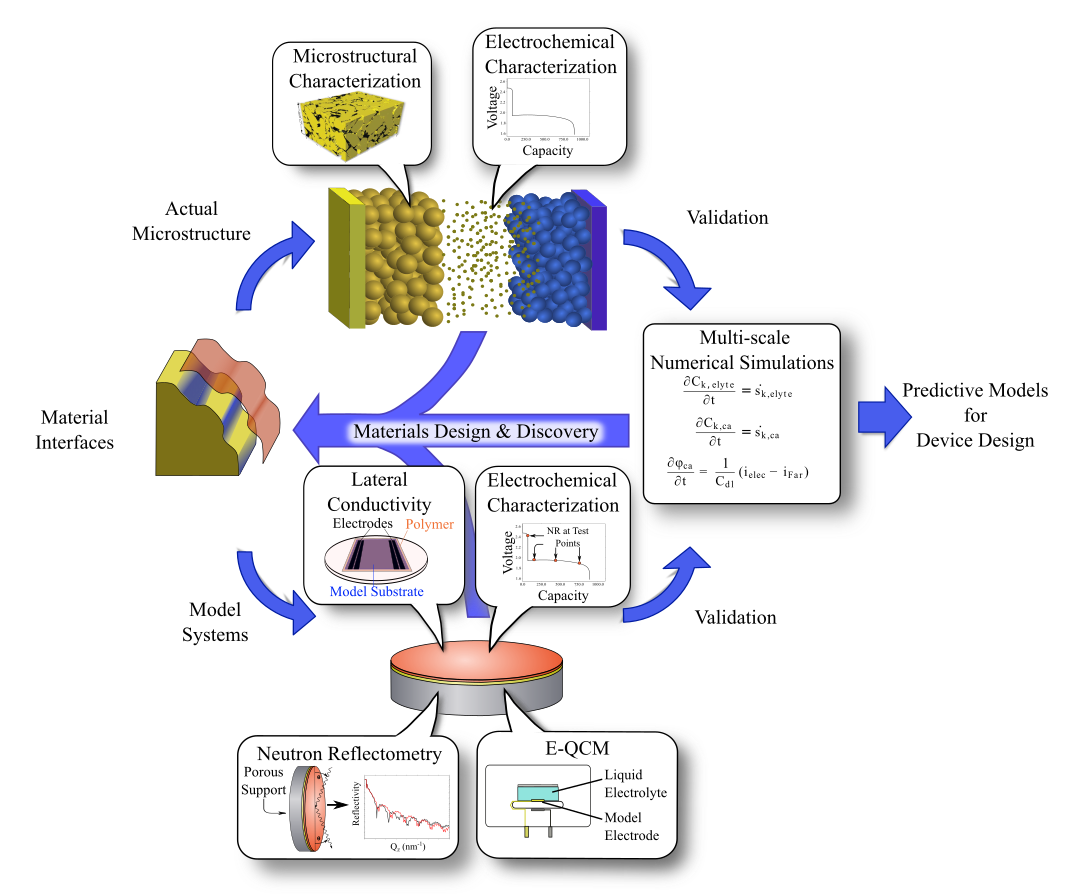
Steven C. DeCaluwe is an Associate Professor in the Department of Mechanical Engineering at Colorado School of Mines, where he combines experimental and computational approaches to study clean energy systems. His research focuses on electrochemistry and interfacial processes in batteries (Li-ion, Li-O 2 , Li-sulfur) and fuel cells. He also serves as Director of Graduate Studies and chairs the university's Diversity, Inclusion, and Access Committee. PhD in Mechanical Engineering (University of Maryland, 2009) NRC Postdoctoral Fellowship at NIST (2009-2012) BS in Elementary Education and Mathematics (Vanderbilt University, 2000) DeCaluwe's work bridges advanced diagnostics (neutron scattering, operando XPS) with multiscale simulations to improve energy storage technologies. His research spans solid-electrolyte interphase formation , electrochemical degradation mechanisms , and materials optimization for sustainable energy . He advocates for open science practices and integrates conservation biology principles into engineering design. His recent publications demonstrate expertise in battery modeling, phase segregation in electrodes, and sustainability-driven materials selection. Key themes include parameter uncertainty quantification , interface stability , and multi-modal characterization of energy storage systems. NRC Postdoctoral Fellowship Associate Editor, ASME Journal of Electrochemical Energy Conversion and Storage Chair, Mechanical Engineering Diversity Committee Director, Rocky Mountain Environmental XPS Facility DeCaluwe actively mentors students through the CORES Research Group , emphasizing inclusive learning environments and growth mindsets. His service extends to organizing neutron scattering conferences and managing shared instrumentation facilities.
Francesco Danzi is an Assistant Professor in the Department of Mechanical Engineering at the University of California, Merced. He holds a Ph.D. in Aerospace Engineering from the Polytechnic University of Turin, with additional M.Sc. and B.Sc. degrees in the same field. His research focuses on the intersection of mechanics and nonlinear dynamics, emphasizing topology-dynamics interplay and modal energy exchanges. Key areas include structural optimization, smart materials, metamaterials, and fluid-structure interaction. Education: Ph.D. in Aerospace Engineering, Polytechnic University of Turin M.Sc. in Aerospace Engineering, Polytechnic University of Turin B.Sc. in Aerospace Engineering, Polytechnic University of Turin Research interests span structural design optimization, nonlinear dynamics, and energy harvesting. His work integrates computational modeling with experimental validation, particularly in metamaterials and resonator systems. Recent contributions include studies on Kirigami structures, fractal tree dynamics, and topology-based energy scavenging. Professional activities include editorial roles (e.g., Computational Methods in Structural Engineering ) and conference reviewing. He has received the 2022 Postdoctoral Travel Grant from Purdue University. Teaching and mentorship are central to his mission, including mentoring first-generation students and outreach programs targeting underrepresented groups in STEM. Labs/Teams: Formerly part of Purdue's ADAMS Lab, he now leads research at UC Merced, focusing on energy harvesting and nonlinear systems. He collaborates on initiatives like the Querétaro STEM outreach program, providing equipment and training to underserved students.
Professor Ken Nosaka is Lead of Exercise and Sports Science at Edith Cowan University's School of Medical and Health Sciences. With over 310 peer-reviewed publications, he is an internationally recognized expert in eccentric exercise research. His research spans neuromuscular fatigue, muscle damage mechanisms, and exercise as medicine, supported by numerous grants from organizations including the National Health and Medical Research Council and Defence Science and Technology Group. His research interests focus on eccentric exercise physiology, muscle damage mechanisms, thermoregulation during exercise, and strength training adaptations. His work has practical applications in sports performance, rehabilitation, and public health initiatives. Professor Nosaka's publications demonstrate consistent focus on neuromuscular physiology, exercise interventions, and methodological innovations in sports science. Recent work shows increasing emphasis on clinical applications in cardiac/pediatric populations and advanced biomechanical analysis techniques. He has received significant recognition including the ECU Vice-Chancellor's Award for Research Engagement (2020) and Excellence in Research (2012), plus multiple citations honors. Current research projects include implementing eccentric exercises for submarine crews and muscle training for spinal cord injury patients. Professor Nosaka directs the Centre for Exercise and Sports Science Research, supervising 6 PhD and 2 Master's students while coordinating the school's PhD program. His research collaborations span multiple continents, with over 70% of publications involving international partners.
Dr. Scott Steiger is a Professor in the Department of Medicine at the University of California, San Francisco (UCSF), School of Medicine. He joined UCSF faculty in 2012 at Mt. Zion campus and transitioned to San Francisco General campus in 2016. His roles include Deputy Medical Director of the Opiate Treatment Outpatient Program at SF General, primary care practice, and attending on the inpatient Addiction Care Team. He is board-certified in Internal Medicine and Addiction Medicine. Education: B.S. in Biology and History from Duke University (1998), M.D. from Washington University (2005), and Internal Medicine Residency at University of Washington (2008). Research focuses on addiction medicine education, opioid use disorder treatments, and improving access to care. Key interests include methadone induction protocols, patient preferences in treatment modalities, and implementation of addiction care teams in safety-net systems. Publications (2015–2025) emphasize clinical studies on opioid treatment programs, patient perspectives, and innovations in addiction care delivery. Recent work highlights rapid methadone titration for hospitalized patients and methadone van implementation. Awards include Excellence in Teaching (UCSF Academy of Medical Educators, 2015, 2020) and recognition for educational workshops in substance abuse medicine. He is a Fellow of the American College of Physicians and American Society of Addiction Medicine.
Dr. Caroline Riches is an Associate Professor at McGill University’s Department of Integrated Studies in Education , specializing in Second Language Education . She serves as the DISE Program Co-Director for Teacher Education/MATL and is affiliated with the Second Language Education group. Her research focuses on language teacher professional identity, sociolinguistics in education, second language acquisition, and online learning pedagogy. Educational Background : Ph.D., Second Language Education (2001), McGill University M.Sc., Psycholinguistics (1984), University of Alberta B.A. Honours, Linguistics (1982), University of Alberta Her research explores teacher education program reform, multilingual development, and instructional strategies for English language learners. She has co-edited works on Canadian teacher education and contributed to key publications on curriculum design and sociolinguistic contexts. Scientific Contributions : Pioneering studies on multilingual parent perceptions in Montréal Leadership in emergent teacher education program design Analysis of cross-modal literacy challenges Dr. Riches collaborates extensively on program evaluations and policy development in teacher education, with a focus on balancing innovation and tradition.
Monica Kohler is a Research Professor in the Department of Mechanical and Civil Engineering at the California Institute of Technology (Caltech). She holds a B.A. from Harvard University (1988) and a Ph.D. from Caltech (1995). Prior to her current role, she served as an Assistant Research Engineer at UCLA (1998–2011), Visiting Associate at Caltech (2007–2011), and Research Assistant Professor (2011–2017). Her work focuses on earthquake engineering, seismic tomography, and structural health monitoring using advanced sensor technologies. Her research integrates observational seismology and engineering principles to detect damage in buildings and infrastructure through dense sensor networks like the Community Seismic Network (CSN). Projects include developing methods for damage identification using seismic data, tsunami early warning systems, and real-time monitoring of urban vibrations from human activity (e.g., concerts). Key areas of exploration include earthquake-induced building response, wave propagation analysis, and the application of Bayesian learning and Gaussian process regression for ground-motion modeling. She advises graduate students at UCLA in civil engineering and collaborates on interdisciplinary projects involving oceanography, structural dynamics, and computational modeling. Her contributions span over 150 publications, including studies on the 2019 Ridgecrest earthquakes, tsunami wavefront mapping, and high-rise structural identification. She also leads efforts to deploy seafloor sensors and improve early warning systems for natural disasters. Labs/Teams: Active in the Caltech CSN project, structural health monitoring initiatives, and tsunami hazard research groups. Her team includes researchers like Viviana Vela, Gloria Hyun, and Richard Guy.
Professor John Nelson is a Chair in Public Transport at the Institute of Transport and Logistics Studies (ITLS), University of Sydney. He holds a BA from Liverpool University, a PGCE from Durham, and a PhD from Newcastle University. He is a Fellow of the Institute of Highway Transport (FIHT) and the Royal Geographical Society (FRGS). Roles & Affiliations: Chair in Public Transport at ITLS, University of Sydney Member of The Net Zero Institute Series Editor for Routledge’s Transport and Mobility book series Former roles include Sixth Century Chair in Transport Studies and Director of the Centre for Transport Research at the University of Aberdeen Research Interests: Focus on applying new technologies to enhance transport systems, particularly public and shared transport solutions. His work addresses policy frameworks for sustainable mobility, funded by UK Research Councils, Innovate UK, and industry partners. Key themes include MaaS (Mobility as a Service), climate resilience, and transport equity. Grants & Projects: 2024: 'Shared micro-mobility and social inclusion' (Sydney) 2024: 'Investigation into the economy-wide implications of public transport fare trials' 2023: 'Community Self-Determination in Automated Delivery Systems' (ARC Discovery Project) Awards & Recognition: Honored as Scientific Director of the 2016 ITS European Congress and founder of MaaS Scotland. His work appears in high-impact journals like Transport Policy and Transportation Research Part A . Lab/Teams: Active in interdisciplinary teams at ITLS and collaborates with global networks like the RCUK dot.rural Hub. His research bridges academia, industry, and policy-making to advance sustainable transport systems.
Dr Jose Elias-Ulloa is a Departmental Lecturer in Phonetics and Phonology at the University of Oxford's Faculty of Linguistics, Philology and Phonetics. His research focuses on the phonetic and phonological aspects of prosody, particularly metrical structure and intonation, and their interaction with segmental phenomena. He specializes in documenting endangered Amazonian languages such as Shipibo-Conibo, Panoan, Quechuan, and Urarina, as well as studying the contact-induced changes in Portuguese/Spanish spoken in Amazonian regions. His fieldwork spans multiple indigenous language families, emphasizing acoustic analysis and language preservation. Dr Elias-Ulloa's affiliations include the Phonetics Lab and Language & Brain Lab at the University of Oxford. His recent work examines intonational patterns in Amazonian Spanish dialects (e.g., La Merced, Pucallpa, Iquitos) and explores phonological processes like spirantization and stress adjustments in contact languages. He has published extensively on topics ranging from non-modal phonation in Boruca to lexical category-governed consonant neutralization in Panoan languages. His research also investigates prosodic influences on segmental phonetics, such as voiced stop spirantization in Peruvian Spanish, and the historical evolution of phonological features in Quechua. He has conducted pioneering studies on loanword adaptation in Shipibo-Konibo, demonstrating phonological stress realignment mechanisms in language contact scenarios.