Andrea Curioni is a Full Professor at the University of Padova , affiliated with the Department of Agronomy, Food and Animal Sciences (DAFNAE). His research focuses on enology, food chemistry, and sustainable processing of wine by-products, particularly wine lees and yeast-derived compounds. Academic Field: AGR/15 - Food Science Key research areas include: Antioxidant properties and bioactive peptides from yeast Mannoprotein extraction and wine stabilization Colloid formation and protein-phenolic interactions in red wines Valorization of winery waste through green chemistry Recent publications highlight his work on sustainable extraction methods, sensory interactions in wine, and molecular characterization of grape and wine compounds. His research employs advanced analytical techniques like asymmetrical flow field-flow fractionation and FTIR spectroscopy for wine composition analysis. While no specific awards are documented in this dataset, his extensive publication record demonstrates leadership in food and wine chemistry. He investigates multisensory interactions, allergenicity of grape products, and innovative applications of plant proteins in food systems.
Konstantinos Poutos serves as Head of the Department of Civil Engineering, Construction Management, and Surveying at Kingston University's Faculty of Engineering, Computing and the Environment. He additionally holds the strategic role of Faculty Coordinator for the National Student Survey (NSS) and Student Experience, driving initiatives that enhance academic quality and student satisfaction across engineering programs. His educational foundation includes: PhD in Civil Engineering Masters in Business Administration (MBA) MSc in Civil Engineering with Earthquake Engineering Dipl.-Ing. Civil Engineering (University of Patras, Distinction) BEng (Hons) Civil Engineering PgCe in Learning and Teaching in Higher Education Dr. Poutos' research spans sustainable construction materials and seismic engineering, with particular emphasis on recycled glass aggregates in concrete systems and structural dynamics under earthquake loads. His innovative work employs Finite Element Analysis to optimize mechanical properties and structural resilience, directly addressing industry challenges in eco-friendly construction and disaster-resistant infrastructure. This research portfolio bridges theoretical modeling with practical applications in water infrastructure and building systems. His publication trajectory reveals a clear evolution from foundational materials research (2007-2013) on recycled glass concrete to current seismic engineering innovations (2023-2025), complemented by educational scholarship on STEM student engagement. Recent work focuses on hybrid shear walls and slit-configuration water tanks, demonstrating sustained relevance in structural resilience. Professional recognition includes: Senior Fellow of the Higher Education Academy Through leadership roles as School Director of Learning and Teaching and Associate Dean (Faculty Director L&T), he implements evidence-based improvements in curriculum design and quality assurance. His strategic integration of NSS data drives targeted enhancements in student retention and academic success, while his teaching portfolio spans MSc Structural Design and BEng Civil Engineering programs. Dr. Poutos cultivates a research-active departmental culture that prioritizes interdisciplinary collaboration between structural engineers, materials scientists, and construction management specialists, fostering innovation in sustainable infrastructure solutions.
Lisa Fenk is a Lise Meitner Research Group Leader at the Max Planck Institute for Biological Intelligence in Martinsried, Germany. Her work bridges Behavioral & Cognitive Neuroscience and Cellular & Systems Neuroscience , using Drosophila and zebrafish to study sensory processing. Education: PhD in Neurobiology (2007–2011), University of Vienna; Diploma in Biology (2005–2007), Physics & French (1999–2005). Prior Positions: Postdoc at Rockefeller University (2015–2021), IMP Vienna (2012–2015). Her research explores how brains differentiate self-generated sensory input from external stimuli, focusing on retinal movements and efference copy mechanisms. She employs electrophysiology , calcium imaging , and behavioral genetics to decode neural circuits. Key trends in her 15 most recent articles (2007–2025) include: Visual processing in Drosophila and spiders Role of retinal muscles in sensory augmentation Asymmetric neural coding for object-background distinction Transcriptomic and optogenetic analysis of neural circuits Evolutionary neuroethology across species
Dr. Pilar Valenzuela is a Professor in the Department of World Languages and Cultures at Wilkinson College of Arts, Humanities, and Social Sciences , Chapman University. Her work focuses on Panoan and Kawapanan languages of the Peruvian Amazon, including Shiwilu (Jebero) and Amahuaca , with expertise in linguistic typology, phonology, morphosyntax, and language revitalization . Education: Pontifical Catholic University of Peru (BA in Hispanic Linguistics & Literature, Diploma in Anthropology) University of Oregon (MA and PhD in Linguistics) Research Highlights: She has published three books and numerous articles on synchronic and historical syntax , verb borrowing , and ethnobiological taxonomies . Her PhD dissertation on Shipibo-Konibo grammar won the Mary R. Haas Book Award . Awards & Grants: Recipient of the Wang-Fradkin Professorship (2006-2008) and a National Science Foundation grant (DEL BCS-0853285) for documenting Kawapanan languages. In 2012, she received the Global Engagement Research Award from Chapman University. Teaching: Offers courses in Spanish linguistics, advanced grammar, and documenting Shiwilu , a critically endangered language. Collaborates with Chapman undergraduate students on creating a trilingual (Shiwilu-Spanish-English) dictionary . Publications: Recent work explores lexical tone in Amahuaca , temporal constructions , and body-part terminology in Pano-Takana languages.
Hussein Basma is an Assistant Professor in Periodontology at the University of Alabama at Birmingham (UAB) School of Dentistry since 2018 and an Associate Scientist at UAB School of Medicine's Center for Clinical and Translational Science (CCTS) since 2020. He specializes in periodontal health, bone regeneration, and implant dentistry. Doctor of Dental Surgery (DDS), University of Damascus (2009) Medical Certificate in Periodontics, UAB (2018) Master of Science (MS) in Dental Clinical Sciences, UAB (2018) His research focuses on periodontal disease, bone augmentation techniques, and mucogingival therapy. Recent studies explore platelet-rich fibrin applications, growth factor efficacy, and anatomical risk factors in sinus surgeries. Basma has served on thesis committees for eight graduate students, acting as chair/mentor for four. He teaches courses like Periodontology D3, Current Literature Review, and Case-Based Education, emphasizing clinical skills and evidence-based practices. Extramural grants: PerioVance (2018) for Periodontal Structure Repair device trials and Stemnion (2016) for St266 efficacy in periodontitis
Mehdi Javanmard is a Professor and Paul S. & Mary W. Monroe Endowed Faculty Scholar at Rutgers University's Department of Electrical and Computer Engineering. He leads the NanoBioElectronics Laboratory, focusing on integrating micro/nanotechnologies with biomedical applications to develop low-cost, rapid diagnostic tools. His work emphasizes point-of-care diagnostics, biomarker detection, and microfluidics-based solutions. Education: PhD (Electrical Engineering) from Stanford University (2008), MS (EE) from Stanford (2004), BS (EE) from Georgia Tech (2002 with Highest Honor). Research Interests: Nanobiotechnology and BioMEMS Point-of-care diagnostics Microfluidics and electrokinetic phenomena Applications of nanotechnology in medicine Key Achievements: Recipient of DARPA Young Faculty Award (2020) and NSF CAREER Award (2019) Founded RizLab Health (2018), a startup commercializing lab-on-a-chip technologies Developed wearable biosensors and wireless diagnostic platforms Published over 50 peer-reviewed articles on microfluidics, impedance cytometry, and biosensor integration Lab Focus: The lab's innovations include nanowell-based impedance sensors, smartphone-integrated diagnostics, and wearable health monitoring systems. Current projects include DARPA-funded research on continuous biomarker monitoring and NSF-supported work on environmental sensor integration.
Giuseppe Lacidogna is Associate Professor in Structural Mechanics at the Department of Structural, Building and Geotechnical Engineering (DISEG), Politecnico di Torino, Italy. He leads the Fracture Mechanics Laboratory and is a key researcher in structural health monitoring and damage diagnosis. He holds a PhD in Structural Engineering from Politecnico di Torino (1994) and graduated cum laude in Architecture (1985). He achieved National Academic Qualification as Full Professor in 2018 and is Fellow of the European Academy of Sciences. He serves on the Academic Board of the Doctorate in Civil and Environmental Engineering and previously directed the Structural Engineering Doctorate (2016–2018). Research Interests: Acoustic emission for damage identification in concrete, masonry, and rocks Cracking evolution in masonry arch bridges Creep and long-term behavior of concrete Fracture mechanics and modeling (FEM, DEM) Seismic precursors and critical phenomena Mechanics of macromolecular and protein structures Static and dynamic analysis of high-rise buildings His recent research, reflected in publications from 2022 to 2025, emphasizes acoustic emission monitoring of historical and modern structures (e.g., Garisenda Tower), fracture in 3D-printed geopolymers, self-healing materials, and multiscale modeling of seismic events. His work bridges civil engineering, materials science, and computational mechanics. Scientific Awards and Recognitions: Fellow, European Academy of Sciences (2018) Certificate Merit Award, European Society for Experimental Mechanics (EuraSEM, 2018) Best Paper Award, Conference on Structural Faults + Repair (2008) Top Italian Scientist, Engineering-Mechanics Area (2021) He actively supervises PhD students and has secured competitive and commercial research funding, including the GREENER project (PNRR) and long-term monitoring of the Garisenda Tower. He serves on editorial boards of journals such as SCI , Construction and Building Materials , and Applied Sciences , and is a member of professional societies including AIMETA, RILEM, SEM, and CTBUH. His research integrates experimental and numerical methods to address challenges in infrastructure safety and sustainability. Laboratories and Research Teams: Fracture Mechanics Laboratory (DISEG), Politecnico di Torino Principal Investigator in multiple national and international research collaborations Leader of the SISCON Interdepartmental Center component on Safety of Infrastructures and Constructions
Danny Lathouwers is an Associate Professor at the Delft University of Technology within the Faculty of Applied Sciences and the Department of Radiation Science and Technology . His research focuses on computational techniques for nuclear reactor physics and proton therapy, particularly using adaptive numerical methods to simulate reactor systems and charged particle transport for high-quality dose distribution in patient geometries. Academic Affiliation : Delft University of Technology, Faculty of Applied Sciences, Department of Radiation Science and Technology Contact : Mekelweg 15, 2629JB Delft, The Netherlands | +31 15 278 3148 | d.lathouwers@tudelft.nl His research areas include: Nuclear Reactor Physics : Numerical methods, modal analysis of neutron transport, multi-physics simulations for Generation-IV reactors Proton Therapy : Deterministic dose calculation, uncertainty quantification, robust treatment planning Adaptive Radiation Transport : Spatial/angular refinement techniques, discontinuous Galerkin methods Recent publications highlight his expertise in: Proton therapy range verification systems Deterministic low-rank transport methods Deep learning applications for anatomical variability Multiphysics reactor modeling He actively supervises MSc and BSc student projects in computational reactor physics and proton therapy.
Ahmed Hassan is an Associate Professor in the Department of Electrical Engineering at the University of Missouri-Kansas City (UMKC), School of Science and Engineering. He is the founder and director of the Multidisciplinary Multiscale Electromagnetics Lab (MMEL), where he conducts cutting-edge research in applied electromagnetics with applications in nanotechnology, medicine, and defense. Education: Ph.D. in Electrical Engineering, University of Arkansas, 2010 M.S. in Electronics and Communication Engineering, Cairo University, 2006 B.S. in Electronics and Communication Engineering, Cairo University, 2004 Research Interests: His expertise spans applied electromagnetics, nanoelectromagnetics, bioelectromagnetics, computational electromagnetics, electromagnetic compatibility (EMC), and microwave/terahertz imaging. He employs both computational and experimental methods to solve real-world challenges in materials, biomedical sensing, and defense systems. His work often integrates machine learning and high-performance computing for electromagnetic modeling. Publication Trends: His recent research focuses on carbon nanotubes, plasmonic sensors, UAV electromagnetic compatibility, and biomedical applications of microwaves. He frequently uses characteristic mode analysis, computational modeling, and experimental validation to advance understanding in multiscale electromagnetics. Scientific Awards: University of Arkansas College of Engineering Early Career Alumni Award (2021) IEEE Senior Member (2019) UMKC Chancellor’s Early Career Award for Excellence in Teaching (2018) Elected Full-Member, U.S. National Committee for URSI (2018) CS&EE Excellence in Teaching Award (2017) Sigma Xi Outstanding Poster Award, NIST (2014) Doctoral Academy Fellowship, University of Arkansas (2007–2010) Cairo University Faculty Prize (1999–2004) Advising and Grants: Dr. Hassan has advised numerous PhD and MS students, many of whom have received research grants and awards. His lab is supported by major funding from DARPA, NSF, ONR, NIST, and industry partners like Zoloz. Projects include counter-drone technologies, biometric sensing, and nanoscale electromagnetic modeling. He actively recruits PhD students with strong computational or experimental backgrounds. Labs and Teams: The MMEL Lab is equipped with advanced hardware including vector network analyzers, SEM, and high-performance computing workstations, and software tools like COMSOL, FEKO, CST, and HFSS. The lab fosters interdisciplinary collaboration across engineering, physics, and medicine.
Francesc Xavier Villalba Nicolas is a Professor at the Department of Catalan Studies, Universitat Autònoma de Barcelona, where he leads research at the Center for Theoretical Linguistics. His academic career spans over two decades since earning his PhD in Catalan Philology from UAB in 2000, with significant contributions to theoretical linguistics. His research focuses on three interconnected areas: Romance syntax and its interfaces with semantics and pragmatics, exclamative sentences across Romance languages, and the functional architecture of sentence structure. Villalba has published extensively in these fields, including a book on word order contrast and numerous reference chapters in authoritative linguistic handbooks. Villalba's scholarly impact is evidenced by 116+ research outputs, including recent publications in 2024 that explore the syntax-pragmatics interface of exclamative markers and the diachronic evolution of discourse markers in Spanish. His work demonstrates consistent engagement with both theoretical frameworks and experimental methodologies, particularly in examining how exclamations function within discourse and contribute to the common ground. 21 publications in ISI Social Sciences Citation Index (96 citations, h-index 5) 14 publications in Scopus (85 citations, h-index 4) 1167 citations in Google Scholar (h-index 18) As an academic supervisor, Villalba has directed multiple PhD theses on topics including resumptive relative clauses, exclamatives in Catalan, and complementizer deletion in Spanish. He currently leads the EXPLETIVENESS AND EXPRESSIVE MEANING project (2024-2027) as Principal Investigator, continuing his investigation into the expressive dimensions of language structure. His research program bridges theoretical linguistics with empirical approaches, making significant contributions to our understanding of how syntax interfaces with meaning and discourse.
Fabian Bross is a Researcher affiliated with the University of Stuttgart's Institute of Linguistics, specifically within the Department of Linguistics/German Studies (ILG). His primary research focuses on sign languages, syntax, and cognitive linguistics, with particular attention to topics like iconicity in sign languages, syntactic negation structures, and gender-neutral language practices. He has authored or co-authored numerous publications in leading journals such as Sign Language & Linguistics , Glossa , and Sprachreport , exploring areas including German Sign Language syntax, sociolinguistic perceptions of gendered language forms, and lexical change in sign languages. His work often bridges formal syntactic analysis with cognitive and sociolinguistic perspectives. Notable contributions include a book on the clausal syntax of German Sign Language (2020) and influential studies on the typological and cognitive foundations of linguistic structures. His research frequently employs empirical methods, combining experimental syntax with corpus-based analyses.
Taeho Kim is an Assistant Professor in the Department of Biomedical Engineering at Michigan State University, affiliated with the Institute for Quantitative Health Science and Engineering. His research focuses on developing nanoscale inorganic materials for medical applications, including contrast agents, therapeutics, and targeted drug delivery systems. Dr. Kim earned his Ph.D. from Seoul National University, followed by postdoctoral training at the University of California, San Diego, and visiting research at Johns Hopkins University School of Medicine. His research interests span nanomedicine, biomedical engineering, and materials science, with a particular emphasis on creating multifunctional nanoparticles for imaging and therapeutic applications in diseases like cancer and endometriosis. The Kim Lab specializes in solution-phase synthesis of inorganic nanoparticles, leveraging expertise in nanoparticle engineering for applications such as cell tracking, molecular therapeutics, and photodynamic therapy. Recent work includes advancements in magnetic particle imaging tracers, anti-inflammatory nanoceria, gold-based cancer immunotherapy, and exosome-coated nanoparticles for glioblastoma treatment. His studies also explore biodegradable nanoparticles for colorectal cancer imaging and photoacoustic imaging of stem cells. Dr. Kim’s research bridges material synthesis, biomedical applications, and clinical translation. Notable achievements include the development of ceria-zirconia nanoparticles for sepsis treatment and investigations into leptin’s role in endometriosis progression using mouse models. His work frequently integrates nanotechnology with diagnostic and therapeutic modalities, emphasizing translational medicine.
Christos Tegkelidis is a Doctoral student and Researcher at KTH Royal Institute of Technology, working in the Division of Particle Physics, Astrophysics and Medical Imaging, located at Roslagstullsbacken 21, room A5:3006. His academic role centers on research within high-energy physics and applied imaging sciences. His research interests span Particle Physics , focusing on subatomic particle interactions; Astrophysics , examining cosmic phenomena and celestial mechanics; and Medical Imaging , developing diagnostic techniques through physics-based methodologies. These fields converge in interdisciplinary applications such as radiation detection systems and imaging modalities for healthcare.
Kenneth Kiger is a Professor and Associate Dean of Undergraduate Programs in the Department of Mechanical Engineering at the University of Maryland, College Park. He holds the endowed Keystone Professor title and is affiliated with the Maryland Energy Innovation Institute and Brain and Behavior Institute. His research focuses on fluid mechanics and experimental techniques, with emphasis on multi-phase flows, particle-turbulence interaction, turbulent mixing in complex geometries, and applications in nuclear reactor safety, spray cooling, and sediment transport. Dr. Kiger earned his Ph.D. in Mechanical Engineering from the University of California, San Diego (1995). He has received the National Science Foundation CAREER Award (1997) and the Distinguished Scholar-Teacher award from the University of Maryland. His work has advanced fluid dynamics education and curriculum development, particularly in hands-on engineering pedagogy. His research employs advanced experimental methods like Particle Image Velocimetry (PIV) and Laser Induced Fluorescence (LIF). Notable projects include studying air entrainment by plunging jets, boron mixing in nuclear reactors, and the dynamics of sediment-laden flows. He has contributed to biomimetic fluid dynamics, exploring gill kinematics in mayfly nymphs, and developed novel measurement techniques for two-phase flows. Prof. Kiger actively engages in academic service, serving on the organizing committee for the APS Division of Fluid Dynamics Annual Meeting (2000) and as a reviewer for journals including Physics of Fluids and Journal of Fluid Mechanics. He has mentored numerous students and pioneered educational initiatives such as mastery-based assessment approaches in engineering education. His lab work involves fluid-structure interaction studies, particularly flexible plate impacts on water surfaces, and high-fidelity simulations of complex fluid dynamics phenomena. Recent contributions address environmental fluid mechanics (e.g., foundry physics modeling) and energy-related applications (e.g., spray cooling for electronics).
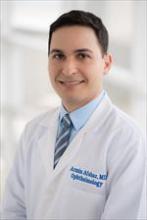
Dr. Armin Afshar is a vitreoretinal surgeon and ocular oncologist at the University of California San Francisco (UCSF), holding the academic rank of Associate Professor of Ophthalmology . He serves as the Director of the Ocular Oncology Service at UCSF and the Director of Tele-Ophthalmology for the San Francisco Department of Public Health , blending clinical expertise with research, teaching, and administrative leadership. Education: BS in Biological Sciences (University of Illinois, 2003), MD (University of Illinois College of Medicine at Chicago, 2003), MBA (University of Chicago Booth School of Business, 2011), MAS in Clinical Research (UCSF, 2018) Dr. Afshar’s research focuses on ocular oncology , particularly uveal melanoma and retinoblastoma , with expertise in proton beam radiotherapy , plaque brachytherapy , and next-generation sequencing for tumor diagnostics. His clinical work spans retinal diseases, vitreoretinal surgery, and ocular surface tumors, contributing to global initiatives in telemedicine screening for diabetic retinopathy. His recent publications highlight advancements in uveal melanoma genomics , ocular metastasis pathology , and telemedicine innovations , reflecting collaborations across institutions and disciplines including epidemiology, radiation oncology, and molecular diagnostics. Scientific Awards: International Society of Ocular Oncology Biennial Meeting - 1st place poster prize (2015) William F. Hoyt, MD Award for resident teaching (2014) Harvey Z. Klein, MD Award for patient care (2012) Illinois Ophthalmology Association Advocacy Award (2012) Bamberger Scholarship (2004) Grants: National Eye Institute (NIH) Research to Prevent Blindness That Man May See Illinois Society for the Prevention of Blindness ($5,000 research grant, 2010)