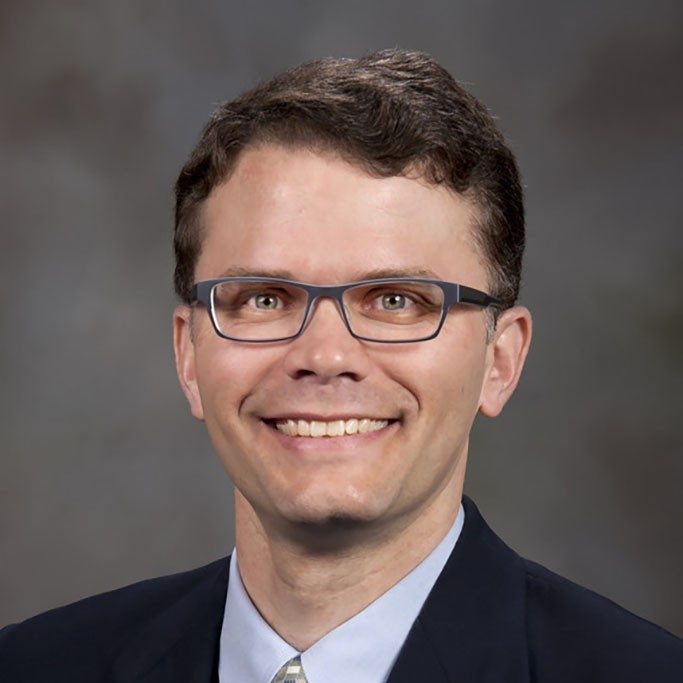
Fendy SantosoView profile
Academic
Dr. Fendy Santoso is a Visiting Fellow at UNSW Canberra's School of Engineering and Information Technology, where he conducts cutting-edge research at the intersection of cyber-physical systems, cybersecurity, and artificial intelligence. His work focuses on developing robust security mechanisms for autonomous systems, particularly UAVs and robotics operating in adversarial environments. His educational background includes a PhD in Electrical Engineering from UNSW Sydney and a Master of Engineering (Electrical and Computer Systems) from Monash University. Dr. Santoso's research interests span cyber-physical systems security, adversarial machine learning, trustworthy autonomy, and AI-driven cybersecurity for autonomous platforms. His work specifically targets penetration-resistant architectures and secure decision-making frameworks for UAVs and robotic systems operating in dynamic, threat-prone environments. His approach integrates advanced fuzzy logic systems with deep learning techniques to create resilient control mechanisms that can withstand cyberattacks and operational uncertainties. Analysis of his recent publications reveals a consistent focus on applying type-2 fuzzy systems, deep learning, and negative imaginary control theory to solve critical challenges in autonomous systems security and control. His work demonstrates strong interdisciplinary connections between cybersecurity, control theory, and artificial intelligence, with particular emphasis on real-world implementation and experimental validation. Distinguished Early Career Travel Fellowship 2019, University of Wollongong ARC Linkage Project: Robust Defenses Against Adversarial Machine Learning for UAV Systems (2023) CSIRO Next Generation Grant for AgriTwins: Bridging Cyber-Secure Emerging Technologies and Data-Centric Twin Tech for Resilient Agriculture of the Future (2024) Dr. Santoso has secured over AUD 3 million in competitive research funding from prestigious sources including the Australian Research Council, U.S. Army Ground Vehicle Systems Centre, and Defence Science and Technology Group. He leads multi-disciplinary research teams and maintains strategic partnerships with defense and government agencies to translate theoretical advances into practical cybersecurity frameworks. His laboratory work centers around the Autonomous System Laboratory at UNSW Canberra, where he conducts experimental validation of security protocols for military ground robots and UAVs under realistic cyberattack scenarios.