Martin T. Wells is the Charles A. Alexander Professor of Statistical Sciences at Cornell University, with joint appointments in the Department of Statistical Science, Department of Biological Statistics and Computational Biology, Department of Social Statistics, and as Professor of Clinical Epidemiology and Health Services Research at Weill Medical School. He serves as Editor-in-Chief of the ASA-SIAM Book Series and Co-Editor of the Journal of Empirical Legal Studies. Cornell University, Ithaca, NY Weill Cornell Medical College Research Interests span applied and theoretical statistics, Bayesian methods, biostatistics, clinical epidemiology, and computational biology. His work bridges disciplines like finance, legal studies, and health services research. Article Trends highlight advancements in Bayesian modeling, quantum cognition machine learning, tensor analysis, and misclassification correction, with applications in genomics, finance, and public health. Fellow of the American Statistical Association Fellow of the Royal Statistical Society Contributions include developing statistical software (e.g., rTensor), methodological innovations in clinical trials, and empirical legal studies on civil rights and the death penalty.
Tanya P. Garcia, PhD is an Associate Professor of Biostatistics at the Gillings School of Public Health and Research Faculty in the UNC Neurology Huntington Disease Program at the University of North Carolina at Chapel Hill . She leads the Methods for INcomplete Data (MIND) Lab , focusing on statistical methods for handling censored, missing, or incomplete data in neurodegenerative disease progression studies. Education: PhD in Statistics, Texas A&M University MS in Statistics, University of Western Ohio MS in Industrial Engineering and Operations Research, UC Berkeley Research Interests: Specializing in High-Dimensional Variable Selection , Longitudinal Data Analysis , and Neurodegenerative Disease Modeling , her work develops reproducible statistical methods for Huntington's disease progression, improving clinical trial design and biomarker identification. Scientific Awards: American Statistical Association Fellow (2024) Landis Award for Outstanding Mentorship (2024) Roy R. Kuebler Award (2024) Gertrude M. Cox Award (2024) Leadership & Mentorship: Director of the MIND Lab, Chair-Elect of the Biometrics Section of ASA, and Tyson Academic Leadership Fellow (2023–2024). Her lab alumni have secured prestigious positions at institutions like Wake Forest University and Baylor University.
Dr. Ian Yi Han is an Assistant Professor at the Saw Swee Hock School of Public Health, National University of Singapore (NUS), and Co-Director of the Center for Health Intervention and Policy Evaluation Research (HIPER). His research focuses on evaluating community-based health interventions, telehealth programs, and the impact of built environments on health behaviors. He holds a Ph.D. in Behavioral Nutrition from Columbia University, an M.A. in Psychology in Education, and a B.Sc. in Neural Science & Psychology from New York University. Key research areas include programme evaluation, population health, health services research, and dietary behaviors. He explores how interventions can improve patient experiences and population health outcomes, particularly through telemedicine and lifestyle modifications. His work has been published in journals like npj Digital Medicine, Metabolism, and the Journal of Nutrition Education and Behavior. Notable projects include studies on blood pressure telemonitoring, diabetes management during the pandemic, and supermarket intervention strategies for obesity prevention. Dr. Han has contributed to policy initiatives through roles such as Senior Research Fellow at the National University Health System and Lecturer at Columbia University. He advises on primary care research and collaborates on global health projects, emphasizing interdisciplinary solutions to public health challenges.
Harri Lähdesmäki is an Associate Professor (tenured) at the Department of Computer Science, Aalto University, where he leads the Computational Systems Biology research group. His work focuses on probabilistic machine learning and deep generative models with applications in biomedicine and molecular biology. Key Research Interests: Probabilistic machine learning, deep generative models, computational biology, bioinformatics, longitudinal data modeling Contact: harri.lahdesmaki@aalto.fi | Konemiehentie 2, 02150 Espoo, Finland His recent publications highlight advancements in: Gaussian process priors for scalable deep generative models Single-cell analysis of immune repertoires in leukemia and diabetes Probabilistic deconvolution methods for RNA-seq data Epigenetic analysis using hidden Markov and mixed models Transformer-based survival prediction and missing data handling Harri’s work integrates mechanistic modeling with Bayesian inference, particularly applied to immunology, cancer biology, and early disease prediction.
Gordon Plotkin is a Professor at the School of Informatics, University of Edinburgh, where he is affiliated with the Laboratory for Foundations of Computer Science (LFCS). His research lies at the intersection of theoretical computer science and programming language semantics, with a profound influence on the formal understanding of computation. His research interests include Programming Language Theory, Semantics of Programming Languages, Domain Theory, Operational Semantics, Lambda Calculus, Type Theory, Concurrency Theory, and Algebraic Effects. His seminal work on structural operational semantics and domain theory has laid the foundation for modern semantics of programming languages. His publications span over five decades, showing a sustained and evolving research trajectory from foundational work in lambda calculus and domain theory to recent contributions in algebraic effects, probabilistic computation, and biochemical systems modeling. The articles demonstrate a consistent focus on formal methods, mathematical rigor, and the algebraic structure of computational effects. He has collaborated with leading researchers including Martín Abadi, John Power, Glynn Winskel, and John Reynolds. His work continues to influence both theoretical and practical developments in programming languages and systems. Gordon Plotkin has made foundational contributions to computer science, particularly through his development of structural operational semantics and domain-theoretic models of computation. He has advised numerous researchers and supervised many influential PhD theses, though specific student names are not listed in the provided text. His work has been supported by long-standing affiliations with the Laboratory for Foundations of Computer Science and the University of Edinburgh, and he has contributed to major collaborative projects in programming language design and verification. He is associated with several research groups and labs, most notably the Laboratory for Foundations of Computer Science (LFCS), which serves as a hub for theoretical research in programming languages, semantics, and logic at the University of Edinburgh.
Golan Levin is Professor of Electronic Art at Carnegie Mellon University's School of Art, with courtesy appointments in the School of Design, School of Architecture, School of Computer Science, and Entertainment Technology Center. From 2009 to 2022, he served as Director and Co-Director of CMU's Frank-Ratchye STUDIO for Creative Inquiry, a laboratory dedicated to supporting atypical, anti-disciplinary research at the intersection of arts, science, technology, and culture. Levin's research spans interactive art, digital fabrication, information visualization, and generative design. He explores the critical potential of visualization, generative computation for expressive form, and how abstraction connects to realities beyond language. His practice engages interactive gestural robotics, nonverbal interaction aesthetics, and tactical applications of personal digital fabrication through responsive artifacts and media provocations that highlight human-machine relationships. His publications reveal consistent innovation in real-time audiovisual systems, interactive fabrication interfaces, and pedagogic tools for artists. Key trends include slit-scan video techniques, tangible augmented-reality performance, and noise-based visualizations, demonstrating his commitment to expanding human action vocabulary through digital media while bridging artistic expression with computational systems. Levin's work has received significant recognition: Permanent collection inclusion at Museum of Modern Art (MoMA) Whitney Biennial exhibition "50 Designers Shaping the Future" by Fast Company (2012) Competitive grants from National Endowment for the Arts, National Endowment for the Humanities, Creative Capital, and Rockefeller MAP Fund As an educator, Levin teaches "studio courses in computer science" on interactive art, experimental capture, and generative design, emphasizing computation as a medium for critical inquiry. His research funding from major cultural institutions supports interdisciplinary exploration at the arts-technology nexus. The Frank-Ratchye STUDIO for Creative Inquiry, which he directed for 13 years, remains a vital hub for anti-disciplinary collaboration, continuing his legacy of fostering creative agency through technology-infused artistic practice.
Prof. Mathias Drton holds the Chair of Mathematical Statistics at the Technical University of Munich (TUM), within the Department of Mathematics and School of Computation, Information and Technology. His research focuses on graphical models, algebraic statistics, causal inference, and multivariate data analysis. He has authored numerous publications in top-tier journals and conferences, including work on conditional independence, sparse factor analysis, and causal discovery in linear models. Drton has supervised a large number of theses, mentoring students in areas like high-dimensional statistics, graphical models, and causal inference. He is actively involved in teaching advanced courses such as 'Graphical Models in Statistics' and 'Fundamentals of Mathematical Statistics.' His academic contributions span theoretical developments in statistical methodology and computational tools, including R packages like SEMID and symRC . Drton collaborates internationally, contributing to projects like the TUM-ICL Mathematical Sciences Hub and Exzellenzcluster MCQST. His work bridges algebraic methods with statistical challenges, addressing identifiability in latent variable models and robust graphical modeling under non-Gaussian assumptions. Recent research emphasizes causal structure learning under partial homoscedasticity, distribution-free independence tests, and multi-domain causal representation learning. Drton’s lab actively explores applications in genomics, epidemiology, and machine learning, leveraging both theoretical rigor and practical computational methods.
Kamal H. Khayat serves as the Jones Professor of Civil Engineering at Missouri University of Science and Technology and directs the Center for Infrastructure Engineering Studies (CIES), focusing on advancing concrete technology for sustainable infrastructure development. His research spans high-performance concrete (HPC), ultra-high-performance concrete (UHPC), self-consolidating concrete (SCC), and concrete rheology, with specialized expertise in 3D printing applications, fiber reinforcement systems, and shrinkage mitigation techniques. He investigates innovative materials like superabsorbent polymers and alternative binders to enhance durability and sustainability in concrete infrastructure. Analysis of his recent publications reveals dominant trends in digital fabrication of concrete, particularly 3D printing optimization and rheological modeling for structural build-up. His work increasingly integrates machine learning for material property prediction while emphasizing eco-friendly formulations using recycled aggregates and carbon-mineralization techniques. As Director of CIES, Khayat leads multidisciplinary research initiatives in infrastructure materials engineering, overseeing projects related to concrete rehabilitation, sustainable construction methods, and advanced material characterization techniques for civil infrastructure systems.
Akihiko Nishimura is an Assistant Professor in the Department of Biostatistics at the Johns Hopkins Bloomberg School of Public Health. He holds a PhD from Duke University (2017) and MS and BS degrees from Stanford University (2011 and 2010). His research focuses on Bayesian methods, statistical computing, and public health data science, with applications in precision medicine and observational health data analytics. PhD, Duke University, 2017 MS, Stanford University, 2011 BS, Stanford University, 2010 Nishimura's research centers on developing advanced statistical and computational methodologies for real-world health data. His work emphasizes Bayesian inference, large-scale computing, and software development for reproducible research. He is particularly interested in using observational health data to improve clinical decision-making and advance precision medicine. He co-leads the Bayesian Learning and Spatio-Temporal modeling group (BLAST Group) and the inHealth/OHDSI Lab , collaborating with clinicians and data scientists across institutions. His recent publications reflect a strong trend in methodological innovation in Monte Carlo methods (e.g., Hamiltonian and Zigzag samplers), scalable Bayesian inference, and applications in pharmacovigilance, diabetes management, and infectious disease modeling. The articles span disciplines including biostatistics, computational statistics, public health, and bioinformatics, demonstrating a consistent focus on high-impact, computationally intensive problems in health data science. Nishimura actively contributes to the scientific community through methodological development and open science. He develops statistical software and shares teaching materials on GitHub, emphasizing reproducibility and performant computing. His involvement in the OHDSI community enables large-scale, multi-institutional studies that would not be feasible with single-source data. His work has been recognized through publications in top-tier journals such as the Journal of the American Statistical Association , Biometrika , and JAMA Ophthalmology , and has been picked up by numerous news outlets and social media platforms, indicating broad scientific and public impact. Nishimura teaches courses on performant statistical computing and advanced Monte Carlo methods, training the next generation of data scientists in efficient algorithm and software design. He mentors students and collaborators in statistical methodology and software development, fostering a culture of rigorous, reproducible, and impactful research.
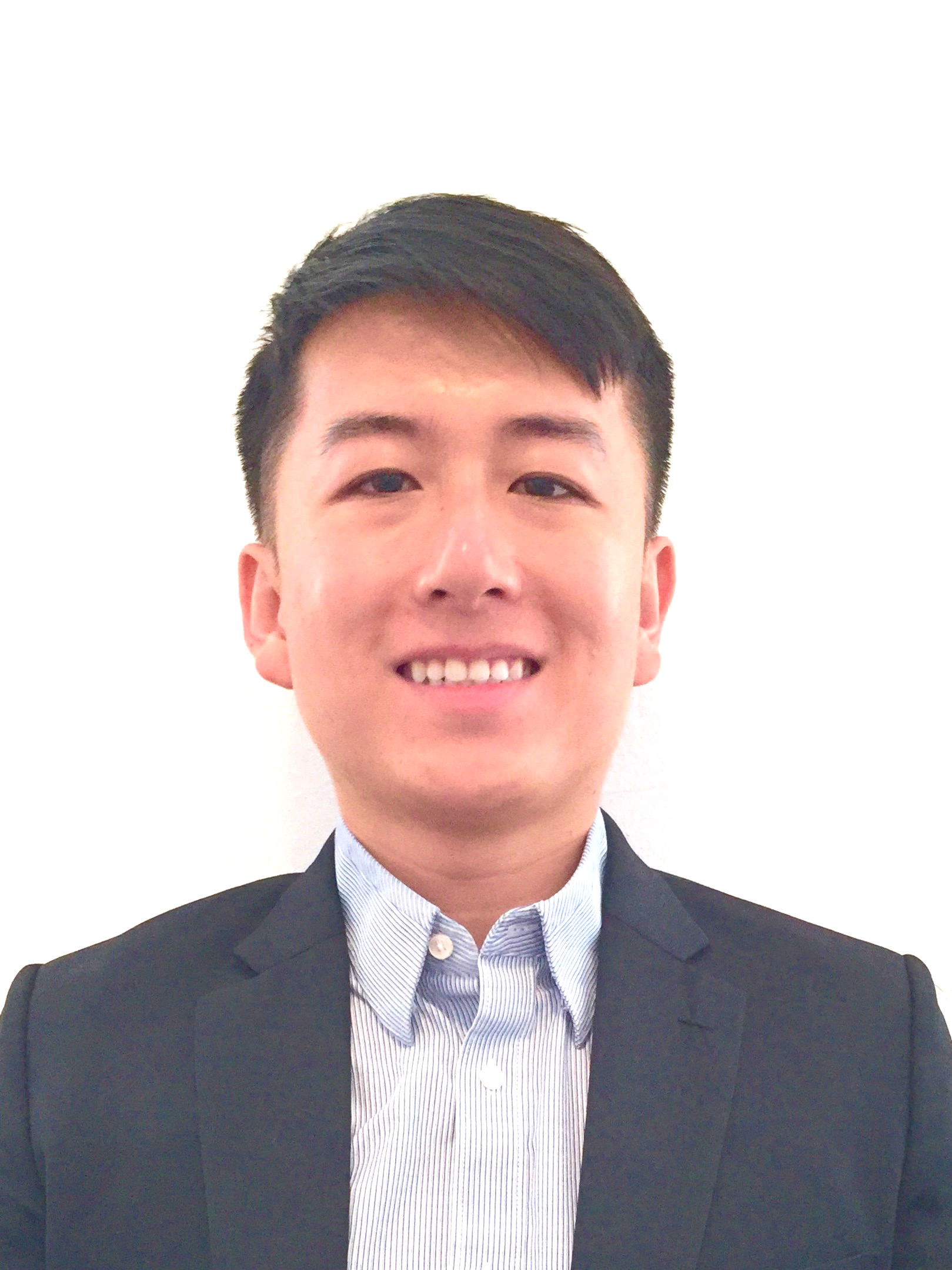
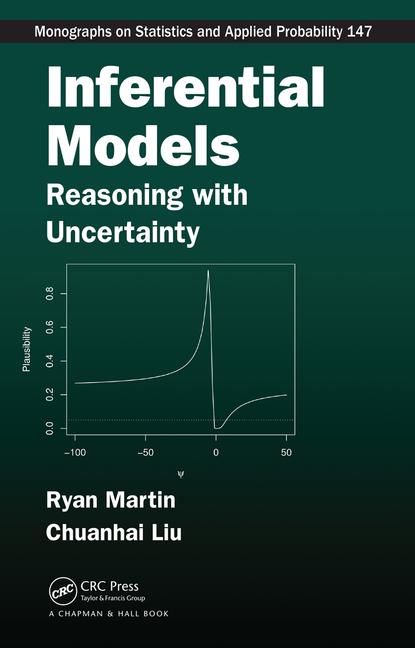
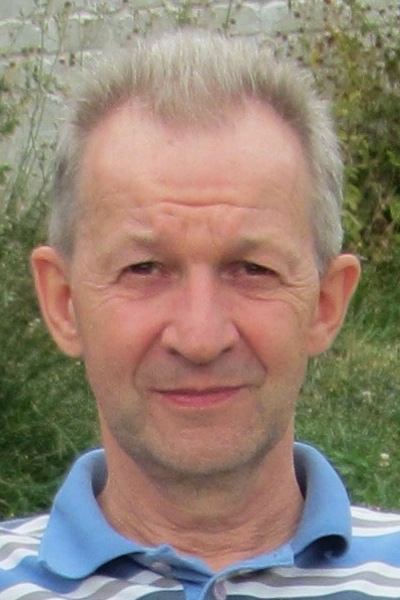
Chuanhai Liu is an Associate Head and Professor of Statistics at Purdue University’s Department of Statistics. He specializes in computational methods for statistical inference, Bayesian analysis, and big data computing systems. His research emphasizes robust algorithms, inferential models, and probabilistic methods. Education: M.S., Wuhan University, Probability and Statistics (1987) M.A., Harvard University, Statistics (1990) Ph.D., Harvard University, Statistics (1994) Research Interests: Computational methods (EM algorithms, MCMC), statistical software systems for big data, theoretical foundations of inference, and prior-free probabilistic modeling. His work bridges computational efficiency and statistical validity, with applications in network analysis, environmental data, and machine learning. Awards: Fellow of the American Statistical Association (2007) Elected Member of the International Statistical Institute (2006) Frank Wilcoxon Prize (2000) Advising & Grants: Supervised 9 Ph.D. students, including interdisciplinary collaborations. His grants focus on distributed statistical computing and inferential frameworks. Active in software development for large-scale data analysis. Labs/Teams: Leads statistical computing initiatives at Purdue, contributing to scalable algorithms and probabilistic inference systems.
Pierre Flener is a Professor at the Department of Information Technology, Division of Computing Science at Uppsala University. He leads the Optimisation Group and is a member of the Centre for Interdisciplinary Mathematics. His work focuses on constraint programming and discrete optimization, addressing complex scheduling, routing, and resource allocation challenges. Flener is an Officer of the Order of Merit of Luxembourg and co-founder of NordConsNet, the Nordic Network for Constraint Programming researchers. Research Interests: Flener’s research spans constraint programming, combinatorial optimization, and algorithm design. He develops models and tools for automated decision-making in domains like air traffic management, sensor networks, and industrial robotics. His work emphasizes practical applications, leveraging constraint satisfaction techniques to solve real-world puzzles such as vehicle routing and personnel allocation. Key Contributions: Flener has authored over 100 publications on constraint solving, symmetry breaking, and CP-based approaches to industrial problems. Notable projects include airspace sectorization optimization, energy-efficient sensor networks, and financial portfolio design. He has led initiatives like Auto-Tabling for MiniZinc and collaborated on CP applications in bioinformatics and image processing. Labs & Teams: He heads the Optimisation Group at Uppsala, fostering research in CP and its applications. NordConsNet, co-founded by Flener, connects Nordic researchers and practitioners in constraint technology.
Jiayi (Jessie) Tong, PhD is an Assistant Professor in the Department of Biostatistics at Johns Hopkins University, with joint appointments in the Bloomberg School of Public Health and School of Medicine. She received her PhD from the University of Pennsylvania in 2024 and has rapidly established herself as a leading researcher in biostatistical methods for real-world data analysis. Dr. Tong's research program focuses on clinical evidence generation and evidence synthesis with real-world data (RWD). Her work spans three main areas: clinical evidence generation using data from distributed research networks, surrogate-assisted semi-supervised learning methods, and systematic reviews and meta-analyses. She has developed innovative statistical methodologies for analyzing electronic health records across multiple institutions while preserving patient privacy through distributed computing approaches. Her research has significant implications for improving evidence generation in healthcare, particularly for rare conditions and emerging health threats where traditional clinical trials may be impractical. Analysis of Dr. Tong's publication record reveals a strong emphasis on methodological innovation in biostatistics, particularly in the areas of federated learning, meta-analysis, and electronic health record analysis. Her work frequently addresses challenges in multi-site collaborative studies, developing one-shot algorithms that enable analysis without sharing patient-level data. Much of her recent research has focused on applications to SARS-CoV-2 infection and its sequelae, demonstrating the practical utility of her methodological contributions to pressing public health challenges. Dr. Tong has demonstrated exceptional productivity since completing her PhD in 2024, with numerous high-impact publications in top biostatistics and medical journals. Her work has been recognized through mentions on various platforms including Mendeley readership and blog coverage. As a new faculty member, Dr. Tong is actively building her research program and mentoring the next generation of biostatisticians. Her expertise in distributed analysis of healthcare data positions her at the forefront of methodological developments needed to address contemporary challenges in evidence generation.
Daniel Powell is a Senior Lecturer in Health Psychology and Programme Director of the MSc Health Psychology at the University of Aberdeen, School of Medicine, Medical Sciences and Nutrition. He is a core member of the Aberdeen Health Psychology Group and the interdisciplinary Centre for Labour Market Research. He holds a PhD from the University of Southampton and became a Fellow of the Higher Education Academy in 2019. His educational background includes: BSc (Hons) Psychology – University of the West of England, 2007 MSc Health Psychology – University of Southampton, 2009 PhD Psychology – University of Southampton, 2014 Daniel's research focuses on health psychology, particularly using intensive longitudinal methods such as ecological momentary assessment (EMA) to study stress, fatigue, self-regulation, and decision-making in real-world contexts. His work spans chronic illness (e.g., multiple sclerosis, diabetes), healthcare professionals (e.g., doctors, nurses), and occupational settings (e.g., fly-in fly-out workers). He leads the Stress and Health Research Theme and convenes regular workshops to support health psychology researchers. His methodological expertise includes real-time data collection, psychophysiology (e.g., heart rate variability, cortisol), and interdisciplinary collaboration with health economics, primary care, and bioengineering. His recent publications (2024–2025) reveal a strong trend in investigating decision fatigue in healthcare, stress and recovery patterns in medical professionals using biometric monitoring, and the psychosocial impact of shift and rotation work. He frequently employs EMA and systematic reviews to explore behavioral patterns in context. His work also extends to sustainable clinical research and digital health tools for pandemic response. His scientific recognition includes: Stan Maes Early Career Award, European Health Psychology Society (2019) Rosemary Anne Price Student Award, MS Society (2013) Daniel actively supervises five PhD students on topics including decision fatigue in healthcare, quality of life after limb loss, stress in medical and dental students, and low-carbon clinical trials. He teaches across postgraduate programs, coordinates the PU5053 course on Stress, Personality & Health, and co-founded an annual Summer School in Intensive Longitudinal Methods. He has no indication of part-time status and is actively engaged in research, teaching, and leadership. He is affiliated with several professional organizations, including the British Psychological Society (Chartered Psychologist), Division of Health Psychology, European Health Psychology Society, and UK Society for Behavioural Medicine. His research lab is embedded within the Aberdeen Health Psychology Group, which fosters interdisciplinary collaboration and methodological innovation in health behavior research.
Giuseppe Mingione is a Full Professor in the Department of Mathematical, Physical and Computer Sciences at the University of Parma, Italy. His research spans Calculus of Variations , Elliptic and Parabolic PDEs , and Nonlinear Potential Theory . He has delivered over 25 lecture series and 180+ invited talks globally. PhD in Mathematics, University of Naples Federico II (1999) Degree in Mathematics, University of Naples Federico II (1994) His work focuses on regularity theory for nonlinear PDEs, nonuniform ellipticity, and geometric analysis. Publications include breakthroughs in Schauder estimates, double phase problems, and nonlocal systems. He has received the Amerio Prize (2016) , Caccioppoli Prize (2010) , and Stampacchia Medal (2006) . Recent articles address nonuniform ellipticity, nonlocal PDEs, and gradient regularity. Awards include the Order of the Merit of the Italian Republic (2017) and Von Staudt Chair (2004) . He serves on editorial boards for international journals.
Keunhyun (Keun) Park is an Assistant Professor of Urban Forestry at the University of British Columbia (UBC), affiliated with the Department of Forest Resources Management . He also holds an Adjunct Professor position at Utah State University in the Department of Landscape Architecture and Environmental Planning. Education: BSc and MSc in Landscape Architecture from Seoul National University; PhD in Urban Planning and Design from the University of Utah Research Lab: Faculty lead of the Urban Nature Design Research Lab ( under_lab ) His research focuses on designing healthy, just, and resilient cities through urban nature , with particular emphasis on: Environmental justice and equitable access to urban green spaces Human behavior in public spaces using drone/sensor/VR technology Smart growth urban design impacts on public health and ecological systems Recent publications demonstrate expertise in GIS applications , pedestrian behavior analysis , and urban planning across 20+ studies from 2013-2025. Collaborations include the Vancouver Park Board , Metro Vancouver , and Wasatch Front Regional Council .