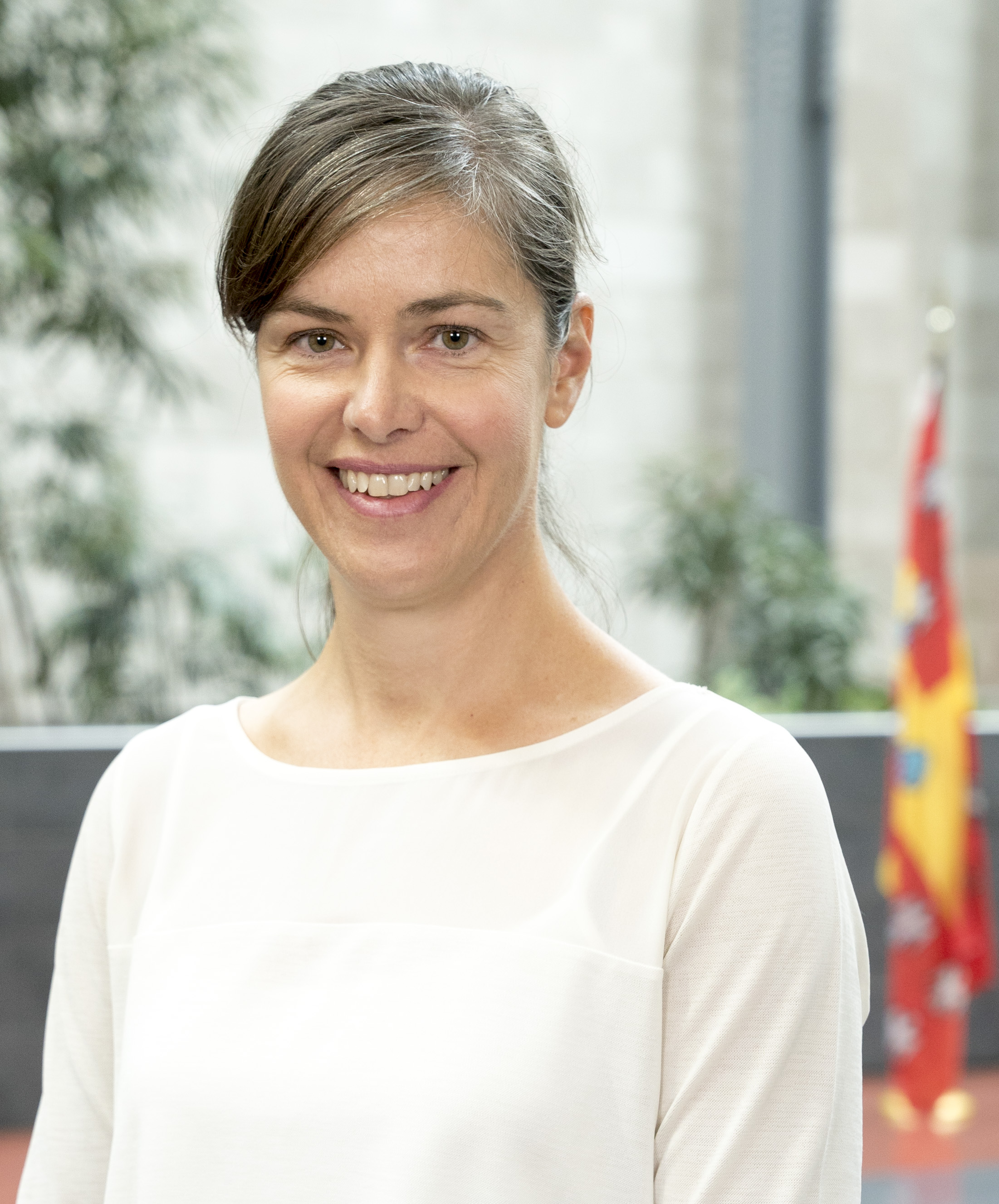
Tonya N. TaylorView profile
Assistant Professor
Tonya N. Taylor, PhD, MS is an Assistant Professor in the College of Medicine and Division of Infectious Disease Special Treatment and Research (STAR) Program at SUNY Downstate Health Sciences University. She serves as Co-Director of the BRooklyn Initiative to Develop Geriatrics Education (BRIDGE) and Geriatric Workforce Enhancement Program (GWEP), and is a co-investigator in the Multicenter AIDS Cohort Study (MACS)/Women's Interagency HIV Study (WIHS) Combined Cohort Study (MACS/WIHS-CCS). With over 20 years of experience in ethnographic, survey, and qualitative research in the United States and Southern and Eastern Africa, Dr. Taylor focuses on addressing health disparities among older adults and people living with HIV and AIDS. Dr. Taylor's educational background includes: Joint Doctorate in Anthropology and Folklore with a certificate in African Studies from the University of Pennsylvania (2005) MS in Biostatistics from the Mailman School of Public Health at Columbia University (2009) NIMH postdoctoral fellowship at the HIV Center for Clinical and Behavioral Studies at Columbia University (2009) Butler-William Scholar at the National Institute of Aging (2013) Advanced Research Institute fellowship in Geriatric Mental Health (2016) PRIDE Summer Institute fellowship in Behavioral Medicine and Sleep Disorders Research (2020) Dr. Taylor's research spans four interconnected areas focused on health disparities, HIV, and aging. Her work examines the prevention needs of older women living with HIV, HIV prevention to reduce health disparities in underserved communities, traditional medicine and HIV/AIDS in rural Zimbabwe, and qualitative community-based participatory research on health disparities. She employs mixed methods approaches to explore how structural inequalities undermine therapeutic choices among disenfranchised communities in the US and Africa. Her research has particularly focused on culturally appropriate, community-based approaches to address health disparities in care and treatment among older adults and people living with HIV and AIDS. Dr. Taylor's work bridges medical anthropology, linguistics, and public health to develop interventions that respect cultural contexts while improving health outcomes. Analysis of Dr. Taylor's recent publications reveals a strong focus on aging with HIV, particularly among women. Her work consistently addresses the intersection of HIV, aging, and health disparities, with increasing attention to geriatric HIV care as the HIV-positive population ages. There is a clear trajectory from her early work on traditional medicine in Zimbabwe to current research on culturally appropriate interventions for older adults with HIV in the US. Her publications demonstrate expertise in mixed methods research, with strong qualitative components examining sexual health, stigma, treatment adherence, and prevention needs among vulnerable populations. The research shows growing emphasis on community-based participatory approaches and the development of targeted interventions for specific populations including older women with HIV, Black heterosexual men, and immigrant communities. Dr. Taylor has received several notable awards: Kwame Nkrumah African Studies Prize for Best Dissertation from the University of Pennsylvania (2005) HIV Center Publication Award for Junior Investigators and Fellows for the article "Comparison of HIV/AIDS-Specific Quality of Life at Western Medicine versus Traditional African Medicine Care Sites" (2009) Dr. Taylor has secured significant research funding as both Principal Investigator and Co-Investigator. She was Principal Investigator on an NIH K01 MH095670 grant from 2011-2017 focusing on HIV Prevention Needs of Older Women with HIV, and on a President's Health Disparities Grant from 2015-2017. Currently, she serves as Co-Director on an HRSA Geriatrics Workforce Enhancement Program grant (2019-2024), Co-Investigator on the MACS/WIHS Combined Cohort Study (2019-2026), and Co-Investigator on multiple other NIH-funded studies examining HIV, aging, and health disparities. Her grant portfolio demonstrates expertise in securing funding across multiple NIH institutes including NIMH, NIA, NHLBI, and NINR, with a focus on community-based interventions and mixed methods approaches. Dr. Taylor also serves as a consultant on several projects, bringing her qualitative research expertise to diverse health issues including diabetes management in Hispanic/Latino populations. Dr. Taylor co-directs the BRooklyn Initiative to Develop Geriatrics Education (BRIDGE) and Geriatric Workforce Enhancement Program (GWEP), which focuses on developing interprofessional geriatric curriculum and training for healthcare providers in Brooklyn. She is also a co-convener of the HIV in Older Adults Special Interest Group at the Gerontological Society of America. Through her work with the Multicenter AIDS Cohort Study/Women's Interagency HIV Study Combined Cohort Study, she contributes to one of the largest longitudinal studies examining HIV and aging. Dr. Taylor's research teams often include interdisciplinary collaborators from anthropology, public health, medicine, and social work, reflecting her commitment to addressing complex health issues through multiple disciplinary lenses.