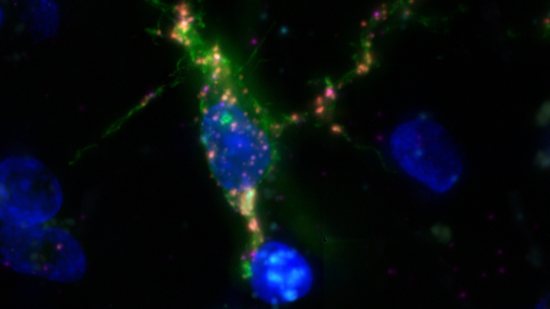
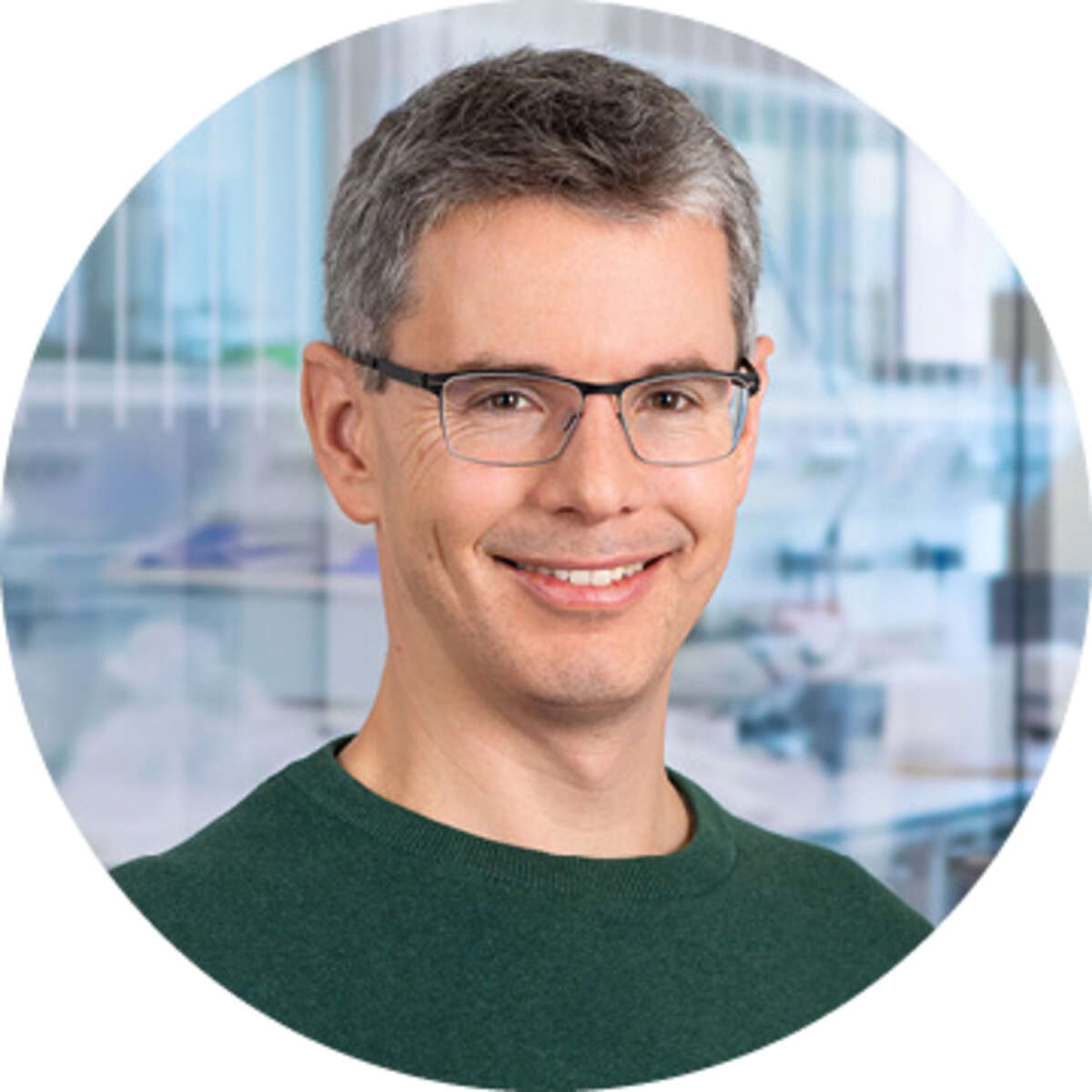
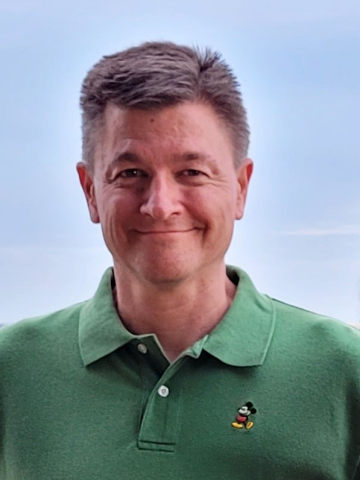
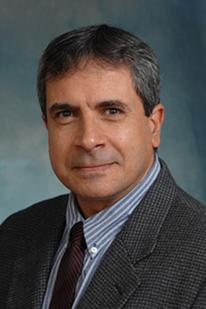
Stephen Young is a Professor at the David Geffen School of Medicine , affiliated with the Department of Medicine and Department of Human Genetics at University of California, Los Angeles (UCLA) . He leads the UCLA Med-Cardio lab and has been instrumental in advancing understanding of lipid metabolism and nuclear envelope biology. Dr. Young obtained his undergraduate degree in Princeton University , followed by Washington University School of Medicine for his MD. He completed clinical training at UCSF and UCSD , then transitioned to UCSD and a UCSF-affiliated research institute for postdoctoral and research roles. His research focuses on endothelial cell proteins regulating plasma triglyceride metabolism and laminopathies affecting nuclear envelope stability . His work on GPIHBP1-LPL complexes has redefined intravascular lipid processing. Google Scholar publications reveal recurring themes in lipoprotein lipase regulation , progerin pathology , nuclear lamina dynamics , and NanoSIMS imaging of lipid/nucleic acid localization. Scientific Awards: National Academy of Sciences (2016) Ernst Jung Prize in Medicine (2010) Doctor Honoris Causa, University of Gothenburg (2009) Inaugural Fellow, ASBMB (2021)
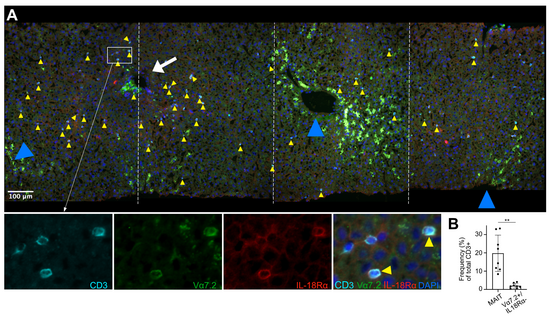
Professor Magdalena Filipowicz Sinnreich leads the Liver Immunology Research Group within the Department of Biomedicine at the University of Basel. Her research focuses on mucosal-associated invariant T (MAIT) cells in liver diseases, particularly their role in liver fibrosis and non-alcoholic fatty liver disease (NAFLD). She investigates how bacterial metabolites presented through MR1-restricted antigen presentation activate MAIT cells and contribute to liver pathology. Her laboratory has made significant contributions to understanding how various primary liver cells—including hepatocytes, hepatic stellate cells, liver sinusoidal endothelial cells, and biliary epithelial cells—function as antigen-presenting cells for MAIT cells. Her research has demonstrated that activated liver MAIT cells produce large amounts of IL-17, a pro-fibrotic cytokine, and that their activation can be modulated by non-stimulatory MR1 ligands, suggesting therapeutic opportunities for liver fibrosis. Professor Filipowicz Sinnreich's work bridges immunology and hepatology, exploring the gut-liver axis, bacterial metabolites, and the role of MAIT cells in liver disease progression. Her research combines cellular immunology, molecular techniques, and clinical correlations to advance understanding of liver immunopathology. Her recent publications reveal trends toward understanding MAIT cell heterogeneity across different tissues, the molecular mechanisms of MR1-mediated antigen presentation, and the therapeutic potential of targeting MAIT cell activation pathways in liver fibrosis. Her work spans basic immunological mechanisms to translational applications in liver disease treatment. Professor Filipowicz Sinnreich collaborates with clinical hepatologists and immunologists across the University Hospital Basel and participates in interdisciplinary research networks focused on liver disease and immunology.
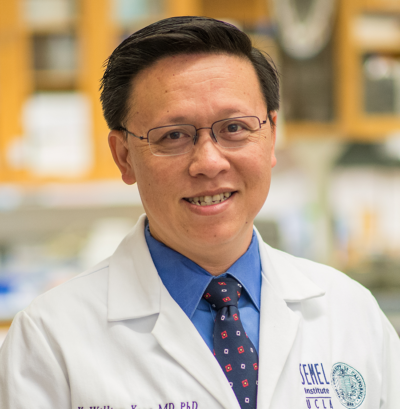
Dr. Xiangdong William Yang is a Professor in Residence in the Department of Psychiatry & Biobehavioral Sciences at the David Geffen School of Medicine, University of California, Los Angeles. He is also a member of the Center for Neurobehavioral Genetics at Semel Institute for Neuroscience & Human Behaviors and the Brain Research Institute at UCLA. Dr. Yang serves as a regular member at the NIH's Cell Death in Neurodegeneration Study Section and is a Scientific Advisory Board member of the Hereditary Disease Foundation. Dr. Yang's educational background includes: Combined M.S. and B.S. degrees with summa cum laude from Molecular Biophysics & Biochemistry Department at Yale University (1991) Ph.D. in Molecular Genetics and Neuroscience from Rockefeller University (1998) M.D. from Weill Medical College of Cornell University (2000) Medicine Internship at New York-Presbyterian Hospital (2001) His primary research focuses on Huntington's disease pathogenesis, where he investigates cellular and molecular mechanisms of neurodegeneration. Dr. Yang's laboratory pioneered the BAC transgenic technology for modeling human diseases and developed the innovative MORF (MOnonucleotide Repeat Frameshift) methodology for sparse cell labeling to reveal brain-wide neural circuitry. His work spans genetic mechanisms of CAG repeat expansion, basal ganglia circuitry, microglial responses in neurodegeneration, and molecular pathways underlying selective neuronal vulnerability. Dr. Yang's recent publications demonstrate a strong emphasis on Huntington's disease mechanisms, particularly examining CAG repeat expansion dynamics, neuronal vulnerability patterns, and potential therapeutic approaches. His work increasingly incorporates multi-omics approaches including epigenetics, transcriptomics, and advanced imaging to uncover the complex interplay between genetic mutations and cellular dysfunction. Recent publications also show expansion into Alzheimer's disease research, particularly regarding microglial function and amyloid pathology. Dr. Yang has received numerous prestigious awards recognizing his contributions to neuroscience: The Terry Semel Chair in Alzheimer's Disease Research and Treatment, UCLA (2019) Elected Member, American Society for Clinical Investigation (2017) Leslie Gehry Brenner Prize for Innovation in Science, Hereditary Disease Foundation (2014) Center for Excellence in Education Outstanding Alumni in STEM and Business (2013) The Carol Moss Spivak Scholar in Neuroscience, UCLA (2011-2016) McKnight Neuroscience of Brain Disorders Award (2009-2012) As a principal investigator, Dr. Yang has mentored numerous graduate students and postdoctoral fellows in neuroscience research. His laboratory has been consistently supported by major grants from the NIH, Hereditary Disease Foundation, and other organizations focused on neurodegenerative diseases. Dr. Yang has served on the NIH's Cell Death in Neurodegeneration Study Section, evaluating grant proposals in his field of expertise. His research has directly contributed to preclinical development of therapeutic approaches for Huntington's disease. Dr. Yang leads a vibrant research laboratory at the Gonda Neuroscience & Genetics Research Center at UCLA. His team has developed innovative methodologies including the MORF sparse cell labeling technique for mapping brain circuitry. The lab collaborates extensively with other neuroscience researchers at UCLA and internationally, contributing to large consortia studying neurodegenerative diseases. Current research focuses on uncovering the molecular and circuit-level mechanisms of Huntington's disease with the goal of identifying therapeutic targets.
Dr. Stefan Muljo serves as Chief of the Integrative Immunobiology Section within the Laboratory of Immune System Biology at the National Institutes of Health (NIH). Appointed as a tenure-track investigator in 2008 and promoted to tenured Senior Investigator in 2016, he leads a research program focused on understanding post-transcriptional regulation of immune system development. His section is part of NIAID's Division of Intramural Research located at the NIH Main Campus in Bethesda, MD. Dr. Muljo earned his Ph.D. from The Johns Hopkins University School of Medicine, with dissertation work partially conducted at UC Berkeley. Following a postdoctoral fellowship at Harvard Medical School's Immune Disease Institute, he joined NIAID in 2008. He currently serves as faculty for the NIH-OxCam and NIH-Penn graduate partnership programs, mentoring the next generation of immunologists and RNA biologists. His research centers on RNA biology within the immune system, specifically investigating how gene expression programs are regulated post-transcriptionally through RNA-binding proteins, long non-coding RNAs, and microRNAs. Key research areas include hematopoietic stem cell differentiation, fetal versus adult hematopoiesis, regulation of human endogenous retroviruses, and the function of innate-like B-1 cells. His work has identified important molecular players like Lin28b as lineage-determining factors for fetal hematopoietic stem cells, with significant implications for regenerative medicine. Analysis of Dr. Muljo's publication record reveals consistent contributions to understanding post-transcriptional regulation in immunology, with recent work focusing on RNA-binding proteins like MATRIN3 and RBM4, macrophage polarization in allergy, and B lymphocyte development. His research spans fundamental mechanisms of gene regulation to potential therapeutic applications, particularly in manipulating microRNAs for immune modulation. Dr. Muljo actively participates in training through the NIH-OxCam Partnership Program, offering joint doctoral studentships to study fetal hematopoiesis in both mouse models and human systems. His laboratory employs an integrative systems biology approach combining genome-wide measurements with experimental perturbations to reverse engineer molecular logic of cellular differentiation. His laboratory maintains an active research program investigating how post-transcriptional regulation contributes to immune system development and function, with particular interest in translating basic discoveries to improve human health, especially for conditions like sickle cell disease and beta-thalassemia. The section's work on fetal hemoglobin production has led to a pending patent application with potential therapeutic applications.
Carla Green is a Professor in the Department of Neuroscience at UT Southwestern , where she has worked since 2009. Prior appointments include Associate Professor and Assistant Professor at the University of Virginia (2003-2009) and roles at the University of Kansas Medical Center (1986-1997), including a postdoctoral fellowship and Research Assistant Professor position. Her academic journey spans over 35 years of circadian biology research. 2009–present : Professor, Department of Neuroscience, UT Southwestern 2003–2009 : Associate Professor, Department of Biology, University of Virginia 1997–2003 : Assistant Professor, Department of Biology, University of Virginia 1996–1997 : Research Assistant Professor, Department of Anatomy & Cell Biology, University of Kansas Medical Center 1986–1991 : Graduate Student, Department of Biochemistry and Molecular Biology, University of Kansas Medical Center Dr. Green’s research focuses on circadian clock mechanisms, posttranscriptional regulation, and their metabolic implications. Key areas include: RNA deadenylation by Nocturnin CLOCK:BMAL1 complex dynamics Cryptochrome structure-function relationships Time-dependent lipid and glucose metabolism Circadian-metabolic disease links Evolutionary clock conservation Her publications reveal a thematic progression from characterizing circadian proteins (1996-2007) to mechanistic studies on metabolic integration (2008-2012), followed by translational work on aging (2017-present). Articles span interdisciplinary journals including Science , Cell , and PNAS .
GR Scott Budinger, MD serves as Chief of Pulmonary and Critical Care in the Department of Medicine at Northwestern University Feinberg School of Medicine, where he holds the Ernest S. Bazley Professorship of Airway Diseases. He is also Director of the Simpson Querrey Lung Institute for Translational Science (SQLIFTS) and Professor of Medicine (Pulmonary and Critical Care) and Cell & Developmental Biology. Dr. Budinger's educational background includes a BS from Northwestern University (1985), MD from University of Illinois, Chicago (1989), Internal Medicine residency at University of Chicago Hospitals (1992), and Pulmonary & Critical Care Medicine fellowship at University of Chicago Hospitals (1995). He is board certified in Pulmonary Disease and Critical Care Medicine by the American Board of Internal Medicine. His research focuses on understanding why older people are at increased risk for poor outcomes after pneumonia, with particular emphasis on mitochondrial function in lung diseases, aging lungs, and mechanisms of pulmonary fibrosis. The Budinger Lab uses data from ICU patients to generate hypotheses, which are then tested using animal and cellular models with the goal of identifying therapies to improve lung health in elderly pneumonia survivors. Analysis of Dr. Budinger's recent publications reveals a strong emphasis on the intersection of mitochondrial biology, aging, and lung disease, with increasing application of machine learning approaches to analyze electronic health records for disease detection and outcome prediction. His work spans basic molecular mechanisms to clinical applications, particularly in interstitial lung disease, systemic sclerosis complications, and post-COVID respiratory conditions. Among his notable honors are: Ernest S. Bazley Professor of Airway Disease (2016) ASCI Member, American Society for Clinical Investigation (2013) Deputy Editor of American Journal of Respiratory and Critical Care Medicine (2010-2015) Excellence in Teaching Award, Northwestern University Department of Medicine (2003) Alpha Omega Alpha Honors Medical Society Membership (1988) Dr. Budinger maintains active leadership roles including Member of the Scientific Advisory Committee of the American Thoracic Society (2016-present) and has served as President of the Chicago Thoracic Society (2006-2007). His lab collaborates extensively with researchers across Northwestern and external institutions, focusing on translational approaches to lung disease. The Simpson Querrey Lung Institute for Translational Science, which he directs, represents a major institutional commitment to advancing lung research, education, and patient care at Northwestern Medicine.
Dr. Ben Engel is an Assistant Professor at the Biozentrum, University of Basel, Switzerland, since 2022. His research focuses on structural cell biology using cryo-electron tomography (cryo-ET) to study organelle architecture and function. Investigates correlations between organelle morphology and function Researches photosynthesis in marine algae and its response to climate change Studies cilia structure and disease implications His laboratory has made significant discoveries in mitochondrial and chloroplast architecture, particularly in carbon dioxide fixation mechanisms in diatoms. Awards include the ERC Consolidator Grant (2022), Human Frontier Research Grant (2021), and EMBO Young Investigator (2020). Develops advanced cryo-ET methodologies for in situ structural analysis Collaborates on mitochondrial evolution across eukaryotes Focuses on interorganelle interactions (mitochondria-chloroplast coordination)
Tina Tootle is a Professor and Departmental Executive Officer (DEO/Chair) of the Department of Biology at the University of Iowa. Her research focuses on prostaglandin signaling, actin cytoskeleton regulation, and lipid droplet dynamics in the context of development, fertility, and cancer. University: University of Iowa Department: Biology Academic Rank: Professor Email: tina-tootle@uiowa.edu Research Interests: The Tootle Lab investigates how prostaglandins regulate cellular processes through actin remodeling and lipid droplet interactions. Using Drosophila oogenesis as a model, her work reveals conserved mechanisms in cancer, wound healing, and fertility. Key findings include prostaglandin regulation of nuclear actin and Fascin's novel roles in nuclear envelope integrity. Scientific Trends: Recent publications highlight lipid droplet proteins as prostaglandin substrates, nuclear actin's role in nucleolar control, and Fascin's dual cytoplasmic/nuclear functions. These studies span 2011–2025, with collaborations including the Welte Lab at the University of Rochester. Lab Members: The lab includes graduate students, postdoctoral fellows, and research interns working on projects like nuclear architecture changes, lipid droplet regulation of prostaglandins, and extracellular matrix roles in migration.
Deanna Wolfson is a Researcher and Group Leader in the Ultrasound, Microwaves and Optics group at the Department of Physics and Technology, UiT The Arctic University of Norway. Her research focuses on advanced microscopy techniques and cellular dynamics, particularly in marine organisms and liver sinusoidal endothelial cells. Position: Researcher / Group Leader Department: Physics and Technology Location: Teknologibygget Tromsø 3.049 Research Interests Optical nanoscopy and structured illumination microscopy Liver sinusoidal endothelial cell morphology Marine organism cell dynamics Biomedical optics applications Nano- and micro-plastics in aquatic systems Inflammatory response imaging Notable Article Trends Focus on salmon skin/corneal cells and sea urchin immunology (2020–2024) Investigations into lipoprotein effects on liver cells (2016–2024) Development of chip-based microscopy systems for live-cell imaging (2017–2020) Multi-color and multi-modal fluorescence/nanoscopy techniques (2016–2021)
David Gaul is a Senior Research Scientist and Systems Mass Spectrometry Core Director at the Georgia Institute of Technology, working within the School of Chemistry and Biochemistry as part of the Fernández Research Group. He directs the metabolomics/lipidomics services utilizing high resolution mass spectrometry in the Systems Mass Spectrometry Core (SyMS-C) at Georgia Tech, which serves as a critical resource for researchers conducting advanced analytical studies. His educational background includes: B.S., Chemistry, James Madison University, 1993 Ph.D., Chemistry, Georgia Institute of Technology, 1998 Dr. Gaul's research focuses on the analysis of small molecules in complex matrices using mass spectrometry, with particular emphasis on systemic metabolomic profile perturbations due to disease (ovarian, prostate, renal cancers), traumatic brain injury, and physiological responses to exercise. He has extensive experience in methodological development for inter-laboratory comparison and harmonization of metabolomic analyses. As part of the NIH-funded Molecular Transducers of Physical Activity Consortium (MoTrPAC), he leads the global lipidomic assays at the Georgia Tech chemical analysis site. Dr. Gaul co-developed the graduate metabolomics course with Professor Facundo Fernández, demonstrating his commitment to education and knowledge transfer in this specialized field. His recent publication portfolio reveals a strong focus on multi-omic approaches to understanding exercise physiology through the MoTrPAC initiative, cancer metabolomics (particularly ovarian cancer), traumatic brain injury biomarkers, and computational methodology for metabolomics data analysis. The research demonstrates significant expertise in lipidomics, with many publications focusing on lipid profile alterations across various disease states and physiological conditions. His notable awards include: Union Camp Fellowship - 1996 Molecular Design Institute Fellowship - 1995-1998 Sigma Xi Thesis Recognition Award 1998 Research Faculty Teaching Fellowship 2021-2022 Dr. Gaul serves as the lead for the global lipidomics chemical analysis site at Georgia Tech formed under the NIH-funded MoTrPAC. The Systems Mass Spectrometry Core (SyMS-C) he directs offers a comprehensive range of qualitative and quantitative analytical mass spectrometry assays, including PK studies, metabolomic profiling, MS imaging, and supporting synthetic projects. Rather than functioning as a traditional service core, SyMS-C operates as an active research partner, collaborating closely with investigators to design and execute studies that advance scientific knowledge in metabolomics and related fields.
Sam Toan is an Associate Professor at the Swenson College of Science and Engineering , University of Minnesota Duluth. His work bridges chemical engineering and biomedical research , with a focus on CO 2 capture, energy materials, and mitochondrial biology. Research Themes : CO 2 capture and conversion, catalysis, biofuel, chemical-looping, polymer engineering, and mitochondrial quality surveillance in disease. Teaching : Courses in fluid mechanics, chemical reaction engineering, and process control. Key Research Trends include: Low-cost, scalable solutions for carbon capture using nanomaterials like TiO(OH) 2 . Advancements in chemical-looping and biomass gasification for clean energy. Mechanistic studies in mitochondrial dynamics and quality control in cardiac and metabolic diseases. Selected Publications from his 50+ peer-reviewed works highlight innovations in: Electrochemical CO 2 reduction. Mitochondrial unfolded protein response in myocardial injury. Hydrogen production via catalytic pyrolysis.
Ahmed Heikal is a Professor at the Department of Chemistry and Biochemistry within the Swenson College of Science and Engineering at the University of Minnesota Duluth. His research focuses on cellular biophysics , mitochondrial metabolism , and fluorescence-based biosensors to study molecular dynamics in complex environments. Developing two-photon microscopy and time-resolved spectroscopy tools Investigating macromolecular crowding and ionic strength sensing in living systems Collaborating with institutions like Utrecht University and Mayo Clinic Heikal's recent publications (2024-2017) span topics in fluorescence correlation spectroscopy , NAD(P)H metabolic imaging , and FRET sensor design , with applications in cancer metabolism and biomolecular environments . He has received recognition as a Fellow of the Royal Society of Chemistry (2021) and secured Grant-in-Aid from the University of Minnesota (2020–2021). His lab trains students in biophysical methods including cell culture , ultrafast spectroscopy , and image processing , with alumni pursuing PhD programs at institutions like Cornell University , Northwestern University , and University of Chicago . The lab emphasizes interdisciplinary research at the interface of chemistry , biology , and physics , while maintaining shared facilities like confocal microscopy and NMR spectrometers at UMD. Heikal also serves as an Associate Editor for Frontiers in Physics and Molecular Biosciences journals since 2022.
Dr. Luke H Chao is an Assistant Professor of Genetics at Harvard Medical School, leading the Chao Lab in the Department of Molecular Biology at Massachusetts General Hospital. His research bridges structural biology and biophysics to investigate molecular machines that regulate membrane ultrastructure across systems, including mitochondria and bacterial cell division. Harvard Medical School, Department of Genetics Massachusetts General Hospital, Department of Molecular Biology Research Interests: The Chao Lab focuses on membrane dynamics and ultrastructure, particularly how mitochondrial morphology is governed by protein conformational changes. Key areas include: Mitochondrial Cristae Remodeling via Opa1 and Mic60 Membrane Bending Proteins in Extracellular Vesicle Formation Structural Mechanisms of Bacterial Cell Wall Synthesis Evolutionary Analysis of Ancient Membrane-Shaping Proteins Therapeutic Targeting of Mitochondrial Function In vitro Reconstitution of Membrane Fusion Publication Trends: Dr. Chao's recent work spans cryo-ET of mitochondrial cristae, ancestral sequence reconstruction of respiratory proteins, and CRISPR-based vascular disease therapy. His studies often intersect structural methods (cryo-EM, AlphaFold) with functional assays (BH3 Profiling, Crosslinking MS). Lab & Collaborations: Based at the Simches Research Building, Boston, the lab collaborates with HMS and MGH units. Postdoctoral and graduate opportunities are available through Harvard Integrated Life Sciences programs.
J Rzeszowska-Wolny is a researcher specializing in molecular biology and radiobiology, with a focus on cellular redox homeostasis, microRNA regulation, and epigenetic mechanisms. Her work employs mathematical modeling and experimental approaches to study radiation responses, DNA modifications, and intercellular signaling. Key research areas: MicroRNA dynamics, redox biology, and computational modeling of cellular processes Recent projects include bystander effects in radiation biology, TET protein roles in demethylation, and DNA damage profiling Selected Publications (2025–2016): Investigated enzyme roles in H2O2 neutralization and radioresistance using systems biology (2025) Characterized miRNA-mRNA interactions and their impact on gene stability (2024–2022) Explored epigenetic DNA modifications in cancer progression (2018–2016) Collaborative Expertise spans interdisciplinary studies integrating experimental data with computational frameworks, particularly in radiation-induced cellular responses and tumor microenvironment interactions.
Kei Yura is a Professor (without tenure) at Waseda University's School of Advanced Science and Engineering, concurrently serving as Vice Director of the Research Advancement Division at Ochanomizu University's Center for Interdisciplinary AI and Data Science. He previously held positions as Professor and President at Ochanomizu University (2016-2019). His research spans biophysics, computational biology, genomics, and bioinformatics, with applications in evolutionary biology, marine symbiosis, and medical diagnostics. Education includes: PhD, Nagoya University (1999) Graduate studies in Biology, Nagoya University (1990-1993) MS in Physics and Applied Physics, Waseda University (1988-1990) BS in Applied Physics, Waseda University (1984-1988) Research focuses on biophysical modeling, genomic evolution, and host-microbe interactions. Work integrates computational methods (machine learning, network analysis) with experimental validation across diverse systems—from thermophilic bacteria to coral holobionts. Recent studies explore protein folding, mitochondrial genomics, and single-cell omics for drug discovery. Articles predominantly address molecular mechanisms in extremophiles, neuronal development, and cancer diagnostics. Computational themes include protein structure prediction, coevolution analysis, and deep learning for histopathology. Awards include: 2024 Waseda Research Award 2018 Waseda Research Award Leads interdisciplinary collaborations through the Yura Lab, focusing on genomic data integration and AI-driven biomarker discovery. Current grants support work in entomophagy genomics and coral reef resilience.