Miratul Muqit is a Professor of Experimental Neurology at the University of Dundee, affiliated with the MRC Protein Phosphorylation and Ubiquitylation Unit. His research focuses on molecular mechanisms of Parkinson's disease, particularly the PINK1/Parkin pathway and ubiquitin-mediated signaling in neurodegeneration. Research Interests: His work spans neuroprotective pathways, mitochondrial quality control (mitophagy), and kinase signaling in neuronal survival. Key areas include: Ubiquitin phosphorylation dynamics LRRK2/PINK1 convergence in ciliogenesis Therapeutic targeting of neurodegenerative processes Awards & Recognition: Elected Fellow of Academy of Medical Sciences (2023) Fellow of Royal Society of Edinburgh (2020) Brian Cox Prize for Excellence in Public Engagement Professional Activities: Active in public engagement through Parkinson's research interest groups and science festivals, translating complex neurological concepts for broader audiences.
Michael Grabe is a Professor in the Cardiovascular Research Institute (CVRI) at the University of California San Francisco (UCSF). He holds a joint appointment in the Department of Pharmaceutical Chemistry. His work focuses on computational methods to study biological phenomena, particularly ion transport across membranes and the molecular mechanisms of ion channels/transporters. He has pioneered theoretical approaches to understand membrane protein function and organelle acidity regulation. Education: PhD in Physics, University of California, Berkeley (2002) ScB in Mathematics-Physics, Brown University (1996) Research Interests: Dr. Grabe’s lab investigates ion channel function, membrane remodeling by TMEM16 proteins, lysosomal pH regulation, and computational modeling of membrane-associated processes. Key themes include: Mechanics of ion transport and lipid flipping Protein-induced membrane deformations Simulations of organelle microphysiology Development of computational tools for membrane protein analysis Recent Research Trends: Recent work emphasizes dynamic protein design using AI (e.g., Science 2025), structural studies of K2P channels, and functional insights into TMEM16 scramblases. His team also explores SARS-CoV-2 protein interactions and mitochondrial uncoupling mechanisms. Awards: NSF CAREER Award (2009-2014) Alfred P. Sloan Research Fellowship (2009-2011) Shining Star Community Service Award (2012) Grants & Advising: Principal Investigator of NIH grants studying TMEM16 proteins (R01GM137109) and lysosomal physiology (R21GM100224). His lab trains graduate students and postdocs in computational biophysics and membrane biology. Labs/Teams: Leads the Grabe Lab at UCSF, which collaborates with experimental groups to bridge theory and experiment in membrane systems. Active in developing open-source tools like APBSmem for electrostatic calculations.
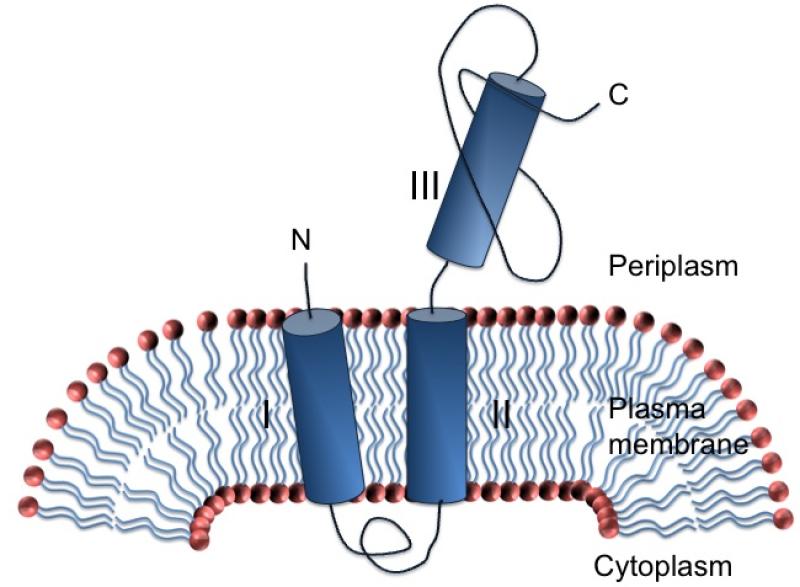
Dr. Ross Dalbey is a Full Professor in the Department of Chemistry and Biochemistry at The Ohio State University, affiliated with the College of Arts and Sciences. He holds a B.S. in Chemistry from the University of Washington (1978) and a Ph.D. in Biochemistry from Washington State University (1983). Postdoctoral training included work with Prof. William Wickner at UCLA. His research focuses on membrane protein assembly and proteases, particularly the YidC protein's role in membrane insertion and folding. Key areas include biophysical mechanisms of protein insertion, signal peptidase function, and mitochondrial membrane systems. He has held NIH and AAAS fellowships, and his lab has been funded by NIH and NSF for over three decades. His students hold academic and industry positions at institutions like NIH, MIT, and pharmaceutical companies such as Eli Lilly. Education: B.S., Chemistry, University of Washington, 1978 Ph.D., Biochemistry, Washington State University, 1983 Awards: American Cancer Society Junior Faculty Award (1989–1992) Elected Fellow of the American Association for the Advancement of Science (AAAS) Professional Memberships: American Chemical Society Federation of American Societies for Experimental Biology American Society of Microbiology Sigma Xi Phi Kappa Phi His lab investigates how proteins are inserted into membranes and folded, with emphasis on the YidC/Oxa1 family of insertases. Recent work explores YidC's substrate specificity, dimeric structure, and interactions with the Sec translocon. Studies on proteases like signal peptidase reveal their roles in membrane-associated peptide cleavage. Collaborations include structural biology with Prof. Horst Vogel in Switzerland and functional analyses with Prof. White at Ohio State. Research highlights include defining YidC's role in multispan membrane protein integration and uncovering evolutionary conservation across bacterial, archaeal, and eukaryotic systems. The lab's findings contribute to understanding mitochondrial protein insertion pathways and drug design targeting membrane-associated enzymes.
Tohru Fukai is a Professor and holds the Barbara A. Schnuck Endowed Chair in Translational Medicine at the Medical College of Georgia, Augusta University, where he serves in the Department of Pharmacology and Toxicology. His research is centered at the Vascular Biology Center, where he leads a productive laboratory investigating the molecular mechanisms of oxidative stress and dysfunctional copper metabolism in cardiovascular and metabolic diseases. Dr. Fukai earned his MD in 1988 and PhD in Medical Science in 1995, both from Kyushu University in Japan. Following his medical and doctoral training, he completed postdoctoral fellowship at Emory University School of Medicine in Atlanta from 1995-1999. His research focuses on oxidative stress in cardiovascular and metabolic disease pathogenesis, particularly investigating the role of extracellular SOD (ecSOD, SOD3) and copper transport proteins. His lab has pioneered research on copper transport proteins CTR1, Atox1, and ATP7A in regulating vascular function, demonstrating their critical roles in hypertension, vascular remodeling, inflammatory angiogenesis, atherosclerosis, and diabetes. Notably, his team discovered that copper chaperone Atox1 functions as a copper-dependent transcription factor regulating cell proliferation and inflammatory responses. Analysis of Dr. Fukai's recent publications reveals a strong focus on the intersection of redox signaling, copper metabolism, and vascular function. His work increasingly explores how oxidative stress and copper transport mechanisms contribute to conditions like diabetes, atherosclerosis, Alzheimer's disease, and ischemic injury. A prominent theme across his recent work is the role of protein modifications (particularly sulfenylation and SUMOylation) in regulating vascular responses to oxidative stress, with significant implications for therapeutic interventions. Dr. Fukai's scientific achievements have been recognized with numerous awards including the Barbara A. Schnuck Endowed Chair in Translational Medicine (2017), World Science Leaders in Human Biology Program (2021), and multiple Circulation Research Reviewer Awards. He has served on editorial boards for prestigious journals including Scientific Reports, Journal of Molecular and Cellular Cardiology, and American Journal of Physiology-Heart and Circulatory Physiology. As a mentor, Dr. Fukai has advised numerous graduate students and postdoctoral fellows, including several who have received AHA awards and trainee recognition. He serves on various committees including the VBC post-doc evaluation committee and the CNVAMC Subcommittee for Research Safety. His lab has secured significant funding, including a recent $11.3 million NIH grant for vascular disease research. Dr. Fukai leads an active research group at the Vascular Biology Center comprising senior research associates, assistant research scientists, postdoctoral fellows, and graduate students working collaboratively on multiple projects related to copper transport, redox signaling, and vascular disease mechanisms. His lab has made seminal contributions to understanding how copper transport proteins function as key regulators of vascular antioxidant enzymes and as unexpected signaling molecules in inflammatory disease processes.
Jian Hu is a Professor at Michigan State University (MSU) in the Department of Biochemistry & Molecular Biology, with joint appointments in the Department of Chemistry and the BioMolecular Science Gateway. His research integrates structural biology, biochemistry, and biophysics to investigate macromolecular mechanisms in biology and biomedicine, focusing on bio-metal utilization and homeostasis. Ph.D., Peking University, 2004 B.S., Beijing Medical University, 1999 Associate Research Scientist, Yale University (2008–2013) Postdoctoral Research Associate, Florida State University (2005–2007) The Hu lab targets three major projects: (1) ZIP metal transporters, exploring alternating access mechanisms and substrate specificity; (2) Lar proteins, analyzing Ni-pincer cofactor biosynthesis and catalytic mechanisms; and (3) PIPK lipid kinases, studying membrane sensing and inhibitor development. Collaborations with Dr. Robert P. Hausinger and Dr. Xuefei Huang advance drug discovery and structural elucidation. Recent publications highlight interdisciplinary work, blending plant biology (phenylalanine metabolism, peroxisome dynamics) with computational methods (watermarking algorithms, signal processing). His collaborations extend to engineering and medicine, emphasizing functional characterization of proteins and drug target validation. Scientific Awards: Invited State-of-the-Art Review, FEBS Journal 2021 Current courses include BMB 829: Special Problems in Macromolecular Analysis & Synthesis and CEM 999: Doctoral Dissertation Research . The lab employs X-ray crystallography, cryo-EM, NMR, and biochemistry to resolve atomic-level structures and functions of critical macromolecules, including ZIP4 and PIP5Kγ.
Rachel Bailey is a researcher at UT Southwestern with a focus on developing gene therapies for neurological disorders. She holds dual bachelor's degrees in Biology/Bioinformatics and Molecular Biology from Rensselaer Polytechnic Institute, a Ph.D. in Neuroscience from the University of Florida, and completed postdoctoral research at the University of North Carolina Chapel Hill. Education : Dual B.S. from Rensselaer Polytechnic Institute, Ph.D. in Neuroscience Her research spans gene therapy for monogenic and complex neurodegenerative diseases, including SLC13A5 epileptic encephalopathy , Giant Axonal Neuropathy , and tauopathies like Alzheimer’s disease. She employs AAV vector engineering for gene replacement and silencing, with expertise in preclinical development and IND-enabling studies . Recent publications highlight her work on tau protein phosphorylation in Parkinson’s disease, AAV9 gene therapy for GAN, and autonomic dysfunction in neurodegenerative models. Key collaboration networks include institutions like the NIH and Mayo Clinic.
Hollis Cline, PhD, is the Hahn Professor of Neuroscience and Director of the Dorris Neuroscience Center at The Scripps Research Institute (TSRI). She holds adjunct positions at the University of California San Diego and the Salk Institute. Her research focuses on understanding how sensory experience shapes visual circuit development, plasticity, and function, with a focus on neurodevelopmental disorders. Cline earned her PhD in Neurobiology from UC Berkeley (1985) and conducted postdoctoral work at Yale and Stanford. She has served in leadership roles including Co-Chair of TSRI’s Department of Neuroscience and President of the Society for Neuroscience (2015–2016). Her research integrates molecular genetics, electrophysiology, and imaging to study structural dynamics in neural circuits, neurogenesis regulation, and excitation/inhibition balance. Key projects include the Dynamic Connectome (3D connectomics in the optic tectum), neurogenesis control, and the role of inhibition in visual circuit function. Her work revealed activity-dependent mechanisms driving synaptic maturation and topographic map formation, and identified molecular pathways linking visual experience to brain development. Education : PhD (UC Berkeley), B.A. (Bryn Mawr College) Awards : NIH Pioneer Award, AAAS Fellow, TSRI Mentor Award Labs/Teams : Cline Lab at TSRI, Dorris Neuroscience Center Grants : Not explicitly listed but implied via NIH advisory roles and research infrastructure Professional Service : NINDS Board, NIH Advisory Council, Society for Neuroscience leadership Her recent work bridges neurodevelopmental mechanisms with translational insights, using Xenopus models to study exosome-mediated intercellular communication and regeneration responses to injury. Collaborative efforts include the BigNeuron project for neuronal morphology analysis and AI-driven behavior recognition studies.
Rainer Böckmann is a Professor of Computational Biology in the Department of Biology at Friedrich-Alexander-University Erlangen-Nürnberg (FAU), Germany, where he leads the Group for Theoretical and Computational Membrane Biophysics. His research integrates molecular dynamics simulations with biophysical analysis to study membrane structure, dynamics, and function. Research Interests: His work focuses on computational biophysics, particularly lipid bilayers, membrane proteins, molecular dynamics, and structural bioinformatics. He investigates how lipid composition, cholesterol, and embedded peptides influence membrane organization, curvature, and permeability, with applications in antimicrobial strategies and mRNA vaccine delivery systems. Recent Research Trends: His recent publications reflect a strong emphasis on lipid nanoparticles (LNPs), particularly their phase behavior, pH-dependent protonation, and structural transitions relevant to mRNA vaccines. He also explores antimicrobial peptides, membrane domain formation, and the role of cholesterol in modulating membrane properties. His group develops and applies advanced simulation techniques, including constant-pH MD and coarse-grained modeling. Member of Editorial Board, Biophysical Journal (2024–present) Elected Member, DFG Review Board for Biophysics (2020–present) Chairman, Molecular Biophysics Section, German Biophysical Society (2011–2012) Leadership and Service: Böckmann is actively involved in academic governance, serving on editorial boards, DFG committees, and as a guest editor for special issues in Frontiers journals. He contributes to graduate education and high-performance computing initiatives at FAU, including the NHR@FAU and Life@FAU Graduate School. He has organized major conferences and workshops in biophysics and membrane modeling. Laboratory and Collaboration: He leads a research group focused on biomembrane physics, collaborating with experimentalists and theorists. His lab develops and applies simulation tools to study membrane systems, bridging computational insights with biological function.
Professor Sabine Eming is a Principal Investigator at the Department of Dermatology & FMNS at the University of Cologne, affiliated with the CMMC and collaborating with CECAD. Her research focuses on the molecular basis of age-related skin pathologies and regenerative responses. Investigates tissue regeneration, immunometabolism, and TOR signaling Develops therapeutic strategies for injured/aging tissues Uses cross-species models (mice, zebrafish, Drosophila, humans) Her work bridges basic science and clinical expertise to translate findings into therapeutic approaches, particularly examining: Metabolic reprogramming in wound healing Immune system's role in regeneration vs. scarring Lipid synthesis and filaggrin processing in skin barrier formation Scarless repair mechanisms in zebrafish vs. mammals She leads research into molecular control systems including: Cell death regulation (FADD-RIPK3 pathways) Nutrient-sensing TOR pathway in skin aging Glutamine metabolism in stem cell maintenance Her group develops genetically modified mouse models and collaborates on clinical trials for impaired healing conditions.
Jerry W. Shay is a Professor in the Department of Cell Biology at UT Southwestern Medical Center, holding the Southland Financial Corporation Distinguished Chair in Geriatric Research. He also serves as Associate Director for Education and Training at the Harold Simmons Comprehensive Cancer Center. His research focuses on telomere biology, aging, and cancer therapy development, with an emphasis on targeting telomerase in cancer treatment and understanding age-related disease mechanisms. Shay earned his BA in Zoology/Cell Biology from the University of Texas at Austin (1966), MA in Cell Biology from the University of Kansas (1968), and PhD in Developmental Biology from the University of Colorado Boulder (1975). He joined UT Southwestern in 1975, advancing from Assistant/Associate Professor to full Professor in 1993. His research interests include telomere dysfunction-induced anti-tumor immunity, cancer therapy resistance, and the role of telomerase in cellular aging. Key projects involve developing therapies like 6-thio-dG, which targets telomerase-dependent cancers, and studying the interplay between environmental toxins and colorectal carcinogenesis. Awarded numerous honors including the UT Regent’s Outstanding Teaching Award (2012) and the Piper Professorship (2013), Shay has contributed to over 30 patents, including methods to detect telomerase activity and compounds targeting cancer cell adhesion. His lab collaborates with companies like Maia Biotechnology and Reata Pharmaceuticals to translate research into clinical applications. Shay’s work bridges basic science and translational research, with ongoing projects in radiation-induced cancer progression, immune modulation in cancer treatment, and telomere measurement technologies like the TeSLA assay.
Howard Sirotkin is an Associate Professor in the Department of Neurobiology & Behavior at Stony Brook University's Renaissance School of Medicine. His research focuses on neural development, utilizing zebrafish as a model organism to study processes like neural stem cell differentiation, neurodevelopmental disorders (e.g., autism, epilepsy), and the impact of environmental pollutants like PFAS. He holds a PhD from Albert Einstein College of Medicine and has been at Stony Brook since 2002. His lab employs cutting-edge genetic tools and behavioral assays to investigate molecular mechanisms underlying nervous system formation and dysfunction. Education: B.S. Microbiology (University of Florida, 1991); M.S./Ph.D. Molecular Genetics (Albert Einstein College of Medicine, 1993/1996). Research Themes: (1) Neural stem cell regulation, (2) Disease modeling in zebrafish, (3) Chromosome engineering, (4) Environmental toxicant effects Key Technologies: Zebrafish genetics, high-resolution live imaging, CRISPR-based genome editing Lab Members: Includes PhD students (Carly Gomes, Gina Rizzo), MS students, and undergraduate researchers Grants: NIH-funded projects on PFAS toxicity and neural stem cell signaling Facilities: State-of-the-art lab in Stony Brook's Life Sciences Building with dedicated microscopy and behavioral testing suites
Andrew C. Shin is an Assistant Professor at Texas Tech University within the Department of Nutritional Sciences . His work bridges metabolic health , neuroendocrinology , and neurodegenerative diseases , with a focus on how the brain regulates glucose homeostasis , BCAA metabolism , and bariatric surgery mechanisms . Ph.D. in Neuroscience, Michigan State University (2008) Postdoctoral Fellow, Pennington Biomedical Research Center and Icahn School of Medicine at Mount Sinai Dr. Shin’s research explores the neural pathways involved in appetite regulation , nutrient partitioning , and metabolic resistance . His NIH-funded projects investigate insulin signaling in POMC neurons , BCAA dynamics , and nicotine’s metabolic effects . Recent work highlights the role of the autonomic nervous system in BCAA regulation and its implications for obesity and diabetes . His 15 most recent publications reflect a focus on AI applications in nutrition , BCAA-related pathologies , Alzheimer’s disease , and metabolic surgery outcomes . Key themes include neuroendocrine control , nutritional interventions , and environmental impacts on metabolism . Scientific Awards NIH K01 Award Dr. Shin directs the Mouse Metabolic Phenotyping Facility and collaborates on synbiotic trials for cognitive aging . His work spans basic science and translational research , addressing metabolic disorders and their neurological consequences .
Professor Erez Raz serves as Director of the Institute of Cell Biology at the University of Münster and is affiliated with the Center for Molecular Biology of Inflammation (ZMBE). He is a prominent member of the Cluster of Excellence "Cells in Motion" and serves on the board of the CiM-IMPRS graduate program. His research group "AG Raz: Cell biology in vivo - Germ-cell development" investigates fundamental mechanisms of cell migration in living organisms. Professor Raz's research focuses on cell migration, cell-fate maintenance, and organogenesis within live vertebrate embryos. His laboratory primarily employs zebrafish as a model organism due to its transparent embryos that develop externally, enabling high-resolution live imaging of cellular processes. His work has revealed critical mechanisms of how cells navigate within developing organisms, with significant implications for understanding pathological conditions like cancer metastasis and inflammatory processes where cell migration becomes dysregulated. His recent publications demonstrate a sustained focus on molecular mechanisms controlling germ cell migration, including the roles of RNA-binding proteins like Dnd1, bleb formation dynamics, mitochondrial regulation of germ cell fitness, and tissue microenvironment influences on cell protrusion types. His research uniquely integrates approaches from cell biology, biophysics, genetics, and mathematical modeling to gain comprehensive insights into cellular migration dynamics. Over 100 publications spanning two decades Extensive collaborations across disciplines Methodological innovations in cell imaging and manipulation Professor Raz has successfully mentored numerous doctoral students and postdoctoral researchers, fostering interdisciplinary collaborations between biologists, physicists, mathematicians, and clinicians. His laboratory has developed innovative techniques for cell ablation, mRNA labeling, and in vivo manipulations using optical tweezers, contributing significantly to methodological advances in the field. His laboratory participates in the Multiscale Imaging Centre and the "Cells in Motion" research network, providing access to state-of-the-art imaging capabilities for studying cellular dynamics at multiple scales, from molecular interactions to whole-organism development.
Dr. David Kang is a Professor in the Department of Pathology at Case Western Reserve University School of Medicine, holding the Howard T. Karsner Professorship in Pathology. He also serves as a VA investigator at the Louis Stokes Cleveland VA Medical Center. Dr. Kang earned his PhD in Neuroscience from UC San Diego in 1999 and has held prior academic roles at UCSD, Seoul National University, and the Byrd Alzheimer’s Institute at USF Health. His research focuses on molecular pathways underlying neurodegenerative diseases, particularly Alzheimer’s disease (AD) and related dementias (ADRDs), including Frontotemporal dementia (FTD), Amyotrophic lateral sclerosis (ALS), and Lewy body disorders (LBD). His interdisciplinary approach employs molecular, biochemical, and imaging techniques, alongside animal models (e.g., mice, C. elegans), to study proteinopathies, mitochondrial dysfunction, and autophagy defects. Key areas include APP processing, autophagy regulation, CHCHD10-mediated pathologies, and exosome-based biomarkers. His work is supported by NIH and VA grants, with a focus on translational strategies to treat or prevent ADRDs. Dr. Kang’s lab investigates mechanisms of neurotoxicity, including Aβ production, tau aggregation, and TDP-43 cytoplasmic inclusions. Recent studies explore SSH1 inhibitors, mitochondrial signaling, and exosome-derived biomarkers for early disease detection. Collaborations with institutions like USF Health and VA hospitals underscore his commitment to bridging basic science and clinical applications.
Xinyan Zhang is a Researcher in the Department of Cell Biology at Yale School of Medicine, Yale University. Her research focuses on understanding the molecular mechanisms of viral infections, particularly cytomegalovirus (CMV), and their interactions with host cellular processes such as autophagy and apoptosis. She investigates how viral infections trigger inflammatory responses and contribute to pathologies in organs like the retina and liver. Her work includes studies on the role of caspase-12 in retinal cell death during CMV retinitis, the impact of autophagy inhibition on viral replication, and the long-term ocular pathologies caused by neonatal CMV infection in mice models. She also explored adipokine involvement in Kawasaki disease and meta-inflammation in obese children during her graduate studies. Zhang collaborates with mentors Dr. Feng Fang (pediatric infectious disease expert) and Dr. Ming Zhang, contributing to interdisciplinary projects at the Su Lab. Her research integrates molecular biology, immunology, and clinical insights to address translational challenges in virology and infectious diseases.