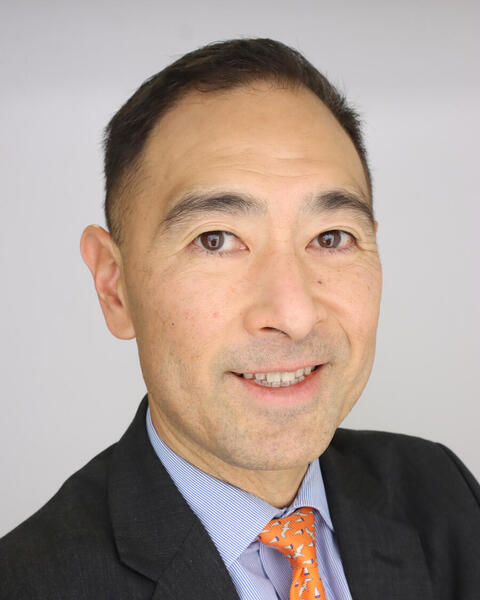
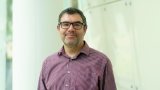
Lloyd D. Petty, DO, MPH, is a Clinical Assistant Professor in the Department of Internal Medicine at the University of Utah School of Medicine. He specializes in Endocrinology, Diabetes & Metabolism, providing clinical care while contributing to academic research. Education: D.O. and M.P.H. from Nova Southeastern University College of Osteopathic Medicine; B.S. in Physiology from University of Arizona Training: Chief Residency at University of New Mexico School of Medicine; Fellowship in Endocrinology at University of Utah School of Medicine His research focuses on endocrine disorders, particularly diabetes, osteoporosis, and thyroid diseases. Recent publications explore hormonal-gastrointestinal interactions, bone health in oncology patients, and minimally invasive endocrine procedures. Key publications span bone metabolism in chronic lymphocytic leukemia (2024), adrenal gland ablation techniques (2022), and endocrine-gastrointestinal case studies (2017-2023). The work demonstrates expertise in clinical endocrinology applications.
University of California, San FranciscoUnited States
Dr. Stanley J. Rogers is a Professor in the Department of Surgery at the University of California, San Francisco (UCSF), School of Medicine. He holds the Ruth M. Dunn Endowed Chair in Minimally Invasive Surgery and the His Majesty King Bhumibol Adulyadej, Rama IX Distinguished Professorship of Global Surgery. He serves as Interim Division Chief of General Surgery and directs the Bariatric Surgery Center, Liver Tumor Ablation Program, and Minimally Invasive Surgery Program. He is also a staff and trauma surgeon at Zuckerberg San Francisco General Hospital and Trauma Center, where he leads videoendoscopic surgery. University: University of California, San Francisco School: School of Medicine Department: Department of Surgery Role: Professor, Interim Division Chief, Director Email: stan.rogers@ucsf.edu Dr. Rogers' research and clinical expertise focus on minimally invasive and bariatric surgical techniques, particularly laparoscopic surgery, sleeve gastrectomy, gastric bypass, and liver tumor ablation. His work explores the metabolic and skeletal consequences of bariatric procedures, with a strong emphasis on calcium metabolism, bone health, and gut microbiome changes. He has contributed extensively to understanding complications and outcomes in gastrointestinal and metabolic surgery. His recent publications show a consistent trend in studying the long-term metabolic and skeletal impacts of bariatric surgery, particularly comparing sleeve gastrectomy and gastric bypass. Key themes include bone mineral density changes, calcium absorption, hormonal regulation (e.g., PYY), and the role of the gut microbiome. Many studies involve collaborations with endocrinologists and metabolic researchers, reflecting a multidisciplinary approach to surgical outcomes. Scientific Awards and Honors: Honorary Fellow, Royal College of Surgeons (2016) His Majesty King Bhumibol Adulyadej Rama IX Distinguished Professor of Global Surgery, UCSF (2012) Ruth M. Dunn Endowed Chair in Minimally Invasive Surgery, UCSF (2011) Fellow, American College of Surgeons (1995) Dr. Rogers has supervised numerous residents and fellows and is actively involved in clinical training. He has served as Principal Investigator and Co-Investigator on multiple NIH-funded grants, including studies on calcium absorption, sleeve gastrectomy effects, and anti-reflux surgery. His work has significant implications for improving postoperative care and long-term outcomes in bariatric patients. He is affiliated with several key programs at UCSF, including the Bariatric Surgery Center, the Liver Tumor Ablation Program, the Minimally Invasive Surgery Program, the Comprehensive Cancer Center, and the Institute for Global Health Sciences. His leadership extends to clinical trials on endoscopic techniques and bariatric revision surgery.
Prim. Clin. Assoc. Prof. PD Dr. Dietmar Dammerer, MSc PhD is the head of the Clinical Department of Orthopaedics and Traumatology at Krems University Hospital, affiliated with Karl Landsteiner Private University of Health Sciences. He has been in this role since February 2022, leading the merger of orthopedics and traumatology into a unified clinical department. A dual-trained specialist, he is recognized for his expertise in endoprosthetics and tumor orthopedics, and actively promotes interdisciplinary collaboration and team-based medicine. His educational background includes a PhD in Musculoskeletal Sciences (2015), an MSc in Advanced Orthopaedics and Traumatology (2017), and board certification in both orthopedics and traumatology (2017, 2018), culminating in habilitation in 2019. He has received prestigious Traveling Fellowships from the European Hip Society and European Musculo-Skeletal Oncology Society. Dietmar Dammerer’s research focuses on orthopedic oncology, joint reconstruction, biomechanics, and minimally invasive surgery. His work emphasizes the integration of clinical inquiry with research to improve patient outcomes. Recent publications analyze pelvic sarcoma reconstruction, spinal metastases, cartilage repair techniques, and health disparities in sarcoma care. His 15 most recent articles reflect a strong trend in musculoskeletal oncology, surgical biomechanics, and evidence-based orthopedic practice, with frequent use of systematic reviews, retrospective studies, and multicenter collaborations. Topics include implant performance, surgical safety, and global access to specialized care. Scientific awards include: Traveling Fellow Stipendium from the European Hip Society (2018) Traveling Fellow Stipendium from the European Musculo-Skeletal Oncology Society (2020) He is deeply committed to mentoring and team development, emphasizing that medical success is measured by the success of one’s colleagues. He leads a research-active department that hosts international observers, conducts training courses for physicians across Europe, the Middle East, and Africa, and maintains a high rate of peer-reviewed publication. The department collaborates closely with the Departments of Biomechanics and Anatomy and Developmental Biology, reflecting a multidisciplinary research approach.
George E. Vates, MD, PhD, is a Professor in the Department of Neurosurgery and the Department of Medicine (Endocrine/Metabolism) at the University of Rochester Medical Center. He serves as neurosurgeon co-director of the University of Rochester Multidisciplinary Neuroendocrinology Clinic and is a key member of the University of Rochester Medical Faculty Group (URMFG), which comprises over 900 providers across 19 departments. Dr. Vates specializes in pituitary tumor surgery, cerebrovascular disorders, and skull base procedures, having performed over 120 transsphenoidal pituitary surgeries. Dr. Vates completed his academic training with exceptional distinction: Duke University: Bachelor's degree, summa cum laude (1988, Phi Beta Kappa) Rockefeller University: PhD in Neuroscience Weill Medical College of Cornell University: MD (1997, Alpha Omega Alpha) University of California, San Francisco: Neurosurgery Residency (1998-2003) Brigham and Women's Hospital, Harvard Medical School: Cerebrovascular/Skull Base Fellowship (2003-2004) His research focuses on pituitary tumor biology, neuroendocrinology, and surgical innovation. He established the Multidisciplinary Neuroendocrinology Clinic as a regional referral center for complex pituitary cases, integrating neurosurgical and endocrinological expertise. Current work emphasizes neuroprotective mechanisms in pituitary adenomas, surgical simulation technology, and optimizing outcomes for elderly glioma patients. Analysis of his 15 most recent publications reveals evolving research trajectories: contemporary studies (2019-2022) concentrate on pituitary tumor management, surgical simulation, and neurosurgical education, while earlier work (2002-2009) explored cerebrovascular anomalies, neural pathway mapping, and vascular malformations. Persistent themes include surgical technique refinement, tumor biology, and clinician training. Dr. Vates' scientific contributions have been recognized through: Phi Beta Kappa (1988) and Alpha Omega Alpha (1991) academic honors Neurosurgery Research and Education Foundation Fellowship (2006) Anspach Award for Cerebral Ischemia Research (2007) AANS Leadership Scholarship and Cone Pevehouse Award (2009) Ongoing service as St. Michael's Hospital Animal Care Committee reviewer As an educator, he mentors neurosurgery residents through clinical supervision and curriculum development, notably publishing on palliative care communication training. His research initiatives, including the 3D-printed cervical laminectomy simulator, demonstrate commitment to advancing surgical education. Current grants focus on neuroprotective strategies in pituitary tumors and resident training methodologies. Dr. Vates co-directs the Multidisciplinary Neuroendocrinology Clinic with endocrinologist Dr. Calvi, fostering collaboration between neurosurgery, endocrinology, and oncology. His clinical team manages complex pituitary cases across Rochester and Hornell campuses, while his research group develops surgical innovations and investigates tumor microenvironment interactions to improve patient outcomes.
Karol Budohoski, MD, PhD, FRCS, is an Assistant Professor in the Department of Neurosurgery at the University of Utah , with additional Adjunct Assistant Professor status in Radiology & Imaging Sciences. He specializes in cerebrovascular , endovascular , and skull base neurosurgery , treating complex pathologies like brain aneurysms, arteriovenous malformations, and skull base tumors. Education: PhD in Neurosurgery (University of Cambridge), MD (Medical University of Warsaw), Clinical Fellowships at University of Utah and UCSF His academic focus on subarachnoid hemorrhage pathophysiology and cerebral vasospasm has led to innovations in brain monitoring tools. Recent publications (2023-2025) span neurovascular surgery , stroke interventions , global neurosurgery , and cerebral autoregulation studies. He practices at the Clinical Neurosciences Center in Salt Lake City, Utah, with a patient rating of 4.9/5 (125 reviews), praised for clarity, attentiveness, and technical expertise.
The University of Texas MD Anderson Cancer CenterUnited States
Pratip K. Bhattacharya, Ph.D. , is an Associate Professor in the Department of Cancer Systems Imaging and the Department of Imaging Physics at The University of Texas MD Anderson Cancer Center, with a joint appointment in the Graduate School of Biomedical Sciences at The University of Texas Health Science Center. He is a principal investigator leading the Bhattacharya Laboratory, dedicated to advancing magnetic resonance imaging (MRI) through hyperpolarization techniques for applications in cancer and cardiovascular diseases. His research focuses on developing real-time metabolic and molecular imaging methods using hyperpolarized 13 C and 15 N-labeled compounds and silicon nanoparticles. These innovative probes significantly enhance MRI sensitivity, enabling non-invasive assessment of tissue metabolism and targeted imaging. His lab's work spans three primary areas: real-time metabolic MR imaging, targeted molecular MR imaging with functionalized silicon nanoparticles, and high-resolution MR metabolomics. These efforts are aimed at improving disease diagnosis and therapy monitoring. Analysis of his recent publications reveals a strong and consistent focus on hyperpolarized MRI, particularly using silicon particles and metabolic tracers like succinate, to visualize cancer metabolism and cardiovascular conditions in vivo. His research integrates physics, chemistry, and biomedical engineering to create novel imaging tools with direct clinical translational potential. PHIP Hyperpolarization Dynamic Nuclear Polarization (DNP) Hyperpolarized Silicon Nanoparticles Real-Time Metabolic Imaging Cancer and Cardiovascular Imaging Theranostic Applications Dr. Bhattacharya actively mentors graduate students and postdoctoral fellows, including Saleh Ramezani, Jose Enriquez, Dontrey Bourgeois, and Kang-Lin Hsieh. He collaborates closely with physician-scientists, radiologists, and oncologists to ensure his imaging science innovations address critical clinical needs. His laboratory is supported by grant funding, facilitating the development of cutting-edge imaging technologies. The Bhattacharya Laboratory is a key component of the Division of Diagnostic Imaging at MD Anderson, fostering a collaborative environment for interdisciplinary research. The lab focuses on translating fundamental discoveries in hyperpolarization physics into practical tools for improving cancer care.
Mayo Clinic College of Medicine and ScienceUnited States
Edward S. Ahn, M.D., is a Professor of Neurosurgery and Pediatrics at Mayo Clinic in Rochester, Minnesota. As a pediatric neurosurgeon, he specializes in minimally invasive techniques for craniosynostosis, fetal surgery for myelomeningocele, and management of pediatric neurovascular disorders like arteriovenous malformations and moyamoya disease. Education: B.A. in Biology and East Asian Studies, Harvard University (1999) M.D., New York University School of Medicine (2000) Internship in General Surgery, University of Maryland Medical Center (2001) Residency in Neurosurgery, University of Maryland Medical Center (2006) Fellowship in Pediatric Neurosurgery, Children’s Hospital (2007) Dr. Ahn’s research focuses on improving surgical outcomes for children with neurosurgical conditions, including craniosynostosis , hydrocephalus , and Chiari malformation . He pioneered image-based craniometric diagnostics for early craniosynostosis detection and explores telehealth applications for neonatal cranial screening. His recent work analyzes machine learning integration in surgical diagnostics. His publications span pediatric neurosurgical outcomes , fetal interventions , and vascular anomaly management . Dr. Ahn serves on editorial boards for Journal of Neurosurgery: Pediatrics and Child's Nervous System , and has received multiple Top Doctor recognitions since 2011. He also contributes to surgical education as Director of Neurosurgical Medical Student Education at Johns Hopkins University (2013–2014).
Daniel Hedequist MD is an Associate Professor of Orthopedic Surgery at Harvard Medical School and serves as Chief of the Spine Division and Co-Director of the Complex Cervical Spine Program at Boston Children's Hospital. His clinical expertise encompasses pediatric spine surgery with a focus on congenital scoliosis, kyphosis, and lordosis treatment. Dr. Hedequist received his medical degree from Creighton University School of Medicine in 1995, completed his internship and residency at the University of Texas Southwestern Medical Center (2000), and pursued a fellowship in pediatric orthopedics at Boston Children's Hospital (2001). He is board-certified by the American Board of Orthopedic Surgery. His research focuses on advancing pediatric spine surgery through innovations in robotic-assisted techniques, surgical safety protocols, and outcome assessment. Dr. Hedequist has pioneered work in cervical spine stabilization, growth-friendly instrumentation for early onset scoliosis, and telehealth applications for scoliosis evaluation. His publications reveal a strong emphasis on minimizing surgical complications, improving patient safety in robotic spine procedures, and addressing health disparities in orthopedic care. As Chief of the Spine Division at Boston Children's Hospital—the largest pediatric spine center in the United States—Dr. Hedequist leads a multidisciplinary team specializing in both non-surgical and surgical management of complex spinal conditions in children. The Complex Cervical Spine Program he co-directs brings together specialists in spinal surgery, neurosurgery, radiology, and anesthesia to treat rare and complex cervical spine conditions. His clinical approach emphasizes non-invasive treatments whenever possible, including bracing for scoliosis and casting for fractures, before considering surgical intervention. Dr. Hedequist has developed significant expertise in managing spinal conditions in children with complex medical histories including Down syndrome, Prune Belly Syndrome, and congenital heart disease.
Dr. Weitao Wang serves as an Assistant Professor in the Department of Otolaryngology at the University of Rochester School of Medicine and Dentistry. Board-certified in both Otolaryngology-Head and Neck Surgery and Facial Plastic and Reconstructive Surgery, he practices clinically at UR Medicine and the Wilmot Cancer Institute in Rochester, NY, specializing in complex head and neck reconstruction and facial plastic procedures. Medical Degree: University of Virginia School of Medicine Residency: Otolaryngology-Head and Neck Surgery, University of Rochester Medical Center (2015-2019) Fellowship: Facial Plastic and Reconstructive Surgery, The Institute for Rehabilitation and Research (2019-2020) His research focuses on advancing head and neck reconstruction through tissue engineering (particularly bone/cartilage grafting) and optimizing surgical education via point-of-view video technology. Clinical investigations prioritize patient-reported outcomes in facial plastic surgery to enhance functional recovery and satisfaction metrics. Current work bridges engineering solutions with complex defect reconstruction. Recent publications (2020-2025) demonstrate concentrated expertise in microvascular free tissue transfer, virtual surgical planning for craniofacial defects, and innovative skull base/orbital reconstruction techniques. His work consistently addresses oncologic safety while improving functional outcomes in head and neck cancer patients, with increasing emphasis on cost-effective surgical training methodologies. Robert Joynt Kindness Award 2021 Leslie Bernstein Resident Research Grant: Optimizing bone allograft in craniofacial defect reconstruction Wallace K. Dyer Clinical Investigation Grant: Cost-effective surgeon POV video in otolaryngology training Dr. Wang secures competitive funding from the American Academy of Facial Plastic and Reconstructive Surgery to advance surgical education and reconstruction techniques. His clinical mentorship emphasizes multidisciplinary collaboration, particularly in head and neck oncology cases where tumor resection requires immediate reconstruction. Current projects integrate virtual planning with intraoperative navigation to optimize complex defect repair. He operates within the Facial Plastic and Reconstructive Surgery division at the University of Rochester, collaborating with Wilmot Cancer Institute's head and neck oncology team. His practice incorporates virtual surgical planning technology and microvascular reconstruction expertise, with active participation in multidisciplinary tumor boards for complex craniofacial cases.
Sohail K. Mirza, MD, MPH is a Professor of Engineering at Dartmouth College's Thayer School of Engineering, specializing in biomedical engineering and orthopaedic surgery. His dual roles as a clinician and researcher focus on spinal biomechanics, surgical innovation, and healthcare policy. He received a BA in Physics from Colorado College (1985), an MD from the University of Colorado (1989), and an MPH from the University of Washington (2005). Research Interests: Dr. Mirza's work bridges clinical practice and engineering, with a focus on improving spinal surgery outcomes through advanced imaging techniques (e.g., intraoperative stereovision), reducing surgical overuse via policy analysis, and developing evidence-based guidelines for lumbar fusion procedures. His innovations include systems for pain measurement post-surgery and handheld stereovision tools for surgical navigation. Awards & Recognition: 2014 American Academy of Orthopaedic Surgeons Kappa Delta Award 2002/2008 University of Washington Service Excellence Award 1998 Cervical Spine Research Society Award Grants & Collaborations: His research has been supported by the National Institutes of Health and the Dartmouth College NSF I-Corps. He collaborates with biomedical engineers like Keith Paulsen and clinicians such as Roberts DW on projects like image-based registration for spine surgery. Labs & Teams: Leads the Spinal Surgery Innovation Lab at Thayer School, focusing on translating engineering solutions into clinical practices. Co-directs the Dartmouth Center for Surgical Innovation.
Raja Shaikh, MBBS, DNB, MD, serves as an Attending Physician at the Vascular Anomalies Center and Director of Pediatric Interventional Oncology at the Division of Vascular and Interventional Radiology. He is an Assistant Professor of Radiology at Harvard Medical School, specializing in minimally invasive, image-guided treatments for pediatric patients. Education Medical School: Jawaharlal Nehru Medical College (1999) Internship: KLE Hospital/Jawaharlal Nehru Medical College (2000) Residency: Jawaharlal Nehru Medical College (2005) Fellowship: Body MRI at University of Arkansas Medical Sciences (2010) Fellowship: Vascular and Interventional Radiology at Beth Israel Deaconess Medical Center (2011) Fellowship: Pediatric Interventional Radiology at Boston Children's Hospital (2012) Research Focus Dr. Shaikh's research concentrates on vascular anomalies and interventional oncology, including: Endovascular approaches for arteriovenous malformations Minimally invasive treatments for aneurysmal bone cysts Cryoablation applications in vascular anomalies Pediatric interventional oncology for relapsed solid tumors Scientific Contributions His publications span: Pediatric lymphatic interventions MRI-based vascular anomaly analysis Cryoablation techniques Post-operative lymphatic leak management Image-guided tumor biopsies and treatments Contact Information Phone: 617-355-6286 Fax: 617-730-0541 Email: Raja.Shaikh@childrens.harvard.edu NPI: 1477888204
University of California, San FranciscoUnited States
Ezequiel Goldschmidt, MD, PhD is an Assistant Professor in the Department of Neurological Surgery at the University of California, San Francisco (UCSF) . He is affiliated with the Brain Tumor Center and specializes in treating brain, skull base, and pituitary gland tumors using minimally invasive approaches . A proud member of the Latinx community, his research focuses on improving surgical techniques through human anatomy studies and exploring how developmental biology can enhance tumor growth understanding and brain recovery post-injury. Education: MD and PhD from Universidad de Buenos Aires Facultad de Medicina (2009) Residency in Neurosurgery at University of Pittsburgh Medical Center (2020) Postdoctoral Surgical Fellowship in Neuroplasticity at Karolinska Institute (Sweden) Research Interests: He investigates neurosurgical anatomy , endoscopic techniques , and brain tumor biology . His work includes determining risk factors for postoperative complications , application of indocyanine green (ICG) angiography , and genetic profiling of brain tumors . Clinical Trials: Dr. Goldschmidt leads trials on optic nerve stimulation to prevent visual deficits and ICG angiogram as a predictor of postoperative visual function. Scientific Awards: Fellowship in Skull Base Surgery at University of Pittsburgh Medical Center (2019) Fellowship in Neurosurgery Spine at University of Pittsburgh Medical Center (2015) Postdoctoral Surgical Fellowship in Neuroplasticity at Karolinska Institute Publications: His research spans minimally invasive neurosurgery , brain tumor classification , and intraoperative monitoring , with recent works on HPV-associated sinonasal cancer and immune checkpoint inhibition in meningiomas.
Daniel S. Oh, MD is a Clinical Associate Professor of Surgery (Practitioner) at the Keck School of Medicine of the University of Southern California, specializing in general thoracic surgery with a focus on minimally invasive and robotic techniques. He serves as the medical director at the USC-St. Jude Center for Thoracic and Esophageal Diseases in Fullerton, where he sees patients exclusively. Dr. Oh has extensive experience in robotic-assisted thoracic procedures, with approximately 90 percent of his major operations performed using robotic assistance since 2011. Medical Degree: Not specified in text Surgical Training: USC and Harvard Medical School (Brigham and Women's Hospital) Dr. Oh's research interests center on advancing robotic surgical techniques, particularly in thoracic and esophageal procedures. He actively collaborates with Intuitive Surgical to improve robotic technology, surgical training methods, and develop new procedures that enhance patient outcomes. His work emphasizes a disease-specific rather than technology-specific approach, making him unique among thoracic surgeons as he also performs advanced endoscopic and bronchoscopic procedures. Analysis of Dr. Oh's recent publications reveals a strong focus on objective performance metrics in robotic surgery, surgical education methodologies, and optimizing robotic-assisted thoracic procedures. His research spans both clinical outcomes and technological innovations, with particular attention to quantifying surgical skill, workflow efficiency, and the learning curve associated with robotic techniques. The publications demonstrate a consistent trajectory toward establishing evidence-based standards for robotic surgical training and performance assessment. Dr. Oh is a strong advocate for multidisciplinary care, working closely with colleagues in gastroenterology, pulmonology, medical oncology, radiation oncology, radiology, and pathology to provide comprehensive, patient-tailored treatment. His clinical philosophy emphasizes a team-based approach to achieve optimal outcomes for patients with complex thoracic conditions.
Vasilios Zerris is a Professor of Neurosurgery at the European University Cyprus, affiliated with the School of Medicine. He concurrently holds leadership roles as Chairman of Neurosurgery at Hygeia Hospital (Athens) and Chairman of Pediatric Neurosurgery at Iaso Children Hospital (Athens). His academic qualifications include Diplomate of the American Board of Neurological Surgery, with advanced fellowship training from Harvard University Medical School and Brown University Medical School. Dr. Zerris specializes in complex neurosurgical procedures including spinal reconstruction, functional neurosurgery, and pain management. His research focuses on spinal biomechanics, dural substitute materials, and oncologic neurosurgery. Notable projects include a $450,000 grant investigating bacterial carriers for targeted cancer therapy and clinical trials on spinal cord stimulation technologies. He has authored over 15 peer-reviewed publications across high-impact journals like New England Journal of Medicine and Journal of Neurosurgery . Awardees include the Oliver Smith Award (2003), Stanley Aronson Prize (2000), and academic distinction at Brown University (M.D. 2000). He serves on SOLAS and holds multiple philanthropic roles. His clinical work emphasizes minimally invasive techniques and translational research, with active participation in medical device trials through collaborations with Medtronic and Advanced Bionics.
Sami Al-Ani is a Senior Lecturer in Anatomy at Aston Medical School, Aston University. He combines academic work with clinical practice as a Plastic and Hand Surgeon, focusing on pediatric orthopedic injuries, hand surgery, and medical history research. Research Interests: Systematic reviews in pediatric hand trauma Arab-Islamic influence on ophthalmology Medical education innovations Health tourism and cosmetic surgery ethics Article Trends: Recent publications emphasize systematic reviews of pediatric fractures (fifth metacarpal neck, volar plate avulsion), historical medical research on Arab-Islamic contributions to ophthalmology, and critiques of cosmetic medical tourism. External Collaborations: Active in international research networks, with collaborations spanning high-, middle-, and low-resource settings, particularly in surgical education model development.