Paul O'Toole is a Professor of Microbial Genomics and Principal Investigator at the APC Microbiome Ireland, University College Cork. His research focuses on the gut microbiome's role in health, aging, and disease, particularly in the context of diet and probiotics. He leads projects like the ELDERMET study on elderly nutrition and the NU-AGE project exploring Mediterranean diets' anti-aging effects. He holds a BA (Mod.) from Trinity College Dublin and a PhD from Lund University, with postdoctoral training in Canada and New Zealand. Key grants include studies on dairy-derived microbiota, probiotic strain improvement, and microbiome analysis in aging populations. He has published extensively on Lactobacillus genomics, gut-brain interactions, and microbiome-driven health outcomes. His work bridges fundamental microbiology with clinical applications, emphasizing translational research. Scientific highlights include discovering microbiome links to cognitive decline, demonstrating dietary modulation of gut microbes to combat obesity, and identifying keystone species in healthy aging. He advocates for sustainability in conservation and food systems, reflecting his interdisciplinary approach to global health challenges.
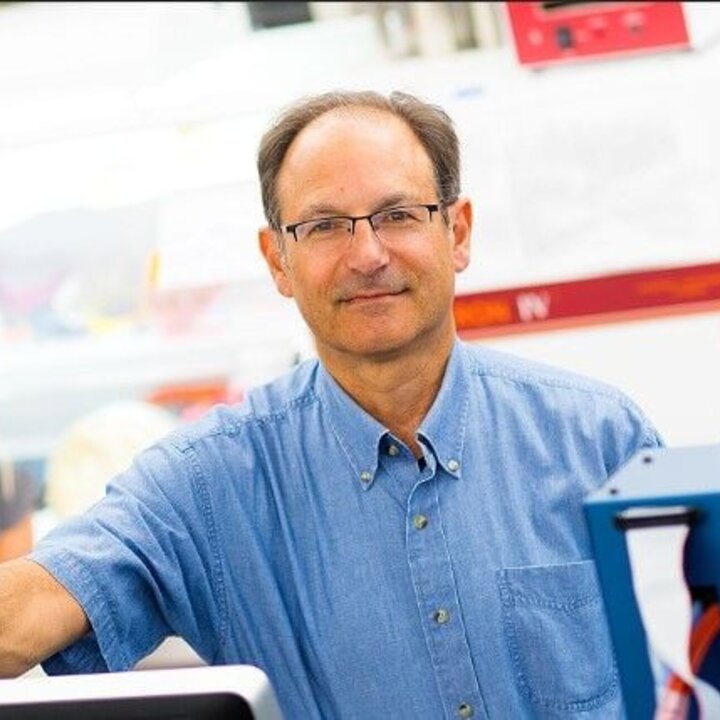
Shaul Pollak is an Assistant Professor at the Division of Microbial Ecology within the Centre for Microbiology and Environmental Systems Science at the University of Vienna. His research focuses on bacterial interactions in ecosystems, particularly their roles in plant pathogen protection and carbon cycling across soil and marine environments. He leads a research group investigating how microbial processes scale from genetic mechanisms to planetary biogeochemical cycles. His primary research interests include microbial community assembly, bacterial metabolism of complex biopolymers, and evolutionary genomics of marine cyanobacteria. Current projects leverage genomic dark matter to predict soil carbon fluxes, examine plant-bacteria interactions under environmental change, and explore the diversity of Prochlorococcus marinus. His interdisciplinary approach integrates genomics, high-throughput experiments, and machine learning to bridge ecological and evolutionary theory. Analysis of his 2022-2025 publications reveals consistent themes in microbial community dynamics, with emphasis on polysaccharide degradation mechanisms, phage-bacteria interactions, and genomic predictors of bacterial metabolic functions. His work demonstrates how bacterial trade-offs and cross-feeding structures shape ecosystem processes from ocean biogeochemistry to human gut microbiome organization. Dr. Pollak actively recruits PhD students and postdoctoral researchers through university stipend programs, with current group members including Thomas Gaehtgens, Gerhard Gruber, Jyothsna Pujar, Qi Qi, Lior Shachar, Marco Sing, and Joana Valèrio. His laboratory maintains active collaborations across soil and marine microbial ecology projects, with research infrastructure supported by University of Vienna resources and external funding.
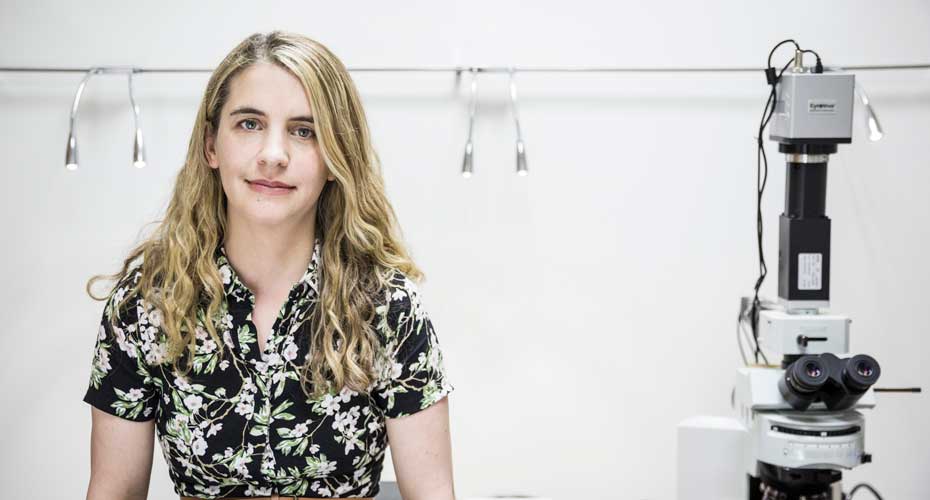
Anne G Hoen is an Associate Professor at the Geisel School of Medicine , Dartmouth College, with joint appointments in Epidemiology , Biomedical Data Science , and Microbiology and Immunology . Her research focuses on microbiome development in infants, environmental exposures, and their associations with health outcomes, using interdisciplinary approaches including statistical modeling and bioinformatics. Research Interests: She explores how microbial communities in early life influence disease risk through environmental and dietary factors. Her work integrates microbiome-metabolome interactions, computational methods for microbial network analysis, and epidemiological studies of infectious diseases. Recent Article Trends: 2025-2024 publications highlight maternal diet-microbiome links, microbial interaction networks, ECHO consortium collaborations, and novel computational approaches for microbiome data. Key sub-fields include perinatal exposome, microRNA profiling, and longitudinal metabolomic analysis. Scientific Awards: K01LM011985: Bioinformatics strategies for early life microbiomics R01LM012723: Multi-omic functional integration using networks Advising: Mentors current PhD students in Dartmouth's Quantitative Biomedical Sciences (QBS) program, including Becky Lebeaux and Quang Nguyen, while alumni like Sara Lundgren and Wes Viles hold postdoctoral and academic positions.
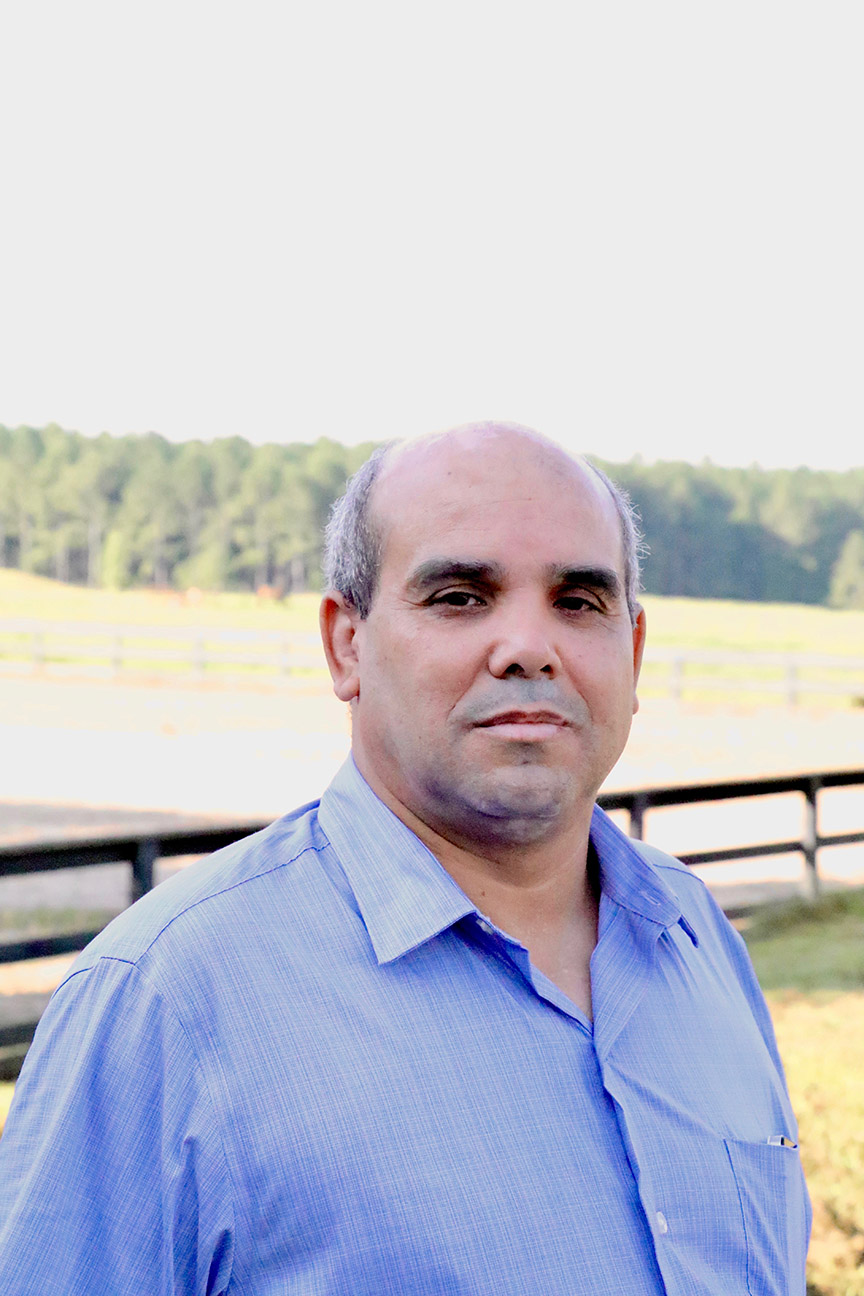
Romdhane Rekaya serves as a Professor in the Department of Animal and Dairy Science within the College of Agricultural & Environmental Sciences at the University of Georgia. He also holds courtesy faculty positions in the Department of Statistics and is an associate faculty member with the Institute of Bioinformatics at UGA. His research program focuses on developing statistical and computational tools for analyzing large genetic and genomic datasets with applications in livestock, poultry, and human health. Dr. Rekaya's educational background includes: Agriculture Engineer from the High Institute of Agriculture, Tunisia Master of Science from the International Center for Advanced Studies in Mediterranean Agriculture of Zaragoza, Spain Ph.D. from the Polytechnic University of Madrid, Spain Dr. Rekaya's research interests span quantitative genetics, genomics, biostatistics, and bioinformatics. His work centers on developing statistical and computational methodologies for analyzing big genetic and genomic data sets with practical applications in livestock, poultry, and human health. His research has been particularly focused on addressing critical challenges in animal agriculture including horn fly resistance in beef cattle, water utilization efficiency in poultry, and greenhouse gas emissions in dairy production. His methodological approaches often integrate machine learning, Bayesian statistics, and genomic technologies to solve complex biological problems. Dr. Rekaya's publication record demonstrates a consistent focus on statistical methodology development for genetic analysis, with recent work increasingly emphasizing practical applications of genomic technologies in animal agriculture. His research spans both theoretical statistical development and practical implementation in livestock improvement programs, with particular emphasis on innovative approaches to traditional breeding challenges. Among his professional recognitions: Student Career Success Influencer Award 2024 Mini-Sabbatical Award Student Career Success Influencer Award 2022 Carnegie fellowship Carnegie African Diaspora Fellow Faculty with significant positive impact of at least one graduate student Gamma Sigma Delta outstanding Research Achievements Award Dr. Rekaya has successfully mentored numerous graduate students including PhD candidates Amanda Warner, Mahsa Zare, Koushik Das, and Evan Hartono, along with undergraduate researchers. His research has been consistently supported by major funding agencies including USDA NIFA, USDA ARS, Georgia Agricultural Commodity Commission for Beef, National Academy of Sciences, and industry partners including Tyson Foods and Cobb-Vantress. Current projects include developing genetic solutions to the horn fly problem in beef cattle, improving water utilization efficiency in poultry, and examining associations between greenhouse gas emissions and feed efficiency in dairy cattle. Dr. Rekaya leads an active research laboratory that collaborates with multiple departments and institutions. His lab focuses on applying advanced statistical and computational methods to solve pressing problems in animal agriculture, with particular emphasis on integrating genomic information into practical breeding programs. The lab maintains strong industry connections and international collaborations, particularly with researchers in Africa through the African Animal Breeding Network.
Dr. Minliang Yang is an Assistant Professor in Food Sustainability at North Carolina State University's Department of Food, Bioprocessing & Nutrition Sciences. Her research focuses on system-level analyses (TEA, LCA, machine learning) to advance food sustainability, particularly through plant-based foods, cellular agriculture, and greenhouse gas mitigation strategies. She holds a B.S. in Food Science from Henan University of Technology (2012), M.S. and Ph.D. in Agricultural and Biosystems Engineering from Iowa State University (2014/2018), and a postdoctoral fellowship at Lawrence Berkeley National Laboratory (2022). Her work spans biofuel production, bioproduct valorization, and sustainable biorefinery systems. Key contributions include optimizing biomass pretreatment methods (e.g., low-moisture anhydrous ammonia), developing plant-based platforms for human milk oligosaccharides, and evaluating the economic viability of carbon-negative fuels. Dr. Yang's interdisciplinary approach integrates engineering, biology, and economics to address global food system challenges. Recent publications emphasize co-processing agricultural residues, machine learning-driven process modeling, and cost-benefit analyses of bio-based materials. Her research highlights the potential of integrating plant biotechnology with advanced analytics to create scalable, sustainable solutions for food and energy systems.
Ayesha Ali is a Professor of Statistics and Director of the Master of Data Science program at the University of Guelph. She holds a PhD in Statistics from the University of Washington (2002) and has expertise in statistical methods for complex high-dimensional systems, including ecological networks, causal inference, and bioinformatics. Her research integrates graphical Markov models, machine learning, and statistical computing to address challenges in plant-pollinator networks, livestock genetics, and disease risk modeling. Education: B.Sc. Honours in Statistics and Actuarial Science, University of Western Ontario (1996) M.Sc. in Statistics, University of Toronto (1998) Ph.D. in Statistics, University of Washington (2002) Research Interests: Graphical Markov models and ecological networks Causal inference and longitudinal data analysis Machine learning and high-dimensional predictive modeling Statistical methods for livestock genetics and animal health Computational statistics and bioinformatics Articles Trends: Her recent work spans interdisciplinary applications, including veterinary oncology biomarker discovery, remote sensing for agricultural suitability, and pipeline development for cross-species transcriptomics. She emphasizes graphical structure exploitation in regression and predictive modeling, with contributions to both theoretical and applied statistical methodologies. Awards: Canadian Journal of Statistics Award (2020) for groundbreaking work on doubly sparse regression NSERC Discovery Grant (2018) NSERC Collaborative Research and Development Grant (2015) Advising & Grants: She has supervised numerous graduate and undergraduate students on projects ranging from plant-pollinator network analysis to bioinformatics. Her grants include NSERC-funded research on milk fatty acid genetics and statistical methods for clustered data. Labs/Teams: Involved in the Bioinformatics program at the University of Guelph, contributing to interdisciplinary research collaborations in ecology and animal science.
Professor Aoife Gowen is a leading academic at the UCD School of Biosystems & Food Engineering , specializing in hyperspectral imaging and its applications across medicine, food safety, and engineering. Her research, supported by prestigious European Research Council (ERC) funding, investigates water molecule interactions with surfaces to improve bone graft materials and develop innovative diagnostic tools for prostate cancer. She also leads Science Foundation Ireland (SFI)-funded projects on hyperspectral monitoring of bacterial growth for food safety. Beyond technical research, Professor Gowen has developed computational tools now integrated into commercial chemical analysis software. Her work spans interdisciplinary domains, including sustainable transport policy, critical thinking education, and promoting gender diversity in engineering. As a key figure in the Women on Walls initiative, she has enhanced visibility for women in STEM fields. Her recent publications focus on spectral technologies for food quality, microplastics characterization, and medical diagnostics, reflecting her commitment to addressing global challenges in health and sustainability. Scientific Awards: ERC Grant for water-surface interaction research Professor Gowen actively collaborates with European networks and industry partners, driving advancements in hyperspectral imaging applications. Her lab’s efforts to bridge computational science with real-world chemical analysis have positioned her as a pioneer in invisible chemistry visualization, impacting medicine, food, and environmental engineering.
Maurizio Ramanzin is a Full Professor at the University of Padova , affiliated with the School of Animal Science and Department of Agronomy, Animals, Food and Natural Resources (DAFNAE) . His research focuses on Agricultural Sustainability , Environmental Impact Assessment , and Precision Livestock Farming . Academic Field : AGR/19 Email : maurizio.ramanzin@unipd.it Address : Agripolis - Viale dell'università, 16 - Legnaro (Padova) – ITALY His work explores the interactions between livestock systems and ecosystem services in mountainous regions, with emphasis on: Grazing Management and biodiversity conservation Life Cycle Assessment (LCA) of dairy and beef systems Climate Change Adaptation in Alpine ungulates Animal Welfare in small-scale farms Technological Tools (GPS, NIRS) for monitoring grazing behavior Key trends in his recent publications include: Quantifying environmental drivers of wolf predation on livestock Developing low-cost biologging systems for dairy cows Analyzing social-ecological trade-offs in mountain agriculture Assessing microbial dynamics in alpine soils
Prof. Remko Boom is a Full Professor of Food Process Engineering at Wageningen University & Research. His research focuses on sustainable food systems, plant-based alternatives, and advanced food processing technologies such as 3D food printing, membrane filtration, and protein functionalization. Key areas include edible robotics, animal-free cheese alternatives via artificial casein micelles, and functional ingredient extraction from plant and insect-based sources. He collaborates globally on biorefinery processes and contributes to edible robotic systems through material science innovations. Education Background: PhD in Food Technology (exact details not specified) Master's/Undergraduate degrees in relevant engineering disciplines (not explicitly stated) Research Interests: Prof. Boom's work spans food process engineering with emphasis on: - Development of plant-based protein ingredients using mild fractionation techniques - 3D-printed food materials with tailored mechanical properties - Electrophoretic and membrane-based separation technologies for food components - Engineering edible casein micelles for cheese analogues - Biodegradable robotics using food-grade materials Recent Research Trends: Publications from 2024-2025 highlight advancements in: - 3D-printed starch cryogels and protein-based composites - Oleosome extraction and encapsulation of bioactive compounds - Functional characterization of artificial casein micelles - Edible robots powered by Marangoni propulsion Awards & Recognition: No specific awards listed in available data, though his work has received significant media attention including features on edible robotics and sustainable food innovations. Advising & Collaboration: Supervising 87+ PhD projects including work on: - Electrohydrodynamic drying - Brewer's spent grain valorization - Recombinant protein purification Active in industry partnerships for scaling-up electrophoretic separation and 3D food printing technologies Labs & Teams: Leads research groups focused on: - Advanced Food Processing Technologies - Sustainable Ingredient Development - Biorefinery Applications in Food Systems
Robert Hutkins serves as the Khem Shahani Professor in Food Science and Technology at the University of Nebraska-Lincoln, where he is affiliated with the Department of Food Science and Technology. His research program centers on the microbiological aspects of food systems with direct implications for human health, particularly through probiotic and prebiotic interventions. Hutkins' research spans food microbiology, gut microbiome dynamics, and fermented food ecosystems. He investigates how dietary components—especially live microbes and prebiotic fibers—modulate gut microbial communities and influence health outcomes. Key projects include clinical trials on probiotics for lactose intolerance, development of antimicrobial food packaging using essential oils, and classification frameworks for prebiotic compounds. His work bridges fundamental microbial ecology with practical applications in functional food development. Analysis of his 15 most recent publications (2022-2025) reveals three dominant trends: 1) Clinical validation of probiotic strains for digestive health conditions, 2) Mechanistic studies on prebiotic-microbe interactions using in vitro and genomic approaches, and 3) Population-level assessments of live microbe consumption through NHANES data. His leadership in ISAPP consensus statements on prebiotics and synbiotics demonstrates his role in shaping scientific standards for the field. Current work increasingly focuses on personalized nutrition strategies based on individual microbiome responses to dietary interventions.
Tina Kabelitz is a Researcher at the Leibniz-Institut für Agrartechnik und Bioökonomie e.V. (ATB) , leading the working group Infections and AMR in Farm Animals since September 2021. Her work integrates sensor technology, digitalization, and artificial intelligence to address antimicrobial resistance (AMR) in livestock systems through a One Health approach. Education : PhD in Epigenetics of Plants (University of Potsdam, 2011-2015) MSc Molecular and Cellular Biology (University of Potsdam, 2009-2011) BSc Molecular Biology/Physiology (University of Potsdam, 2006-2009) Her research focuses on antimicrobial resistance dynamics in livestock, particularly through environmental pathways in pig and poultry farming. She investigates resilient housing design for biosecurity and animal welfare, microbiome changes in manure storage , and machine learning-based mastitis risk assessment using multisensor systems. Her projects include LeibnizLabPP (pandemic preparedness), AirBarn (bioaerosol AMR transmission), ENVIRE (AMR control in chicken systems), and AMR-PIG (AMR spread mechanisms). Recent publications analyze AMR gene dynamics in manure systems (2025), machine learning applications for mastitis prediction (2025), and environmental impacts of dairy farming mitigation strategies (2024). Her work emphasizes systemic solutions like anaerobic digestion plants and slurry injection techniques to reduce emissions.
Gabriele Andrea Lugli is a Fixed-term researcher at the University of Parma's Department of Chemical, Life and Environmental Sustainability Sciences, teaching Genomics of Microbial Ecosystems, Microbiology Applied to Materials Science, and Applied Microbiology and Probiogenomics for Biotechnology and Materials Science undergraduate and graduate programs. His research centers on microbial genomics with emphasis on human gut microbiome dynamics and food microbiology. Key interests include bifidobacteria-host molecular interactions, bacteriophage ecology in dairy fermentation, probiotic mechanisms, and microbial contributions to environmental sustainability. He employs metagenomic, genomic, and machine learning approaches to investigate microbial biodiversity in cheese production and gut health contexts. Analysis of his recent publications reveals a cohesive focus on genomic characterization of microbial communities across food and human ecosystems. His work consistently explores bifidobacterial adaptation, vitamin biosynthesis pathways, and phage-host dynamics, demonstrating translational applications in probiotics, nutrition, and food safety. The integration of computational methods with experimental microbiology defines his methodological signature.
António Raposo is a faculty member at Universidade Lusófona, affiliated with the Faculty of Health Sciences and the Department of Nutrition and Food Sciences. He holds a PhD and has established a robust research profile in nutrition, food science, public health, and sustainability. His work spans multiple continents, with collaborations in Brazil, Saudi Arabia, and Ecuador, reflecting a global perspective on food and health challenges. PhD in Food Safety and Risk Management (2013) Extensive research in nutrition, food behavior, and sustainable food systems Active publication record in peer-reviewed journals His research interests are centered on improving public health through better nutrition and sustainable food practices. Key areas include gut microbiota, plant-based diets, celiac disease, food waste reduction, and food security. He investigates how dietary patterns influence health outcomes, particularly among vulnerable populations such as university students, low-income communities, and individuals with chronic conditions. The analysis of his recent publications reveals a strong trend toward interdisciplinary research that bridges nutrition, environmental sustainability, and behavioral science. His work frequently employs systematic reviews, meta-analyses, and cross-sectional studies to assess dietary behaviors, food safety practices, and the health impacts of functional foods. There is a clear emphasis on translating research into practical interventions for healthier and more sustainable food systems. While no formal scientific awards are listed in the provided text, his prolific output and leadership in thematic reviews suggest recognition within the academic community. He has contributed to consensus documents, such as the Ibero-American consensus on low- and no-calorie sweeteners, indicating expert status. António Raposo has likely supervised or co-supervised students, given his extensive research output and doctoral degree, though specific names are not listed. His work often involves large datasets (e.g., NHANES) and international collaborations, suggesting involvement in grant-funded projects. He has explored topics ranging from vending machine nutrition to jellyfish as a sustainable food source, demonstrating innovative and applied research directions. He is associated with research initiatives focused on food safety, allergen management, and sustainable food services. His work on hygiene assessment systems, food spoilage, and HACCP implementation indicates engagement with food industry standards and public health policy. The development of tools for evaluating green restaurants and food waste in food services further highlights his commitment to operational sustainability in real-world settings.
Prof. Edith Feskens is a renowned academic in Human Nutrition and Health at Wageningen University & Research, holding the Chair of Global Nutrition. She earned her MSc from Wageningen University (1987) and PhD from Leiden University (1991), focusing on glucose tolerance and cardiovascular epidemiology. Her career spans roles at the RIVM (until 2005), leading to her academic appointments at Wageningen. She currently co-leads the Gerrit Grijns Initiative and serves as a Theme Leader at OnePlanet Research Center. Her expertise spans epidemiology, cardiovascular diseases, metabolic syndrome, and global nutrition, with a focus on sustainability and LMICs. Key research areas include dietary interventions (e.g., SLIMMER program), vitamin requirements in obesity, fermented foods’ cardiometabolic effects, and night-shift nutrition. She leads projects on maternal-child nutrition, smartphone dietary tools (Traqq), and global food systems. Her work emphasizes translating research into policy, such as the SLIMMER program’s inclusion in Dutch health insurance. Her scientific contributions span over 200 publications, addressing topics like dietary patterns, micronutrient status, and health outcomes. She chairs international committees (e.g., IUNS Council) and advises organizations like the Dutch Diabetes Foundation. Her lab focuses on nutrition across the life course and global health equity, balancing public health impact with methodological innovation in dietary assessment technologies.
Professor Azharul Karim is a leading academic and researcher in the Faculty of Engineering at Queensland University of Technology (QUT), specifically within the School of Mechanical, Medical & Process Engineering . He holds the rank of **Professor** and is the Director of the Advanced Drying and Sustainable Energy Research (ADSER) Group . His research focuses on advanced drying processes, renewable energy, food engineering, and lean manufacturing, with over 230 peer-reviewed publications and an h-index of 46. He has secured A$4 million in research grants and pioneered innovations like ultrasonic washing machines and solar drying systems. Education: PhD in Engineering from the University of Melbourne. Leadership Roles: Academic Lead for International and Engagement at QUT, Course Leader for the Master of Engineering Management, and Editor of journals like Drying Technology and Nature Scientific Reports . Awards: Advance Queensland Fellow, Smart Queensland Fellow, Global Engineering Education Award (2018), and multiple international recognitions for interdisciplinary contributions. Teaching: Leads real-world project-based learning (PBL) programs and teaches units in Heating, Ventilation, Advanced Manufacturing, and Quality Management. Patents: Includes ultrasonic washing/dishwashers, solar drying systems, and microwave-convective drying technologies. Research Impact: Focuses on sustainable energy, food quality preservation, and lean healthcare systems to optimize resource use in emergency departments. Grants and Projects: 21 grants totaling A$4M, including A$555K for Microwave-Assisted Solar Dryer research. His work bridges fundamental science and industrial applications, addressing global challenges in food processing, energy efficiency, and healthcare logistics.