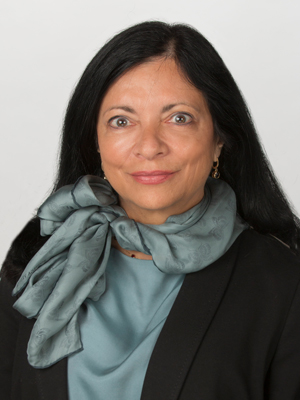
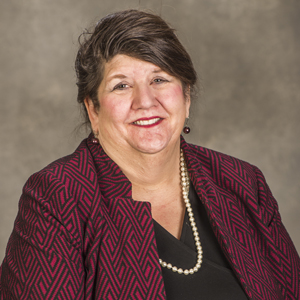
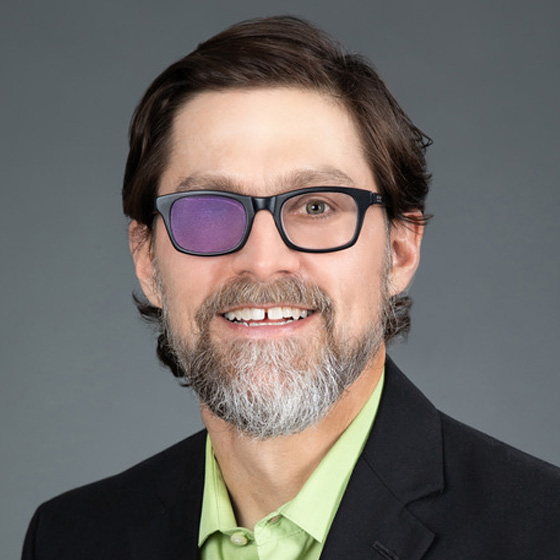
Lori Escallier, PhD, RN, CPNP-PC, FAAN is a Professor and Dean at the College of Nursing, Downstate Health Sciences University. With over 36 years of experience in nursing education, she is recognized nationally for developing innovative mentorship models and educational engagement strategies that have significantly impacted underrepresented and minority nursing students. Academic Qualifications BSN from Salve Regina College (1980) MSN from SUNY Stony Brook (1988) PhD from Adelphi University (1995) Her research focuses on diversifying the nursing workforce, addressing healthcare disparities, and leveraging veteran experiences in academic settings. She pioneered the Veteran to BS Program, translating military experience into academic credit, and co-authored the award-winning RWJF/AACN Transition to Practice Toolkit. Scientific Awards RWJF Innovation Award Above and Beyond Award (2015) Fellow of the American Academy of Nursing (FAAN) Her publications emphasize nurse mentorship, veteran healthcare transitions, and digital tools for reducing disparities. She has secured over $9M in grants from RWJF and HRSA to support these initiatives.
Dr. Elaine T. Jurkowski serves as Professor in Social Work at Southern Illinois University's College of Health and Human Sciences, holding multiple leadership roles including Graduate Program Director (2021-present) and Program Director for Gerontology Programs (2020-present). She maintains cross-appointments as Adjunct Professor in the School of Medicine's Family Practice Residency Program and Professor in the Department of Health Education, demonstrating her interdisciplinary impact. B.S.W. (Industrial Social Work), University of Manitoba, Canada M.S.W. (Policy and Administration), University of Manitoba, Canada Ph.D., Public Health, University of Illinois at Chicago M.B.A., Southern Illinois University Carbondale (2022) Dr. Jurkowski's research program centers on health disparities, access to mental health services, aging, and disability issues, with particular focus on rural populations. Her work bridges public health, social work, and gerontology through innovative approaches to program evaluation, technology-enhanced teaching, and culture change in long-term care settings. She has developed expertise in international health planning and inter-professional collaboration across diverse cultural contexts. Her publication portfolio shows consistent thematic development across decades, with recent work focusing on medical tourism during the pandemic, rural-urban health disparities, and technology applications in gerontology education. These publications reflect her commitment to addressing healthcare access challenges for vulnerable populations through both scholarly inquiry and practical interventions. Great Cities Research Fellow in Health Provost Faculty Fellow (2018) Provost Assessment Fellow (2016) Student Hotspotting certification (2018-present) A.P.M. Assessment Academy certification (2016, 2017) Dr. Jurkowski has successfully secured over $1 million in research funding from agencies including Health Resources and Services Administration, The Hartford Foundation, and Administration on Aging. Her grant portfolio demonstrates sustained commitment to improving services for older adults and people with disabilities, particularly in rural settings. She has served as Graduate Program Director twice (2003-2014, 2021-present), mentoring numerous social work students through their academic and professional development. Her professional activities extend beyond campus through international consulting in West Africa, Hong Kong, India, China, Russia, and Egypt, and community engagement via the "Dare to Care" radio show and board service with Caring Counseling Ministries, Supporting People in Need, and UNA/USA Southern Illinois Chapter.
Scott D. Landes is a Professor in the Sociology Department at Syracuse University's Maxwell School of Citizenship and Public Affairs. He holds affiliations with the Aging Studies Institute, Lerner Center for Public Health Promotion, and Center for Aging and Policy Studies. Landes earned his Ph.D. in Sociology from the University of Florida in 2014. His research focuses on disability mortality disparities, veteran health outcomes, and the intersection of disability with medical and social theory. Education: Ph.D. in Sociology, University of Florida, 2014 Research Interests: Landes investigates mortality trends for disabled adults and veterans, disability theory integration with life course frameworks, and data equity in disability measurement. His work addresses systemic undercounting of disability in federal surveys and explores racial/ethnic disparities in lifespan outcomes for individuals with intellectual/developmental disabilities (IDD). Recent Research Trends: His publications analyze pandemic impacts on IDD populations, combat veteran longevity, and diagnostic overshadowing in mortality reporting. Recent work critiques Washington Group disability measures' limitations and advocates for improved data collection methods. Awards: 2025 Excellence in Graduate Education Faculty Recognition Award O’Hanley Faculty Scholar (Syracuse University) NIH-funded research projects on aging policy and mortality disparities Advising & Grants: Recipient of multiple National Institutes of Health grants. Advises on disability data equity initiatives and participates in interdisciplinary teams addressing veteran health disparities. Supervises graduate research on IDD lifespan trajectories and pandemic vulnerability. Labs/Teams: Core member of Syracuse’s Aging Studies Institute and Lerner Center for Public Health Promotion. Collaborates with the Center for Aging and Policy Studies on federal health data projects. Engages with national disability advocacy groups through research briefs and policy consultations.
Jan Grimell is an Associate Professor and Senior Lecturer at the Department of Sociology, Umeå University. His research focuses on military chaplaincy, veterans' mental health, and identity formation, combining sociological and religious perspectives. He is affiliated with the research groups Sociology of Organizations, Sociology of Religion, and Sociology of Work. Key research themes include Moral Injury, PTSD, and the transition challenges veterans face when leaving military service. His work explores existential and spiritual dimensions of health, identity reconstruction, and the role of chaplaincy in armed forces and healthcare settings. Recent projects include studies on Ukrainian military chaplaincy during the Russia-Ukraine war, the impact of moral injury among healthcare providers during the pandemic, and the long-term identity struggles of Swedish veterans. His publications span journals like Frontiers in Sociology , Journal of Pastoral Care & Counseling , and Health and Social Care Chaplaincy , with a focus on interdisciplinary approaches linking social psychology, medical sociology, and religious studies.
Douglas K. Snyder is a Professor in the Department of Psychological and Brain Sciences within the College of Liberal Arts at Texas A&M University. He previously served as Director of Clinical Training from 1991 to 2012 and has been internationally recognized for his research on marital assessment and outcome research on marital therapy, particularly through his development of the Marital Satisfaction Inventory. Dr. Snyder earned his bachelor's degree from Wittenberg University in 1974, received his doctoral degree from the University of North Carolina at Chapel Hill in 1978, and completed his internship at Duke University Medical Center. Prior to his appointment at Texas A&M, he served on the faculty at Wayne State University in Detroit and at the University of Kentucky in Lexington, where he also served as Director of Clinical Training and Associate Dean in the College of Arts and Sciences. Dr. Snyder's research emphasizes the assessment, treatment, and prevention of couple relationship distress. His work centers on the Marital Satisfaction Inventory, a multidimensional measure of relationship accord now published in several languages and used worldwide. His treatment research focuses on tailoring therapy to specific partner and relationship characteristics by integrating cognitive, behavioral, emotion-focused, and insight-oriented interventions. His specific clinical interests include treating difficult couples with emotional, behavioral, and health problems, with particular attention to military and veteran couples and those dealing with infidelity. Dr. Snyder's recent publications demonstrate continued leadership in couple therapy, with emphasis on evidence-based approaches, treatment of infidelity, military couples, and cross-cultural applications of couple assessment tools. His work spans theoretical advancements and practical clinical applications. Outstanding Research Publication Award, Association for Marriage and Family Therapy, 1991 Professor of the Year Award, Texas Psychological Association - Division of Students, 1993 Award for Distinguished Contributions to Family Psychology, American Psychological Association, 2005 Outstanding Contributions to Science Award, Texas Psychological Association, 2008 Distinguished Alumnae Award, University of North Carolina (Chapel Hill), 2012 Distinguished Psychologist Award for Lifetime Contributions to Psychotherapy, American Psychological Association, 2015 Fellow of the American Psychological Association (Divisions 5, 12, 19, 29, 43) Fellow of the Association for Behavioral and Cognitive Therapies Fellow of the Society for Personality Assessment Dr. Snyder has served as Editor of the Clinician's Research Digest and as Associate Editor for the Journal of Consulting and Clinical Psychology and the Journal of Family Psychology. His research has been supported by the National Institute of Mental Health, with significant focus on military couples and relationship distress. He has developed evidence-based approaches for assessing and treating relationship problems across diverse cultural contexts. Dr. Snyder is affiliated with the Personality Processes research cluster at Texas A&M University, focusing on objective personality assessment and clinical assessment of couples and families. His work bridges research and clinical practice, with emphasis on developing practical assessment tools and treatment approaches for clinicians working with distressed couples.
Tamar Rodney is an Assistant Professor at the Johns Hopkins University School of Nursing , specializing in psychiatric mental health. She serves as the DNP Advanced Practice Psych Mental Health Track Coordinator and is affiliated with the Center for Community Programs, Innovation, and Scholarship (COMPASS) and the Center for Infectious Disease and Nursing Innovation . Dr. Rodney’s research focuses on PTSD and traumatic brain injury (TBI) in military personnel and veterans. Her work explores biomarkers , inflammatory responses , and meaning theory to improve diagnosis and treatment planning for mental health conditions. She also investigates telehealth , dementia care , and social isolation in vulnerable populations. Recent publications highlight her expertise in PTSD prevalence among nurses, telehealth applications , biomarker analysis , and community-based interventions for cognitive impairments. Her work bridges neurobiology and psychiatric nursing to inform military health policy . 2022 Coeur de Catherine – St. Catherine University 2021 AMERSA Marianne Marcus Award Multiple scholarships/fellowships (2010–2022) Dr. Rodney’s clinical practice, research, and advocacy address substance use disorders , resilience , and global health challenges. She actively contributes to policy development and education in psychiatric nursing.
Dr. Ariel Lang is a Professor In Residence in the Department of Psychiatry at the University of California San Diego (UCSD) and holds an Adjunct Professor position in the Department of Family Medicine and Public Health. She serves as Co-Director of the Experimental Psychopathology Track in the SDSU/UCSD Joint Doctoral Program in Clinical Psychology, and directs the VA San Diego Healthcare System (VASDHS) Center of Excellence for Stress and Mental Health (CESAMH). She co-leads the VASDHS Advanced Fellowship in Women's Health and specializes in evidence-based psychotherapeutic approaches for anxiety and trauma-related disorders in military populations. Education: Bachelor of Arts (BA), Psychology, Stanford University (1991) Master of Arts (MA), Clinical Psychology, UCLA (1994) Doctor of Philosophy (PhD), Clinical Psychology, UCLA (1998) Master of Public Health (MPH), Public Health (Biometry), SDSU (2007) Research Interests: Dr. Lang's work centers on assessing and treating PTSD, anxiety disorders, and trauma-related conditions with a focus on complementary and integrative approaches. Her studies frequently intersect with military/veteran populations, women's health, and public health issues such as systemic racism and environmental exposures. She has pioneered interventions like Compassion Meditation , Adaptive Disclosure , and Mantram Repetition Program , often using randomized controlled trials (RCTs) to evaluate efficacy. Her research also addresses co-occurring disorders (e.g., PTSD and substance use), pregnancy/postpartum mental health, and intergenerational trauma effects. Publications Trends: Her recent articles emphasize trauma-focused treatments, integrative health modalities, and veteran-specific healthcare challenges. Over 50% of her recent work involves clinical trial methodologies, particularly RCTs evaluating novel interventions. She consistently explores interdisciplinary topics like the intersection of mindfulness and clinical psychology, and the impact of systemic stressors on mental health outcomes. Awards: In 2022, she was honored as the UCSD Dept of Psychiatry Faculty Champion of Diversity . Grants/Advising: She is Principal Investigator on NIH grants exploring compassion meditation and yoga interventions for veterans, and has led projects funded by the VA and DoD. Her role in the 2023 VA/DoD PTSD Clinical Practice Guideline underscores her influence in shaping national healthcare policies. Labs/Teams: Her work is anchored in the VASDHS CESAMH, a multidisciplinary research center focused on stress-related mental health conditions. She collaborates extensively with researchers in public health, neurology, and military medicine, evidenced by frequent co-authorships in these domains.
Jonathan P. Wong is a Senior Policy Researcher at the RAND Corporation and Professor of Policy Analysis at the RAND School of Public Policy. His work bridges academic research and defense policy, focusing on military strategy, acquisition, force planning, and the integration of emerging technologies into military operations. Education: Ph.D. and M.Phil. in Policy Analysis (Pardee RAND Graduate School), M.A. in Security Studies (Georgetown University), B.A. in Political Science (UC San Diego) Professional Experience: U.S. Marine Corps infantry officer (2001–2011), Consultant at Boston Consulting Group, current RAND researcher and professor Wong’s research interests center on defense innovation, military logistics, artificial intelligence in warfare, space capabilities, and the human dimension of military operations. He has led studies on human-machine teaming, non-lethal weapons, defense acquisition reform, and U.S. military posture in the Indo-Pacific. His work emphasizes practical, policy-relevant insights grounded in operational experience. The trends in his recent publications reveal a deep engagement with modern defense challenges: integrating commercial technologies into military systems, improving acquisition agility, enhancing battlefield awareness, and ensuring that defense innovation serves warfighter needs. His research spans strategic, operational, and tactical levels, often focusing on the U.S. Army and Marine Corps. Wong has not received public recognition in the form of listed awards in the provided texts, but his leadership in congressionally mandated studies and high-impact policy research suggests significant influence in defense circles. Advising & Grants: Co-led major projects such as the Long Range Precision Fires study and research on integrating women into Marine Corps infantry. His work is frequently funded by the Department of Defense and other federal entities, though specific grant details are not listed. Wong is affiliated with RAND’s defense and national security research teams, contributing to strategic analysis and policy development. He is not associated with a formal lab but works within RAND’s collaborative research environment, often partnering with other veterans and defense experts to produce actionable insights for military leaders and policymakers.
Dr. Kelsey A. Bonfils is a Nina Bell Suggs Endowed Professor and Assistant Professor in the School of Psychology at the University of Southern Mississippi, where she directs the Social Cognition & Recovery in Schizophrenia (SCORS) Lab. Her academic journey includes a PhD and MS in Clinical Psychology from Indiana University-Purdue University Indianapolis, and a BS from the same institution. Dr. Bonfils' research focuses on social cognition mechanisms in schizophrenia-spectrum disorders, examining contributing factors like sleep disturbance and developing interventions to improve recovery outcomes. Her work spans clinical psychology applications for adults with serious mental illness, psychosis risk, and emotion regulation processes. She maintains active professional affiliations with the American Psychological Association, Society for Research in Psychopathology, and International Society of Interpersonal Psychotherapy. Her publication portfolio demonstrates strong research trends in: Social cognition and metacognition in psychotic disorders Sleep-psychopathology relationships Innovative psychotherapies for serious mental illness Mental health disparities and treatment accessibility Veterans' mental health services Dr. Bonfils has received the distinguished Nina Bell Suggs Endowed Professorship recognizing her contributions to clinical psychology research. She teaches graduate and undergraduate courses including Abnormal Psychology, Clinical Psychology Practicum, and Adult Psychotherapy. At the SCORS Lab, Dr. Bonfils leads research on social cognitive processes and recovery-oriented interventions for individuals with schizophrenia-spectrum disorders, with current projects investigating sleep-social cognition interactions and metacognitive therapies.
Ana Vives-Rodriguez, MD is an Assistant Professor of Neurology at Yale School of Medicine. She specializes in movement disorders and cognitive-behavioral neurology, caring for patients with Parkinson's disease, tremor, tics, dystonia, Alzheimer's disease, Dementia with Lewy bodies, and frontotemporal dementias. Based at Yale Physicians Building in New Haven, Connecticut, she provides both in-person and telehealth services to adult patients, accepting new patients without requiring referrals. Dr. Vives-Rodriguez's educational background includes: BS and MD from University of Costa Rica (2009), graduating Magna Cum Laude Residency at University Costa Rica/Calderon Guardia Hospital (2014) Clinical Fellowship in Movement Disorders at Yale New Haven Hospital (2018) Advanced Fellowship in Cognitive Behavioral Neurology at Boston University/VA Medical Center (2022) Her primary research interests focus on the behavioral and cognitive aspects of movement disorders and the early diagnosis of neurodegenerative disorders . Dr. Vives-Rodriguez examines structural and functional brain changes in conditions like Parkinson's disease, Wilson's disease, and Alzheimer's disease and their relation to clinical manifestations. Her work bridges clinical practice with translational neuroscience to improve diagnostic approaches and patient outcomes in complex neurological conditions. Analysis of her publications from 2017-2021 reveals a strong focus on movement disorders, cognitive impairment, and neuroimaging. Her research spans clinical observations of movement phenomena like index finger pointing and writing tremor, structural and functional brain changes in Wilson's disease, and innovative approaches to medical education in movement disorders. A recurring theme is the intersection between movement disorders and cognitive function, highlighting her dual expertise in both specialties. Dr. Vives-Rodriguez serves as a Sub Investigator for the Cognitive Training in Parkinson's Disease clinical trial (HIC ID 2000033352), which is recruiting participants aged 40+ through 2027. While specific grant funding isn't detailed in the available information, her active research program suggests ongoing support for her work in neurodegenerative disorders. She is affiliated with Yale's Movement Disorders and Neurodegenerative Disorders divisions, working within the Department of Neurology at Yale School of Medicine. Her clinical work at Yale Physicians Building integrates the latest research findings into patient care while contributing to the academic mission through teaching and scholarly activities.
Todd C. Helmus is a Senior Behavioral Scientist at the RAND Corporation and a Professor of Policy Analysis at the RAND School of Public Policy. He specializes in counterterrorism, information operations, security cooperation, and social media analysis with a focus on irregular warfare and violent extremism. Helmus holds a Ph.D. in clinical psychology from Wayne State University (Detroit, MI) and has served as a deployed analyst for U.S. military commands in Iraq and Afghanistan. His research emphasizes countering adversarial tactics such as foreign terrorist recruitment, Chinese gray zone operations, and propaganda campaigns. He teaches graduate courses on information operations and frequently speaks at security conferences. Key findings include studies on veteran susceptibility to extremism and Ukraine's counter-disinformation strategies during the Russia-Ukraine conflict. Helmus advises on national security communication campaigns, drawing insights from public health strategies. His work spans academic publications, expert commentary, and video/podcast media across topics like AI-driven misinformation, election security, and global resource development. He remains actively involved in policy analysis for U.S. national strategies on antisemitism and domestic extremism mitigation.
Professor Louis Appleby is a distinguished Professor of Psychiatry at the University of Manchester, where he serves in the Division of Psychology & Mental Health. He holds the prestigious position of Director of the National Confidential Inquiry into Suicide and Safety in Mental Health and leads England's National Suicide Prevention Strategy. His work has positioned him as one of the UK's foremost experts in suicide prevention and mental health safety. Professor Appleby's research focuses on suicide prevention across diverse populations including mental health patients, children and young people, individuals with prior self-harm, and offenders. He leads the Centre for Mental Health and Safety, recognized as the largest research unit in suicide prevention globally. The Centre has developed a UK-wide database of over 100,000 suicides that informs evidence-based policy and practice. His research examines risk factors that increase suicide vulnerability and identifies protective factors and effective intervention points across different populations. Recent publications demonstrate his continued leadership in the field, with studies examining suicide in veterans, self-harm patterns in children and women, and suicide risk among patients with psychosis. These works reflect his commitment to translating research into practical interventions that save lives across multiple demographic groups. CBE (2006) RCPsych Lifetime Achievement Award (2021) Knighted in the 2023 New Year Honours Making a Difference Award, University of Manchester (May 2019) Outstanding Benefit to Society Through Research (2015) Professor Appleby has secured substantial research funding totaling £25 million from organizations including the Wellcome Trust, Medical Research Council, and Department of Health. His leadership extends to numerous doctoral students and early-career researchers in suicide prevention. He has held significant government roles including National Director for Mental Health (2000-2010) and National Clinical Director for Health and Criminal Justice (2010-2014), demonstrating his impact on national mental health policy. As Director of the Centre for Mental Health and Safety, Professor Appleby oversees multiple research programs including the National Confidential Inquiry, the Manchester Self-Harm Project (MASH), bereavement support research, offender health initiatives, and international epidemiological collaborations with Danish colleagues. His work continues to shape suicide prevention strategies at local, national, and international levels.
Tony N. Brown is a Distinguished Professor of Sociology at Rice University, directing the Racism and Racial Experiences Workgroup (RARE) and the STaRT@Rice Program. He holds a Ph.D. from the University of Michigan (1998), with prior tenure at Vanderbilt University. His research focuses on critical race theory, examining mechanisms of racism's impact on mental health, racial identity, and societal structures. Key themes include anti-Blackness, racial trauma, and systemic inequities. Brown has secured federal funding for his work and contributed to over 100 peer-reviewed publications. He was a finalist for Rice University’s 2023 George R. Brown Award for Teaching Excellence. Education: Ph.D. in Sociology, University of Michigan - Ann Arbor (1998) M.A. in Sociology, University of Michigan - Ann Arbor (1993) B.S. in Sociology, University of Maryland - Eastern Shore (1991) Research interests span racial socialization, health disparities, and quantitative methods. His work combines community-based surveys with policy analysis, addressing contemporary issues like racial apathy among white populations and the mental health implications of racial discrimination. Notable projects include studying the psychological effects of Barack Obama’s presidential elections on Black communities and analyzing racialized stress in military veterans. His recent articles emphasize the intersection of race, politics, and mental health, with studies on Black nationalist tendencies and viral racism during the pandemic. Awards include recognition for teaching excellence and contributions to sociological scholarship. Brown actively collaborates across disciplines, holding roles in Rice’s sociology department and interdisciplinary programs.
Gavin Oxburgh is a Professor of Police Science at Northumbria University and an HCPC-registered Consultant Forensic Psychologist. He holds Chartered Psychologist and Chartered Scientist statuses, and serves as Assistant Director of The Northern Hub for Veteran and Military Families Research. With 22 years in the Royal Air Force Police as a senior detective specializing in child protection and sexual offenses, he now advises globally on legal psychology and human rights. His work includes collaboration with the International Criminal Court (ICC) and contributions to the UN-led Mendez Principles on Effective Interviewing. Research focuses on legal/criminological psychology, including international human rights, non-coercive interviewing, false memories, and veterans' issues. He has secured over £5M in grants from ESRC, EPSRC, and defense-related funds. Key roles include editorial positions for Journal of Investigative Psychology and Torture Journal , and Associate Investigator status with EPSRC/GCHQ's Academic Centre of Excellence in Cyber Security Research (ACE-CSR). Professional activities include founding ETICA (Global) for ethical investigative practices and co-founding the International Investigative Interviewing Research Group (iIIRG). He trains investigators worldwide, including UN agencies, European institutions, and South African law enforcement. His qualifications include a PhD in Psychology (2011), PGCLTHE (2008), and Fellow of the British Psychological Society (FBPsS). Notable projects include studies on remote forensic interviewing during the pandemic, veteran suicide prevention, and capacity-building in counter-wildlife crime. His work emphasizes ethical interviewing techniques, cross-cultural challenges, and technology's role in modern investigations.
Dr Jamie Barker is a Reader in Applied Sport and Performance Psychology at Loughborough University, with an international research profile spanning stress, group dynamics, wellbeing, and mental health. He has secured over £1.1 million in research funding from organizations including The UK Sports Institute, The Football Association, and the World Anti-Doping Agency. Education: BSc MSc PhD Research Interests: Barker’s work focuses on optimizing performance and wellbeing across elite sport, business, and military contexts. Key areas include: - Stress management in high-pressure environments - Group cohesion and dynamics - Resilience-building strategies for veterans and athletes - Ethical practices in clean sport. Projects & Collaborations: Lifestyle for Health and Wellbeing Research Project Veterans' Resilience Programme Clean Sport in International Cerebral Palsy Football Applied Experience: With 25+ years of practice, Barker advises professional sports organizations, military units, and corporate entities on psychological strategies. He is a registered sport and exercise psychologist with the HCPC.