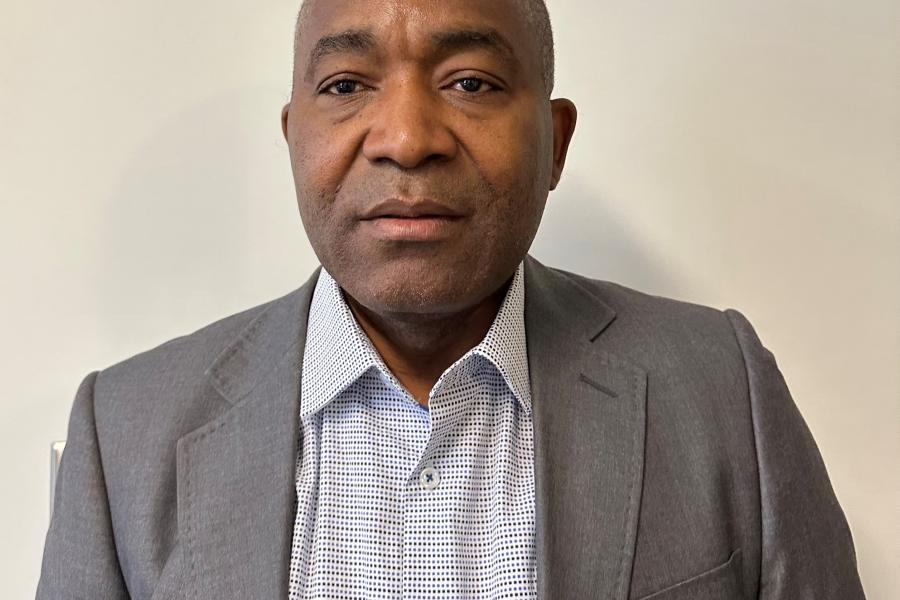
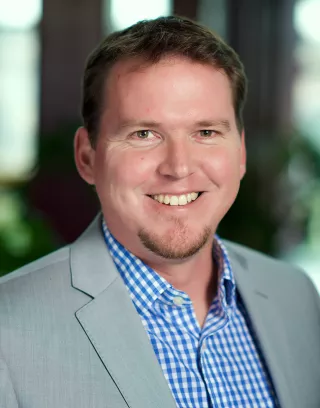
Alexander Haro serves as an Adjunct Assistant Professor in the Department of Environmental Conservation within the School of Earth and Sustainability at the University of Massachusetts Amherst, with research operations tied to the U.S. Geological Survey (USGS) as evidenced by his institutional email address. His work bridges academic research and practical conservation applications for migratory fish populations. His academic credentials include: B.Sc. in Biology from the University of Michigan (1981) M.Sc. in Zoology from the University of Rhode Island (1985) Ph.D. from the University of Maine (1989) focused on American eel migration and behavior Dr. Haro's research integrates applied engineering solutions with fundamental biological science to address fish migration challenges. His primary focus areas include designing and evaluating fish passage structures, analyzing biotic and abiotic influences on migration, and studying the behavior of diadromous fishes like American eels. His work combines fish locomotion energetics with hydraulic engineering principles to support sustainable population management across the northeastern United States and internationally. He maintains active collaborations with state and federal agencies, international organizations, NGOs, and private sector partners to advance fish passage technology and river restoration practices through evidence-based engineering solutions.
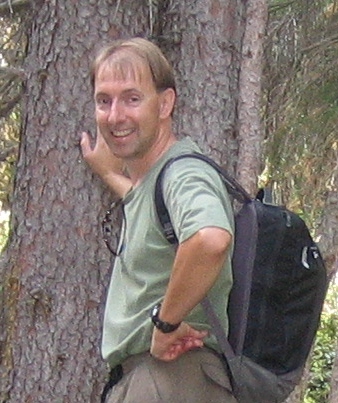
Brett van Poorten is an Assistant Professor in the School of Resource & Environmental Management at Simon Fraser University. He holds a BSc in Biology from the University of Guelph, an MSc in Fish Ecology from the University of Calgary, and a PhD in Fisheries from the University of British Columbia. His research focuses on fisheries management decisions, integrating recreational/commercial fisheries with human dimensions and management science. Prior to SFU, he was Senior Aquatic Scientist at the BC Ministry of Environment, addressing fisheries and aquatic system challenges such as social-ecological system management, invasive species, and hydroelectric impacts. His research interests include decision analysis, structured decision-making, novel fishing effort monitoring techniques, and social-ecological systems modeling. He leads the Fisheries Management Lab ( www.fisheriesmanagementlab.ca ), emphasizing applied solutions for sustainable resource management. Brett teaches REM 412 (Environmental Modeling) and REM 612 (Simulation Modelling in Natural Resource Management). His work bridges ecological and human dimensions, with a focus on creating actionable frameworks for complex management challenges.
Dr. Franz Hölker is a Senior Scientist and Research Group Leader at the Leibniz-Institute of Freshwater Ecology and Inland Fisheries (IGB Berlin) and holds the position of Associate Professor (Privatdozent) in Zoology at the Department of Biology, Chemistry and Pharmacy, Freie Universität Berlin. Since 2022, he has served as Programme Area Speaker for 'Aquatic Biodiversity in the Anthropocene' at IGB Berlin, leading research on ecological responses to anthropogenic pressures. Leibniz-Institute of Freshwater Ecology and Inland Fisheries (IGB Berlin): Senior Scientist, Research Group Leader since 2008 Freie Universität Berlin: Associate Professor (Privatdozent) for Zoology since 2009 2012-2017: Deputy Head of Department Ecohydrology, IGB Dr. Hölker earned his Diploma in Biology from the University of Hamburg in 1992, completed his doctorate there in 1999 on fish bioenergetics in eutrophic lakes, and achieved his Habilitation at Humboldt-Universität zu Berlin in 2007 with research bridging ecology, behavior, physiology, and modeling in aquatic food webs. Dr. Hölker's research primarily focuses on freshwater ecology with particular expertise in light pollution, ecophysiology, night ecology, ecological modeling, and citizen science. His work investigates how artificial light at night (ALAN) affects aquatic ecosystems, including impacts on fish physiology, insect behavior, and broader ecological community dynamics. He has pioneered research on the ecological consequences of skyglow and developed methodologies for measuring and assessing ecological light pollution. His research group at IGB Berlin employs a combination of field measurements, laboratory experiments, and modeling approaches to understand how light pollution alters species interactions, community composition, and ecosystem functioning in aquatic environments. His extensive publication record demonstrates a consistent focus on understanding anthropogenic impacts on freshwater systems. Recent work shows increasing emphasis on interdisciplinary approaches, combining ecological field studies with modeling techniques to address complex environmental challenges. His research spans from organism-level physiological responses to ecosystem-level consequences of light pollution, with growing attention to conservation applications and citizen science engagement. The trend in his publications reveals expanding scope from fish ecology to broader ecosystem impacts, with increasing international collaboration and policy relevance. Dr. Hölker has led significant research projects examining the impacts of artificial light at night on freshwater ecosystems, often involving international collaborations across Europe. His work has contributed to policy discussions on sustainable lighting practices through participation in projects like the 'White Paper Citizen Science Strategy 2030 for Germany' and collaborations with lighting professionals to develop ecologically sustainable outdoor lighting guidelines. He leads a research team investigating the ecological impacts of light pollution, with particular focus on how artificial lighting affects nocturnal processes in freshwater ecosystems. His group has developed innovative methodologies for measuring ecological light pollution and has conducted extensive field and laboratory studies to document the impacts of different light spectra and intensities on aquatic organisms. The team's work has significant implications for conservation biology, particularly regarding the protection of nocturnal biodiversity in increasingly illuminated landscapes.
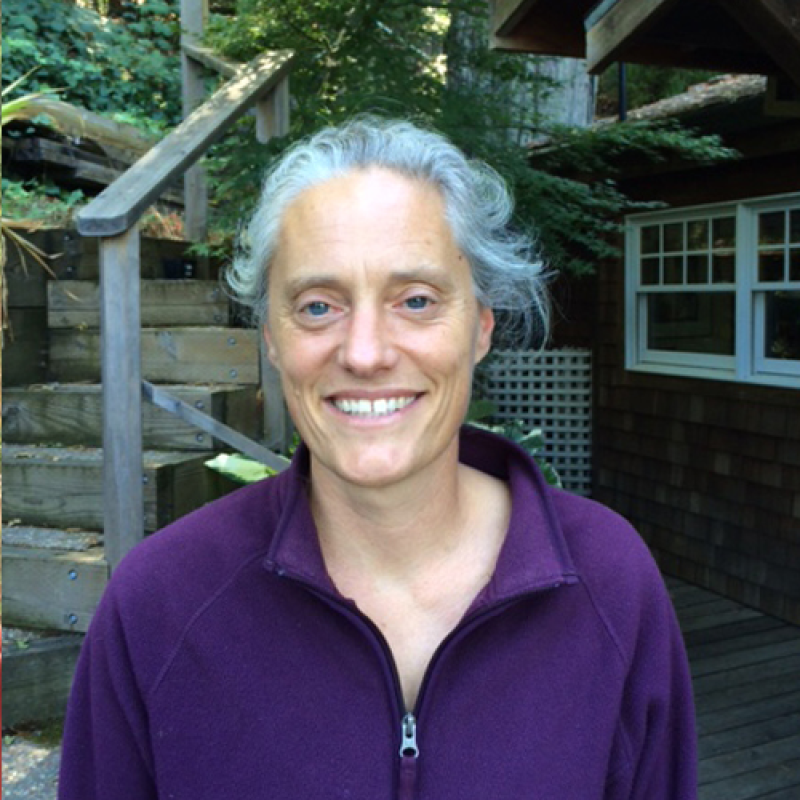
Auriel Fournier is a Research Assistant Professor in the Department of Natural Resources and Environmental Sciences at the University of Illinois Urbana-Champaign. She holds roles as Director of Forbes Biological Station and Associate Research Scientist in Waterfowl Ecology at the Illinois Natural History Survey. Her research focuses on avian ecology, wetland conservation, and the management of waterfowl and marsh bird populations. Key projects include studies on the Illinois River Valley, Emiquon Preserve, and coastal Gulf of Mexico ecosystems. Her research interests emphasize waterfowl behavior, habitat use, and the impacts of human activities on wetland ecosystems. She has contributed to conservation strategies for coastal bird populations and has conducted extensive studies on species such as wood ducks, least bitterns, and lesser scaup. Fournier collaborates on initiatives like the Illinois Waterfowl Surveys and investigations into the effectiveness of stewardship practices for endangered species. Recent work includes analyzing morphological differences in mallards, post-fledging survival of juvenile birds, and the ecological effects of prescribed fires in salt marshes. Her studies often bridge applied research and conservation policy, emphasizing actionable insights for ecosystem management. Key Projects: Illinois Waterfowl Surveys, Emiquon Preserve Monitoring, Gulf of Mexico Bird Conservation Collaborations: Partnerships with The Nature Conservancy, US Fish & Wildlife Service, and Gulf of Mexico Avian Monitoring Network (GoMAMN)
Dr. Mark Tachie is a Full Professor in the Department of Mechanical Engineering at the University of Manitoba's Price Faculty of Engineering. He holds a B.Sc. from Kwame Nkrumah University of Science and Technology (1993), M.Sc. (1998), and Ph.D. (2001) from the University of Saskatchewan. His research focuses on experimental fluid dynamics, particularly turbulent shear flows, boundary layers, and bluff body hydrodynamics. He operates a state-of-the-art lab with stereoscopic PIV and tomographic PIV systems. Notable awards include the 2010 Rh Award and Governor General's Gold Medal for academic excellence. Research interests include turbulent boundary layers, free surface flows, and flow separation phenomena. His work addresses industrial and environmental challenges like fish migration hydraulics and ice-jam dynamics. He has over 300 peer-reviewed publications and served as Associate Editor of the ASME Journal of Fluid Engineering (2010–2017) and Associate Head of the Mechanical Engineering Department (2011–2019). Key contributions include studies on wake dynamics of submerged cylinders, twin jets, and flow interactions with complex geometries. His lab's advanced PIV systems enable detailed turbulence visualization and analysis. Current projects explore turbulence modification in spillways and ice-covered flows, aiming to improve fish passage and environmental flow management.
J. Mark Shrimpton is a Professor at the University of Northern British Columbia in the Ecosystem Science and Management (Biology) Program . He focuses on the physiological and ecological responses of fish to environmental changes, particularly salmonids. His research integrates environmental physiology , molecular ecology , and population structure to address how anthropogenic disturbances affect fish behavior, survival, and genomic architecture. Recent studies emphasize temperature, flow, and salinity impacts on smolt development and spawning migrations. Key themes in his publications include hormonal regulation in osmoregulation, life history strategies, and conservation of migratory fish populations. Collaborative work spans institutions like the University of Windsor and Thompson Rivers University. Education: PhD in Zoology, University of British Columbia (1993) MSc in Zoology, University of British Columbia (1987) BSc (Honours) in Biology, University of Victoria (1985) Students: Sarah Ballard (2011), Arctic grayling distribution Marley Bassett (2012), sockeye salmon life history Melinda Bahr (2002), bull trout life history Adrian Clarke (2004), fish otolith analysis Rachel Johnson (2003), Chinook salmon induction efficiency Cathy Mackay (2006), logging impacts on aquatic ecosystems Crystal McRae (2009), coho salmon spawning sites Kyla Warren (2010), coho salmon movement Cory Williamson (2006), bull trout habitat use
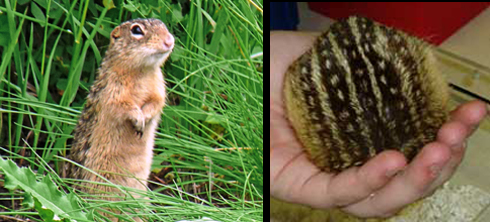
Dr. James Staples is a Professor in the Department of Biology at Western University, where he leads research on comparative physiology and biochemistry with a focus on metabolic adaptations in animals. His laboratory is housed in the Biological & Geological Sciences building (room 3020), and he can be contacted at jfstaple@uwo.ca. Dr. Staples' research program centers on understanding how animals' metabolic systems adapt to environmental challenges, particularly cold stress. He is renowned for his work on hibernation physiology, studying how endothermic animals like the 13-lined ground squirrel ( Ictidomys tridecemlineatus ) undergo profound metabolic suppression during winter months, reducing body temperatures below freezing and metabolic rates by over 90%. His research examines these adaptations at cellular, mitochondrial, and enzyme levels, with particular interest in how hibernators avoid tissue damage despite extreme physiological changes. His laboratory also investigates daily torpor in dwarf Siberian hamsters and hummingbirds, comparative biochemistry of aging across species with different lifespans, insect muscle metabolism in high-performance flyers like bumblebees, and hypoxia tolerance in chambered nautilus. Recent work has been featured in prominent scientific outlets including Inside JEB and Quanta magazine . Dr. Staples' publications demonstrate consistent research activity with numerous 2024-2025 papers focusing on mitochondrial function during hibernation, torpor physiology across diverse species, and innovative methodologies for studying metabolic suppression. His work shows particular strength in bridging molecular mechanisms with whole-animal physiology. APSselect recognition for 'outstanding scientific discoveries' (2019) Multiple student awards including W.S. Hoar Award and Helen I. Battle Award Research featured in Inside JEB, Quanta magazine, and CBC's Wild Canadian Year Dr. Staples mentors several graduate students including PhD candidates Amalie Hutchinson and Brynne Duffy, and MSc student Lauren Rego. His laboratory has produced numerous award-winning student researchers who have presented at major international conferences. The lab utilizes advanced techniques including mitochondrial respirometry, molecular biology approaches, and non-invasive monitoring methods for studying hibernation dynamics. Current research includes examining metabolic flexibility across diverse animal models to understand fundamental principles of energy conservation and stress tolerance.
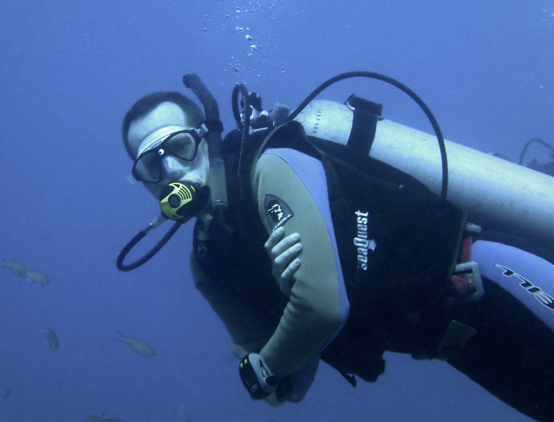
Aaron N. Rice is a Research Professor at the Cornell Lab of Ornithology , specializing in bioacoustics and marine ecology. His work bridges coastal ecology with conservation policy, focusing on sound production and perception in fishes and whales to understand social behaviors and population dynamics. Develops passive acoustic monitoring frameworks for marine species Provides bioacoustic data for U.S. federal/state agencies (BOEM, NOAA, National Park Service) Contributes to marine spatial planning, including offshore wind energy development Research Highlights : Proves fish sounds dominate coastal soundscapes seasonally Links acoustic patterns to environmental changes and migratory behavior Directly influenced North Atlantic right whale critical habitat expansion and Gulf of Mexico Bryde’s whales endangered listing Scientific Awards : U.S. Department of Interior Partners in Conservation Award (2014) Recent Collaborations : Integrates passive acoustics with Everglades freshwater flow management, fosters interdisciplinary ties with U.S. Navy, National Park Service, and NGOs.
Dr. Nikolaus Gantner is an Adjunct Professor in Environmental Science at UNBC. His research focuses on fish ecology, aquatic toxicology, and environmental biology, particularly in northern aquatic ecosystems. With expertise in fisheries assessment and migratory behavior, his work addresses conservation challenges for species like sturgeon and Arctic char. Research interests include fish migration patterns, predator-prey dynamics, contaminant impacts on aquatic species, and environmental monitoring. Field studies frequently examine anthropogenic impacts on fish populations, including mining disasters and radiological contamination. Recent publications document predation effects on threatened sturgeon populations, long-term monitoring of Arctic grayling, and impacts of major environmental incidents like the Mount Polley mine breach. Collaborative work engages northern communities in research partnerships.
Rheyna Laney is an Interim Chair of the Department of Geography, Environment, and Planning (GEP), a Professor, and the Global Studies Coordinator at Sonoma State University. She holds a PhD in Geography from Clark University (1999), an MA from Clark University (1995), and a BA in Environmental Science from UC Berkeley (1986). Her research focuses on agricultural-environment interactions, land-use dynamics in Africa and California, and remote sensing applications. Her work in Madagascar explores how farmers balance subsistence needs with environmental conservation in protected areas, while her California-based research examines rice growers' engagement with habitat conservation programs. She employs remote sensing to analyze land-cover changes and assess conservation outcomes. Laney’s publications span topics like PES schemes, agricultural intensification, and agroecological systems. Her research trends emphasize interdisciplinary approaches to environmental challenges, blending economic, cultural, and technical analyses. Key themes include sustainable farming practices, biodiversity conservation in agricultural landscapes, and the socio-economic drivers of land-use decisions. Her grants and collaborations involve environmental agencies like California Fish and Wildlife and federal conservation programs. Laney’s academic contributions are further reflected in technical reports analyzing gravel mining impacts, habitat preferences of endangered species, and long-term conservation project evaluations. She actively participates in academic conferences, presenting on topics ranging from agri-environmental policy to remote sensing methodologies.
Prof Maria Dornelas is a Professor in the School of Biology at the University of St Andrews, UK. She leads research in biodiversity dynamics, focusing on community ecology, macroecology, and biogeography, particularly in tropical and marine systems such as coral reefs, freshwater fish, and mangrove ecosystems. Her work integrates ecological theory, data synthesis, and field studies to understand biodiversity changes over intermediate spatiotemporal scales. Her research emphasizes biodiversity time series analysis, with contributions to databases like BioTIME and BioDeepTime. She has supervised PhD student Cher Chow and collaborated globally on projects funded by organizations like the European Research Council and The Leverhulme Trust. Awards include membership in the Royal Society of Edinburgh Young Academy of Scotland (2016). Key research themes include temporal biodiversity change, habitat complexity impacts, and climate-driven ecological shifts. Her publications explore topics like coral reef resilience, species migration timing, and global biodiversity homogenization. Prof Dornelas actively contributes to biodiversity conservation policy, co-developing observing systems to guide ecological action. Her interdisciplinary approach bridges ecology, paleontology, and applied conservation.
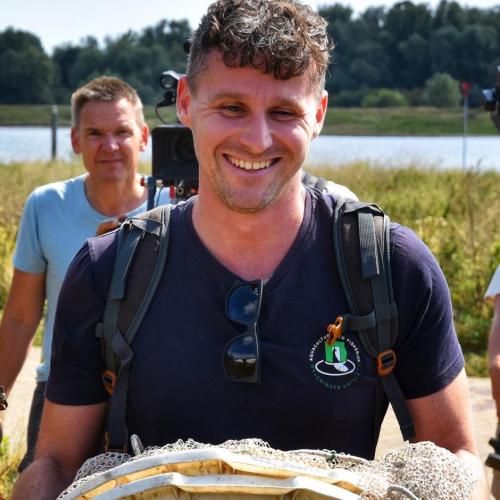
Dr. Twan Stoffers is a Postdoctoral Researcher at the Leibniz-Institute of Freshwater Ecology and Inland Fisheries (IGB), Berlin, affiliated with the Community and Ecosystem Ecology Department. His work focuses on fish ecology, freshwater biodiversity, river restoration, and conservation biology. He leads the Aquatic Ecogeography research group and actively contributes to projects like BioAgora, which bridges scientific research with policy and societal needs. His expertise includes fish population dynamics, elasmobranch biology, and transboundary conservation strategies. Research Interests: Ontogenetic shifts in fish populations Habitat heterogeneity and connectivity in river systems Conservation of migratory fish species Ecological impacts of river restoration policies Global swimways for freshwater biodiversity Publications highlight his work on river restoration efficacy, shark conservation, and policy interfaces. He has collaborated extensively across Europe and the Caribbean, emphasizing stakeholder collaboration for effective conservation. Current projects include analyzing the EU Nature Restoration Law’s implementation challenges and advancing science-policy dialogue through BioAgora. Key Achievements: Published in high-impact journals like Nature Ecology & Evolution and Conservation Biology Developed frameworks for assessing river restoration longevity Promoted transboundary conservation strategies for migratory fish
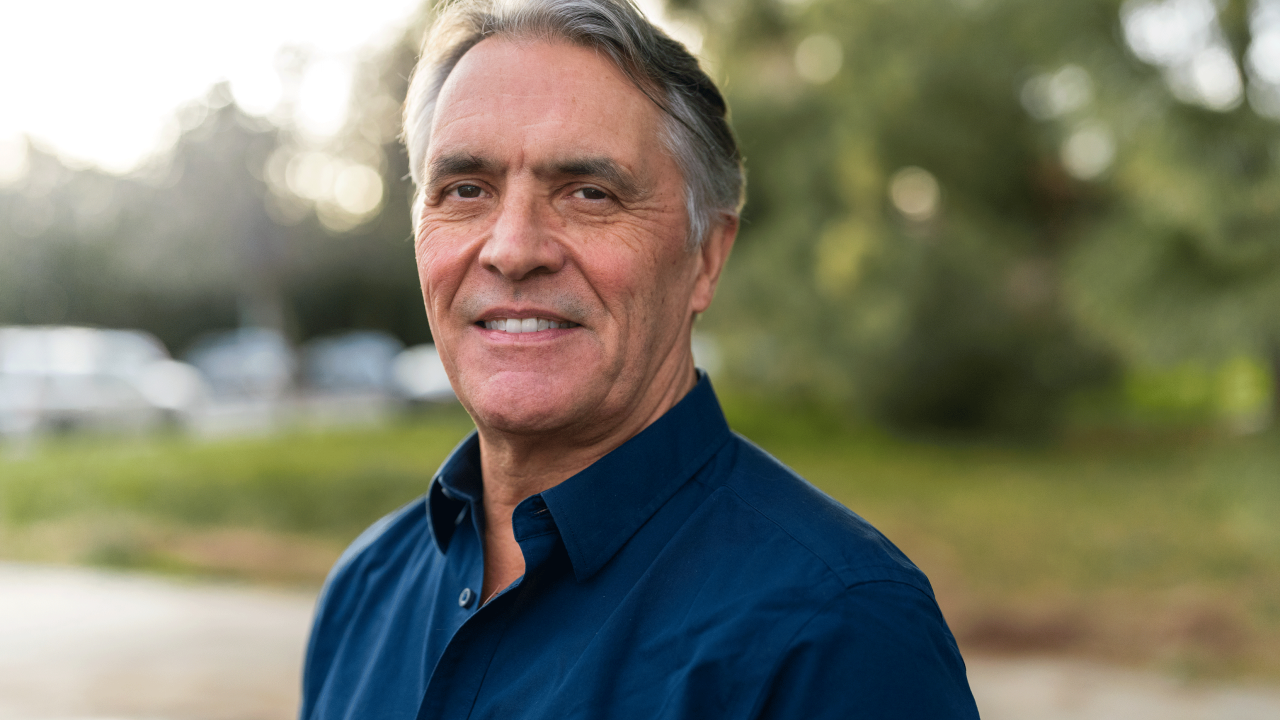
John Eadie is a Professor and the Dennis G. Raveling Endowed Chair in Waterfowl Biology at the University of California, Davis, affiliated with the Department of Wildlife, Fish and Conservation Biology in the College of Agricultural and Environmental Sciences. He has been at UC Davis since 1995, progressing from Assistant Professor to Distinguished Professor in 2022. Colleagues praise his humility, clarity in teaching, and dedication to supporting underrepresented students through initiatives like the Wood Duck Internship Program, which he founded in 2003 and has engaged over 500 students. Eadie’s research integrates behavioral ecology, population dynamics, and conservation strategies for waterfowl and wetlands. He emphasizes the importance of preserving wetlands and addressing climate change, drought, and urbanization impacts. His work includes agent-based modeling for habitat and harvest management and studies on conspecific brood parasitism, nest survival, and migratory patterns. Recent articles highlight innovative approaches to understanding stress responses in captive birds and ecological effects of agricultural practices. In 2023, he received the UC Davis Teaching Prize, donating the $60,000 award to establish a scholarship promoting diversity in wildlife biology. He also contributed to the North American Waterfowl Management Plan, serving as a leader in its Continental Assessment Team. Eadie’s advising and mentorship are pivotal in shaping the next generation of conservationists, while his participation in the Avian Sciences and Animal Behavior Graduate Groups expands his academic impact. His advocacy for diversity in conservation professions underscores his commitment to equitable representation. Eadie collaborates on projects such as the SWAMP agent-based model for wetland management and explores genetic admixture in endangered species like the Hawaiian duck. His legacy combines rigorous scholarship with a passion for education, reflecting his belief that conservation requires both scientific insight and inclusive mentorship.
Perri Eason is a Professor and Chair of the Department of Biology at the University of Louisville. She holds a PhD in Zoology from the University of California, Davis, and a BA in Spanish and Biology from Texas Christian University. Her research focuses on behavioral ecology and conservation, with a particular emphasis on field-based studies of animal behavior and conservation strategies. Her work spans diverse taxa, including insects, amphibians, reptiles, birds, and primates. She has investigated topics such as territoriality in cichlid fish, diet specialization in anurans, and the impact of urban environments on biodiversity. Current projects include studying primate behavior in Caribbean green monkeys and group decision-making in American bison. Recent publications highlight her contributions to understanding animal movement patterns, habitat selection in urban ecosystems, and conservation techniques for endangered species like cave salamanders. She has mentored numerous graduate students, many of whom now hold academic and applied research positions. Her lab, the Eason Research Lab, actively engages in both theoretical and applied research, emphasizing the intersection of ecology and conservation. Ongoing initiatives include assessing urban gardens as insect conservation spaces and exploring the effects of urban heat islands on pollinators.
Lonneke Goddijn-Murphy is a Researcher at the University of the Highlands and Islands, affiliated with the Environmental Research Institute. She holds a Doctor of Science (2006) from the National University of Ireland Galway and a Master of Physics (1990) from Leiden University. Her research focuses on remote sensing applications in marine environments, plastic pollution monitoring, air-sea gas flux dynamics, and seabird habitat analysis. Lonneke has contributed to over 37 peer-reviewed articles, with recent work emphasizing emerging technologies for detecting marine plastics and understanding their environmental impacts. She collaborates internationally on projects involving satellite remote sensing, UAV monitoring, and climate science. Her work aligns with UN Sustainable Development Goals related to clean water, climate action, and life below water. Research interests include: Remote sensing of marine debris Environmental impact of plastics on ecosystems Climate interactions via air-sea gas fluxes Acoustic tracking of migratory species Earth observation for seabird conservation Notable contributions include advancements in thermal infrared camera systems for plastic detection and interdisciplinary studies linking marine plastics to greenhouse gas dynamics. Her work has received media attention for innovative approaches to environmental challenges. Lonneke actively supervises PhD students and participates in collaborative projects addressing global environmental issues.