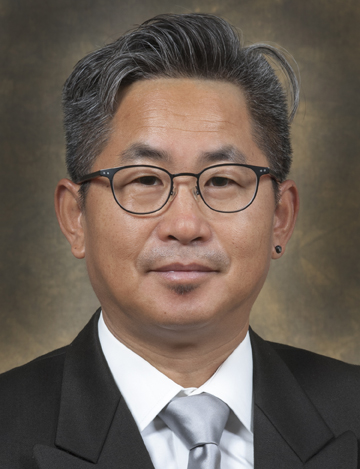
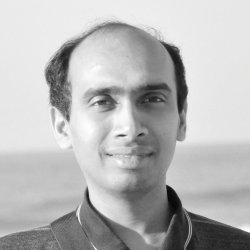
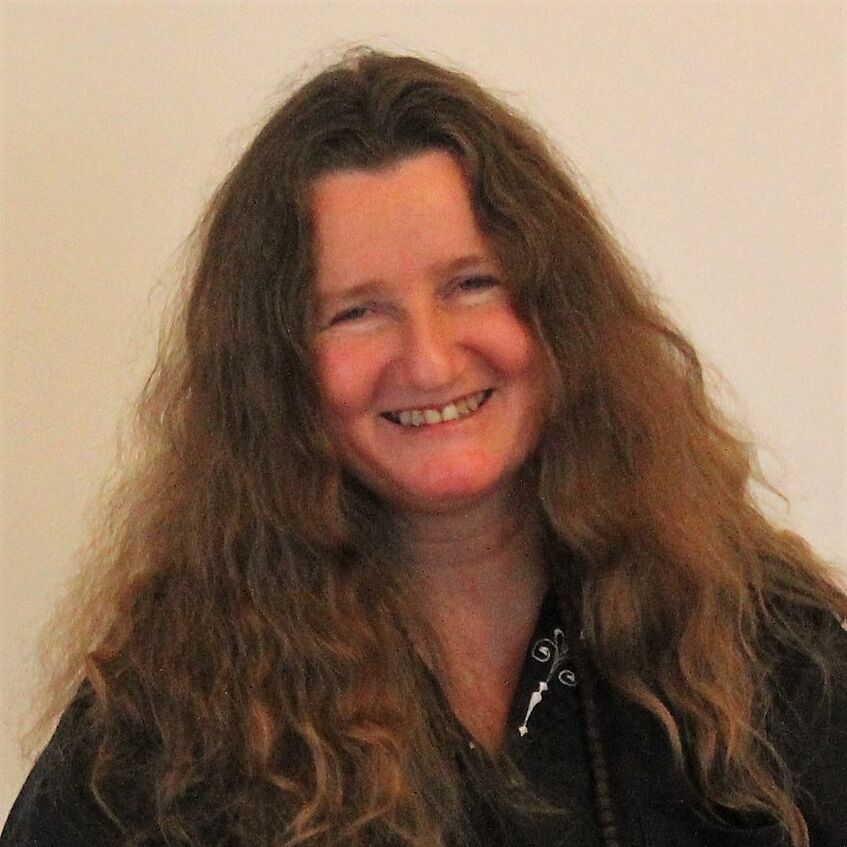
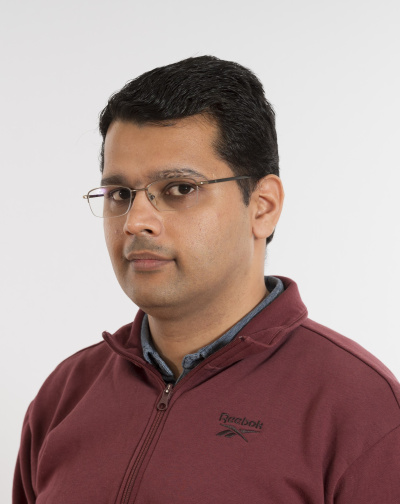
Youngjin Kwon is an Associate Professor at the School of Computing, KAIST, and a member of the Computer Architecture and Systems Lab (CASYS). His work bridges systems research with practical applications in memory management, concurrency debugging, and energy-efficient computing. Recipient of Best Paper Awards at ACM SOSP'24, SOSP'21, and USENIX ATC'18 Honored with KAIST's EWON Endowed Chair Professor (2021) and Soo-Young Lee Teaching Innovation Award (2021) Awarded KAIST Breakthrough (2023) and Technology Innovation Award (2023) Research focuses on: Processing-in-Memory (PIM) and DRAM architectures Concurrency bugs in kernel and hypervisor systems Energy-efficient frameworks for large language models Memory disaggregation and tiered memory systems Trusted Execution Environments (TEE) for secure computing SmartNIC offloading and eBPF-based optimizations His recent publications highlight innovations in speculative decoding, memory safety, and system scalability. Awards reflect both technical excellence and pedagogical impact. He actively mentors graduate and undergraduate students in his lab, emphasizing hands-on research in cutting-edge system design.
Shunbin Xu is an Associate Professor at Wayne State University School of Medicine , holding dual appointments in the Department of Ophthalmology/Kresge Eye Institute and Department of Anatomy & Cell Biology . His research focuses on the roles of microRNAs (miRNAs) in ocular development and diseases, particularly the miR-183/96/182 cluster —a key regulator of retinal function, corneal immunity, and neuroimmune interactions. Key Appointments : 2004–2013: Assistant Professor at Rush University Medical Center 2013–Present: Associate Professor at Wayne State University (Tenured since 2019) Research Themes : Demonstrated the miR-183/96/182 cluster as a central node in retinal degeneration, innate immunity, and neuroimmune crosstalk Identified roles in Pseudomonas aeruginosa keratitis , diabetic retinopathy, and sensory-neuroimmune pathway interactions Developed miRNA-based therapeutic strategies for ocular inflammation and degenerative diseases Scientific Support : Current NIH/NEI R01 Grants Past funding from ADA, JDRF, Glaucoma Research Foundation, and American Cancer Society Collaborations : Partnered with institutions like EyeGene (NIH) to identify human miRNA cluster mutations linked to syndromic retinal dystrophies.
Taher A Saif is the Edward William and Jane Marr Gutgsell Professor in the Department of Mechanical Science and Engineering at the University of Illinois Urbana-Champaign. His research spans biomechanics and nanomechanics, focusing on cellular mechanics, cancer metastasis, neuro mechanics, and the mechanical properties of nanoscale materials. He leads the Saif Lab which develops innovative micro and nano-scale apparatus for studying cell mechanics and material properties. Dr. Saif received his B.S. in Civil Engineering from Bangladesh University of Engineering and Technology (with Honors) in 1984, his M.S. in Civil Engineering from Washington State University in 1987, and his Ph.D. in Theoretical & Applied Mechanics from Cornell University in 1993. His academic journey includes positions as Lecturer at Bangladesh University of Engineering and Technology, Teaching Assistant at Washington State University, and various research and teaching roles at Cornell University before joining UIUC in 1997. Dr. Saif's research investigates how mechanical forces influence cellular behavior and disease progression. His lab explores fundamental questions about how cells transduce mechanical stimuli into biochemical processes, whether disease progression can be altered with mechanical stimuli, and if cell-cell interactions can be engineered to develop living machines. His work on neuromechanics has revealed that neurons generate mechanical tension that is essential for vesicle clustering and synaptic function. In cancer research, his lab investigates how cancer-associated fibroblasts generate mechanical forces that promote metastasis. His recent publications demonstrate a strong focus on biohybrid robotics, cellular mechanotransduction, and the development of novel sensors for measuring cellular forces. A key trend is the integration of engineering principles with biological systems to create living machines with unprecedented capabilities. His work spans multiple disciplines including biomechanics, materials science, neuroscience, and cancer biology, with increasing emphasis on translational applications for disease treatment and biohybrid robotics. Dr. Saif has received numerous prestigious awards including election to the National Academy of Engineering (2024), the Engineering Science Medal from the Society of Engineering Science (2020), and the Warner T. Koiter Medal from ASME (2018). He was named a Fellow of AAAS (2023) and received the Edward William and Jane Marr Gutgsell Professorship at UIUC (2010-date). Dr. Saif has advised numerous students and postdocs who have gone on to publish significant research in top journals. His lab has secured substantial funding from NSF, NIH, and other agencies to support research on cellular mechanics, cancer metastasis, and biohybrid robotics. He has organized multiple workshops and summer schools including the GEM4 (Global Enterprise for Micro-Mechanics and Molecular Medicine) programs focused on cancer, cardiovascular systems, and developmental biology. The Saif Lab operates at the intersection of engineering and biology, maintaining state-of-the-art facilities for micro and nano fabrication, cell culture, and mechanical testing. The lab has developed innovative MEMS-based devices for studying cellular forces and material properties at small scales. Current projects include "Mind in vitro" (exploring whether living neurons can perform computations), FORCE hypothesis research (investigating how mechanical forces drive cancer progression), and the development of biohybrid robots that combine living cells with engineered scaffolds.
Reinhard Schütte is a Professor holding the Chair for Business Informatics and Integrated Information Systems at the University of Duisburg-Essen since October 2015. His academic career spans multiple prestigious institutions including Zeppelin University Friedrichshafen, the University of Essen (before its merger), University of Koblenz-Landau, and Westfälische Wilhelms-Universität Münster. He has developed a distinguished career bridging theoretical academic work with practical business applications, particularly in retail and enterprise information systems. Professor Schütte's research interests focus on Enterprise Systems, IS architectures, Digitization of institutions, Information modeling, and scientific-theoretical problems of business informatics. His work demonstrates a consistent pattern of exploring the intersection between business administration and information technology, with particular emphasis on practical applications in retail environments. His approach combines theoretical insights with practical experience, emphasizing interdisciplinary thinking in business informatics. His recent publications reveal a strong trend toward examining digital transformation in various sectors including retail, construction, and healthcare. A significant portion of his work investigates how AI and advanced technologies can solve industry-specific challenges, from retail pricing algorithms to enterprise resource planning systems in the cloud era. His research often employs innovative methodologies including neuroimaging, multimethod approaches, and real-world case studies. Best Paper Award for Scene Responsiveness for Visuotactile Illusions in Mixed Reality Best Paper Award for SoundsRide: Affordance-Synchronized Music Mixing for In-Car Audio Augmented Reality Professor Schütte's work has significant practical implications for businesses navigating digital transformation. His research on retail information systems, ERP evolution, and digital marketplaces provides valuable insights for organizations seeking to optimize their technology investments. He has contributed extensively to understanding the business value of IT systems and the paradoxes that arise in their implementation. His teaching covers Enterprise Systems, Enterprise Transformation, Impact and cost-effectiveness of IT systems, Retail Enterprise Systems, and Management of Large Enterprise Systems.
Dr. Andreea Cervatiuc is Associate Professor of Teaching in the Department of Language & Literacy Education , Faculty of Education, University of British Columbia . She also serves as Program Coordinator and lead developer of the fully-online Master of Education in TESL, and coordinates multi-section courses in UBC’s Bachelor of Education program. Education: While specific degrees are not detailed, her 2009 PhD credential is noted in university directories and she completed post-doctoral fellowships prior to her current appointment. Research Interests: Her scholarship lies at the intersection of language education, technology, and social justice . Major strands include: Design and evaluation of asynchronous, synchronous, and blended online TESOL curricula; Critical and digital literacies within multilingual classrooms; Language assessment theory and practice, with emphasis on fair and culturally responsive measures; Vocabulary acquisition processes among adult immigrants learning English in Canada; Teacher education and professional development for online and multilingual contexts. Publications Overview: Across the past fifteen years her work has moved from foundational studies on vocabulary acquisition and learner identity toward large-scale curriculum analysis, online pedagogy, and multilingual paradigms . Encyclopaedia chapters in Wiley’s TESOL Encyclopedia of Language Teaching consolidate her thought leadership in asynchronous TESOL education and the multilingual turn, while recent ARA Journal articles advance evidence-based practices for advanced reading and oral skills development. Scientific Awards & Honours: 2013 TESOL Award for Distinguished Research – TESOL International Association’s premier global accolade. 2013 Faculty of Education Teaching Excellence Award – University of Calgary. 2009 International Award for Outstanding TESOL Article – International English Education Research Association. Teaching & Program Leadership: She oversees the Online MEd in TESL —a primarily asynchronous, cutting-edge program serving educators worldwide—and teaches within UBC’s BEd. Previously at the University of Calgary she held appointments as Research Associate and Post-doctoral Fellow, developing and delivering graduate and undergraduate courses both online and on-campus. Labs & Teams: No dedicated laboratory is mentioned; her work is situated within curriculum design teams and cross-departmental collaborations that support online language teacher education.
Qixia Zhang is a Postdoctoral Research Fellow in Computer Science at UiT The Arctic University of Norway and a guest researcher at University of Oslo. Their research spans multiple cutting-edge domains including cloud/edge computing, AI and machine learning, distributed systems, energy efficiency, and IoT applications. Zhang is actively involved in several major research projects including HAPADS, MISO, EMLEMS, eX3, DILUTE, and AirQMan, which focus on environmental monitoring, energy efficiency, and advanced computing systems. Dr. Zhang completed their educational journey at Huazhong University of Science and Technology in China, earning a B.Eng. degree in 2016 and a Ph.D. degree in 2021. Additionally, they studied Economics at Wuhan University from 2014-2016. Their academic path demonstrates a strong interdisciplinary foundation combining computer science with economic perspectives. Zhang's research interests focus on the intersection of computing technologies and environmental sustainability. They investigate how edge and cloud computing architectures can be optimized for energy efficiency while supporting demanding applications like air pollution monitoring and renewable energy integration. Their work on machine learning applications spans multiple domains including wind energy forecasting, IoT data collection, and vehicular edge computing. The research demonstrates a consistent theme of applying computational intelligence to solve real-world environmental challenges. The publication record reveals a strong trajectory in both theoretical and applied research. Early work focused on network function virtualization and edge computing infrastructure, while more recent publications show increasing emphasis on environmental applications including air pollution monitoring, wind energy analysis, and climate-related computing challenges. The research demonstrates a clear evolution toward addressing sustainability challenges through advanced computing techniques, with recent publications heavily featuring Norwegian environmental contexts. Best Paper Award of IEEE/ACM IWQoS 2019 National Scholarship of China for PhD First-class Academic Scholarship Outstanding Graduate Award Excellent Student Cadre Scholarship Zhang serves as a guest editor for Journal Symmetry's Special Issue on Applications based on Symmetry in Machine Learning and Data Mining. They are actively involved in multiple research projects funded by the Research Council of Norway, including HAPADS, MISO, EMLEMS, eX3, DILUTE, and AirQMan. These projects represent significant funding commitments to advance computing technologies for environmental monitoring and energy efficiency. Zhang is also a member of the Arctic Green Computing (AGC) research group at UiT. Based at UiT's Department of Computer Science in Tromsø, Zhang collaborates with the Arctic Green Computing research group and maintains active connections with University of Oslo's Department of Informatics. Their research environment bridges theoretical computer science with practical environmental applications, leveraging Norway's unique position in Arctic research and renewable energy development. The recent guest researcher position at Karlsruhe Institute of Technology further demonstrates their international research network and collaborative approach.
Dr. Alexander R Jensenius is a researcher at the University of Oslo's Department of Musicology, specializing in Embodied Music Cognition and New Interfaces for Musical Expression (NIME) . With multidisciplinary training in informatics, mathematics, musicology, and music technology, his work bridges music research with motion capture systems, sensor technology, and interactive performance tools. His research intersects with multiple subfields, including: Human movement analysis for musical applications using infrared and inertial sensors Web audio pedagogy through cross-campus team-based learning frameworks Open research practices addressing data handling challenges in musicology Dr. Jensenius has pioneered comparative studies between high-end (Qualisys) and affordable (OptiTrack) motion capture systems, examining their suitability for dance music research and live performance contexts. His technical contributions include synchronization tools for multimodal music data and the Dance Jockey System for full-body interaction with Xsens MVN suits. Recent publications demonstrate his focus on: Optimizing motion data reliability for music performance analysis Developing "good enough" open research practices in empirical musicology Enhancing team-based programming education through web audio technologies He also explores philosophical dimensions of music cognition, including sound-motion similarity theories and embodied memory in telematic performances with migrant communities.
Dr. Mohammad Salahshour is a Research Fellow at the Department of Collective Behavior, Max Planck Institute of Animal Behavior in Konstanz, Germany. His work focuses on understanding collective behavior, evolutionary game theory, and ecological dynamics across biological and robotic systems. Research interests include the mechanisms behind swarm intelligence, predator-prey interactions, cooperation dynamics in heterogeneous populations, and the interplay between ecological resources and evolutionary processes. He explores these themes through agent-based modeling, game theory frameworks, and interdisciplinary approaches. Recent work highlights contributions to understanding how noise impacts cooperation, the evolution of moral norms, and the adaptability of robot swarms in dynamic environments. His studies often bridge ecological observations with theoretical models to uncover universal principles governing collective systems. Labs/Teams: Active in the Department of Collective Behavior, collaborating on projects involving animal behavior, robotics, and computational ecology.
Professor Nishanth Sastry is a distinguished academic in the Department of Computer Science at the University of Surrey , serving as Associate Head of Research and Innovation. He holds a PhD from the University of Cambridge and has extensive industry experience at Cisco Systems, IBM, and MIT. His research focuses on social networks, computer networks, online harms, edge computing, and privacy , with notable projects analyzing hate speech on Twitter, optimizing LEO satellite networks, and developing privacy-preserving technologies. He has received multiple awards including a SIGCOMM Best Paper Award and nine US patents. Education: Bachelor’s (Distinction) – RV College of Engineering Master’s – University of Texas at Austin PhD – University of Cambridge Research Interests: Nishanth’s work bridges computer networks and social dynamics , applying Internet Data Science to improve system efficiency. Key areas include: Peer-assisted content delivery and edge caching Hate speech detection and mitigation Blockchain-based pervasive systems Satellite network optimization Privacy in social platforms Articles & Impact: His recent work explores conversation kernels for context analysis , LEO satellite gateway placement , and emotion-aware speech synthesis . These studies address real-world challenges like reducing video traffic load and enhancing decentralized web accessibility. Awards & Recognition: Best Paper Award (SIGCOMM 2017) Yunus Innovation Challenge Award (MIT 2016) Multiple IBM and industry accolades Advising & Grants: Supervises PhD students in distributed systems and cybersecurity. Active in securing grants for projects like Transition Guardian (vulnerable user privacy) and EdgeMart (edge network economies). Labs & Collaborations: Leads the Distributed and Networked Systems Group and co-leads the Surrey Security Network . Collaborates with organizations like the Alan Turing Institute, BBC R&D, and Wikimedia Foundation.
Karin Bindu serves as a Lecturer in the Department of Social and Cultural Anthropology within the Faculty of Social Sciences at the University of Vienna. An active cultural anthropologist and percussionist since 1991, she integrates fieldwork from Trinidad and India into both academic instruction and musical performance, specializing in cross-cultural rhythm studies across South Asia, the Caribbean, and West Africa. Her educational foundation includes a Mag. Dr.phil. degree with dissertation Percussion Art Forms: Aspects of the Production and Communication of Southindian Talas in the Kutiyattam (LIT Verlag, 2013), establishing her expertise in South Indian percussion systems. This academic trajectory bridges rigorous scholarly research with practical musical mastery. Dr. Bindu's research program centers on Music Ethnology of India, Indian Diaspora communities in the Caribbean, and Anthropology of Rhythm, with specialized investigations into healing contexts, performing arts, Trinidadian Orisha religion, Afghan refugee music, and women's drumming practices. Her work uniquely combines art-based research methodologies with anthropological theory to examine rhythm as cultural knowledge. Publication trends (2013-2019) reveal sustained focus on Mizhavu percussion within Kerala's Kutiyattam tradition, expanding to diaspora communities through Trinidadian and Afghan migration studies. She consistently explores rhythmic systems' spiritual dimensions, intercultural transmission mechanisms, and cognitive aspects of tala structures across diverse cultural contexts. As a performing artist, she collaborates with the female ensemble 'Weltenmusik Trio' and various music groups while maintaining active membership in the International Council for Traditional Music (ICTMÖ), demonstrating seamless integration of academic scholarship and artistic practice within global music networks.
Ms. Gency Gunasingh is a Researcher at the Queensland Brain Institute, The University of Queensland, specializing in tumor biology, mathematical modeling of cancer systems, and advanced imaging techniques. Her work focuses on understanding tumor spheroid growth, melanoma progression, and cell cycle dynamics using interdisciplinary approaches combining experimental biology with computational models. Her research interests include 3D cell culture models, optical clearing techniques for tumor analysis, and quantitative methods to predict therapy responses. She collaborates extensively with experts in biophysics, oncology, and immunology to bridge experimental and theoretical cancer research. Key contributions include developing stochastic models of tumor spheroid behavior under varying oxygen conditions, quantifying structural and spatial features of tumors, and advancing tools for rapid optical clearing. Her work has implications for improving personalized cancer therapy and drug development. Publications span journals like PLoS Computational Biology , Communications Biology , and Biophysical Journal , highlighting her focus on tumor microenvironment dynamics and mathematical biology. No awards are explicitly mentioned, but her research has been presented at high-profile conferences like the International Societies for Investigative Dermatology Meeting.
Mauricio Prado is an Associate Professor in the Department of Economics at Copenhagen Business School (CBS). He holds a PhD from Stockholm University, with prior affiliations at the University of Cambridge and IMT Lucca Institute for Advanced Studies. His research focuses on political economy, macroeconomic policy, fiscal capacity, and informality. Key areas include the politico-economic determinants of fiscal systems, the role of regulation and trade in informal economies, and the welfare impacts of business cycles. Education: PhD in Economics, Stockholm University (with studies at IIES, Princeton, MIT) Master's in Economics, University of Brasilia Bachelor's in Economics, University of São Paulo Research Interests: Fiscal Policy and Capacity Formal/Informal Sector Dynamics Business Cycle Welfare Costs FDI Determinants Social Discount Rates His recent work includes analyzing migrant-native economic disparities in Denmark, equity trading under ambiguity, and infrastructure investments' role in entrepreneurship. He has collaborated on projects funded by the World Bank and published in journals such as Journal of Economic Dynamics and Control and Journal of the Knowledge Economy .
Andrei Levchenko is the John W. Sweetland Professor of International Economics at the University of Michigan, affiliated with the International Institute and the Weiser Center for Europe and Eurasia. His research focuses on international economics, macroeconomics, and globalization with an emphasis on trade policy, business cycles, structural change, and development economics. He holds a faculty position in the Department of Economics and is based at 368 Lorch Hall, Ann Arbor, MI. Affiliations: International Institute, Weiser Center for Europe and Eurasia Contact: alev@umich.edu | Phone: 734.764.3296 Levchenko’s research explores how global economic linkages influence national economies, including topics like industrial policy, inflation dynamics, and the impact of large firms on growth. His work bridges microeconomic foundations with macroeconomic outcomes, analyzing issues such as trade integration, financial globalization, and the transmission of economic shocks across borders. Recent articles highlight his focus on granular economic mechanisms, such as firm-level responses to trade policies and the role of global supply chains in business cycle synchronization. He has also studied geopolitical trends like decoupling between economic blocs and the socio-economic implications of remittances in conflict zones. Levchenko’s work is supported by institutional affiliations at the International Institute and Weiser Center, which facilitate interdisciplinary collaboration on global economic challenges. His contributions span theoretical models, empirical analysis, and policy-relevant insights into international trade and development.
Prof. Jan Pelzl is a Professor of Computer Security at Hamm-Lippstadt University of Applied Sciences. His research focuses on cryptography, cyber security, and embedded security, with a strong emphasis on post-quantum cryptography and industrial security solutions. He leads projects addressing long-term data protection under regulations like the NIS2 Directive and explores practical implementations for critical infrastructure. Key research areas include cryptographic algorithms (ECC, RSA, hash functions), key management systems, and security engineering for embedded systems. Collaborations with industry partners such as Robert Bosch GmbH and TÜV Rheinland Akademie highlight his work on industrial security and safety standards. His publications span over two decades, with recent focus on post-quantum cryptography applications, cryptographic protocols, and embedded security architectures. Pelzl’s contributions address both theoretical advancements and real-world implementations, particularly in automotive and IoT security contexts.
Devashish Dwivedi is an Assistant Professor in the Meraldi Lab at the University of Geneva, specializing in cell biology with a focus on centrosome duplication and cell cycle synchronization. His research investigates molecular mechanisms governing centriole duplication cycles and their coordination with cell division processes. Dr. Dwivedi completed his PhD at the Indian Institute of Science Education and Research, Mohali, India, where he studied Hook2 protein functions in mitosis and cytokinesis. He joined the Meraldi Lab as a postdoctoral fellow in 2019, advancing to his current faculty position. His educational background includes extensive training in molecular biology, advanced microscopy, and biochemical assays. His research interests center on the synchronization between centrosome and cell cycles, particularly how shared regulatory proteins like Plk1 maintain coordination during division. This work has significant implications for understanding cancer development, as dysregulation of these systems is commonly observed in tumors. His laboratory employs cutting-edge techniques to dissect molecular pathways controlling centriole duplication and disengagement. Dr. Dwivedi's publication record shows consistent focus on cell cycle regulation, with recent high-impact papers in Nature Communications and BioEssays examining Plk1 activity thresholds and replication stress effects on centriole dynamics. His work bridges fundamental cell biology with cancer mechanisms, demonstrating strong translational potential. Outside academic responsibilities, Dr. Dwivedi actively mentors students and collaborates within the Meraldi Lab's research ecosystem focused on cell division and aneuploidy. His team investigates how centrosome abnormalities contribute to chromosomal instability in cancer. When not conducting experiments, Dr. Dwivedi enjoys cinematography, international travel, mountain hiking, and photography – interests that complement his scientific perspective on visualizing cellular processes.