Renée GreenView profile
Professor
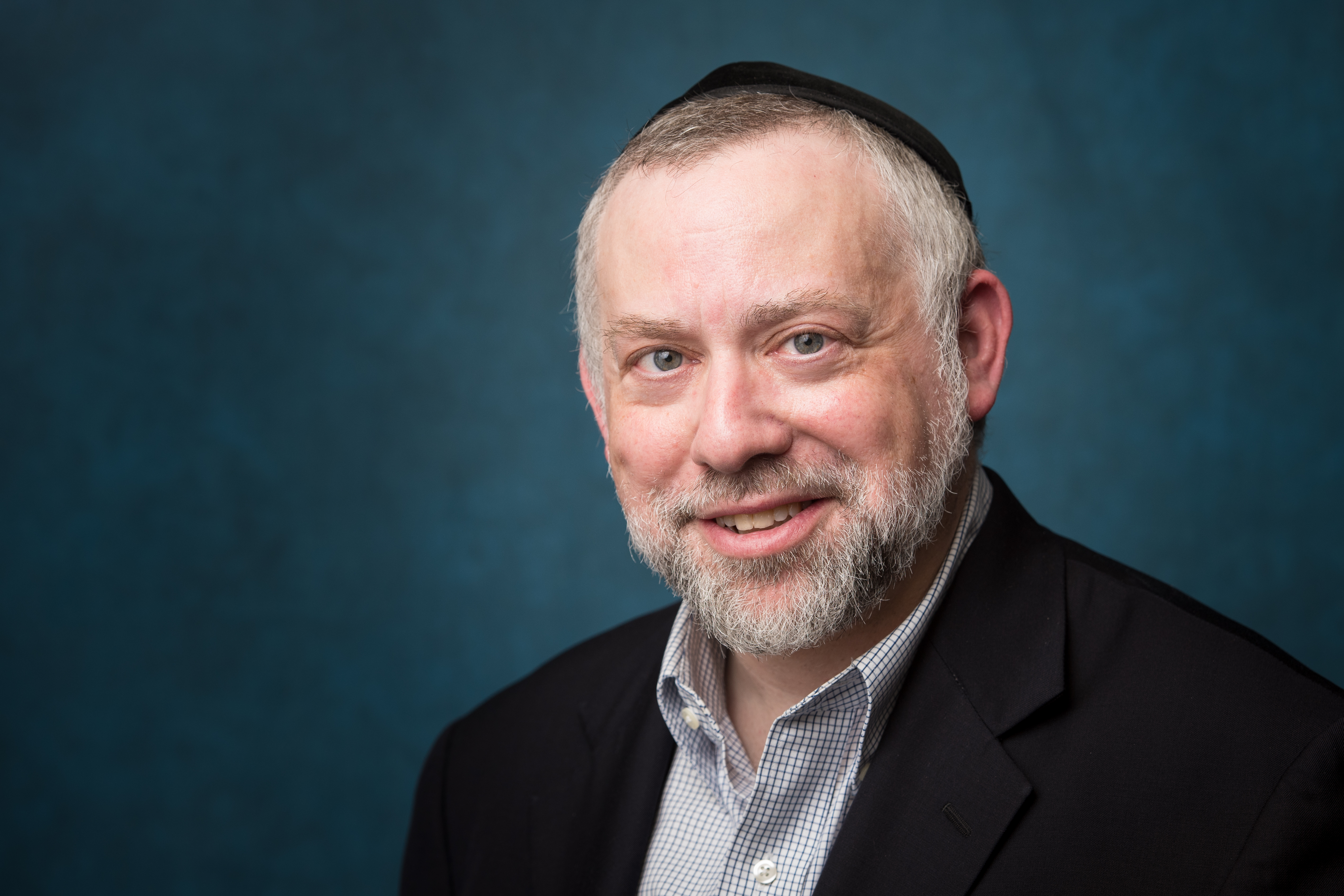
Professor Renée Green is a distinguished artist, filmmaker, and writer at the Massachusetts Institute of Technology's School of Architecture and Planning, where she teaches in the Art, Culture and Technology program. Since joining MIT in 2011, she has maintained an active international exhibition practice while developing a unique interdisciplinary approach that bridges art, architecture, cultural theory, and media studies. Her academic journey reflects a commitment to exploring the complex intersections of race, memory, and global exchange through highly layered multimedia installations. Green's work engages with investigations into circuits of relation and exchange over time, examining the gaps and shifts in public and private memories as well as what has been imagined and invented. She has consistently focused on the effects of a changing transcultural sphere on contemporary artistic production and thought. Art, Culture, and Technology Studio & Thesis Colloquium (Fall 2025) Synchronizations of Senses (Fall 2025) Synchronizations of Senses (Spring 2025) Cinematic Migrations (Fall 2024) Green's artistic practice spans four decades, with major survey exhibitions including Inevitable Distances (2021-2022) at KW Institute for Contemporary Art and daadgalerie in Berlin, and Ongoing Becomings (2009) at the Musée cantonal des Beaux-Arts in Lausanne. Her work has been featured in prominent institutions worldwide including the Museum of Modern Art, Whitney Museum, and Walker Art Center. Her recent publications and exhibitions reveal a sustained engagement with architectural spaces and modernist legacies, particularly through works like Americas: Veritas (2018) and Begin Again, Begin Again (2017), which critically examine Le Corbusier's and Schindler's architectural philosophies within contemporary contexts. 2023 Orzeck Fellowship at Barnard College Finkenwerder Art Prize 2022 As a prolific writer, Green has published essays and fictions in Transition , October , Frieze , and other prominent journals. She has used the moniker Free Agent Media since 1994 to complicate the relationship between art and the culture industry, contextualizing the broader media ecology in which her works circulate. Her artistic practice demonstrates remarkable continuity in examining how cultural memory is constructed, preserved, and transformed across time and space, while consistently pushing the boundaries of interdisciplinary artistic practice through innovative combinations of film, installation, digital media, and architectural intervention.