Thomas Winkler is an Associate Professor at the Division of Micro and Nanosystems, KTH Royal Institute of Technology, Sweden, and collaborates with TU Braunschweig, Germany. His research focuses on solving life science challenges using microsystems tools, particularly in neuropsychiatric disorders like schizophrenia. He develops organ-on-chip models, engineered microfluidic platforms, and biosensors for point-of-care diagnostics. Winkler leads an interdisciplinary ERC-funded team addressing metabolic coupling in neurovascular units and oxidative stress biomarkers. Key achievements include the ERC Starting Grant (2023) and work on electrochemical sensors for clozapine monitoring. He teaches courses such as Microsystem Technology (EK2350) and supervises PhD and postdoctoral researchers. Current projects include machine learning-guided robotic organoid maturation and electrochemical technology development for the CHIPzophrenia initiative. His lab actively seeks talent through open positions in Stockholm and Braunschweig. Scientific awards include the ERC Starting Grant and Marie Skłodowska-Curie Actions Fellowship. Research spans sensor development, microfabrication, and biomaterials, with a focus on translating lab technologies to clinical applications. Collaborations bridge engineering and life sciences, emphasizing personalized mental healthcare solutions.
Georg Fantner is an Associate Professor at the Swiss Federal Institute of Technology Lausanne (EPFL) with dual appointments in the School of Engineering (STI) within the Institute of Bioengineering and the School of Life Sciences (SV) for teaching. He directs the Laboratory for Bio- and Nano-Instrumentation (LBNI) and holds leadership roles including President of the Open Science Strategic Committee and the Association des Professeurs de l'EPFL. Research Focus: Bioinstrumentation, Nanotechnology, Scanning Probe Microscopy, and Metrology Teaching: Structural Mechanics for Life Sciences, Metrology, and Metrology Practicals His research pioneers advanced instrumentation for nanoscale characterization, emphasizing data-driven approaches to enhance microscopy techniques. Recent work integrates deep learning with scanning probe microscopy for real-time biological imaging and develops novel MEMS devices for fluid-compatible nanoscale manipulation. Key innovations include hermetically sealed sample chambers for pathogen studies and deterministic nanotopography engineering. Professor Fantner actively mentors 7 current PhD students and has supervised 14 graduates. His laboratory fosters interdisciplinary collaboration across engineering, physics, and life sciences to advance nanoscale measurement technologies and instrumentation development.
Ming C. Wu is the Nortel Distinguished Professor of Electrical Engineering and Computer Sciences at the University of California, Berkeley. He co-directs the Berkeley Sensor and Actuator Center (BSAC) and the Berkeley Emerging Technologies Research Center (BETR), and is affiliated with the NSF Challenge Institute for Quantum Computation. He earned his B.S. from National Taiwan University in 1983 and Ph.D. from UC Berkeley in 1988, following a postdoctoral stint at AT&T Bell Laboratories (1988–1992) and faculty role at UCLA (1992–2004). Research Areas: Silicon Photonics Optoelectronics Nanophotonics Optical MEMS Optofluidics Prof. Wu's recent publications focus on scalable photonic systems, including wafer-scale silicon photonic switches, MEMS-based LiDAR, and quantum technologies. His work bridges fundamental research and commercialization, exemplified by co-founding OMM, Inc. (MEMS optical switches) and Berkeley Lights, Inc. (optoelectronic tweezers). Scientific Awards: Paul F. Forman Engineering Excellence Award (OSA 2007) William Streifer Scientific Achievement Award (IEEE Photonics Society 2016) C.E.K. Mees Medal (OSA 2017) Robert Bosch MEMS Award (IEEE EDS 2020) Bakar Prize (UC Berkeley 2021) IEEE Fellow (2002) Packard Fellow (1992) He leads the Integrated Photonics Laboratory , which develops technologies for optical communication, sensing, and biomedical applications.
Ayse Coskun is a Professor in the Electrical and Computer Engineering Department at Boston University's College of Engineering. She serves as Director of the Center for Information and Systems Engineering (CISE) and as interim Associate Dean for Research and Faculty Development. Her research focuses on the intersection of computer systems, energy efficiency, and AI. Dr. Coskun received her PhD from the University of California, San Diego in 2009. Prior to joining academia, she worked at Sun Microsystems (now Oracle). Her research spans energy-efficient computing, cloud computing, high performance computing, computer architecture, and embedded systems, with recent work focusing on AI's impact on data center energy demands. Her publication record shows consistent innovation across multiple domains, with recent work emphasizing AI applications for improving cloud security (through frameworks like DeltaSherlock and Praxi) and transforming data centers into grid-responsive assets (Emerald AI project). Her research bridges theoretical advances with practical applications, resulting in tools adopted by industry partners including IBM. IBM Faculty Award (2020) Ernest S. Kuh Early Career Award (2017) NSF CAREER Award (2012-2017) Multiple best paper and artifact awards at top conferences As an educator, Dr. Coskun teaches courses including EC327 Introduction to Software Engineering, EC535 Introduction to Embedded Systems, and EC713 Advanced Computing Systems and Architecture. She has advised numerous PhD students including Mert Toslali, Anthony Byrne, and Burak Aksar. Her lab maintains strong industry partnerships with IBM, Intel, AMD, and Oracle, and collaborates with academic institutions worldwide including Brown University, MIT, EPFL, and CEA-Tech in France. Dr. Coskun leads the Coskun Lab, which secured a $500K grant from Sandia National Labs for AI-based analytics in high performance computing systems, demonstrating the practical impact of her research on critical computing infrastructure.
F. Levent Degertekin is a Regents' Entrepreneur and the George W. Woodruff Chair in Mechanical Systems and Professor at the George W. Woodruff School of Mechanical Engineering at Georgia Institute of Technology. His office is located in Love Building, room 311B, and his contact email is levent.degertekin@me.gatech.edu. Dr. Degertekin's academic journey includes a Ph.D. in Electrical Engineering from Stanford University (1997), an M.S. in Electrical Engineering from Bilkent University, Turkey (1991), and a B.S. in Electrical Engineering from Middle East Technical University, Turkey (1989). Dr. Degertekin's research focuses on micromachined ultrasonic devices and systems for medical applications, particularly in intravascular ultrasound imaging, therapeutic ultrasound, and acousto-optical sensors for MRI. His work spans from fundamental research on novel transduction methods to complete catheter-based imaging systems close to commercialization. He has made significant contributions to capacitive micromachined ultrasonic transducers (CMUTs), developing diffraction grating based optomechanical sensing methods now commercialized by Silicon Audio, novel atomic force microscopy imaging probes, and micromachined ultrasonic ejector structures for cell transfection commercialized by OpenCell Technologies. His research integrates acoustics, optics, and their combinations for various medical applications, utilizing conventional microfabrication (MEMS) and integrated circuit technologies. The Degertekin lab exposes students to applied physics, electrical, mechanical and biomedical engineering, biology, and biomimetic systems, providing them with thorough theoretical and experimental education in acoustics and optics while learning interdisciplinary research. Dr. Degertekin's work has received significant media attention, including coverage in IEEE Spectrum, Wired Magazine, The New York Times, and Fox Business News, highlighting innovations such as handheld ultrasound probes, MRI safety sensors, and minimally invasive cardiac imaging technologies. IEEE Fellow for 'Contributions to micromachined ultrasonic and optomechanical transducers and systems,' 2022 IEEE UFFC Society Inaugural Carl Hellmuth Hertz Ultrasonic Achievement Award, 2014 George W. Woodruff School Outstanding Achievement in Commercialization and Entrepreneurship Award, 2024 National Science Foundation CAREER Award, 2004-2009 Whitaker Foundation Biomedical Engineering Research Grant Award, 2001 66 US and 6 International Patents Dr. Degertekin has mentored numerous students who have gone on to make significant contributions in the field. Several of his students have received IEEE Ultrasonics Symposium Best Student Paper Awards, including Jeff McLean (2003), Sheng-Yu Peng (2006), Rasim O. Guldiken (2005 and 2007), and Toby Xu (2014). His research has been supported by various grants including the NSF CAREER Award and Whitaker Foundation grant. His work has led to multiple commercial ventures including Silicon Audio and OpenCell Technologies. The Degertekin Group at Georgia Tech focuses on transducers and systems for medical imaging and sensing, with current projects including capacitive parametric transducers, acousto-optic sensors for MRI, novel transducer methods for focused ultrasound in the brain, microsystems for intravascular and intracardiac ultrasound imaging, and CMUT-on-CMOS systems for IVUS imaging.
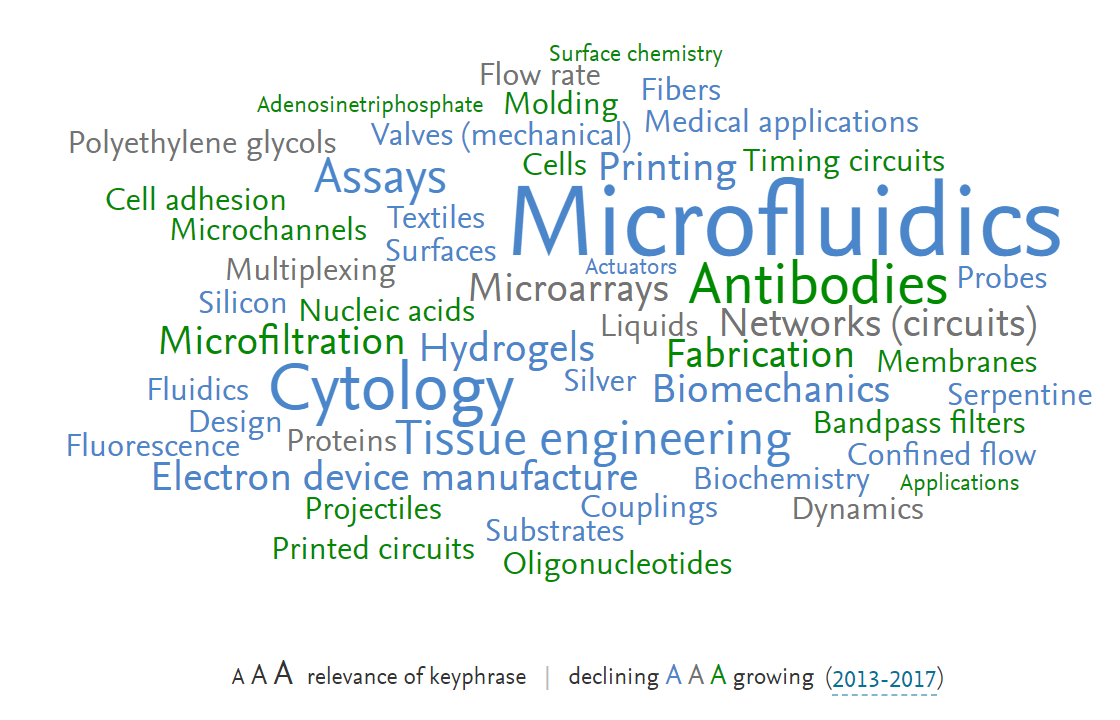
David Juncker is a Professor and Department Chair of the Department of Biomedical Engineering at McGill University. He serves as a Principal Investigator at the McGill University & Genome Quebec Innovation Centre and holds associate memberships in the Department of Neurology and Neurosurgery, Department of Electrical and Computer Engineering, Division of Experimental Medicine, Department of Surgery, and Goodman Cancer Research Centre. His research focuses on micro- and nano-bioengineering technologies for bioanalysis, precision medicine, and organs-on-chips. Key areas include microfluidics, lab-on-a-chip devices, biomedical sensors, medical diagnostics, biomaterials, tissue engineering, and cancer biomarker discovery. His lab develops scalable antibody microarrays, self-powered diagnostic platforms, microfluidic probes for brain tissue perfusion, and nanogradients for neuronal navigation, with applications in cancer diagnostics, global health, and neuroscience. Recent publications (2023-2025) reveal strong emphasis on extracellular vesicle analysis, single-cell proteomics, 3D-printed microfluidic/organ-on-a-chip systems, and capillary-driven circuits. Key trends include low-cost point-of-care diagnostics, advanced circulating tumor cell isolation methods, and biomimetic synthetic vesicles for drug delivery, demonstrating translational potential in early disease detection. Dr. Juncker leads a highly interdisciplinary team comprising undergraduate and graduate students, post-doctoral fellows, and staff from diverse scientific, engineering, and cultural backgrounds. His lab actively recruits Canadian/permanent resident graduate students for projects on single extracellular vesicle and protein detection in cancer and infectious diseases, leveraging microfluidics and wearables for biomarker discovery. The Juncker Lab operates from the McGill University & Genome Quebec Innovation Centre (740 Dr. Penfield Avenue, Room 6206). It maintains a collaborative, multicultural environment focused on developing transformative micro- and nano-bioengineering technologies with significant potential impact on human health diagnostics and treatment.
Prof. Jürgen Rühe is a Full Professor of Chemistry and Physics of Interfaces at the Institute of Microsystems Technology, Albert Ludwigs University of Freiburg, within the Faculty of Engineering. He serves as Deputy Coordinator of Research Area C and Principal Investigator for Research Areas A, B, C, and D. His expertise spans polymers at interfaces, metamaterials, biomedical surfaces, and self-healing materials. He leads the Cluster of Excellence liv MatS, focusing on adaptive and energy-autonomous materials systems. Education: Not explicitly stated in text. His research emphasizes programmable materials, 4D printing, and bioinspired design, with projects funded by the German Research Foundation (DFG). Notable contributions include anti-fog coatings, magnetic microactuators for cell stimulation, and hygromorphic materials for adaptive architecture. He supervises doctoral and postdoctoral researchers, advancing fields like tribology and surface functionalization. Key scientific achievements include developing C,H-insertion cross-linking (CHic) for durable polymer networks and exploring smart materials for biomedical and environmental applications. His work bridges fundamental polymer chemistry with practical applications in energy, healthcare, and sustainable architecture. He advises over ten doctoral students and collaborates with industry partners. His lab, part of the Institute of Microsystems Technology, focuses on micro- and nanostructuring, with projects funded by the Cluster of Excellence.
Mervi Paulasto-Kröckel is a Professor in the Department of Electrical Engineering and Automation at Aalto University, specializing in Electronics Integration and Reliability. With a doctoral degree in Engineering and Technology from Helsinki University of Technology (1995) and a Master's degree from the same institution (1990), her work focuses on microelectronics packaging, MEMS, and sustainable electronic manufacturing. Doctoral Degree: Engineering and Technology, Helsinki University of Technology (1995) Master's Degree: Engineering and Technology, Helsinki University of Technology (1990) Her research explores advanced packaging techniques like SLID bonding, reliability of microbumps, and thermally conductive materials. Recent work includes buried aluminum nitride for silicon-on-insulator and fatigue crack analysis in IGBT modules. Her publications emphasize low-temperature processes, interdiffusion, and MEMS reliability. Awards include the JVST A Best ALD Paper Award (2021) and a Best paper award (2000). She leads projects like PowerizeD and 3DPiezoMems, focusing on digitalization and 3D MEMS development. Best paper award (2000) JVST A Best ALD Paper Award (2021)
Amit Lal is a Professor in the School of Electrical and Computer Engineering at Cornell University, with affiliations in Biomedical Engineering, Applied Engineering Physics, and Mechanical and Aerospace Engineering. He is a member of key research centers including Cornell CCMR, NBTC, and KAUST-CU. Education: B.S. in Electrical Engineering, California Institute of Technology, 1990 Ph.D. in Electrical Engineering, University of California, Berkeley, 1996 Prof. Lal's research focuses on the development of integrated microsystems using micro- and nanoscale fabrication. His work spans ultrasonic MEMS, low-power IoT sensors, atomic microsystems, and bio-robotics. He directs the SonicMEMS Laboratory, advancing technologies in GHz ultrasonics, inertial sensing, and chip-scale manipulation of particles. His interdisciplinary interests include biomedical imaging, solid-state devices, nanotechnology, and plasma science. His recent publications highlight innovation in energy harvesting, MEMS gyroscopes, and biologically integrated systems. The works reflect strong trends in autonomous sensing, miniaturized power sources, and hybrid bio-electromechanical systems, particularly for medical and navigation applications. Scientific Awards and Honors: NSF CAREER Award Whitaker Foundation Award Department of Defense Exceptional Service Award Best Program Manager Award, DARPA IEEE Ultrasonics and Frequency Control Symposium Best Paper Award IEEE NEMS Best Paper Award Robert M. Scharf 1977 Professor, Cornell Engineering HHMI Visiting Scientist, Janelia Farms Intel Fellowship (awarded to advisee) Prof. Lal has advised numerous students who have gone on to win awards and publish impactful research. He has secured significant research funding through DARPA and other agencies, managing and initiating multiple high-impact programs. His leadership extends to service on technical committees for IEEE conferences and journals, including Transducers and the IEEE Sensors Council. He has also contributed to academic recruiting within ECE. He leads the SonicMEMS Laboratory , a multidisciplinary research group focused on transforming sensing, communication, and computation at the microscale. The lab fosters collaboration across engineering and life sciences, pushing the boundaries of what integrated microsystems can achieve.
Suresh K. Sitaraman is a Regents' Professor and Morris M. Bryan, Jr. Professor in Mechanical Engineering at the Georgia Institute of Technology's George W. Woodruff School of Mechanical Engineering. His primary research focuses on Computer-Aided Engineering (CAE) and Design, manufacturing processes, micro/nano engineering, and mechanics of materials. He leads the Computer-Aided Simulation of Packaging Reliability (CASPaR) Lab and is involved in flexible hybrid electronics research through the Flexible Electronics Center . Dr. Sitaraman holds a Ph.D. from The Ohio State University (1989), M.A.Sc. from the University of Ottawa (1985), and B.E. from the University of Madras (1982). His research includes developing novel techniques like fixtureless magnetic actuation for interfacial fracture testing, compliant micro-scale interconnects for stress mitigation, and synchrotron X-ray diffraction analysis for through-silicon vias (TSVs). He has pioneered studies on carbon nanotube forests' mechanical properties and reliability challenges in 3D microsystems. His awards include the NSF CAREER Award (1997-2002), ASME Fellow designation (2004), and Sigma Xi Sustained Research Award (2008). He has authored over 150 publications and holds multiple patents on compliant interconnect technologies and packaging reliability solutions. Key Research Themes: Micro/nano-scale material characterization, physics-based predictive modeling, flexible electronics, 3D integration, and thermal management. Labs/Initiatives: CASPaR Lab ( caspar.gatech.edu ), Flexible Hybrid Electronics Center. Industry Impact: Contributions to semiconductor packaging, wearable electronics, and advanced manufacturing techniques.
Dr. Zahra Abbasi is an Assistant Professor at the Department of Electrical and Software Engineering, University of Calgary (since 2021), with expertise in designing passive and active RF/microwave sensors for non-invasive real-time detection and monitoring. She holds a PhD in Nanosystems and Microsystems from the University of Alberta (2020) and a postdoctoral fellowship at the Waterloo Microfluidics Lab (University of Waterloo). Her research focuses on sensor systems for environmental, biomedical, and industrial applications, including microfluidic sensing, chipless tags, and wearable devices. Dr. Abbasi’s educational background includes degrees from Iran University of Science & Technology (BSc 2014, MSc 2016) and advanced training in Canada. She chairs IEEE MTT-S/AP committees in Alberta and has received notable awards such as the ASTech Finalist (2024) and Alberta Immigrant Impact Award (2023). Her work emphasizes collaboration across disciplines to address challenges in precision agriculture, healthcare, and environmental monitoring. Her sensor research spans diverse fields: microplastic detection in water, hydrocarbon contamination monitoring, real-time medical diagnostics (e.g., fibrinogen levels), and nutrient assessment in agriculture. Recent advancements include disposable sensors for medical implants and non-invasive hydration tracking for aging populations. Awards Finalist: ASTech Early Career Academic Change Maker (2024) Early Research Excellence Award (Schulich School of Engineering, 2023/2024) Alberta Immigrant Impact Award (2023) Advising & Labs Dr. Abbasi leads the Calgary Sensor Laboratory, fostering innovation in microwave and microfluidic sensor technologies. Her team collaborates on industrial and biomedical projects, emphasizing practical applications of novel sensor designs. While no named advisees are listed, her research group actively engages in multidisciplinary projects.
Francesca Rodino is a Doctoral Assistant and Research Fellow at École Polytechnique Fédérale de Lausanne (EPFL), affiliated with the School of Engineering and the Electrical and Microengineering Institute (IEM). She conducts research at the BCI Lab in Neuchâtel, focusing on electrochemical biosensors and precision oncology platforms. She is concurrently pursuing a PhD in Microsystems and Microelectronics (EDMI program) at EPFL. Education: B.Sc. in Biomedical Engineering, Politecnico di Torino (2019) M.Sc. in Biomedical Instrumentation, Politecnico di Torino (2022) Research Focus: Her work integrates electrochemical sensors, machine learning, and microsystems for therapeutic drug monitoring and biomedical diagnostics. Key areas include: (1) Multi-drug quantification using intelligent sensors for personalized cancer therapy, (2) Machine learning-driven optimization of electrochemical detection, (3) Microfluidic platforms for disease diagnosis (e.g., malaria), and (4) Wearable systems for neural prosthetics. Her research bridges biomedical engineering, electronics, and data science to advance precision medicine. Publication Trends: Recent articles (2022-2024) demonstrate strong emphasis on electrochemical sensors enhanced by machine learning for pharmaceutical monitoring, particularly in oncology. Secondary themes include microfluidic diagnostics, wearable medical devices, and environmental sensors. Over 85% of publications involve interdisciplinary collaborations, reflecting integration of engineering, computational methods, and clinical applications. Teaching & Leadership: Teaching Assistant for Bio-nano-chip design (EE-517) and MEMS practicals II (MICRO-503) EPFL team coach for international SensUs biotechnology competition
Nicolas Joly is a Researcher at the Le Mans University 's Institute of Acoustics , affiliated with the Transducers team. His work focuses on numerical modeling of acoustics and vibroacoustics, particularly thermoviscous diffusion phenomena in boundary layers. Research Areas : MEMS Transducers, Thermoviscous Fluid Dynamics, Inverse Methods, Composite Material Analysis Recent Contributions : Modeling micro-scale acoustic devices, homogenization of complex elastic moduli in curved beams, and fluid-loaded microbeam dynamics. Scientific Production Trends : Recent publications highlight advanced numerical simulations for miniaturized transducers, inverse methods in material characterization, and thermoviscous effects in MEMS devices. His work bridges acoustics with structural mechanics and sensor design.
Muhannad S. Bakir is the Dan Fielder Professor in the School of Electrical and Computer Engineering at Georgia Institute of Technology, and Director of the 3D Systems Packaging Research Center . His research focuses on heterogeneous integration , electrical/photonic interconnects , thermal modeling , and electronics for healthcare , with over 180 publications and 12 U.S. patents. Research areas include: Advanced cooling and power delivery for emerging systems Biosensor-CMOS integration 2.5D/3D IC packaging Polylithic integration technology Nanofabrication for microsystems Scientific accolades include: 2018 IEEE EPS Exceptional Technical Achievement Award 2013 Intel Early Career Faculty Honor Award 2012 DARPA Young Faculty Award 2011 IEEE CPMT Outstanding Young Engineer Award Best paper awards at IEEE ECTC, IITC, and CICC 2020 Georgia Tech Doctoral Thesis Advisor Award His lab explores integrated 3D systems with emphasis on co-design of thermal, power, and electrical networks for machine learning and healthcare applications.
Sam Emaminejad is an Associate Professor in the Department of Electrical and Computer Engineering at the Henry Samueli School of Engineering and Applied Science, University of California Los Angeles (UCLA). His research focuses on developing advanced wearable bioelectronic systems for continuous, noninvasive health monitoring and personalized therapeutics. Key Research Areas: Biomarker detection via flexible sensors Microfluidic and ferrobotic systems Stress and drug level monitoring Biodegradable and breathable wearable materials Recent Trends: Analysis of sweat and interstitial fluids using microneedles, aerogel skins, and programmable microfluidics. Machine learning integration for physiological evaluation is prominent. Awards & Collaborations: While specific awards aren't listed, he collaborates with major UCLA Health and Engineering faculty, including Ali Khademhosseini and Dino Di Carlo, on projects funded by NIH T32 grants and institutional fellowship programs. Grants & Labs: Leads projects in NIH-funded wearable sensor research, including the development of autonomous systems for cystic fibrosis and glucose monitoring. His lab explores ferrobotic swarms and hydrogel-based interfaces for clinical and consumer applications.