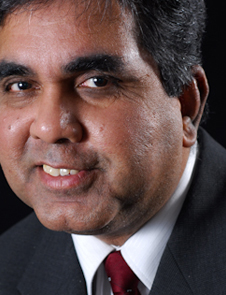
Dr. Wojciech Solowski is an Associate Professor at Aalto University , specializing in computational simulations of soils and granular materials with a focus on numerical methods and constitutive modeling. His research spans geotechnical engineering, environmental geomechanics, and computational mechanics. Research Interests : Numerical modeling (FEM/MPM), THMC behavior of soils, unsaturated soil mechanics, soil improvement, frost susceptibility, ground vibrations, and laboratory testing. Scientific Contributions : Dr. Solowski has extensively advanced the Material Point Method (MPM) for large deformation problems in geotechnics and developed the in-house finite element code Thebes for THMC coupling simulations. His work addresses critical challenges in nuclear waste repositories, soft soil stabilization, and offshore sediment characterization. Publication Trends : Recent articles focus on MPM for marine clay analysis, THMC coupling in bentonite barriers, 3D shrinkage deformation measurements, and geophysical-geotechnical integration for offshore wind farms. His research emphasizes practical applications in energy transition and infrastructure resilience. Affiliations : Mineral Based Materials and Mechanics research group at Aalto University. Committee Roles : International Secretary of the Finnish Geotechnical Society; member of ISSMGE TC106 (unsaturated soils) and ERTC7 (numerical methods).
I-Wei Chen serves as a Professor and the Skirkanich Professor of Innovation in the Department of Materials Science & Engineering at the University of Pennsylvania's School of Engineering and Applied Science. His extensive research portfolio spans ceramics, polymers, and electronic materials with a particular focus on nanomaterial applications. Chen's research interests encompass magnetic and fluorescent smart colloids for molecular imaging (primarily MRI), nanograin ceramics related to multilayer ceramic capacitors (MLCC), sintering and dielectric/ferroelectric properties of barium titanate, and thin film nanometallic electronic devices for resistance random access memory (RRAM). He also investigates energy materials including zirconia, thermoelectrics, and transparent electrodes. His work bridges fundamental materials science with practical applications in electronics, energy storage, and biomedical engineering. Analysis of his recent publications reveals a strong focus on nanocrystalline materials, solid electrolytes, and advanced energy storage systems. His research demonstrates consistent innovation in ceramic processing techniques, particularly in two-step sintering methods, while expanding into biomedical applications like pH-sensitive nanoparticle drug delivery systems. The interdisciplinary nature of his work connects traditional ceramics research with cutting-edge applications in electronics, energy, and medicine. Scientific Awards: Sosman Award of the American Ceramic Society (2006) Edward C. Henry Award, Electronic Division, American Ceramic Society (1999) Humboldt Prize (1997) Ross Coffin Purdy Award, American Ceramic Society (1994) Fellow, American Ceramic Society (1991) Professor Chen has secured significant research funding including NSF grants for nanograin BaTiO3 ceramics research (2009-2012), DOD funding for breast tumor targeting and prostate tumor imaging projects (2010-2013), and DOE support for electric-loading enhanced kinetics in oxide ceramics (2011-2014). His laboratory in the LRSM Building at Penn is equipped with advanced materials characterization tools including atomic force microscopy, sintering equipment, and various analytical instruments. His research group operates within the Laboratory for Research on the Structure of Matter at Penn, utilizing extensive facilities for materials synthesis, characterization, and testing. Current projects focus on nanometallic resistance switching memory devices, advanced ceramic processing techniques, and theranostic nanoparticle platforms for cancer treatment.
Michael Raupach is a Professor at RWTH Aachen University holding the Chair of Building Materials Science - Building Conservation. His work focuses on concrete durability, reinforcement corrosion, and sustainable construction materials, with particular expertise in alkali-activated binders, carbon textile reinforcement, and electrochemical monitoring systems. Research Interests: Concrete durability, corrosion protection, sustainable materials, structural maintenance, BIM applications, and non-destructive testing. Recent Work: Investigates electrically heated carbon textile reinforced concrete systems, develops hybrid alkali-activated materials for realkalization, and explores chloride diffusion mechanisms in low-carbon binders. Publications: Active in journals covering concrete technology, corrosion engineering, and sustainable construction methods.
Edward Kinzel is a Professor in the Department of Aerospace and Mechanical Engineering at the University of Notre Dame’s College of Engineering. He holds a Ph.D., M.S., and B.S. in Mechanical Engineering from Purdue University and leads the Laser Precision Manufacturing Laboratory. Research interests include: Laser/material interaction Manufacturing/fabrication Sensing and energy harvesting Key projects: Additive manufacturing of glass for optics/photonics Scalable fabrication of metasurfaces/IR antennas for thermal radiation control Design of metasurface-enabled uncooled IR microbolometers Use of spectrometry/radiometry for microstructure control in metal selective laser melting His work spans applications in heat transfer, nanofabrication, and photonic device engineering.
Odile Merdrignac-Conanec is an Associate Professor in the Department of Chemistry at University of Rennes 1's Faculty of Science, affiliated with the Institut des Sciences Chimiques de Rennes (UMR 6226 CNRS). Her career spans over three decades at the university, progressing from Assistant Professor (1991-2000) to current Associate Professor status with qualification for university professorship (CNU 31-33). PhD in Chemistry, University of Rennes 1 (1989) Accreditation to Supervise Research (HDR), Chemistry; Chemical Physics, University of Rennes 1 (2000) Post-Doctoral Fellow, Harwell Lab, AEA Technology (UK) (1990-1991) Her research focuses on advanced materials synthesis and characterization, specializing in ceramics engineering for optical, sensing, and biomedical applications. Key areas include infrared-transparent ceramics (ZnS, La 2 O 2 S), gas sensors using semiconductor oxides, photocatalytic (oxy)nitrides, and biomaterials like bioactive glasses. Her work integrates soft chemistry methods with advanced sintering techniques (HP, HIP, SPS) and in-situ characterization (TPD/MS, DRIFTS). Analysis of her 15 most recent publications reveals strong emphasis on rare-earth doped phosphors for lighting applications, porous biomaterials for tissue engineering, and energy conversion materials including thermoelectrics and CO 2 reduction catalysts. Her optical materials research consistently targets infrared transparency and luminescence efficiency. 2018 Semester for Innovation of Rennes 1 Foundation 2017 Year for business creation of Rennes 1 Foundation 2015 CNRS delegation (50%) 2013 Board Member, French Ceramic Society (GFC) 1990 Chemistry PhD Thesis Prize (Pr P. Gineste Award) She has directed eight PhD theses since 2003 with notable success including the Rennes 1 Foundation Thesis Prize (2017) and French Ceramic Society Thesis Prize (2020). Her research is supported by CNRS collaborations and Rennes 1 Foundation innovation grants. She actively participates in thesis committees at institutions including University of Tübingen, ENSM Saint-Etienne, and IRCER Limoges. Her laboratory work centers on the Institut des Sciences Chimiques de Rennes, utilizing specialized equipment for ceramic synthesis, optical characterization, and biomaterial testing. Current projects include infrared-transparent sulfide ceramics and doped oxysulfides for optical refrigeration.
Dr. Sai Sandeep Chitta is an Assistant Professor in the Department of Civil, Environmental, and Geospatial Engineering at Michigan Technological University (MTU), with an affiliated position in Geological and Mining Engineering and Sciences. Prior to MTU, he held postdoctoral roles at Oregon State University (OSU) and the University of Arkansas, where he contributed to industry-sponsored projects on coastal dune protection and DEM model calibration funded by the U.S. Army Corps of Engineers. He earned his PhD in Civil Engineering from City University of Hong Kong (2019) and MTech/BTech degrees from Indian institutions. His research focuses on granular mechanics across scales, bio-mediation techniques for soil improvement, and biomimetic geotechnics. Key projects include developing biocementation methods for coastal resilience and computational models for granular material behavior. He has secured over $240,000 in industry funding and co-authored multiple influential studies in geotechnical journals. Education: PhD, Civil Engineering, City University of Hong Kong (2019) MTech, Geotechnical Engineering, Indian Institute of Technology Guwahati (2016) B.Tech, Civil Engineering, Jawaharlal Nehru Technological University (2013) His work integrates experimental and computational methods, addressing challenges in sustainable infrastructure, geo-hazard mitigation, and biomimetic engineering. Notable awards include the Ringo Yu Prize for Best PhD Thesis (2020) and Editor’s Choice Selection in the Canadian Geotechnical Journal (2020). Dr. Chitta actively collaborates with industry and serves as a technical reviewer for journals like Géotechnique and ASTM. He also contributed to educational initiatives at OSU, shaping general education curricula.
Adrian Figg is an Assistant Professor in the Department of Chemistry at Virginia Tech's College of Science. His research focuses on developing advanced polymer architectures inspired by biological precision, with applications in disease study, sustainable materials, and recycling technologies. He completed his B.A. in Chemistry at the University of California, Santa Barbara (2013), earned his Ph.D. from the University of Florida (2018), and conducted postdoctoral research at Northwestern University (2018–2021). Research interests include programmable polymer synthesis using controlled radical techniques, protein-polymer conjugates for therapeutics, and stimuli-responsive materials. His work bridges organic chemistry, materials science, and biological systems to address challenges in healthcare and sustainability. The Figg Group actively explores applications such as biodegradable plastics and targeted drug delivery systems. Education: B.A. in Chemistry, University of California, Santa Barbara (2013) Ph.D. in Chemistry, University of Florida (2018) Postdoctoral Research Fellow, Northwestern University (2018–2021) Key awards include the ACS PMSE Division Future Faculty Scholar (2019) and the Weinberg Family Postdoctoral Fellowship (2020). His research has been published in high-impact journals like Journal of the American Chemical Society and Chemical Science . Advising and grants: While specific student names are not listed here, the Figg Group engages in collaborative research projects. Active collaborations include work on photopolymerization techniques and DNA-programmed materials. Lab and team information: Visit the Figg Group Website or Google Scholar for current projects and publications.
Jean Charles Stinville is an Assistant Professor at the University of Illinois, holding joint appointments in the Departments of Materials Science and Engineering, Mechanical Science and Engineering, and the Materials Research Lab within the College of Engineering. His research focuses on advanced materials characterization, particularly in Ni-based superalloys, microstructure analysis, and high-resolution imaging techniques. He specializes in understanding strain localization, grain boundary interactions, and deformation mechanisms in polycrystalline materials at elevated temperatures. Research Interests: Dr. Stinville's work bridges materials science and mechanical engineering, emphasizing experimental and computational methods to study deformation behaviors in metallic alloys. His lab employs advanced imaging tools like Digital Image Correlation (DIC) and scanning electron microscopy (SEM) for high-throughput analysis. Key themes include microstructure-property relationships, fatigue crack propagation, and the development of novel characterization protocols for complex materials systems. Awards: NSF CAREER Award (2024) Advising & Grants: While specific grant details are not provided, his NSF CAREER Award indicates sustained funding for his research program. Advising records are not detailed in the provided data. Labs & Teams: Affiliated with the Materials Research Lab, focusing on interdisciplinary materials research with collaborations across engineering disciplines.
Florencia Malamud is a Researcher and Instrument Scientist at the Paul Scherrer Institute (PSI), leading the POLDI instrument in the Laboratory for Neutron Scattering and Imaging. Her work focuses on advanced neutron-based techniques for material characterization, including Bragg edge imaging, diffraction contrast imaging, and texture analysis. She specializes in studying crystallographic structures, phase transformations, and mechanical behaviors in materials such as high-Mn steels, superalloys, and superconductors. Her research integrates experimental methods like neutron diffraction and tomography to investigate industrial materials (e.g., additive manufacturing components) and historical artifacts (e.g., Napoleonic-era copper bolts). Key areas include optimizing material properties through composition and processing, and understanding deformation mechanisms in metallic materials. Malamud’s publications span materials science, metallurgy, and neutron scattering applications. She collaborates on projects involving nuclear-grade materials, aerospace alloys, and archaeological metallurgy. Her work emphasizes bridging fundamental physics with applied engineering challenges. No scientific awards are explicitly mentioned. Her advising and grants are not detailed in the provided texts. She is affiliated with PSI’s neutron scattering laboratory and contributes to instrumentation development for advanced materials research.
Federica Marone Welford is a Beamline Scientist at the TOMCAT beamline of the Swiss Light Source (SLS) at the Paul Scherrer Institute (PSI) . She holds an Earth Sciences degree with a focus on seismology and a PhD in seismology from ETH Zurich , following a postdoctoral fellowship at the Berkeley Seismological Laboratory . Her work centers on advancing tomographic reconstruction algorithms, mitigating artifacts, and optimizing computational infrastructure for high-speed X-ray imaging at the TOMCAT beamline. Research Focus: X-ray tomography methodology, data compression, real-time reconstruction systems, and applications in paleontology, earth sciences, additive manufacturing, and energy research. Collaborations: Engages with global researchers and industry partners, particularly in battery/fuel cell analysis and laser powder bed fusion. Teaching: Lectures at ETH Zurich on X-ray imaging techniques. Publications highlight her contributions to X-ray scattering tensor tomography, dynamic process visualization, and computational advancements in imaging systems.
Dr. Kristin O'Grady is an Assistant Professor in the Department of Biomedical Engineering and Department of Radiology & Radiological Sciences at Vanderbilt University's School of Engineering. Her research focuses on developing quantitative MRI methodologies for the brain and spinal cord, particularly improving spinal cord MRI for neurological diseases like multiple sclerosis. She specializes in diffusion tensor imaging, functional connectivity analysis, and high-field MRI applications. Her work spans advanced imaging techniques including MP2RAGE, susceptibility-weighted MRI, and phase imaging, with a focus on clinical feasibility and disease markers. She has contributed to studies on spinal cord morphometry, paramagnetic rim lesions, and biological interactions affecting CNS structure. No scientific awards or grants are explicitly listed in the provided materials. Dr. O'Grady collaborates across interdisciplinary teams within the School of Engineering, focusing on translational research in neuroimaging technologies.
Sir Harshad Bhadeshia is Professor of Metallurgy at the School of Engineering and Materials Science, Queen Mary University of London. A distinguished academic holding Fellowships of the Royal Society (FRS), Royal Academy of Engineering (FREng), and Institute of Materials, Minerals and Mining (FIMMM), his career has been dedicated to advancing the fundamental understanding of metallurgical phenomena with practical industrial applications. His work bridges theoretical developments with real-world engineering challenges in steel technology and sustainable materials design. Professor Bhadeshia's research focuses on the theory of solid-state phase transformations, with particular emphasis on predicting and verifying structural development in complex metallic alloys, especially multicomponent steels. His interests span physical and chemical metallurgy, phase transformations, mathematical modeling, alloy design, and materials algorithms. He has made significant contributions to understanding hydrogen interaction with iron and its compounds, bainite formation, and the development of nanostructured steels with exceptional properties. His work on computational approaches to materials science has led to practical tools for steel design and manufacturing. Analysis of his recent publications reveals a sustained focus on fundamental metallurgical phenomena with practical applications across multiple domains. His research spans steel design for specific applications (rails, welds), phase transformations (bainite, pearlite), hydrogen-related phenomena, and computational materials science. A consistent theme is the integration of theoretical understanding with practical engineering solutions, particularly in addressing challenges related to sustainability, hydrogen embrittlement, and advanced manufacturing techniques like additive manufacturing. Fellow of the Royal Society (FRS) Fellow of the Royal Academy of Engineering (FREng) Fellow of the Institute of Materials, Minerals and Mining (FIMMM) Knighthood for services to metallurgy Extensive publication record spanning decades Development of freely available teaching resources through the Materials Algorithms Project (MAP) Professor Bhadeshia has mentored numerous researchers throughout his career, evident from his extensive collaborative publication record. His work has been supported by significant research grants, particularly in the areas of steel development, phase transformations, and sustainable engineering. He has led major research projects addressing critical challenges in materials science, including hydrogen embrittlement, high-temperature performance of steels, and computational design of advanced alloys. His research group has made substantial contributions to understanding the fundamental mechanisms governing steel behavior under various conditions. Based at Queen Mary University of London, Professor Bhadeshia leads research within the Centre for Sustainable Engineering. His team focuses on metallurgy, particularly steel research, phase transformations, and computational materials science. Current research directions include developing steels with enhanced resistance to hydrogen embrittlement, designing sustainable steel alloys with reduced carbon footprint, and advancing computational methods for predicting microstructure-property relationships. The group maintains strong industry collaborations, ensuring their research addresses real-world engineering challenges while advancing fundamental scientific understanding.
Ghislaine M.E. Vantomme is an Assistant Professor at Eindhoven University of Technology, leading the Supramolecular Chemistry and Materials group within the Department of Chemical Engineering and Chemistry. Her research focuses on developing adaptive, self-learning supramolecular materials inspired by living systems, integrating organic synthesis, systems chemistry, and materials science. Key areas include molecular computing, bio-(opto)electronics, and sustainable materials design. Academically, she holds a PhD from Strasbourg University (2014) under Prof. Jean-Marie Lehn, and postdoctoral experience at TU Eindhoven with Prof. Bert Meijer. Notable grants include the NWO Veni (2017) and VIDI (2024), alongside the 2026 New Horizons Solvay Lectureship. She teaches advanced organic chemistry courses for engineering and premaster students. Her work contributes to UN Sustainable Development Goals through eco-friendly material innovations. Research highlights include self-regulating hydrogels, chiral semiconductor films, and phase-separated nanomaterials. She collaborates internationally, with recent media coverage on molecular computing and optoelectronic material breakthroughs. Education: PhD in Supramolecular Chemistry, Strasbourg University (2014) MSc, Sorbonne University (Paris) BSc, École Normale Supérieure (Cachan) Research Themes: Biomimetic materials, adaptive systems, molecular self-assembly, chiral optoelectronics. Grants & Awards: NWO Veni (2017) NWO VIDI (2024) Solvay Lectureship (2026) Teaching: Organic Chemistry 1/2, Advanced Molecular Chemistry.
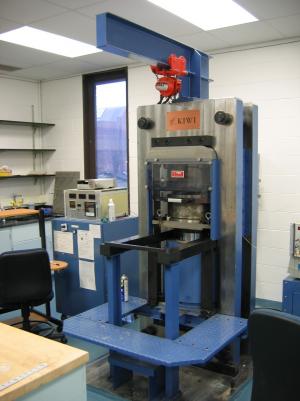
Shun-ichiro Karato is a Professor of Earth & Planetary Sciences at Yale University, affiliated with the Department of Geology and Geophysics. His research focuses on high-pressure materials science, mantle dynamics, and planetary evolution. He leads experimental studies using advanced facilities like the 1000-ton Kawai-type Multi-anvil Apparatus and field-emission SEM with EBSD for microstructural analysis. Education: PhD in Geophysics, University of Tokyo, 1977 MSc in Geophysics, University of Tokyo, 1974 BSc in Geophysics, University of Tokyo, 1972 His research interests include water distribution in planetary interiors, deformation mechanisms of mantle minerals, and the role of volatiles in Earth’s dynamics. He collaborates across disciplines to integrate experimental, theoretical, and observational approaches. Recent work explores hydrogen dissolution in bridgmanite, mantle rheology under high pressure-temperature conditions, and the implications of seismic anomalies for mantle structure. Labs/Facilities: Karato oversees cutting-edge facilities enabling high-pressure/temperature experiments, including rotational Drickamer apparatuses and synchrotron-based deformation studies. These tools support investigations into phase transitions, deformation mechanisms, and melt localization in the mantle. Teaching: Teaches courses like Introduction to Earth Materials (G&G 319/519), Deformation of Earth Materials (G&G 450/650), and Seminar on Mantle and Core Geophysics (G&G 744).
Dr. Sai Vanapalli is a Professor and Chair of the Department of Civil Engineering at the University of Ottawa. He holds a Ph.D. from the University of Saskatchewan (1994) and an M.Tech. from Kakatiya University, India. His research focuses on unsaturated soil mechanics, including foundation design, expansive soils, freeze-thaw effects, and pavement engineering. He has authored/co-authored over 125 publications, supervised 16 graduate students, and pioneered state-of-the-art laboratory equipment for unsaturated soil testing. Dr. Vanapalli has organized major international conferences such as the Diamond Jubilee Canadian Geotechnical Conference (2007) and the 12th IACMAG (2008). He received the Stermac Award (2010) and multiple teaching awards, including the OCUFA Teaching Excellence Award (2007). His lab houses advanced equipment like the modified ring shear test apparatus and University of Ottawa Bearing Capacity Equipment (UOBCE), supported by grants from the Canadian Foundation for Innovation (CFI-LOF). Key research themes include geotechnical engineering, unsaturated soil technology, geo-environmental studies, and critical state mechanics. His work bridges theory and practice, emphasizing practical engineering solutions for unsaturated soil challenges. He actively reviews for journals like Geotechnique and serves on editorial boards, furthering global knowledge exchange in geotechnics.