Jouni Partanen is a Professor at Aalto University's Department of Energy and Mechanical Engineering within the College of Engineering. His research focuses on advanced production technologies including Additive Manufacturing (3D-Printing), modern laser processing, and micromachining. Research Group: Materiaaleista tuotteiksi Specialization: Integration of AI in manufacturing processes Sustainability emphasis: Biochar-reinforced materials and carbon footprint reduction His work spans from fundamental material behavior analysis to industrial applications, particularly in metal additive manufacturing and composite fabrication. Recent research explores corrosion resistance in lattice structures and multiscale photopolymerization techniques. Publications highlight interdisciplinary approaches combining mechanical engineering with biomedical applications (e.g., patient-specific implants) and environmental health studies on industrial 3D printing emissions.
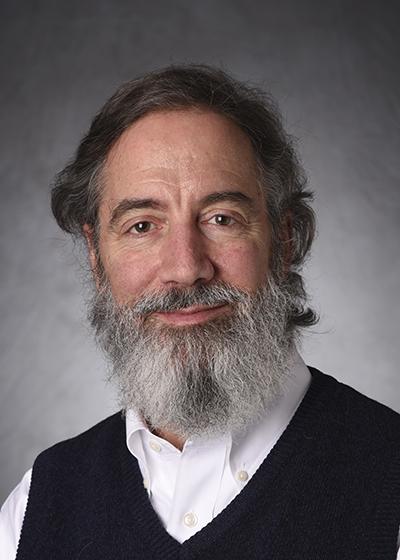
Ralph H. Colby serves as Professor of Materials Science and Engineering and Chemical Engineering at Pennsylvania State University's College of Earth and Mineral Sciences, holding the Corning Faculty Fellowship. His research focuses on molecular-level dynamics in complex fluids, particularly polymers, ionomers, and liquid crystalline systems. With over 130 publications and authorship of the textbook Polymer Physics (2003), he directs an active research program examining structure-property relationships in soft matter. B.S. in Materials Science and Engineering, Cornell University (1979) M.S. in Chemical Engineering, Northwestern University (1983) Ph.D. in Chemical Engineering, Northwestern University (1985) Professor Colby's research spans polymer physics, rheology, and materials for energy applications. His group employs mechanical rheology, dielectric spectroscopy, and scattering techniques to investigate ion transport in single-ion conductors for batteries, dynamics of glass-forming liquids, and self-assembly in polyelectrolyte systems. Current work emphasizes structure-property relationships in ionomers, liquid crystalline polymers, and branched architectures. Analysis of recent publications reveals consistent focus on ionomer membranes for energy applications, processing-structure relationships in advanced polymers, and fundamental dynamics of complex fluids. Key trends include increasing integration of computational modeling with experimental characterization, expansion into sustainable materials processing, and growing emphasis on applications in battery technology and biomedical materials. Penn State Faculty Scholar Medal for Outstanding Achievement (2022) Bingham Medal, Society of Rheology (2012) American Chemical Society Fellowship Corning Faculty Fellowship in Materials Science and Engineering Professor Colby leads multiple federally funded projects including NSF's 'Fundamental Studies of Flow-Induced Polymer Crystallization' and DOE's 'Conduction mechanisms and structure of ionomeric single-ion conductors'. His group maintains strong industry partnerships with Corning Incorporated and participates in interdisciplinary initiatives like the Penn State Intercollege Graduate Degree Program in Materials Science and Engineering. Current research includes collaborations on breast cancer adherence interventions in Rwanda and conjugated polymer development for flexible electronics. The Colby Research Group operates specialized facilities for rheological characterization, dielectric spectroscopy, and X-ray scattering at Penn State's Materials Research Institute. The team maintains active collaborations with national laboratories and international research groups, focusing on translating fundamental polymer physics discoveries into practical applications for energy storage and advanced manufacturing.
Professor Hala Zreiqat AM is a leading biomedical engineer at The University of Sydney , serving as the Director of the ARC Training Centre for Innovative BioEngineering . A Fellow of all major Australian academies (AAS, ATSE, FAHMS, FRSN), she develops 3D printed bioceramics for bone regeneration while championing diversity through initiatives like the IDEAL Society and BIOTech Futures mentorship program. Her work bridges academia, clinical practice, and industry in musculoskeletal research . Research Focus: Her lab creates synthetic bone scaffolds that mimic natural bone architecture, strength, and porosity, enabling non-rejected bone regeneration via patient-matched implants. Key applications include orthopaedic, dental, and maxillofacial repair , with over $18M in competitive funding and multiple patents. Current projects explore AI-driven scaffold performance prediction and anti-senescence strategies for aging-related bone loss. Scientific Trends: Recent publications highlight 3D printed nanovoxelated ceramics , antisenescence biomaterials , and multifunctional theranostic platforms . Her team integrates machine learning for scaffold design, atom probe tomography for interface analysis, and two-photon imaging for cellular monitoring in 3D environments. 2021-2022 Fulbright Senior Scholar 2018 NSW Premier's Woman of the Year 2019 Eureka Prize for Innovative Use of Technology Fellow of Australian Academy of Science (2021) Over $18M in research funding Teaching & Leadership: She designed core courses like Tissue Engineering and Nanomaterials in Medicine , mentoring 158 students in 2020 alone. As Chair of CAAR (2020-2023), she strengthens Australia-Arab collaborations. Her lab trains early-career researchers , with alumni now in academia and industry.
Zoran Cenev holds a Tenure Track Assistant Professor position within the Mechatronics and Dynamics section of the Department of Mechanical and Production Engineering at the School of Engineering, Aarhus University. His primary institutional affiliation is with AU Engineering, and contact details include email zoran.cenev@mpe.au.dk and telephone +45 20 64 75 44, with office location Aarhus N, 5128-140. Research interests focus on interdisciplinary applications of magnetic and robotic systems: Robotic micromanipulation via electromagnetic needles Ferrofluid-based biofabrication for skeletal muscle engineering Laser-induced photothermal droplet control Theoretical modeling of particle dynamics at fluid interfaces Surface engineering for underwater metallic stability Nanostructure formation through ion bombardment His recent publications (2023-2025) reveal a dominant trend in adapting ferrofluids for biomedical automation, particularly 3D bioprinting of magnetically responsive tissues and droplet manipulation on engineered surfaces. This work bridges mechanical engineering with regenerative medicine, emphasizing practical implementations of theoretical models for microscale precision. Scientific awards are not documented in the provided information. As a faculty member, Dr. Cenev likely mentors graduate students and pursues research grants, though specific advisees or funding details are absent. Departmental laboratories and workshops support his experimental work in mechatronics, with emphasis on magnetic manipulation systems and surface characterization.
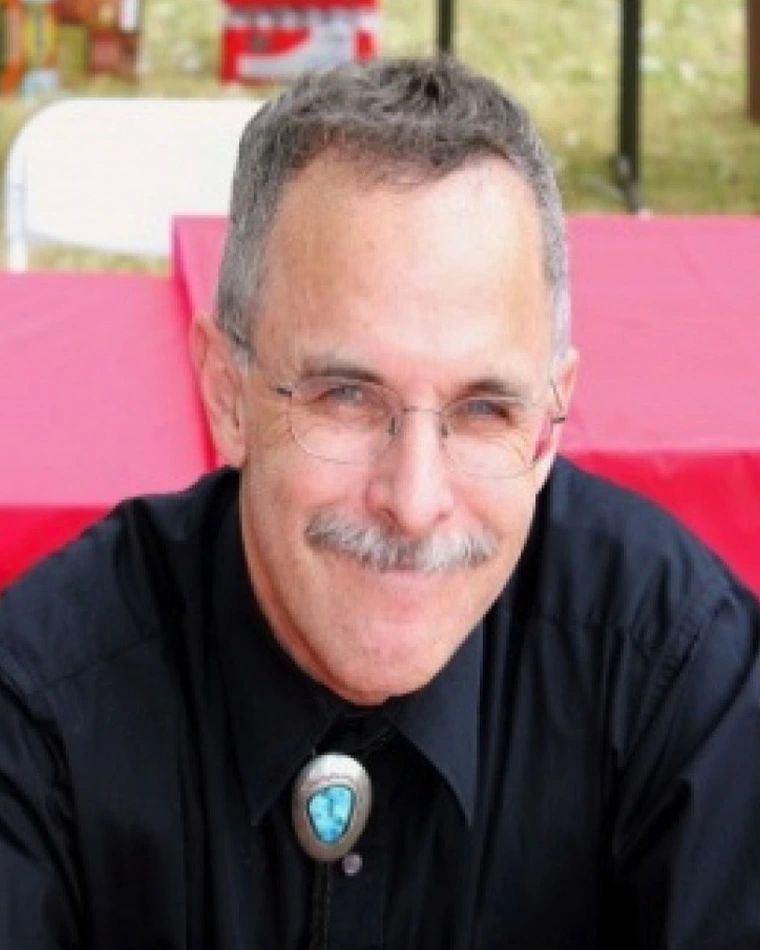
Douglas A. Loy is a full Professor at the University of Arizona with joint appointments in the Department of Materials Science and Engineering and the Department of Chemistry and Biochemistry, and additional affiliations with the BIO5 Institute and the School of Mining and Mineral Resources. A fifth-generation Arizonan, he earned his BS in Chemistry from the University of Arizona (1983), MS in Chemistry from Northern Arizona University (1986), and PhD in Organic Chemistry from the University of California, Irvine (1991). Before returning to academia he spent 14 years at Sandia National Laboratories and then led the Polymer and Nanomaterials Synthesis Team at Los Alamos National Laboratory. Research Interests Sol-gel & polysilsesquioxane chemistry: fundamental studies and unconventional routes to hybrid organic-inorganic materials. Tetrazine polymer chemistry: synthesis, click modification, and application in antioxidant foams and UV-stable sunscreens. 3-D printing of glasses & ceramics: additive manufacturing of micro-optics, multi-refractive-index glass objects, and transparent devices using silica and silsesquioxane resins. Energy & biomaterials: new materials for energy storage, polymer-ceramic bone scaffolds, and smart packaging films. Across more than 70 recent publications (2012-2025), the dominant themes are advanced additive manufacturing of specialty glasses and ceramics, design of photochemically stable sunscreen systems, and development of multifunctional polymer-ceramic composites for biomedical and energy applications. The work integrates molecular-level organic synthesis with macro-scale materials processing, enabling applications ranging from holographic micro-optics to lunar in-situ resource utilization. Scientific Awards & Recognition While specific honors are not listed in the provided text, Loy is described as a “distinguished member of technical staff” at Sandia National Laboratories, indicating prior recognition for his research achievements. Funding & Collaborative Teams At the University of Arizona his group pursues federally and industrially funded projects spanning NSF, DOE, and NASA programs, particularly in advanced manufacturing and energy materials. He collaborates closely with the BIO5 Institute for biomedical applications and with the School of Mining and Mineral Resources for resource-based materials research. No explicit student lists are included in the text. Laboratory & Facilities Loy’s laboratories are located in Mines and Metallurgy 338B at the University of Arizona, equipped for sol-gel synthesis, polymer processing, and state-of-the-art 3-D printing instrumentation including multi-photon lithography systems for micro-optics fabrication.
Dr. Alexander J G Lunt is a Senior Lecturer in Mechanical Engineering at the University of Bath, specializing in micromechanical testing and materials characterization. He leads the Integrated Materials Processing and Structures Research Centre and has a PhD in Mechanical Microscopy from the University of Oxford. His research focuses on advanced materials, composites, additive manufacturing, and synchrotron/neutron-based techniques. He has supervised 5 PhD students and collaborates with industries like Rolls-Royce and Airbus. Notable awards include the John Willis Award and Vice Chancellor's Engage Award. His work contributes to UN SDGs in sustainable materials and manufacturing.
Ole Bang is a Professor and Groupleader of the Fiber Sensors & Supercontinuum group at the Department of Electrical and Photonics Engineering, Technical University of Denmark (DTU). His work spans fundamental and applied research in nonlinear optics, fiber sensors, and biophotonics, with strong industrial collaboration and alignment with UN Sustainable Development Goals. Research Interests: Supercontinuum broadband light sources Fiber-optical biosensors Microstructured polymer optical fibers (mPOFs) Nonlinear optics and nonlinear dynamics Numerical modelling of nonlinear pulse propagation Mid-infrared and terahertz photonics His recent publications (2025) demonstrate a strong focus on advanced optical sensing technologies, including mid-infrared surface plasmon resonance sensors, real-time DNA binding detection, and high-resolution liquid level sensors using fiber Bragg gratings. These works highlight trends toward biomedical, environmental, and industrial applications of photonic technologies. Scientific Awards: No awards mentioned in the provided text. Advising and Grants: Currently supervising multiple PhD students in active projects such as Femtosecond Fiber Lasers and Low-Noise Supercontinuum Sources , Mid-infrared supercontinuum generation and rogue waves , and UV Supercontinuum Sources and Meta-Surfaces . Projects funded through DTU PhD programs, indicating institutional grant support. Labs and Teams: Ole Bang leads the Fiber Sensors & Supercontinuum research group at DTU, focusing on the development and application of advanced fiber-based photonic technologies. The group is highly active in both experimental and theoretical research, with strong ties to industrial partners like Koheras A/S and Crystal Fibre A/S.
Christine Campagne is a full professor at ENSAIT since 2010, affiliated with the Multifunctional Textiles and Processes Group. Her research activities focus on advanced textile functionalization and polymer surface modification techniques, with significant contributions to sustainable textile technologies and smart materials development. Professor Campagne's research interests span multiple cutting-edge areas of textile science. Her primary focus involves physical surface treatments using atmospheric plasma technology for textile functionalization, chemical surface treatments to impart antibacterial, hydrophilic, and hydrophobic properties to textiles, and 3D printing applications for textile innovation. She also specializes in surface nanostructuration for self-cleaning textiles, physico-chemical characterization of polymer surfaces, and processing of polymer nanocomposites including conductive and antibacterial multifilaments. Her work extends to the characterization and study of climatic ageing of textile materials, ensuring durability in various environmental conditions. Analysis of Professor Campagne's recent publications reveals a strong trend toward sustainable and multifunctional textile development. Her work increasingly focuses on bio-based solutions (like milk casein for antimicrobial textiles), eco-friendly processing techniques (plasma treatments replacing chemical mordants), and multi-functional applications where single textile systems provide multiple benefits (UV protection, water detection, chemical hazard protection). The research demonstrates growing integration of nanotechnology with traditional textile processes and increasing emphasis on circular economy principles in textile development. Professor Campagne serves as Principal Investigator or co-PI on several significant research projects including Autonotex, MA(T)TISSE, Phototex, Autotherme, Duratex, and MONI2TEX. Her teaching portfolio encompasses advanced topics in polymer science including physico-chemical properties of polymers , polymer functionalization , ageing mechanisms of polymers , biopolymers , and surface characterization of textile materials , reflecting her comprehensive expertise across both fundamental and applied aspects of textile science.
Stan F.S.P. Looijmans is an Assistant Professor at the Processing and Performance of Materials group within the Department of Mechanical Engineering at Eindhoven University of Technology (TU/e). His research focuses on bridging the gap between processing-induced structure formation and mechanical properties in semi-crystalline polymers, with a particular emphasis on advanced characterization techniques and multiscale modeling. Academic Background : BSc and MSc in Mechanical Engineering (TU/e), PhD in 2023 on adhesion-modified polypropylene composites Research Tools : Synchrotron X-ray/infrared radiation, microscale mechanical testing, numerical simulations His work explores key areas such as: Crystallization in additive manufacturing Structure formation under extreme conditions Micromechanical testing of composites Contact mechanics phenomena Local failure prediction in semi-crystalline systems Recent publications highlight his expertise in polymer crystallization kinetics, fiber-reinforced composites, and processing-structure-property relationships. Notably, his 2025 work on PLA stereocomplexation and PP/HDPE blends demonstrates innovative approaches to microstructure engineering. He contributes to education through courses in mechanical characterization of materials and soft materials processing.
Shu Yang is the Joseph Bordogna Professor and Department Chair of Materials Science and Engineering at the University of Pennsylvania's School of Engineering and Applied Science. Her research spans multiple departments, with primary appointments in both Materials Science and Engineering and Chemical and Biomolecular Engineering. She directs the Yang Lab, which operates at the intersection of multi-materials synthesis, nano-/microfabrication, and device processing, backed by deep understanding of physical, mechanical and biological principles. Director, Center for Analyzing Evolved Structures as Optimized Products (AESOP) Principal Investigator, NSF NRT: Climate Action and Resilience for Extreme Urban Heat (CLIMATE-CARE) Member of the Engineering Research Visioning Alliance (ERVA) Professor Yang's research focuses on developing novel materials synthesis, assembly and eco-manufacturing of complex, multi-functional, nano- to macrostructured soft, sustainable materials and composites. Her lab addresses fundamental questions centered around surface/interface, actuation mechanisms, and structure-property relationships. Through directed assembly of oligomers, polymers, gels, colloids, liquid crystals, amphiphiles, and their composites with inorganic materials and biomolecules across nano- to macroscales, her team creates complex, multi-functional nano- and microstructures with unique surface, optical, and mechanical properties. Analysis of Professor Yang's recent publications reveals a strong trend toward environmentally responsive materials with applications in sustainability, water harvesting, carbon capture, and climate resilience. Her work increasingly integrates kirigami engineering principles with liquid crystal elastomers to create programmable, shape-morphing materials. The research shows a clear trajectory from fundamental materials science toward real-world applications addressing global challenges, particularly in climate action and sustainable infrastructure. Inaugural Nat Geo 33 Extraordinary Changemaker List 2022 Cozzarelli Prize from PNAS for Class III: Engineering and Applied Sciences Advanced Materials Hall of Fame collection recognition Multiple highly cited papers according to Web of Science Professor Yang's research group has secured significant funding for projects addressing climate change, sustainable materials, and advanced manufacturing. Her lab has developed numerous technologies with potential applications in coatings, adhesives, smart windows, displays, sensors, soft robotics, biomedical devices, dehumidifiers, and carbon-absorbing concrete. The Yang Lab maintains a strong mentoring record with numerous students and postdocs who have gone on to successful careers in academia and industry. Her group actively collaborates across disciplines, working with biologists, physicists, environmental scientists, and engineers to tackle complex challenges. The Yang Lab operates state-of-the-art facilities for materials synthesis, characterization, and fabrication. The lab is particularly known for its expertise in liquid crystal elastomers, kirigami engineering, and biomimetic materials. The group maintains strong industry partnerships and has filed multiple patents based on their research. Their facilities enable everything from molecular-scale synthesis to macro-scale manufacturing of functional materials, with particular strength in bridging these scales through innovative design principles.
Dr. Rand Ismaeel is a Senior Research Fellow holding a Royal Academy of Engineering fellowship. Her interdisciplinary research bridges silicon photonics at the nanoscale (ORC) and maritime technologies (National Oceanography Centre) to develop advanced marine sensors for deep-ocean greenhouse gas monitoring. Research focuses on: Optical fibre sensors for environmental monitoring Terahertz photonics and 3D-printed optical components Methane detection systems for oceanography Polymer optical fiber fabrication techniques Her publications demonstrate expertise in novel fiber manufacturing methods, gas sensing membranes, and photonic device innovation. The Royal Academy fellowship supports her work on deploying sensors in inaccessible ocean depths to measure climate impacts.
Chi Zhou is an Associate Professor and Director of Graduate Studies in the Department of Industrial and Systems Engineering at the University at Buffalo. He also holds an adjunct appointment as Adjunct Associate Professor in the Department of Computer Science and Engineering. His research focuses on additive manufacturing, rapid prototyping, and advanced material systems. Zhou has a PhD in Industrial and Systems Engineering (2011) from the University of Southern California, with additional degrees in Computer Science and Industrial Engineering. His work bridges manufacturing processes, material science, and computational methods. Key research areas include inkjet printing process optimization, hydrogel-based 3D printing, thermal insulation materials from agricultural byproducts, and smart material systems like magnetorheological metamaterials. He has pioneered methods for real-time process monitoring and defect detection in additive manufacturing. Zhou’s recent publications emphasize sustainable manufacturing solutions, such as bio-based insulation materials and cost-effective silica aerogel production. His contributions also span energy harvesting (e.g., conductive hydrogel generators) and advanced structural designs using triply periodic minimal structures. He has led interdisciplinary projects integrating digital twins for cyber manufacturing systems and geometric deep learning for mass customization applications.
O. Remus Tutunea-Fatan is a Professor in the Department of Mechanical & Materials Engineering at Western University, with cross appointments in Biomedical Engineering and Electrical and Computer Engineering. His work focuses on laser polishing, CNC machining, and surface structuring for drag reduction and biomedical applications. Ph.D. in Mechanical Engineering, The University of Western Ontario M.E.Sc. and B.E.Sc. in Mechanical Engineering, Transilvania University, Romania Research interests include: Advanced CAD/CAM frameworks Laser remelting process optimization Biomedical device design Composite manufacturing techniques Surface topography analysis Artificial intelligence in process control Recent publications indicate expertise in: Laser polishing of metallic surfaces Riblet microstructures for drag reduction AI-driven process monitoring 5-axis machining error compensation Scientific recognition includes: Edward G. Pleva Award for Excellence in Teaching (Western University, 2023) Dr. Terry Base Memorial Teaching Award (2022 co-winner, 2021, 2019) R. Mohan Mathur Award (Faculty of Engineering, 2020) University Students' Council Teaching Honour Roll (2011-2012) Prof. Tutunea-Fatan serves as Associate Chair for Graduate Research Programs (2025-2027) Acting Associate Dean for Undergraduate Studies (2023-2024) Acting Chair, Department of Mechanical and Materials Engineering (2021-2022) He supervises over 40 graduate students and collaborates with industry partners including DuPont Safety and Construction, General Motors, and Active Industrial Solutions Inc.
Devid Maniglio is an Associate Professor at the Department of Industrial Engineering, University of Trento. His research focuses on bioengineering, biomaterials, and tissue engineering, with a particular emphasis on bioprinting, surface modification, and functional materials. He has contributed to advancements in silk fibroin and hydrogel-based systems for medical applications. Research Interests Bioengineering for personalized medicine Biomaterials and surface engineering 3D bioprinting and tissue regeneration Molecular imprinting and biosensors Drug delivery and cell encapsulation Teaching Diagnostic and therapeutic technologies for personalized medicine Engineered materials for precision medicine Fundamentals of biomedical technologies Functional surfaces laboratory Labs & Collaborations Devid Maniglio is affiliated with the Functional Surfaces Laboratory at the University of Trento, collaborating with researchers such as Stefano Rossi and Flavio Deflorian. His work integrates interdisciplinary approaches in biomedical engineering and sustainable medical technologies.
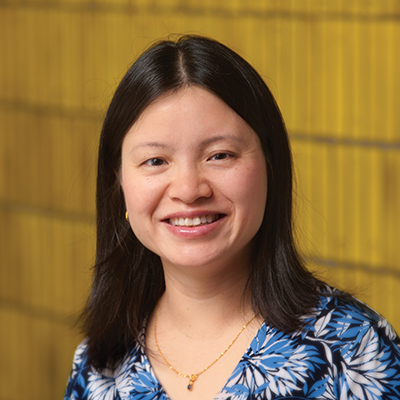
Thao (Vicky) Nguyen is a Professor of Mechanical Engineering at Johns Hopkins University, with a secondary appointment in the Department of Materials Science and Engineering. She is co-Deputy Director of the Hopkins Extreme Materials Institute (HEMI). Her research focuses on biomechanics of soft engineering and biological materials, including adaptive polymers, fracture mechanics, and ocular biomechanics related to glaucoma. Key collaborators include the National Eye Institute and National Science Foundation. Nguyen holds a B.S. from MIT (1998), and M.S. and Ph.D. from Stanford (2000, 2004). She previously worked at Sandia National Laboratories. Awards include the James R. Rice Medal (2025), NSF CAREER Award, and multiple ASME honors. Her lab integrates experimental and computational approaches, with notable work on shape-memory polymers and scleral biomechanics. Research interests include collagen growth, liquid crystal elastomers, and architected materials. She leads studies on optic nerve head mechanics, funded by DOD, NEI, and BrightFocus. Nguyen serves on editorial boards for ASME journals and professional societies.