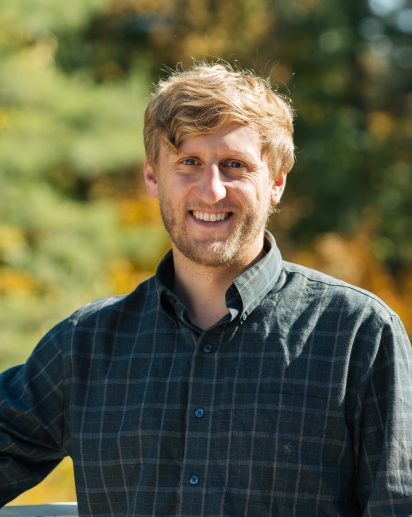
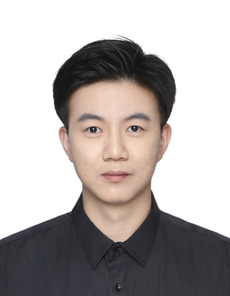
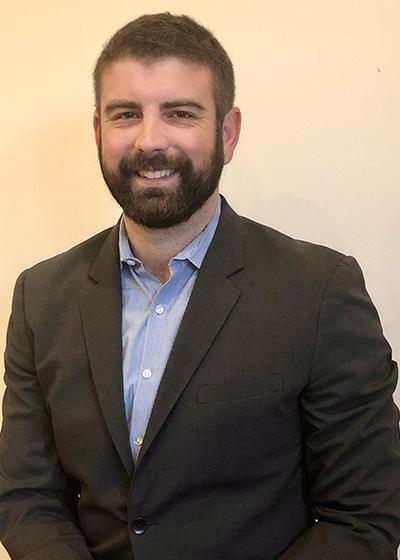
Prof. Dr. Gerhard Wilde is a faculty member at the Institute of Materials Physics , University of Münster , Germany. He specializes in materials physics with a focus on metallic glasses , atomic transport , plasticity in fine-scale materials , and phase transformations in nanoscale systems . His group employs advanced techniques like transmission electron microscopy , radiotracer diffusion measurements , and calorimetry to study these phenomena.
Deepoo Kumar is an Assistant Professor in the Department of Metallurgical Engineering and Materials Science at the Indian Institute of Technology Bombay. His work bridges fundamental thermodynamics and industrial metallurgical processes, with strong affiliations to pyrometallurgy and materials processing. Education: B.Tech & M.Tech, Metallurgical Engineering and Materials Science, IIT Bombay (2013) M.S., Materials Science and Engineering, Carnegie Mellon University (2016) Ph.D., Materials Science and Engineering, Carnegie Mellon University (2018) His research interests include steelmaking and casting, refractory interactions with steel and slag, additive manufacturing, metal recycling, thermodynamics and kinetics of metallurgical processes, mass transport in pyrometallurgical systems, and inclusion characterization. His work emphasizes both experimental and modeling approaches to improve steel quality and process efficiency. The recent publications reflect a strong focus on kinetic modeling of ladle refining, MgO inclusion behavior, advanced microstructural analysis using plasma FIB, and innovative use of slags in nanostructure synthesis via the VLS mechanism. These works span journals such as Metallurgical and Materials Transactions B and Ceramics International , indicating expertise in both ferrous metallurgy and ceramic materials. Scientific Awards: No awards listed in the provided text. Regarding advising and grants, there is no explicit mention of students supervised or external funding secured in the available information. However, his active publication record since 2013 suggests ongoing research engagement and potential supervision of graduate students at IIT Bombay. There is no specific mention of laboratories or research teams led by Dr. Kumar in the provided text, though his research areas suggest involvement in high-temperature processing, inclusion analysis, and kinetic modeling facilities within the MEMS department.
Dierk Raabe serves as Professor at RWTH Aachen University and Director of the Department of Microstructure Physics and Alloy Design at the Max Planck Institute for Sustainable Materials in Düsseldorf. His leadership spans computational materials science, sustainable metallurgy, and advanced alloy development, with emphasis on creating innovative materials for energy, mobility, and health applications through physics-based design approaches. Raabe earned his academic credentials at RWTH Aachen University, completing his Diploma (1984-1990, summa cum laude), Dr.-Ing. (1990-1992, summa cum laude), and Habilitation (1992-1997) in Metallurgy and Metal Physics. Prior to his doctoral studies, he attended Musikhochschule Rheinland (1983-1984) for music education. His research centers on integrating thermomechanical processing, atomic-scale characterization, and computational modeling to develop next-generation materials. Key focus areas include atom probe tomography, crystal plasticity finite element modeling, high-entropy alloys, and sustainable metallurgical processes. Raabe pioneered the DAMASK simulation toolbox for crystal mechanics and multiphysics property prediction. His distinctive approach combines theory, characterization, and development to invent alloys with exceptional strength, ductility, and damage tolerance while addressing hydrogen embrittlement and decarbonization challenges. Recent publications (2025) reveal strong emphasis on sustainable metallurgy, particularly hydrogen-based iron reduction and high-entropy alloy design. His team investigates atomic-scale hydrogen barriers, plasma reduction of iron ores, and sustainable aluminum recycling. The work bridges fundamental atomic phenomena with industrial applications for CO2-free metal production, showcasing his leadership in transforming materials science toward circular economy principles. Gottfried-Wilhelm-Leibniz Prize (2004) ERC Advanced Grants (2012, 2022) Acta Materialia Gold Medal (2022) Lee Hsun Lecture Award (2008) Weinberg Lecture Award (2011) Multiple Best-Paper Awards across major materials journals Membership in German National Academy of Sciences Leopoldina Raabe has supervised over 70 PhD students, many now holding leadership positions in global industry and academia. His research is supported by major grants including two ERC Advanced Grants and extensive industrial collaborations focused on sustainable materials development. He previously served on the German Science Council (2010-2016) and chaired RWTH Aachen's University Council (2012-2016). Leading the Department of Microstructure Physics and Alloy Design at the Max Planck Institute, Raabe directs teams combining experimental characterization (including state-of-the-art atom probe tomography) with computational modeling. Current flagship projects include CO2-free metal production through hydrogen plasma reduction and designing high-performance sustainable alloys, with the DAMASK simulation platform serving as a cornerstone for multi-scale materials design.
Colin R. Meyer is an Associate Professor of Engineering and Adjunct Assistant Professor of Earth Sciences at Dartmouth College , leading research in the Changing Polar Regions academic cluster. His work bridges engineering and earth sciences through studies of ice mechanics, fluid dynamics, and planetary cryospheres. BS in Civil and Environmental Engineering, UC Berkeley (2012) MASt in Mathematical Tripos, University of Cambridge (2013) PhD in Applied Mathematics, Harvard University (2017) Research focuses on fluid dynamics in polar systems, including snow compaction , glacier sliding mechanics , and icy satellite geology . His team developed simplified models for subglacial hydrology and studied power-law premelting in glacial systems. Recent awards include the Neukom Institute CompX Faculty Grant (2022) and multiple NASA grants for Greenland and Mars hydrology studies. He collaborates internationally, including work with Pakistani researchers on Himalayan glacier hazards. Meyer leads the Ice Fluid Dynamics Lab , advising graduate researchers and contributing to Dartmouth's ice+climate seminars . His teaching includes courses on fluid mechanics and polar engineering .
Dr. Rui Li serves as a Postdoctoral Researcher and Emmy-Noether Group Leader at the Karlsruhe Institute of Technology's Institute of Nanotechnology, specializing in the Mechanics of Nanoscale Materials research unit. Based in Eggenstein-Leopoldshafen, Germany, her work pioneers femtosecond laser-based fabrication techniques for functional nanoarchitectures with direct biomedical applications, particularly in microrobotics for targeted therapy and microscale manipulation within physiological environments. Her research spans four interconnected domains: Nanoarchitected Metamaterials: Designing materials with engineered nanoscale architectures for enhanced mechanical, magnetic, and optical properties Advanced Microfabrication: Developing femtosecond laser 3D/4D printing methods for metals, alloys, and polymers at micro/nanoscale resolution Intelligent Microrobotics: Creating magnetically actuated microswimmers capable of complex locomotion in biological fluids and adaptive shape-morphing Biomedical Translation: Applying microscale systems to cancer therapy, neural tissue engineering, and microfluidic manipulation Dr. Li's interdisciplinary approach integrates mechanical engineering principles with cutting-edge materials science to solve critical challenges in minimally invasive medicine. Analysis of her 15 most recent publications (2021-2025) reveals a strategic evolution from fundamental fabrication techniques toward increasingly sophisticated functional systems. Key trends include: Transition from static microstructures to reconfigurable, environmentally adaptive microrobots with multi-stimuli responsiveness Integration of multi-material printing (metals, alloys, polymers) to achieve unprecedented functional complexity Development of blood-flow-compatible magnetic actuation systems enabling in vivo navigation Convergence of optical, magnetic, and thermal control mechanisms for precise spatiotemporal manipulation This trajectory demonstrates a clear focus on translating nanoscale material innovations into clinically viable microscale robotic solutions. No scientific awards or fellowship distinctions were documented in the source materials. Similarly, there is no mention of graduate student supervision or externally funded research grants. Dr. Li leads the Emmy-Noether-funded Nanoarchitected Metamaterials group within KIT's Institute of Nanotechnology infrastructure, leveraging the Karlsruhe Nano Micro Facility's (KNMF) advanced femtosecond laser systems and cleanroom facilities. Her team maintains active collaborations across KIT's engineering and medical faculties to advance microscale robotic systems for biomedical applications.
Gerhard Wilde is a Professor at the Institute of Materials Physics, University of Münster, Germany. His research focuses on nanostructured materials and disordered systems, with a strong emphasis on atomic diffusion, grain boundary dynamics, and the mechanical behavior of advanced metallic alloys such as high-entropy alloys and bulk metallic glasses. His primary research interests include Materials Physics , Nanostructured Materials , Bulk Metallic Glasses , High-Entropy Alloys , Atomic Diffusion , and Severe Plastic Deformation . His work combines experimental techniques like transmission electron microscopy (TEM) and tracer diffusion measurements with theoretical modeling to understand fundamental material behaviors at the atomic scale. The most recent articles highlight a strong trend in studying diffusion mechanisms in complex alloys, structural relaxation in metallic glasses, and the development of advanced materials for energy applications. There is a consistent focus on interfacial phenomena, phase transformations, and the impact of non-equilibrium processing on material properties. Editor-in-Chief of the Beilstein Journal of Nanotechnology (since November 2022) Professor Wilde leads an active research group, supervising students and postdoctoral researchers. His work is supported by significant research grants and collaborations, particularly in the fields of diffusion, nanomaterials, and energy materials. He is involved in extensive national and international collaborations, as evidenced by his co-authorship with researchers from various institutions. His research group operates within the Institute of Materials Physics, equipped with advanced facilities for materials synthesis, characterization (including electron microscopy), and physical property measurements. The lab specializes in the preparation and analysis of nanoglasses, severely deformed materials, and high-entropy alloys.
Darren Pagan is an Assistant Professor of Materials Science and Engineering at Pennsylvania State University and holds the Norris B. McFarlane Faculty Career Development Professorship . He is also an Associate of the Institute for Computational and Data Sciences (ICDS) and affiliated with the Intercollege Graduate Degree Program (IGDP) in Materials Science and Engineering , which emphasizes cross-disciplinary collaboration across Penn State. Ph.D., M.S., and B.S. in Mechanical Engineering from Cornell and Columbia Universities Former postdoctoral researcher at Lawrence Livermore National Laboratory Former staff scientist at Cornell High Energy Synchrotron Source (CHESS) Pagan's research focuses on quantifying material deformation through X-ray scattering techniques , mechanical modeling , and machine learning . He develops novel in-situ and in-operando characterization methods to study microstructure evolution in metallic alloys and ceramics under dynamic conditions. Recent research trends include dwell fatigue in Ti alloys , slip transfer mechanisms , multiscale fracture modeling , and machine learning for additive manufacturing . His work combines X-ray diffraction , finite element simulations , and fractional-calculus frameworks to advance materials design. Scientific Awards 2024 TMS-AIME Robert Lansing Hardy Award 2024 TMS-AIME Champion H. Mathewson Award 2020 AFOSR Young Investigator Award Pagan's collaborations span multiple institutions, including Lawrence Livermore National Laboratory and Cornell High Energy Synchrotron Source. He has contributed to beamline development projects (Structural Materials Beamline and FAST beamline) and leads cross-disciplinary research efforts in the IGDP in Materials Science and Engineering.
Dr. Vincent Roche is a Research Fellow at the University College Dublin in the School of Earth Sciences . His research focuses on structural geology, tectonics, and induced seismicity, with expertise in seismic interpretation and geomechanical modeling. Research Interests : 3D fault geometry and segmentation Induced seismicity mechanisms Fluid-rock interactions in fault zones Petrophysical and mechanical rock properties Geothermal system structural controls Scientific Contributions : Analyzed fault system evolution across multiple tectonic settings using high-resolution seismic data and field studies. Developed models for stress distribution in layered rocks and displacement transfer in conjugate fault systems. Awards : Marie Skłodowska-Curie Fellowship (2021-2023) under Horizon 2020 Professional Activities : Regular reviewer for journals including Environmental Earth Sciences , Geophysics , and SPE Journal . Utilizes geomodeling software such as Traptester, Move 3D, and Gocad for structural analysis.
Paul H. Simms is a Professor at Carleton University, affiliated with the Department of Civil and Environmental Engineering. He holds degrees including B.E.Sc., M.E.Sc., and Ph.D. from Western Ontario and is a licensed Professional Engineer (P.Eng.). His office is located in room 3432 of the C.J. Mackenzie Building in Ottawa, Canada. Education: B.E.Sc., M.E.Sc., Ph.D. (Western Ontario), P.Eng. Prof. Simms specializes in Mine Waste Management and Thickened Tailings Disposal , with a focus on fundamental unsaturated soil mechanics, evolution of soil microstructure due to drying, and reclamation of mine tailings impoundments. His research integrates experimental studies, numerical modeling, and field-scale applications to reduce environmental risks from mining operations. His work is supported by Canadian granting agencies such as NSERC and CFI, as well as industry partnerships. Key research themes include desiccation processes, rheology of tailings, and geotechnical properties of amended soils. Scientific Awards: 2011 Research Achievement Award, Carleton University Prof. Simms has supervised numerous graduate students, including 31 M.A.Sc. and Ph.D. candidates, with thesis topics spanning polymer-based tailings consolidation, evaporation effects, soil microstructure analysis, and mine waste reclamation. He leads the Carleton University Tailings Research Group , which collaborates with research engineers, postdoctoral fellows, and external institutions to address challenges in mine tailings management and environmental geotechnics.
Christopher Aris is a Lecturer in Forensic Anthropology/Archaeology at the Department of Forensic Science, Lennard-Jones School of Chemical and Physical Sciences, Keele University. With expertise in dental anthropology and forensic pedagogy, he contributes to research and education at the intersection of forensic science, bioarchaeology, and human osteology. BSc (Hons) in Biological Anthropology, University of Kent MSc in Human Osteology and Funerary Archaeology, University of Sheffield PhD in Dental Anthropology, University of Sheffield (2021) His research focuses on dental anthropology , particularly enamel growth patterns and taphonomic changes in teeth post-mortem, utilizing polarized light microscopy and thin-section histology. In forensic pedagogy , he investigates optimal methods for teaching forensic science using human remains, collaborating with forensic scientists, bioarchaeologists, and anatomists. Recent publications highlight trends in enamel microstructure analysis across temporal populations (2000-year British studies), sex determination from teeth, and ethical considerations in forensic education. His work bridges biological anthropology with forensic applications, emphasizing community engagement through museum partnerships. Certified Forensic Anthropologist, Royal Anthropological Institute Trustee, British Association for Biological Anthropology Aris welcomes supervision opportunities in dental anthropology, human osteology, and forensic anatomy. He actively promotes accessible scientific outreach through workshops and lectures.
Mahyar Fazeli is a Postdoctoral Researcher at the School of Chemical Engineering , Aalto University . His research focuses on developing sustainable composite materials through innovative processing techniques, including the utilization of textile waste, agricultural byproducts, and lignocellulosic biomass. Current Affiliation: Aalto University, Bioproducts and Biosystems Research Groups: Bioproduct Technology, Postdoctoral Researcher Research Interests include composite material design, biopolymer processing, and environmental impact assessment. His work addresses challenges in sustainable manufacturing, carbon footprint reduction, and functional packaging solutions. Recent Publication Trends highlight advancements in biocomposites, with emphasis on Textile waste recycling Life cycle assessment Hydrogel-based additive manufacturing Lignin valorization Cellulose nanofiber integration Biomedical device fabrication Labs & Teams : Collaborates with interdisciplinary researchers in composite development, including teams led by Prof. Orlando J. Rojas, Prof. Jukka Seppälä, and Prof. Eero Kontturi.
Dr. Mohammad Saadatfar is a Research Fellow in the Department of Materials Physics at the Australian National University, where he contributes significantly to the X-ray tomography and applications research group. With a PhD qualification and over 80 publications spanning two decades, his research focuses on advanced imaging techniques and materials characterization, particularly in complex material systems. Dr. Saadatfar's research interests center on X-ray tomography applications in materials science, with particular expertise in: Granular materials and foam structures characterization Computational modeling of material deformation and failure In-situ imaging of dynamic processes in geomaterials Biomimetic materials design and analysis Micro-CT applications for failure analysis His recent publications demonstrate a strong focus on applying advanced X-ray micro-CT techniques to study complex material behaviors across multiple domains. Key trends include investigating texture-breakage coupling in copper ores, wettability alteration in sandstone for carbon sequestration applications, and the mechanical properties of biomimetic and foam structures. His work bridges fundamental materials science with practical engineering applications through detailed 3D analysis of material responses under various loading conditions. As an active member of the X-ray tomography and applications research group, Dr. Saadatfar collaborates with researchers across disciplines to advance imaging methodologies and their applications in materials characterization. His laboratory work leverages state-of-the-art microtomography systems for in-situ studies of material failure and fragmentation processes in diverse material systems ranging from metallic foams to geological formations.
Dr. Shicheng Yu is a researcher at the Research Center Jülich GmbH , affiliated with the Institute of Energy Technologies (IET) under the Fundamentals of Electrochemistry (IET-1) department. His work focuses on solid-state battery technologies, electrochemical stability, and advanced energy storage materials. Research Interests Dr. Yu’s research spans Solid-State Battery Engineering Electrochemical Interface Design Ion Transport Mechanisms Material Degradation Analysis Hybrid Energy Systems with a particular emphasis on lithium/sodium metal batteries and computational electrochemistry. Scientific Contributions His recent publications (2023-2025) highlight innovations in 3D Electrode Architectures Garnet/LATP Electrolyte Optimization Non-Radiative Recombination Suppression Nano-Scale Interface Engineering for next-generation energy storage solutions.
Dr. Thomas Kadyk is a researcher at Forschungszentrum Jülich, affiliated with the Institute of Energy Technologies (IET), specifically its department for 'Theory and computational modeling of materials in energy engineering' (IET-3). His work focuses on computational modeling and physical analysis of electrochemical energy systems, including PEM fuel cells, solid oxide cells, and redox flow batteries. Institute: Institute of Energy Technologies (IET) Department: Theory and computational modeling of materials in energy engineering (IET-3) His research emphasizes electrochemical impedance spectroscopy , transport phenomena , and degradation modeling in energy devices. Recent work explores inductive loop impedance, parasitic gas evolution reactions, and water saturation dynamics in fuel cells. He employs multi-scale simulations and analytical models to bridge microstructural effects with macroscopic performance. Key article trends include: Development of physics-based models for fuel cell diagnostics Analysis of degradation mechanisms in PEM and solid oxide systems Integration of computational fluid dynamics with electrochemical processes Advancements in transient testing methodologies for water transport prediction Applications to aviation power systems and cryogenic hydrogen storage
Dr. Luke Holbrook is a Full Professor in the Department of Biological & Biomedical Sciences at Rowan University's College of Science & Mathematics. He specializes in the phylogeny and evolution of mammals, particularly perissodactyls (horses, rhinos, tapirs), using anatomical data from fossils and living species to reconstruct evolutionary relationships and analyze trait convergence. Post-Doctoral Associate, New York College of Osteopathic Medicine Ph.D. in Biology, University of Massachusetts M.S. in Biology, University of Massachusetts B.S. in Biology, Fordham University Dr. Holbrook's research focuses on mammalian evolutionary history, including the origin of perissodactyls in India, the role of the end-Cretaceous extinction in placental mammal diversification, and the convergent evolution of complex traits like large body size and tooth morphology. His work integrates fossil data with molecular clocks to determine lineage divergence timing. His 15 most recent publications span topics such as placental mammal brain evolution, early Eocene mammal biogeography, dental adaptations in perissodactyls, and vertebral specialization in hoofed mammals. These studies employ methodologies including cladistics, geometric morphometrics, and microCT scanning for virtual specimen analysis. Dr. Holbrook teaches courses in evolution, comparative anatomy, and interdisciplinary biology/history. He collaborates internationally with institutions like the American Museum of Natural History and uses advanced imaging technology in his lab. While no formal awards are listed here, his research has been widely shared across academic and mainstream platforms.