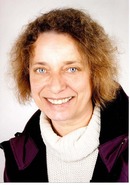
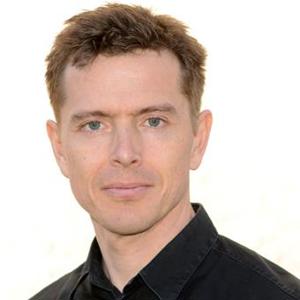
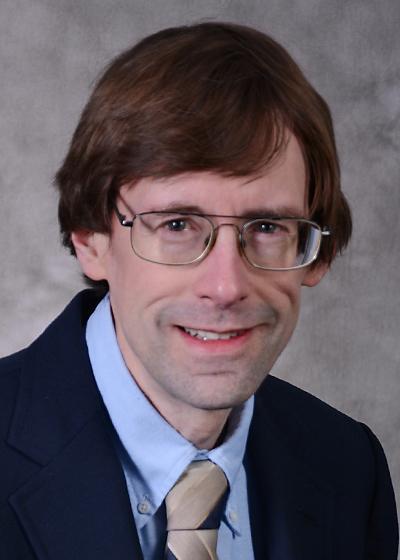
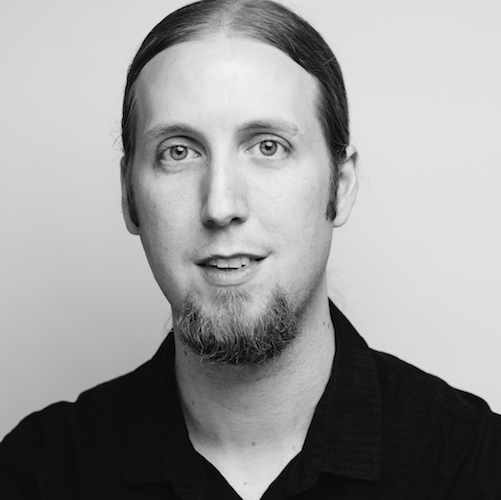
Prof. Dr. Gisela Grupe is a faculty member at LMU Munich, specializing in anthropology, environmental history, archaeometry, and biological trace science. Her research integrates isotopic analysis with bioarchaeology to study human and animal mobility, diet, and provenance in historical contexts. Key projects include leadership in the DFG Research Group FOR 1670 on Transalpine mobility and culture transfer. Collaborations span institutions in Germany, Lithuania, France, USA, and Italy, focusing on Bronze/Iron Age Mongolia, Roman archaeology, and medieval mining regions. Her recent publications emphasize multi-isotope methodologies (strontium, oxygen, lead) for provenance analysis, cremation studies, and paleoenvironmental reconstruction. Collaborative work with the Bavarian Academy of Sciences and international universities underscores her interdisciplinary approach. Her research extends to ethical considerations in the treatment of archaeological human remains, reflecting broader societal and historical contexts.
Prof. Indradev Samajdar is a full Professor in the Department of Metallurgical Engineering and Materials Science at the Indian Institute of Technology Bombay (IIT Bombay), where he has served since 1998, progressing from Assistant Professor to Associate Professor and full Professor in 2007. He is actively engaged in advanced research in materials science and metallurgy. Academic Background: B.E., Jadavpur University (1987) M.S., University of Texas at El Paso (1991) Ph.D., Drexel University (1994) His research focuses on crystallographic texture , microstructural engineering , and thermomechanical processing of metallic materials. His work bridges experimental characterization with modeling to understand and control microstructure evolution during industrial processing of steels and alloys. He has led major research projects with Tata Steel, JSW, DRDO, SERB, and international partners such as Sandvik Materials Technology, Sweden. The recent publications highlight a strong emphasis on the influence of crystallographic texture on material behavior, including oxidation resistance, deformation heterogeneity, and phase transformation kinetics. His work integrates advanced microstructural analysis with mechanical performance, particularly in zirconium alloys, stainless steels, and dual-phase steels. No scientific awards were explicitly mentioned in the text. Prof. Samajdar has secured significant sponsored research funding as Principal Investigator (PI) from Tata Steel, SERB, DRDO, and AUSC-IGCAR/DHI, with individual projects valued up to 5 crore INR. He also serves as Co-PI on DRDO projects. His research group has contributed to patents in grain boundary engineering of stainless steels, demonstrating translational impact. While specific students are not listed, his active PhD admission page and research group indicate ongoing student supervision. His laboratory conducts advanced research in texture analysis, residual stress measurement, and microstructure-property correlation, supported by collaborations with national laboratories (IGCAR) and global industrial partners (Sandvik, Tata Steel, JSW).
Jens Norrman is a Senior Engineer at the Ugelstad Laboratory, Department of Chemical Engineering, Norwegian University of Science and Technology (NTNU). He holds a Master's and PhD in Physical Chemistry from the University of Lund, Sweden, with dissertation work on polymer-surfactant interactions and water swelling of polymer-surfactant coaservates. Currently, he serves as group manager for the Ugelstad Laboratory, responsible for laboratory administration and instrumentation operations (DSC, rheometer, QCM-D). PhD in Physical Chemistry from Lund University Master in Physical Chemistry from Lund University His research focuses on colloid and physical chemistry applications in petroleum systems, including wax inhibition mechanisms, nanoparticle adsorption, and CO2 absorption in liquid crystals. His work integrates experimental and modeling approaches to address flow assurance challenges in oil production through polymer and nanoparticle additives. Recent publications highlight multidisciplinary contributions spanning wax inhibitor molecular weight effects (2021), surfactant flooding modeling (2020), CO2-liquid crystal phase behavior (2019), and biopolymer viability in enhanced oil recovery (2016). Key themes include polymer-surfactant interactions, colloidal system stability, and rheological behavior of wax-oil systems. As laboratory contact for external users, he bridges academic research with industry applications through his work on wax problems in petroleum under Equinor's VISTA research program. His technical responsibilities include maintaining advanced analytical instruments crucial for chemical engineering research.
Nava Setter is a Professor at École polytechnique fédérale de Lausanne (EPFL), affiliated with the School of Engineering and the Institute of Materials (PH-STI unit). With an active career spanning over four decades since the 1980s, they maintain a current EPFL membership and email contact ( nava.setter@epfl.ch ). Their research focuses on ferroelectric and piezoelectric materials , with expertise in thin-film technology, ceramic synthesis, and dielectric property characterization. Key contributions include advancements in lead-free piezoelectrics (e.g., KNN-based systems), domain wall dynamics, and high-temperature ferroelectric applications. Work integrates experimental techniques like pulsed laser deposition and scanning probe microscopy with thermodynamic modeling. Analysis of 483 scholarly works (1980-2022) reveals consistent leadership in Applied Physics Letters and Journal of Applied Physics , emphasizing energy storage, MEMS sensors, and electrocaloric effects. Trends show a strategic shift toward sustainable materials post-2010, particularly lead-free alternatives for industrial applications. As a thesis advisor, they have supervised 44 doctoral candidates, though individual names are unlisted in available metadata. Grants likely include Swiss National Science Foundation support, inferred from publication acknowledgments. Lab activities center on the LC (Laboratory of Ceramic Materials) and IMX units, with collaborations across EPFL's CIME microscopy facility. Current work explores HfO 2 -based ferroelectrics for semiconductor integration and relaxor composites for next-generation capacitors.
Per Persson is a Professor and Head of Unit at Linköping University's Department of Physics, Chemistry and Biology (IFM), specializing in advanced electron microscopy and materials science. He leads the Electron Microscopy of Materials unit and has been instrumental in developing Ångströmhuset, one of the world's most advanced microscopy facilities. PhD in Materials Science, Linköping University (2001) Postdoctoral research at University of Illinois (2002-2003) Extensive international experience in electron microscopy and materials characterization His research focuses on atomic-scale characterization of materials, particularly MXenes. Key areas include: Defect engineering in 2D materials Surface chemistry and stability of MXenes Development of advanced electron microscopy techniques Energy storage applications in nanomaterials Structure-property relationships in low-dimensional systems Materials tailoring at atomic resolution Recent research trends show strong emphasis on: Atomic-scale defect manipulation via chemical etching Topological insulator characterization using polarized spectroscopy Epitaxial growth engineering with oxide seed layers Electronic structure analysis of alloyed nitrides Radiation effects on nuclear materials Scientific achievements include: VR Special Researcher (2008-2014) SSF Infrastructure Fellow (2015-2020) Principal Investigator at Advanced Functional Materials His grants and infrastructure leadership have resulted in: Procurement of northern Europe's most advanced electron microscope SEK 44 million WISE grant for materials research equipment Over SEK 100 million investment in microscopy infrastructure Leadership in multiple Swedish Research Council projects As a founding figure in Ångströmhuset, Persson oversees a research environment serving >100 users, blending experimental and theoretical approaches to materials design.
Marco Rossi is an Associate Professor at Marche Polytechnic University in the College of Engineering , affiliated with the Department of Industrial Engineering and Mathematical Sciences . His research focuses on Mechanical Engineering and Materials Science , particularly the plasticity and fracture mechanics of sheet metals and additive manufacturing materials , utilizing advanced techniques like digital image correlation and inverse problems in computational mechanics . Scientific Sector: IIND-03/A - Mechanical Design and Machine Construction Contact: m.rossi@staff.univpm.it , via Brecce Bianche, Ancona, Italy His work emphasizes 3D anisotropic plasticity models , material calibration for sheet metal forming , and thermomechanical characterization of metals. Recent publications highlight applications of virtual fields method (VFM) and finite element model updating (FEMU) in optimizing experimental setups for additive manufacturing and high-strain testing . Key Research Areas: Mechanical Design Plasticity Modeling Digital Image Correlation Inverse Identification 3D Printing Material Behavior Tensegrity Structural Systems
Benjamin Bevans is a Research Assistant Professor in the Department of Industrial & Systems Engineering at the University of Oklahoma. His work focuses on advanced manufacturing through data analytics, machine learning, and in-situ process monitoring in Additive Manufacturing (AM) systems. Ph.D., Industrial & Systems Engineering, Virginia Tech B.S., Mechanical & Materials Engineering, University of Nebraska-Lincoln Research domains include Physics-Based Machine Learning for thermal history control in Laser Powder Bed Fusion (LPBF), Computer Vision for defect detection, and Quality Assurance through heterogeneous sensor integration. He specializes in Wire Arc Additive Manufacturing (WAAM) and Directed Energy Deposition (DED) processes. Recent publications highlight trends in autonomous control systems for AM, Bayesian transfer learning for in-situ qualification, and multi-sensor fusion for flaw detection. His work bridges materials science and process optimization in metal AM. He is based at the Sooner Advanced Manufacturing Laboratory in Norman, Oklahoma, and his research has been published in top journals such as Additive Manufacturing and Journal of Materials Processing Technology .
Anna Lähde is a Professor in Aerosol Technology at the Department of Environmental and Biological Sciences, University of Eastern Finland. She leads the Sustainable Materials Group at the Fine Particle and Aerosol Technology Laboratory . Her work focuses on the synthesis and characterization of sustainable nano- and microparticles for clean energy and environmental applications. Academy of Finland Research Fellow (2017-2022) Specializes in graphene, carbon nanostructures, and metal oxides via aerosol processes Key methods: induction annealing, chemical vapor synthesis, spray pyrolysis Her research spans Li-ion battery materials , water treatment nanocomposites , and toxicological analysis of airborne particles . She has published extensively on carbon-based anode materials , photocatalytic systems , and environmental applications of aerosol technology . Recent work includes CO2 adsorption catalysts and biomass-derived graphene . She has received recognition through the Academy of Finland Fellowship and contributes to circular economy projects like EKOAKKU.
Randy L. Vander Wal is a Professor at The Pennsylvania State University, holding appointments in the John and Willie Leone Family Department of Energy and Mineral Engineering, Materials Science and Engineering, and Mechanical Engineering within the College of Earth and Mineral Sciences. His research spans multiple areas of energy and materials science with a strong focus on nanomaterials synthesis and characterization. Dr. Vander Wal's research interests include energy generation through nanostructured catalysts for hydrocarbon processing, energy utilization through metal oxide gas sensors, energy conversion through nanostructured lubricants, and energy storage through new battery materials. His expertise also covers laser diagnostics for measuring species, temperature, pressure and flow, as well as various analytical methods including microplasmas and laser-based techniques like LIBS, LIF, LII, CRD, and DFWM. His work in materials chemistry focuses on nanomaterial syntheses using methods such as CVD, plasma, electrospinning, combustion, aerosol, mechanical processes and ablation, followed by comprehensive characterization and application testing. A significant contribution to the field was coining the term 'nanostructure' to describe the atomic layer planes comprising soot, enabling statistical comparison through custom algorithms developed specifically for HRTEM image quantification. Dr. Vander Wal's research portfolio demonstrates strong trends in carbon nanomaterials, particularly graphene and other graphitic forms, with applications spanning energy conversion, environmental monitoring, and advanced composites. His recent publications show increasing focus on sustainability applications, decarbonization technologies, and environmental health impacts of combustion products. His academic contributions extend to teaching courses including EGEE 120: Oil: International Evolution, ENVSE 406: Sampling and Monitoring of the Geo-Environment, FSC 431: Chemistry of Fuels, and several advanced graduate courses in nanotechnology and catalytic materials. His educational background includes a Ph.D. in Chemical Physics from The University of Wisconsin with research on 'The Vibrationally Mediated Photodissociation of Water,' and undergraduate degrees in Physics, Chemistry, and Math from Calvin College.
Prodromos Vlamis serves as an Associate Professor of Financial Analysis at the Department of Economics within the School of Economics, Business and International Studies at the University of Piraeus, where he has held academic positions since 2018 after progressing from Assistant Professor (tenured) roles. His academic journey includes significant international experience with appointments at Harvard University, the London School of Economics, and the University of Cambridge, where he also taught as a Lecturer in Finance at age 28. Education: B.Sc. from Athens University of Economics (1991-1995) M.Sc. in Economics from University of York (1995-96) M.Phil. and Ph.D. in Financial Analysis from University of Cambridge (1999-2004) Vlamis specializes in the intersection of real estate markets and financial systems, with particular emphasis on how ESG criteria, sovereign debt crises, and monetary policy affect property markets. His research demonstrates how Greek fiscal challenges have uniquely impacted real estate dynamics, revealing asymmetric price adjustments in energy markets and spatial effects of property investments on regional growth. His methodological approach combines advanced econometric modeling with practical financial analysis, particularly evident in his work on credit risk assessment of real estate companies and interest rate pass-through mechanisms. His scholarly impact is reflected in 44 publications including 18 papers in reputable international journals such as Journal of Real Estate Finance and Economics, International Journal of Finance and Economics, and Economic Modelling. His work has been cited 737 times according to Google Scholar (h-index 13), with notable inclusion in teaching materials at Geneva University, Carleton University, and Ohio State University. Harold A. Pollman Fellowship in Real Estate and Urban Development (Harvard) British Chevening/De La Rue Scholarship Isaac Newton Studentship (Cambridge) Harold Samuel Scholarship (Cambridge) Leventis Foundation Scholarship Vlamis has advised numerous government bodies including Greece's Ministry of Finance and Ministry of Economy, serving as external evaluator for Greek higher education institutions. His teaching portfolio spans undergraduate courses in Financial Analysis and Real Estate Markets to graduate courses in Real Estate Financing and International Financing, reflecting his dual expertise in theoretical finance and practical real estate economics. He maintains active research collaborations with institutions worldwide and serves on editorial boards of Eurasian Journal of Economics and Finance, Panoeconomicus, and Economics and Finance Notes, demonstrating ongoing scholarly engagement in his specialized fields.
R. Byron Pipes is the John L. Bray Distinguished Professor of Engineering at Purdue University's College of Engineering, holding affiliations with the Departments of Aeronautics and Astronautics, Chemical Engineering, and Materials Engineering. His research focuses on advanced composite materials, additive manufacturing, polymer processing, and the development of novel manufacturing techniques for high-performance materials. He is particularly known for contributions to composite structure optimization, thermoplastic composites, and material characterization via computational and experimental methods. Dr. Pipes' work integrates multi-scale modeling, digital thread integration, and machine learning to address challenges in composite manufacturing, including fiber orientation control, thermal management, and defect prediction. His research bridges fundamental material science with applied engineering solutions, emphasizing sustainability through upcycling strategies and energy-efficient processes. He has pioneered methodologies for compression molding of prepreg platelet composites, stamp forming of thermoplastics, and embedded heating systems in additive manufacturing. His academic leadership includes roles on committees such as the Dean's Awards Committee, reflecting his institutional contributions. Scientific recognition includes the prestigious John L. Bray Distinguished Professorship, underscoring his impact on engineering education and research. His lab focuses on translating innovations from computational simulations to real-world manufacturing applications, with a strong emphasis on aerospace and automotive material systems.
David Johnson is an Associate Professor of Political Science and an Assistant Professor of Industrial Engineering at Purdue University's College of Liberal Arts. He holds a Ph.D. in Policy Analysis from the Pardee RAND Graduate School (2013), a MASt in Mathematics from the University of Cambridge (2005), and a B.S. in Mathematics from North Carolina State University (2003). His research focuses on developing simulation models, economic analysis tools, and decision support systems to address environmental policy challenges, particularly climate change adaptation and flood risk management. He leads the development of Louisiana’s Comprehensive Master Plan flood risk model and explores bioenergy, water scarcity, and agricultural sustainability. His interdisciplinary work bridges public policy, environmental science, and engineering systems. Dr. Johnson’s research emphasizes uncertainty analysis, tradeoff assessment, and policy evaluation. His recent studies include optimizing flood protection systems, evaluating bioenergy’s greenhouse gas impacts, and analyzing long-term agricultural practices. While no formal student advisees are listed, his work intersects with engineering and environmental disciplines. Awards or grants are not explicitly mentioned in the provided materials. His academic roles span political science and industrial engineering, reflecting his dual focus on policy analysis and technical systems. He collaborates across disciplines to address complex environmental challenges, leveraging mathematical and computational modeling expertise from his academic background.
Prof. Tom M. Mitchell is a Professor of Earthquake Geology & Rock Physics at University College London, part of the Rock and Ice Physics Laboratory. His research focuses on experimental rock deformation, fault zone dynamics, and field geology, with applications to earthquake mechanics, geothermal systems, and lunar geology. Education: Ph.D. in Geology (2007), University of Liverpool B.Sc. (1st Class Honors) in Geology (2003), University of Liverpool Associate Fellow of the Higher Education Academy (2014) Research Interests: Experimental rock deformation under simulated geological conditions Field studies of fault zones and their seismic properties Integration of laboratory and field approaches to understand fault mechanics and fluid flow Lunar and planetary geology, including regolith analysis Geothermal energy and fluid migration in fractured systems Labs/Teams: Rock and Ice Physics Laboratory (UCL) SeismoLab Collaborations with international institutions including INGV (Rome), Brown University, and Hiroshima University Grants/Advising: Contributor to London NERC Doctoral Training Partnership programs Supervised numerous postdoctoral researchers and visiting scholars globally Active in interdisciplinary projects linking geophysics, structural geology, and planetary science
Prof. Tao Sun is an Associate Professor of Mechanical Engineering at Northwestern University, leading the FAST-AM Lab. His research focuses on advancing additive manufacturing technologies through fundamental studies of energy-matter interactions, process monitoring, and material characterization using synchrotron X-ray imaging and machine learning. He holds a PhD from Northwestern University and MS/BS degrees from Tsinghua University. Education : PhD (Northwestern), MS/BS (Tsinghua University) Research interests include additive manufacturing processes (laser powder bed fusion, directed energy deposition), in situ/operando characterization, machine learning for defect detection, and synchrotron-based techniques. Recent work emphasizes real-time process monitoring and optimizing microstructural control. Publications span porosity mechanisms, melt pool dynamics, and multi-physics modeling, with a focus on bridging experimental observations with computational models. Awards include the TMS Young Innovator Award for contributions to additive manufacturing materials science. Labs/Teams: FAST-AM Lab explores advanced manufacturing via cutting-edge characterization tools and AI integration.
Jesse Perla is an Associate Professor in the Vancouver School of Economics at the University of British Columbia, Faculty of Arts. He maintains an office in the Iona Building 201B and is actively engaged in research and teaching within the economics department. Dr. Perla received his PhD in Economics from New York University in 2013 and completed his undergraduate studies in Applied Mathematics at Columbia University in 1997. His academic journey has positioned him at the intersection of economics, mathematics, and computational methods. His research focuses on macroeconomics and growth from the firm perspective, with particular emphasis on information diffusion, heterogeneous agents, and computational approaches to economic modeling. He has developed significant expertise in applying machine learning techniques and high-dimensional methods to economic problems, with notable work on technology diffusion, financial frictions, and dynamic programming. His research agenda spans theoretical and computational economics, with increasing integration of artificial intelligence methods in recent years. Perla's publications reveal a strong trend toward computational economics, with growing emphasis on deep learning applications to overcome the curse of dimensionality in economic models. His work frequently explores how information diffusion affects firm behavior and economic growth, often employing sophisticated mathematical and computational techniques to model complex economic phenomena. He is a co-author of the influential open textbook Quantitative Economics with Julia and has made significant contributions to computational economics education. His teaching focuses on preparing students for graduate work in economics, with particular emphasis on mathematical preparation and computational skills. He has published extensive course advice for UBC undergraduates interested in pursuing graduate studies. Perla actively contributes to the development of computational tools for economists, particularly through the Julia programming language ecosystem. His work includes developing educational materials on differential equations for epidemiological modeling in economics and maintaining comprehensive data source references for economic researchers.