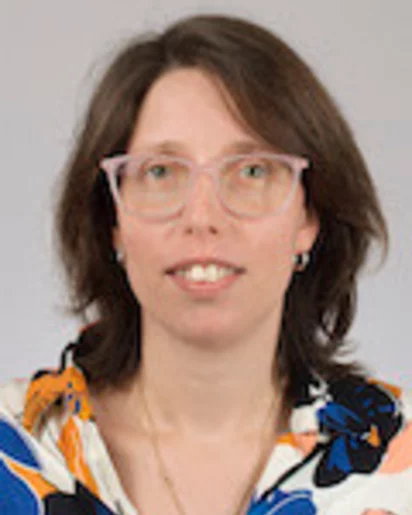
Florencia Malamud is a Researcher and Instrument Scientist at the Paul Scherrer Institute (PSI), leading the POLDI instrument in the Laboratory for Neutron Scattering and Imaging. Her work focuses on advanced neutron-based techniques for material characterization, including Bragg edge imaging, diffraction contrast imaging, and texture analysis. She specializes in studying crystallographic structures, phase transformations, and mechanical behaviors in materials such as high-Mn steels, superalloys, and superconductors. Her research integrates experimental methods like neutron diffraction and tomography to investigate industrial materials (e.g., additive manufacturing components) and historical artifacts (e.g., Napoleonic-era copper bolts). Key areas include optimizing material properties through composition and processing, and understanding deformation mechanisms in metallic materials. Malamud’s publications span materials science, metallurgy, and neutron scattering applications. She collaborates on projects involving nuclear-grade materials, aerospace alloys, and archaeological metallurgy. Her work emphasizes bridging fundamental physics with applied engineering challenges. No scientific awards are explicitly mentioned. Her advising and grants are not detailed in the provided texts. She is affiliated with PSI’s neutron scattering laboratory and contributes to instrumentation development for advanced materials research.
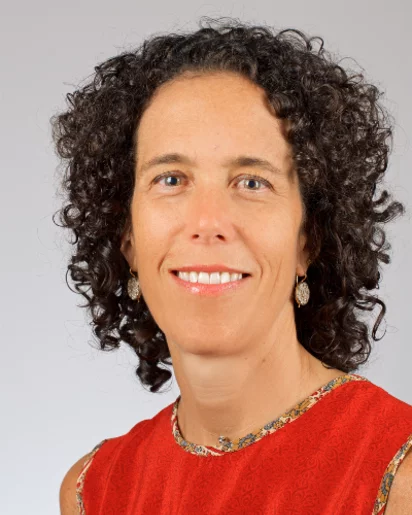
Federica Marone Welford is a Beamline Scientist at the TOMCAT beamline of the Swiss Light Source (SLS) at the Paul Scherrer Institute (PSI) . She holds an Earth Sciences degree with a focus on seismology and a PhD in seismology from ETH Zurich , following a postdoctoral fellowship at the Berkeley Seismological Laboratory . Her work centers on advancing tomographic reconstruction algorithms, mitigating artifacts, and optimizing computational infrastructure for high-speed X-ray imaging at the TOMCAT beamline. Research Focus: X-ray tomography methodology, data compression, real-time reconstruction systems, and applications in paleontology, earth sciences, additive manufacturing, and energy research. Collaborations: Engages with global researchers and industry partners, particularly in battery/fuel cell analysis and laser powder bed fusion. Teaching: Lectures at ETH Zurich on X-ray imaging techniques. Publications highlight her contributions to X-ray scattering tensor tomography, dynamic process visualization, and computational advancements in imaging systems.
Monica Fabiani is a Professor at the University of Illinois Urbana-Champaign, affiliated with the Neuroscience Program and the Beckman Institute for Advanced Science and Technology. She holds academic roles in Psychology and Neuroscience. Her research focuses on cognitive neuroscience of human memory and aging, neuroimaging tool development (e.g., EROS), and cerebrovascular contributions to brain aging. Prof. Fabiani’s work is funded by NIH (NIA) and MindPortal, emphasizing interdisciplinary integration of behavioral, electrophysiological, and neuroimaging data. Education: Ph.D. in Biological Psychology/Cognitive Neuroscience from the University of Illinois Urbana-Champaign. She serves as Editor of Psychophysiology and has received prestigious awards, including the Association for Psychological Science Fellowship (2006). Research Interests: Cerebrovascular health, neurophysiological bases of cognitive control, and multimodal imaging techniques. Key projects include studying arterial elasticity (pulse-DOT), cognitive aging mechanisms, and combining EEG, MRI, and optical methods. Notable Achievements: 181+ publications, including high-impact studies on white matter microstructure and the effects of physical activity on brain health. Her lab develops innovative tools like trimodal imaging and optical signal analysis for clinical and cognitive applications. Grants & Collaborations: Active projects funded by NIA and MindPortal, with international collaborations in brain aging and neuroimaging. She leads efforts to bridge basic science and translational research in cognitive health.
Dr. Kristin O'Grady is an Assistant Professor in the Department of Biomedical Engineering and Department of Radiology & Radiological Sciences at Vanderbilt University's School of Engineering. Her research focuses on developing quantitative MRI methodologies for the brain and spinal cord, particularly improving spinal cord MRI for neurological diseases like multiple sclerosis. She specializes in diffusion tensor imaging, functional connectivity analysis, and high-field MRI applications. Her work spans advanced imaging techniques including MP2RAGE, susceptibility-weighted MRI, and phase imaging, with a focus on clinical feasibility and disease markers. She has contributed to studies on spinal cord morphometry, paramagnetic rim lesions, and biological interactions affecting CNS structure. No scientific awards or grants are explicitly listed in the provided materials. Dr. O'Grady collaborates across interdisciplinary teams within the School of Engineering, focusing on translational research in neuroimaging technologies.
Sir Harshad Bhadeshia is Professor of Metallurgy at the School of Engineering and Materials Science, Queen Mary University of London. A distinguished academic holding Fellowships of the Royal Society (FRS), Royal Academy of Engineering (FREng), and Institute of Materials, Minerals and Mining (FIMMM), his career has been dedicated to advancing the fundamental understanding of metallurgical phenomena with practical industrial applications. His work bridges theoretical developments with real-world engineering challenges in steel technology and sustainable materials design. Professor Bhadeshia's research focuses on the theory of solid-state phase transformations, with particular emphasis on predicting and verifying structural development in complex metallic alloys, especially multicomponent steels. His interests span physical and chemical metallurgy, phase transformations, mathematical modeling, alloy design, and materials algorithms. He has made significant contributions to understanding hydrogen interaction with iron and its compounds, bainite formation, and the development of nanostructured steels with exceptional properties. His work on computational approaches to materials science has led to practical tools for steel design and manufacturing. Analysis of his recent publications reveals a sustained focus on fundamental metallurgical phenomena with practical applications across multiple domains. His research spans steel design for specific applications (rails, welds), phase transformations (bainite, pearlite), hydrogen-related phenomena, and computational materials science. A consistent theme is the integration of theoretical understanding with practical engineering solutions, particularly in addressing challenges related to sustainability, hydrogen embrittlement, and advanced manufacturing techniques like additive manufacturing. Fellow of the Royal Society (FRS) Fellow of the Royal Academy of Engineering (FREng) Fellow of the Institute of Materials, Minerals and Mining (FIMMM) Knighthood for services to metallurgy Extensive publication record spanning decades Development of freely available teaching resources through the Materials Algorithms Project (MAP) Professor Bhadeshia has mentored numerous researchers throughout his career, evident from his extensive collaborative publication record. His work has been supported by significant research grants, particularly in the areas of steel development, phase transformations, and sustainable engineering. He has led major research projects addressing critical challenges in materials science, including hydrogen embrittlement, high-temperature performance of steels, and computational design of advanced alloys. His research group has made substantial contributions to understanding the fundamental mechanisms governing steel behavior under various conditions. Based at Queen Mary University of London, Professor Bhadeshia leads research within the Centre for Sustainable Engineering. His team focuses on metallurgy, particularly steel research, phase transformations, and computational materials science. Current research directions include developing steels with enhanced resistance to hydrogen embrittlement, designing sustainable steel alloys with reduced carbon footprint, and advancing computational methods for predicting microstructure-property relationships. The group maintains strong industry collaborations, ensuring their research addresses real-world engineering challenges while advancing fundamental scientific understanding.
Ghislaine M.E. Vantomme is an Assistant Professor at Eindhoven University of Technology, leading the Supramolecular Chemistry and Materials group within the Department of Chemical Engineering and Chemistry. Her research focuses on developing adaptive, self-learning supramolecular materials inspired by living systems, integrating organic synthesis, systems chemistry, and materials science. Key areas include molecular computing, bio-(opto)electronics, and sustainable materials design. Academically, she holds a PhD from Strasbourg University (2014) under Prof. Jean-Marie Lehn, and postdoctoral experience at TU Eindhoven with Prof. Bert Meijer. Notable grants include the NWO Veni (2017) and VIDI (2024), alongside the 2026 New Horizons Solvay Lectureship. She teaches advanced organic chemistry courses for engineering and premaster students. Her work contributes to UN Sustainable Development Goals through eco-friendly material innovations. Research highlights include self-regulating hydrogels, chiral semiconductor films, and phase-separated nanomaterials. She collaborates internationally, with recent media coverage on molecular computing and optoelectronic material breakthroughs. Education: PhD in Supramolecular Chemistry, Strasbourg University (2014) MSc, Sorbonne University (Paris) BSc, École Normale Supérieure (Cachan) Research Themes: Biomimetic materials, adaptive systems, molecular self-assembly, chiral optoelectronics. Grants & Awards: NWO Veni (2017) NWO VIDI (2024) Solvay Lectureship (2026) Teaching: Organic Chemistry 1/2, Advanced Molecular Chemistry.
Benoît H. Lessard is an Associate Professor and Tier 2 Canada Research Chair in Advanced Polymer Materials and Organic Electronics at the Department of Chemical and Biological Engineering , University of Ottawa . His research focuses on developing low-cost, sustainable electronic materials and their integration into next-generation devices, emphasizing biodegradability, flexibility, and environmental compatibility. Research interests include organic thin-film transistors (OTFTs), polymer-based sensors, and nanomaterials for electronics. He leads the Lessard Research Group , fostering interdisciplinary partnerships with industry and academia. Key achievements include pioneering work on silicon phthalocyanine semiconductors and cannabinoid sensing technologies. Current affiliations: Faculty of Engineering, School of Computer Science and Electrical Engineering (collaborative). Awards: Early Career Researcher Award (2021), Glinski Prize (2020), John C. Polanyi Prize (2015). Supervision: 6 current PhD/MSc students, including Alexander Peltekoff and Nic Boileau. Publications emphasize advancements in OTFT stability, biocompatible materials, and sensor applications. Recent work explores rapid prototyping techniques and high-throughput characterization for accelerating material discovery.
Prof Adrian Sheppard is a Professor in the Department of Materials Physics at The Australian National University (ANU). He holds a B.Sc. (Hons) from the University of Adelaide and a Ph.D. from ANU. His research focuses on porous media analysis, X-ray tomography, and carbon sequestration, with expertise in fluid dynamics, geologic storage, and advanced imaging techniques. He leads projects on CO2 geostorage, multiphase flow modeling, and high-resolution tomographic imaging. His work bridges materials physics, environmental science, and engineering, addressing challenges in energy storage and climate mitigation. He has supervised numerous research students and collaborates on initiatives like the ARC Training Centre for Multiscale 3D Imaging. Key research interests include pore-scale fluid dynamics, supercritical CO2 behavior, and X-ray microtomography applications. Over 200 publications highlight his contributions to understanding fluid trapping mechanisms, beam hardening correction in tomography, and multiscale imaging techniques. He has pioneered methods for analyzing heterogeneous materials and improving tomographic image quality. His projects span geologic carbon storage, additive manufacturing inspection, and environmental fluid dynamics. Prof Sheppard has secured 26 research grants, including projects on CO2 sequestration, X-ray source optimization, and advanced manufacturing. He advises on imaging technologies and leads ANU's efforts in multiscale materials characterization. His lab focuses on applying cutting-edge imaging tools to solve real-world problems in energy and environmental science.
Admir Masic is an Associate Professor at MIT's Department of Civil and Environmental Engineering, where he leads the Masic Lab. His research focuses on sustainable construction materials, particularly cement-based systems, and integrates insights from ancient materials to address modern environmental challenges. He holds tenure and is a faculty fellow in Archaeological Materials at the Center for Materials Research in Archaeology and Ethnology (CMRAE). Education: PhD in Physical Chemistry (University of Turin, Italy) and postdoctoral research at the Max Planck Institute of Colloids and Interfaces. His work spans biomineralization, self-healing concrete, and carbon capture technologies. He co-directs the MIT Concrete Sustainability Hub and founded the MIT Refugee Action Hub (ReACT), providing education for displaced learners. Research highlights include revealing the self-healing mechanisms of Roman concrete, developing carbon-storing cement composites, and creating energy-storing supercapacitors using ancient materials. His lab employs advanced techniques like Raman spectroscopy and correlative imaging to bridge nanoscale phenomena with macro-engineering applications. Awards: Tenured at MIT (2024), numerous grants from industry partnerships. Grants: Collaborations with Japanese industry via MIT EC^3 Hub, funding for sustainable infrastructure projects. Labs/Teams: Masic Lab, MIT EC^3 Hub, MIT ReACT, and the Concrete Sustainability Hub. Active in translating research into industrial applications through partnerships like DMAT Performance Matters.
Abbie Jones is a Professor of Nuclear Graphite Engineering at the University of Manchester's School of Mechanical, Aerospace & Civil Engineering (MACE), serving as Research Area Lead for Nuclear Materials at the Henry Royce Institute. Her research focuses on nuclear graphite behavior in reactor systems, emphasizing irradiation damage, microstructural characterization, and waste management. She leads international collaborations through organizations like the IAEA and ONR, contributing to nuclear safety and decommissioning strategies. Education: BSc Hons, MSc, PhD, and Fellow of the Higher Education Academy (FHEA). Awards include a 2016 finalist for the Research Project of the Year Award. Research Interests: Irradiation damage in graphite, isotopic reduction (14C/3H), and advanced techniques like synchrotron tomography. Over £10M in grants secured as PI/Co-I, including a £2M National Nuclear User Group facility for molten salts. Holds a pending patent for graphite decontamination. Impacts: Improved UK nuclear reactor safety via independent graphite analysis for the Office for Nuclear Regulation. Active in global networks like the IAEA's GRAPA initiative. Labs/Teams: Leads the MACE Nuclear Materials Group and collaborates with industrial partners worldwide. Supervised 7 graduate students.
Dr. Himanshu Jain is the T.L. Diamond Distinguished Chair in Engineering and Applied Science and a Professor of Materials Science & Engineering at Lehigh University. He leads the International Materials Institute for New Functionality in Glass and previously directed the Institute for Functional Materials and Devices (I-FMD). His research focuses on advancing glass science through innovations in photonics, bioactive materials, crystal engineering, and laser processing. Education: D.Eng.Sc., Materials Science, Columbia University M.Tech., Indian Institute of Technology (India) M.S., Banaras Hindu University (India) B.S., Kanpur University (India) Research Interests: Laser-induced single-crystal architectures in glass Optical and electronic functionalities in glass Biomedical applications of bioactive glass (e.g., bone scaffolds) Thermal and radiation effects on glass properties Machine learning for crystal growth modeling Awards: Recipient of Otto Schott Research Prize for atomic fluctuation models Zachariasen Award for lithium transport discovery Morey Award for defining new glass science horizons Fulbright and Humboldt Fellowships Advising & Grants: Has supervised numerous students and secured grants for interdisciplinary projects. Active in collaborative initiatives like the Lehigh-NC A&T flood damage mapping partnership. Labs/Teams: Oversees Lehigh's advanced materials facilities, including Sinclair Lab 120A. Coordinates global networks for glass science education and research.
António Manuel de Bastos Pereira is a Full Professor at the Department of Mechanical Engineering, University of Aveiro, Portugal. He has held significant leadership roles including Director of the Master's program in Welding Engineering and Director of the Research Unit Centre for Mechanical Technology and Automation (TEMA) from 2015 to 2024. Under his leadership, TEMA was classified with the highest rating by FCT and included in the European network of Key Enabling Technologies institutions. Dr. Pereira's research focuses on materials science, particularly the study of materials from composites to metals. His work spans advanced manufacturing technologies, surface engineering, and mechanical characterization of materials. He has published 97 articles in SCI journals with 2140 citations and an h-index of 29 (Scopus), demonstrating significant impact in his field. His research has led to the development of over 500 industrial projects worth approximately 100 million euros. His recent publications reveal consistent research trends in materials characterization, advanced manufacturing processes, and sustainable engineering solutions. Key themes include laser processing of materials, welding technologies, composite materials, surface treatments, and thermal engineering applications. His work often combines experimental and numerical approaches to solve practical engineering challenges, with growing emphasis on sustainable manufacturing methods and energy efficiency. Dr. Pereira has supervised numerous graduate students across various mechanical engineering topics, particularly in welding, materials processing, and mechanical design. He has been Principal Investigator for 39 scientific research projects and collaborated in 68 projects total, securing significant research funding. His project portfolio includes national and European initiatives focused on sustainable manufacturing, advanced materials, and innovative industrial processes. As Director of TEMA, he coordinated over 100 researchers within the Research Unit Centre for Mechanical Technology and Automation. TEMA is included in the "Portuguese Roadmap of Research Infrastructures of Strategic Relevance" and was selected to be part of the European network of institutions relevant within Key Enabling Technologies (KETs). Dr. Pereira also coordinated the thematic line "Innovative and Sustainable Industries" of LASI, Portugal's largest associated laboratory with around 500 PhD researchers. His leadership has positioned these research units as key players in technology transfer to small and medium enterprises across Portugal.
Dr José Rodolpho de Oliveira Leo is an Assistant Professor at the University of Warwick , School of Engineering (joined May 2023). Previously, he spent nearly eight years as a lecturer at Coventry University and has extensive industrial consulting experience in mining, steel, oil & gas, and energy sectors. He is a Fellow of the Higher Education Academy (FHEA) and a Chartered Engineer (CEng) . Education BSc in Mechanical Engineering, Universidade Federal de Minas Gerais (UFMG), Brazil, 2011 – final-year project on die-sinking electrical discharge machining. PhD in Materials Engineering, The Open University, UK, 2016 – thesis on creep and anelastic recovery of steels for advanced nuclear reactors. Research Interests Rodolpho’s research spans materials characterisation of metals and alloys, focusing on oxide-dispersion-strengthened (ODS) steels , titanium alloys and nickel superalloys . He investigates creep, fatigue and mechanical testing under extreme conditions and develops manufacturing processes such as machining, welding and additive manufacturing. He also explores control and automation applied to manufacturing systems and conducts pedagogical research on modern engineering curricula and teaching practices. Across his publications, a clear trend emerges: cutting-edge metallurgical studies (ODS steels, Ti-alloys) combined with advanced manufacturing techniques (additive manufacturing, EDM, laser shock peening) and a parallel stream of scholarship on engineering education, assessment and technology-enhanced learning environments. Scientific Awards & Professional Recognition Fellow of the Higher Education Academy (FHEA) Chartered Engineer (CEng) – Institution of Engineering & Technology (MIET) Teaching & Supervision In 2024/2025 Rodolpho leads or co-leads four key modules: ES3E8 – Precision, Measurement & Control ES2F9 – Dynamics & Vibrations (EMDA) ES2J7 – Fundamentals of Manufacturing ES3H7 – Group Project (EMDA) He is presently open to supervising fully funded PhD students and welcomes informal discussions for MSc or PhD project ideas. Office & Contact Office A420, School of Engineering, University of Warwick, Coventry CV4 7AL, UK Advice & feedback hours: Wednesdays & Fridays 10:00–12:00 during term time or by appointment.
Amir Mostafaei is Assistant Professor at Illinois Tech's Armour College of Engineering, researching metal additive manufacturing processes. His work focuses on laser powder bed fusion and binder jetting of structural alloys, shape memory materials, and biomaterials. Key areas include process optimization, microstructure control, and advanced characterization using micro-CT and synchrotron techniques. He directs the AMIR Lab investigating process-structure-property relationships in additively manufactured components. Recent projects examine sintering kinetics of binder jetted parts and fatigue behavior of non-spherical Ti-6Al-4V powder processed via laser powder bed fusion. NSF CAREER Award (2024) Multiple student research awards (URCA, RES-MATCH) The lab develops data analytics approaches for quality prediction and maintains collaborations with national labs including Argonne.
Dr. Yunhua Luo is a Professor & Associate Head (Graduate Program) in the Department of Mechanical Engineering at the University of Manitoba (Price Faculty of Engineering). His expertise lies in computational mechanics, finite element methods, and biomechanical modeling. He holds a PhD from Stockholm, Sweden (1999), a Licentiate (MSc) from Stockholm (1997), and a B.Eng. from Beijing, China (1985). His research focuses on three core areas: Development of advanced finite element methods for composite materials Multilevel biomechanical modeling of bone strength and hip fracture mechanisms Mechanistic analysis of brain injury and helmet design optimization Over 30 years of academic progression includes roles from Research Associate (2000–2006) to full Professor (2019–present). His recent publications (2022–2025) emphasize voxel-based modeling, osteoporotic fracture risk prediction, and helmet performance evaluation. Current research seeks MSc/PhD students in computational micromechanics.