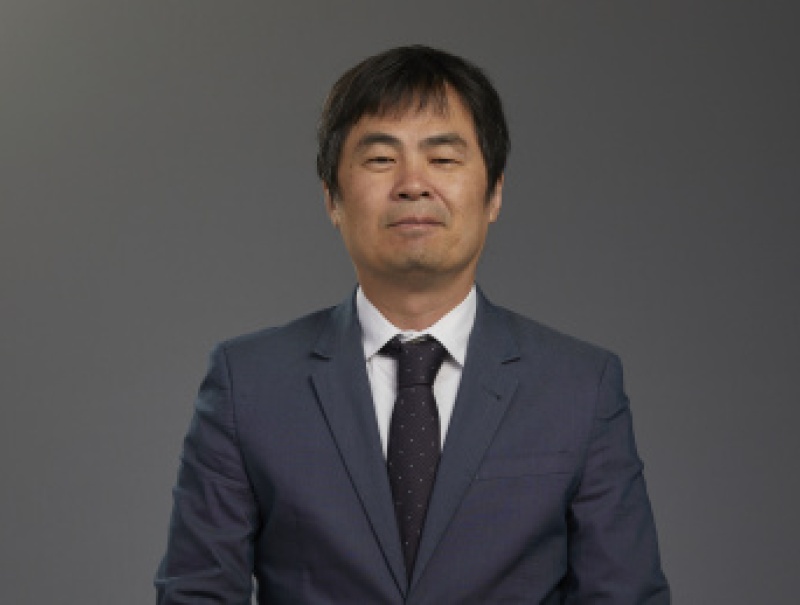
Dr. Atsushi Sakuraba is an Associate Professor in the Department of Internal Medicine at Rush Medical College, Rush University. He specializes in gastroenterology with a focus on inflammatory bowel disease (IBD), particularly Crohn’s disease and ulcerative colitis. His clinical and research expertise includes endoscopic evaluation of IBD, J-pouch outcomes after proctocolectomy, and the impact of biologic therapies on disease recurrence and clinical outcomes. Dr. Sakuraba completed his medical degree at Keio University School of Medicine (Japan) and fellowships in gastroenterology at Keio University Hospital and inflammatory bowel disease at the University of Chicago Medical Center. His research interests span IBD pathophysiology, endoscopic imaging innovations, and optimizing surgical and medical management strategies for IBD patients. His recent work emphasizes: Gender-specific effects of surgical interventions on IBD outcomes Impact of mental health conditions on IBD hospitalization costs Long-term outcomes of J-pouch patients using novel endoscopic classification systems Role of PPIs in modifying IBD treatment efficacy Real-world safety/effectiveness of emerging biologics like upadacitinib Dr. Sakuraba’s clinical practice focuses on complex IBD cases, with expertise in managing post-surgical complications, pouchitis, and inflammatory bowel-associated malignancies.
Ian Beales is a Clinical Associate Professor at Norwich Medical School, University of East Anglia, where he combines clinical work as a consultant gastroenterologist with teaching and research. He is a key figure in medical education, serving as Deputy Director of the MB BS course and co-director of the Norwich Endoscopy Training Centre. He has played a foundational role in the development of the medical school curriculum and is actively involved in national gastroenterology education and training initiatives. Education: BSc in Biochemistry (1st Class Honours, 1986) MB BS (Distinctions in Medicine, Surgery, Clinical Pharmacology, Pathology, 1989) MD (1997) MRCP (UK, 1992) FRCP (2007) FHEA (2001) FEBG (2009) MAcadMedEd (2012) His research focuses on gastrointestinal diseases, particularly Barrett’s oesophagus, oesophageal adenocarcinoma, gastrointestinal inflammation, hormonal regulation, and signal transduction pathways . He has led numerous clinical and laboratory-based studies, including trials on inflammatory bowel diseases, anaemia, and Clostridium difficile infection. His work contributes to UN Sustainable Development Goals related to health and well-being. The most recent publications highlight his ongoing engagement in high-impact research, particularly in inflammatory bowel disease, cancer progression in Barrett’s oesophagus, and gut microbiome interventions . His studies often involve molecular mechanisms of cell proliferation and apoptosis, with a strong translational focus. Scientific Awards and Recognition: University’s Excellence in Teaching Award (2008) Fellow of the Higher Education Academy (FHEA) Fellow of the Royal College of Physicians (FRCP) Fellow of the European Board of Gastroenterology (FEBG) Member of the Academy of Medical Educators (MAcadMedEd) He has supervised numerous student research projects and has been a principal investigator on multiple clinical and commercial trials. His editorial roles include associate editor for journals such as Frontiers in Medicine and Therapeutic Advances in Chronic Disease . He is also a member of the British Society of Gastroenterology Research Committee and has served on national examination and advisory boards. Laboratories and Teams: He chairs the Norfolk and Suffolk Gastroenterology Research Network and co-directs the Norwich Endoscopy Training Centre. He is actively involved with national and international organizations, including the World Organization for Specialized Studies on Diseases of the Oesophagus, and serves as a medical advisor to Crohn’s and Colitis UK.
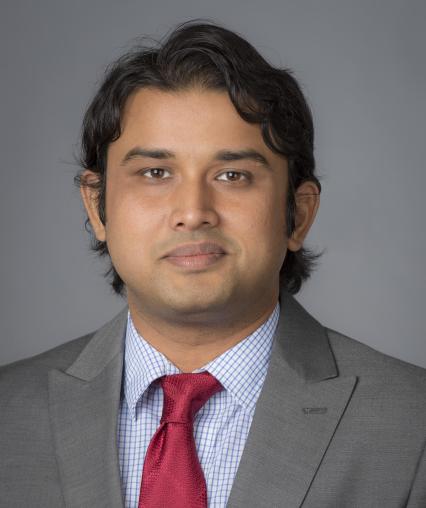
Rahul Gomes, Ph.D., is an Associate Professor of Computer Science and Ramsey Research Professor (2025-2028) at the University of Wisconsin–Eau Claire within the College of Arts and Sciences. His work bridges artificial intelligence, machine learning, and computational science with applications in healthcare, geospatial analytics, and cybersecurity. He maintains active research collaborations with clinical, scientific, and community partners while mentoring undergraduate and graduate students in cutting-edge projects. His educational background includes: Ph.D. in Computer Science from North Dakota State University, Fargo M.S. in Computer Science from Sikkim Manipal University, India B.Ed. and B.S. from St. Xavier's College Kolkata, India Gomes leads research in multiple high-impact domains with a focus on developing interpretable AI systems that address real-world challenges. His biomedical informatics work spans medical imaging analysis (particularly for IVCF detection and pancreatic cancer diagnosis), single-cell RNA sequencing, and retrieval-augmented generation for clinical workflows. In geospatial analytics, he develops deep learning approaches for remote sensing and land cover classification. His cybersecurity research investigates AI-based threats and defense mechanisms, including analysis of large language model vulnerabilities. The interdisciplinary nature of his work is reflected in publications spanning computer science, medical journals, and domain-specific applications. His publication record demonstrates consistent productivity across multiple domains, with recent work showing particular strength in medical AI applications, geospatial deep learning, and cybersecurity analysis. The research shows a clear trajectory toward increasingly complex multimodal approaches, with recent papers integrating vision transformers, domain adaptation techniques, and specialized architectures for specific medical and geospatial challenges. Many publications involve undergraduate student co-authors, reflecting his commitment to research-based education. His scientific recognition includes: Ramsey Research Professorship (2025-2028) NSF REU grant as PI ($459,810) for advancing HPC undergraduate research (2025-2028) RET Site grant as Co-PI to bridge gaps in high school computing education (2024-2027) Gomes actively mentors students through research projects that often lead to publications and conference presentations. His research group develops advanced methods for medical image analysis, spatial transcriptomics, and AI-driven healthcare decision support. He has successfully secured significant grant funding that supports undergraduate research experiences, demonstrating his commitment to involving students in meaningful research. His TARCC RET Site project specifically aims to enhance computing education at the high school level through teacher training. His research lab focuses on several key projects including IVCF Filter Detection using AI (employing Swin-UNet for CT scan analysis), PDAC Diagnosis using Deep Learning, scRNA-seq Analysis for pancreatic cancer, CABG Outcomes analysis, and RAG applications in healthcare. These projects involve interdisciplinary teams of students working with technologies including PyTorch, MONAI, LangChain, and various high-performance computing resources.
Marta Emilie Yde Aagaard is a physician and researcher at Aalborg University Hospital, affiliated with the Faculty of Medicine, Department of Infectious Diseases, at Aalborg University. Her dual clinical-academic role bridges patient care and microbiological research in gastrointestinal disorders. Dr. Aagaard earned her PhD in Medicine from Aalborg University in 2020, with a dissertation focused on Campylobacter concisus and microscopic colitis. Her research investigates bacterial pathogens as potential triggers for chronic inflammatory conditions, utilizing molecular and cellular techniques to analyze host-pathogen interactions. Her primary research interests encompass Campylobacter concisus pathogenesis, inflammatory bowel disease mechanisms (particularly microscopic colitis and ulcerative colitis), bacterial genetic diversity, and cytokine-mediated inflammatory responses. This work integrates clinical data with laboratory analyses of bacterial isolates and intestinal cell models. Analysis of her publications reveals a concentrated research trajectory examining how C. concisus stimulates IL-8 production and contributes to gut inflammation, challenging traditional autoimmune paradigms in inflammatory bowel diseases. Her studies consistently employ bacterial genomics and cell culture methodologies to elucidate virulence mechanisms. No scientific awards are documented in available sources, but her work demonstrates impact through Scopus citations (5-14 per publication) and Mendeley readership. Dr. Aagaard maintains active collaborations with clinical researchers at Aalborg University Hospital, though student supervision or grant leadership isn't indicated in current materials.
Jill Gaidos is an Associate Professor of Medicine at Yale School of Medicine, affiliated with the Department of Internal Medicine, Section of Digestive Diseases. She serves as Director of Clinical Research for the Yale Inflammatory Bowel Disease (IBD) Program and Vice Chief of Gastroenterology. Previously, she was a faculty member at Virginia Commonwealth University (VCU), where she directed the IBD program and GI clinics. Her educational background includes an MD from Virginia Commonwealth University, followed by internal medicine training and a gastroenterology fellowship at VCU and the University of Florida, where she also completed the Advanced Postgraduate Program in Clinical Investigation. Dr. Gaidos's research focuses on inflammatory bowel disease, with particular emphasis on Crohn’s disease, ulcerative colitis, and microscopic colitis. Her work explores treatment optimization, patient outcomes, health disparities, fatigue, and healthcare access. She leads numerous clinical trials and has contributed significantly to national discourse through leadership roles in the Crohn's and Colitis Foundation and the American College of Gastroenterology. Her recent publications reflect a strong trend in clinical and translational research, addressing real-world challenges in IBD management such as treatment delays, language barriers, fatigue impact, and post-procedural flares. These studies are published in top-tier gastroenterology journals and often involve multidisciplinary collaboration. Cassell Connolly Elite Top Doctors 2024 Cassel Connolly Top Doctor 2023 Crohn’s and Colitis Foundation Women in IBD Leadership Program 2022 American College of Gastroenterology Advanced Leadership Development Program 2022 Cassell Connolly Top Doctor for 2022 Dr. Gaidos is actively involved in clinical research mentoring and education. She leads the OPTIMIZE clinical trial and collaborates with frequent co-authors such as Deborah Proctor, Badr Al Bawardy, and David Assis. Her work is centered on improving patient-centered outcomes and advancing the understanding of IBD through rigorous clinical investigation. She is a key member of the Yale Inflammatory Bowel Disease Program, contributing to both clinical care and research innovation. Her leadership in national educational initiatives and clinical trial design underscores her role as a leading figure in the IBD community.
Ola Olén is an Adjunct Professor of Gastroenterology at Karolinska Institutet's Division of Clinical Epidemiology and a senior consultant at Sachs’ Children and Youth Hospital. His research integrates national health registers to investigate inflammatory bowel disease (IBD), irritable bowel syndrome (IBS), pediatric gastroenterology, and clinical trial methodologies. He co-leads national IBD guidelines and the SWIBREG quality register. His research focuses on: IBD Epidemiology : Prognostic modeling, treatment safety (e.g., biologics, statins), and comorbidities (cardiovascular, cancer). Pediatric IBS : Digital cognitive behavioral therapies, gut-brain axis mechanisms, and risk factors from birth cohorts. Health Economics : Cost-effectiveness of IBD therapies and surgical outcomes. Publications (2023-2025) emphasize: Population-based cohort studies on IBD complications (venous thromboembolism, fractures). Randomized trials of dietary/exposure-based therapies for pediatric IBD/IBS. Drug safety comparisons (vedolizumab vs. anti-TNF agents). He mentors 19+ PhD students/postdocs, including current advisees Sjölund J and Andersson F. His team collaborates internationally (ESPGHAN Porto Group) and leads the Gastroenterology Clinical Epidemiology research group.
Lizhi Zhang, M.D. is a board-certified pathologist and Professor of Pathology at Mayo Clinic School of Medicine in Rochester, Minnesota. He is affiliated with the Department of Laboratory Medicine and Pathology, specializing in Anatomic Pathology with a focus on gastrointestinal, liver, and pancreatic diseases. Dr. Zhang's educational background includes: M.D. from Dalian Medical College (1993) Master of Science in Surgery from Dalian Medical University Graduate School (1996) Postdoctoral Research Fellowship at Universitat Bern (1998) Postdoctoral Research Fellowship at University of Michigan Medical School (2004) Residency in Anatomic and Clinical Pathology at Mayo Clinic (2008) Fellowship in Gastroenterology/Liver Pathology at Mayo Clinic (2009) Dr. Zhang's research primarily focuses on pancreatic pathology, with special emphasis on pancreatic cancer, pancreatic neuroendocrine tumors, and autoimmune pancreatitis. His work integrates clinical, molecular, and genomic approaches to advance translational understanding of pancreatic diseases. His research portfolio demonstrates a consistent trajectory in hepatobiliary and pancreatic pathology, with particular expertise in IgG4-related diseases and cholangiocarcinoma. Over his career, he has developed significant expertise in using histopathological and immunohistochemical techniques to identify prognostic markers in gastrointestinal malignancies. Dr. Zhang has received numerous scientific awards including: Stowell-Orbison Award from United States and Canadian Academy of Pathology (2009) Rodger C. Haggitt Gastrointestinal Pathology Society Award (2006) Research Travel Award from American Pancreatic Association (1999) Multiple Science and Technique Progress Awards from LiaoNing Province (1997-1998) Scholarship for Outstanding Medical Students from Dalian Medical University (1988) Throughout his career, Dr. Zhang has held significant leadership positions including serving as President of The International Association of Chinese Pathologists (2014-2015) and as Co-Director of Tissue Core for Mayo Clinic SPORE in Pancreatic Cancer since 2009. He has been an active member of numerous professional organizations including the American Society for Clinical Pathology, Rodger C. Haggitt Gastrointestinal Pathology Society, College of American Pathologists, and United States and Canadian Academy of Pathology. Dr. Zhang contributes to pancreatic cancer research through his role with the Mayo Clinic Cancer Center, where he has served on the Scientific Review Committee and as a member of the Research Committee for the Division of Anatomic Pathology. His work has significantly advanced the understanding of molecular markers in pancreatic and hepatobiliary diseases.
Jiangwei Sun is an Assistant Professor at the Department of Medical Epidemiology and Biostatistics, Karolinska Institutet, working within Prof. Jonas Ludvigsson's research group. His work bridges epidemiology, gastroenterology, and neurology through large-scale population-based studies using Swedish national healthcare registers and the ESPRESSO cohort. Current focus on cardiovascular risk in IBD Colorectal cancer chemoprevention in IBD Health outcomes of normal gastrointestinal biopsies Neurodegenerative disease risk factors His research combines pharmacoepidemiological analyses with nutritional epidemiology, particularly in glycemic index impacts and statin therapy outcomes. Recent work explores bidirectional associations between IBD and other autoimmune conditions like type 1 diabetes. Scientific awards and grants include support from the Karolinska Institutet Research Foundation, Swedish Society of Medicine, Ruth and Richard Julin Foundation, European Crohn's and Colitis Organisation, and other major Swedish research bodies.
Xiaoying Kang is an Affiliated Researcher at Karolinska Institutet's Department of Medical Epidemiology and Biostatistics (2025-2027), previously serving as a Postdoctoral Researcher (2022-2025). She operates within Jonas Ludvigsson's Gastrointestinal Epidemiology research group, focusing on population-based investigations of gut-brain axis disorders. Her educational foundation includes a Doctor of Philosophy (PhD) awarded in 2022 by Karolinska Institutet, with doctoral research centered on Parkinson's disease mechanisms and treatments. Dr. Kang's expertise spans Epidemiology, Neurology, and Medical Genetics, with specialized investigations into Parkinson's disease comorbidities. Her work examines autoimmune conditions (microscopic colitis, celiac disease, type 1 diabetes) as potential triggers or correlates of neurodegeneration, utilizing Swedish national registries for large-scale cohort and case-control analyses. Methodologically, she employs Mendelian randomization, genetic epidemiology, and longitudinal modeling to establish causal pathways between gastrointestinal disorders and neurological outcomes. Her publication trajectory reveals consistent focus on Parkinson's disease etiology, with recent studies exploring vascular complications, sleep disorders, impulsive behaviors, and genetic overlaps with inflammatory bowel disease. This body of work demonstrates increasing methodological sophistication through integration of genetic data with clinical epidemiology. No scientific awards are documented in available sources. While specific grant details and student mentorship are unreported, her research leverages Karolinska Institutet's infrastructure and Swedish national health databases. Collaborative patterns indicate work with senior researchers including Ludvigsson, Wirdefeldt, and Ploner across multiple publications. She contributes to Jonas Ludvigsson's internationally recognized gastrointestinal epidemiology team, which bridges clinical medicine and biostatistics to investigate immune-mediated disease mechanisms.
Máté Szilcz is a Research Fellow at the Karolinska Institute's Department of Medical Epidemiology and Biostatistics, affiliated with the Geriatric Pharmacoepidemiology research group led by Kristina Johnell. His work focuses on pharmacoepidemiological studies in older adults, end-of-life care optimization, and treatment patterns in chronic diseases using nationwide registries. Research Interests: Szilcz's primary fields include Epidemiology and Geriatrics , with emphasis on: Pharmacotherapy safety and deprescribing in elderly populations End-of-life care quality and overtreatment in terminal illnesses Socioeconomic determinants of health in aging Publication Trends: His 15 most recent articles (2018–2025) predominantly investigate dementia pharmacotherapy, cancer treatment near end-of-life, and health inequalities. Methodologically, they leverage real-world data from multinational cohorts, self-controlled studies, and registry analyses to evaluate drug safety, cost-effectiveness, and clinical outcomes in geriatric populations. Affiliations & Labs: He is an active member of Kristina Johnell's research group, specializing in geriatric pharmacoepidemiology. His doctoral thesis (2023) addressed overtreatment during life-limiting illnesses.
Julia König is a Senior Lecturer in Medicine at the School of Medical Sciences, Örebro University, Sweden. She is also an Associate Professor, affiliated with the Nutrition-Gut-Brain Interactions Research Centre (NGBI) and the Responsive Nutrition Research Centre. Her research focuses on nutrition science and gastrointestinal health, particularly the impact of probiotics, fibres, and plant-based proteins on intestinal barriers, microbiome, and gut-brain interactions. Master’s Degree in Nutrition Science (2008), University of Hohenheim, Germany PhD in Molecular Medicine (2011), Medical University of Graz, Austria König’s research explores nutritional compounds, intestinal barrier dynamics, gut microbiota, and their roles in health and diseases like IBS and microscopic colitis. She leads EU-funded projects (Bugs4Urate) and collaborates with industrial partners such as BioGaia AB. Her work bridges clinical trials with microbiome studies. Recent publications (2024-2013) span gut-brain axis effects, probiotic interventions, gluten degradation, and intestinal barrier modulation. These studies employ methodologies like fMRI, microbiota transfer, and metabolic analysis, emphasizing interdisciplinary approaches in nutrition and gastroenterology. Director of Doctoral Studies at School of Medical Sciences (2016–present) Supervised 15+ students across levels, including 3 doctoral graduates Active in EU/PLENTY/Formas-funded projects since 2017 She contributes to academic governance as a reviewer for journals (JAMA Pediatrics, Lancet Gastroenterology) and participates in PhD defense committees. Her leadership in nutrition science and translational research underscores her impact in gut-brain axis studies.
Dr. Robert S. Sandler is the Director of the Center for Gastrointestinal Biology and Disease (CGIBD) at the University of North Carolina at Chapel Hill. Holding the John and Nina Sessions Distinguished Professor title in the Department of Medicine (Division of Gastroenterology and Hepatology) and the Department of Epidemiology (Gillings School of Global Public Health), he has published over 450 papers with an H-index of 89 (Scopus). Key Research Themes: Chronic digestive disorders, particularly colorectal adenomas/cancer Asymptomatic diverticulosis and microscopic colitis Population-level burden of gastrointestinal diseases Diet-gut microbiome interactions Grants & Leadership: NIH R01 grant on microscopic colitis First NIH grant for asymptomatic diverticulosis PI of T32 Digestive Disease Epidemiology training program (funded since 1990) CGIBD director since 1992 Scientific Awards: NIH Grant Recipient (multiple awards) H-index 89 (Scopus) Leadership in multicenter clinical trials
Temitope O. Keku, PhD, MSPH, is a Professor in the Department of Medicine, Division of Gastroenterology and Hepatology, and an Adjunct Professor in the Department of Nutrition at the University of North Carolina at Chapel Hill. She directs the Enrichment Program and the NCI-funded U54 Partners Program, which focuses on cancer education and addressing disparities in biomedical research. Her research integrates molecular epidemiology, translational science, and population health, with emphasis on: Gut microbiome dynamics and metabolomics in colorectal cancer Genetic susceptibility in gastrointestinal and gynecological cancers Transcriptomic mechanisms in diverticulosis and microscopic colitis Cancer health disparities across racial/ethnic populations Recent publications (2023-2025) demonstrate strong focus on: Gene-environment interactions in colorectal cancer etiology Multi-omics approaches to early-onset cancers Racial disparities in cancer biomarkers and outcomes Translational applications of microbiome and metabolomic data Awards & Honors: Pilot and Feasibility Award (1999) Leadership & Collaborations: Directs training programs for underrepresented students; collaborates with Dellon, Fodor, Peery, Sandler, and Shaheen on multidisciplinary projects spanning basic science to population health.
Kristina Johnell leads the Geriatric Pharmacoepidemiology research group at Karolinska Institutet's Department of Medical Epidemiology and Biostatistics. Her team investigates medication use in older adults using national health registries, focusing on inappropriate prescribing, polypharmacy, and drug safety. Key research areas include: Polypharmacy trajectories and comorbidity management Sex-specific drug effects in neurodegenerative diseases Deprescribing strategies in end-of-life care Recent publications show 40% focus on dementia-related pharmacotherapy, 30% on polypharmacy patterns, and 30% on drug safety in cardiovascular/metabolic conditions. International collaborations examine medication use patterns across Nordic countries and Europe.
Michaela Tracy is an Instructor at Harvard Medical School and Attending Physician in Gastroenterology at Boston Children's Hospital. She specializes in inflammatory bowel disease and digestive disorders. Education: MD from University of Massachusetts Medical School (2017), MPH from Harvard T.H. Chan School of Public Health (2023). Completed residency at Boston Children's Hospital/Boston Medical Center and fellowship in Pediatric Gastroenterology. Research focus: Epidemiology of inflammatory bowel disease, opioid-related gastrointestinal complications, and clinical guideline adherence. Her work analyzes large healthcare datasets including NHANES and All of Us program. Clinical service: Provides care through Boston Children's Division of Gastroenterology. Board certified in Pediatrics.