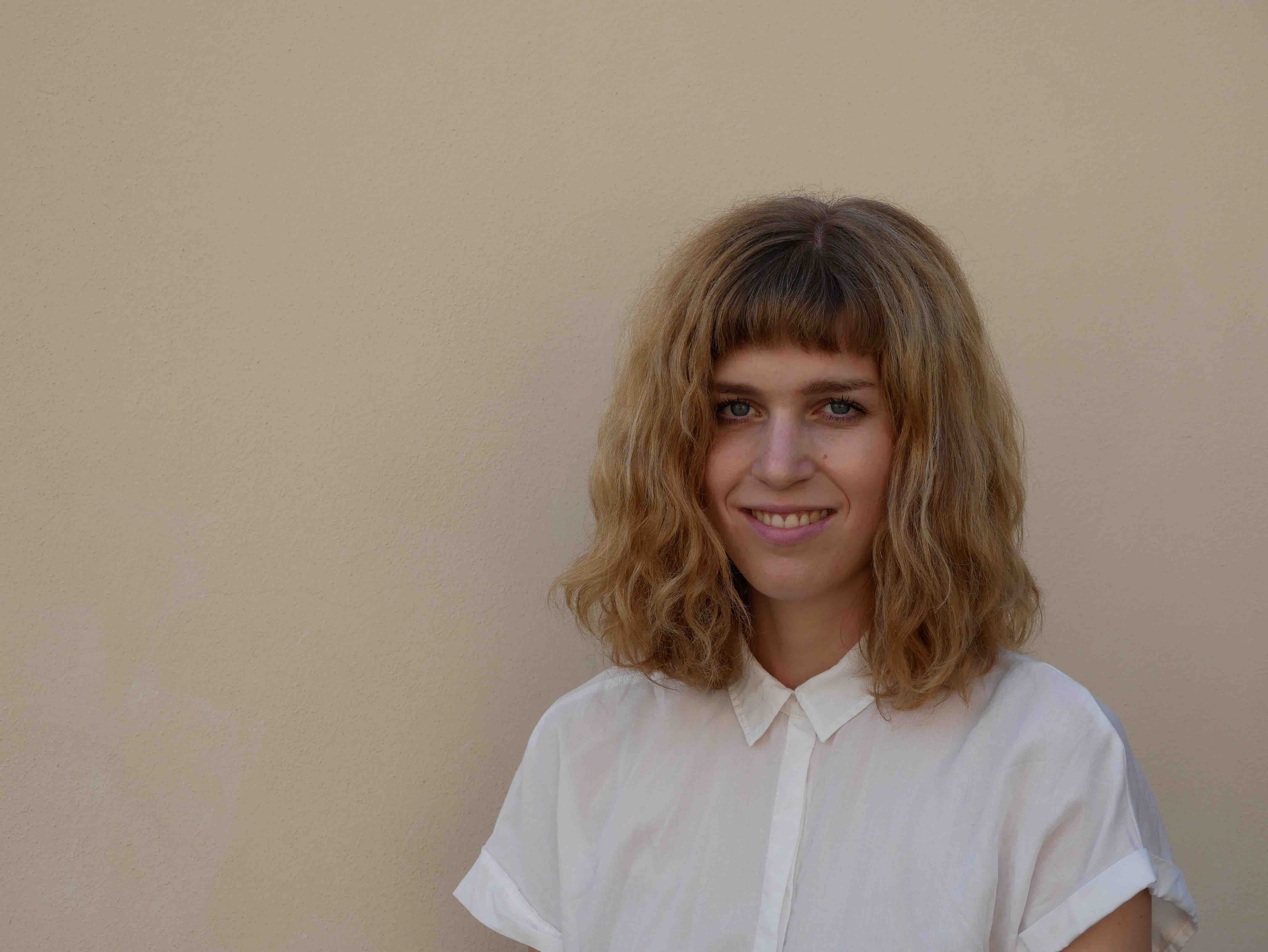
Robert M. Holt is a Professor in the Department of Geology and Geological Engineering at the University of Mississippi. His research focuses on geological CO2 sequestration, fluid transport in porous media, and hydrogeological characterization for nuclear waste disposal. Holt investigates how fluid behavior in heterogeneous geological formations impacts environmental processes ranging from carbon storage to groundwater contamination. His work examines the fundamental physics governing multiphase flow through porous and fractured geological media, with applications to contaminant transport, energy resources, and waste isolation. Holt has developed experimental methods for visualizing and modeling fluid behavior in heterogeneous subsurface environments, improving understanding of capillary processes and flow dynamics. Holt's research includes field studies of evaporite karst systems, geochemical assessments of aquifer systems, and investigations of hydraulic properties in low-permeability mudrocks. His work on CO2 injection monitoring has contributed to safer implementation of carbon sequestration technologies.
Yayue Pan is a Professor at the Department of Mechanical and Industrial Engineering, University of Illinois Chicago (UIC) , and serves as the Director of NASA MIRO Center for In-Space Manufacturing: Recycling and Regolith Processing (CISM-R2) . Her research focuses on advancing Additive Manufacturing (AM) technologies for applications in biomedical engineering , energy storage , and smart structures . Ph.D., Industrial and Systems Engineering, University of Southern California (2014) M.S., Mechanical Manufacturing and Automation, Zhejiang University, China (2010) B.S., Industrial Engineering, Zhejiang University of Technology, China (2007) Her work addresses technical challenges in AM such as multi-material printing , multi-scale fabrication , and field-assisted processes . Notable projects include: Development of electrostatically-assisted direct ink writing (eDIW) for high-speed, high-resolution printing Continuous projection stereolithography for rapid solid object manufacturing Acoustic field-assisted particle patterning for smart composites Light-curable hydrogels for corneal repair applications Her 15 most recent publications (2022–2025) span topics in: Multi-material AM (conductive polymers, hierarchical composites) Biomedical applications (soft robotics, corneal repair) Energy components (battery electrolytes, supercapacitors) Field-assisted processes (acoustic, electrostatic, magnetic) Scientific Awards : 2024 ASME Chao and Trigger Young Manufacturing Engineer Award 2022 UIC Researcher of the Year Rising Star Award 2020 ASME CIE TC Leadership Award 2019 UIC Outstanding Teaching Award 2017 SME Outstanding Young Manufacturing Engineer Award NSF REU Supplements (2023–2024) Advising : Mentored 24+ graduate/undergraduate researchers, including 17 NASA/GPIP interns. Former advisees hold academic positions at University at Buffalo and University of North Carolina at Charlotte , and industry roles at Apple , GE Healthcare , and ANSYS . Grants : Recipient of a $4.65M NASA grant and multiple NSF awards. Collaborations include Northwestern University, University of Michigan, and NASA centers.
Zoran Cenev holds a Tenure Track Assistant Professor position within the Mechatronics and Dynamics section of the Department of Mechanical and Production Engineering at the School of Engineering, Aarhus University. His primary institutional affiliation is with AU Engineering, and contact details include email zoran.cenev@mpe.au.dk and telephone +45 20 64 75 44, with office location Aarhus N, 5128-140. Research interests focus on interdisciplinary applications of magnetic and robotic systems: Robotic micromanipulation via electromagnetic needles Ferrofluid-based biofabrication for skeletal muscle engineering Laser-induced photothermal droplet control Theoretical modeling of particle dynamics at fluid interfaces Surface engineering for underwater metallic stability Nanostructure formation through ion bombardment His recent publications (2023-2025) reveal a dominant trend in adapting ferrofluids for biomedical automation, particularly 3D bioprinting of magnetically responsive tissues and droplet manipulation on engineered surfaces. This work bridges mechanical engineering with regenerative medicine, emphasizing practical implementations of theoretical models for microscale precision. Scientific awards are not documented in the provided information. As a faculty member, Dr. Cenev likely mentors graduate students and pursues research grants, though specific advisees or funding details are absent. Departmental laboratories and workshops support his experimental work in mechatronics, with emphasis on magnetic manipulation systems and surface characterization.
Dr. Yi Shen is a Senior Lecturer at the School of Chemical and Biomolecular Engineering, The University of Sydney, and Chair of RACI Women in Chemistry. She is also affiliated with multiple research institutes including Sydney Institute of Agriculture, Sydney Southeast Asia Centre, The Centre for Drug Discovery Innovation, and The University of Sydney Nano Institute. PhD in Soft Materials from ETH Zurich Postdoctoral research at University of Cambridge and Harvard University Her research focuses on protein phase behavior and functional biomaterials development, utilizing soft matter approaches and microfluidic techniques to address challenges in neurodegenerative diseases, sustainable materials, and biomedical engineering. She has published extensively in top journals like Nature Nanotechnology and PNAS, with a particular emphasis on: Protein liquid-liquid phase separation mechanisms Biomaterials from protein nanofibrils Microfluidic manipulation of biological systems Biodegradable bioplastics development Shear force effects on biomolecular systems Pathological protein aggregation dynamics Key scientific achievements include: 2022 ARC DECRA Fellowship 2022 Sydney Nano Frontier award 2018 ETH Zurich Spark Award (for Fe delivery system invention) 2012 Princeton Grand Challenges Program 2 patents pending 2 Nature Nanotechnology cover articles As an educator, she coordinates CHNG2802 Chemical Engineering Modelling and Analysis, co-teaches CHNG3804 Biochemical Engineering and CHNG5605 Bio-products: Laboratory to Marketplace, and guest lectures across biomedical and nanotechnology programs. Her lab actively collaborates with institutions in Switzerland (ETH Zurich), UK (Cambridge), and US (Harvard, Princeton), focusing on transforming biomolecular understanding into real-world applications in health, industry, and environmental sustainability.
Gabriel Alfonso Rincon-Mora is the Motorola Solutions Foundation Professor at the Georgia Institute of Technology's School of Electrical and Computer Engineering. A Fellow of the National Academy of Inventors, IEEE, and IET, he specializes in analog/power integrated circuits, energy-harvesting systems, and microelectronics. With over 200 articles, 44 patents, and 12 books, his work has produced 26 commercial power-chip products. His research spans: Analog and power-management ICs for efficient energy conversion Self-sustaining microsystems powered by thermal, mechanical, and environmental sources Nano-scale circuit designs for biomedical and wireless sensor applications Recent publications focus on piezoelectric energy harvesting, battery charging optimization, and low-power CMOS designs, demonstrating consistent innovation in power efficiency and miniaturization. Awards include the IEEE Charles A. Desoer Technical Achievement Award, National Hispanic in Technology Award, and recognition as one of "The 100 Most Influential Hispanics." He directs research in power IC design and mentors students through the Georgia Tech Analog Consortium. His laboratory develops integrated solutions for energy-constrained applications, including collaborations with industry partners like Texas Instruments.
Dr. Cooper Harshbarger is a Lecturer at the Department of Health Sciences and Technology at ETH Zurich , Switzerland. His research bridges biomechanics and acoustofluidics, focusing on spinal surgery and microscale cell manipulation technologies. Email: cooper.harshbarger@hest.ethz.ch Research Interests : Dr. Harshbarger specializes in biomechanical analysis of spinal structures and acoustofluidic device development . His work explores: Biomechanics of the lumbar spine and osteoligamentous complexes Acoustically-driven microfluidic systems for medical diagnostics Cell focusing/trapping technologies using sharp-edge acoustofluidics Scientific Contributions : Recent publications highlight his dual expertise in spinal fusion biomechanics and microscale fluid control , with applications in cancer diagnostics and cell manipulation. Key technologies include BAW-based systems and programmable acoustofluidic chips.
Aura Istrate is a Lecturer/Assistant Professor in Urban Planning & Sustainable Urbanism at the School of Architecture, Planning and Environmental Policy at University College Dublin (UCD). With an international background spanning multiple continents, she conducts interdisciplinary research on sustainable urban development, focusing on active mobility, nature-based solutions, and climate-neutral cities. She teaches GIS and urban planning modules while coordinating several significant research projects across European and Asian contexts. University College Dublin, School of Architecture, Planning and Environmental Policy Primary Coordinator of C-NEWTRAL (Horizon MSCA-DN 2024-2028) Co-Leader of REALLOCATE (Horizon Europe project 2023-2027) Principal Investigator for BIODIVERSA+ projects (NatureScape and NBS4AQUAMISSION) Educated at the University of Architecture and Urban Planning 'Ion Mincu' in Bucharest (BA and MA) and the University of Liverpool (PhD), Dr. Istrate further enhanced her teaching credentials with a Professional Certificate in University Teaching & Learning from UCD. Her academic journey reflects a strong foundation in architectural and urban planning principles combined with specialized expertise in sustainable urbanism. Dr. Istrate's research focuses on smart and sustainable urbanism, particularly examining active mobility, livable streets, green public spaces, and nature-based solutions in urban planning. Her work employs participatory, geospatial, and mixed methods to inform smart communities and the transition to climate-neutral cities. She has practical international experience in urban design and planning, with ongoing collaborations spanning European and Asian countries, currently teaching and researching across cultures in UCD and UCD's International Colleges (CDIC). Her recent publications reveal a strong focus on street vitality, urban heat adaptation, and nature-based solutions. The research demonstrates methodological diversity combining quantitative spatial analysis with qualitative community engagement approaches. Her work spans multiple geographic contexts, with particular expertise in Chinese urban environments and European cities, showing how urban planning concepts need to be contextualized for different cultural settings. The articles consistently address climate adaptation challenges through innovative approaches like urban nature games and fine-grained street classification systems. Dr. Istrate serves as a PhD thesis supervisor and is actively involved in major research initiatives including C-NEWTRAL (as Primary Coordinator), REALLOCATE (as Co-Leader), and BIODIVERSA+ projects (as PI for NatureScape and NBS4AQUAMISSION). Her grant portfolio includes Horizon Europe projects and other significant funding that supports interdisciplinary research on climate-neutral urban development. She has coordinated multiple teaching modules including Planning Design & Development, GIS & Planning, Intro to Spatial Planning, and Local Planning Studio. She leads international research collaborations and maintains active partnerships across various European and Asian countries. Her work bridges academic research with practical urban planning applications, particularly through her focus on research-by-design approaches and participatory methods that engage communities in the planning process. She has served as a lecturer, tutor, or teaching assistant across departments of Architecture, Planning, Environmental Studies, Global Studies, and Human Geography in Ireland, the UK, Czechia, Sweden, China, and Romania since 2010.
Junfei Li is an Assistant Professor in the School of Mechanical Engineering at Purdue University. His research focuses on advanced acoustic technologies, including acoustic tweezers, acoustofluidics, metamaterials, and underwater communication systems. He specializes in multiphysics wave propagation, noise control, and energy harvesting. Li's work bridges fundamental science and engineering applications in biomedical devices, sustainable energy, and advanced materials. Research Interests: Acoustic tweezers for microscale manipulation Design of metamaterials for acoustic control Ultrasound and underwater communication systems Energy-efficient noise mitigation strategies His recent publications emphasize innovations in acoustic metasurfaces, nonreciprocal sound propagation, and biomedical acoustic applications. Li’s research has implications for improving medical imaging, energy sustainability, and next-generation acoustic devices. Awards & Recognition: None explicitly listed in the provided materials. Advising & Grants: No student advisees or grant information specified in the text.
Thomas R Powers is a Professor of Engineering and Professor of Physics at Brown University. He joined Brown in 2000 as the first holder of the James R. Rice Term Chair in Solid Mechanics and has been an influential figure in soft matter physics, biomechanics, and microorganism locomotion. PhD in Physics, University of Pennsylvania (1995) BS in Physics and Mathematics, MIT (1989) His research focuses on soft matter systems, including colloidal and lipid bilayer membranes, liquid crystals, and active matter, with an emphasis on low-Reynolds-number hydrodynamics and geometric mechanics. His work has been supported by NSF grants, including collaborations with Brandeis University's bioinspired materials center. Recent publications explore microbial flagellar dynamics (e.g., Giardia lamblia ), chiral membrane behavior, and active gel responses to shear. Key keywords include soft matter, active matter, fluid mechanics, and microscale locomotion. Scientific honors include: Fellow, American Physical Society NSF CAREER Award (2001-2006) T. Francis Ogilvie Young Investigator Lectureship, MIT Ocean Engineering He has advised numerous students through courses like ENGN 2912F (Soft Matter) and ENGN 1210 (Biomechanics), while leading funded research on colloidal membranes and viscoelastic fluid interactions.
Dr. Igor V. Pivkin is a Full Professor at the Institute of Computing within the Faculty of Informatics at the Università della Svizzera italiana (USI) in Lugano, Switzerland. His academic journey includes degrees from Novosibirsk State University (B.Sc./M.Sc. Mathematics), Brown University (M.Sc. Computer Science and Ph.D. Applied Mathematics), and postdoctoral research at MIT's Department of Materials Science and Engineering. His research focuses on multiscale/multiphysics modeling , numerical methods , and large-scale simulations of biological and physical systems. Key areas include biophysics, cellular/molecular biomechanics, stochastic modeling, and coarse-grained molecular simulations. He leverages high-performance computing (HPC) and particle-based methods to address complex biological phenomena. His work spans diverse applications, from understanding cellular mechanosensitivity and biofilm engineering to modeling cancer cell behavior and red blood cell dynamics in the spleen. His contributions bridge computational science, biotechnology, and biomedical research. He has published extensively in top-tier journals, with recent work advancing automated biofilm analysis, deep learning for microbial classification, and systems biology approaches to metal bioleaching. His lab collaborates on interdisciplinary projects, emphasizing computational innovation for real-world biological challenges.
J. Edward Colgate is the Walter P. Murphy Professor of Mechanical Engineering and Director of the Human Augmentation via Dexterity (HAND) Engineering Research Center at Northwestern University's McCormick School of Engineering. He also holds the title of Breed Senior Professor of Design. His academic career includes leadership roles as founding co-Director of the Segal Design Institute and director of the Master of Science in Engineering Design and Innovation program. Colgate earned his Ph.D. (1988), S.M. (1986), and S.B. in Physics (1983) from the Massachusetts Institute of Technology. Colgate's research focuses on physical human-robot interaction with specialization in surface haptic interactive design and electroadhesion technology development. His work spans three interconnected domains: haptic interfaces (including wearable haptic arrays and Touchbot systems), robot dexterity through Shape-Based Remote Manipulation (SBRM) for overcoming communication delays, and high-speed electroadhesive actuators. The Northwestern Haptics Lab under his direction aims to create realistic virtual environments by merging these research vectors. His publications demonstrate consistent focus on tactile perception mechanisms, electroadhesion applications, and haptic rendering algorithms. Recent work explores texture playback fidelity, wearable electroadhesive arrays, robotic manipulation, and human-swarm control systems, reflecting interdisciplinary integration of mechanical engineering, materials science, and neuroscience principles. Awards: Elected to National Academy of Engineering (2021) for contributions to haptics, human-robot systems, and design education Inducted into National Academy of Inventors (2015) Educational initiatives include developing Northwestern's Design Thinking and Communication curriculum, establishing the Certificate in Engineering Design, and creating the Master of Science in Engineering Design and Innovation. He teaches ME 390: Introduction to System Dynamics using a flipped classroom model. Colgate directs the Northwestern Haptics Lab within the Center for Robotics and Biosystems, focusing on fundamental haptics research with applications in virtual reality, prosthetics, and human-assistive devices. The lab maintains active industry partnerships for technology transfer of haptic innovations.
Dr. Shirley Coyle is an Assistant Professor in the School of Electronic Engineering at Dublin City University (DCU) and Programme Chair for the BSc Global Challenges. She holds a BEng in Electronic Engineering from DCU (2000) and a PhD in Biomedical Engineering from NUI Maynooth (2005). Her career includes roles as a Telecoms Engineer at Siemens, Research Fellow at the National Centre for Sensor Research, and Team Leader of Wearable Sensors in the INSIGHT Centre for Data Analytics. She also studied part-time at the Grafton Academy for Fashion Design and later founded a consultancy in wearable technologies. Her research focuses on smart garments, wearable sensors, and sustainable textiles, with applications in healthcare, sports performance, and S.T.E.A.M. integration. Key interests include developing wearable chemical sensors, energy-autonomous sensing systems, and IoT-enabled rehabilitation devices. She has pioneered work on wearable sensors for monitoring chronic diseases, athlete training, and home rehabilitation using VR. Dr. Coyle’s work spans interdisciplinary collaboration, combining biomedical engineering with textile design. Her contributions include innovations in electrospun textiles, self-powered sensors, and sensor integration with microfluidics. She has held leadership roles in DCU’s Governing Authority and promotes STEM education through design-focused initiatives.
Daniela Kraft is a Professor of Experimental Physics at the Huygens-Kamerlingh Onnes Laboratory , part of the Leiden Institute of Physics (LION) at Leiden University. She obtained her Ph.D. cum laude from Utrecht University and completed postdoctoral research at New York University's Center for Soft Matter Research with a Rubicon grant. Her research bridges self-assembly in soft and biological matter , including colloidal particles , lipid membranes , and active systems . Key awards include the NWO Athena Prize (2019) , ERC Starting Grant , VENI/VIDI fellowships , and the Biophysical Journal Paper of the Year (2017) . She has published extensively in journals like Nature Communications , ACS Nano , and Physical Review Letters , with recent work on membrane-deforming colloids , non-additive interactions , and anisotropic microswimmers . Research Focus : Self-organization principles in biological and synthetic systems, colloidal model systems, and non-equilibrium physics. Labs : Leads the Kraft Lab at Leiden University. Education : Ph.D. in Physics (Utrecht University), Postdoc in Soft Matter Physics (NYU).
Yiguang Ju is the Robert Porter Patterson Professor of Mechanical and Aerospace Engineering at Princeton University, affiliated with the HMEI Grand Challenges Program. His research focuses on plasma-assisted combustion, alternative fuels, and nano-material synthesis via flame processes. He investigates energy-efficient systems for microscale energy conversion, catalytic reactions, and low-temperature plasma chemistry. Research interests include non-equilibrium plasma dynamics, ammonia synthesis, and high-pressure oxidation kinetics. He develops advanced diagnostics like hybrid laser spectroscopy and machine learning models to study reaction mechanisms. Recent work explores plasma-enhanced combustion for hydrogen and alternative fuels, with applications in energy storage and emission reduction. His studies address challenges in plasma-chemistry interactions, material synthesis, and high-pressure combustion systems. His articles highlight innovations in plasma catalysis, combustion kinetics, and atmospheric chemistry. Collaborative projects include plasma-based material recycling and supercritical-pressure reactor analysis. He leads initiatives in clean energy technologies and sustainable chemical processes.
Dr. Sarah A.M. Loos is a Research Fellow at the Department of Applied Mathematics and Theoretical Physics (DAMTP) at the University of Cambridge and a Research Fellow at Corpus Christi College, Cambridge. She holds a PhD in Physics (summa cum laude) from TU Berlin (2020), with postdoctoral research at ICTP (Trieste) and Leipzig University. Her research focuses on stochastic thermodynamics, non-Markovian processes, and nonreciprocal systems. She has received major awards including the Royal Society of Chemistry Early Career Award (2024) and Marie Skłodowska Curie Fellowship (2023). Education: PhD in Physics (2020, TU Berlin), Master's in Physics (2015, TU Berlin), Bachelor's in Physics (2012, TU Berlin). Research interests include entropy production in nonreciprocal systems, active matter, and control theory. She has organized workshops on adaptive dynamical systems and contributed to KITP programs on active solids. Publications span topics like optimal control at microscale, PT symmetry in non-Hermitian systems, and nonreciprocal heat transfer. Her work bridges statistical physics and nonlinear dynamics, with applications in biological and nanoscale systems. Awards: 8 major prizes including DPG and RSC recognitions Grants: MSCA Fellowship (€200k), DFG Walter-Benjamin Fellowship Labs/Teams: Active Matter Group at DAMTP, collaborations with Édgar Roldán and Klaus Kroy