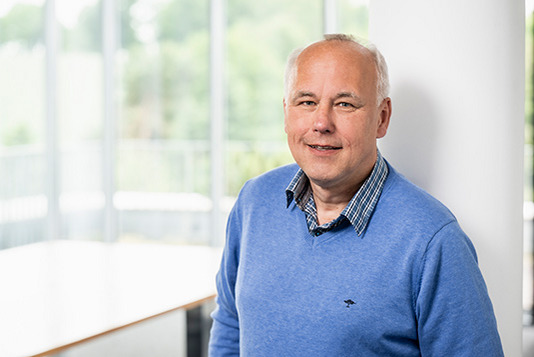
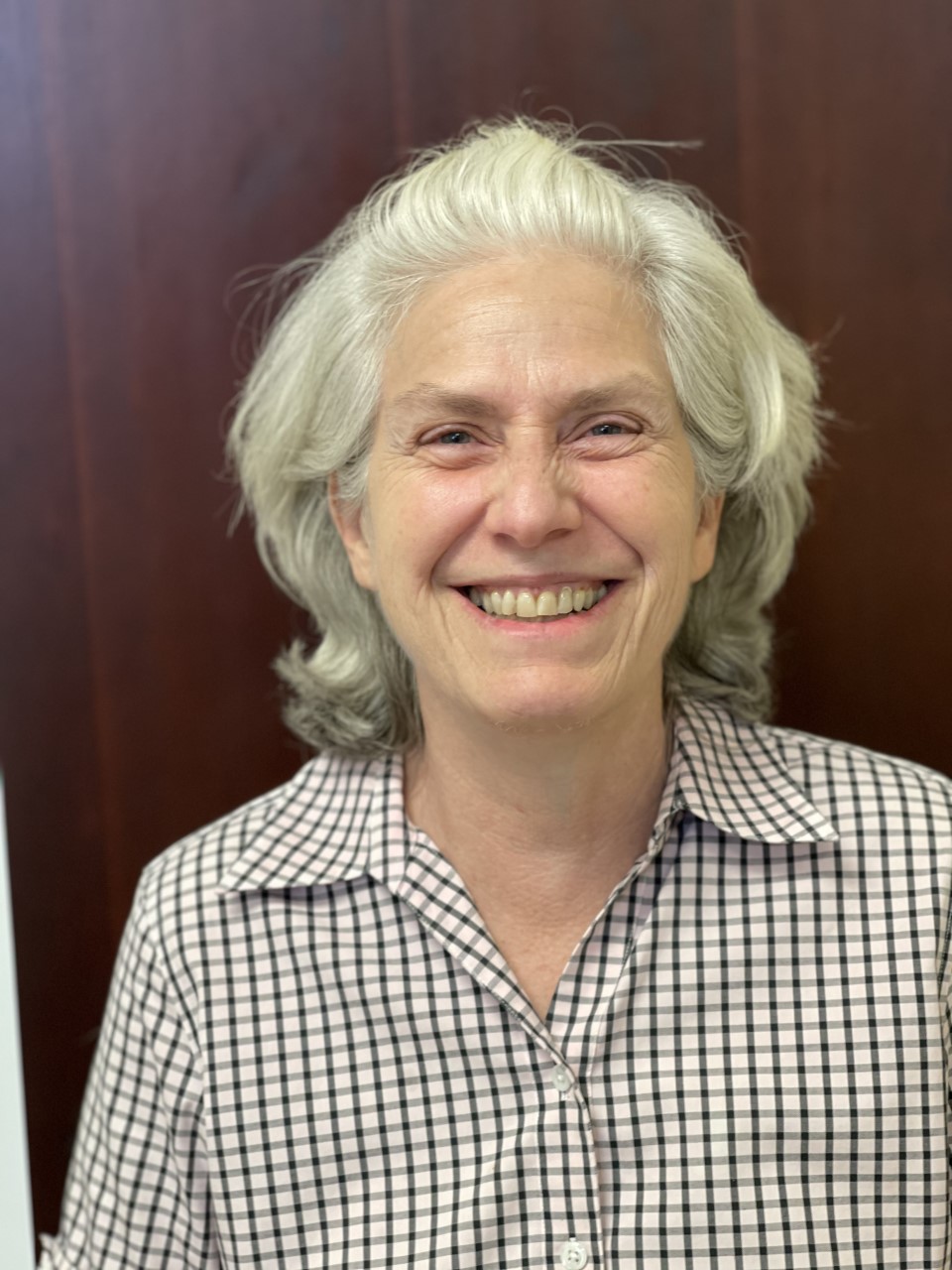
Kris Schindler is a Teaching Professor and Co-Director of Undergraduate Studies in the Department of Computer Science and Engineering at the University at Buffalo's School of Engineering and Applied Sciences. He holds a PhD in Electrical Engineering from the University at Buffalo (2001) and leads research in socially relevant computing solutions. Research Interests: Dr. Schindler focuses on computer architecture, networking, and VLSI systems with significant applications in assistive technology. His work includes developing communication devices for the speech-impaired, interactive learning systems, and accessibility interfaces through the Center for Socially Relevant Computing. Awards: SEAS Best Teaching Faculty of the Year (2016) Teaching: He teaches undergraduate and graduate courses including Hardware/Software Integrated Design, Microprocessors, Python programming, and seminars on adaptive technology. Current courses include CSE 453 (Hardware/Software Design II), CSE 379 (Microprocessors), and EAS 198 (The Places You Will Go). Center Leadership: As co-director of the Center for Socially Relevant Computing, Dr. Schindler oversees projects like UB Talker (augmentative communication), DISCO System (sensory feedback for developmental disabilities), and Single Click PC Interface for physical disability access.
Dr. Madhava Vemuri serves as an Assistant Professor in the Engineering and Mathematics Division at the University of Washington Bothell's School of Science, Technology, Engineering & Mathematics (STEM). His research bridges electrical engineering, computer science, and sustainable technology applications, with office location UW2-329. Dr. Vemuri holds a Ph.D. in Electrical and Computer Engineering from North Dakota State University (2024) and a Master of Engineering in Electrical Engineering from the University of Cincinnati (2019). Educational background: Ph.D. in Electrical and Computer Engineering, North Dakota State University, Fargo, ND (2024) M.E. in Electrical Engineering, University of Cincinnati, Cincinnati, OH (2019) Research focuses on optimizing transistor performance at device and circuit levels to enhance processor speed and reduce power leakage through Monolithic Integration, Beyond Moore Technologies, and On-chip Power Delivery frameworks. His work extends to Edge Computing applications and Artificial Intelligence for IC design, with significant collaborations including USDA-funded development of ML-based object detection systems for precision agriculture targeting weed reduction. This research aims to create eco-friendly agricultural solutions by minimizing herbicide usage through targeted weeding techniques. Professional experience includes Data Science Internships at APTIV Troy MI's Advanced Safety and User Experience segment (2020-2021), contributions to AI projects for biomedical departments, and current teaching of graduate/undergraduate courses including EE 528: Computer Organization, EE 425: Microprocessor System Design, and EE 525: Embedded System Design. His industry-academia partnerships demonstrate strong translational research capabilities across biomedical, agricultural, and automotive safety domains.
Prof. Dr. Danko Basch is a Full Professor at the Department of Control and Computer Engineering, Faculty of Electrical Engineering and Computing (FER), University of Zagreb. His work focuses on microprocessor architecture , memory management algorithms , and simulation tool development . In research, Basch has contributed to: Computer Architecture Simulation : ATLAS toolset development Garbage Collection Algorithms : Copying, generational, and marking algorithms Simulation Languages : GPSS++ and Java extensions Memory Management Systems : Allocation strategies and performance optimization His work also extends to educational tools (FRISC/ARM processor guides) and software development (AGCS simulator, Moodle extensions).
André Zaccarin is a Professor in the Department of Electrical and Computer Engineering at the College of Engineering, Université Laval, where he has been a faculty member since 1991. He holds a Ph.D. in Electrical Engineering from Princeton University and has maintained a strong research presence in image and video processing, computer vision, and coding algorithms. Ph.D. in Electrical Engineering, Princeton University (1991) M.A., Princeton University (1988) M.Sc. in Electrical Engineering, Université Laval (1987) B.Sc.A. in Electrical Engineering, Université Laval (1985) His research focuses on the study and development of advanced coding algorithms for still images and video sequences. Key areas include dense motion field estimation, model-based coding, 3D motion models, segmentation-based coding, and fast coding algorithms. He also investigates image segmentation, analysis and modeling, with applications in medical imaging and motion estimation for computer vision. Hyperspectral image processing is another significant area of interest. With 61 available publications, his scholarly output reflects sustained contributions in signal and image processing, particularly in compression and computer vision. The body of work shows consistent engagement with algorithmic innovation, motion analysis, and practical implementations in imaging systems. While specific scientific awards are not listed in the provided text, his long-standing academic career and industrial research role suggest recognition within the field. André Zaccarin has supervised multiple student projects, though specific names are not provided. He was also affiliated with Intel Corp. as a Senior Staff Researcher at the Microprocessor Research Labs from 2000 to 2001, indicating industry collaboration. He served as an Invited Researcher at Princeton University during summer 1992. He is affiliated with the Computer Vision and Systems Laboratory at Université Laval, where his research group conducts work in vision systems and image processing technologies.
John J. Helferty is an Associate Professor in the Department of Electrical and Computer Engineering at Temple University's College of Engineering. He is actively involved in teaching and research, with a strong focus on applied engineering systems in aerospace and robotics. His research interests include Rocketry, Space Engineering, Remote Controlled Quad Copters, Near-Space Payloads, Lunar Mining Robots, High-Altitude Ballooning, Autonomous Mobile Robots, and Rotorcraft . These areas reflect a commitment to hands-on, project-based learning and innovation in extreme environment robotics and embedded systems. The trends in his technical focus suggest interdisciplinary work at the intersection of electrical engineering, control systems, and aerospace applications, particularly in autonomous and remote-operated vehicles for space and near-space environments. Scientific Awards: No awards listed in the provided text. Dr. Helferty teaches several core undergraduate courses including ECE 2112: Electrical Devices & Systems I , ECE 3612: Processor Systems , ECE 3614: Printed Circuit Board Design , and honors sections in microprocessor systems. His academic advising likely includes undergraduate researchers and senior design projects, though specific students are not listed. There is no mention of external grants, but his research areas suggest potential involvement in NASA-related or defense-funded projects. While not explicitly stated, his research profile implies leadership in student engineering teams or laboratories focused on rocketry, robotics, or high-altitude experimentation.
Rajeev J. Ram is a Professor of Electrical Engineering at the Massachusetts Institute of Technology (MIT), affiliated with the Research Laboratory of Electronics (RLE) within the School of Engineering. His primary department is Electrical Engineering and Computer Science (EECS). He holds degrees in Applied Physics from Caltech and Electrical Engineering from UC Santa Barbara. Education: B.S. in Applied Physics, California Institute of Technology Ph.D. in Electrical Engineering, University of California, Santa Barbara Research Interests: Ram's work focuses on integrating photonics with microelectronics, developing energy-efficient semiconductor devices, and advancing microfluidic systems for biopharmaceutical applications. His lab pioneered technologies like threshold-less lasers and 100%-efficient light sources, with recent emphasis on quantum computing interfaces and rural solar electrification solutions like SolSource. Awards: St. Andrews Prize for Energy and Environment (for thermoelectric rural electrification) RLE Semiconductor Laser Group Leadership (1999) Grants & Leadership: Managed a $100M portfolio at ARPA-E, advised DARPA, and led MIT's Center for Integrated Photonic Systems (CIPS). His work bridges academia-industry partnerships, including collaborations with national labs on quantum information science centers. Labs & Teams: Heads the Physical Optics and Electronics Group at MIT, focusing on photonics integration, quantum optics, and biopharmaceutical microfluidics. Active in translating lab innovations into global applications like the SolSource energy system.
Kranitis Nektarios is a Lecturer at the Department of Informatics and Telecommunications, National and Kapodistrian University of Athens. His research focuses on FPGA-based hardware architectures, space-grade computing, and image compression standards like CCSDS, with applications in satellite systems and reliable data processing. Primary affiliation: National and Kapodistrian University of Athens Department: Informatics and Telecommunications Research interests center on space-grade SRAM FPGAs , LDPC encoding , hyperspectral image compression , and software-based self-test methodologies for embedded systems. His work addresses high-speed data processing and fault tolerance in satellite communications. Key trends in his publications include CCSDS standard implementations , hardware accelerators for image compression, resilience to SEUs , and energy-efficient testing techniques for microprocessors. Topics span space systems , parallel computing , and digital circuit design .
Prof. Dr.-Ing. Winfried Gehrke is a faculty member at the Faculty of Engineering and Computer Science of Osnabrück University of Applied Sciences. He leads the Laboratory for Digital and Microprocessor Technology, focusing on applications in microcomputer systems and digital electronics. His work primarily involves technical education and applied research in computational engineering disciplines. Key affiliations include: Osnabrück University of Applied Sciences (Faculty of Engineering and Computer Science) His research centers on digital systems and microprocessor technology, with applications in industrial computing and embedded systems development.
Rainer Höckmann is a Researcher at the Laboratory for Digital and Microprocessor Technology , part of the Faculty of Engineering and Computer Science at Osnabrück University of Applied Sciences . Since 2008, he has focused on digital systems, FPGA accelerators, and wireless network concepts. Education: Diplom-Ingenieur (FH) in Computer Science (2006) Research interests include: Digital and microprocessor technology FPGA-based hardware acceleration Embedded microcomputing systems Compiler construction and sensor technology Wireless network relaying strategies Quality-of-service mechanisms in telecom networks His publication trends show expertise in: Cooperative relaying topologies Multimedia broadcasting enhancements Portable FPGA design frameworks Next-gen network concepts Teaching activities include: Bildgebende Sensortechnik Compilerbau Digitaltechnik Embedded Systems Hardware/Software Co-Design Rechnerarchitektur Professional projects : HPVis visual data project (2012-2014) C-MOBILE (mobile multicast/broadcast) C-CAST (context-dependent data transport)
Corneliu Zaharia is a Lecturer at the Department of Electronics and Computers , within the Faculty of Electrical Engineering and Computer Science at Transilvania University of Brașov, Romania . His research spans hardware-software co-design, embedded systems, and computer vision. Research Areas Very Large Scale Integrated Circuits Microprocessor Architectures Artificial Intelligence Mobile Platforms Patents : Zaharia has contributed to multiple invention patents, including technologies for real-time video processing, peripheral processing, and vehicle camera systems. His publications focus on optimizing hardware-software integration for edge computing and object detection.
Dr. Hanno Gerd Meyer is a Postdoctoral Fellow at the Faculty of Engineering, University of Bielefeld, working with the Center for Cognitive Interaction Technology (CITEC) and the Research Group Biomechatronics since January 2016. His research focuses on understanding insect visual systems and developing bio-inspired camera systems for robotic platforms. Dr. Meyer received his PhD in Computational Neuroscience from Bielefeld University in February 2014 with his dissertation titled 'Representation of Visual Motion Information in the Fly Brain'. His academic background includes an International Master's program in 'Systems Biology of Brain and Behavior' (2008-2010) and undergraduate studies in Biology and Psychology (2003-2008), all at Bielefeld University. His research centers on how flying insects like flies and bees use their visual systems for course control, collision avoidance, and spatial navigation. Despite having relatively few neurons and poor spatial resolution compared to artificial systems, insect visual systems demonstrate remarkable speed, flexibility, and resource efficiency. Dr. Meyer's work aims to translate these biological principles into engineering applications for robotic vision systems. He collaborates with the Cognitronics group at CITEC to develop algorithms on dynamically reconfigurable hardware combined with low power microprocessors. These algorithms extract motion information from optic flow to enable robotic agents to perform visually-guided orientation behavior in unfamiliar terrain based on principles found in insect neurobiology. Dr. Meyer has been actively involved in research at Bielefeld University since 2010, progressing from Scientific Assistant positions in the Department of Neurobiology to his current Postdoctoral Fellowship. His work contributes to Bielefeld's Socio-Technical World strategic research area, which focuses on capabilities enabling agents like humans, robots, and AI to act and communicate in complex environments.
Dr. Katherine Milla is a Professor of Geology and Geospatial Sciences at the Center for Water Resources, Florida A&M University (FAMU), where she has served since 1999. She is a Fellow of the FAMU Digital Learning Initiative and serves as a Faculty Liaison for the Writing Across the Curriculum program. She is also a Faculty Affiliate of the FAMU-FSU College of Engineering Resilient Infrastructure & Disaster Response (RIDER) Center. Education: Ph.D. Geology, Florida State University, 1999 M.S. Geology, Florida State University, 1990 B.S. Geology, University of South Florida, 1985 Graduate Certificate in Geospatial Intelligence, Penn State University, 2020 Research Interests: Dr. Milla's research focuses on the dynamics of natural and human hydrologic systems, with a strong emphasis on applying geospatial technologies to natural resource sciences. She is also deeply engaged in research on science education in the digital age, exploring how digital tools and metacognitive strategies can enhance learning outcomes in higher education. Scientific Awards & Credentials: FAMU Digital Learning Initiative Fellow (2018) American Council on Education Certificate in Effective College Instructions (2021) Teaching & Mentorship: Dr. Milla teaches undergraduate and graduate courses such as Introduction to Geographic Information Systems, GIS and Remote Sensing, and GIS Research Applications for Agriculture and Natural Resource Sciences. She actively mentors students in geospatial research and supports undergraduate research initiatives. Labs & Collaborations: She collaborates extensively across FAMU and with external partners including USDA, NOAA, NASA, and the FAMU-FSU College of Engineering. Her work spans environmental monitoring, decision support systems, and educational outreach in geospatial sciences.
Prof. PhD Miroslav Nikolov Galabov is a Professor at the Faculty of Mathematics and Informatics, St. Cyril and St. Methodius University of Veliko Turnovo in Bulgaria. His academic career spans several decades with significant contributions to computer science, particularly in the areas of 3D visualization, virtual and augmented reality, and image processing. He maintains active research collaborations and participates in multiple funded projects at the university. Professor Galabov's research interests focus on cutting-edge technologies including: Image processing and computer vision 3D visualization and modeling Virtual and Augmented Reality systems Microprocessor systems and embedded computing System programming and software architecture Multimedia systems and publishing technologies E-business applications and social network technologies His scholarly output demonstrates a clear evolution from foundational work in digital signal processing and image compression toward contemporary research in cloud infrastructure, semantic web technologies, and digital twin applications. Recent publications show a strong emphasis on practical implementations of AWS infrastructure, microservices architecture, and blockchain solutions for IoT systems. His work consistently bridges theoretical computer science with real-world applications across multiple domains including education, business, and cultural heritage preservation. Professor Galabov actively participates in significant research projects including: "Изследване и анализ на приложението на технологични инструменти и инфраструктура като креативна среда за трансфер на знания" (2025-2025) "Изследване, анализ и популяризиране на мобилни технологии и софтуерни приложения в полза на студенти със специални потребности" (2025-2025) "Изследване възможностите на технологиите за виртуална и добавена реалност за атрактивно представяне и популяризиране на българското фолклорно наследство" (2023-2023) Multiple projects related to 3D visualization, e-learning, and digital infrastructure development
Haufeng Wei, MD, PhD, serves as Professor of Anesthesiology and Critical Care at the University of Pennsylvania, with clinical privileges at the Hospital of the University of Pennsylvania and Penn Presbyterian Medical Center. A recognized expert in difficult airway management, he invented the WEI Jet Endotracheal Tube (WEI JET) and WEI Nasal Jet Tube (WEI Nasal JET), revolutionizing emergent airway techniques during high-risk procedures. His educational trajectory includes: Medical School: Tongji Medical University Residencies: Shandong Medical University Hospital, Tongji Medical University, Penn Presbyterian Medical Center, Hospital of the University of Pennsylvania Fellowships: Georgetown University Medical Center, National Institutes of Health Dr. Wei's research program uniquely integrates airway device innovation with neuropharmacology. His laboratory pioneers intranasal nanoparticle delivery systems to target brain inflammation in Alzheimer's models while simultaneously developing clinical airway technologies that leverage similar delivery principles. This dual approach creates synergistic advancements—neuroscience findings inform airway device design, and clinical airway challenges stimulate new neurological applications. Analysis of his 2023-2025 publications reveals two dominant research vectors: (1) Clinical validation of supraglottic jet ventilation systems across diverse scenarios (bronchoscopy, laryngoscopy, endoscopy), with emphasis on reducing hypoxemia and managing complications; and (2) Mechanistic studies of intranasal therapeutics in transgenic Alzheimer's models, demonstrating pyroptosis inhibition and behavioral improvements. Both vectors share core methodologies in translational device development and inflammatory pathway analysis. Dr. Wei actively mentors trainees through hands-on involvement in high-impact projects, as evidenced by consistent first-author publications from junior researchers. His work is supported by active NIH-aligned grants focused on airway device innovation and neuroprotective drug delivery, with collaborations spanning Georgetown University, NIH, and multiple clinical departments at Penn. The research group maintains strong industry partnerships for device commercialization while prioritizing clinical implementation in critical care settings. Though no formal lab name is specified, the team operates as a translational nexus where anesthesiologists, neuroscientists, and biomedical engineers co-develop solutions for airway emergencies and neurodegenerative disorders. Current projects focus on scaling nanoparticle production for clinical trials and refining the Twinstream® ventilator's microprocessor algorithms for personalized airway management.
Dr. Irina Zeleneva is an Associate Professor at the Department of Computer Systems and Networks, Faculty of Computer Science and Technologies, Zaporizhzhia Polytechnic National University. With a Ph.D. in Computers, Systems, and Networks, she has 15+ years of academic experience since joining the university in 2003. Specializes in FPGA-based digital system design Focuses on hardware acceleration and reliability optimization Teaches advanced topics in microprocessor architecture Her research includes: Development of energy-efficient FPGA systems Hardware-software co-design Neural network text classification accelerators Reliable embedded control architectures Recent publications analyze FPGA implementation of floating-point multipliers, finite state machines with elementary state chains, and AI-enhanced educational frameworks . Her work frequently appears in international conferences like IDAACS and PIC S&T, with multiple Scopus/WoS indexed articles. Dr. Zeleneva's contributions: Co-author of two monographs on FPGA acceleration PI in multiple university research projects Active participant in annual "Week of Science" conferences