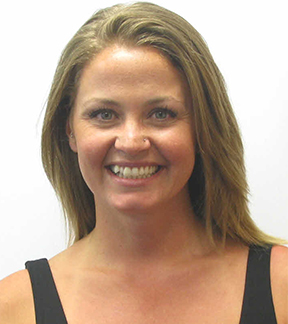
Nanna Bloch Hartmann is a senior researcher at DTU Sustain (Technical University of Denmark) since 2015. She holds a PhD in ecotoxicology from DTU (2011) and has held postdoctoral roles at DTU Environment (2013–present), the European Commission’s Joint Research Centre (2011–2013), and Edinburgh Napier University (2009). Her research focuses on the environmental fate and effects of micro- and nanoplastics, with expertise in ecotoxicology, technical systems, and science communication. Education: PhD in Ecotoxicology, DTU (2007–2011) Guest PhD student, Edinburgh Napier University (2009) Research Interests: Mechanistic understanding of micro/nanoplastics’ fate, degradation, and effects in aquatic and technical systems Science communication to regulators, media, and the public Contributions to UN Sustainable Development Goals (SDGs 6, 12, 14). Grants & Projects: Combat Microplastics Pollution in the Baltic Sea (2024–2027) Sustainable Industrial Laundry Wastewater Treatment (2023–2027) Risk Evaluation of Micro/Nanoplastics (2022–2026) Recognition: Listed among Stanford’s top 2% global scientists (2021–2022). Active in promoting gender equality through roles in DTU’s Women in Engineering Science network and Equality Steering Group (2015–2018).
John Anthony (Tony) Byrne is Professor of Photocatalysis and Research Director in the School of Engineering at Ulster University. He leads the Clean Technology research theme within the Nanotechnology and Integrated BioEngineering Centre (NIBEC) and heads the Photocatalysis Research team. Byrne earned his 1st class honors degree in biology and chemistry at Ulster University, followed by a DPhil in chemistry under Dr. Brian Eggins. Appointed as a lecturer in the School of Engineering in 2005, he was rapidly promoted and made Professor in 2012. Professor Byrne's research focuses on photocatalytic nanomaterials for environmental remediation and renewable energy applications, with particular emphasis on metal oxides. His work significantly contributes to UN Sustainable Development Goals, especially in clean water and sanitation. He has developed expertise in titanium dioxide-based photocatalysis, water disinfection technologies, and nanomaterial fabrication and characterization. His recent publications demonstrate a strong trend toward practical water treatment applications, particularly in household and rural settings. The research spans photocatalytic, photoelectrocatalytic, and UVC-based disinfection methods, with increasing focus on contaminants of emerging concern and waterborne pathogens in diverse water matrices. Fellow of the Higher Education Academy Fellow of the Royal Society of Chemistry Byrne serves on multiple professional committees including the RSC Northern Ireland Section Committee, the Chemical Nanoscience and Nanotechnology Interest Group, and chairs the Professional Bodies Forum supporting the All Party Group on Science and Technology in the NI Assembly. He is a founding Board Member of the Northern Ireland Science Festival. His research portfolio includes numerous projects such as SAFEWATER POC, funded by Invest Northern Ireland, focusing on commercializing water treatment technologies. Professor Byrne leads the Photocatalysis Research team at Ulster within the Nanotechnology and Integrated BioEngineering Centre (NIBEC), where he directs the Clean Technology research theme. His laboratory work focuses on developing and testing photocatalytic nanomaterials for water treatment applications, with strong emphasis on practical implementation in real-world settings.
Dr. Paweł Kwaśnicki is an Assistant Professor at the Department of Analytical and Engineering within the Faculty of Natural and Technical Sciences, John Paul II Catholic University of Lublin. His research focuses on advanced photovoltaic technologies, particularly third-generation solar cells, quantum dots, and transparent conductive oxides. He has contributed to scalable electrodeposition methods for platinum nanoparticles in dye-sensitized solar cells and explored TiO₂-based nanocomposites for energy applications. Research Trends: Specializes in photovoltaic materials (perovskite, TiO₂), thin-film deposition, and circular economy strategies for waste-to-energy systems. Key Collaborations: Works with institutions like Agricultural University of Krakow and ML System S.A. Laboratory. Supervisory Roles: Serves as a PhD thesis supervisor and has guided numerous bachelor's and master's theses on topics ranging from diet impacts to microplastics in food.
Heidi Ottevaere is a Professor at the Faculty of Engineering of the Vrije Universiteit Brussel (VUB) since October 1, 2009. She serves as the head of the Instrumentation and Metrology platform at the Photonics Innovation Center and leads the 'biophotonics' research unit of the Brussels Photonics Team (B-PHOT), which is chaired by Prof. Hugo Thienpont. Her work focuses on the design, fabrication, and characterization of photonic components and systems for diverse applications in medical diagnostics, environmental monitoring, and industrial processes. Dr. Ottevaere earned her Electrotechnical Engineering degree with majors in Photonics from Vrije Universiteit Brussel in 1997 and completed her PhD in Applied Sciences at the same institution in 2003. Her doctoral research focused on 'Refractive microlenses and micro-optical structures for multi-parameter sensing: a touch of micro-photonics.' Professor Ottevaere's research spans multiple cutting-edge areas of photonics with particular emphasis on biophotonics, micro-optics, and optical metrology . Her work bridges fundamental science with practical applications, developing novel photonic components and systems that address real-world challenges. She has pioneered research in miniaturized optical systems for medical diagnostics, environmental monitoring, and industrial applications. Her current research focuses on advancing lab-on-a-chip technologies, microfluidic optical sensors, and novel optical fiber systems for biomedical applications. She has developed microminiaturized, integrated plastic detection units for absorbance and laser-induced fluorescence measurements in microfluidic channels, enabling portable, robust, and disposable diagnostic systems. Her recent publications demonstrate a strong trend toward integrated optical sensing systems with applications in medical diagnostics and environmental monitoring. There's a clear progression from fundamental optical component design to complete system integration, with increasing emphasis on artificial intelligence for data analysis and computational imaging techniques. Her work bridges photonics with biomedical engineering, materials science, and data science, reflecting the interdisciplinary nature of modern photonics research. Dr. Ottevaere has been recognized with several prestigious awards: Best Application award (2008) Educational award - Bronze (2019) MOC09 Contribution Award Winners (2009) As an educator and mentor, Professor Ottevaere has promoted 9 PhD students and supervised numerous master's theses. She has secured substantial research funding from diverse sources including the Fund for Scientific Research Flanders (FWO), the Institute for the Promotion of Innovation by Science and Technology in Flanders (IWT), and multiple European Framework Programs. Her current portfolio includes projects on miniaturized biosensors for drinking water screening, precision manufacturing, and photonics education initiatives in Uzbekistan. She has coordinated multiple strategic research and networking projects with regional, national, and international funding bodies. Professor Ottevaere leads the biophotonics research unit within the Brussels Photonics Team (B-PHOT), one of Europe's leading photonics research groups. Her team includes researchers working on optical metrology, micro-optics fabrication, and biophotonic applications. She collaborates extensively with industry partners including Melexis, Umicore, and Anteryon, as well as academic institutions across Europe through various EU-funded projects. She has been instrumental in developing the interuniversity engineering curriculum 'Master in Photonics' which received the EC Erasmus Mundus quality label in 2006, and continues to be the driving force behind photonics education at VUB.
Catherine Peters is the George J. Magee Professor of Geosciences and Geological Engineering, and Professor of Civil and Environmental Engineering at Princeton University. She serves as Director of the Program in Geological Engineering and holds associated faculty roles in the High Meadows Environmental Institute (HMEI), Princeton Institute for the Science and Technology of Materials (PRISM), and the Andlinger Center for Energy and the Environment. Her work focuses on environmental chemistry, geochemical reactions, and subsurface energy technologies, including carbon sequestration, geothermal energy, and shale gas extraction. Education: PhD (Joint degree in Civil Engineering and Engineering & Public Policy), Carnegie Mellon University, 1992 MS in Civil Engineering, Carnegie Mellon University, 1987 BSE in Chemical Engineering, University of Michigan, 1985 Research Interests: Dr. Peters explores environmental challenges of subsurface energy systems through experimental, imaging, and modeling approaches. Key areas include CO2 storage in saline aquifers, geochemical reaction kinetics, and remediation of organic pollutants. Her lab uses synchrotron-based techniques and reactive transport simulations to study processes at nanometer to basin scales. She emphasizes collaborative research with national labs and universities. Recent Article Trends: Her publications (2023-2025) highlight advancements in carbon mineralization, hydrogen storage security, microbial geochemical interactions, and multi-scale material characterization. These works bridge environmental engineering, geochemistry, and data science to address decarbonization challenges. Awards & Leadership: Fellow, Association of Environmental Engineering and Science Professors (AEESP) since 2016 2012 EPA P3 Award for the 'Power-in-a-Box TM' sustainable design project Princeton Commendation List for Outstanding Teaching Grants & Collaborations: Funded by NSF, DOE, and EPA, her projects address subsurface energy systems and climate mitigation. She collaborates with national labs via synchrotron facilities and leads initiatives like the Grand Challenges Program. Courses taught include environmental engineering, statistical methods, and geochemical kinetics modeling. Labs & Teams: Affiliated with HMEI, PRISM, and the Andlinger Center, she integrates interdisciplinary teams to advance sustainable energy and environmental solutions. Her group’s work often intersects with global sustainability and equity goals.
Lisa Axe is a Professor and Chair in the Otto H. York Department of Chemical and Materials Engineering at NJIT, with a joint appointment in the Department of Civil and Environmental Engineering. Her research focuses on chemical and physical processes in environmental systems, particularly interfacial processes affecting contaminant attenuation, biologically active water treatment filters, and reactive iron mineral coatings in subsurface environments. She has been funded by organizations like the National Science Foundation and Chemours, and serves on the Chemours Science Advisory Board and NJDEP Science Advisory Board. Education - Ph.D., Environmental Engineering (Illinois Institute of Technology, 1995) - MChE, Chemical Engineering (Illinois Institute of Technology, 1995) - M.S., Environmental Engineering (Illinois Institute of Technology, 1992) - B.S., Geoscience (Purdue University, 1984) Research Interests Dr. Axe’s work integrates surface chemistry, microbial ecology, and geochemical analysis to address water contamination challenges. Her lab studies biologically active filters for emerging contaminants and reactive iron mineral dynamics in redox transition zones. Recent projects include advancing biofilm-based water treatment and analyzing subsurface iron mineral coatings’ reactivity. Methodological innovations include cryogenic sampling for subsurface core preservation. Awards DuPont Young Professor Grant Grants & Collaborations Funded projects include partnerships with Chemours, SUEZ North America, and the U.S. Army. She leads research on contaminant degradation mechanisms and sustainable treatment technologies. Her work bridges environmental engineering and geochemistry, emphasizing scalable solutions for water quality challenges. Labs & Teams Her research group operates within NJIT’s Chemical and Materials Engineering department, collaborating with environmental agencies and industry partners to develop next-generation water treatment systems and subsurface remediation strategies.
Simon Neill is a Professor in Physical Oceanography at Bangor University’s School of Ocean Sciences, specializing in marine renewable energy, particularly tidal and wave energy resource characterization. He leads the MSc in Marine Renewable Energy and chairs IEC Technical Specification 62600-201 on tidal energy assessment. His research spans energy resource optimization, environmental impacts, and coastal management. He has secured £multi-million grants, including the £708k NERC-funded Southeast Asia Plastics project and the £7M European Regional Development Fund Smart Efficient Energy Centre. Education: PhD in Estuarine Physics (University of Strathclyde), BEng in Civil Engineering (University of Dundee), PGCertHE (Bangor University). Research Interests: Wave-tidal interactions, marine energy grid integration, sediment dynamics, microplastic dispersal, and climate change adaptation. He is lead sediment scientist at FORCE (Fundy Ocean Research Center for Energy) and contributes to the editorial board of Renewable Energy. Grants & Projects: NERC SEAmap: Marine Plastic Pollution Mitigation (2020-2023) European Regional Development Fund SEEC (£7M, 2019-2023) INTERREG ECOSTRUCTURE: Climate-Resilient Coastal Infrastructure (£3.5M, 2017-2020) Teaching: Module organizer for Marine Renewable Energy (MSc), Ocean Modelling (Undergraduate), and RV Prince Madog cruise. External examiner for Plymouth University’s MSc Marine Renewable Energy (2018-2022). Advising: Supervises PhD students researching underwater noise impacts, remote sensing for energy resources, microplastic dispersal, and estuarine energy modeling. Labs/Teams: Collaborates with FORCE, IEC, and industry partners like Repetitive Energy Ltd and Extra Mussel. Leads multi-institutional projects on estuarine dynamics and plastic pollution.
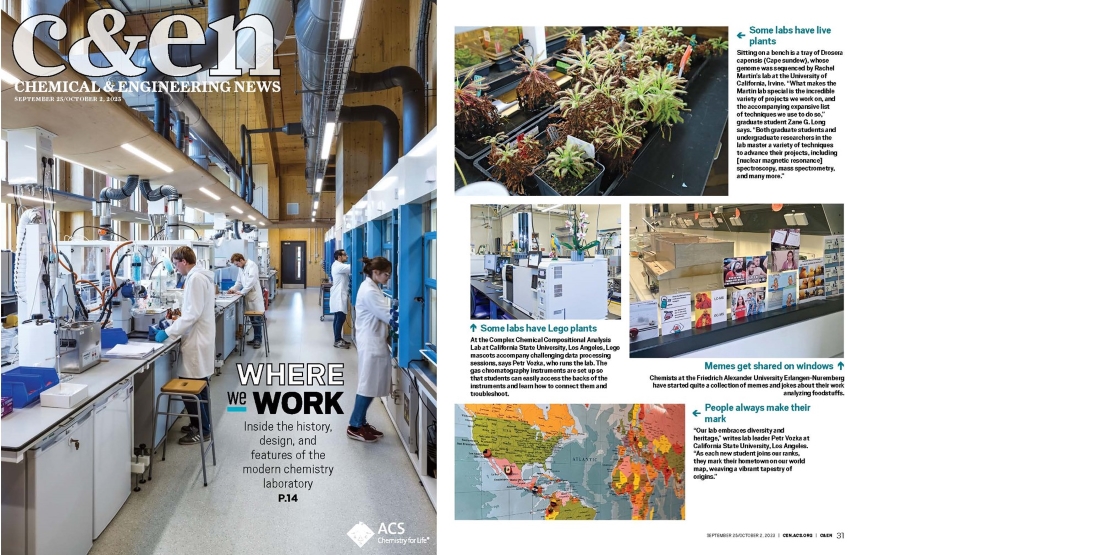
Dr. Petr Vozka is an Assistant Professor in the Department of Chemistry and Biochemistry at California State University, Los Angeles, where he leads the Complex Chemical Composition Analysis Lab (C³AL). His research focuses on the characterization of complex chemical mixtures using state-of-the-art techniques, including two-dimensional gas chromatography and high-resolution mass spectrometry, with applications in environmental science, plastic waste conversion, and forensic analysis. Dr. Vozka's research interests span multiple critical areas including the analysis of complex chemical mixtures, microplastics in the environment, conversion of plastic waste into alternative fuels, environmental impact of oil spills, and forensic fingerprint analysis. His work on microplastics has gained significant attention, with media coverage highlighting his findings that microplastics can penetrate blood vessels and have been found in the brain. His research on the Huntington Beach oil spill investigated the long-term effects of oil contamination on beaches used for recreation. Dr. Vozka has organized significant academic events including the Multidimensional GC: From Petroleum to Beyond symposium at ACS Fall 2025 and serves on the organizing committee for the Multidimensional Chromatography Workshop (MDCW). His laboratory, C³AL, is equipped with advanced instrumentation including GC-TOFMS, GC×GC-FID, and GC×GC-TOFMS systems, supported by partnerships with LECO Corporation and Anton Paar. Recipient of LECO Corporation's Pegasus® BT GC-MS instrument through a competitive selection process Principal Investigator for research funded by Naval Air Warfare Center Aircraft Division Collaborator with researchers from Purdue University, UCT Prague, Delft University of Technology, and California State Polytechnic University Dr. Vozka actively mentors undergraduate and graduate students, with numerous students receiving research awards including CSU COAST Undergraduate Student Research Grants, NSF REU placements, and Dean's List honors. His students regularly present research at national conferences including ACS meetings and the Multidimensional Chromatography Workshop. The C³AL lab provides hands-on experience with cutting-edge analytical instrumentation, preparing students for careers in analytical chemistry and related fields. As part of the LECO-C³AL Facility partnership, Dr. Vozka's lab serves as a training ground for students in comprehensive two-dimensional gas chromatography and mass spectrometry techniques. The facility aims to enhance knowledge and expand opportunities for students while equipping them with skills necessary to excel in graduate programs and analytical positions in industry and the military.
Ed Grant is a Professor in the Department of Chemistry at the University of British Columbia (UBC), Faculty of Science. He leads research in chemical physics, focusing on laser spectroscopy, ultracold plasmas, and Raman spectroscopy. B.A., 1969, Occidental College Ph.D., 1974, University of California, Davis Research Interests: Grant's work spans fundamental and applied domains. His team investigates ultracold plasmas using molecular beam techniques, revealing Coulombic interactions and strong correlations. In Raman spectroscopy, they develop instruments for microscale biological sample analysis and employ multivariate classification. Recent projects integrate quantum computing, machine learning, and environmental science (e.g., microplastics' atmospheric impact). Scientific Awards: R&D 100 Award (1998) Fellow of the American Physical Society (1992) Humboldt Research Award (1992, 2012) Kelly Award for Excellence in Undergraduate Teaching (1990) Fulbright Senior Scholar (1988)
Professor Andrea Russell is a leading academic in Physical Electrochemistry at the University of Southampton's School of Chemistry. With a career spanning institutions like the University of Liverpool, University of Newcastle upon Tyne, and University of Southampton, she has held progressive roles from Lecturer to Professor since 2007. Her educational background includes a BS in Chemistry (University of Michigan, 1986) and a PhD in Chemistry (University of Utah, 1989). Electrochemistry specialist with >100 refereed publications Expert in synchrotron-based and vibrational spectroscopic techniques International leadership roles in electrochemistry societies Professor Russell's research focuses on structure/property relationships in electrocatalysts, particularly for fuel cells, metal-air batteries, and water electrolysers. She employs advanced operando X-ray absorption spectroscopy and Raman/IR spectroscopy to study electrode/electrolyte interfaces. Her interdisciplinary work includes environmental microplastics analysis and heritage material spectroscopy collaborations. Her recent publications emphasize catalyst optimization (Co3O4/CeO2 interfaces, Pt-Rh alloys), novel electrode design (TiC-modified carbon fibres), and methodological advancements in spectroelectrochemical characterization. Grants from EPSRC, Royal Society, and European Union (FP7) support her projects. Chair of Diamond Users Group Member of Diamond Strategic Advisory Committee Vice-President, International Society of Electrochemistry Fellowships: Royal Society of Chemistry, Higher Education Academy Professor Russell supervises PhD students in electrochemistry and related fields. She has chaired major conferences including the Gordon Research Conference on Fuel Cells (2002) and Faraday Discussions on Electrocatalysis (2008).
Dr. Qilin Li is a Professor of Civil and Environmental Engineering at Rice University, serving as Co-Director of the NSF Nanosystems Engineering Research Center for Nanotechnology-Enabled Water Treatment (NEWT). She leads research on advanced water treatment technologies, membrane processes, and nanotechnology applications to address global water challenges. Her work focuses on membrane distillation, nanomaterials for disinfection, and sustainable infrastructure solutions. Dr. Li holds a Ph.D. and M.S. from the University of Illinois at Urbana-Champaign and a B.E. from Tsinghua University. Her research group investigates membrane fouling, desalination, and recovery of valuable metals from wastewater. Key projects include nanophotonics-enhanced solar desalination and electrochemical processes for contaminant removal. She has been awarded the CAPEES/Nanova Frontier Research Award and the Roy E. Campbell Faculty Development Award. Dr. Li advises multiple Ph.D. students and postdoctoral researchers, advancing innovative water treatment technologies. Dr. Li’s contributions span academic leadership, industry collaborations (e.g., SolMem LLC), and policy-oriented research to enhance urban water resilience. Her lab develops materials and processes for energy-efficient water reuse, with a focus on sustainable solutions for industrial and municipal systems.
Yves Comeau is a Professor in the Department of Civil, Geological and Mining Engineering at Polytechnique Montréal. With a Ph.D. in Environmental Civil Engineering from the University of British Columbia (1989), his career spans over three decades, focusing on wastewater treatment, nutrient removal, and water resource recovery systems. He directs the Environmental Engineering Laboratory and co-leads the Center for Research, Development and Validation of Water Treatment Technologies (CREDEAU). Education: B.Eng. (1980), M.A.Sc. (1984), Ph.D. (1989) from UBC Current research emphasizes biological/chemical nutrient removal, modeling, and phytotechnology for cold climates Key projects include steel slag filters for phosphorus removal, willow-based wastewater treatment, and landfill leachate management His 183 publications cover topics from activated sludge modeling to bioremediation of contaminated soils Recent work demonstrates the efficacy of willow vegetation filters in cold climates and microplastic characterization in wastewater. He has supervised 12 Ph.D. and 54 Master’s students, including Dominique Claveau-Mallet (2017) and Xavier Lachapelle-Trouillard (2017). Awards include the Environmental Network Distinction (2016) .
Boya Xiong is an Assistant Professor at the University of Minnesota in the Department of Civil, Environmental, and Geo-Engineering . Her research bridges polymer science , environmental chemistry , and membrane material science to address global environmental challenges. Research Interests: Elucidating polymer degradation mechanisms under environmental stressors Designing nature-inspired antimicrobial membranes Advancing plastic circularity and waste management Mitigating biofouling and pathogenic contamination Assessing environmental fate of industrial polymers Developing sustainable resource recovery systems Recent Publications analyze polymer behavior in hydraulic fracturing, plastic degradation pathways, and biofouling solutions, with keywords spanning polymer chemistry , environmental toxicology , and membrane technology . Scientific Awards: NSF CAREER award (2025) McKnight Land-Grant Professorship (2025) 40 Under 40 (2024) Young Engineer of the Year (2023) NSF ACADEME fellow (2018) Mentorship includes advising current PhD students (Phoebe Keyes, Ehsanur Rahman), alumni (Tariq Bastawisy, Rebeca Loss), and interdisciplinary teams focused on environmental sustainability.
Manfred Zinn serves as a Professor at the University of Applied Sciences and Arts Western Switzerland (HES-SO), specifically within the School of Chemistry and Life Sciences. He leads the Biotechnology and Sustainable Chemistry research group at the Life Science Engineering department in Sion, Switzerland. His academic position includes significant research leadership responsibilities and active contributions to the field of bioplastics and sustainable materials. Professor Zinn's research focuses primarily on biotechnology applications for sustainable materials, with particular expertise in polyhydroxyalkanoates (PHAs) and other bioplastics. His work spans microbial biosynthesis, material characterization, and industrial applications of biodegradable polymers. He investigates the metabolic pathways of PHA-producing microorganisms, develops novel analytical methods for biopolymer characterization, and explores practical applications of bioplastics in medical and industrial contexts. His research integrates microbiology, polymer chemistry, and process engineering to address challenges in sustainable materials development. Analysis of his recent publications (2019-2024) reveals a strong focus on advancing the science and technology of bioplastics, particularly polyhydroxyalkanoates. His work addresses key challenges in monomer composition control, polymer characterization, biosynthesis optimization, and industrial applications. A significant trend in his research involves developing sophisticated analytical methods for biopolymer production monitoring and exploring novel applications for biodegradable materials in medical and industrial contexts. His collaborative work spans multiple countries and institutions, reflecting the international nature of bioplastics research. Professor Zinn has secured significant research funding through multiple competitive grants, including Innosuisse and Swiss National Science Foundation projects. His research portfolio includes projects on biosynthesis of Chlorella, electroplating processes for biodegradable materials, and online flow cytometry analysis for microbial bioplastic production. These projects demonstrate his ability to secure funding for interdisciplinary research at the intersection of biotechnology, materials science, and sustainable chemistry. His collaborations extend to institutions including the Frauenhofer Institute and Chulalongkorn University in Bangkok. The Biotechnology and Sustainable Chemistry research group led by Professor Zinn maintains strong laboratory facilities for microbial cultivation, biopolymer synthesis and characterization. The group utilizes advanced equipment including bioreactors, flow cytometry systems, and polymer analysis instrumentation. Their research bridges fundamental science with practical applications, focusing on developing sustainable alternatives to conventional plastics while addressing technical challenges in production, characterization, and implementation.
Tiffany Roberts Briggs serves as Chair and Associate Professor in the Department of Geosciences at Florida Atlantic University. Her academic foundation includes a Ph.D. (2012), M.S. (2008), and B.S. in Environmental Science with Honors (2006), all from the University of South Florida. Her research centers on coastal geomorphology and sedimentology , with critical focus on beach-dune-nearshore system responses to natural events like hurricanes and anthropogenic interventions including coastal engineering. Key specialties include beach morphology evolution, microplastics in coastal sediments, sea turtle habitat characterization, and coastal resilience strategies. Current projects involve Hurricane Ian impact analysis, regional sediment management, and decadal-scale inlet dynamics. Teaching portfolio spans undergraduate and graduate courses including Physical Geology, Coastal and Marine Science, Shore Erosion & Protection, and specialized topics in beach morphodynamics. She actively mentors graduate students through directed research courses and supervises thesis work evident in her co-authored publications with student researchers. Briggs directs research at the Coastal Studies Lab and leads field investigations across Southeast Florida coastlines. Her work integrates advanced methodologies including LiDAR, aerial imagery, and GIS modeling for coastal change assessment. Recent publications reveal strong collaboration with agencies like USACE and NOAA, particularly in post-hurricane damage evaluation and community resilience planning.