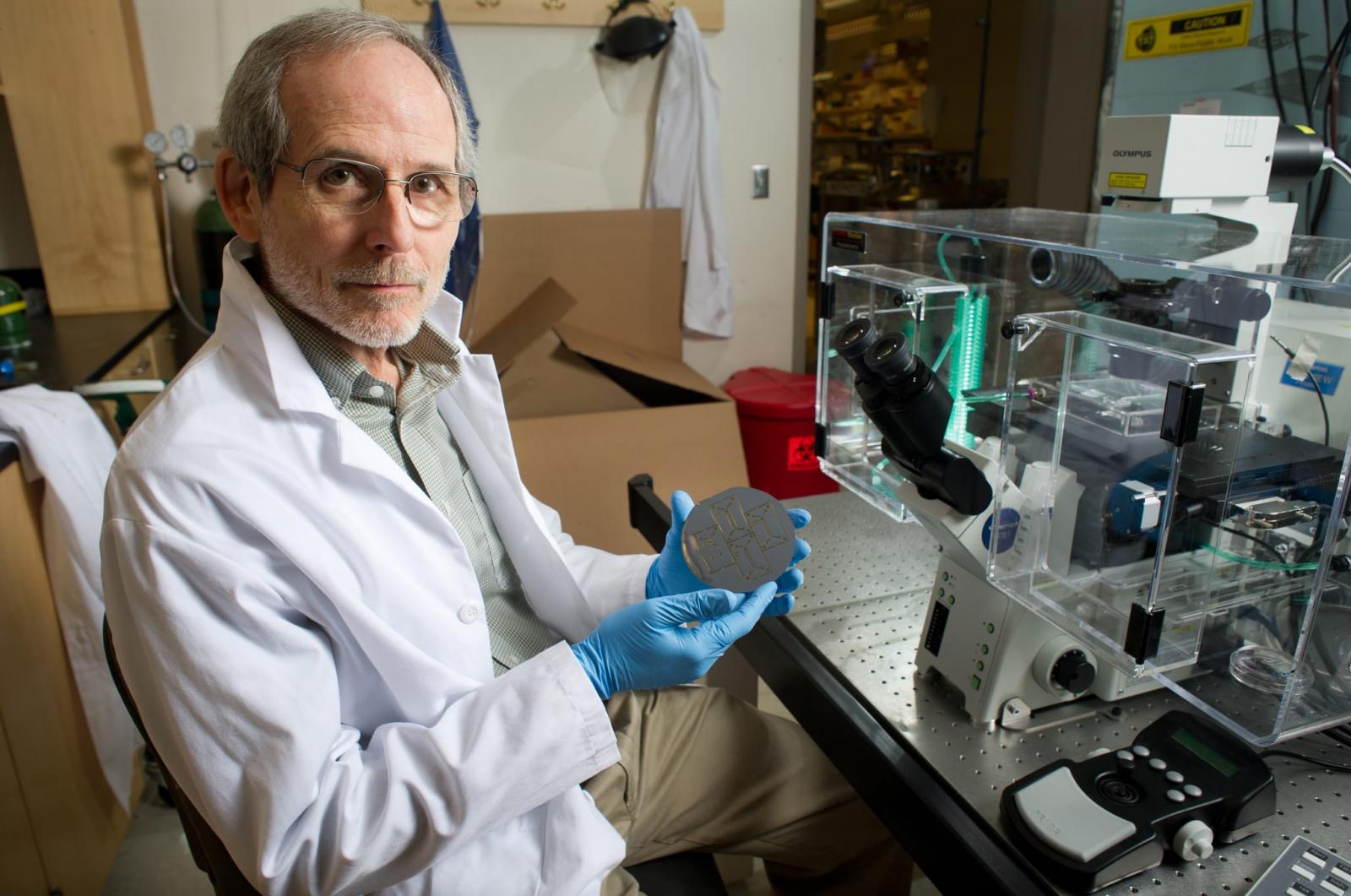
Roger Dale Kamm is the Cecil and Ida Green Distinguished Professor at the Massachusetts Institute of Technology (MIT) in the departments of Mechanical Engineering and Biological Engineering . As a leading figure in mechanobiology, he directs the NSF Center on Emergent Behaviors of Integrated Cellular Systems and co-chairs the MIT faculty. His research focuses on microfluidic models for diseases such as metastatic cancer , Alzheimer’s , and ALS , with an emphasis on integrated cellular systems and living machines . His work bridges cell mechanics , biological systems , and vascular engineering , producing organ-on-a-chip and vascularized organoids for drug screening and disease modeling. Recent publications highlight innovations in neurovascular barriers , mechanical memory in cancer metastasis , and glymphatic system studies for neurodegenerative diseases. His lab develops 3D microfluidic platforms to simulate cardiovascular dynamics , neurological disease , and immune cell trafficking . Scientific Awards : National Academy of Engineering Fellow (2020) Shu Chien Achievement Award (2020) Nerem Medal (2018) Huiskes Medal (2015) Everett Moore Baker Award (2001) He has mentored numerous researchers and graduate students, including Ellen Kan and Marie Floryan . His Mechanobiology Lab at MIT pioneers microphysiological systems for vascular, neurological, and oncological applications, partnering with biotech/pharma for translational research.
Mark Mondrinos is an Assistant Professor of Biomedical Engineering at Tulane University, affiliated with the School of Science & Engineering. His research focuses on developing microphysiological systems and organoid-based models to study human tissues and diseases, with a particular emphasis on lung, muscle, and interstitial tissues. He integrates confocal microscopy and biochemical analysis to bridge translational gaps in preclinical therapy screening. Academic roles include teaching courses such as Microphysiological Systems (BMEN 6440) and Quantitative Physiology (BMEN 3070/6070). Education & Affiliations: Inaugural Fellow, Center for Engineering Mechanobiology at Penn (2017) Postdoctoral Fellow in Bioengineering, University of Pennsylvania (2014–2016) Postdoctoral Fellow, Temple University School of Medicine (2012–2014) Ph.D. in Biomedical Engineering, Drexel University (2011) B.Sc. Chemical Engineering & Biological Chemistry, Florida State University (2002) Research Focus: His lab engineers biologically-inspired models to study respiratory exposure injuries (e.g., vaping), fibrotic disorders, and muscle injury. Current projects include multi-organ microfluidic models for systemic effects of malignancies like cachexia. Key tools include organ-on-a-chip platforms and advanced imaging techniques. Publications: Recent work spans PKC-delta inhibition in sepsis, tumor microenvironment modeling, and vascularized lung scaffolds. These studies highlight translational applications in drug screening and disease mechanisms. Awards: 2013 Jeanette Piperno Memorial Award 2011 Drexel University Best PhD Dissertation Labs/Teams: His laboratory at Tulane specializes in tissue engineering and microphysiological systems, collaborating with institutions like the University of Pennsylvania's Mechanobiology Center. Ongoing projects aim to advance personalized medicine through organ-on-a-chip technologies.
Jennifer Fang is an Assistant Professor in the Department of Cell and Molecular Biology at Tulane University's School of Science & Engineering. Her research focuses on vascular development and disease mechanisms, particularly using organ-on-a-chip microfluidic platforms to study blood vessel formation in healthy and diseased states. She holds a B.A. in Biological Sciences from Cornell University and a Ph.D. in Physiological Sciences from the University of Arizona, with postdoctoral training at Yale University and the University of California-Irvine. Dr. Fang's lab investigates how endothelial cell communication regulates vascular growth, with emphasis on Hereditary Hemorrhagic Telangiectasia (HHT) and cancer angiogenesis. They developed the first HHT-on-a-chip model to study vascular malformations and explore regulatory signals in sprouting angiogenesis. Her work integrates in vivo animal models with engineered microphysiological systems to bridge basic science and translational research. Current research themes include cell-cell signaling defects in vascular diseases, mechanosensitive pathways in endothelial cells, and therapeutic strategies targeting angiogenic dysregulation. The lab's interdisciplinary approach combines molecular biology, bioengineering, and computational modeling to advance understanding of vascular biology's role in health and disease.
Dr. Moriah Katt is an Assistant Professor in the Department of Neuroscience at the West Virginia University School of Medicine , with a secondary appointment at the Rockefeller Neuroscience Institute . Her research laboratory investigates cerebrovascular physiology and disease mechanisms using advanced stem cell and engineering approaches. Education: BS, Rensselaer Polytechnic Institute (2012) PhD, Johns Hopkins University (2018) Research Focus: Dr. Katt specializes in modeling the human blood-brain barrier (BBB) using induced pluripotent stem cells (iPSCs) and 3D microfluidic systems. Her work examines BBB dysfunction in stroke and neurodegenerative disorders, with dual goals of: 1) uncovering pathological mechanisms in cerebrovascular transport, and 2) developing targeted brain therapeutics. Key methodologies include transcriptomic analysis, antibody-based targeting strategies, and physiological disease modeling. Publication Trends: Her recent articles demonstrate consistent focus on neurovascular interface biology, spanning BBB modeling, stem cell applications, and cancer dissemination. Dominant themes include iPSC-derived tissue engineering (7/10 papers), therapeutic targeting strategies (6/10), and quantitative analysis of disease mechanisms (8/10).
Abigail N. Koppes is an Associate Professor of Chemical Engineering at Northeastern University, with affiliations in Bioengineering and the Cross-College Magnetics Center. Her Advanced Biomaterials for NeuroEngineering Laboratory (ABNEL) focuses on bioelectric medicine, nerve regeneration, and organ-on-a-chip systems for gut-brain axis modeling. She holds a B.S., M.S., and Ph.D. in Biomedical Engineering from Rensselaer Polytechnic Institute (2007-2013). Research interests include developing biomaterials and biophysical interventions (e.g., optogenetics, magnetic stimulation) to engineer neural therapies and recapitulate complex biological systems like the enteric nervous system. Notable projects involve neural-guided repair of spinal injuries, gut-on-a-chip platforms for drug discovery, and chronic inflammation modeling. Koppes has secured NIH Trailblazer and NSF CAREER awards, alongside the Rita Schaffer Young Investigator recognition. Her lab integrates techniques from chemical engineering, materials science, and molecular biology to address disorders such as irritable bowel diseases and neurodegenerative conditions. She mentors PhD students (e.g., Bryan Schellberg, Kyla Kaiser) and leads interdisciplinary grants, including NASA-funded neurovascular systems. Recent work includes modeling Sjögren’s syndrome gut-brain axis dysfunction and exploring long-COVID impacts through organ-chip platforms. Koppes collaborates on PEAK undergraduate research programs and has been featured in media for her contributions to bioelectric medicine and personal insights on long-COVID challenges in academia. The ABNEL lab’s innovations span neural engineering, gut-organoid systems, and magnetic stimulation therapies.
Gretchen Mahler is Professor of Biomedical Engineering at Binghamton University and Interim Vice Provost and Dean of The Graduate School. She holds a BS from the University of Massachusetts Amherst and PhD from Cornell University. Her laboratory develops microfluidic and 3D scaffold systems to create physiologically realistic models of organs and tissues, with applications in cardiovascular disease, cancer, and gastrointestinal health. Dr. Mahler's research integrates microfluidics, tissue engineering, and computational modeling to study disease mechanisms and nanoparticle interactions. Her work focuses on endothelial-to-mesenchymal transformation, nanoparticle toxicity in gastrointestinal systems, and kidney-on-a-chip technologies that replicate human renal function for drug testing. Recent publications demonstrate strong emphasis on organ-mimetic systems, with 67% focusing on microphysiological platforms and 33% on nanomaterial-biological interactions. Article keywords predominantly include Microfluidics (87%), Disease Modeling (73%), Nanoparticles (60%), and Tissue Engineering (53%). Awards and Honors: Provost's Award for Outstanding Graduate Director (2017) Lush Prize (2015) Dr. Nuala McGann Drescher Award (2015) The Hartwell Foundation Postdoctoral Fellowship (2008) Dr. Mahler advises 9 graduate students and postdoctoral researchers. Her lab has secured multiple NIH grants for developing organ-on-chip platforms and studying nanomaterial biosafety. Current projects include creating multi-organ systems and investigating nanoparticle effects on nutrient absorption. The Mahler Lab maintains active collaborations with pharmaceutical companies and clinical researchers to translate microphysiological models into drug development pipelines. Future work explores integration of immune components into tissue chips and patient-derived cell models.
Don Platt is an Associate Professor in the Department of Aerospace, Physics and Space Sciences at Florida Institute of Technology, part of the College of Engineering and Science (COES). He also serves as Director of the Spaceport Education Center. His work focuses on developing advanced avionics, communications systems, rocket propulsion, and astrobiology/biotechnology tools for space exploration. Platt has extensive experience with NASA engineering standards (7150.2A/7120.5) and emphasizes human adaptation to deep space environments, small satellite systems, and interdisciplinary approaches to space challenges. His research spans human deep space exploration , microgravity biotechnology , and high-performance cubesats . Notable projects include the WEISS-SAT1 astrobiology payload and the Virtual Camera system for astronaut-rover collaboration. Platt advocates for integrating human-centered design into space medical infrastructure and risk mitigation systems. Publications (2002–2025) reflect expertise in propulsion systems, astrobiological instrumentation, and space mission design. He has contributed to pioneering work on tissue chip platforms for studying muscle degeneration in space and cooperative AI assistants for deep space missions. Platt's work bridges engineering, biology, and human factors to advance sustainable space exploration technologies. Grants and advising details are not explicitly stated in the provided materials, though his leadership in the Spaceport Education Center suggests active engagement in educational and applied research initiatives. Collaborative projects like UNESCOsat highlight his commitment to global space education and interdisciplinary innovation.
Erkin Şeker, Ph.D. , is a Professor in the Department of Electrical and Computer Engineering at the University of California, Davis, where he also serves as Co-Director of the Center for Neuroengineering and Medicine and Chair of the Designated Emphasis in Neuroengineering . His research integrates micro- and nanofabrication, electrochemical biosensors, multifunctional neural interfaces, and microfluidic tissue chips to address challenges in healthcare and life-science miniaturization. Education: Ph.D. in Electrical Engineering, University of Virginia (2007) Research Interests Prof. Şeker’s group operates at the intersection of nanoporous metals , microfluidics , and device engineering . Current thrusts include: Nanostructured electrochemical biosensors for nucleic-acid detection in food safety, water quality, and medical diagnostics. Multifunctional biomedical device coatings that combine neural recording with on-demand drug delivery to combat epilepsy and other neurological disorders. Nanoporous metal morphology libraries for high-throughput investigation of structure–property relationships. Microphysiological models of neuroinflammation and gut–brain-axis interactions using tri-culture tissue chips. Publication Trends Over the past decade the group has produced >80 peer-reviewed articles spanning Analytical Chemistry , ACS Applied Materials & Interfaces , Advanced Functional Materials , Lab on a Chip , and Journal of Neuroinflammation . The work reveals a clear trajectory from fundamental studies of nanoporous gold mechanics and surface chemistry to translational applications in closed-loop neural control, nucleic-acid diagnostics, and tissue-level disease models. Scientific Awards & Honors NSF CAREER Award NIH NIBIB Trailblazer Award UC Davis Academic Senate Distinguished Graduate and Professional Teaching Award UC Davis Graduate Studies Distinguished Graduate and Postdoctoral Mentorship Award BMES Cellular & Molecular Bioengineering Young Innovator Next Level Research Award (College of Engineering) Fund for Medical Discovery Award (Massachusetts General Hospital) Elevation to IEEE Senior Member Advising & Funding Prof. Şeker has mentored >25 Ph.D. and M.S. students and numerous undergraduates. Active funding includes NSF, NIH (NIBIB, NINDS, NIA, NCCIH), USDA-NIFA, UC Lab Fees, and industry partnerships totaling several million dollars. He is PI or Co-PI on grants such as: "NeuralStorm: Taking Neuroengineering by Storm" (NSF NRT) "Closed-Loop Electro-Fermentation…" (USDA-NIFA) "Next-Generation Neural Interfaces Based on Axonal Confinement…" (NIH NIBIB Trailblazer) "A Scalable Primary Cortical Tri-Culture Model…" (NIH R03) Labs & Teams He directs the Şeker Research Group , a multidisciplinary team of graduate students, post-docs, and undergraduates housed in the UC Davis College of Engineering. Shared resources include College clean-room facilities, the Center for Neuroengineering and Medicine, and collaborative ties with the UC Davis Alzheimer’s Disease Research Center, Comprehensive Cancer Center, and Environmental Health Sciences Center.
Victoria Hutter is a Professor of In Vitro Toxicology at the University of Hertfordshire, affiliated with the Pharmaceutics Department within the School of Life and Medical Sciences. She holds academic and professional memberships including the General Pharmaceutical Council (GPhC), Royal Pharmaceutical Society (RPS), and International Society for Aerosols in Medicine (ISAM). Her research focuses on in vitro modeling of respiratory, skin, and gastrointestinal drug delivery systems, with particular emphasis on drug transporters and epithelial permeability. Education: MPharm and PhD from the University of Nottingham. Prior industry experience includes formulation science and clinical pharmacy roles. She has led/co-led 17 research projects since 2012, including EU-funded initiatives on in vitro test methods and inhalation safety. Research interests span drug-permeability mechanisms, ABC/SLC transporters, and toxicity testing of nanoparticles. Teaching expertise includes Pharmaceutics and Pharmacy Practice. Collaborations involve developing novel co-culture models for ocular and lung toxicity assessment, and standardizing in vitro assays like TEER measurements. Her recent work emphasizes high-content image analysis for macrophage responses, regulatory applications of microphysiological systems (MPS), and optimizing drug delivery systems using biomaterials like thermoreversible gels and eggshell membrane scaffolds.
Thomas Hartung is an honorary full professor of Pharmacology and Toxicology, specializing in research areas including toxicology, pharmacology, and artificial intelligence applications in healthcare. He previously served as head of ECVAM (European Center for the Validation of Alternative Methods) from 2002 to 2008. His educational background includes studies in Medicine, Biochemistry, Chemistry, Mathematics, and Informatics across German institutions such as Tuebingen, Konstanz, Freiburg, Cologne, and Hagen, culminating in an MD in toxicology and a PhD in biochemical pharmacology. His research focuses on advancing evidence-based toxicology methodologies, alternative testing strategies, and the application of organoids in neurotoxicity assessment. Recent work explores AI-driven solutions for medical imaging security and standardized data integration tools for toxicology research. Hartung holds editorial roles at multiple Frontiers journals, including Field Chief Editor for Frontiers in Artificial Intelligence and Specialty Chief Editor for Medicine and Public Health in Frontiers in Big Data. He is actively involved in shaping scientific discourse through editorial contributions and topic curation, particularly in areas like predictive toxicology and AI-driven discovery. Despite his extensive academic and editorial contributions, no specific awards, grants, or lab affiliations are explicitly detailed in the provided information.
Dr. Kambez H. Benam is an Associate Professor of Medicine and Bioengineering at the University of Pittsburgh , where he spearheads the Translational and Multidisciplinary Lung Microengineering Lab . His interdisciplinary program integrates lung biology, immuno-microbiology, tissue engineering, robotics, and AI to create human-relevant models for pulmonary medicine. Education & Training: D.Phil., University of Oxford Postdoctoral & Technology Development Fellow, Wyss Institute for Biologically Inspired Engineering, Harvard University Research Focus: Dr. Benam’s group develops Organs-on-Chips , biomimetic robotic systems , and 3D bioprinting platforms to recapitulate human lung, immune, and vascular physiology at micro- and nano-scales. They investigate inhalation toxicology, vaping-related injury, and the impact of microgravity on astronaut health using microphysiological systems (MPS). Recent Publication Trends (2016–2023): His work has advanced from foundational lung-on-chip devices ( Nature Methods, 2016 ) to translational studies on COVID-19 therapeutics ( Nano Select & Pharmacology & Therapeutics, 2021 ) and real-time robotic vaping analyzers ( iScience & Respiratory Research, 2021–2023 ). The trajectory highlights a shift toward clinical cohort integration, antiviral drug discovery, and regulatory science for e-cigarette safety. Scientific Honors: Award from the American Thoracic Society Award from the Society of Toxicology Multiple licensed patents and widespread media recognition Teams & Infrastructure: Dr. Benam’s team—comprising researchers such as Quoc Vo, Rocio Jimenez-Valdes, and Hanieh Mahvizani—is housed primarily in the Thomas E. Starzl Biomedical Science Tower . The lab is committed to reducing animal use in preclinical research while accelerating therapeutic discovery for debilitating lung disorders.
Jörg P. Kutter is a Professor in the Department of Pharmacy at the University of Copenhagen, where he leads the Microscale Analytical Systems research group. His work focuses on the design and development of lab-on-a-chip devices and microfluidic systems for analytical applications across biomedical, pharmaceutical, environmental and industrial fields. Professor Kutter's research expertise spans multiple areas of microfluidics and analytical chemistry. He specializes in chemical separation techniques including chromatography and electrophoresis, as well as FIA-based systems and integration of optical detection elements. His current work emphasizes microfabricated lab-on-a-chip systems with focus on separation and sample preparation techniques, and advanced micro and nano liquid handling. His research group has developed numerous applications using thiol-ene based microfluidic platforms, which have become a signature technology in his laboratory. Analysis of Professor Kutter's recent publications (2022-2024) reveals a strong progression from fundamental microfluidic techniques toward increasingly complex biological applications. His work now prominently features DNA analysis (particularly extrachromosomal circular DNA), olfactory mucus analysis using humanized yeast biosensors, pulmonary delivery of siRNA-loaded nanoparticles, glycopeptide enrichment for inflammation-related protein analysis, and microfluidic steroidogenesis assays. This evolution demonstrates the maturation of microfluidics technology and its growing impact on biomedical research and clinical diagnostics. Professor Kutter has secured several millions of Euros in funding support for national and international (EU) projects. He served as coordinator for a European STREP project (2007-2010) with seven partners and a European IP (2010-2015) with 16 partners. He has supervised 14 post-doctoral fellows, 20 PhD students, and 12 master's theses, demonstrating a strong commitment to academic mentoring and research training. He serves as Deputy editor for Electrophoresis and is a member of the Board of Directors of the Chemical and Biological Microsystems Society. He participates in technical program committees for major conferences including µ-TAS, MEMS, MSB and Transducers. Additionally, he acts as a scientific advisor for the Institute for Microtechnology in Mainz, Germany, and evaluates proposals for national and international funding agencies as well as educational accrediting agencies.
Rosalyn Abbott is an Associate Professor in the Department of Biomedical Engineering at Carnegie Mellon University's College of Engineering. She leads the Abbott Lab which focuses on adipose tissue engineering, silk biomaterials, and non-invasive tissue assessments to study obesity and its link to type II diabetes. Her educational background includes: Ph.D. in Bioengineering from the University of Vermont (2012) MS in Biomedical Engineering from Rensselaer Polytechnic Institute (2008) BS in Biomedical Engineering from Rensselaer Polytechnic Institute (2008) Prof. Abbott's research centers on developing human adipose microenvironments that respond to stimuli hypothesized to alter disease mechanisms, particularly the transition from obese tissues to insulin-resistant type II diabetic tissues. Her lab integrates systems-based modeling with tissue engineering, perfusion bioreactors, and mechanical studies, using silk as a natural biomaterial to support long-term culture of adipose micro-environments in vitro. She is also actively involved in cellular agriculture research for sustainable meat production. Analysis of her recent publications reveals a strong focus on adipose tissue modeling, with particular emphasis on developing fat-on-a-chip systems, studying patient variability in adipose tissue, and exploring vascularized adipose constructs using decellularized matrices. Her work bridges fundamental tissue engineering with translational applications for metabolic disease research and sustainable food technologies. Among her notable scientific achievements is receiving an NSF CAREER Award for her research in biomedical engineering. Her work has been featured in various media outlets including Technology Networks' 'Teach Me in 10' episode, PCN Capital news, BuiltIn, and Tech Times. Prof. Abbott leads an active research group that includes undergraduate and graduate students. Recent lab news highlights include securing a $42M ARPA-H award for an implantable bioelectric medicine project, student successes such as Khushi graduating with her Master's and continuing as a PhD student, and presentations at various conferences. She actively mentors students who present their research at events like Meeting of the Minds. The Abbott Lab works at the interface of materials science and regenerative medicine, investigating how the 3D microenvironment affects tissue development and disease. Current research focuses on adipose tissue engineering strategies, silk biomaterials, and non-invasive tissue assessments to study obesity and its link to type II diabetes.
Mariappan Muthuchamy is a Professor of Medical Physiology and Director of the Cardiovascular Research Institute at Texas A&M University. His research focuses on cardiac and lymphatic muscle contraction mechanisms, mechanotransduction signaling, and the interplay between mechanical forces and cellular functions. He holds the Lyndon Baines Johnson Research Award. Education: B.S. Chemistry, Madurai Kamaraj University, India (1980) M.S. Biochemistry, Madurai Kamaraj University, India (1983) Ph.D. Biochemistry/Molecular Biology, Madurai Kamaraj University, India (1991) Research Interests: Dr. Muthuchamy’s work explores molecular mechanisms underlying cardiac muscle dynamics in health and disease, including thin filament activation, crossbridge kinetics, and mechanotransduction. His lab employs molecular, cellular, and structural techniques to study myofilament regulation. He pioneered methods to exchange myofibrillar proteins via transgenic manipulation. Additionally, he investigates lymphatic muscle contraction, its role in fluid transport, and its unique smooth-striated hybrid contractile properties. Recent work includes studying lymphatic dysfunction in metabolic disorders and inflammatory conditions using advanced tools like Atomic Force Microscopy (AFM) and microphysiological systems (e.g., Lymphangion-Chip). Key Findings: Established AFM-fluorescence microscopy fusion for mechanotransduction studies. Discovered lymphatic muscle’s role in systemic fluid dynamics and disease pathogenesis (e.g., lymphedema, metabolic syndrome). Linked inflammatory mediators (e.g., IL-1β, TNF-α) to lymphatic pump impairment. Awards: Lyndon Baines Johnson Research Award (Lyndon Baines Johnson Foundation) Lab & Collaborations: His lab includes Research Assistant Akshaya Narayanan (akshaya.narayanan@tamu.edu). Collaborations focus on translational research in cardiovascular and lymphatic physiology, leveraging engineered tissues and animal models. Ongoing projects target lymphatic dysfunction in amyotrophic lateral sclerosis, Duchenne muscular dystrophy, and metabolic diseases. Labs/Teams: Cardiovascular Research Institute (CRI) at Texas A&M, with interdisciplinary teams studying mechanobiology, integrin signaling, and lymphatic-inflammatory interactions.
Christine E. Schmidt, Ph.D. is a Distinguished Professor and J. Crayton Pruitt Family Endowed Chair in the J. Crayton Pruitt Family Department of Biomedical Engineering at the University of Florida's Herbert Wertheim College of Engineering. Her research focuses on biomaterials for neural tissue regeneration, conducting polymers, and decellularized tissue-based therapies. She holds a B.S. in Chemical Engineering from the University of Texas at Austin (1988) and a Ph.D. in Chemical Engineering from the University of Illinois at Urbana-Champaign (1995), with postdoctoral training at MIT (1994–1996). Her research interests include biomimetic materials design, neural interfacing, and hydrogel development for nerve repair. Notable achievements include pioneering work on injectable hydrogels derived from decellularized nerves and magnetically aligned tissue-engineered nerve interfaces (e.g., MARTEENI). Her lab, the Biomimetic Materials & Neural Engineering Lab, explores scalable biomaterial solutions for spinal cord and peripheral nerve regeneration. Scientific Recognition : Dr. Schmidt is a member of the National Academy of Medicine (2024), National Academy of Engineering (2024), and Florida Inventors Hall of Fame (2020). She has received the BMES Athanasiou Medal (2024), AIMBE Pierre Galletti Award (2023), and Clemson Award (2019). She served as AIMBE President (2018–2020) and editorial roles in journals like Journal of Materials Chemistry B and Acta Biomaterialia . Advising & Grants : While no formal advisee list is provided, her leadership roles and extensive grant-funded research indicate significant mentorship. Key grants include NIH-funded studies on neural repair and collaborations in space biology (e.g., muscle tissue chips). Labs/Teams : Director of the Biomimetic Materials & Neural Engineering Lab, collaborating on projects like TEENI (Tissue-Engineered Electronic Nerve Interface) devices and anti-adhesive biomaterials for surgical applications. She leads interdisciplinary teams in regenerative medicine, nanomedicine, and biomedical engineering.