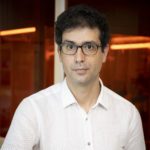
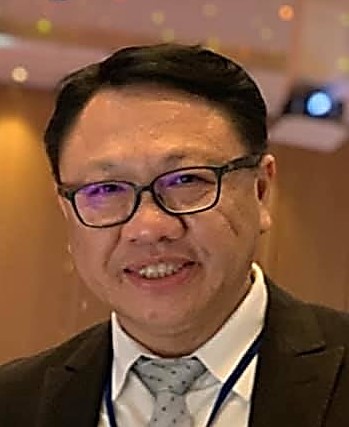
Dr. Samy Gobaa is the Head of the Biomaterials and Microfluidics Core Facility at Institut Pasteur in Paris, France. He obtained his PhD from ETH Zurich and completed postdoctoral training at EPFL-IBI . Specializes in microfluidics, organ-on-chip technology, and 3D cell culture Leads 15+ research projects including the Organ-on-Chip Center and iLite bioartificial liver Developed artificial niche microarray for stem cell research His research focuses on: Engineering advanced cell microenvironments using microfluidics Developing human emulation systems for infection biology Creating bioengineered diagnostic tools for pathogen studies Optimizing organoid culture systems with controlled architecture Key technological platforms under his leadership include: Emulate Organ-on-Chip systems (Liver, Intestine, Lung) Custom micropatterning and hydrogel fabrication Computational fluid dynamics simulation (COMSOL) Automated cell culture systems in BSL2/BSL3 environments He supervises multiple PhD candidates and collaborates with international partners. Contact: bmcf.admin@pasteur.fr or samy.gobaa@pasteur.fr
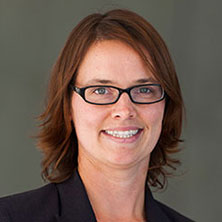
Volker Lauschke is an Associate Professor at the Department of Physiology and Pharmacology, Karolinska Institutet, where he leads the Personalized Medicine and Drug Development research group. His work integrates advanced 3D cell culture systems, microfluidics, and molecular profiling to develop novel therapeutic strategies. Department: Physiology and Pharmacology (FyFa) Research Focus: Inflammatory conditions (NASH), infectious diseases (COVID-19), metabolic diseases (type 2 diabetes) Funding: Swedish Research Council Consolidation Grant, KI Faculty Consolidator Grant His research spans pharmacogenomics , population-scale genetics , and machine learning to map ethnogeographic variability in drug response genes. The lab develops 3D primary human tissue models of liver, pancreas, adipose tissue, and skeletal muscle using patient-derived cells, with emphasis on cell-cell interactions and tissue-tissue crosstalk in microfluidic systems. They uniquely employ Nano Reaction Injection Molding (NanoRIM) for biomedical device fabrication and BRET-based biosensors for intracellular signaling monitoring. Analysis of recent publications reveals a strong focus on precision medicine applications through ethnogeographic pharmacogenomic atlases (e.g., PharmFreq), organ-on-chip systems for metabolic disease modeling, and viral pathogenesis mechanisms for hemorrhagic fevers. Key methodologies include chemogenomic screening in patient-derived models, population genomics, and advanced microphysiological systems. Swedish Research Council's Consolidation Grant for "Modulation of Tissue Communication to Combat Non-Alcoholic Fatty Liver" KI Faculty Consolidator Grant (1.2 million SEK/year for 5 years) Contributions to WHO-recommended baricitinib treatment for severe COVID-19 The lab actively collaborates on major initiatives including the Biofab core facility at Biomedicum. Their work on hepatic spheroids has opened new avenues for liver regeneration research, while pharmacogenomic studies directly inform clinical implementation of precision medicine. Current projects emphasize rare variant analysis in pharmacogenes and development of microfluidic multi-organ systems for glycemic control modeling.
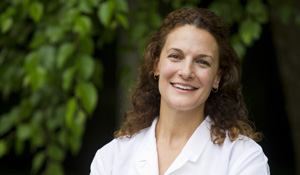
Jessica Cottrell, Ph.D., is an Associate Professor and Chair of the Department of Biological Sciences at Seton Hall University. Her research focuses on mechanisms linking inflammation, immune responses, and bone repair, with a focus on diabetes-related comorbidities and melanoma. She leads initiatives in translational medicine and has pioneered 3D bone organoid models for studying disease processes. Education & Affiliations: Trained in Biomedical and Translational Science Membership: College of Arts and Sciences, Seton Hall University Research Interests: Immune modulation for bone fracture repair Therapeutics targeting diabetic bone complications 3D in vitro models for myeloma and bone disease Role of T lymphocytes in bone remodeling Awards & Recognition: 2022 College of Arts and Sciences Faculty of the Year 2021 J. Leonard Goldner Award Grants & Leadership: Active in obtaining extramural grant funding Promotes global scientific initiatives through teaching and research Advises students on interdisciplinary projects Courses Taught: Genetics Human Genetics Metabolic Diseases Biochemistry Molecular Biology Microbiology Cell Culture Techniques
Dr. Esak (Isaac) Lee is an Assistant Professor at the Meinig School of Biomedical Engineering at Cornell University since 2019. He combines principles from engineering, biology, and medicine to develop novel approaches for improving human health, focusing on lymphatic and blood vessel biology. Current: Assistant Professor, Biomedical Engineering, Cornell University Previous: Postdoctoral Fellow, Wyss Institute & Boston University Education: Ph.D. in Bioengineering, Johns Hopkins University His research interests include: Microfluidics and organ-on-chip technology Tissue engineering and biomaterials Biomechanics and mechanobiology in vascular systems Molecular and cellular engineering for disease modeling Regenerative medicine applications for cancer and immune diseases Edema and lymphedema treatment strategies Dr. Lee's work emphasizes creating 3D organ-on-chip systems to study vascular interactions. His publications demonstrate expertise in lymphatic biology, cancer metastasis, and neurovascular modeling. Awarded: NSF Career Award (2024) Nancy and Peter Meinig Investigatorship (2019) Microcirculatory Society Lymphatic Research Award (2021) GRC Lymphatics Young Investigator Award (2018) BMES Cellular & Molecular Bioengineering Young Innovator (2023) As an educator, Dr. Lee teaches core topics in biomedical engineering including cancer immuno-engineering and biomaterials. His lab at Cornell fosters interdisciplinary research through bioengineered in vitro models that replicate human physiology with high precision.
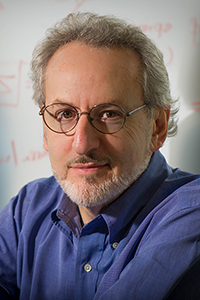
Don Ingber is a leading bioengineer and vascular biologist at Harvard University, serving as Founding Director of the Wyss Institute for Biologically Inspired Engineering and Professor at the Harvard John A. Paulson School of Engineering and Applied Sciences. He holds the Judah Folkman Professorship in Vascular Biology at Harvard Medical School and is affiliated with Boston Children's Hospital's Vascular Biology Program. His research integrates engineering, physics, and molecular biology to understand how mechanical forces and cellular structure influence disease and tissue development. Key contributions include pioneering work in angiogenesis, organ-on-a-chip technology, and mechanobiology. Ingber's education includes an MD and PhD from Yale University, followed by postdoctoral training at Children's Hospital Boston. His lab focuses on disease modeling (e.g., cancer, inflammatory bowel disease), drug discovery, and regenerative medicine using organ chip platforms. He has over 20 patents and led the development of TNP-470, one of the first angiogenesis inhibitors. Research interests span mechanotransduction, systems biology, and bioinspired engineering, with applications in precision medicine and drug development. Recent work includes modeling vaginal microbiome interactions, radiation injury in gut chips, and therapeutic targets for COPD exacerbations. Scientific achievements include election to the National Academy of Engineering. His labs and teams have advanced microphysiological systems for predictive toxicology and personalized medicine, emphasizing interdisciplinary approaches to biomedical challenges.
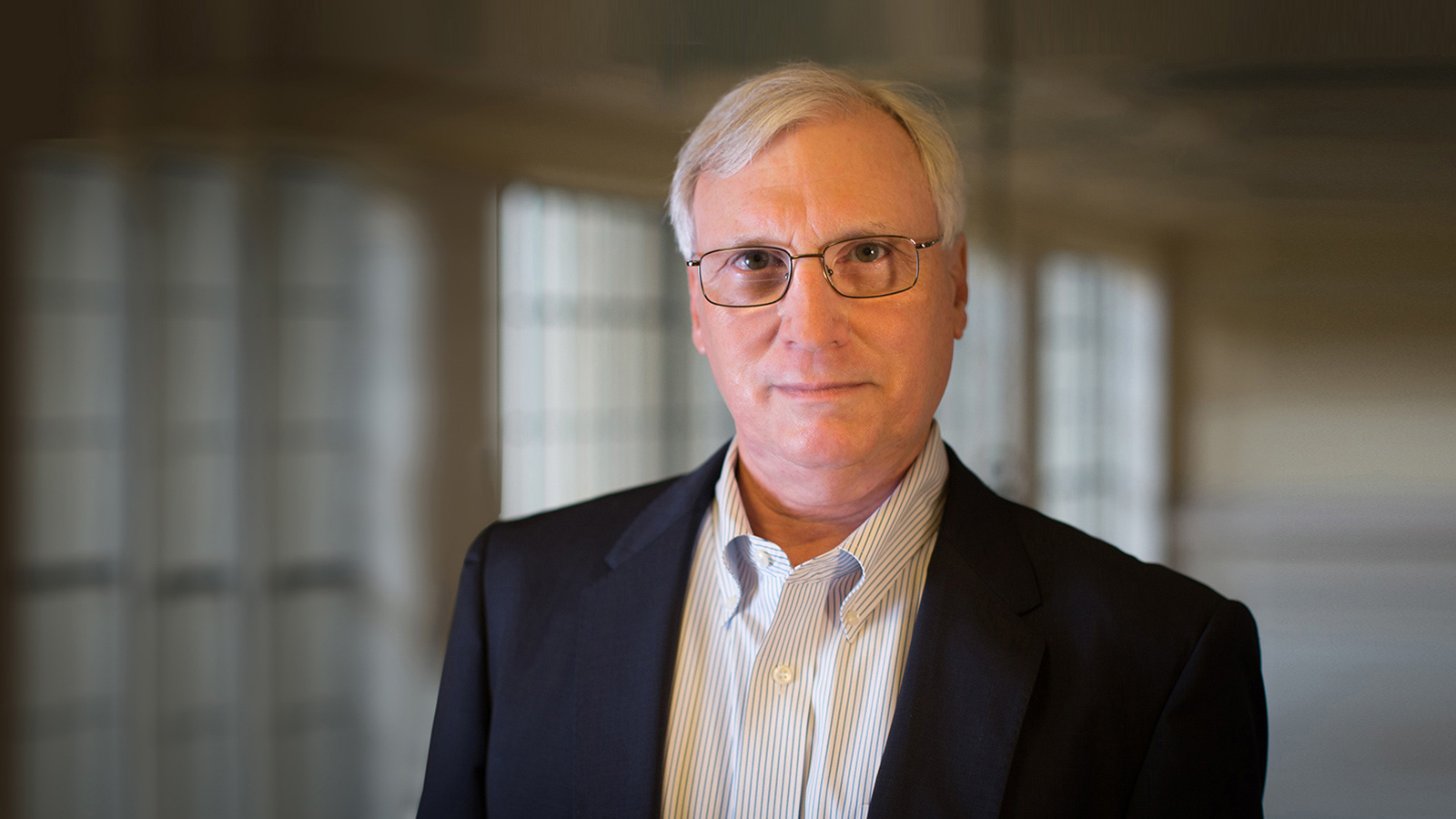
Douglas Lauffenburger is the Ford Professor of Biological Engineering, Chemical Engineering, and Biology at the Massachusetts Institute of Technology (MIT). He leads the Lauffenburger Laboratory, which integrates experimental and computational approaches to study cell dysregulation and develop therapeutic strategies for cancer, inflammatory diseases, and infectious diseases. His research focuses on systems biology, quantitative cell biology, and translational medicine. Education: PhD in Chemical Engineering, University of Minnesota (1979) BS in Chemical Engineering, University of Illinois, Urbana-Champaign (1975) Research Interests: His lab develops predictive models linking molecular networks to physiological behavior, addressing applications in cancer (breast, colon, lung, pancreatic), inflammatory pathologies (Alzheimer’s, Crohn’s disease), and immune system responses to pathogens like HIV, tuberculosis, and malaria. Emphasis is placed on complex tissue contexts, including mouse models and engineered microphysiological systems. Awards: Bernard M. Gordon Prize for Innovation in Engineering (2021) AAAS Member (2019) American Academy of Arts and Sciences Fellow (2001) Guggenheim Fellowship (1989) Grants & Labs: Over 100 doctoral/postdoctoral trainees have graduated from his lab, many holding academic or industry roles. Collaborations include work on vaccine development, tumor microenvironment dynamics, and systems pharmacology. The lab’s interdisciplinary approach bridges engineering and biomedical research, with a focus on translational impact.
Dr. Hsi-Wei LIU is an Associate Professor at Fu Jen Catholic University (FJCU), holding dual roles in the Department of Life Science and the Graduate Institute of Applied Science and Engineering . He also serves as Director of the Biomedical and Photonic Interdisciplinary Research Center . He earned his Ph.D. in Chemical Engineering from National Tsing Hua University in 2006 and joined FJCU in 2009. Research Focus: His work centers on innovative medical devices, biomaterials drug delivery, and tissue engineering , with a focus on clinical translation. Recent projects include: Intra-articular nanomicellar drug delivery systems for osteoarthritis therapy 3D bioprinting of multicellular spheroid-laden hydrogels for osteoarthritis microphysiological systems Tissue-on-a-chip models to evaluate cartilage regeneration Publications: Over 30 SCI-indexed articles published between 2013–2020, primarily in biomedical engineering and materials science domains. Labs/Teams: Leads the Biomedical and Photonic Interdisciplinary Research Center, fostering collaborations in biomaterials and clinical applications.
Melinda Burgess serves as an Industry Fellow at the Frazer Institute, University of Queensland, focusing on translational cancer research with particular emphasis on chronic lymphocytic leukemia (CLL) and immunotherapy resistance mechanisms. Her work bridges laboratory discoveries with clinical applications, investigating how tumor microenvironments and immune cells influence treatment outcomes. Her primary research domains include: Chronic Lymphocytic Leukemia pathogenesis and treatment resistance Macrophage and nurse-like cell biology in hematological malignancies Therapeutic antibody mechanisms and resistance pathways siRNA delivery systems for cancer gene therapy Novel targets for overcoming immunotherapy resistance Analysis of her 17 journal publications (2010-2023) reveals a cohesive research trajectory centered on CLL resistance mechanisms. Key findings include identification of FcγRIIB dominance, HDAC7 overexpression, and PI3K-p110δ signaling as critical drivers of therapeutic antibody resistance in macrophages. Her recent work extends to combination therapies involving PD-1 blockade and investigation of concomitant malignancies. Publications span high-impact journals including Oncogene, Leukemia, and Frontiers in Immunology. Dr. Burgess maintains extensive collaborations with University of Queensland researchers including Nicholas Saunders, Peter Mollee, and Devinder Gill. No information regarding educational background, scientific awards, or student advising activities was provided in the source materials.
Tom Golde is a Researcher leading the Integrative Cell and Tissue Dynamics group at the Institute for Bioengineering of Catalonia (IBEC), where he investigates the mechanical principles governing cellular and tissue behavior. His work bridges biophysics, bioengineering, and cancer biology through innovative experimental and theoretical approaches. His research focuses on mechanobiology and tissue dynamics , particularly examining how mechanical forces regulate epithelial morphogenesis, tumor-stroma interactions, and biopolymer network mechanics. Key interests include stress mapping in curved tissues, microfluidic immunotherapy models, and the physics of semiflexible polymer networks. His group employs advanced techniques like microfabrication, live-cell imaging, and computational modeling to unravel how physical cues influence cellular decision-making in development and disease. Recent publications (2023-2025) reveal trends in tumor microenvironment engineering and curved tissue mechanics , with breakthroughs in microfluidic immunotherapy testing platforms and epithelial stress mapping. Earlier work (2015-2019) established foundational principles in motor-free contractility and semiflexible polymer rheology , demonstrating how molecular crowding and filament entanglement generate biological forces without molecular motors. Golde directs the Integrative Cell and Tissue Dynamics laboratory, which integrates biophysical experimentation with computational modeling to study cellular mechanics across scales. The group collaborates extensively with cancer biologists and clinicians to translate mechanobiological insights into therapeutic applications, particularly in immunotherapy development and tissue engineering.
Alice Perucca is a Researcher at the Institute for Bioengineering of Catalonia (IBEC), affiliated with the Integrative Cell and Tissue Dynamics research group, where she develops advanced bioengineering models to study cellular and tissue-level biological processes. Her research spans critical interdisciplinary domains: Cellular and molecular mechanobiology Tumor-stroma interface dynamics Microfluidic immunotherapy platforms Cancer microenvironment modeling Biomedical device development for precision medicine Perucca's recent work focuses on the MIRO (Micro Immune Response On-chip) platform, which replicates complex tumor-immune interactions to accelerate immunotherapy development. This innovation bridges engineering and immunology by creating physiologically relevant in vitro systems that capture dynamic cellular crosstalk within tumor microenvironments. As part of IBEC's collaborative ecosystem, she contributes to cross-group initiatives in nanobioengineering and molecular bionics, leveraging the institute's core facilities for microscopy, biomaterials characterization, and high-performance analytics to advance translational cancer research.
Brice Lapin is a Post-Doctoral Researcher at the Institut Curie in Paris, affiliated with the MMBM team (Macromolecules and Microsystems in Biology and Medicine) within the UMR168 unit (Physics of Cells and Cancer). His work bridges biophysics, microsystem design, and cancer cell behavior analysis. Research Focus: Development of multitubular kidney-on-chip models Methodologies: Microfabrication, tissue engineering, biofluidics Applications: Studying renal diseases and cystic pathophysiology
Didier Dréau is a Full Professor in the Department of Biological Sciences at the University of North Carolina at Charlotte within the College of Liberal Arts and Sciences. His research laboratory focuses on understanding the molecular, cellular, and physiological bases of metastases associated with cancers of epithelial origin, particularly melanoma and breast cancer. Dr. Dréau's research centers on the mechanisms of cancer metastasis, and the vascular and immune interactions associated with cancer growth. His laboratory investigates several key aspects of cancer metastasis including: signaling ligand-receptor (cytokine and chemokine) interactions, anchoring and growth of metastatic tumors, vascularization of metastatic tumors, and immune system interactions with metastases. A significant focus of his recent work has been on the role of inflammasomes in local inflammation within the tumor microenvironment. His publication record shows a strong trend toward understanding chemokine signaling in cancer metastasis, particularly CXCL chemokine heterodimers and their impact on breast cancer cell migration. His lab has also made significant contributions to nanotechnology applications in cancer detection and treatment, particularly with MUC1-targeted approaches for breast and pancreatic cancer. The research demonstrates a sophisticated integration of molecular biology, immunology, and nanotechnology to address fundamental questions in cancer biology. Scientific Awards: 2014 Outstanding Faculty Award Multicultural Academic Service Award 2020 CLAS Excellence in Teaching: Integration of Undergraduate Teaching and Research Award 2020 Outstanding Master's Thesis Award Dr. Dréau actively mentors graduate and undergraduate students, with numerous PhD, MS, and honors students completing research projects in his laboratory. His lab has produced over 55 peer-reviewed publications with an h-index of 29. He teaches several courses including Cell Physiology, Animal Physiology, and Advanced topics in Cancer Biology. His laboratory maintains active collaborations with researchers working on tissue engineering, nanotechnology, and immunotherapy approaches to cancer treatment.
Simon Carding is a Professor of Mucosal Immunology at Norwich Medical School, University of East Anglia (UEA), and a Research Leader in the Gut Health and Food Safety (GHFS) Programme at the Institute of Food Research. He is also a member of the Norwich Institute for Healthy Aging. His work integrates mucosal immunology, gut microbiology, and host-microbe interactions to understand intestinal health and disease. PhD, MRC Clinical Research Centre, Harrow (1985) Visiting Instructor, NYU School of Medicine (1985–1986) Postdoctoral Associate & Howard Hughes Fellow, Yale University (1986–1991) Assistant/Associate Professor, University of Pennsylvania (1991–1999) Professor of Molecular Immunology, University of Leeds (1999–2008) Professor of Mucosal Immunology, UEA (2008–present) His research centers on mucosal immunology, intestinal microbial tolerance, and the role of host-microbe crosstalk in health and diseases like inflammatory bowel disease (IBD). He investigates autophagy, epithelial barrier function, dendritic cell biology, and the development of engineered Bacteroides for therapeutic delivery. His group also explores immunosenescence, chronic fatigue syndrome, and gut-brain axis interactions. The recent publications highlight a strong trend in bacterial extracellular vesicles, engineered probiotics, gut-brain translocation models, and functional assessment in chronic fatigue. His work often involves interdisciplinary approaches combining immunology, microbiology, bioengineering, and computational modeling. RCUK Grant Review and Advisory Panels (2000–) Grant reviewer for international funding bodies (2008–) Advisory boards for biomedical charities and industry (2000–) Invited speaker at national and international conferences (1990–) Reviewer for international journals (1986–) Simon Carding has supervised postgraduate research students in gut biology, mucosal immunity, and microbiome-related fields. He has secured grants from BBSRC, Innovate UK, and Invest in ME, including projects on viral phagocytosis, chronic fatigue, and bacterial vesicle vaccines. He founded Ovatus Ltd., a spin-out company with UK and international patents, demonstrating strong enterprise engagement. He leads the GHFS Programme, comprising 13 research groups and around 60 scientists, focusing on gut epithelial physiology, microbiome, immunity, and food safety. The programme integrates experimental and computational approaches to advance gut health research.
Rebecca Carrier is an Associate Professor of Chemical Engineering at Northeastern University, specializing in mucosal drug delivery and intestinal barrier function. Her work focuses on engineering biomimetic systems to study drug-mucus interactions, microbial dynamics, and gut physiology. She pioneered the development of gut-on-a-chip models to simulate human intestinal environments and has received a $1.8 million NIH grant to investigate lipid roles in drug absorption. Her research bridges chemical engineering, biomedical sciences, and pharmaceutical technologies. Education: Advanced degrees in chemical engineering and biomaterials science (details not specified). Labs/Teams: Leads Northeastern's gut microphysiological systems initiative, collaborating with pharmaceutical and biotechnology partners. Her research interests include optimizing drug delivery systems using mucus-mimetic materials and understanding how dietary lipids modulate gut barrier properties. She explores hydrogen sulfide's role in gut health and develops biosensors for anaerobic microenvironments. Carrier's organ-on-a-chip platforms enable study of Crohn's disease and microbial-host interactions, offering preclinical models for drug efficacy and toxicity testing. Recent studies highlight mucus's role in stabilizing drug supersaturation and its implications for oral formulations. She advocates for biorelevant in vitro models to predict drug behavior in physiological conditions. Carrier's interdisciplinary approach integrates microfluidics, polymer chemistry, and synthetic biology to address challenges in gastrointestinal health and drug delivery. Grant funding supports her work on lipid-enhanced drug absorption and mucosal barrier strengthening. She mentors graduate students in bioengineering and collaborates on projects like engineered bacteria for hydrogen sulfide regulation. Carrier's lab also develops decellularized extracellular matrix scaffolds for retinal regeneration studies, showcasing her broader impact in regenerative medicine.
Ege Dağıstan is a Lecturer at Middle East Technical University (METU), located at Üniversiteler, Dumlupınar Bulvarı No:1, 06800 Çankaya/Ankara. Their research focuses on Microfluidics, Biotransport, and Engineered Microphysiological Systems. Education: B.Sc. from METU, completed in 2024. Thesis supervised by Asst. Prof. Dr. Altuğ Özçelikkale. No scientific awards, grants, or advised students are listed in the provided information.