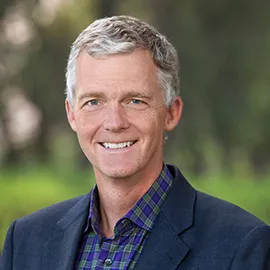
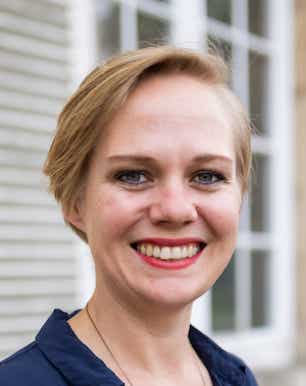
David M. Dodson is a Lecturer in Management at Stanford University’s Graduate School of Business (GSB), where he teaches courses on managing growing enterprises and entrepreneurial acquisition. His career spans over 30 years in business management, including founding three search funds and serving as CEO of a technology manufacturer and Executive Chairman of a telecommunications firm. He co-founded Sanku (formerly Project Healthy Children), a nonprofit addressing micronutrient deficiencies in Africa through fortified grains, recognized for its life-saving impact. Dodson holds an MBA from Stanford GSB (1987) and a BA in Economics from Stanford University (1983). His research focuses on entrepreneurial acquisition strategies and managing small-to-medium enterprises. Notable awards include the MSx Teaching Excellence Award (2023, 2021) and recognition as a top lecturer by Stanford GSB students. Beyond academia, he invests in over 40 businesses and serves on 21 corporate boards. In 2020, he founded StudentVotes.org to empower student voting during the pandemic. His media contributions include columns for The Boston Globe and frequent TV commentary on CNBC and Fox Business.
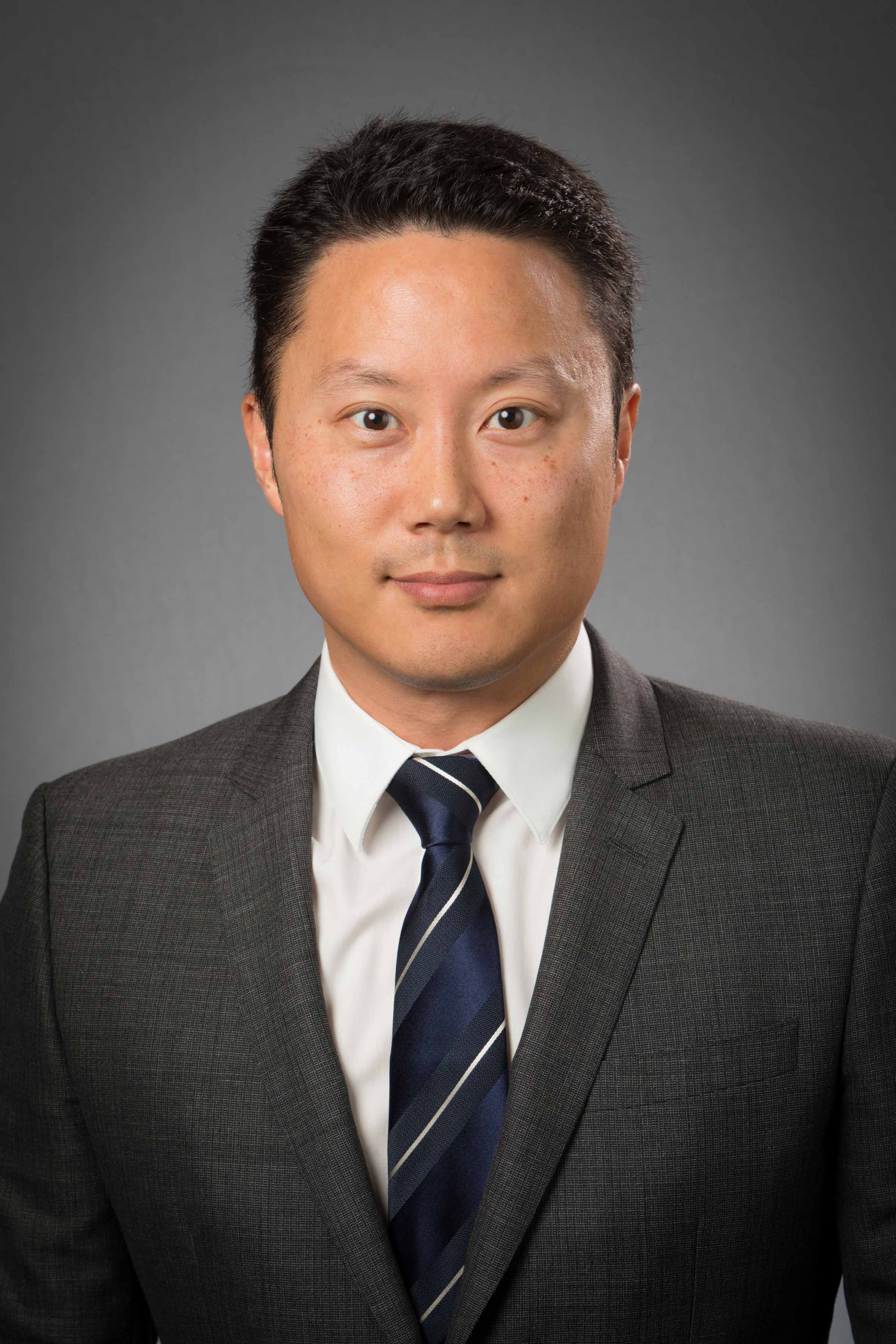
Dr. Justin Belsky is an Assistant Professor of Emergency Medicine at Yale School of Medicine, serving as the COVID-19 Safety Officer and Co-Director of Resident Research in Emergency Medicine. He holds an MD from Wayne State University School of Medicine (2011) and an MPH from Harvard School of Public Health (2016). His research focuses on sepsis diagnosis and treatment, including biomarkers, clinical trials, and risk stratification tools. He led the Yale site for the VICTAS trial evaluating vitamin C, thiamine, and hydrocortisone in septic shock. Dr. Belsky directs the Yale Emergency Medicine Specimen Biobank, collecting samples from critically ill patients for future research. His awards include the Partners in Excellence Team Award (2016) and an Outstanding Poster Award (2015). He is actively involved in resident research training and clinical guideline adherence studies. Education: MD: Wayne State University School of Medicine (2011) Emergency Medicine Residency: Henry Ford Hospital (2014) Research Fellowship: Massachusetts General Hospital (2016) MPH: Harvard School of Public Health (2016) Research Interests: Early sepsis identification and treatment Biomarker development for critical illness Fluid management strategies in septic shock Micronutrient therapies in sepsis Emergency department quality improvement Recent Work Focus: Fluid resuscitation protocols and guideline adherence Long-term outcomes of sepsis therapies Actin cytoskeleton as a sepsis biomarker Antibiotic timing in sepsis Awards: 2016: Sepsis Care Redesign, Partners in Excellence Team Award 2015: Outstanding Poster Award (Shock Symposium) Grants & Mentorship: Principal investigator for CLOVERS trial (fluid management in sepsis) Co-Director of Yale’s Emergency Medicine Research Training Program Leadership in resident research mentorship and biobank initiatives
Dr. John M. Ruter is the Allan M. Armitage Professor and Director of the UGA Trial Gardens within the College of Agricultural & Environmental Sciences at the University of Georgia. His work integrates plant breeding, genetics, and sustainable nursery crop production, focusing on ornamental plants for southeastern landscapes. Education: B.S. in Ornamental Horticulture, California Polytechnic State University (1984) M.S. in Ornamental Horticulture and Landscape Design, University of Tennessee (1986) Ph.D. in Horticultural Science, University of Florida (1989) Research interests include developing climate-resilient ornamental plants (e.g., Camellia oleifera , hibiscus, crape myrtle), mutation breeding via gamma irradiation, and optimizing nursery production systems. Recent projects focus on polyploid conifer evaluation and tea oil crop development for the southeastern U.S. Recent publications highlight advancements in induced mutagenesis (EMS, gamma irradiation), disease resistance screening (Cercospora leaf spot), and genetic characterization of native and ornamental species. Key subfields include ornamental breeding , genomic analysis , and sustainable production practices . As Director of the UGA Trial Gardens, he leads plant evaluation programs that inform regional landscaping decisions and cultivar development.
Dr. Jeannine Baumgartner is a Lecturer in the Department of Nutritional Sciences at King's College London and an Extraordinary Associate Professor at North-West University, South Africa. She holds an MSc and PhD in Human Nutrition from ETH Zurich, Switzerland. Key Appointments : Lecturer at King's College London (2022–present), Senior Scientist at ETH Zurich (2018–2022), Associate Professor at North-West University (2018). Research Focus : Optimal early-life nutrition for maternal/child health, iron and omega-3 fatty acid interventions, stable isotope methodologies, HIV-metabolic interactions, and mental health-diet links. Her recent work explores iron absorption dynamics in Thai children, maternal iron status in South Africa, and omega-3 fatty acids in depression. She leads an NIHR-funded project to reassess UK iron reference values. Scientific Leadership : Board Member, International Society for the Study of Fatty Acids and Lipids (ISSFAL) Editorial Board, European Journal of Clinical Nutrition
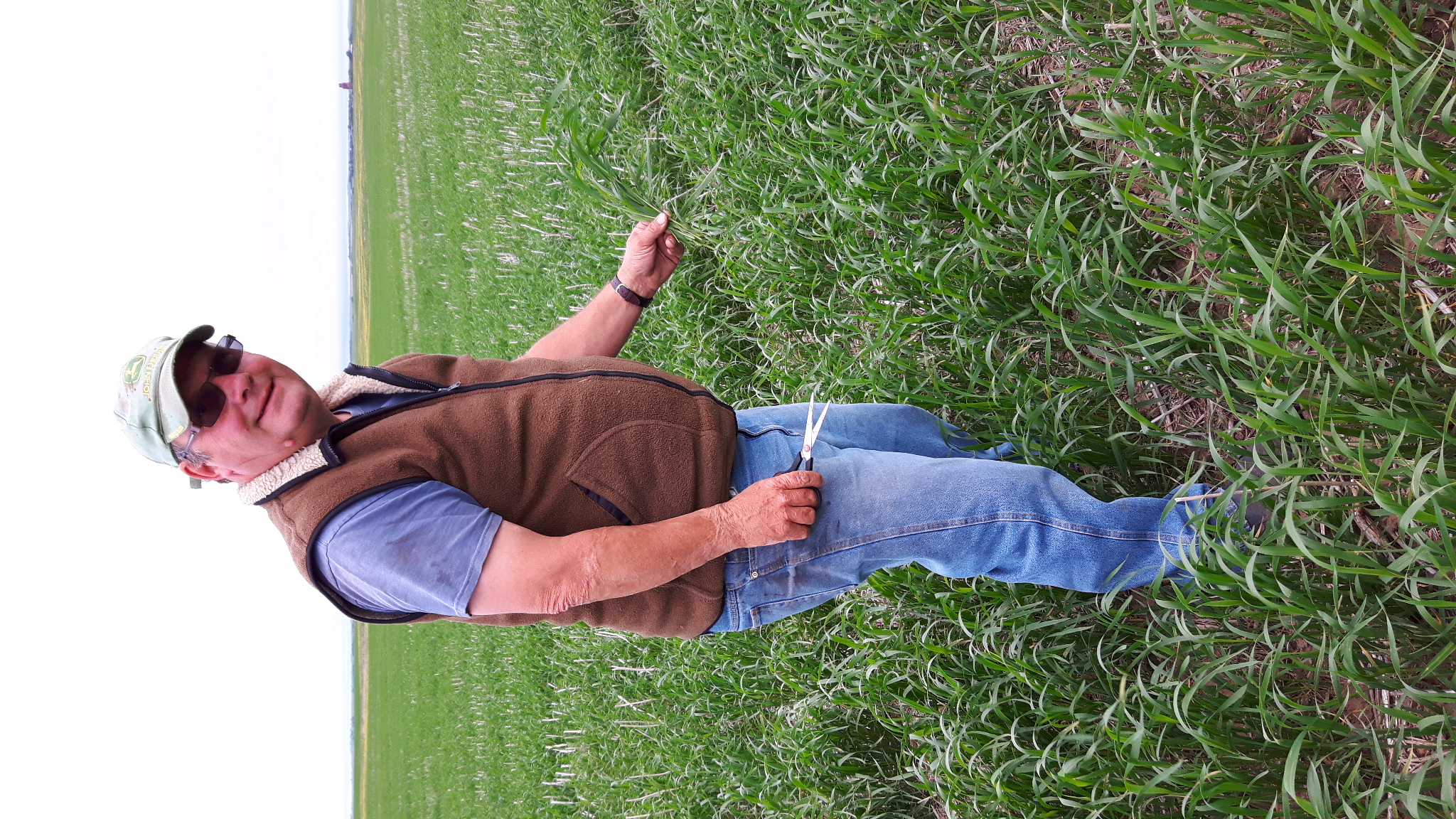
Dr. Jeff Schoenau is a Professor of Soil Fertility and Saskatchewan Ministry of Agriculture Strategic Research Chair in Soil Nutrient Management at the University of Saskatchewan's Department of Soil Science within the College of Agriculture and Bioresources. His research focuses on soil management strategies to enhance fertility, productivity, and health in prairie agricultural soils, including nutrient cycling, organic amendments, and salinity management. Education: Ph.D. (Soil Science, 1988) and B.S.A. (Agronomy, 1984) from the University of Saskatchewan. Affiliations: Fellow of the Agricultural Institute of Canada, member of the Saskatchewan Agriculture Hall of Fame (2022). Research Interests His work emphasizes 4R fertilization practices, cropping systems for soil organic matter improvement, novel nutrient/water management strategies, problem soils (e.g., saline/sodic lands), and greenhouse gas emissions mitigation. Awards Recipient of multiple accolades, including the 2024 Teaching Excellence Award, 2023 Professor of the Year, and the 2004 NSERC Synergy Award for innovation in plant root simulator technology. Teaching & Outreach Teaches courses on soil fertility, field studies, and soil characterization. Actively involved in farming with his wife, balancing academic and agricultural pursuits.
Debbi Marais is a Professor (Teaching Focussed) at the University of Warwick within the Warwick Medical School and Health Sciences department. She serves as the Director of Postgraduate Education and is a Principal Fellow of the UK Higher Education Academy , demonstrating strategic leadership in enhancing teaching quality, curriculum development, and student mentorship. With over 25 years of experience in higher education, she has held academic positions at Stellenbosch University , University of Aberdeen , and University of Warwick . Her expertise spans teaching, assessment, program coordination, quality assurance, and reflective practice. Marais’ research interests include pedagogical innovation , with a focus on technology-enhanced teaching and employability & professionalism , as well as public health nutrition covering infant and young child feeding , nutrition transition , and global health . She employs mixed methods in her research and has contributed to understanding exclusive breastfeeding barriers , maternal obesity trends in Africa, and Arabic weight-loss app design . Her work often intersects with technology-enhanced health education and interdisciplinary collaboration . Her recent publications highlight qualitative studies on food-based dietary guidelines in Kenya and South Africa, mobile health interventions for weight loss, and educational innovations in medical and nutrition training. These works reflect her commitment to global health equity and digital pedagogy , with recurring themes in African and Southeast Asian health contexts. She emphasizes participatory research methods and policy translation in maternal and child nutrition. Scientific Awards Principal Fellow of the UK Higher Education Academy Marais has supervised postgraduate research students (PhD and Masters) and contributed to curriculum reform through collaborative international projects. She has secured external funding for research and demonstrated interdisciplinary expertise in nutrition , public health , and health education .
Andrew C. Shin is an Assistant Professor at Texas Tech University within the Department of Nutritional Sciences . His work bridges metabolic health , neuroendocrinology , and neurodegenerative diseases , with a focus on how the brain regulates glucose homeostasis , BCAA metabolism , and bariatric surgery mechanisms . Ph.D. in Neuroscience, Michigan State University (2008) Postdoctoral Fellow, Pennington Biomedical Research Center and Icahn School of Medicine at Mount Sinai Dr. Shin’s research explores the neural pathways involved in appetite regulation , nutrient partitioning , and metabolic resistance . His NIH-funded projects investigate insulin signaling in POMC neurons , BCAA dynamics , and nicotine’s metabolic effects . Recent work highlights the role of the autonomic nervous system in BCAA regulation and its implications for obesity and diabetes . His 15 most recent publications reflect a focus on AI applications in nutrition , BCAA-related pathologies , Alzheimer’s disease , and metabolic surgery outcomes . Key themes include neuroendocrine control , nutritional interventions , and environmental impacts on metabolism . Scientific Awards NIH K01 Award Dr. Shin directs the Mouse Metabolic Phenotyping Facility and collaborates on synbiotic trials for cognitive aging . His work spans basic science and translational research , addressing metabolic disorders and their neurological consequences .
Jinhu Li is a Senior Research Fellow at the Australian National University, holding positions in both the Department of Health Economics, Wellbeing and Society and the National Centre for Health Workforce Studies. She has previously held academic positions as a Senior Lecturer at Deakin University and a Senior Research Fellow at the University of Melbourne. Dr. Li completed her PhD in Economics from McMaster University in Canada, following an MA in Economics from the University of Victoria and a BA in Economics from Huazhong University of Science and Technology in China. She is also a Fellow of the UK Higher Education Academy (HEA). Her research focuses on health economics, economics of education, and development economics, with particular emphasis on social determinants of health, human capital formation, and health workforce economics. Dr. Li employs advanced methodologies including causal inference techniques and Discrete Choice Experiments to investigate critical issues in health, education, and development. Her recent publications span topics including the impacts of education on health outcomes, physician behavior and incentives, early-life health shocks, and child malnutrition. Her work appears in leading journals such as Journal of Health Economics, Journal of Development Economics, Health Economics, and Social Science and Medicine. Dr. Li has received significant recognition for her research, including an Australian Research Council (ARC) Discovery Early Career Researcher Award (DECRA) from 2017-2023. She has secured over $4.2 million in research funding, with $3.8 million from Category 1 national competitive grants. She currently leads multiple major research projects, including an ARC DECRA project, an ARC Discovery Project, and an MRFF Primary Health Care Research grant. Her current research examines the impacts of counter-COVID public policies like school closures on child development and optimal workforce mix for team-based care in managing chronic diseases.
Professor Sophie Moore is a Professor of Global Women & Children's Health at King's College London, based in the Department of Women & Children's Health. She holds a Wellcome Trust Senior Research Fellowship (2020-25) and leads research on global maternal and child nutrition, with a focus on micronutrient interventions during critical developmental periods. Her work spans epidemiological studies in rural Gambia, intervention research on infant neurodevelopment, and global health challenges related to food insecurity. She is affiliated with the Faculty of Life Sciences & Medicine and the School of Life Course & Population Sciences. Her research integrates nutritional epidemiology, epigenetics, and global health equity, with projects such as the BRIGHT (Brain Imaging for Global Health) cohort study and the PRECISE network investigating pre-eclampsia determinants. She has collaborated widely across institutions including the London School of Hygiene and Tropical Medicine, the Medical Research Council Unit in The Gambia, and international partners in Africa and Asia. Key contributions include studies on iron supplementation in infancy, maternal dietary diversity, and the role of calcium in pre-eclampsia prevention. Her work emphasizes translational research to bridge gaps between scientific evidence and public health policy, particularly in low-resource settings. Grants and awards include major funding from Wellcome Trust and the Bill & Melinda Gates Foundation. Professor Moore’s research also explores neurodevelopmental outcomes linked to nutritional status, leveraging advanced imaging techniques (fNIRS/EEG) and longitudinal cohort data. She actively engages in global health initiatives addressing food security, maternal-child health disparities, and the impact of environmental factors on early development.
Spencer Henson is a Full Professor at the Department of Food, Agricultural and Resource Economics (FARE) within the Ontario Agricultural College (OAC) at the University of Guelph. He also holds an Adjunct Faculty position at the Guelph Institute of Development Studies (GIDS). His roles include Editor-in-Chief of the European Journal of Development Research (EJDR) and Editor of Global Food Security. He is a member of the expert Advisory Committee for Social Science of the UK Food Standards Agency. Education: Spencer Henson earned his BSc in Food Science, Economics, and Marketing; MSc in Food Economics; and PhD in Food Economics, all from the University of Reading. Research Interests: His work focuses on food safety economics, quality, nutrition, and public perceptions of international development. Key areas include the impact of food safety regulations on developing countries' trade performance, the role of quality infrastructure in development, SPS capacity-building, and market-based solutions to micronutrient deficiencies. He has conducted research in over 70 countries, with current emphasis on sub-Saharan Africa, South Asia, and Canada. Collaborations: Works with agencies like the World Bank, OECD, WTO, FAO, WHO, and international NGOs. Current Projects: Food safety regulations and trade in developing countries Economics of quality infrastructure SPS capacity-building prioritization Public support for international development in industrialized nations Market-based solutions for micronutrient deficiency Labs/Teams: Affiliated with the Guelph Institute of Development Studies (GIDS) and the Institute for the Advanced Study of Food and Agricultural Policy.
Dr Ruan Elliott is Dean of the Doctoral College and Senior Lecturer in Nutrition at the University of Surrey's School of Biosciences. He holds a PhD in Nutritional Metabolism (2017) and BA in Natural Sciences from Cambridge (1988). His research focuses on nutritional modulation of DNA repair mechanisms, functional genomics in nutrigenomics, and micronutrient homeostasis of iron, copper, selenium, and zinc. He has led studies on vitamin D efficacy, food bioavailability, and oxidative stress biomarkers. Education: PhD (University of Surrey, 1992), BA (University of Cambridge, 1988) Previous Roles: Senior Scientist (Institute of Food Research, 1994-2009), Postdoctoral Fellow (University of British Columbia, 1992-1994) His research integrates molecular biology and nutrition to address health impacts of dietary components. Recent work explores oat-based milk alternatives' sensory profiles, vitamin D supplementation efficacy, and DNA repair pathways in cardiovascular disease. He collaborates internationally on projects like the D2-D3 Study and NuGO initiatives. Publications emphasize translational research, including systematic reviews on insect protein efficacy and meta-analyses of vitamin D supplementation. His work bridges lab-based models (e.g., Caco-2 cells for iron studies) and clinical applications. No scientific awards were explicitly listed in the provided texts. He advises on doctoral training programs and has contributed to grant-funded projects like the University of Surrey's food and infection biosciences initiative (2024). Collaborations include studies on probiotics' immune effects and transcriptomic analysis of metabolic conditions.
Dr. Kourosh R Ahmadi is a Reader in Precision Nutrition at the University of Surrey's School of Biosciences. His research focuses on Precision Public Health, Vitamin B12 deficiency, and genetic epidemiology. He teaches modules on B-vitamins and one-carbon metabolism in Nutrition and Dietetics programs. Research interests include vitamin B12 status analysis, genomic influences on micronutrient metabolism, and health disparities in populations such as South Asians and African-Caribbean communities. He has contributed to studies using UK Biobank data to assess vitamin deficiencies and bone health in diverse groups. Key publications address clinical pitfalls in diagnosing B12 deficiency, genetic determinants of nutritional status, and dietary impacts on health outcomes. His work highlights the importance of tailored nutrition strategies for plant-based diets and vulnerable populations.
Alfred Wegener Institute for Polar and Marine ResearchGermany
Dr. Scarlett Trimborn is a Senior Scientist and Head of the EcoTrace Group at the Alfred Wegener Institute's Ecological Chemistry section. Her work focuses on Southern Ocean phytoplankton ecology, trace metal ecophysiology, and the biological carbon pump. She leads initiatives such as the Subtopic 6.3 Future Biological Carbon Pump and collaborates on projects like MOSAiC and FRAM. Her research combines field experiments, lab-based physiological studies, and biogeochemical modeling to understand climate impacts on marine systems. Education and affiliations include roles at the AWI Marine Station Helgoland and contributions to international polar research networks. She has published extensively on Southern Ocean biogeochemistry, trace metal dynamics, and climate change effects, with over 128 peer-reviewed articles. Key focuses include iron limitation mechanisms, phytoplankton community responses to acidification, and carbon sequestration pathways. Her work integrates interdisciplinary approaches, such as transcriptomics and exopolymer analysis, to uncover stress adaptation strategies in Antarctic species. She also explores trophic interactions, like fecal pellet nutrient recycling by salps vs. krill, influencing Southern Ocean biogeochemical cycles.
John McGready, PhD, ScM, is a Teaching Professor in the Department of Biostatistics at the Johns Hopkins Bloomberg School of Public Health. He is affiliated with multiple centers including the McKusick-Nathans Institute of Genetic Medicine, Johns Hopkins Biostatistics Center (JHBC), The Johns Hopkins Institute for Clinical and Translational Research, and the R³ Center for Innovation in Science Education (R3ISE). Dr. McGready earned his PhD from the Johns Hopkins Bloomberg School of Public Health in 2008 and his ScM from Harvard School of Public Health in 1996. Prior to joining Johns Hopkins, he worked as a quantitative policy analyst focusing on criminal justice policy, taught high school math in Washington, D.C., and worked as a healthcare data analyst for Healthcare Investment Analysts. His research interests span biostatistics, statistical education, statistical consulting, statistical methods, and statistical literacy. Dr. McGready is particularly known for his work in statistical education and has developed numerous teaching materials including OpenCourseWare. His research collaborations extend across multiple departments at the Bloomberg School including Health Policy and Management, Epidemiology, International Health, and Population and Family Reproductive Health, as well as with the Johns Hopkins University School of Medicine and Johns Hopkins Healthcare. His publication record shows a diverse range of research interests from clinical applications of biostatistics to educational methods. Recent work spans pulmonary function analysis, diabetes prevention using AI, food security measurement, and growth patterns in genetic conditions like achondroplasia. His work combines rigorous statistical methodology with practical applications in public health and clinical medicine. Dr. McGready has received numerous teaching awards throughout his career: Multiple Golden Apple Teaching Awards (2001, 2004, 2008, 2012, 2016, 2020, 2024) Ernest Lyman Stebbins Medal (2021) ASPH/Pfizer Early Career Award for Teaching Excellence (2010) Outstanding Teacher Award from the American Statistical Association (2010) Excellence in Online Education Awards (2001, 2005) As the primary instructor for 'Statistical Reasoning in Public Health I and II' (taught both on campus and online) and 'Statistical Methods in Public Health III,' Dr. McGready has significantly impacted statistical education. He is also the co-creator and instructor of intensive data analysis workshops offered in the School's Summer Institute of Epidemiology and Biostatistics. His research collaborations span numerous public health domains, with particular emphasis on clinical applications of biostatistical methods.
Professor Johanita Kruger is a faculty member at the University of Applied Sciences Fulda, Germany, where she holds the position of Professor of Food Technology and Nutrition. Previously, she has held roles including Researcher at the University of Hohenheim and Lecturer at the University of Pretoria. Her research focuses on nutrient bioavailability, particularly inhibitors and enhancers of bioactive compounds, with an emphasis on polysorbate micelle absorption mechanisms, food-to-food fortification strategies, and mineral bioavailability in African green leafy vegetables. She collaborates internationally on projects funded by the German Research Foundation (DFG) and USAID, addressing issues such as micronutrient deficiencies and food processing innovations. Her educational background includes a PhD in Nutrition from the University of Pretoria, alongside extensive post-doctoral and research experience across multiple institutions. University of Applied Sciences Fulda, Germany (2023–present) University of Hohenheim, Stuttgart (2020–2023; 2016–2018) University of Pretoria, South Africa (2015–2015; 2011–2013) Her research interests span food biofunctionality, including the development of novel micellar formulations and the evaluation of food processing techniques to enhance nutrient bioavailability. Key projects include defining food-to-food fortification strategies and investigating iron/zinc bioavailability in traditional African diets. She has contributed to interdisciplinary collaborations, such as the USAID Feed the Future Innovation Lab for Food Processing. Publications highlight advancements in polysorbate micelle stability, polyphenol encapsulation, and the efficacy of tropical plant-based fortification. Her work bridges laboratory research and real-world applications, aiming to improve global food security and nutritional outcomes. Laboratory activities include the USAID-funded Food Processing Lab and collaborative projects with institutions in France and Slovenia. No scientific awards are explicitly noted in the provided text. Her advising and grants include DFG funding for micelle absorption studies and contributions to the Kenyan Flour Blending Initiative. Students and lab teams focus on topics like cereal biofortification and nutrient-micelle interactions.