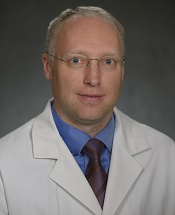
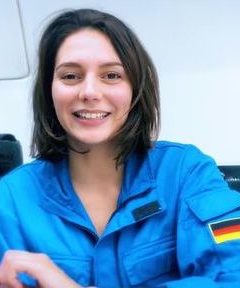
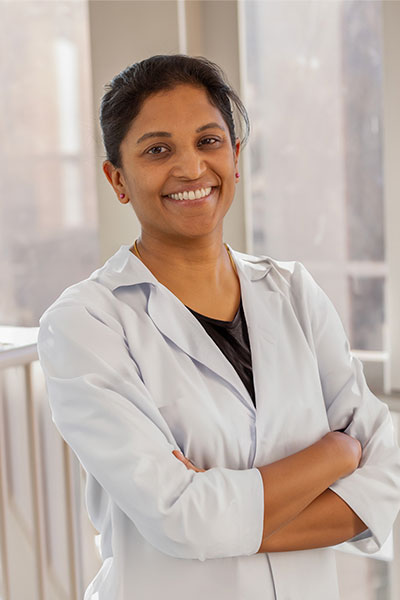
Dr. Mathias Basner is a Professor of Psychiatry at the University of Pennsylvania Perelman School of Medicine , where he directs both the Behavioral Regulation & Health Section and the Unit for Experimental Psychiatry within the Division of Sleep and Chronobiology . With dual appointments in Psychiatry and Sleep Medicine, his research bridges aerospace, urban, and clinical environments to study neurobehavioral consequences of sleep loss and noise exposure. Education: MD (1999), PhD in Research (2001) from University of Bochum; MSc in Epidemiology (2006) from University of Bielefeld Key Research Areas: Sleep deprivation effects, environmental noise impacts, astronaut behavioral health, and cognitive performance assessment Research Trends: Using field studies, space analog environments, and large datasets like the American Time Use Survey, Dr. Basner examines sleep-wake cycles, noise-induced stress responses, and cognitive adaptation in extreme environments. His work informs WHO guidelines, FAA policies, and NASA's Mars mission planning. Scientific Recognition: International Space Station Innovation Award (2018) Journal Publication Award for Outstanding Space Medicine Article (2016) Consultant for WHO, ICAO, and FAA noise/sleep guidelines Professional Contributions: Senior Associate Editor for Sleep Health and Frontiers in Physiology , developer of the PVT-B and Cognition test battery for NASA, and principal investigator in major studies including the TWINS study and Inspiration 4 mission.
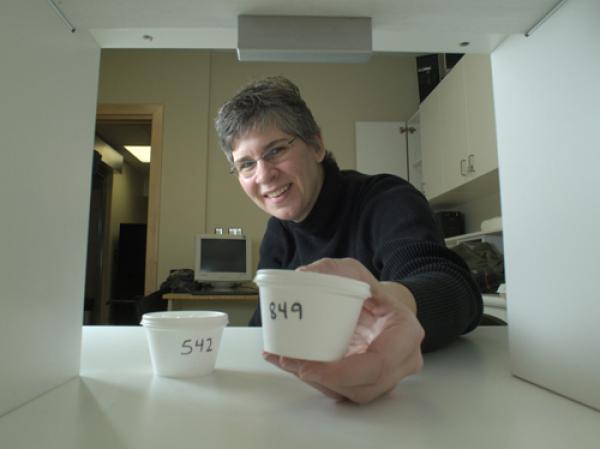
Lisa Duizer serves as Professor and Department Chair in the Department of Food Science at the University of Guelph, where she has been faculty since 2009 after previous appointments at Acadia University's School of Nutrition and Dietetics and Massey University's Institute of Food Nutrition and Human Health. Her research addresses critical challenges in food for aging populations, focusing on sensory properties of foods designed for older adults with dysphagia or malnutrition. Education BASc in Applied Human Nutrition, University of Guelph (1990) MSc in Food Science, University of Guelph (1992) PhD in Food Technology, Massey University (2003) Research Interests Professor Duizer's work centers on sensory science applications for geriatric nutrition, investigating age-related changes in taste and texture perception. She develops evidence-based strategies for improving nutritional quality and acceptability of foods for elderly populations, including pureed food optimization, nutrient fortification techniques, and 'supermenu' development for long-term care settings. Her research integrates human subjects testing with rheological and tribological analysis to establish science-based standards for modified texture foods. Publication Trends Her recent publications (2022-2025) demonstrate expanding interdisciplinary scope, with increasing focus on emotional food responses, space food sensory perception, and plant-based alternatives. The predominant themes involve texture modification for dysphagia management, salt reduction strategies for older adults, and stakeholder-driven interventions for malnutrition in long-term care. This trajectory reflects growing integration of sensory science with healthcare delivery systems and innovative food product development. Scientific Awards No scientific awards were documented in the provided source materials. Advising and Grants Lisa Duizer mentors graduate students with rigorous emphasis on ethical conduct in human subjects research, requiring comprehensive understanding of participant interaction protocols. Her students from nutrition and food science backgrounds have pursued careers as registered dietitians, food product developers in multinational corporations, and research scientists. Her work with the Agri-Food for Healthy Aging group and University Health Network affiliation indicates substantial grant funding from health and agriculture sectors for projects targeting malnutrition intervention in aging populations. Labs and Teams She leads sensory evaluation laboratories within the Department of Food Science and serves as Research Scientist for the Agri-Food for Healthy Aging initiative. Her collaborative network includes the University Health Network, Ontario Ministry of Health and Long-Term Care, long-term care home operators, food distributors, and agricultural producers, facilitating translational research from laboratory to institutional meal service implementation.
Dag Linnarsson is a Professor of Physiology at Karolinska Institutet, Department of Physiology and Pharmacology, where he has held the position since 1986 and transitioned to Senior Professor in 2009. His research primarily focuses on environmental physiology, with an emphasis on the human body's response to extreme conditions such as microgravity, hypergravity, and spaceflight. He leads the Environmental Physiology Research Group and the Lars Karlsson team, investigating topics like pulmonary function in astronauts, musculoskeletal countermeasures during space missions, and the effects of artificial gravity. His work spans studies on bed rest as a spaceflight analog, lung diffusing capacity, and nitric oxide dynamics under varying environmental pressures. Recent research includes assessing pulmonary nitric oxide levels in astronauts during long-term space missions and exploring the physiological impacts of lunar dust exposure. Linnarsson has also contributed to standardizing bed rest protocols for spaceflight research and evaluating centrifugation as a countermeasure for muscle and bone loss. He maintains affiliations with Karolinska Institutet’s C3 Fysiologi och farmakologi team and collaborates on interdisciplinary projects addressing space medicine challenges. While no formal student listings or awards are explicitly mentioned, his extensive publication record highlights contributions to respiratory physiology, cardiovascular adaptation, and musculoskeletal health in extreme environments.
Dr. Jayani Chandrapala is an Associate Professor and Head of Department in Food Technology & Nutrition at RMIT University's School of Science. She holds editorial roles in journals like Food Chemistry Advances and Frontiers in Nutrition , and has led roles such as HDR Manager and Program Coordinator. Her research focuses on physical chemistry of food systems, dairy science, membrane processing, and functional foods. She has supervised over 25 research projects on topics like functional ingredient development, dairy product innovation, and bioactive compounds. Key interests include protein-carbohydrate interactions, non-thermal technologies, and food waste valorization. Education: BSc (Hons) in Chemistry (Sri Lanka), MSc and PhD in Food Chemistry (Monash University). Leadership roles include Assistant Associate Dean (2024) and Program Manager for the Bachelor of Food Technology & Nutrition (2020-2023). Teaches Food Chemistry and Food Manufacturing courses at undergraduate and postgraduate levels. Research outputs include over 135 publications, with recent work on milk-tea blends, buffalo milk processing, and functional food development. Active in industry collaborations and innovation projects, including space food perception studies and plant-based meat analogues.
Adetola B. Adesida serves as a full Professor in the Department of Surgery within the Faculty of Medicine & Dentistry at the University of Alberta . His laboratory focuses on developing autologous cell-based tissue engineering strategies for cartilage and meniscus repair, leveraging interdisciplinary collaborations between chemists, biologists, clinicians, and material scientists. PhD in Pharmacy, Victoria University of Manchester (1999) Postdoctoral Research, Wellcome Trust Centre for Cell-Matrix Research Dual Fellowship, Harvard University/Massachusetts General Hospital (2006) Marie-Curie Fellowship, European Commission (2007) Dr. Adesida's research centers on stem cell biology and tissue engineering for musculoskeletal regeneration, with emphasis on: Meniscus and articular cartilage repair mechanisms Stem cell-chondrocyte interactions in 3D microenvironments Bioreactor conditioning (hypoxia, dynamic compression) Sex-specific responses in knee osteoarthritis models Space-related microgravity effects on joint tissues His work bridges fundamental mechanobiology with clinical translation through industry partnerships like CellCoTec. Recent publications demonstrate a strong trend toward 3D bioprinting of nasal and meniscal tissues, sex-dimorphic responses in osteoarthritis, and space medicine applications . Key themes include bioink development, molecular characterization of fibrochondrocytes, and prevention of post-traumatic joint degeneration through regenerative strategies. CIHR Research Award (2013) Harvard University/Massachusetts General Hospital Fellowship (2006) European Commission Marie-Curie Fellowship (2007) Dr. Adesida leads the Orthopaedic Tissue Engineering Laboratory , directing multiple CIHR-funded projects on meniscus regeneration using mesenchymal stem cells. His research integrates advanced bioreactor systems for mechano-hypoxia conditioning and collaborates with aerospace initiatives through Canadian Space Agency partnerships. Current work explores simulated microgravity effects on human meniscus models and develops clinically applicable matrices incorporating bioactive molecules for cartilage formation.
Professor Francis Cucinotta is a faculty member at the University of Nevada, Las Vegas, within the Department of Health Physics and Diagnostic Sciences. He teaches radiation biology, dosimetry, and radiation science at both undergraduate and graduate levels. Education: B.S. in Physics (Rutgers University), Ph.D. in Nuclear Physics (Old Dominion University) His research focuses on biophysics models of radiation effects on Earth (e.g., cancer treatment) and in space (e.g., astronaut risk assessment). Key areas include radiation carcinogenesis, neurodegeneration, cataracts, DNA repair, and radiation transport. He has developed theoretical frameworks for nuclear fragmentation, microdosimetry, and systems biology of cell signaling. Recent publications analyze clustered DNA damage, lunar radiation environments, heavy ion therapy, and radiation risk compensation policies. These works span disciplines like biophysics, medical physics, neuroscience, and space systems engineering. Radiation Research Society President (2013-2014) National Council on Radiation Protection and Measurements Council Member Editorial Board Member: Life Sciences in Space Research Guest Editor: Radiation Research, Frontiers in Radiation Oncology Cucinotta has received continuous funding from the National Cancer Institute (2016-2021), with past support from the Department of Energy and NASA. He has authored over 350 peer-reviewed articles and book chapters.
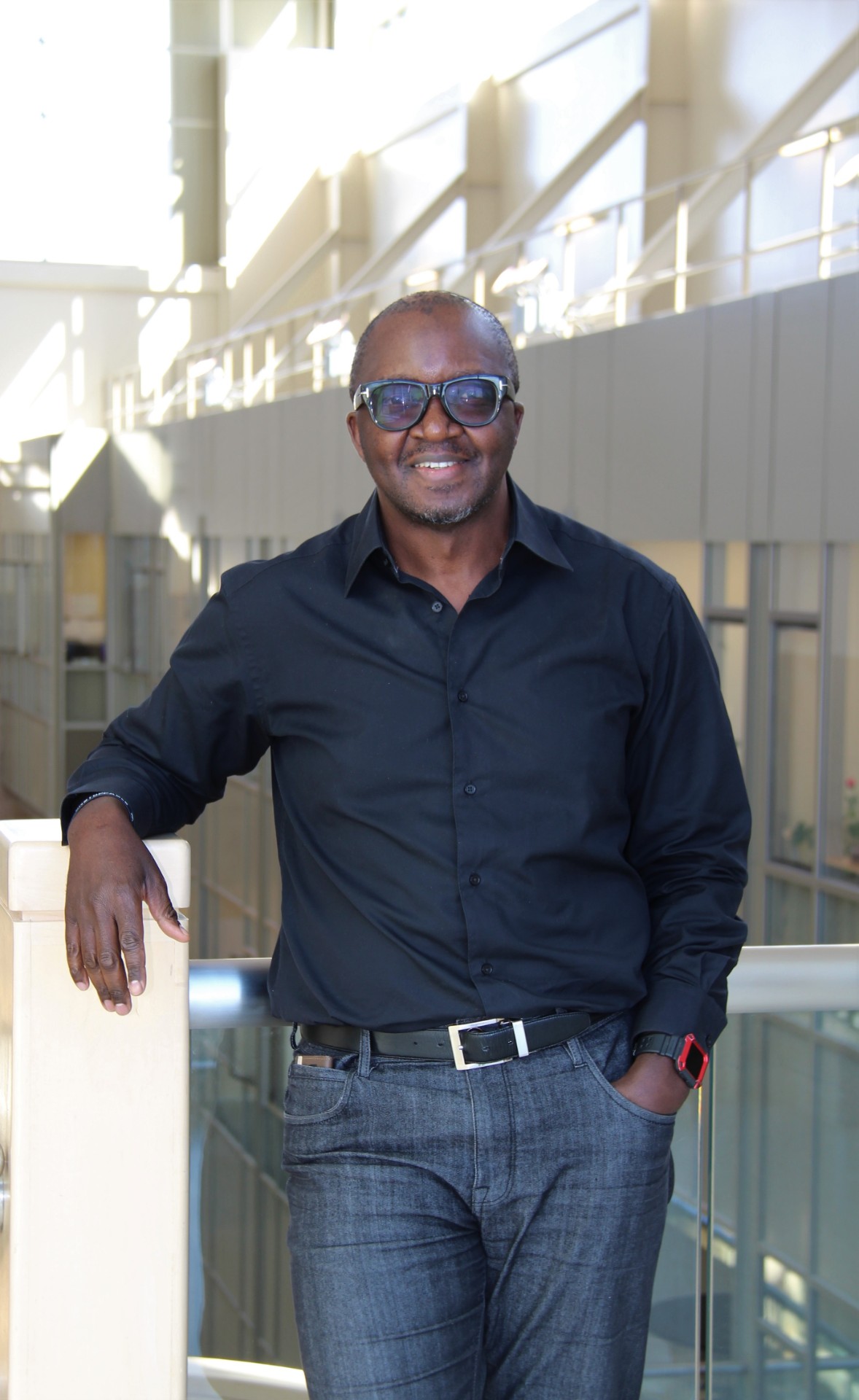
Kiven Erique Lukong is a Professor in the Department of Biochemistry, Microbiology & Immunology at the University of Saskatchewan's College of Medicine. His research focuses on breast tumor kinase (BRK) and related kinases, particularly their roles in breast cancer progression and metastasis. He holds a Ph.D. in Biochemistry from the University of Montreal and has collaborated with institutions globally, including the University of Ngaoundere in Cameroon. His work is supported by grants from NSERC and the University of Saskatchewan. Education: B.Sc. Biochemistry, Keele University, UK (1988) B.A. French, Keele University, UK (1988) M.A. Linguistics, University of Montreal (1992) M.Sc. Biochemistry, University of Montreal (1996) Ph.D. Biochemistry, University of Montreal (2002) Research Interests: Dr. Lukong's lab investigates BRK and related kinases (FRK, SRMS) in breast cancer. Key areas include: BRK's role in tumor formation and metastasis BRK as a diagnostic/prognostic marker Interactions with estrogen receptor signaling Phosphoproteomics and kinase substrate identification His work combines molecular biology, proteomics, and translational research to uncover therapeutic targets. Grants & Collaborations: NSERC Operating Grant (2017–2021) CoMBRIDGE Funding Grant (2019–2022) Memorandum of Understanding with University of Ngaoundere (2018) Labs & Teams: The Lukong Lab at the University of Saskatchewan is equipped for advanced proteomics, cell biology, and in vivo modeling. Collaborations include Dr. Anne-Claude Gingras' lab for Bio-ID/Mass Spectrometry training.
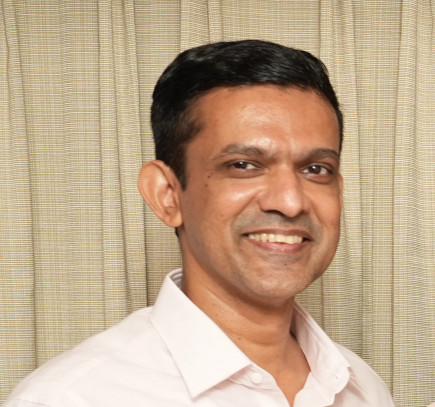
Joel George is an Associate Professor in the Department of Aerospace Engineering at the Indian Institute of Technology Madras (IIT Madras), where he conducts advanced research in aerospace vehicle dynamics, navigation, and control systems. His work spans theoretical studies, experimental validation, and practical applications in both atmospheric flight and space exploration domains. Dr. George's research focuses on several critical areas of aerospace engineering: Hybrid rocket propulsion systems and thrust control mechanisms Spacecraft landing technologies, including soft landing applications Orbital mechanics, particularly periodic orbits around asteroids Unmanned aerial vehicle (UAV) applications for microgravity experiments Propeller modeling for small UAV systems Geophysical flows research as part of IIT Madras's Centre of Excellence His recent publications demonstrate a strong trend toward innovative propulsion systems with practical space applications. Dr. George's work on hybrid rocket motors shows particular promise for safer vertical takeoff and landing systems both in space exploration and terrestrial aviation. His research on UAV-based microgravity platforms offers cost-effective alternatives to traditional space-based microgravity research methods. As a dedicated mentor, Dr. George supervises several PhD students including Anandu Bhadran (hybrid rocket motors), Rishi (asteroid orbital dynamics), and Siddhardha (UAV microgravity platforms). His collaborative work extends to partnerships with Prof. Ramakrishna and other researchers at IIT Madras. Within the Geophysical Flows Lab, a Centre of Excellence at IIT Madras, Dr. George contributes his expertise in UAV design, automation, and environmental monitoring. The lab employs a unified approach combining field measurements, climate modeling, and laboratory studies to advance understanding of air-sea interactions in the northern Indian Ocean, with applications to weather prediction and climate science.
Dr. Louis Parker is an Honorary Research Fellow at the School of Engineering, The University of Western Australia (M050), located at 35 Stirling Highway, Perth, Australia. With a focus on computational modeling and hemodynamics, his work intersects biomedical engineering and cardiovascular medicine. Parker’s research employs advanced computational fluid dynamics (CFD) to investigate complex physiological systems. Research Interests: Parker’s expertise lies in Computational Fluid Dynamics (CFD) simulations for biomedical applications Hemodynamic analysis in aortic dissection and atrial fibrillation Microgravity-induced cardiovascular adaptations Extracorporeal Membrane Oxygenation (ECMO) system optimization Wall shear stress in arterial systems Recent Publications: Parker has contributed to high-impact studies in cardiovascular modeling, including CFD validation techniques for atrial fibrillation, hemodynamic implications of surgical methods for aortic dissection, and in silico analysis of ECMO systems. His work also explores fluid dynamics in microgravity environments. Collaborations: Parker has collaborated internationally, with research outputs cited in journals like Biomechanics and Modeling in Mechanobiology , Medical Engineering and Physics , and npj Microgravity . His work has been picked up by 1 news outlet and 25 readers on Mendeley.
Dr. Olfa Lopez-D’Angelo is a researcher at the Department of Multiscale Simulation of Particulate Systems at Friedrich-Alexander-Universität Erlangen-Nürnberg. Her research focuses on granular rheology, additive manufacturing for space applications, and the behavior of materials under microgravity conditions. She leads the Rheologie granularer Materialien unter Weltraumbedingungen project (2023–2026), funded by the German Ministry for Economic Affairs and Climate Action (BMWK). Her work bridges theoretical physics, experimental engineering, and space technology. Key research interests include granular fluid dynamics, powder-based manufacturing processes in low-gravity environments, and the structural analysis of metamaterials. She has contributed to pioneering studies on acoustically propelled macroparticles and granular piston-probing in microgravity. Her interdisciplinary approach is evident in collaborations with institutions like ESA and DLR, as well as her involvement in projects such as the VIP-DROP2 module for droplet dynamics experiments. Awards: Granular Matter Gordon Research Conference Poster Prize (2022) ELGRA Research Prize (2021) Fly Your Thesis! 2019 (2018) ESA Networking/Partnering Initiative Fellowship (2017) Dr. Lopez-D’Angelo actively disseminates her work through international conferences (e.g., DPG, IAC) and public engagement initiatives, including the podcast Talk That Science . Her research emphasizes practical applications in space exploration, such as in-situ resource utilization and advanced manufacturing systems for extraterrestrial environments.
Alex Sinclair is Professor of Neurology and Birmingham Professorial Fellow in the Department of Metabolism and Systems Science within the College of Medical and Dental Sciences at the University of Birmingham. With over 150 research outputs and 50 projects to his name, Professor Sinclair has established himself as a leading researcher in neurological disorders, particularly focusing on intracranial pressure regulation and related conditions. His research interests center on idiopathic intracranial hypertension (IIH), headache disorders, intracranial pressure dynamics, cerebrospinal fluid physiology, and traumatic brain injury. Professor Sinclair's work bridges clinical neurology with advanced neuroimaging techniques, with particular emphasis on developing non-invasive diagnostic and monitoring approaches for conditions involving abnormal intracranial pressure. Analysis of his recent publications reveals a strong focus on translational research with immediate clinical applications. His work spans from rigorous clinical trials evaluating ICP-lowering drugs to systematic reviews of neuroinflammatory mechanisms and cutting-edge applications of MRI in traumatic brain injury assessment. Notably, his research extends to specialized environments, including spaceflight-associated neuro-ocular syndrome, demonstrating the breadth of his expertise in intracranial pressure disorders. Professor Sinclair leads multiple significant research initiatives, including the TBI-Reporter project funded by the Medical Research Council (2023-2028) and the Mild Traumatic Brain Injury Biomarker Study funded by the US Army Medical Research Acquisition Activity. He also contributes as a Co-Investigator to important national initiatives including the NIHR BRC Themes on Sarcopenia and Women's Metabolic Health, as well as the EPSRC Network+ on Neurotechnology. His active research portfolio, spanning clinical trials, systematic reviews, and innovative diagnostic methodology development, demonstrates a sustained and growing contribution to the field of neurology, with particular impact in disorders of intracranial pressure and their clinical management.
Mingyang Tan is a Postdoctoral Research Associate at the Department of Mechanical and Industrial Engineering, Northeastern University. Their research focuses on intersections of biomedical engineering, rheology, 3D printing, and materials science, with applications in pharmaceutical manufacturing and biofluid dynamics. Role: Postdoctoral Research Associate Department: Mechanical and Industrial Engineering Email: mi.tan@northeastern.edu Research Interests Mingyang Tan's work explores rheological properties of complex systems, including 3D bioprinting for tissue engineering, magnetic particle dynamics in fluids, and microrheology of biofluids. Their studies address biomedical applications like plasma coagulation and osteochondral graft development, alongside innovations in pharmaceutical manufacturing using binder jetting 3D printing . Publication Trends Recent articles highlight advances in additive manufacturing , biomaterials , and microrheology , particularly for medical and pharmaceutical contexts. Key themes include magnetic alignment of particles, sustained drug delivery , and anisotropic suspensions . The work spans computational simulations, experimental validations, and translational applications. Scientific Awards Advising & Grants No formal advising or grant information is explicitly mentioned in the provided text. Labs & Collaborations Details about specific labs, teams, or collaborative networks are unavailable in the provided materials.
Dr. D. Marshall Porterfield is a Professor of Agricultural & Biological Engineering at Purdue University, specializing in biosensors, bio-nanotechnology, and space biology. His research focuses on developing technologies for bioregenerative life support systems and nutrient delivery in microgravity environments. He served as NASA's Division Director for Space Life and Physical Sciences (2012-2016), pioneering initiatives like geneLAB and materialsLAB to advance space research utilization. His work bridges engineering and biology, with applications in space exploration and terrestrial challenges. Porterfield holds leadership roles in organizations like the American Society for Gravitational and Space Research and the Institute for Biological Engineering. He has authored over 100 peer-reviewed papers and holds patents in biosensor technology. Awards include the Halstead Investigator Award and election to the AIMBE College of Fellows. His research portfolio includes lab-on-a-chip devices, biomimetic sensors, and gravitational physiology studies, with recent emphasis on lunar agriculture and space radiation mitigation. His articles highlight advancements in space microbiology, extraterrestrial crop systems, and molecular responses to spaceflight. Key themes include optimizing oxygen delivery for hydroponics, detecting cancer biomarkers via microtest tech, and understanding aging in space environments. Porterfield collaborates across disciplines, leveraging Purdue's facilities like the Birck Nanotechnology Center and Discovery Park for interdisciplinary innovation.
Abdullah Karaman is a Professor at the Department of Geophysical Engineering, Istanbul Technical University (ITU). His research focuses on geophysical modeling, subsidence due to longwall mining, hydrothermal systems, and seismic data analysis. He leads projects on geothermal applications using particle swarm optimization and collaborates internationally. Dr. Karaman has supervised 8 ongoing theses and has authored/co-authored over 17 publications since 1997. His work spans geophysical exploration, environmental geohazards, and subsurface imaging techniques. Education: Master of Science in Geophysics (1989) Research Interests: Hydrothermal system characterization using magnetotelluric methods Seismic inversion and diffraction imaging Geophysical monitoring of coal mine subsidence Optimization algorithms in geophysical data analysis Awards: None explicitly mentioned. Grants & Projects: Geothermal Applications of Particle Swarm Optimization Modeling Technique (2016–2021) Kordil Engineering Company: Geophysical consulting for international projects (2021) His lab focuses on integrating geophysical techniques with machine learning for high-resolution subsurface imaging.
Elizabeth Vargis is an Associate Professor in Biological Engineering at Utah State University's College of Engineering. She serves as the faculty advisor for the Society of Women Engineers and maintains an active research laboratory focused on biomedical engineering applications. Her work bridges engineering principles with biological systems to address significant medical challenges. Dr. Vargis received her educational training from prestigious institutions: BS in Bioengineering from UC Berkeley MS in Biomedical Engineering from Vanderbilt University PhD in Biomedical Engineering from Vanderbilt University Postdoctoral training at Oak Ridge National Lab and UT Knoxville Her research spans three primary domains with significant clinical relevance. In biophotonics, she develops Raman spectroscopy applications for disease detection, including work on cervical cancer screening and bacterial identification. Her retinal tissue engineering research focuses on creating in vitro models to understand age-related macular degeneration and diabetic retinopathy, with particular emphasis on the role of mechanical stress and cell detachment. Additionally, her work on muscular atrophy investigates the effects of microgravity on muscle tissue, with applications for both space travel and terrestrial medical conditions. Her lab employs a combination of experimental techniques and computational modeling to advance these research areas. Analysis of her recent publications reveals a strong trend toward increasingly sophisticated in vitro models of retinal diseases, with growing integration of microfluidic technologies and biomimetic materials. Her work has evolved from basic characterization studies to complex disease modeling systems that incorporate mechanical, biochemical, and structural components of retinal pathologies. The interdisciplinary nature of her research is evident in the diverse range of journals where she publishes, spanning biomedical engineering, ophthalmology, and space medicine. Dr. Vargis has received numerous prestigious awards recognizing both her research and mentorship excellence: Outstanding Graduate Mentor of the Year (2018, USU College of Engineering) Outstanding Researcher of the Year (2018, Department of Biological Engineering) Ralph E. Powe Junior Faculty Enhancement Award (2015, ORAU) Multiple Research Catalyst Awards from Utah State University National Science Foundation recognition and NIH fellowships She has successfully mentored numerous graduate students to completion of their degrees, with many going on to successful careers in industry and academia. Her research has been supported by diverse funding sources including the Nuclear Regulatory Commission, NIH, Oak Ridge Associated Universities, NASA Space Grant Consortium, and private foundations like the BrightFocus Foundation and Knights Templar Eye Foundation. She actively promotes undergraduate research opportunities through USU's URCO program and the College of Engineering's EURP program. The Vargis Lab operates as a dynamic, interdisciplinary research environment with multiple concurrent projects. Current work includes developing microfluidic platforms for retinal disease modeling, creating biomimetic materials using spider and hagfish silk proteins, and investigating the combined effects of microgravity and radiation on biological systems. The lab maintains strong collaborations with researchers in Electrical and Computer Engineering, particularly with Dr. Zhen Zhang on computational modeling of blood vessel growth. Lab meetings are held weekly during academic terms, fostering a collaborative environment where students present their work and receive feedback.