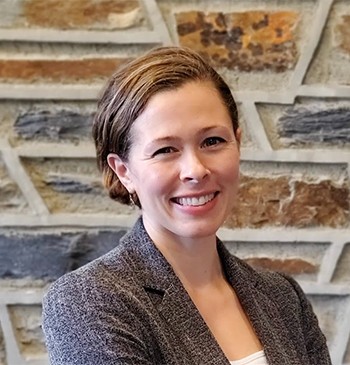
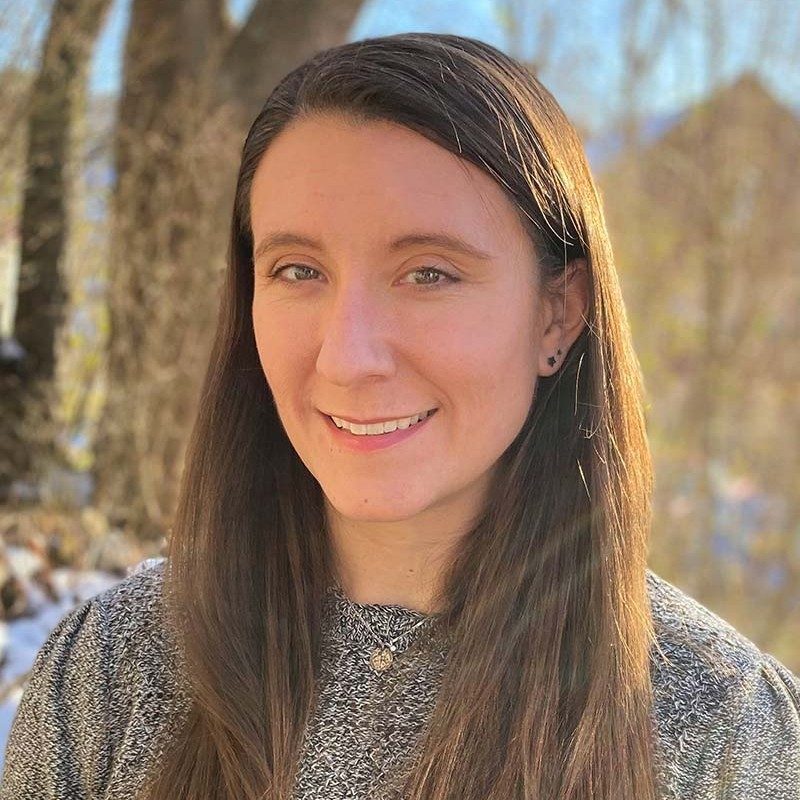
Dr. Caroline Jackson Smith is the Straus Family Sesquicentennial Assistant Professor in Psychology and Neuroscience at Boston College. Her research program investigates neuroimmune interactions during development, focusing on how microglia and the gut microbiome shape social brain circuitry. Her lab examines how prenatal exposures to environmental stressors like air pollution affect neurodevelopment through microglial mechanisms. This work bridges neuroscience, immunology, and environmental health to understand neurodevelopmental disorders. NIH Pathway to Independence Award (K99/R00) Charles LaFitte Foundation Research Grant Best Postdoctoral Poster Award, Duke University (2022) Dr. Smith mentors graduate students and undergraduates in translational neuroscience research, with current projects exploring microbial interventions for neurodevelopmental outcomes.
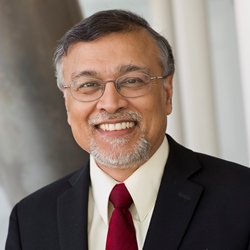
Ramesh Raghupathi is a Professor in the Department of Neurobiology & Anatomy at Drexel University College of Medicine. His research focuses on traumatic brain injury (TBI), exploring mechanisms of cell death, neuroplasticity, and long-term functional deficits. He leads a lab investigating pharmacological interventions and behavioral therapies to mitigate TBI effects, with particular emphasis on age-related differences and sex-specific responses. Collaborations include studies on stem cell therapy, substance abuse risks post-TBI, and social recognition deficits. Education: PhD in Biochemistry and Molecular Biophysics from Virginia Commonwealth University. Postdoctoral training at the University of Connecticut Health Science Center and the University of Pennsylvania School of Medicine. Research Interests: TBI pathobiology, neuronal death, axonal injury, pediatric TBI, and translational therapies. Current funded projects include investigations into catecholamine systems, neuro-robotics, and stem cell transplants. Awards: 2023 Institutional Service Award from Drexel University College of Medicine. Labs/Teams: Collaborations with institutions like Temple University, Rowan University, and Lincoln University. Active lab personnel include PhD and MS candidates studying TBI mechanisms and treatment strategies.
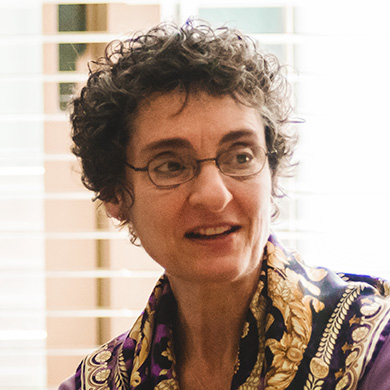
Carla Shatz is the Sapp Family Provostial Professor and Professor of Biology and Neurobiology at Stanford University, serving as Director of Bio-X. Her research focuses on neural circuit development, synaptic plasticity, and the interplay between the nervous and immune systems. She earned her B.A. in Chemistry from Radcliffe College (1969), M.Phil in Physiology from University College London (1971), and Ph.D. in Neurobiology from Harvard Medical School (1976). Key roles include Chair of Harvard Medical School's Neurobiology Department (2000–2007) and leadership in prestigious institutes like the Howard Hughes Medical Institute. Education: B.A., Chemistry, Radcliffe College (1969) M.Phil, Physiology, University College London (1971) Ph.D., Neurobiology, Harvard Medical School (1976) Research Interests: Dr. Shatz investigates how neural activity shapes brain circuits during development and adulthood. Her lab discovered that MHC class I molecules (typically immune-related) play critical roles in synaptic plasticity, Alzheimer's disease, and recovery from brain injury. Key areas include: Critical period plasticity in visual systems Role of immune molecules in neurodevelopment Mechanisms of synaptic pruning and circuit refinement Awards: Kavli Prize in Neuroscience (2016) Champalimaud Vision Prize (2016) Harvey Prize in Science & Technology (2018) Gruber Prize in Neuroscience (2015) Advising & Labs: Advised doctoral students including Clara Bacmeister and Xiaochen Xiong. Her lab (Shatz Lab) explores molecular mechanisms underlying brain plasticity and neurodegenerative diseases. Current research includes Alzheimer's-related pathways and immune-neural interactions.
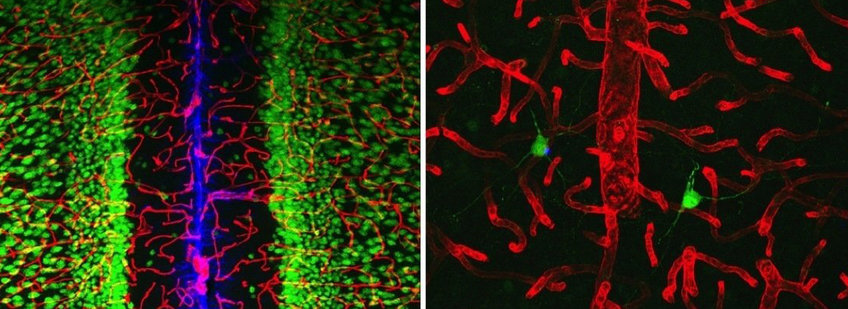
Amparo Acker-Palmer is a Professor at Goethe University Frankfurt's Institute of Cell Biology and Neuroscience, Department of Molecular and Cellular Neurobiology, and holds a Max Planck Fellow position at the MPI for Brain Research since 2014. Her research focuses on the molecular crosstalk between vascular and nervous systems at the neurovascular interface. Her primary research interests include: Neurovascular communication during CNS development Molecular pathways in vessel-nerve crosstalk Vascular roles in synaptic plasticity Ephrin/VEGF receptor signaling mechanisms Neurovascular interface in disease models Analysis of her 51 publications reveals consistent focus on vascular guidance in neural development, receptor crosstalk (particularly EphrinB2/VEGFR2), and neurovascular unit dynamics. Her work spans molecular neuroscience, vascular biology, and developmental neurobiology, with significant contributions to understanding how blood vessels instruct neuronal behavior. Her laboratory utilizes mouse and zebrafish models to investigate these processes, with recent work emphasizing therapeutic implications for neural repair and cancer metastasis.
John M. Allman is the Frank P. Hixon Professor of Neurobiology at the California Institute of Technology. He holds a B.A. from the University of Virginia (1965), A.M. and Ph.D. from the University of Chicago (1968, 1971). Since 1974, he has held progressively senior roles at Caltech, culminating in his current Hixon Professorship since 1989. His research focuses on brain evolution through comparative neuroanatomy, with particular emphasis on the role of Von Economo neurons in social decision-making and economic behavior. The Allman Lab investigates these neurons' distribution in humans and apes, their potential role in rapid intuitive choices, and parallels in highly social species like African elephants. Collaborations include Prof. Barbara Wold (RNA-Seq analysis of Alzheimer's-related gene expression), Prof. Long Cai (FISH subcellular visualization), and Prof. David Bennett (Alzheimer's pathology studies). Publications highlight advancements in cortical microstructure imaging, THC neuroplasticity effects, and psychiatric disorder brain connectivity. His work bridges evolutionary biology, cognitive neuroscience, and clinical neurology, with contributions to understanding both normal and pathological brain function across species. Key collaborations include the Rush Alzheimer's Disease Center and ex vivo tractography studies in primates. Current projects extend from molecular gene expression studies to large-scale brain network analyses, maintaining a translational focus between basic research and clinical applications.
Thomas Voets is a full professor at the Faculty of Medicine, KU Leuven, and head of the Laboratory for Ion Channel Research (VIB-KU Leuven). He is a member of the VIB-KU Leuven Center for Brain Research and the KU Leuven Brain Institute. Department of Cellular and Molecular Medicine His research focuses on TRP channels, chronic pain mechanisms, ion channelopathies, and microglial roles in neurodevelopmental disorders. Recent projects include HumanBLISS (bladder wall sensory innervation), TRPM3 in chronic pain, and models for TRPM3-related developmental diseases. Key publications address TRP channel structures, pain pathways in cancer patients, and microglial cytoskeletal control in synaptic deficits. Collaborations span molecular spine development (GPR158-PLCXD2) and neurodegenerative models (APOE deficiency). Teaching includes courses in Cell Physiology, Biomedical Measurement Techniques, and Mathematical Models in Medicine.
Dr. Nathalie Berube is a Professor in the Department of Anatomy and Cell Biology at Western University, specializing as a Basic Scientist in Pediatrics. Her research focuses on epigenetic regulation of brain development, particularly through the study of chromatin remodeling complexes like ATRX. Her work employs mouse models to explore neuronal survival, differentiation, and the molecular basis of neurodevelopmental disorders such as autism and intellectual disability. Education: Dr. Berube holds a Ph.D., though specific details of her academic training are not provided in the text. Her professional affiliations include the Medical Sciences Building and the London, Ontario campus of Western University. She contributes to both basic science and translational research in pediatric neurobiology. Research Interests: Her studies emphasize the role of ATRX protein in chromatin structure, gene transcription, and DNA methylation. Key areas include neurodevelopmental deficits, glial cell biology, and the interplay between epigenetic regulation and cognitive disorders. Her work bridges molecular mechanisms with clinical implications, such as autism spectrum disorder and intellectual disability syndromes. Publications: Over 50 peer-reviewed articles span topics from chromatin accessibility to microglial function. Notable contributions include mouse model studies of ATRX deficiency and insights into epigenetic signatures of genetic disorders. Full publication lists are accessible via Google Scholar and PubMed. Grants and Advising: While specific grants or student advisees are not detailed, her research program likely involves collaborative grants given the complexity of her experimental systems. No awards are explicitly mentioned in the provided texts. Labs/Teams: Active in the Anatomy and Cell Biology department, her lab focuses on epigenetic mechanisms in neurodevelopment. Collaborations with pediatric and genetic research groups are implied through her work on syndromes like ATRX-related intellectual disability.
Sonia Garel is a Professor in the Department of Biology at the École Normale Supérieure (ENS), Paris. She leads the Brain Development and Plasticity research team, focusing on understanding how embryonic programs and maternal signals control the assembly of functional forebrain circuits. Her work integrates experimental approaches in mice to study neuronal migration, axonal navigation, and microglial roles in brain morphogenesis. Research Interests : Gael's research explores mechanisms underlying cortical circuit formation, prenatal inflammation's impact on neurodevelopmental disorders (e.g., autism, schizophrenia), and microglia's roles in structural integrity during fetal brain development. Key areas include axonal guidance (thalamic and corticothalamic connections), Cajal-Retzius neuron dynamics, and the interplay between activity-dependent processes and environmental factors. Recent Work Trends : Her publications emphasize microglia's critical role in fetal brain development, serotonergic regulation of axonal plasticity post-preterm birth, and the biphasic effects of inflammation on inhibitory circuits. Recent studies also highlight microbiome influences on microglia and sex-specific developmental pathways. Lab & Collaborations : Her team collaborates with computational biologists and uses advanced imaging techniques. The lab investigates how intrinsic developmental programs and external signals (e.g., maternal environment) shape neural circuits, with implications for neuropsychiatric disease etiology.
Dmitry Velmeshev is an Assistant Professor in the Departments of Neurobiology and Biomedical Engineering at Duke University. He focuses on understanding human brain development and neurodevelopmental diseases at the single-cell level, particularly autism. His work integrates genomics, proteomics, and molecular biology to dissect genetic programs and neuronal circuitry. Ph.D., University of Miami (2016) Research interests include neurodevelopmental disorders, single-cell genomics, and molecular mechanisms of autism. Recent studies explore SARS-CoV-2 tropism for astrocytes, LRRK2 kinase activity in Parkinson’s disease, and glial roles in neurodegeneration. His lab employs transcriptomic and proteomic approaches to identify phenotypic modifiers in disease models. Selected publications highlight applications of single-cell analysis in autism and multiple sclerosis, proteomic mapping in neurodevelopmental models, and inflammation in neurodegenerative disease. No scientific awards or student advisees are mentioned in the provided text. He teaches courses such as NEUROSCI 494, NEUROSCI 493, NEUROBIO 790S, NEUROBIO 735, CMB 710F, and CMB 710E at Duke University.
Jennifer Rainville is a Collegiate Assistant Professor at the School of Neuroscience , Virginia Tech. Her work bridges neuroimmunology and cell biology, focusing on sex differences in immune responses to stress and their implications for mood disorders. She teaches courses in cellular neuroscience, research design, evolutionary neuroscience, and nervous system diseases, with a commitment to student skill development. Education: PhD in Cell and Molecular Biology (Tulane University), BA in Biology (St. Olaf College) Her research explores how stress impacts neuroimmune mechanisms differently in males and females, aiming to identify sex-specific immune targets for depression treatment. Recent publications highlight gut-brain axis interactions , transcriptomic stress responses , and microglial morphology under variable stress conditions. Key collaborations include work with the Hodes Lab and contributions to understanding opioid withdrawal neuroimmunity and steroid receptor dynamics . Teaching spans courses like NEUR 3044 and NEUR 4034 , emphasizing practical neuroscience applications.
Florence Marlow, PhD is an Associate Professor in the Department of Cell, Developmental & Regenerative Biology at the Icahn School of Medicine at Mount Sinai. With a research focus on zebrafish genetics, her work bridges reproductive biology, neurodegeneration, and developmental mechanisms. BS, Rensselaer Polytechnic Institute PhD, Vanderbilt University Postdoctoral Research, University of Pennsylvania Research Interests Maternal gene regulation during early development RNA transport and localization in polarized cells Sex determination and ovarian neoplasia Microtubule and mitochondrial dynamics Comparative studies between oocyte and neuronal polarization Publications highlight her work in maternal-effect genes, germ cell specification, and immune-ovarian interactions, with recent studies on RBPMS2 and DMRT1 functions. Honors: Damon Runyon Cancer Research Foundation Fellow (2004) Location: Annenberg Building, Floor 25 Room 20A, New York, NY 10029. Industry Relationships: Not yet reported.
Dr. Hongxin Dong is a Professor in the Department of Psychiatry and Behavioral Sciences at Northwestern University's Feinberg School of Medicine, with additional appointments in Neurology through the Ken and Ruth Davee Department. His laboratory has maintained a continuous research program since 2000 focusing on genetic and environmental influences on neurodevelopment and aging, particularly their relevance to Alzheimer's disease and related neuropsychiatric disorders. Dr. Dong holds key affiliations with the Mesulam Center for Cognitive Neurology and Alzheimer's Disease, the Center for Autism and Neurodevelopment, the Northwestern University Clinical and Translational Sciences Institute (NUCATS), the Simpson Querrey Institute for Epigenetics, and the Stephen M. Stahl Center for Psychiatric Neuroscience. His research integrates clinical data from human antemortem assessments and postmortem tissues with animal models to discover novel molecular, genetic, and epigenetic mechanisms underlying neuropsychiatric symptoms in Alzheimer's disease. Dr. Dong's research program is currently supported by multiple NIH grants including R01AG062249 (Molecular Mechanisms Underlying Behavioral and Psychological Symptoms in Alzheimer's Disease), R01AG079989 (Epigenetic Regulation in Aging and Alzheimer's Disease), and R01AG078386 (Estrogen signaling linked to stress and Alzheimer's Disease). His work has established important connections between stress, aging, and Alzheimer's disease pathogenesis, with particular focus on sex differences that may explain women's greater vulnerability to Alzheimer's disease. Dr. Dong serves as Associate Editor for both the American Journal of Neurodegenerative Disease (since 2012) and the Journal of Alzheimer's Disease (since 2010), and previously served as Guest Editor for Neurobiology of Stress (2016-2017). He has received recognition including a Travel Award from the RNA Binding Proteins in Neurological Disease Symposia (2011). His laboratory has produced over 85 publications spanning from 1997 to 2025, with recent work focusing on epigenetic mechanisms in Alzheimer's disease, sex differences in stress responses, behavioral and psychological symptoms of dementia, and novel therapeutic approaches targeting molecular pathways involved in neurodegeneration. His research has significant implications for developing new therapeutic strategies to slow disease onset and prevent progression of Alzheimer's disease and related disorders.
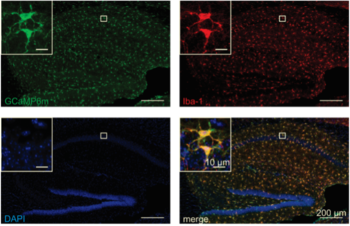
Prof. Dr. Marcus Semtner is a Visiting Professor at the Department of Biology, Chemistry, Pharmacy at Freie Universität Berlin, affiliated with the Institute of Biology and the Max Delbrück Center. His research focuses on neuroimmunology and the physiology of microglia, particularly their role in synaptic activity regulation, G protein-coupled receptor signaling, and interactions with neurons/astrocytes. He leads studies using advanced mouse models, such as GCaMP6m-expressing microglia, to dissect neuron-microglia communication in living brain tissues. Education details are not explicitly stated in the text, but his academic career includes collaborative research across institutions like the Max Delbrück Center. His work bridges immunology, neuroscience, and cell biology, with a focus on microglial dysfunction in neurodegenerative and genetic disorders like neurofibromatosis type 1 and autism spectrum disorder models. Research highlights include discoveries on microglial sensing of GABA and histamine signals, sex-specific microglial states, and the role of VGF-derived peptides in purinergic signaling. He co-developed novel techniques for in situ analysis of microglia, including Patch-seq and live imaging approaches. Teaching activities include leading the 'Neuroimmunology and Physiology of Microglia' course, emphasizing hands-on research integration. Collaborations with institutions like the Charité Berlin and international teams (e.g., with Dr. Dieter H. Gutmann in St. Louis) are central to his work.
Dr. Mriganka Sur is the Newton Professor of Neuroscience and Director of the Simons Center for the Social Brain at MIT. He previously served as head of the MIT Department of Brain and Cognitive Sciences for 15 years. His research focuses on the organization, plasticity, and dynamics of the cerebral cortex, employing experimental and theoretical approaches. Key areas include synaptic plasticity mechanisms, cortical circuit development, and neurodevelopmental disorders like Rett syndrome. His lab pioneered imaging techniques to study intact brain circuits and identified gene networks underlying cortical plasticity. Education: B.Tech. in Electrical Engineering from the Indian Institute of Technology, Kanpur (1978), and PhD in Electrical Engineering from Vanderbilt University (1983). Research interests span cortical circuit dynamics, neuromodulation (e.g., noradrenaline signaling), astrocyte-neuron interactions, and translational strategies for neurodevelopmental disorders. Recent work includes discoveries on astrocyte roles in synaptic refinement and the therapeutic potential of IGF-1 for Rett syndrome. Major awards include the Krieg Cortical Discoverer Prize, Royal Society Fellowship, and multiple NIH grants. He has mentored over 80 doctoral students and postdoctoral fellows, recognized for teaching and mentoring excellence. His lab is funded by NIH BRAIN Initiative, Simons Foundation, and other institutions. Labs/Teams: Sur Lab (MIT) focuses on cortical circuits and Rett syndrome mechanisms. He directs the Simons Center for the Social Brain, advancing social neuroscience research.
Professor Alexej Verkhratsky is a leading scholar at the University of Manchester , holding the Professor of Neurophysiology position in the Division of Neuroscience. With over 400 peer-reviewed publications and an H-index of 86, he is a globally recognized expert in glial physiology and neurodegenerative diseases. Member of Academia Europaea (Vice-President, Life Sciences) Elected to German National Academy of Sciences Leopoldina (2013) Highly Cited Researcher (2023) His research focuses on neuroglial communication , pioneering discoveries in calcium and sodium signaling in astrocytes and microglia. Key contributions include: Foundational work on glial excitability via Ca²⁺/Na⁺ dynamics Development of the astroglial cradle concept for synaptic regulation Identification of astroglial atrophy as an early marker in Alzheimer's disease Characterization of glial paralysis in neurodegeneration Caffeine-induced Ca²⁺ release mechanisms Role of P2X receptors in gliotransmission Recent publications (2025-2026) highlight his work on: Mitochondrial responses in Alzheimer's and tauopathies Glial regulation of cerebrospinal fluid dynamics Neurodegenerative mechanisms in white matter pathology Scientific Awards include: Copernicus Gold Medal (2017) Dana Alliance for Brain Initiatives (2012) Multiple academy memberships (Slovenian Academy of Sciences, Real Academia Nacional de Farmacia, Poland National Academy of Sciences) As Editor-in-Chief of Cell Calcium and Deputy Editor of Cell Death and Disease , he shapes discourse in glial physiology and neurodegeneration research. His work contributes to UN Sustainable Development Goals for brain health research.