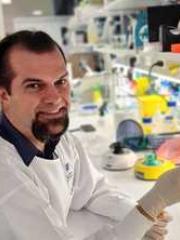
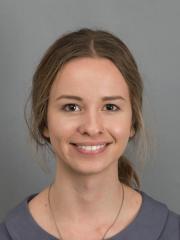
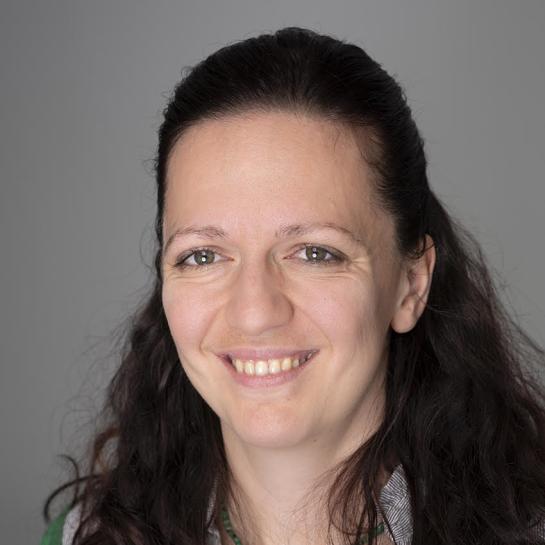
Dr. Tjakko van Ham is Associate Professor at Erasmus MC's Department of Clinical Genetics, Erasmus University Rotterdam. His research program focuses on genetic mechanisms underlying neurological and connective tissue disorders using zebrafish models and advanced sequencing technologies. Primary research domains include: Microglia function in neurodegenerative processes RNA sequencing applications in clinical diagnostics Genetic basis of neurovascular disorders Connective tissue pathology mechanisms Recent publications (2023-2024) demonstrate expertise in identifying novel genetic variants associated with complex syndromes through cutting-edge genomic approaches. Collaborative projects span multiple countries with focus on pediatric genetic disorders.
Michael Cahalan is a Professor and Chair of Physiology & Biophysics at the University of California, Irvine School of Medicine. His research focuses on ion channel physiology, calcium signaling, and their roles in immune cell function, neurodevelopment, and neurodegenerative diseases. Key areas include mechanotransduction in macrophages, microglia biology in Alzheimer’s disease, and the regulation of T cell signaling through CRAC channels. Dr. Cahalan has contributed to understanding how calcium dynamics influence immune responses and stress circuit development. His work spans experimental techniques such as calcium imaging, genetic models, and in vivo imaging of immune cell behavior. Research Interests : Cell signaling pathways, immunology, ion channel function in T cells and microglia, calcium-dependent mechanisms in neuroinflammation, and the impact of early-life adversity on stress circuitry. His studies often integrate biophysical approaches with genetic and pharmacological tools to dissect cellular mechanisms. Grants & Funding : Supported by NIH grants including GM-41514 and NS-14609, focusing on ion channel biology and neuroimmune interactions. Labs & Teams : Leads a lab investigating immune cell calcium signaling and microglial function in neurodegenerative diseases. Collaborates on projects involving human iPSC-derived microglia models and in vivo imaging of spinal cord dynamics.
Nicholas Andrikopoulos is a Research Fellow in the Department of Materials Science & Engineering at Monash University, specializing in nanomaterial-biological interactions with significant contributions to understanding nanoplastics-induced neurodegeneration. His work bridges materials science, biomedical engineering, and neuroscience through interdisciplinary collaborations. His research centers on amyloid diseases, particularly Alzheimer's and Parkinson's pathologies, investigating how nanoparticles and nanoplastics disrupt cellular barriers and promote protein aggregation. Key focus areas include protein corona formation, endothelial leakiness, gut-brain axis modulation, and nanotoxicity remediation strategies using functional amyloids and nanocomposites. This research directly addresses UN Sustainable Development Goals related to health and well-being. Analysis of his 15 most recent publications (2022-2025) reveals a dominant trend in polystyrene nanoplastic research, demonstrating their role in exacerbating amyloid pathologies through mechanisms like obstructed microglial clearance and stimulated oligomerization. His work increasingly explores therapeutic interventions, including β-endorphin coronas and zinc-EGCG nanocomposites, while maintaining strong emphasis on biophysical characterization of amyloid-nanomaterial interactions. Dr. Andrikopoulos operates within Monash University's collaborative research ecosystem, working closely with Prof. Pu Chun Ke's group and international partners across neuroscience and materials science disciplines. His projects integrate advanced nanofabrication techniques with cellular and in vivo models to dissect nanotoxicity pathways, contributing to safer nanomaterial design principles for biomedical applications.
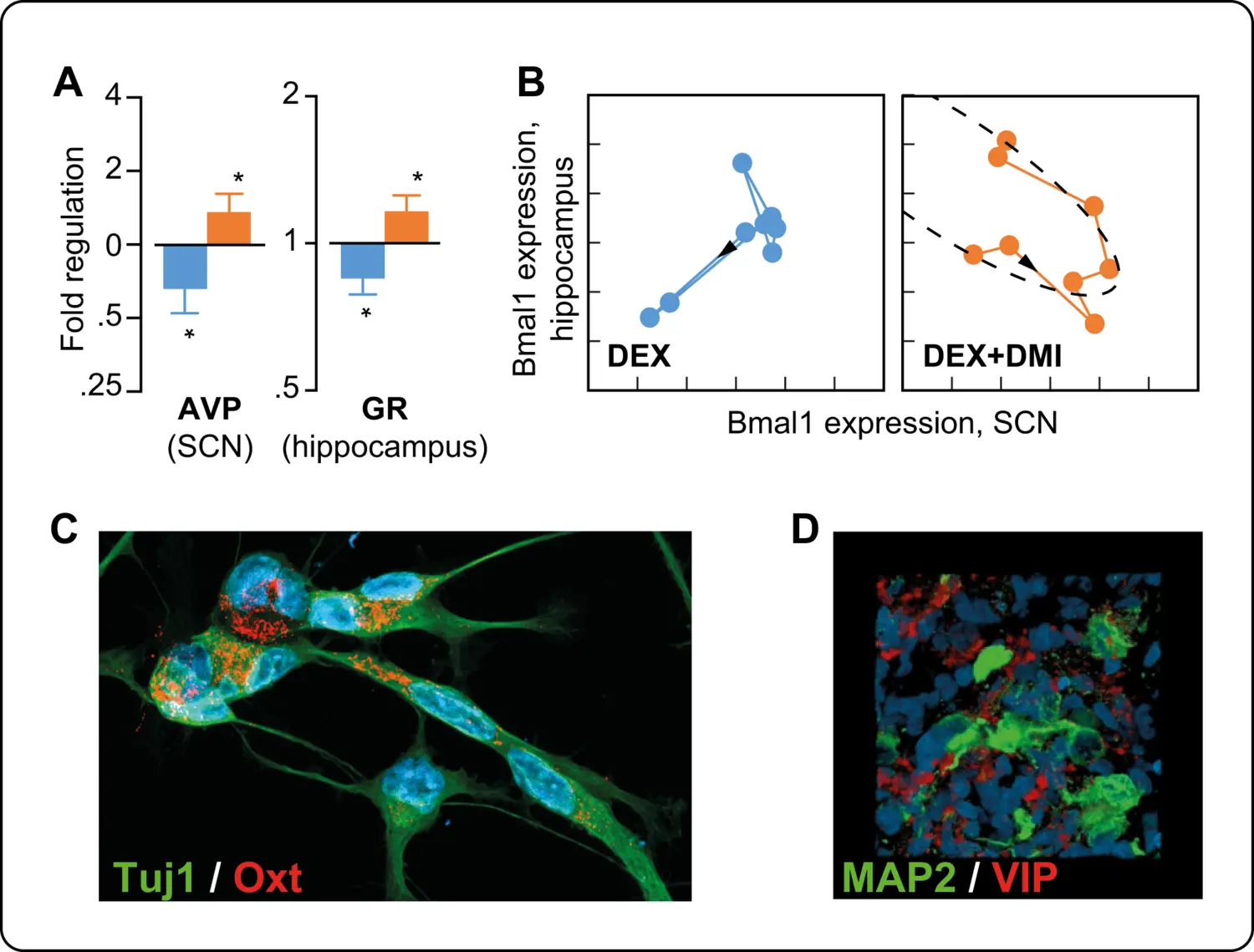
Sandra Ceccatelli is a Professor at the Department of Neuroscience, Karolinska Institutet (KI), Stockholm, Sweden, and Director of the KI Ming Wai Lau Centre for Reparative Medicine. Her research focuses on understanding how environmental and genetic factors influence neurodevelopment, particularly through molecular mechanisms linked to neurodevelopmental disorders. She has pioneered studies on developmental neurotoxicity using neural stem cells and behavioral models, emphasizing sex-related differences and long-term effects of glucocorticoids and contaminants like methylmercury, PFOS/PFOA, and dioxins. Her work integrates in vitro and in vivo approaches, including the use of rodent models and human iPSC-derived neurons. Key contributions include identifying epigenetic changes induced by glucocorticoids, linking circadian rhythm disruptions to depression, and developing biomarkers for antidepressant response. She leads the 'Environmental and genetic factors influence on neurodevelopment' group, collaborating internationally on projects like the CNRM Center for Neuromusculoskeletal Restorative Medicine. Research highlights include studies on microglia dysfunction in autism, glyphosate's neurodevelopmental impacts, and circadian rhythm abnormalities in psychiatric disorders. Her findings have been translated into clinical applications through patents and startups, such as Northern Light Diagnostics AB, focusing on activity patterns for depression diagnosis. Education: Dr. Med Sci from Karolinska Institutet, postdoc at Rockefeller University. Leadership: Head of Ming Wai Lau Centre (2021–2023), member of EFSA panels on toxicology. Grants & Collaborations: Extensive funding for neurotoxicology and developmental studies, part of EU and global initiatives.
Robert Harris is a Professor and Academic Vice President at Karolinska Institutet, leading the Immunotherapy research group within the Department of Clinical Neuroscience. He holds a BSc from Portsmouth Polytechnic (1987) and a PhD from University College London (1991). His research focuses on developing immunotherapies for neurological diseases like ALS, MS, Alzheimer’s, and glioma. He has pioneered studies on myeloid cell therapies, microglia repopulation, and amniotic epithelial cell treatments. Roles: Professor, Academic Vice-President of Doctoral Education, Chair of International Advisory Council Education: BSc Biology (Portsmouth Polytechnic), PhD in Immunology (UCL) Research Interests: Pathogenesis of incurable CNS diseases, personalized cell therapy, immunomodulation via myeloid cells. His group explores therapies targeting microglia, macrophages, and nanotechnology-based drug delivery. Key achievements include over 131 publications (h-index 45), FEBS Education Award 2024, and leadership roles in doctoral education across Europe. His lab is funded by Swedish Medical Research Council, CancerFonden, and international foundations. Awards: Karolinska Pedagogy Prize (2014), FEBS Education Award (2024), Honorary Doctorate (2023) Teaching & Leadership: Directed doctoral studies at KI (2005–2018), designed advanced courses in immunology and neuroimmunology. Supervises 1 PhD student and co-supervises 5 others, alongside postdocs and undergraduates. Labs/Teams: Immunotherapy Group at CMM, collaborating with rheumatology, immunology, and international institutions. Active in training next-gen researchers through the Academic Think Tank (TATT).
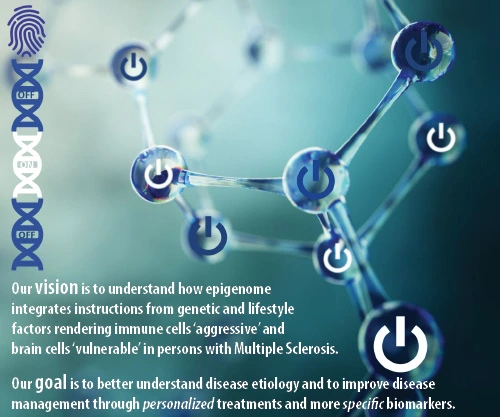
Maja Jagodic is a Professor of Neuroinflammation and Associate Professor in Experimental Medicine at Karolinska Institutet, leading the research group 'Epigenetic origins and mechanisms in neuroinflammation' within the Department of Clinical Neuroscience. Her work focuses on understanding how epigenetic mechanisms link genetic and environmental factors to neuroinflammatory diseases, particularly multiple sclerosis (MS). She holds a PhD from Karolinska Institutet (2004) and a Docent title (2014). Affiliations: Department of Clinical Neuroscience, Center for Molecular Medicine, Karolinska University Hospital. Key collaborations: International Multiple Sclerosis Genetics Consortium (IMSGC), International Human Epigenome Consortium (IHEC). Research Interests: Epigenetic regulation in neuroinflammation, MS pathogenesis, biomarker discovery, and personalized treatments. Specific areas include DNA methylation, non-coding RNAs, and immune cell dysfunction in MS. Publications highlight epigenetic mechanisms underlying MS progression, genetic-epigenetic interactions, and therapeutic targets like HB-EGF and autophagy pathways. Recent work explores smoking's epigenetic effects on MS patients and aging's role in neurodegeneration. Grants & Funding: Over SEK 1.8M from Swedish Brain Foundation (2022-2023), StratNeuro Funding for postdoctoral researchers, and Knut and Alice Wallenberg Foundation support. Led research identifying T-bet+ B cells' role in MS pathogenesis and developed tools for multi-omic data integration (e.g., GeneSetCluster 2.0). Active in mentoring PhD students and postdocs, with a focus on translational epigenetics. Lab Members: Includes 10+ researchers, including PhD students Yufei Cheng and Yanan Han, and team leaders like Lara Kular (lung-brain axis) and Milena Zeitelhofer Adzemovic (mental health).
Bertrand Joseph is a Professor at the Department of Toxicology within the Institute of Environmental Medicine at Karolinska Institutet. His research focuses on molecular mechanisms of cell death, particularly in neurodegenerative diseases and cancer, emphasizing the role of microglia in inflammatory responses and disease progression. He holds a Docent degree from Karolinska Institutet (2004). Research interests include microglial diversity, caspase signaling, and epigenetic regulation in neuroinflammation. His work integrates molecular biology, cell biology, and neurobiology to explore how cellular decision-making processes (life vs. death) impact diseases like Alzheimer’s, Parkinson’s, and glioma. Recent publications highlight his team’s discoveries on microglial subtypes, ARG1-expressing microglia’s role in brain development, and mechanisms linking microglial dysfunction to autism and cancer. Key findings include the identification of novel pathways regulating neuroinflammation and tumor-supportive microglia phenotypes. No scientific awards or grants are explicitly listed in the provided texts. His lab, 'Toxicology – Bertrand Joseph’s Research Group,' investigates diverse aspects of microglial biology, including their response to environmental toxins and neurodegenerative triggers.
Per Uhlén is a Professor at the Department of Medical Biochemistry and Biophysics, Karolinska Institutet, Stockholm. His research focuses on cell signaling mechanisms in neuroscience and cancer, utilizing advanced imaging techniques like light-sheet microscopy and spatial transcriptomics. He holds adjunct roles at RIKEN Brain Science Institute (2017–2018) and Keio University (2017–2020). Education: Master of Science in Engineering Physics (KTH Royal Institute of Technology, 1993–1998) PhD in Medical Sciences (Karolinska Institutet, 1998–2002) Postdoctoral studies at Yale University and Marine Biological Laboratory (2003–2005) Research Interests: His group investigates intracellular calcium signaling, tumor microenvironment dynamics, and neurodevelopmental processes. They develop novel tools for 3D tissue imaging and integrate single-cell omics to study disease mechanisms. Key areas include microglia function in neuroinflammation, glioma biology, and stem cell pluripotency regulation through Ca 2+ pathways. Labs & Teams: He leads the Per Uhlén Group , focusing on molecular neurobiology and cancer systems biology. Collaborative projects include spatial transcriptomics initiatives and drug discovery for radiation-induced tissue damage.
Dr. Sevannah Ellis is a Postdoctoral Research Fellow at the Queensland Brain Institute (University of Queensland). Her research focuses on cellular and molecular mechanisms underlying neurodegenerative diseases and neurovirology. She investigates topics such as synaptic biology, membrane trafficking, and the impact of viral infections on the nervous system, utilizing techniques like brain organoids to model disease processes. Her work bridges neuroscience, cell biology, and virology, contributing to understanding neurodegenerative and infectious disease pathogenesis. Dr. Ellis’s research interests include endocytic dynamics, synaptic plasticity, and the role of lipid metabolism in memory formation. She has published in high-impact journals such as Nature Communications and The EMBO Journal , addressing topics ranging from dynamin isoform function to SARS-CoV-2 neurotropism. Her findings advance fundamental biological understanding and potential therapeutic strategies for neurological disorders.
Dr. Emily Willis is a Postdoctoral Research Fellow at the Queensland Brain Institute (QBI) within the Faculty of Medicine at The University of Queensland. She is part of the Vukovic Laboratory for Neuroimmunology and Cognition, focusing on the functional consequences of neuro-immune interactions in traumatic brain injury (TBI). Her work demonstrates that rejuvenating microglia can drive neuroprotection and repair via the IL-6 signaling pathway, challenging previous assumptions about their role in injury. Willis holds a PhD in Neuroimmunology from UQ (2020). Her research interests include microglia biology, neuroinflammation, TBI outcomes, and cognitive recovery mechanisms. Key findings include identifying IL-6 as a therapeutic target for brain repair and showing that microglia can be harnessed to promote recovery after injury. Selected awards include the Mark Rowe Award and Paxinos-Watson Award (both ANS 2021), and the Postdoctoral Investigator Award (NARF/NHMRC 2020). Her publications span high-impact journals like Cell and The Journal of Neuroscience, with work on microglia depletion protocols and repopulation techniques widely cited. Willis' contributions include developing methodologies for studying microglia dynamics and their role in brain repair. She has explored complementary pathways in ALS (TDP-43 models) and the impact of exercise on microglial rejuvenation in aging brains.
Dr. Larisa Labzin is an ARC Future Fellow at the Institute for Molecular Bioscience (IMB), University of Queensland. Her research focuses on innate immune sensing of viral infections and inflammatory responses. She holds a PhD from the University of Bonn and conducted postdoctoral research at the MRC Laboratory of Molecular Biology (Cambridge, UK). Her work spans viral pathogenesis, cytokine signaling, and SARS-CoV-2 biology. Key achievements include discovering novel anti-inflammatory pathways and mechanisms of antibody-dependent enhancement. Research Interests: Innate immunity, viral sensing, inflammasome activation, cytokine networks, and pandemic-related inflammation. Current projects investigate how macrophages detect viral threats and regulate immune responses to influenza and SARS-CoV-2. Articles highlight her contributions to understanding post-acute SARS-CoV-2 sequelae, ACE2-dependent viral replication in macrophages, and hyaluronic acid’s role in vascular diseases. Awards include the NHMRC CJ Martin Fellowship and ARC Future Fellowship.
Dr. Seung Jae Kim is a Postdoctoral Research Fellow at the Queensland Brain Institute, University of Queensland. His research focuses on neuroendocrinology, autonomic nervous system regulation, and the role of microglia in health and disease. He investigates neural mechanisms governing metabolic processes, cardiorespiratory control, and neuroimmune interactions. Key areas of study include insulin signaling in AgRP neurons, the integration of hindbrain and carotid body mechanisms during autonomic responses, and microglial contributions to pathological conditions such as traumatic brain injury and chronic hypoxia. Recent work explores the therapeutic potential of CSF-1R inhibitors for chronic GVHD and the evolutionary pathways modulating bacterial virulence. His research employs translational models, including murine studies, and addresses clinical applications in metabolic disorders, neuroimmunology, and cardiovascular physiology. Collaborative projects involve neuroendocrine signaling, pharmacological interventions, and spinal cord mechanisms.
Dr. Liviu-Gabriel Bodea is a Research Fellow at the School of Biomedical Sciences, Faculty of Health, Medicine and Behavioural Sciences, University of Queensland, and an affiliate of the Clem Jones Centre for Ageing and Dementia Research at the Queensland Brain Institute. His expertise lies in neuroimmunology, focusing on microglia-neuron interactions in health and neurodegenerative diseases like Alzheimer's and Frontotemporal Dementia. He obtained his Dr.rer.nat. (PhD) from the University of Bonn (2014) under Prof. Harald Neumann, followed by a Peter Hilton Early Career Fellowship (2014-2019) in Australia with Prof. Jürgen Götz. Since 2024, he leads the Microglia Metabolic Reprogramming and Proteostasis Research Team in Assoc. Prof. Karin Borges' lab. Research Interests: His work explores: Microglial proteostasis and metabolic reprogramming Tau protein's impact on protein synthesis Role of immune pathways in neurodegeneration Development of bioorthogonal labeling techniques for proteomic analysis Non-invasive therapeutic strategies (e.g., scanning ultrasound) Microglial receptor dynamics (TYROBP, TREM2) in disease Publications (Trends): Recent articles focus on inflammasome regulation in neurodegeneration, LINE-1 retrotransposon roles in interneuron development, ultrasound-mediated therapies, and proteomic changes during memory formation. His work bridges neuroimmunology, molecular neurobiology, and translational medicine. Scientific Awards: NHMRC Ideas Grant #2030460 (2024-2027, sole CI, ~AU$800,000) Dementia Australia Mid-Career Fellowship (2022-2024, AU$375,000) Expertscape recognition as top 0.8% tauopathy researcher (2021) Cited in 22 patents for neurodegenerative disease mechanisms Supervision & Leadership: Dr. Bodea has mentored 2 PhD students (both awarded first-class distinctions and pursuing academic careers), 4 Honours students, and >15 smaller projects. He serves as a grant reviewer for NHMRC and top journals, and as Lead Guest Editor for Frontiers in Cellular Neuroscience (2023).
Alison Carlisle is a PhD Student & Postdoctoral Research Fellow at the Queensland Brain Institute (QBI), The University of Queensland. Her research focuses on neurodegenerative diseases, neurogenesis, and evolutionary developmental biology. She has contributed to studies on microglia proteomics, exercise-induced neuroplasticity in aging models, and comparative brain evolution using marsupials. Education: PhD Candidate (Queensland Brain Institute, The University of Queensland) - Thesis: Investigating the roles of microglia during development and in neurodegenerative disease (2025). Research Interests: Microglia biology, neurodegenerative mechanisms, neurogenesis in aging, and evolutionary constraints on brain structure. Her work combines molecular biology techniques with comparative anatomy to explore brain function across species and lifespan stages. Key Findings: Her 2021 studies demonstrated how exercise can enhance cognitive function through growth hormone-driven neurogenesis, while her 2017 work provided insights into brain evolution by analyzing marsupial developmental patterns. Labs/Teams: Active in QBI labs specializing in neurodegeneration and developmental neuroscience. Collaborates with interdisciplinary teams including molecular biologists, neuroendocrinologists, and evolutionary biologists.
Daliya Kancheva is a postdoctoral researcher at the Department of Bio-engineering Sciences, Vrije Universiteit Brussel, and a member of the Brussels Center for Immunology. Her work focuses on computational biology, single-cell transcriptomics, and multiomics data integration in immune-related diseases. Current affiliation: Vrije Universiteit Brussel, Department of Bio-engineering Sciences Research domain: Immune heterogeneity in brain and cancer contexts Expertise: Single-cell RNA sequencing, multiomics, data integration methods Her research explores immune dynamics in tumors and neurodegenerative diseases, particularly glioblastoma, myeloid cells, and the tumor microenvironment. She has contributed to studies on macrophage function, SALL1+ microglia development, and immune profiling of multiple myeloma and lung cancer models. Recent publications highlight her work in single-cell proteomics, multiomics immune mapping, and tumor-immune interactions. Collaborations with Damya Laoui, Kiavash Movahedi, and other immunology experts demonstrate her integrated research approach.