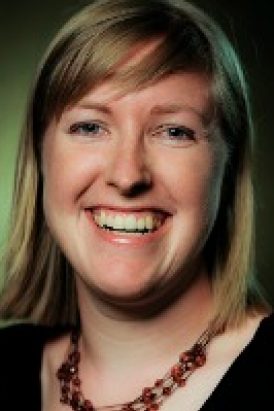
Kerri Pratt is a Professor of Chemistry and Earth and Environmental Sciences at the University of Michigan, affiliated with the College of Literature, Science, and the Arts. Her research focuses on atmospheric chemistry, particularly the interactions between pollution and natural processes in polar regions. Her recent studies examine Arctic aerosols, halogen chemistry, and the impact of oil fields on air quality, utilizing field experiments and advanced analytical techniques to understand particle composition, ozone depletion, and climate-relevant properties. Blowing snow and Arctic aerosols : Investigating particle phase states and transport mechanisms. Oil field emissions : Assessing NOx and bromine chemistry effects on regional pollution. Halogen production : Analyzing dust from shrinking lakes and its air quality implications. Single-particle analysis : Developing methods to quantify aerosol diversity in Arctic environments.
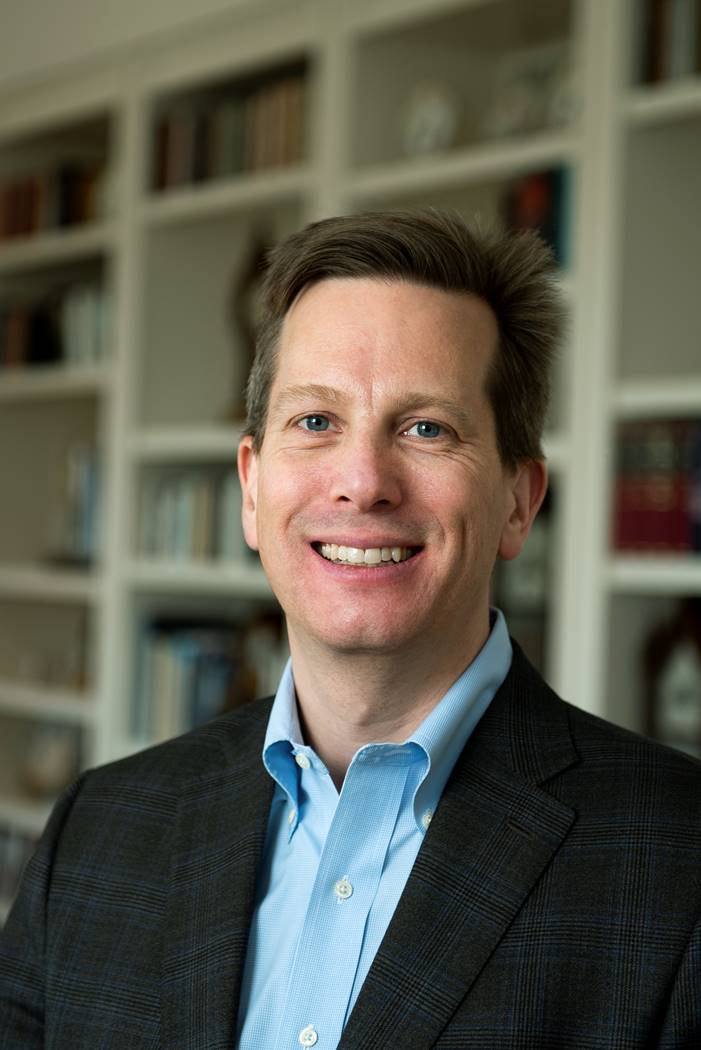
Professor Gil Lee holds the Stokes Full Professor of Physical Chemistry position at the University College Dublin, School of Chemistry . With a B.S. and Ph.D. in Chemical Engineering from Purdue University and University of Minnesota respectively, he transitioned to academia after postdoctoral research at the American Society of Engineering Education and a research engineer role at the Naval Research Laboratory. His career spans associate professorship at Purdue University (2000-2008) and adjunct roles, showcasing a trajectory marked by innovation in biomagnetic technologies . Education B.S. Chemical Engineering, Purdue University (1987) Ph.D. Chemical Engineering, University of Minnesota (1992) Postdoctoral Fellow, American Society of Engineering Education (1995) Executive Education Global EMBA, TRIUM (2016) His research is driven by three key areas : Bionanomaterials : Development of superparamagnetic microparticles for biological separations, drug delivery, and hyperthermia therapy. Techniques include iron-gold nanorods and self-assembled iron oxide nanoparticles with controlled surface chemistry. Single-Molecule Force Analysis : Pioneering work in atomic force microscopy (AFM) for quantitative force measurements, including streptavidin-biotin bond lifetime studies and magnetic tweezers for parallel ligand-receptor analysis. Biosensing & In Vitro Diagnostics : Innovations in immunomagnetic cell separation, magnetophoretic sensing, and microfluidic devices for rapid pathogen detection and cancer diagnostics. His scientific awards include the Stokes Chair (2008), E.T.S. Walton Fellowship (2006), and multiple Edison Patent Awards. He has received grants for projects in cancer diagnostics and microfluidic technologies . His teaching activities focus on advanced physical chemistry modules, emphasizing kinetics and thermodynamics, with roles as module coordinator since 2014.
Gianluca Zitti is a Researcher at the Department of Civil and Architectural Engineering, School of Engineering, Università Politecnica delle Marche (UNIVPM), Ancona. His work spans fluid dynamics, biomedical engineering, coastal systems, and renewable energy technologies. Role: Researcher in Scientific Sector CEAR-01/A (Hydraulics) Location: DICEA - Hydraulic Section, Via Brecce Bianche 12, Ancona Contact: g.zitti@staff.univpm.it Research focuses include: Cardiovascular fluid mechanics Wave energy converters Hydrokinetic turbines Coastal sediment transport Aquaculture structure dynamics Flood impact modeling His scientific contributions include studies on: Coronary artery blood flow Archimedean turbine optimization Avalanche-generated impulse waves Hydrodynamic interactions Human stability in floodwaters
Andrew Ewald, Ph.D., serves as the Virginia deAcetis Professor and Director of the Department of Cell Biology at Johns Hopkins University School of Medicine. His research focuses on understanding collective cell behaviors in tissue development and disease progression, with emphasis on breast cancer metastasis mechanisms. Dr. Ewald earned his B.S. in Physics from Haverford College and Ph.D. in Biochemistry and Molecular Biophysics from Caltech, followed by postdoctoral training at UCSF. The Ewald Lab develops innovative 3D culture systems to model tumor initiation, invasion, and metastasis, integrating cutting-edge microscopy, genetics, and bioinformatics. Research themes include: Cellular dynamics of breast cancer metastasis Molecular toolkits driving invasion programs Tumor microenvironment interactions (immune cells, fibroblasts) KRAS-dependent invasion heterogeneity Biomechanical regulation of dissemination Publication analysis reveals consistent focus on metastasis mechanisms using advanced organoid models, computational approaches, and in vivo systems. Recent work emphasizes spatial dynamics of cell migration, microenvironmental regulation of invasion, and therapeutic targeting of metastatic processes. Dr. Ewald founded the Cancer Invasion and Metastasis Program (CIM), coordinating >40 faculty across Johns Hopkins to translate basic research into clinical trials. Collaborations include patient advocacy groups (METAvivor, BCRF) and federal networks (NCI CTD2, PSOC). He currently advises seven graduate students investigating metastasis biology and epithelial dynamics.
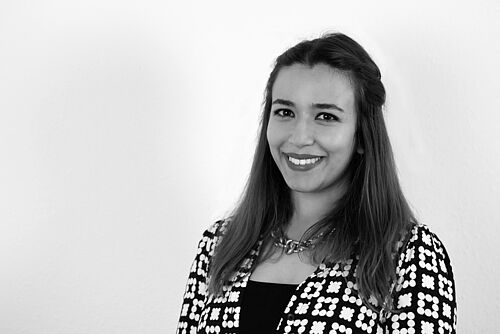
Hazal Kutluk is a Researcher at the Institute of Microtechnology , Faculty of Mechanical Engineering , Technische Universität Braunschweig. Her work intersects biomedical engineering and microtechnology for health applications. Academic Background: B.Sc. in Mechanical (Automotive) Engineering, Hacettepe University (2010-2015) M.Sc. in Microsystems Engineering, Albert-Ludwigs-Universität Freiburg (2015-2018) Research Focus: Developing organ-on-chip systems and microfluidic biosensors to study cellular biomechanics in bacterial infections and enable rapid biomolecule detection. Her work combines microfabrication , biomedical diagnostics , and infection mechanisms within the university's Engineering for Health initiative. Selected Publications explore trends in lab-on-a-chip diagnostics , ECM integration , and single-cell analysis , reflecting interdisciplinary approaches in biosensing and tissue engineering. Research Funding: Participated in the project Decoding Lyme Disease: From Microtechnology to Biomechanics (08/2020-02/2022), funded by 12plus6 (Faculty 4, TU Braunschweig).
Prof. Dr. Karsten Niehaus serves as Head of the Proteome and Metabolome Research Group at the Center for Biotechnology (CeBiTec) and Faculty of Biology, University of Bielefeld. His research focuses on proteomics and metabolomics applications in plant-microbe interactions, bacterial stress responses, and disease model systems. His laboratory employs advanced mass spectrometry imaging and cell phenotyping technologies to investigate molecular responses in crops like sugar beet and grapevines under abiotic stress conditions, as well as in cancer models where differentiation therapy impacts tumor malignancy. The group also explores microbial biotechnology through Xanthomonas campestris studies on xanthan production and stress adaptation. Selected publications highlight innovations in 3D microfluidics for biomarker detection and bioinformatics platforms like MetHoS for metabolomics data analysis. His work appears in journals covering Frontiers in Plant Science , Scientific Reports , and Journal of Experimental Botany . Contact: kniehaus@cebitec.uni-bielefeld.de | Office: UHG W7-117
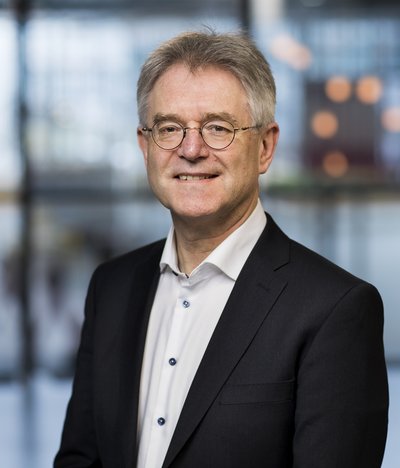
Martien Hulsen is an Associate Professor at the Department of Mechanical Engineering , Eindhoven University of Technology (TU/e) . His research focuses on Computational Rheology , with applications in Polymer Processing , Microfluidics , and Additive Manufacturing (3D Printing) . Academic background: PhD in Mechanical Engineering (Delft University of Technology, 1988) Specializes in Numerical Methods for viscoelastic flow simulation Key applications: External Gear Pumps , Cell Sorting , and Micro-rheology Recent research trends: Interface Rheology , Particle Dynamics , and Thermal-Viscous Coupling His work has been published in top journals like Journal of Non-Newtonian Fluid Mechanics and Physics of Fluids . Martien serves on the editorial board of the Journal of Non-Newtonian Fluid Mechanics. Contact: m.a.hulsen@tue.nl
Mary Hannah Wood is an Assistant Professor at the University of Copenhagen's Niels Bohr Institute, specializing in the Theoretical High Energy, Astroparticle and Gravitational Physics department. With a background in physical and surface chemistry, her research focuses on applying advanced techniques like neutron reflectometry to understand complex bioelectronic interfaces and electron transport mechanisms. Her work addresses energy and chemical supply challenges through bioelectronic systems and interfacial analysis . Publications highlight collaborations in electrochemistry , biophysics , and microfluidic engineering , with recent studies in Journal of the American Chemical Society and Langmuir . Mary's research spans photosynthetic membranes , lipid bilayer dynamics , and environmental chemistry . She utilizes neutron reflectometry and atomic force microscopy to explore bioelectronic interfaces and mineral surface interactions.
Johannes Geier is a Researcher at the Chair of Design Automation at the Technical University of Munich (TUM). His work focuses on electronic design automation, fault injection simulations, and security countermeasures for RISC-V processors. University: Technical University of Munich Department: Chair of Design Automation Email: johannes.geier@tum.de Research Interests Electronic Design Automation (EDA) for analog and digital circuits Fault tolerance and reliability in RISC-V architectures Security analysis of post-quantum cryptographic systems Timing analysis and microfabrication techniques Optical Networks-on-Chip (NoC) and emerging technologies Compiler-assisted hardware security implementations Recent Research Trends Specializes in fault injection methodologies for hardware security validation Develops open-source tools like vRTLmod for RTL simulation acceleration Explores RISC-V vector extensions for post-quantum cryptography Investigates differential fault effect equivalence checks for efficiency Designs compiler-based security countermeasures against instruction skip attacks Works on concurrent multi-node XCP proxy server architectures
Dr. Kimia Witte is a Lecturer in Biomedical Engineering at the University of Strathclyde, UK, actively accepting PhD students. Her research focuses on innovative biomedical engineering approaches including stem cell manipulation using physical stimuli, biomaterial development for tissue regeneration, and diagnostic tool design. She specializes in creating bioinstructive environments for controlling cell behavior and developing novel biomaterial platforms. Research Focus Witte's core research integrates: Stem cell engineering using acoustic/physical stimulation Development of smart biomaterials for tissue regeneration Microfluidic platforms for diagnostic applications Mechanobiology approaches for clinical diagnostics Her work bridges fundamental biomaterial science with clinical applications in regenerative medicine and diagnostic technologies. Research Trends Analysis of her 12 most recent publications reveals: Strong focus on stem cell-microenvironment interactions Increasing emphasis on translationally-oriented research Development of novel diagnostic platforms Interdisciplinary approaches combining engineering, biology and materials science Progressive refinement of biomaterial systems Awards and Recognition Witte has received recognition for her scientific contributions including 1 prize (specific award unnamed in available data). Her publications show significant impact with multiple articles receiving 20+ citations. Academic Activities Maintains active research program with 18 projects and 3 datasets. Contributes to academic community through peer-reviewed publications and conference presentations. Collaborates with researchers across materials science, cell biology and clinical medicine disciplines.
Yanxiang Deng is an Assistant Professor in the Department of Pathology and Laboratory Medicine at the Perelman School of Medicine, University of Pennsylvania. His research pioneers spatial omics technologies to decode tissue architecture in development and disease, with seminal contributions including spatial-CUT&Tag and spatial-ATAC-seq for epigenetic mapping. His educational background includes a PhD from Rensselaer Polytechnic Institute (2018) followed by postdoctoral training at Yale University (2018-2022). Key appointments span Cell and Molecular Biology and Genomics and Computational Biology graduate groups. Deng's lab focuses on developing microfluidic platforms for spatial multi-omics, enabling pixel-level profiling of histone modifications, chromatin accessibility, and proteome-transcriptome interactions. His work bridges engineering and biomedicine to address cancer mechanisms and neurodegenerative disorders, with technologies allowing unprecedented resolution of cell-type-specific epigenetic landscapes in intact tissues. Analysis of his 15 most recent publications (2023-2025) reveals accelerating innovation in multimodal spatial mapping, particularly FFPE tissue compatibility, DNA methylation-transcriptome co-profiling, and neuroscience applications. His methods increasingly integrate chromatin features with proteomic data, expanding from foundational 2022 Science and Nature papers to clinical translation in depression and cancer. Major recognitions include: Blavatnik Awards for Young Scientists, Regional Laureate in Life Sciences (2023) Founders Award of Excellence, Rensselaer Polytechnic Institute (2015) National Scholarship (2008) He actively mentors 8 trainees including 6 graduate students and 2 postdocs, with research supported by NIH grants and institutional funding. His lab's deterministic barcoding approach (DBiT-seq), highlighted as Nature Methods' "Method of the Year," underpins multiple high-impact collaborations in immunology and neuroscience. The Deng Lab operates from Stellar Chance Laboratories, employing interdisciplinary teams to develop next-generation tools for spatial multi-omics. Current projects include Spatial-DMT for DNA methylation mapping and spatial-Mux-seq for quadruple-modality profiling, leveraging microfluidics expertise to unlock archival tissue repositories for disease research.
Diego di Bernardo is a Full Professor of Biomedical Engineering at the University of Naples Federico II and Principal Investigator at TIGEM, serving as Coordinator of the Genomic Medicine Program and Head of the Bioinformatics Core. His work bridges engineering and biological sciences to advance disease understanding and therapeutic development. His educational background includes a Laurea cum laude in Electronic Engineering from the University of Naples Federico II (1997) and a PhD in Medical Physics from the University of Newcastle School of Medicine (2001), funded by a European Commission Marie Curie Fellowship. Postdoctoral training followed at the Wellcome Trust Sanger Center and Boston University. Di Bernardo's research integrates Biomedical Engineering, Control Engineering, and Molecular Biology to pioneer Biomolecular Control. His lab develops microfluidics platforms for real-time cellular analysis and computational approaches for gene network reverse engineering and drug repositioning. Current work focuses on single-cell transcriptomics to combat drug resistance in cancer and engineer stress-response pathways for bioproduction optimization. His publication record demonstrates consistent innovation in computational biology, with recent work emphasizing pan-cancer transcriptomics, microfluidics-based cell control, and bioinformatics tool development for pathway analysis. The research trajectory shows increasing integration of engineering principles with genomic medicine. Scientific recognition includes: Marie Curie Fellowship He advises PhD students including Clarissa Poles and Virginia Fusco, leading a multidisciplinary team of postdocs and bioinformaticians. Major funding sources include Telethon, AIRC, Italian Ministries, HFSP, and EU programs such as Re-MEND (2023-2027) for mental health resilience and iPC (2019-2023) for pediatric cures. His TIGEM laboratory operates cutting-edge microfluidics and bioinformatics facilities to engineer living systems, with current projects targeting super-producer cell lines for biological drugs and viral vectors while reducing production costs through stress-response re-engineering.
Dr. Mohammad Hassan Kayhani is an Associate Professor in the Faculty of Mechanical Engineering at Shahrood University of Technology, Iran. He holds a Ph.D. in Heat and Fluids and has established himself as a leading researcher in heat transfer, combustion, and fluid dynamics. With over 2000 citations on Google Scholar (h-index 41) and 1500+ citations on Scopus (h-index 74), his work has significantly impacted the fields of viscoelastic flow, porous media, and multiphase systems. Dr. Kayhani's research interests span a wide range of topics in thermal and fluid sciences. He specializes in heat transfer phenomena, combustion processes, two-phase flow dynamics, viscoelastic fluid behavior, and transport in porous media. His work often combines experimental, numerical, and theoretical approaches to address complex problems in energy systems, oil recovery, and thermal management. Notably, he has made significant contributions to understanding droplet dynamics, viscous fingering instabilities, and film cooling techniques for gas turbine applications. Analysis of Dr. Kayhani's recent publications reveals a strong focus on advanced fluid dynamics phenomena, particularly involving non-Newtonian and viscoelastic fluids. His work bridges fundamental fluid mechanics with practical applications in energy systems, oil recovery, and thermal management. A significant portion of his research investigates multiphase flow behavior, interfacial phenomena, and instability mechanisms in various engineering contexts. Dr. Kayhani has successfully supervised numerous graduate students, with 84 theses listed under his guidance. His students have pursued research in diverse areas including combustion, heat transfer, fluid dynamics, and energy systems. While specific grant information isn't provided in the available text, his extensive publication record and thesis supervision suggest successful research funding. His laboratory work appears to focus on experimental fluid dynamics, heat transfer measurements, and computational modeling of complex flow phenomena. The research involves advanced techniques such as lattice Boltzmann methods, experimental flow visualization, and thermal measurements in various engineering systems.
Prof. Bert Weckhuysen is a University Professor of 'Catalysis, Energy & Sustainability' at Utrecht University since 2018, previously serving as Faculty Professor at the Faculty of Science since 2012 and Professor of Inorganic Chemistry & Catalysis since 2000. His research is centered at the Chemistry Institute for Sustainable and Circular Chemistry within the Faculty of Science at Utrecht University, where he leads the Inorganic Chemistry and Catalysis research group. Prof. Weckhuysen's research focuses on developing structure-activity relationships in heterogeneous catalysis and materials science, with special emphasis on advanced in situ and operando characterization techniques. His work spans several critical areas including: Development and application of spatiotemporal operando spectroscopy to elucidate active sites in catalyst materials Catalytic conversion of biomass, plastic waste, and CO 2 Molecular design of materials for catalysis, adsorption, and separation Pathways to Sustainability with focus on Energy in Transition and Circular Economy His most recent publications demonstrate strong trends in operando characterization techniques, sustainable catalysis for CO 2 conversion, plastic waste valorization, and advanced materials design. The research spans fundamental understanding of catalyst behavior under working conditions to practical applications in energy transition and circular economy. Prof. Weckhuysen has received numerous prestigious awards including: Michel Boudart Award for the Advancement of Catalysis (2025) Karl Wamsler Innovation Award (2024) Chemistry Europe Award (2023) Spinoza Award (2013) - the highest scientific honor in the Netherlands Francqui Chair at the University of Antwerp (2024-2025) As a dedicated educator and mentor, Prof. Weckhuysen coordinates the Da Vinci Project and the Syllabus Catalysis Course. He has secured significant research funding including ERC Advanced Grants, Gravitation grants, and serves as Scientific Director of major research initiatives including SUNERGY, ARC-CBBC, and MCEC. His leadership extends to editorial roles for numerous high-impact journals including serving as Editor-in-Chief of Catalysis Science and Technology. Prof. Weckhuysen leads a vibrant research group focused on operando spectroscopy and sustainable catalysis, with strong connections to industry through initiatives like ARC-CBBC and SUNERGY. His group is actively working on developing the "Refinery of the Future" concept, which envisions producing fuels, chemicals, and materials from renewable resources and energy.
Professor Chiara Neto is a physical chemist at the University of Sydney , affiliated with the Faculty of Science and the University of Sydney Nano Institute . Her career spans roles from Lecturer (2007-2010) to Professor (2020-present), with an Australian Research Council Future Fellowship (2019-2023) and leadership in the Nano Institute's Molecular Nanoscience domain (2016-2018). Education: BSc (1998) and PhD (2001) from the University of Florence; Postdoctoral Fellowships in Germany and Australia Research Interests focus on interfacial chemistry , superhydrophobic surfaces , and slippery liquid-infused coatings . She explores how nature-inspired surfaces can reduce drag in shipping, enable water self-cleaning, and harvest atmospheric water sustainably. Her work also addresses antifouling materials and biomedical surface optimization . Recent Publications highlight nanobubble-mediated interfacial slip , water-harvesting coatings , and biocompatible liquid-infused surfaces , aligning with environmental sustainability and fluid dynamics . Awards & Roles 2022 - Co-Founder, Dewpoint Innovations 2021 - Fellow, Royal Society of NSW 2015-2018 - President, Australasian Colloid and Interface Society Editorial roles in Langmuir , Advanced Materials Interfaces Teaching includes CHEM3122-Molecular Self-Assembly and CHEM1901-Chemistry 1A . She actively supervises PhD students and leads international collaborations with institutions in Canada, Germany, and Italy.