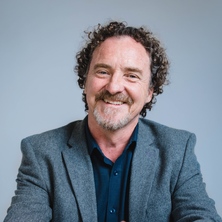
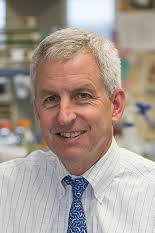
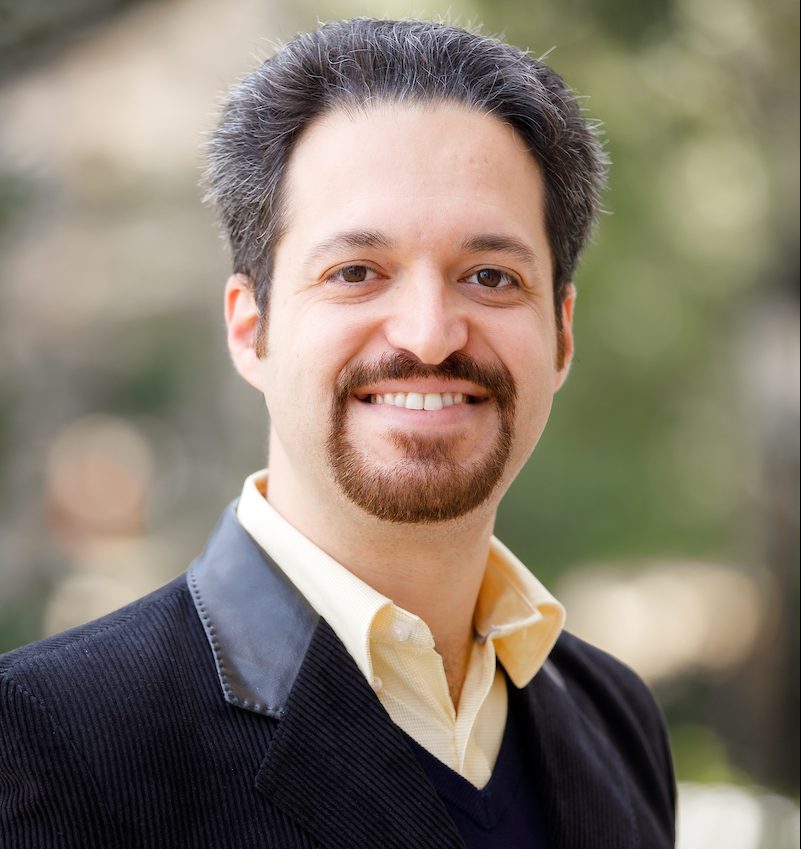
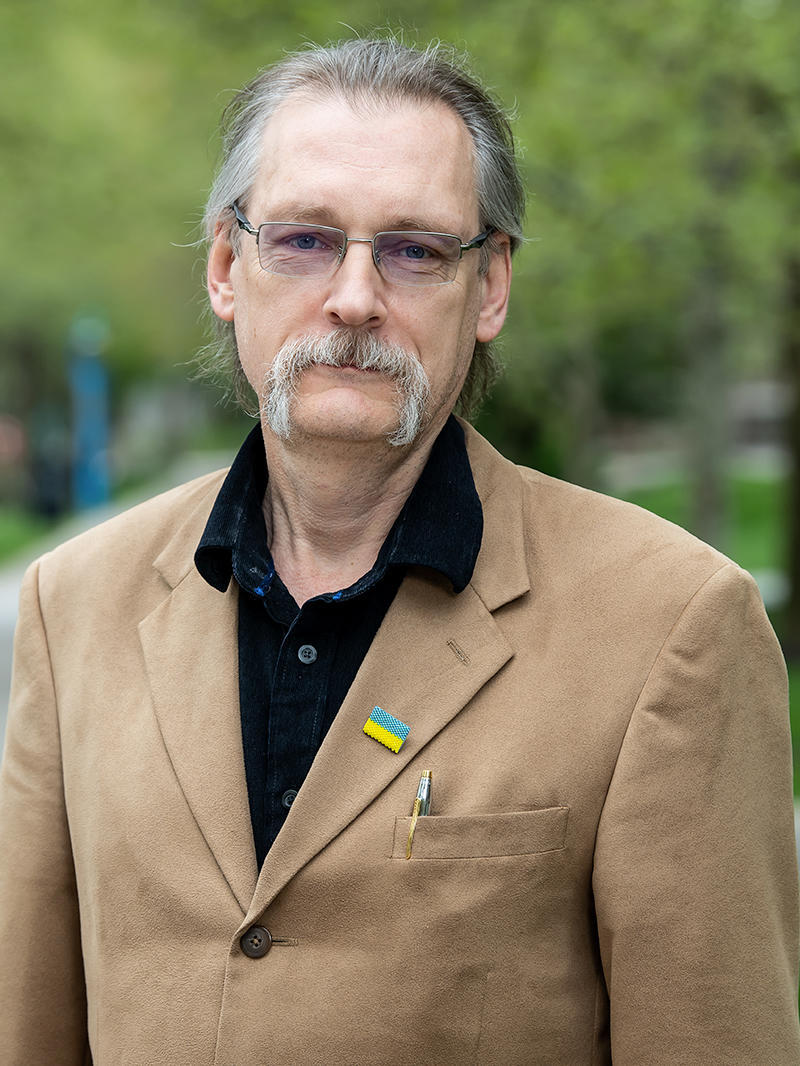
Professor Sebastian Springer leads the Molecular Mechanisms of the Immune Response and Immuno-Biotechnology Research group at Constructor University Bremen. As a Professor of Biochemistry and Cell Biology in the School of Science since 2001, he investigates intracellular transport regulation of immune system membrane proteins, with a focus on MHC class I molecule dynamics and their role in pathogen detection and cancer immunosurveillance. University of California, Berkeley (Postdoctoral Fellow, 1996-2001) Oxford University (PhD, 1992-1996) Tübingen University (Diplom in Biochemistry, 1985-1992) His research combines laser confocal microscopy with biochemical in vitro assays and biophysical approaches to study MHC class I peptide binding and surface localization. Key findings include demonstrating dynamic retention of empty MHC class I molecules and developing stabilized MHC variants commercialized through the Tetramer Shop (2019-21). Collaborations extend to biophysicists designing micrometer capsules for intracellular delivery. Scientific achievements include the Ernst A.-C.-Lange-Preis, with publications covering MHC stability, peptide exchange mechanisms, and structural immunology. His group's work on micrometric capsule technology has both diagnostic and biotechnological applications.
Dr. Sabine Wurmehl is the head of the Department of Synthesis and Crystal Growth at the Leibniz Institute for Solid State and Materials Research Dresden (IFW Dresden), Germany. She has held this leadership position since 2015, overseeing research on functional intermetallic materials, unconventional superconductors, and frustrated magnetic systems. Prior to becoming department head, she led an Emmy Noether research group at IFW Dresden from 2010 to 2015. Her work bridges materials synthesis, crystal growth, and advanced physical characterization to understand structure-property relationships in quantum materials. Dr. Wurmehl received her chemistry education at the University of Mainz, Germany, earning her Diploma in 2002 and her Doctorate (Dr., summa cum laude) in 2006 under the supervision of Prof. C. Felser. Following her PhD, she conducted postdoctoral research at TU Eindhoven in the Netherlands (2007-2009) before returning to IFW Dresden as a postdoc (2009-2010). Her research focuses on the synthesis and characterization of quantum materials, particularly exploring the relationship between crystal structure and physical properties. She specializes in growing high-quality single crystals of complex materials including iron-based superconductors, Heusler compounds, and frustrated magnetic systems. Her work employs nuclear magnetic resonance spectroscopy to study ferromagnetic materials and other advanced characterization techniques to probe electronic and magnetic properties. Dr. Wurmehl has made significant contributions to understanding unconventional superconductivity, frustrated magnetism, and the physics of intermetallic compounds. Dr. Wurmehl's publication record demonstrates consistent leadership in condensed matter physics, with over 200 publications spanning two decades. Her recent work shows increasing focus on complex quantum materials, particularly iron-based superconductors and Heusler compounds, with emphasis on crystal growth techniques, structure-property relationships, and nematic phenomena. She has developed expertise in advanced characterization methods including ARPES, neutron scattering, and ultrafast spectroscopy to probe electronic structure and dynamics. IFW research award (2014) IFF research award of the IFW Dresden (2012) Emmy-Noether fellowship of the DFG (2010) Research fellowship of the DFG (Eindhoven, Netherlands) (2007) Dr. Wurmehl has supervised an extensive research group since 2010, mentoring 14 postdoctoral researchers, 14 PhD students, 8 diploma and master students, and 12 additional students. She has secured significant research funding through the Emmy-Noether program and other competitive grants, enabling her to establish a world-class crystal growth facility at IFW Dresden. Her group collaborates extensively with international partners, including institutions in the Netherlands, Poland, Japan, and the United States. At IFW Dresden, Dr. Wurmehl leads the Synthesis and Crystal Growth Department, which houses specialized facilities for growing high-quality single crystals of complex quantum materials. Her team employs various crystal growth techniques including the optical floating-zone method, flux growth, and solid-state synthesis to produce materials for fundamental research on superconductivity, magnetism, and topological phenomena. The department serves as a central resource for the Dresden physics community, providing high-quality crystals for numerous collaborative projects.
Andrew Sommers serves as a Professor in the Department of Mechanical and Manufacturing Engineering within Miami University's College of Engineering and Computing. With over 15 years of continuous service at Miami University, he has progressed from Assistant Professor (2007-2013) to Associate Professor (2013-2021) and currently holds the rank of Professor since 2021. His academic foundation includes a Ph.D. (2007), M.S. (2003), and B.S. (2001) in Mechanical Engineering from the University of Illinois and Clemson University. His educational background is highlighted by: Ph.D., Mechanical Engineering, University of Illinois, Urbana, IL, 2007 M.S., Mechanical Engineering, University of Illinois, Urbana, IL, 2003 B.S., Mechanical Engineering, Clemson University, Clemson, SC, 2001 Sommers' research focuses on air-side heat transfer and surface engineering with particular emphasis on wettability effects in thermal systems. His work investigates condensate retention, frost growth dynamics, and heat transfer performance in HVAC&R applications. Current projects explore micro-fabrication techniques , wind turbine ice mitigation , gas turbine systems , and surface tension gradient utilization for passive water management. His thermal-fluids expertise spans both fundamental surface science and practical engineering applications. Analysis of his recent publications reveals a strong trajectory in surface wettability engineering for thermal management, with increasing focus on micro/nano-fabrication and ice adhesion reduction . His work bridges fundamental fluid dynamics with practical HVAC&R applications, particularly evident in his 2022-2023 studies on topographical gradients and superhydrophobic surfaces. The consistent publication in high-impact journals like Physics of Fluids and Langmuir demonstrates sustained leadership in thermal-fluids surface engineering. His scientific recognition includes: CEC Outstanding Faculty Research Award (2020) ASTFE Best Research Paper Award (2017) Arthur Olson Generational Teaching Excellence Award (2012) ASHRAE New Investigator Award (2008) Miami University RAPID Grant (2022) Sommers has secured significant research funding from the American Chemical Society, ASHRAE, California Energy Commission, and U.S. Department of Defense. His academic leadership extends to directing Miami University's Thermal-Fluids Laboratory since 2007 and serving on critical committees including the MME Promotion & Tenure Committee and CEC Curriculum Committee. His teaching portfolio includes core thermal-fluids courses such as Heat Transfer, Fluid Mechanics, and Thermodynamics. As Director of the Thermal-Fluids Laboratory, Sommers maintains active research teams focused on surface modification techniques and thermal management systems. His laboratory work integrates experimental validation with computational modeling, particularly evident in his collaborative studies on frost dynamics and droplet transport mechanisms.
Roger Bresolí Obach is an active Researcher at the IQS School of Engineering, part of Universitat Ramon Llull, where he works in the Department of Analytical and Applied Chemistry as a Ramon y Cajal Researcher since 2023. His work spans multiple disciplines at the intersection of chemistry, photonics, and biomedical applications. Dr. Bresolí Obach earned his Bachelor of Chemical Sciences (2013), Master's degree in Chemistry specializing in Pharmaceutical Chemistry (2014), and PhD in Chemistry (2018), all from Universitat Ramon Llull. His academic trajectory demonstrates a clear progression in photochemistry and its biomedical applications. His primary research interests focus on photodynamic therapy, biological photochemistry, and the development of photofunctional materials. He specializes in near-infrared imaging methods, optical matter, and the application of reactive oxygen species in therapeutic contexts. His work bridges fundamental photochemistry with practical medical applications, particularly in cancer treatment and antimicrobial therapies. Analysis of his publication record reveals a strong emphasis on nanoparticle-based solutions for biomedical challenges. His research shows increasing sophistication in manipulating light-matter interactions at the nanoscale, with applications ranging from cancer treatment to novel data storage technologies. The consistent focus on photosensitizers, optical properties of nanomaterials, and therapeutic applications demonstrates a cohesive research trajectory. Ramon y Cajal Researcher Position (Prestigious Spanish research fellowship) h-index of 19 according to Scopus metrics Extensive scientific production with 55 publications Dr. Bresolí Obach leads multiple significant research projects including FASTCOMET (Future Data Storage Using Colloidal Memory Technology), LIGHTCOMPAS (exploring light-matter interactions), and the RyC-2021 Ramon y Cajal grant. He is also involved in the AppLightChem research group, which specializes in biomedical applications of photobiological chemistry, focusing on solar photoprotection, cancer photochemotherapy, photoantimicrobial therapies, and fluorescence imaging diagnostics. His collaborative work extends to the A Multidisciplinary SACRU Network for Antimicrobial Resistance research. His laboratory work centers around the AppLightChem research group, which develops innovative approaches to photobiological applications. The group's work spans from fundamental photochemistry to applied biomedical solutions, with particular emphasis on translating laboratory discoveries into practical medical applications.
Claire Benard is an Adjunct Associate Professor in the Department of Neurobiology at UMass Chan Medical School and T.H. Chan School of Medicine . Her research focuses on the molecular mechanisms of nervous system maintenance and protection , particularly against aging and neurodegenerative disorders. Education: BS and PhD in Biology from McGill University . Her lab uses Caenorhabditis elegans to study lifelong neuronal architecture preservation, circadian rhythms, and extracellular matrix remodeling. Recent work highlights pathways involving clock gene homologs (e.g., lin-42 , kin-20 ), cell adhesion molecules (e.g., SAX-7/L1CAM ), and proteoglycans in preventing age-related neural deterioration. Key trends in her publications include: Elucidating roles of clock genes in circadian regulation Investigating extracellular matrix proteins in neuronal stability Mapping synaptic pruning mechanisms during circuit remodeling Identifying conserved molecular pathways relevant to human neurodegenerative diseases Her lab (Bénard Lab at UQAM) has trained students who received awards such as: Vanier Canada Graduate Scholarship FRQNT/FRQS Doctoral Scholarships NSERC Undergraduate Scholarship She collaborates with institutions like the CERMO-FC Research Center and participates in international conferences (e.g., C. elegans meetings).
Tom Yuzvinsky is a Research Scientist at the W.M. Keck Center for Nanoscale Optofluidics at the University of California, Santa Cruz. His work focuses on integrating nanoscale elements into optofluidic devices to enhance sensitivity and reliability, with a career spanning postdoctoral research at USC and UC Berkeley. Key Affiliations UC Santa Cruz (W.M. Keck Center for Nanoscale Optofluidics) UC Berkeley (Physics Department, graduate research) USC (NanoBio Group, postdoc) Research Interests include: Carbon nanotube manipulation and cutting Thermal stability of nanoscale materials up to 4000K Nanoelectromechanical systems (NEMS) Optofluidic device integration Archival memory using nanotube-nanoparticle systems Publication Trends show a focus on: Nanotube-based memory and sensors Electron beam fabrication techniques High-temperature atomic-scale analysis Optofluidic device engineering Scientific Awards : 2004 R&D 100 Award for nanotube rotational motor technology Patents cover: Rotational actuators using carbon nanotubes Precision electron-beam shape modification Controlled placement/orientation of nanostructures Nanotube shape manipulation methods
Professor Justin Cooper-White is Head of School and Professor of Bioengineering at the School of Chemical Engineering, University of Queensland. He holds affiliate appointments at the Australian Institute for Bioengineering and Nanotechnology (AIBN) and serves as Director of the Australian National Fabrication Facility-Queensland Node, Research Director of the Herston Biofabrication Institute, and co-Director of the Australian Organoid Facility. His leadership extends to past presidencies of the Australasian Society for Biomaterials and Tissue Engineering and Australian Society of Rheology. Cooper-White's research focuses on decoding microenvironmental cues governing stem cell behavior and tissue genesis, with emphasis on aging-related tissue dysfunction. His team develops innovative biomicrodevices, engineered surfaces, and advanced scaffolds for regenerative applications. Key research domains include: Smart biomaterials for tissue engineering Mechanotransduction signaling pathways Stem cell niche engineering Microfluidic platforms for high-throughput screening Nanoparticle-based tissue rejuvenation His publication portfolio demonstrates strong interdisciplinary integration across biomedical engineering, materials science, and computational biology. Recent work emphasizes multiscale tissue modeling, stem cell reprogramming, organoid systems, and advanced biomaterial characterization. Biomechanics and mechanobiology emerge as unifying themes, with significant focus on spinal disorders and cardiovascular aging. Awards and recognitions include: Fellowship in the International Union of Societies for Biomaterials Science and Engineering Fellowship in the Queensland Academy of Arts and Sciences CSIRO Office of the Chief Executive Science Leader Visiting Professorships at ETH Zurich and Politecnico di Milano He has secured over $57M in competitive funding, including ARC Discovery Projects and NHMRC grants. Current doctoral supervision spans regenerative engineering, stem cell biomanufacturing, and neural tissue regeneration. He leads international collaborations with institutions including MIT, Stanford, ETH Zurich, and Max Planck Institute, while maintaining industry partnerships with Unilever, Nestle, and Syngenta. As Editor-in-Chief of APL Bioengineering, Cooper-White shapes publication standards in the field. His laboratory develops transformative technologies including patented microbioreactor arrays and tissue engineering scaffolds commercialized through Australian and US ventures.
William E. Bentley is the Robert E. Fischell Distinguished Professor of Engineering at the University of Maryland, College Park, where he serves as the Inaugural Director of the Robert E. Fischell Institute for Biomedical Devices and Director of the Maryland Technology Enterprise Institute (Mtech). He holds dual appointments in the Fischell Department of Bioengineering and the Department of Chemical and Biomolecular Engineering, with additional affiliation at the Institute for Bioscience and Biotechnology Research. Dr. Bentley earned his Ph.D. in Chemical Engineering from the University of Colorado at Boulder in 1989, following a Master of Engineering and Bachelor of Science in Chemical Engineering from Cornell University. His academic journey began at the University of Maryland in 1989, where he has remained throughout his distinguished career, founding the Fischell Department of Bioengineering and establishing himself as a leader in the field. His pioneering research focuses on the interface between biology and electronics, developing methodologies to interrogate and control molecular signaling both inside and outside of cells. Dr. Bentley's lab uses metabolic engineering and synthetic biology to rewire genetic circuits, with particular emphasis on bacterial quorum sensing systems and redox-based communication between biological systems and electronic devices. His groundbreaking work has established the field of 'electrogenetics,' which enables electronic control of biological function through redox signaling pathways. Current research explores creating 'smart' cellular systems that can recognize, compute, actuate, and deliver therapeutic agents in a programmed manner. Dr. Bentley's recent publications demonstrate a strong trend toward developing bidirectional communication between biological systems and electronic devices, with applications in protein analysis, biosensors, and therapeutic delivery systems. His work increasingly focuses on redox-based information processing and the development of 'biohybrid' systems that bridge the gap between electronics and biology, representing a paradigm shift in how we interface with biological systems. Among his numerous honors are: Distinguished University Professor (2016) Robert E. Fischell Distinguished Chair of Engineering (2016) Charles Thom Award, Society of Industrial Microbiology and Biotechnology (2013) AIChE Food, Pharmaceutical and Bioengineering Division Award (2012) University System of Maryland Regents' Faculty Award for Research (2011) Fellow of the American Chemical Society, American Academy of Microbiology, AAAS, and AIMBE Dr. Bentley has mentored more than 40 PhD students and 15 postdocs, many of whom now hold leadership positions in industry, federal agencies, and academia. His research has been continuously supported by major grants from NIH, NSF, DOD, DOE, FDA, and USDA, reflecting the interdisciplinary nature and significance of his work. He co-founded Chesapeake PERL, a protein manufacturing company based on insect larvae as mini bioreactors, demonstrating his commitment to translating research into practical applications. He leads the Biomolecular and Metabolic Engineering Laboratory, which has developed innovative approaches to biofabrication and electro-bio interfaces. Current research focuses on creating systems that enable 'programming' of biological function through redox communication, with applications in treating bacterial infections, developing next-generation biosensors, and advancing our understanding of cellular communication networks. His laboratory maintains active collaborations with industry partners and international research groups, particularly with institutions in Italy through the UMD-Trento partnership.
Dr. Sima Paipulienė is a Senior Researcher and Assistant Professor at the Laser Research Center (LRC), Vilnius University. Her research is centered on laser physics, with a focus on material processing using lasers, multiphoton polymerization, photopolymer materials, regenerative medicine, and the development of polymeric microsensors and hybrid glass-polymer devices. Research Interests: Laser-based material processing Multiphoton polymerization techniques Photopolymer materials for biomedical applications Regenerative medicine and tissue engineering Microsensor and microactuator development Hybrid glass-polymer photonic devices Her work bridges fundamental laser physics with applied photonics and biomedicine, contributing to advancements in microfabrication, regenerative technologies, and optical sensing. Scientific Awards: Lithuanian Academy of Sciences Young Scientist Scholarship (2017–2018) Lithuanian Academy of Sciences Young Scientist Scholarship (2020–2021) Lithuanian Academy of Sciences Young Scientists’ and Doctoral Students’ Research Competition Award (2019) Dr. Paipulienė has an extensive publication record, with recent work focusing on carrier dynamics in InGaN quantum wells, laser-induced material modifications, and advanced photopolymer systems. Her research is published in high-impact journals and reflects a strong interdisciplinary approach combining physics, materials science, and biomedical engineering.
Ali Pakniyat is an Assistant Professor in the Department of Mechanical Engineering at the University of Alabama's College of Engineering. He joined UA in 2021 after postdoctoral positions at Georgia Tech and University of Michigan. His academic background includes a PhD in Electrical Engineering from McGill University, an MS from Sharif University of Technology, and a BS from Shiraz University, all in Mechanical Engineering. His research focuses on theoretical and applied aspects of control systems, including: Deterministic and stochastic optimal control Nonlinear and hybrid dynamical systems Multi-agent coordination and mean field games Applications in robotics, automotive systems, and MEMS Dr. Pakniyat's publications demonstrate consistent focus on advancing control theory methodologies, with recent emphasis on stochastic systems, multi-agent networks, and novel applications in aerial/marine drones. His work frequently integrates mathematical rigor with practical engineering challenges. Awards and Honors: Graduate Excellence Award in Engineering Canadian Marconi Graduate Award McGill Engineering Doctoral Award (MEDA) GERAD Doctoral Fellowship He currently teaches courses including Nonlinear Control Systems, Advanced Linear Control, and Intermediate Dynamics at UA. While specific student advisees aren't listed, his research involves mentoring in control systems and robotics.
Professor Alexander Sidorenko serves in the Department of Chemistry and Biochemistry at Temple University, specializing in physico-chemical phenomena at interphases and nanostructured materials. His research focuses on designing "smart" materials with applications spanning molecular electronics to bioengineering. Dr. Sidorenko's research interests center on polymer chemistry and biomaterials, particularly in developing bio-benign molecular brushes and polymer CORALs (Co-Ordinated Responsive Arrays of surface Linked islands). His work employs supramolecular chemistry approaches for 2D and 3D assembly, creating adaptive hybrid materials for biomedical applications including drug delivery systems and tissue engineering scaffolds. Key innovations include chitosan-based comb-like polypeptides with antibiotic properties and solvent-responsive surface architectures. His publication record demonstrates consistent output in high-impact journals including Macromolecules , ACS Applied Materials & Interfaces , and Langmuir , with significant contributions to polymer brush technology and nanostructured materials. The research shows strong interdisciplinary trends, bridging pharmaceutical sciences, materials engineering, and surface chemistry. Dr. Sidorenko actively collaborates with researchers from the Department of Pharmaceutical Sciences and the West Center for Computational Chemistry and Drug Design. His laboratory develops novel synthetic methodologies for creating adaptive hybrid molecular brushes composed of biopolymers like chitosan with synthetic polymers including polylactide and poly(N-vinyl pyrrolidone), focusing on applications for guiding human dermal fibroblasts and antimicrobial activity.
Clément CABRIEL is a CNRS Researcher affiliated with the Institut Langevin (ESPCI Paris / PSL University). He specializes in Single-Molecule Localization Microscopy (SMLM) and its applications across bioimaging , nanophotonics , and microfabrication . Key Collaborations: Works with Ignacio Izeddin (Institut Langevin) and international teams on interdisciplinary projects. Research Focus: Develops 3D super-resolution techniques, event-based sensors for high spatio-temporal imaging, and microstructured substrates for cellular modeling and axial calibration. Achievements: Pioneered SMLM calibration tools using fractal-like substrates (2025), explored M2d macrophage differentiation via 3D topographies (2024), and advanced event-based sensor technology for dense single-molecule imaging (2023). His work bridges optics , materials science , and cell biology . Community Engagement: Co-organizes the Young Scientist Network GDR Imabio to foster European bioimaging collaboration and career development for early-career researchers.
Chandraprakash Chindam is an Associate Professor in the Department of Mechanical Engineering at the Indian Institute of Technology (IIT) Kanpur. He joined IIT Kanpur as a Visiting Assistant Professor in 2017, became an Assistant Professor from 2018-2024, and was promoted to Associate Professor in 2024. His academic journey includes a PhD in Engineering Science and Mechanics from Pennsylvania State University, an M.Tech in Product Design from IIT Madras, and a B.Tech in Mechanical Engineering also from IIT Madras. Prior to his academic career, he worked as a Project Officer at the Centre for Non-Destructive Evaluation at IIT Madras and as a Technical Manager at TATA Motors' Engineering Research Centre. Education: 2017: PhD in Engineering Science and Mechanics, Pennsylvania State University 2010: M.Tech in Product Design, Mechanical Engineering, IIT Madras 2008: B.Tech in Mechanical Engineering, IIT Madras Dr. Chindam's research focuses on the intersection of wave mechanics, thermal diffusion, and material characterization. His primary research interests include acoustic metamaterials, thermal nondestructive evaluation, soft robotics, multifunctional materials, instrumentation, and computer vision. His work combines computational approaches with experimental techniques to develop innovative materials and characterization methods. He has pioneered research in phononic crystals, acoustic foams, and advanced surface characterization techniques, with applications in noise control, structural health monitoring, and sustainable materials development. His recent publications demonstrate a strong trend toward interdisciplinary research combining materials science, acoustics, computer vision, and sustainable engineering. He has made significant contributions to the understanding of phononic crystals for sound absorption, development of biodegradable acoustic materials from agricultural waste, and computer vision applications for non-destructive evaluation. His work bridges fundamental material properties with practical engineering applications, particularly in the areas of noise control and structural health monitoring. Scientific Awards: Best PhD thesis award 2017 Distinguished Teaching Fellow 2015-16 during PhD Dr. Chindam teaches several courses at IIT Kanpur including ME222A (Nature and properties of materials), ME321A (Advanced mechanics of solids), ME698E (Fabrication and mechanics of thin films), ME621A (Introduction to solid mechanics), ME683A (Techniques in non-destructive evaluation), and ME723A (Wave propagation in solids). His teaching approach integrates theoretical concepts with practical applications, particularly in the areas of material characterization and wave mechanics. While specific grant information isn't detailed in the provided text, his research output suggests involvement in projects related to acoustic metamaterials, non-destructive evaluation techniques, and sustainable material development. His laboratory work focuses on developing advanced characterization techniques for materials, particularly in the areas of acoustic metamaterials and thermal nondestructive evaluation. His team appears to work at the intersection of computational mechanics, experimental characterization, and sustainable materials development, with emphasis on practical applications for noise control and structural health monitoring.
Jörg Renkawitz is a Professor at the Ludwig-Maximilians-Universität München (LMU) , leading the Renkawitz Group at the Biomedical Center Munich (BMC) within the Department of Cardiovascular Physiology and Pathophysiology. His research focuses on immune cell mechanobiology, particularly how immune cells navigate complex 3D environments, adapt cytoskeletal dynamics, and maintain organelle integrity under mechanical stress. Education : PhD in the lab of Prof. Stefan Jentsch at LMU, studying DNA repair mechanisms. Research Interests : The lab investigates cell motility , organelle positioning , and host-pathogen interactions using advanced imaging, CRISPR engineering, and microfluidic devices. Key discoveries include the nucleus-as-ruler mechanism for path optimization and pathogen exploitation of myosin contractility. Scientific Trends : His 15 most recent publications emphasize immune cell migration , organelle mechanobiology , and microenvironment engineering , with methods spanning live-cell microscopy to genome-wide CRISPR screens. Scientific Awards & Funding : EMBO Long-Term Fellowship ISTFELLOW Marie-Curie Cofund Fellowship Boehringer Ingelheim Fonds (BIF) PhD Fellowship Endowed Peter Hans Hofschneider Professorship for Molecular Medicine SFB914 Collaborative Research Center Students : Janina Kroll, Mauricio Ruiz Fernandez, Madeleine Schmitt, Katarzyna Stefanowski, and Haohan Zhang are active members of the Renkawitz Group. Labs & Teams : The group collaborates with the Häcker Lab (Hoxb8 cell engineering), Sixt Lab (cell migration), and Walzog Group (leukocyte trafficking), while maintaining interdisciplinary ties to bioengineering and imaging networks.
Dr Will Anderson is a Research Fellow at The University of Queensland , affiliated with the Australian Institute for Bioengineering and Nanotechnology . With over 15 years of R&D experience spanning academia and industry, his work focuses on molecular diagnostics , nanoparticle characterization , and translational device development that bridges fundamental research with real-world applications. His research interests include: Development of low-cost diagnostic technologies like the DIYNAFLUOR open-source DNA fluorometer Advancing nanopore sensing and optical characterization methods Optimizing nucleic acid extraction and quantification workflows Designing point-of-care platforms with fluorescence detection capabilities Exploring research translation , IP strategy , and regulatory frameworks Dr Anderson has contributed to benchtop scientific instrumentation through projects like his patented low-cost nucleic acid extraction methodology and industry-partnered qPCR platform prototype . His nanopore sensing research has >2100 citations and established a UQ facility adopted by dozens of researchers. He actively supports open science initiatives through GitHub repositories and educational programs. He supervises research projects and contributes to collaborative lab environments at UQ's interdisciplinary research institutes, while maintaining an active presence in scientific outreach through social media and STEM education programs.