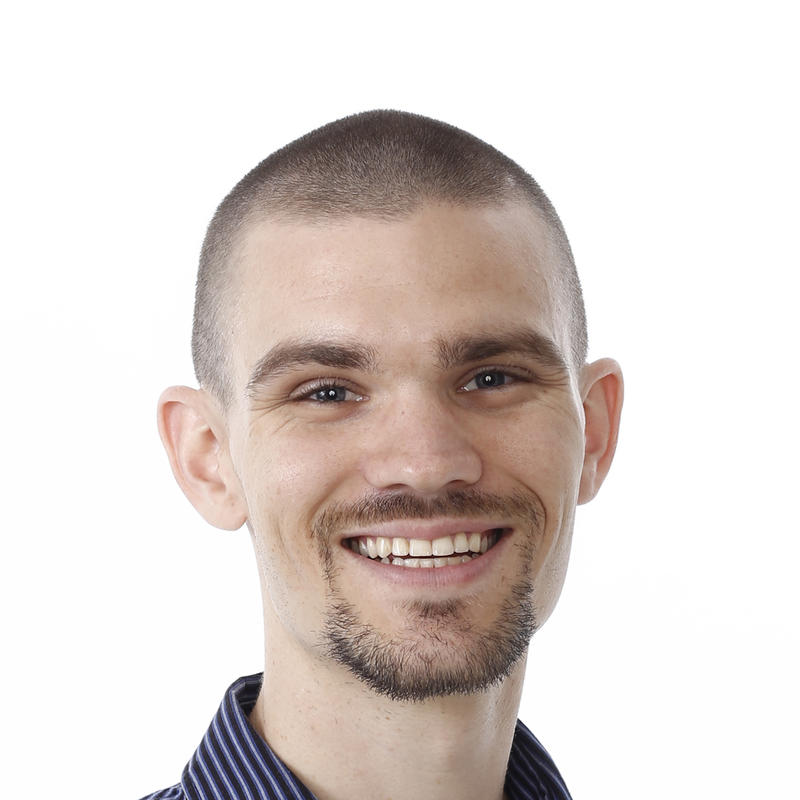
Zachary Martin is a Research Fellow at Emory University's Department of Epidemiology, focusing on cardiovascular physiology and health disparities among African American populations. His work bridges psychosocial stress mechanisms with vascular function, particularly in Black women. Education: B.S. in Exercise Science (Saginaw Valley State University), M.S. in Exercise Physiology (Ball State University), Ph.D. in Integrative Cardiovascular Physiology (University of Texas at Arlington) Key research areas include cardiovascular diseases , health disparities , social determinants of health , exposome , and cardiometabolic disease pathogenesis . His 15 most recent publications (2025-2017) analyze vascular reactivity patterns, psychosocial stress impacts, and dietary interventions in Black populations. Clinical Collaborations: NIH-funded METRIC T32 Program Professional Affiliations: American Heart Association, American Physiological Society, American College of Sports Medicine, Society for Biopsychosocial Science and Medicine
Mette Krabsmark Borbjerg is a Research Fellow at Aalborg University Hospital and the Department of Health Science and Technology at Aalborg University, affiliated with the Faculty of Medicine. She works within the Translational Pain Neuroscience and Precision Health research group, focusing on diabetic neuropathic pain and corneal nerve changes. Primary Affiliation: Aalborg University Hospital Academic Department: Department of Health Science and Technology Research Institution: Steno Diabetes Center North Denmark Her research concentrates on the intersection of diabetes and neuropathic pain, particularly examining corneal nerve alterations as potential biomarkers. Key areas include diabetic neuropathy , neurovascular coupling , histamine-induced flare response , peripheral nerve function , confocal microscopy , and precision diagnostics . She has contributed to methodological advancements in nerve excitability testing and pain phenotyping. Between 2022-2025, she published 15 major works spanning diabetic neuropathy diagnostics , corneal nerve imaging , microcirculatory assessments , and quality of life analyses . Her output includes 6 journal articles in 2025 , 4 in 2024 , and 3 in 2023 , demonstrating consistent contributions to translational pain research.
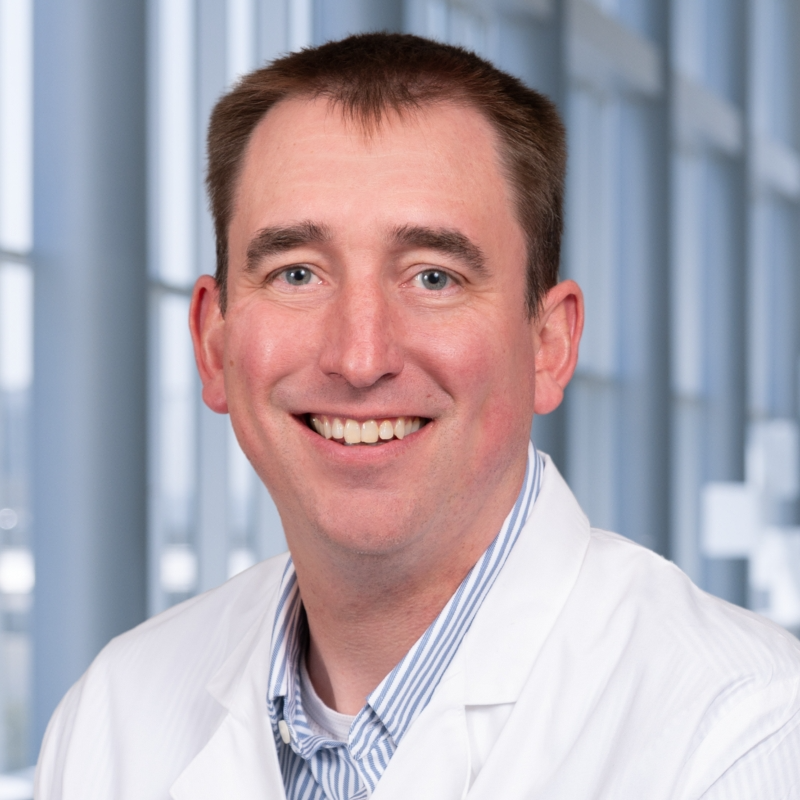
James Colbert, M.D., is an Assistant Professor in the Department of Internal Medicine at UT Southwestern Medical Center, affiliated with the Division of Infectious Diseases and Geographic Medicine. He previously served on the faculty of the University of Colorado before joining UT Southwestern in 2025. Dr. Colbert earned a bachelor's degree in biology and psychology from the University of Iowa, followed by his medical degree. He completed internal medicine residency and an infectious diseases fellowship at the University of Colorado, and is certified by the American Board of Internal Medicine in both internal medicine and infectious diseases. His research explores how aging-associated changes in the gut microbiome influence sepsis pathophysiology, focusing on microbial genetic diversity, host-microbe interactions, and explainable AI applications to uncover mechanisms of immunosuppression and organ injury. His publications span topics including pulmonary endothelial glycocalyx reconstitution, sepsis outcomes in inflammatory bowel disease, sex-related differences in post-stroke infections, and microcirculatory dysfunction in sepsis. Dr. Colbert is an active member of the Infectious Diseases Society of America, contributing to clinical research and advancing understanding of critical care medicine.
Prof. Dr. Dania Fischer is a Professor and Senior Physician at the Department of Anesthesiology at Heidelberg University Hospital (UKHD). She leads the Hemotherapy and Microcirculation Research Group and serves as Head of Anesthesiology in Neurosurgery and Neuroradiology. Her roles include clinical leadership at the Head Clinic and research focus on transfusion medicine and microcirculatory dynamics. Fischer holds an Extraordinary Professorship (since 2020) and has been recognized with awards including the IAKH Research Prize (2021) and the Young Teaching Recognition Award (2015–2017). Education and Career: Trained in medicine and anesthesiology at Frankfurt and Mainz, she completed her Habilitation in Experimental Anesthesiology (2014) and transitioned to Heidelberg in 2019. Her career includes leadership in Patient Blood Management (PBM) and clinical hemostasis. Medical Degree: 2006 Habilitation: 2014 (Frankfurt), 2018 (Heidelberg) Professorship: 2020 (Extraordinary) Research: Focuses on hemotherapy optimization, microcirculation in critical care, and perioperative management in neurosurgery. Her work integrates translational research with clinical practice, emphasizing patient safety and evidence-based transfusion strategies. Teaching and Mentorship: Leads courses on anesthesiology, neuroanesthesia, and critical care at Heidelberg and Frankfurt universities. Active in mentoring programs like ProProfessur Hessen and WAKWiN (DGAI). Awards and Grants: Secured funding from B. Braun Foundation, DFG, and the Heidelberg Medical Faculty. Recognitions include the 2021 IAKH Prize and 2014 Lohfert Prize. Labs/Teams: Directs the Hemotherapy and Microcirculation Group, collaborating with the DZHK (German Centre for Cardiovascular Research) and IAKH (Interdisciplinary Working Group on Clinical Hemotherapy).
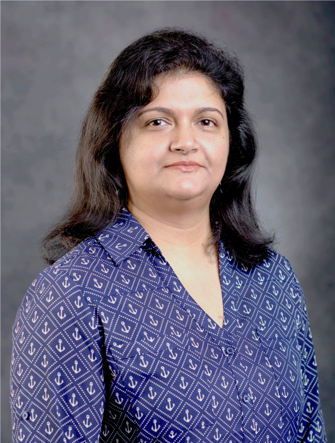
Dr. Sanjukta Chakraborty is an Assistant Professor in the School of Medicine at Texas A&M University, specializing in Medical Physiology. She holds a PhD from the Indian Institute of Science and has conducted postdoctoral research at Texas A&M Health Science Center. Her research focuses on inflammation-driven lymphatic pathologies, tumor-lymphatic interactions in cancer metastasis, and microbiome impacts on metabolic disorders. Key interests include liver cancer progression, lymphatic vessel dysfunction in inflammation, and neurotrophic factor regulation of metastasis. Education: BS (University of Calcutta), MS (Banaras Hindu University), PhD (Indian Institute of Science), Postdoctoral Fellowship (Texas A&M Health Science Center). Research Interests: Her lab investigates lymphatic contributions to cancer metastasis (e.g., cholangiocarcinoma and hepatocellular carcinoma), microbiota dysbiosis effects on lymphatic function, and neuroimmune interactions in tumor progression. Collaborations span chemical engineering and microbial pathogenesis at Texas A&M. Awards: Recognitions include the Outstanding Young Investigator Award (Microcirculatory Society), Excellence in Lymphatic Research Award, and Best PhD Thesis Award from the Indian Institute of Science. Advising & Grants: Supervises students like Niyanshi Gaddam and Cole Gowan. Active in CPRIT-funded projects on lymph node metastasis and AHA-funded microbiome studies. Develops bioengineered models and combinatorial therapies targeting tumor-lymphatic crosstalk. Labs/Teams: Dr. Chakraborty leads a multidisciplinary team exploring lymphatic biology, with lab locations in Bryan, TX. Research spans lab-based models, preclinical studies, and translational approaches for clinical intervention.
Håkan Pärsson is an Adjunct Professor at Linköping University's Faculty of Medicine. He is affiliated with the Department of Health, Medicine and Caring Sciences (HMV) and the Division of Diagnostics and Specialist Medicine. His clinical work involves vascular surgery, and he collaborates with the Division of Cardiovascular Sciences and the Department of Medical Technology. Research Interests: Peripheral circulation mapping using ultrasound diagnostics Microcirculation evaluation via laser and infrared technology Clinical outcomes of peripheral vascular disease treatments Development of microcirculation diagnostic equipment Publications demonstrate expertise in endovascular interventions, aortic aneurysm progression, and microcirculatory imaging, with a focus on technical feasibility and longitudinal clinical studies.
Rasmus Sejersten Ripa serves as Clinical Professor at the Department of Clinical Medicine and Professor/Senior Consultant at the Department of Biomedical Sciences within the Cluster for Molecular Imaging at the University of Copenhagen's Faculty of Health and Medical Sciences. He concurrently works as Chief Physician at Bispebjerg Hospital's Department of Clinical Physiology and Nuclear Medicine since 2024 and maintains an active clinical role as Senior Consultant at Copenhagen University Hospital - Bispebjerg and Frederiksberg. His primary research focuses on developing and applying positron emission tomography (PET) imaging techniques for cardiovascular diseases, with particular emphasis on molecular imaging of atherosclerosis, vascular inflammation, and cardiac complications in diabetes. His work bridges clinical practice with advanced imaging technology development. Analysis of his recent publications (including multiple 2025 papers) reveals a strong research trajectory in using PET/MRI for assessing arterial inflammation in diabetes, novel radiotracers for cardiovascular imaging, and understanding microcirculatory dysfunction. His work increasingly integrates diabetes management with cardiovascular imaging, particularly examining how diabetes medications affect vascular inflammation. Ripa has served as Editor for BMC Cardiovascular Disorders (2011-2015) and guest editor for a Special Issue on 'Positron Emission Tomography (PET) in Cardiovascular Disease' in Diagnostics journal (2013), demonstrating his leadership in the field. His research has attracted industry support through travel grants from GE Healthcare and Siemens Healthineers, with consultancy relationships with Minerva Imaging and Novo Nordisk A/S. He leads research activities within the Cluster for Molecular Imaging, focusing on translating molecular imaging techniques from bench to bedside for cardiovascular applications. His work involves close collaboration between the University of Copenhagen and Copenhagen University Hospitals, creating an integrated research-clinical environment for advancing cardiovascular imaging.
Walter Lee Murfee is a Professor and Associate Chair for Undergraduate Studies in the J. Crayton Pruitt Family Department of Biomedical Engineering at the University of Florida’s Herbert Wertheim College of Engineering. His research focuses on microvascular dynamics, integrating in vivo, in vitro, and computational approaches to study angiogenesis, lymphangiogenesis, and neurogenesis. Dr. Murfee leads the Microvascular Dynamics Laboratory and has pioneered ex vivo models to investigate tumor microenvironment interactions and vascular regeneration. He holds a B.S. in Mechanical Engineering from MIT (1999) and a Ph.D. in Biomedical Engineering from the University of Virginia (2005). Education: B.S., Mechanical Engineering, Massachusetts Institute of Technology, 1999 Ph.D., Biomedical Engineering, University of Virginia, 2005 His research explores vascular patterning, bioengineering approaches for functional tissue engineering, and vascular dysfunction in aging, hypertension, and tumors. Key contributions include developing high-fidelity computational models of microvascular hemodynamics and novel bioprinting methods for vascularized tissues. Awards include the 2023 Service Excellence Award and 2019 Teaching Excellence Award from UF, as well as leadership roles in The Microcirculatory Society since 2016. Awards & Recognition: Service Excellence Award, 2023 Teaching Excellence Award, 2019 President, The Microcirculatory Society (2019–Present) Associate Editor, Microcirculation (2018–Present) His work bridges engineering and biology, addressing challenges in vascular health through interdisciplinary innovation. Current projects include studying aging-related vascular bioenergetics and lymphatic-blood plasticity. The lab collaborates on clinical translation via initiatives like MINDS (Mentoring for Innovative Design Solutions).
Dr. Steven Copp is an Associate Professor in the Department of Kinesiology at Kansas State University, holding roles as Director of the Integrative Physiology Degree and Director of the Autonomic Neurophysiology Lab. He earned his PhD in Physiology from Kansas State University (2013) and has held academic positions since 2013, including postdoctoral research at Pennsylvania State University (2013-2015). His research focuses on cardiovascular and autonomic physiology, particularly mechanisms underlying the exercise pressor reflex and mechanoreflex sensitization in diseases like heart failure. Education: B.S. (2006), M.S. (2008), and Ph.D. (2013) in Kinesiology/Physiology from Kansas State University. Research Interests: Chronic muscle ischemia effects on skeletal muscle reflexes, sex differences in exercise pressor reflex, and cardiovascular disease mechanisms. He has published over 60 peer-reviewed articles, securing NIH R01 grants totaling $3.3M. Awards include the 2023 Dean Barbara Stowe Endowed Professorship and the 2019 Commerce Bank Teaching Award. Teaching: Courses include Neurological Exercise Physiology (KIN 611) and Research Methods in Kinesiology. Supervised numerous graduate students (e.g., Alec Butenas, Korynne Rollins) who have won prestigious fellowships and awards. Professional service includes NIH review roles and editorial work for journals like Journal of Applied Physiology . Lab: Autonomic Neurophysiology Lab investigates neural control of cardiovascular responses during exercise. Collaborates on projects addressing peripheral artery disease and heart failure pathophysiology.
Dr. Rhonda Diane Prisby is a Professor of Kinesiology at the University of Texas at Arlington (UTA), with adjunct roles in Bioengineering and Biology. She leads research on bone vascular function and dysfunction, particularly focusing on the bone vascular system's role in health and disease. Her work bridges biomechanics, endocrinology, and clinical implications, with a strong emphasis on aging-related vascular changes and their impact on bone health. Education: PhD in Kinesiology (Exercise Physiology), Louisiana State University (2002) MA in Exercise Physiology, Kent State University (1997) BA in Art, Hiram College (1992) Research Interests: Vascular function in bone, including ossified vessel formation and circulation Age-related bone vascular dysfunction and its ties to cardiovascular disease Parathyroid hormone's effects on bone microcirculation Diabetes and its impact on bone-marrow interactions Biomedical engineering applications for bone healing Grants & Awards: Over $2.5M in NIH and industry grants for bone vascular research Fellowships from American Physiological Society and American Society of Bone and Mineral Research 2022 Inductee into UTA's Academy of Distinguished Scholars 2018 Hidden Figures of Dallas STEM Influencer Award Advising & Leadership: Advisor to 15+ doctoral students across Kinesiology and Bioengineering Founder and President of the Bone Vascular & Microcirculatory Society Chair of UTA's Faculty Senate (2024) Key Findings: Dr. Prisby's lab discovered bone-like particles in human and rodent blood circulation, linking vascular ossification to cardiovascular risks. Her work on intramedullary pressure modulation via wireless implants opens new avenues for osteoporosis treatment.
Associate Professor Shaun Sandow holds a PhD from the Australian National University (ANU) and serves as an Associate Professor in Cardiovascular Physiology at the University of the Sunshine Coast (UniSC), School of Health. His research focuses on understanding vascular tone regulation, cell-cell communication in arteries, and pathways underlying blood vessel function. He collaborates internationally with institutions in Australia, Canada, Britain, and Denmark. Education: PhD in Physiology from ANU Affiliations: Member of the Australian and New Zealand Microcirculation Society, Australian Physiological Society, and Perinatal Society of Australia and New Zealand. His research integrates anatomy, molecular biology, and physiology to identify pathways controlling blood pressure and vascular disease. Key topics include endothelial-smooth muscle interactions, gap junction signaling, and remodelling in pregnancy and diabetes. Recent projects include studying BKCa channel expression in stroke and insulin resistance effects on arterial tone. Grants & Projects: Brain Foundation Grant (2016): Targeting cerebral blood flow in stroke National Health and Medical Research Council (NHMRC) grants (2009–2021): Investigating vascular dysfunction in diabetes and pregnancy Labs & Teams: Collaborates on projects involving cerebral blood flow regulation, uterine artery physiology, and microcirculatory dysfunction post-stroke.
Professor Markos Klonizakis is a faculty member at Sheffield Hallam University (SHU), holding the title of Professor of Vascular and Clinical Physiology. He leads the Lifestyle, Exercise and Nutrition Improvement (LENI) Research Group and directs the Health research strand in SHU’s partnership with La Trobe University. His academic journey includes a BEng from SHU, MSc degrees from Leeds and SHU, and a DPhil in Microvascular Physiology from the University of Nottingham, where he later returned to collaborate. He is affiliated with the School of Health and Social Care under the College of Health, Wellbeing and Life Sciences, and the Health Research Institute. Professor Klonizakis is a Fellow of the Higher Education Academy (FHEA) and serves on the Publications Committee of the Physiological Society. He has contributed editorially to journals like Journal of Pharmacological and Toxicological Methods (Elsevier Science), Clinical Hemorheology and Microcirculation (IOS Publishing), and guest-edited sections for Nutrients (MDPI) and Frontiers in Physiology (Frontiers). His teaching and research focus on translational health science, emphasizing evidence-based interventions for clinical populations. His research projects target lifestyle interventions to reduce disease burden, including exercise therapies for venous ulcers, Mediterranean/Nordic diet effects on vascular health in older adults, and BAME population health equity. Notable collaborations span UK institutions like the University of Sheffield, NHS bodies such as Sheffield Teaching Hospitals, and international partners including Aristotle University of Thessaloniki and Karolinska Institute. He has also secured grants from NIHR, FOREUM, and SHU’s Creating Knowledge Fund. Media engagements include BBC Sport, The Washington Post, and The Independent, where he discusses topics like pregnancy exercise performance, nutrition, and smoking cessation physiology. His work on Mediterranean diet impacts has gained regional and international media attention, highlighting his commitment to translating research into public health impact.
Dr. Rodrigo Villar is an Assistant Professor at the University of Manitoba's Faculty of Kinesiology and Recreation Management. His research focuses on cardiovascular, respiratory, and muscular integrative physiology during exercise and postural changes, with particular emphasis on aging, chronic diseases, and sex differences. He holds a PhD from the University of Waterloo, Canada, and has completed postdoctoral training in bioengineering and kinesiology. Education: Postdoctoral Fellowship: University of Waterloo (201?), Faculty of Applied Health Sciences PhD in Kinesiology: University of Waterloo (201?), Department of Kinesiology M.Sc. Human Movement Sciences: Sao Paulo State University (200?), Brazil B.Ph.Ed.: Sao Paulo State University (200?), Brazil Research Interests: Dr. Villar investigates how physiological systems adapt to exercise challenges, focusing on blood flow regulation, oxygen uptake, and muscle metabolism. His work examines mechanisms underlying cardiovascular and respiratory responses in aging populations, chronic disease patients, and individuals with sex-based physiological differences. Key topics include postural changes' effects on circulatory dynamics and the implications of perfusion pressure on muscle function. Recent Research Trends: His 2020+ publications emphasize aging-related physiology (e.g., frailty, cardiovascular regulation in older adults), sex differences in exercise physiology, and innovative methodologies like wearable sensors and standardized exercise testing protocols. He also explores practical applications such as home-based exercise programs for socially isolated seniors and biomechanical analysis of elite Paralympic athletes. Grants & Advising: While specific grant details are not listed, his research portfolio suggests involvement in aging physiology and clinical exercise science funding. No formal advisees are documented in the provided text. Labs/Teams: Affiliated with the University of Manitoba's Kinesiology and Recreation Management research groups, though specific lab names are not mentioned. Collaborates internationally with institutions like the University of Waterloo and Brazilian universities.
Indra Miķelsone is an Assistant Professor in the Department of Human Physiology and Biochemistry at Rīga Stradiņš University, Latvia. She holds a doctoral degree in biological sciences (Dr.biol) and is actively contributing to research in human physiology, with a focus on microcirculation, endothelial dysfunction, metabolic syndrome, psoriasis, and ageing. Her work aligns with the UN Sustainable Development Goals, particularly in health and well-being. Her research interests span microcirculation , endothelial dysfunction , metabolic syndrome , psoriasis , and ageing , with a strong emphasis on inflammatory and vascular mechanisms. She investigates how metabolic and inflammatory conditions affect vascular function and contribute to systemic disease. Her expertise also extends to cytokine dynamics in neurological and dermatological disorders. The recent publication trends indicate a consistent focus on the interplay between inflammation, metabolism, and vascular health. Her work bridges dermatology , cardiology , and endocrinology , exploring how conditions like psoriasis and metabolic syndrome impact microcirculatory and systemic vascular function. She also examines neuroinflammatory aspects of migraine, linking body mass index and cytokine profiles to disease expression. Leading Researcher , Institute of Experimental and Clinical Medicine (2013–2017) Researcher , Institute of Experimental and Clinical Medicine (2007–2013) Project Leader , 'HR, HRV, BP: Fiziskās slodzes ietekme uz fona stresa līmeņa izmaiņām un kognitīvajām spējām' (2024–2025) She has participated in numerous conferences and research weeks, presenting posters and oral presentations on migraine, psoriasis, and metabolic syndrome. Although no formal students are listed, her leadership in student projects suggests mentorship roles. No scientific awards are explicitly mentioned in the provided text. Her research is conducted within collaborative networks at Rīga Stradiņš University, involving multidisciplinary teams focusing on physiological and biochemical mechanisms in chronic diseases. She frequently collaborates with researchers such as A. Jurka, P. Tretjakovs, and V. Bondare-Ansberga, contributing to both clinical and experimental studies.
Dr. William Chilian is a Professor in the Department of Integrative Medical Sciences at Northeast Ohio Medical University (NEOMED). He holds a Ph.D. in Physiology from the University of Missouri (1980), and has held faculty positions at institutions including the University of Iowa, Texas A&M, and Louisiana State University. His research focuses on coronary circulation adaptations, mitochondrial dysfunction in metabolic syndrome, and mechanisms of coronary collateral growth. Dr. Chilian has over 160 peer-reviewed publications, an h-index of 63, and has received prestigious awards such as the NIH Research Career Development Award and the American Heart Association’s Distinguished Service Award. Education: B.A., St. Olaf College (1974) M.S., Zoology, Texas Tech University (1976) Ph.D., Physiology, University of Missouri (1980) Research Interests: Regulation of myocardial blood flow in heart failure Stimulating coronary collateral artery growth Role of mitochondria in endothelial function Microvascular dysfunction in metabolic syndrome Epigenetic regulation of cardiovascular disease Grants: National Institutes of Health (2016-2021): Coronary Collateral Growth Mechanisms National Institutes of Health (2017-2021): Coronary Microcirculation in Heart Failure Awards include the Robert M. Berne Distinguished Lectureship (APS), Eugene M. Landis Award (Microcirculatory Society), and leadership roles as Editor of Circulation Research and President of the Microcirculatory Society. Dr. Chilian’s lab, CardioCure, focuses on innovative cardiovascular solutions, including exosome therapies and stem cell-derived models for cardiac repair. He collaborates internationally on topics like mitochondrial dysfunction and myocardial ischemia.