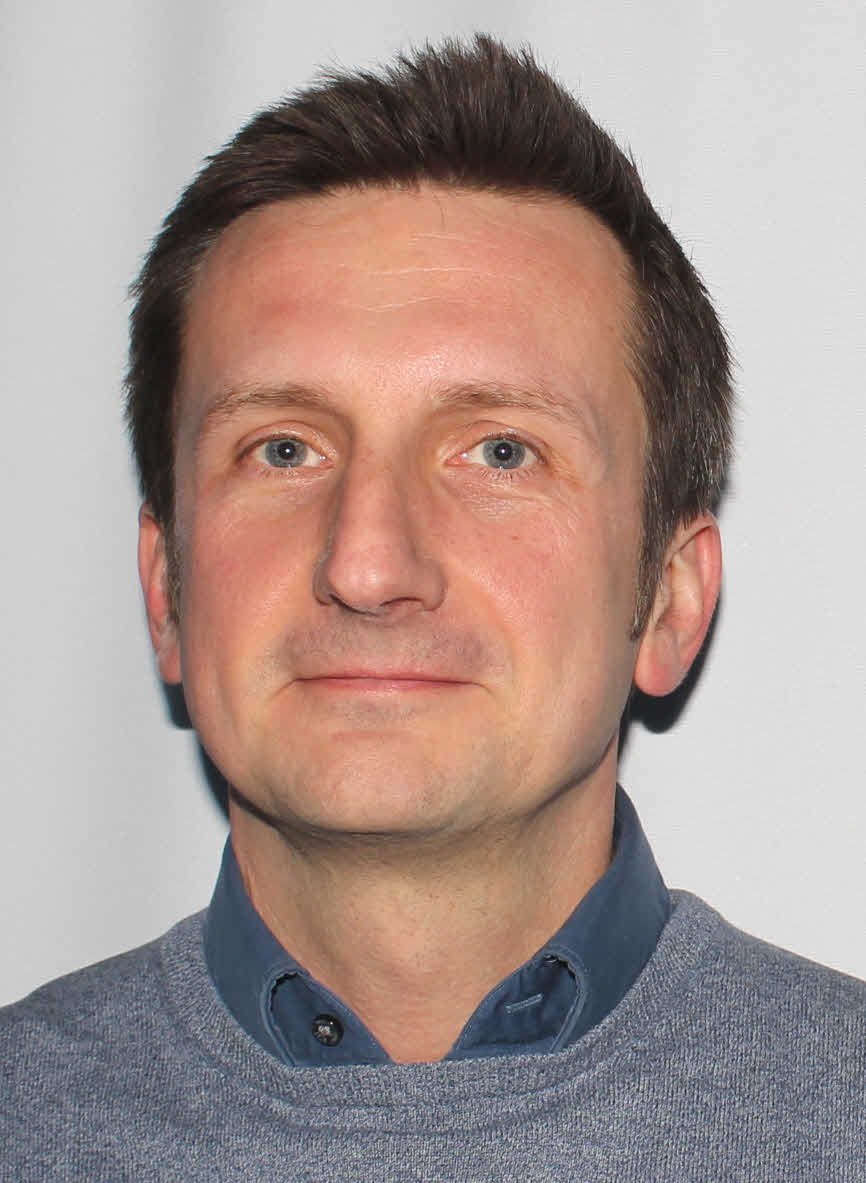
Prof. Konstantin Kotliar is a Professor at Aachen University of Applied Sciences, specializing in Biomedical Engineering and Medical Statistics. He teaches courses in Mathematics, Advanced Medical Statistics, and Space Physiology. His research focuses on retinal vessel analysis to study microvascular dysfunction in diseases such as Fabry disease, diabetes, and Alzheimer’s. Kotliar’s work bridges ophthalmology, neuroscience, and cardiovascular science, with a particular interest in developing non-invasive diagnostic tools for early disease detection. His studies often involve collaborations with global health initiatives and clinical trials, such as the EndoAfrica-NWU Study. He has contributed to understanding neurovascular coupling mechanisms and their implications for neurological disorders. Research interests include retinal vessel dynamics, cardiovascular risk stratification, and the application of statistical methods in medical diagnostics. Kotliar’s methodologies span from biomechanical modeling to machine learning-driven image analysis, emphasizing translational research with clinical relevance. His work has implications for improving therapies and preventive measures in chronic diseases.
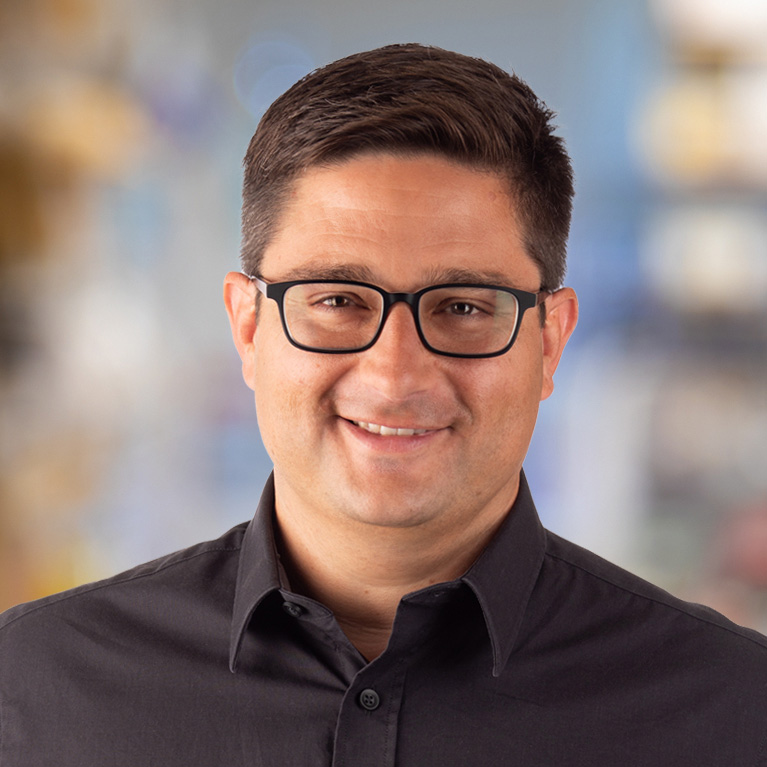
Richard Michael Piech is an Associate Professor of Psychology in the Faculty of Social Sciences at the University of Social Sciences. His research investigates the intersection of cognitive processes, emotional regulation, and social behavior, with a focus on attentional mechanisms, altruism, and psychiatric conditions such as ADHD and schizophrenia. His work utilizes neuroimaging and behavioral paradigms to explore how internal states (e.g., hunger) and emotional stimuli influence cognition and decision-making. Research Themes : Interoception and Altruism, Attentional Capture, Cognitive Flexibility, Psychiatric Neurobiology, Family and Social Dynamics Recent Publications : 2024 study on Ghanaian youth caregivers, 2023 analysis of sibling relationships in foster care, 2017 work on interoception and prosocial behavior, 2010 papers on hunger modulation of attention and affective decision-making Methodologies : fMRI, Behavioral Experiments, Longitudinal Studies, Clinical Assessments His collaborations span institutions and disciplines, including neuroimaging research with Christian Kerskens (2012) and psychiatric studies with Diane Mullins (2016). Despite no specific awards highlighted in the text, his contributions to cognitive and clinical psychology are evidenced by publications in journals like Scientific Reports , Neuropsychologia , and Appetite .
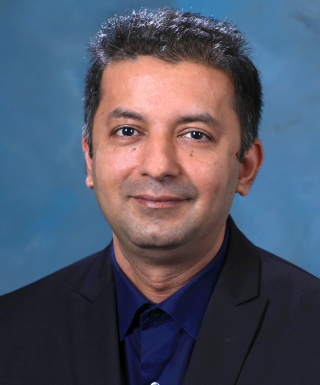
Christian Metallo, PhD, is a Professor at the Salk Institute for Biological Studies, where he leads the Molecular and Cell Biology Laboratory. His research focuses on understanding how metabolic pathways drive diseases such as cancer, diabetes, and neurodegenerative disorders. Metallo employs cutting-edge techniques like stable isotope tracing and mass spectrometry to map metabolic networks and identify therapeutic targets. Education: Bachelor of Science in Chemical Engineering, University of Pennsylvania Master of Science and PhD in Chemical and Biological Engineering, University of Wisconsin-Madison Postdoctoral Fellowship in Biological Sciences, Massachusetts Institute of Technology Research Interests: Metallo’s work investigates how cellular metabolism influences disease progression. Key areas include the role of serine/glycine metabolism in tumors, the metabolic defects linked to macular telangiectasia type 2, and lipid metabolism in obesity and fatty liver disease. His lab also develops tools like Escher-Trace to visualize metabolic flux. Publications: Over 100 peer-reviewed articles, including high-impact studies on metabolic reprogramming in cancer, drug development targeting metabolic vulnerabilities, and the interplay between immunity and metabolism. Recent work highlights metabolic dependencies in pancreatic cancer and the role of itaconate in immune responses. Awards: Recipient of prestigious awards including the Mark Foundation Endeavor Award (2022), AIMBE Fellowship (2021), and Camille & Henry Dreyfus Teacher-Scholar Award (2018). His research is funded by grants from the NIH, NSF, and industry partners. Labs & Teams: The Metallo Lab includes postdoctoral fellows, graduate students, and research scientists from diverse backgrounds in engineering, biochemistry, and immunology. Collaborations span academia and industry, focusing on translational applications of metabolic insights. The lab’s Escher-Trace software is widely used for metabolic pathway visualization.
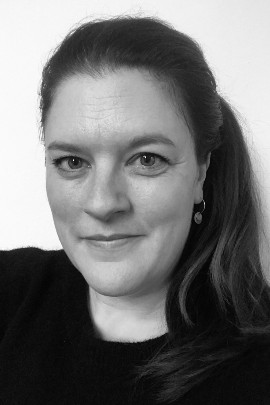
Dr. Stuart Hood is an Honorary Senior Lecturer at the University of Glasgow, affiliated with the School of Cardiovascular & Metabolic Health and the Cardiology Department at the Royal Alexandra Hospital. His expertise focuses on coronary microvascular dysfunction, myocardial infarction pathophysiology, and interventional cardiology. He has contributed to numerous studies on fractional flow reserve (FFR), stent optimization, and coronary artery disease management. Research interests include the interplay between coronary microvascular function and atherosclerosis, as well as outcomes in patients with non-obstructive coronary arteries. His work integrates clinical trials (e.g., CorMicA, TARGET-FFR) and imaging techniques (e.g., MRI, cardiac CT) to improve diagnostic accuracy and patient care. Key themes in his publications address post-percutaneous coronary intervention (PCI) outcomes, risk stratification in acute myocardial infarction, and the role of systemic microvascular dysfunction in angina. His articles highlight advancements in PCI optimization, prognostic biomarkers for myocardial infarction, and the impact of diabetes on coronary thrombus formation. Dr. Hood collaborates with institutions like the British Cardiovascular Intervention Society and has presented at major conferences such as ACC.18 and the British Society of Cardiovascular Magnetic Resonance. No scientific awards or grants are explicitly listed in the provided materials. His academic contributions are centered on clinical research and translational cardiology, with a focus on improving therapeutic strategies for coronary artery disease and post-infarction care.
Stéphane BORDAS is a Full Professor in Computational Mechanics at the University of Luxembourg's Faculty of Science, Technology and Medicine (FSTM), leading the Computational Mechanics (Legato) research group. His work focuses on free boundary problems, method development for complex geometries, and applications in fracture mechanics, biomechanics, and computational engineering. He previously held roles at Cardiff University and the Swiss Federal Institute of Technology in Lausanne (EPFL). His research integrates computational methods like XFEM, isogeometric analysis, and meshfree techniques to address challenges in engineering and medicine. Education: Ph.D. in Theoretical and Applied Mechanics, Northwestern University (2003) M.Sc. in Civil Engineering, École Spéciale des Travaux Publics and Northwestern University (1999) Research Interests: Computational Mechanics, Biomechanics, Finite Element Methods, Fracture Mechanics, High-Performance Computing, Isogeometric Analysis. Grants & Projects: ERC Starting Grant (RealTCut) for surgical simulation and material cutting FP7 ITN INSIST for meshless methods Labs/Teams: Computational Mechanics (Legato) Group at the University of Luxembourg. His work bridges academia and industry, with applications in aerospace, biomedical engineering, and materials science. He is active in open-source software development, including codes for XFEM, isogeometric analysis, and meshfree methods.
Emilia Borba Alves is an Assistant Professor at Lusófona University, School of Health Sciences and Technologies, where she has been teaching since 2014. She also serves as the Director of the Master in Clinical Nutrition program since 2023. She is affiliated with CBIOS, the Research Center in Biosciences and Technologies at Lusófona University, where she leads research on functional foods and human health. Her academic background spans engineering, nutrition, and management. Education: Ph.D. in Health Sciences (Nutrition), Universidad de Alcalá, Spain (2022) Postgraduate in Metabolic Diseases and Eating Behavior, Faculty of Medicine, University of Lisbon (2013) Degree in Nutrition Sciences, Atlantic University (2013) Post-graduation in Management, Nova School of Business and Economics (2003) Degree in Chemical Engineering, Instituto Superior Técnico, University of Lisbon (1992) Advanced Training: Clinical Trial Monitoring, Food Metabolites & Microbiota, Professional Update Course on Nutrition in Pregnancy Her research focuses on nutrition, functional foods, gut-skin axis, microbiota, and metabolic diseases , with a particular emphasis on kefir and probiotics . She investigates how fermented foods influence skin health, diabetes, and overall metabolic function. Her work bridges clinical nutrition, food science, and public health. The recent publications highlight a strong trend in fermented foods, gut-skin interactions, diabetes pathophysiology, and nutritional counseling . Many studies use human trials to assess kefir’s impact on skin hydration, atopic dermatitis, and microbial balance. Her work also extends to pharmacist roles in nutrition, teacher knowledge, and public health literacy, showing a multidisciplinary approach to improving nutritional outcomes. Scientific Awards: No awards explicitly mentioned in the text. She has advised or supervised students in the Bachelor and Master’s programs in Nutrition, Pharmaceutical Sciences, and Health Products. She has been involved in research grants through CBIOS, though specific grant names are not listed. Her leadership in the Master’s program indicates active academic mentorship and curriculum development. She is a member of CBIOS (Research Center in Biosciences and Technologies) at Lusófona University, where she conducts studies on the impact of functional foods on human health and disease. Her team likely includes researchers focused on food science, microbiology, and clinical nutrition, particularly in the area of fermented products and their systemic effects.
Ingo Schiessl is a Senior Lecturer in the Division of Neuroscience at the University of Manchester. He holds an ORCID identifier (0000-0001-9599-6194) and has a permanent teaching and research position since 2003. His academic journey includes a BSc and MSc in Physics from the University of Regensburg, followed by medical physics training at a university hospital in Germany. He completed a PhD in neuroscience through a collaboration between the Technical University of Berlin and University College London (UCL). Research Interests: High-resolution functional imaging of neuro-vascular changes in preclinical brain disease models Multi-wavelength optical imaging with electrode and tissue oxygen recordings Key Projects: Neuroinflammation (collaborative research on brain function and translational studies) Brain disorders (focused on Parkinson's disease and stroke mechanisms) Expertise aligns with UN Sustainable Development Goals related to health and well-being. His work involves neurovascular coupling studies, blood-brain barrier mechanisms, and imaging techniques. Recent collaborations span Germany, the UK, and France.
Curtis Hughey serves as Assistant Professor of Medicine within the Division of Molecular Medicine, conducting interdisciplinary research at the nexus of metabolism, molecular physiology, and metabolic disease pathogenesis. His work bridges basic science with clinical implications through innovative methodologies in metabolomics and metabolic flux analysis. His research program critically examines: Mitochondrial metabolism in liver, skeletal muscle, and placental tissues Exercise-induced metabolic adaptations and dysregulation in obesity NAFLD pathogenesis mechanisms involving lipotoxicity and inflammation Metabolomic biomarker discovery for metabolic diseases Regulation of gluconeogenesis and glucose homeostasis Analysis of Hughey's recent publications (2019-2023) reveals a dominant focus on tissue-specific metabolic crosstalk, particularly hepatic-muscle interactions during exercise and disease states. His work consistently employs advanced techniques including 2 H/ 13 C flux analysis, untargeted metabolomics, and genetically modified mouse models to dissect molecular mechanisms. Recurring themes include the dual roles of metabolic enzymes (e.g., PEPCK, pyruvate carboxylase), the impact of dietary interventions on liver metabolism, and the discovery of analytical artifacts in lipidomics that could confound biomarker research.
Louis R. Pasquale, MD, is a Professor in the Department of Ophthalmology and also holds a joint appointment in the Department of Artificial Intelligence and Human Health at the Icahn School of Medicine at Mount Sinai. His clinical and research work is centered on glaucoma, particularly open-angle glaucoma and glaucoma surgery, with a strong emphasis on genetic and microvascular risk factors. Specialties: Ophthalmology, Glaucoma Clinical Focus: Glaucoma, Glaucoma Surgery, Open-Angle Glaucoma His research integrates advanced technologies such as capillaroscopy and artificial intelligence to understand disease mechanisms and improve diagnostics. Dr. Pasquale has authored over 288 publications, with recent work focusing on genetic associations with visual field defects, non-invasive microvascular imaging, and AI-driven classification of ocular hypertension subtypes. These studies reflect a trend toward precision medicine and data-driven ophthalmology. Dr. Pasquale is board-certified by the American Board of Ophthalmology and has received extensive training from leading institutions, including Johns Hopkins University and Temple University. He plays a key role in advancing the integration of AI into human health, particularly in eye care. MD: State University of NY at Stony Brook School of Medicine Internship: Internal Medicine, Albert Einstein College of Medicine-Yeshiva University Residency: Ophthalmology, Temple University Hospital-Episcopal Division Fellowship: Glaucoma, Wilmer Eye Institute-Johns Hopkins University He has not disclosed any scientific awards or industry conflicts in the provided text, but his extensive publication record and leadership in glaucoma research suggest national and international recognition. There is no mention of student advising or grant funding details, but his position and research output imply active mentorship and extramural support. Dr. Pasquale is a key figure in the development of AI applications for eye disease, working at the intersection of clinical ophthalmology and computational health sciences.
Dr. Pratik Shah is an Assistant Professor in the Department of Pathology at the University of California, Irvine (UCI) School of Medicine. He leads a cutting-edge research group focused on translational artificial intelligence and biomedical technologies to advance diagnostic imaging, uncover biological mechanisms, and enable clinical deployment of digital therapeutics. Institution: University of California, Irvine School: School of Medicine Department: Department of Pathology Academic Rank: Assistant Professor Email: pratik.shah@uci.edu Dr. Shah's research lies at the intersection of computational medicine, artificial intelligence, and biomedical imaging. His work emphasizes developing interpretable and explainable AI systems that enhance model effectiveness, safety, and clinical utility. Key research areas include generative AI for nondestructive histopathology, deep learning for medical image analysis, AI-driven clinical decision support for infectious diseases, and multimodal imaging for biological insights. His lab is dedicated to creating equitable and responsible technologies to improve diagnosis and treatment of cancer, infectious diseases, and neurological disorders. The recent publications highlight a strong trend in applying deep learning to digital pathology, particularly in computational staining and tumor detection from non-stained images. There is a consistent focus on developing interpretable AI tools for medical image segmentation, with applications in cancer diagnostics, sepsis detection, and dental imaging. The research spans from foundational AI methods to clinical validation, showing a trajectory toward regulatory science and real-world deployment of AI in healthcare. MIT NEWS feature on computational staining research SPIE publication selected for Deep-Dive spotlight session SPIE publication selected for oral presentation IEEE BioInformatics and BioEngineering publication selected for oral presentation Dr. Shah has mentored a diverse group of students and postdoctoral associates, including PhD candidates in Mechanical Engineering at MIT and undergraduate researchers in Electrical Engineering and Computer Science. His trainees have contributed to high-impact publications in journals like JAMA Network and conferences like IEEE EMBC. He has fostered collaborations with institutions including Stanford, UCSF, and the FDA, indicating strong research outreach and interdisciplinary partnerships. His lab has received recognition through media features and conference selections, reflecting the significance and innovation of his work in AI for healthcare. Dr. Shah leads a multidisciplinary research team comprising postdoctoral associates, graduate students, research staff, and student researchers, primarily focused on machine learning and medicine. The lab has strong ties to MIT, where much of the prior research was conducted, and maintains collaborations with clinical and engineering experts across the US.
Prof. Dr.techn. Bernhard Hametner is a Lecturer at the Institute of Biomedical Engineering (E363) within Technische Universität Wien (TU Wien) . His research focuses on arterial pressure dynamics, cardiovascular physiology, and biomedical signal analysis with applications in clinical diagnostics and space medicine. He leads projects involving wearable medical devices, multisensor monitoring systems, and computational models of vascular systems. Key affiliations: TU Wien's Network Lab and collaborative EU projects like VascAgeNet Expertise in pulse wave analysis, vascular aging, and translational biomedical engineering Research Interests: His work spans arterial stiffness quantification, non-invasive cardiac output estimation, and developing methods to detect early cardiovascular dysfunction through waveform analysis. He has pioneered approaches using difference equations for modeling arterial wave reflections and contributed to understanding microgravity's impact on cardiovascular systems. Publications Highlight Trends: Recent work emphasizes clinical applications of wearable devices (2023), AI-driven medical recommendation systems (2022), and space physiology studies (2020-2022). Earlier research focused on computational modeling of vascular dynamics and validation of novel diagnostic methods. Advising & Education: Supervised 8 thesis students (2016-2021) in topics like biomedical signal analysis, machine learning in healthcare, and cardiovascular modeling. Active in training the next generation of biomedical engineers through TU Wien's graduate programs. Labs/Teams: Part of TU Wien's Network Lab, collaborating with international teams on projects like the EU's VascAgeNet initiative. Engaged in multidisciplinary teams combining engineering, medicine, and data science.
Christina Møller Andreasen is an Associate Professor at the Research Unit of Pathology at the University of Southern Denmark. Her research focuses on bone biology, particularly in areas such as osteoporosis, bone remodeling, and translational pathology. She has published over 80 works and actively participates in academic activities including teaching, supervision, and international collaborations.
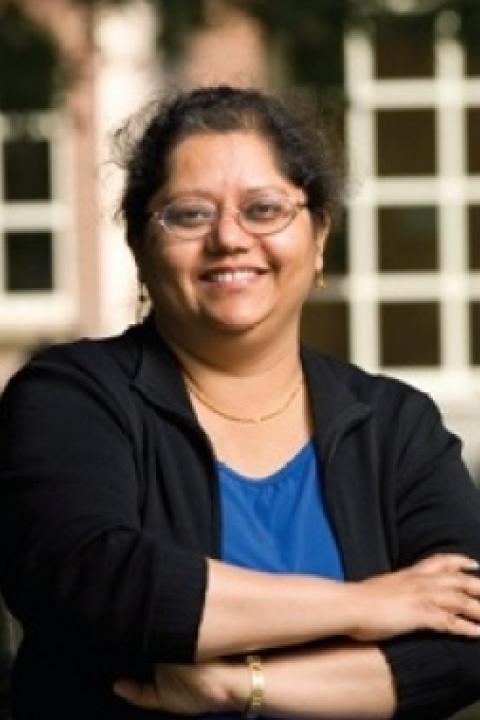
Nivedita Gupta serves as Professor and Chair of Chemical Engineering & Bioengineering at the University of New Hampshire (UNH), where she teaches core courses including CHBE 400 (ChE and BioE Lectures), CHBE 502 (Energy Balances), CHBE 601 (Fluid Mechanics and Unit Ops), CHBE 940 (Advanced Transport Phenomena), and CHBE 999 (Doctoral Research). Her office is located in Kingsbury Hall, Room W313, Durham, NH 03824, and she can be contacted at Nivedita.Gupta@unh.edu. Her academic credentials include: Ph.D. in Chemical Engineering from Pennsylvania State University B.S.E.T. from the Indian Institutes of Technology Dr. Gupta's research centers on fundamental fluid dynamics with emphasis on interfacial phenomena in multiphase systems. She investigates surfactant-laden bubble and drop dynamics, capsule hydrodynamics in confined flows, nanoparticle synthesis in microreactors, and thermocapillary convection in layered fluids. Her work bridges theoretical modeling with experimental validation, addressing challenges in transport phenomena relevant to chemical, biological, and materials engineering applications. Analysis of her 15 most recent publications (2007-2019) reveals consistent focus on multiphase flow mechanics, particularly surfactant effects on deformable interfaces in microscale and macroscale systems. Key trends include computational modeling of drop/bubble motion in confined geometries, synthesis of functional nanomaterials in continuous-flow reactors, and rheological characterization of nanowire suspensions for printable electronics. Her work appears predominantly in high-impact journals like Industrial & Engineering Chemistry Research , Physics of Fluids , and Chemical Engineering Science . No scientific awards were documented in the available sources. As Doctoral Research course instructor (CHBE 999), Dr. Gupta supervises Ph.D. candidates, though specific student names and grant funding details remain unreported in the provided materials. Her leadership as department chair indicates significant administrative responsibilities alongside research and teaching duties.
Prof. Dr. Arno Schmidt-Trucksäss is a faculty member at the University of Basel , holding the position of Professor in the Department of Rehabilitative and Regenerative Sports Medicine . His research focuses on preventive sports medicine, exercise physiology, and vascular aging, with particular emphasis on cardiopulmonary exercise testing and rehabilitation science. Department: Rehabilitative and Regenerative Sports Medicine University: University of Basel Research Themes: Vascular aging, exercise longevity, microvascular dysfunction, sports rehabilitation His recent work includes international collaborations on exercise longevity, vascular aging diagnostics, and molecular responses to training. While no formal scientific awards are mentioned in the provided texts, his leadership in research projects like the HIT-GLAUCOMA sub-study and the MOBITEC series demonstrates significant academic engagement. Key students/advisory relationships include supervision of Dr. Justin Carrard , who conducted a fellowship in Qatar under his guidance. The department maintains strong ties with institutions like Aspetar Hospital in Qatar and collaborates with European research networks.
Professor Mehmet Murat Sucu is affiliated with Gaziantep University , where he serves as a faculty member in the Faculty of Medicine , specifically within the Department of Internal Medicine and Department of Cardiology . He holds a Professor rank and has a distinguished career in cardiology and internal medicine. Education includes a Medical Specialization (1996–2001) at Dicle University , alongside associate degrees in law, security, and media production from Atatürk University and Anadolu University (2014–2020). Research Interests focus on cardiology , particularly heart failure , arrhythmias , coronary artery disease , and oxidative stress . His work explores echocardiography , electrophysiology , and interventional cardiology . Recent studies highlight metabolic markers (e.g., SGLT-2 inhibitors, bilirubin) and genetic factors in cardiovascular conditions. Scientific Contributions include 76 publications , with 15 most recent (2020–2024) addressing topics like heart failure , atrial fibrillation , and vascular interventions . His collaborations span 70 co-authors , including Gökhan Altunbas , Mehmet Kaplan , and Vedat Davutoglu . Scientific Awards : No explicit awards listed in the text. Advising and Grants : Supervised 5 theses (2012–2020) on topics like nail fold capillaries and aortic valve sclerosis . Led 6 national projects , including TUKMOS-UB curriculum adaptation and 3D diagnosis of coronary artery disease .