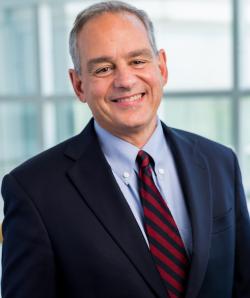
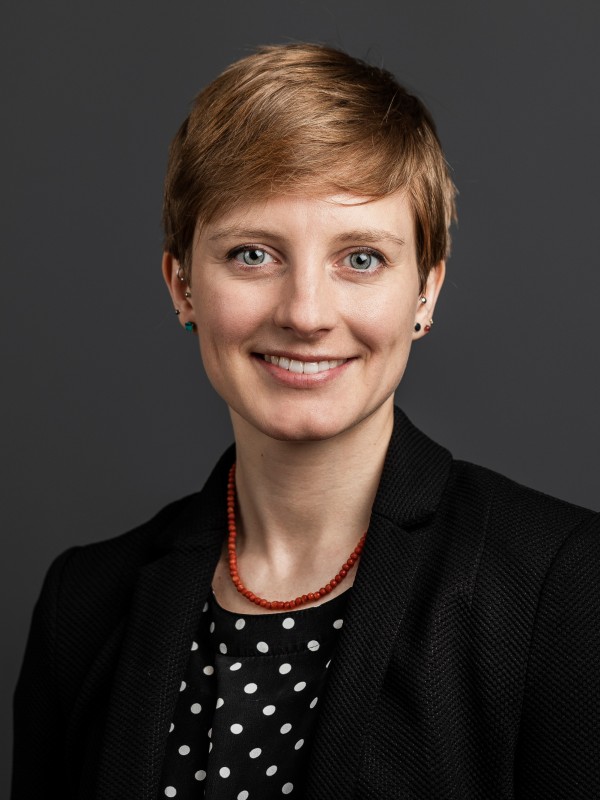
Mathias FINK is a Professor at ESPCI Paris on the Georges Charpak chair. His research focuses on fundamental wave physics in complex media with major applications in medical imaging, telecommunications, and geophysics. He pioneered time-reversal mirrors for wave focusing and co-founded 6 technology companies. Key Institutions: ESPCI Paris, Collège de France Research Themes: Wave physics, time-reversal techniques, matrix imaging, metasurface design His work spans multi-echo wave systems , ultrasonic therapeutic devices , and adaptive electromagnetic communication systems . Recent publications emphasize 3D matrix imaging in biological tissues and space-time interface dynamics . Scientific recognition includes: First academic elected at Collège de France (2008) Over 400 peer-reviewed publications 70+ patents and 6 start-ups Collaborations extend to Institut des Hautes Études Scientifiques , Langevin Institute , and Hong Kong University of Science and Technology . His team's volcanic imaging work with seismic noise has revolutionized subterranean mapping.
Paul Prentice is a Senior Lecturer in the Department of Systems, Power and Energy within the School of Engineering at the University of Glasgow. His research focuses on acoustic cavitation phenomena driven by ultrasound, employing ultra-fast framing cameras and acoustic detection methods to study bubble dynamics in liquids and tissues. His primary research interests include developing fundamental understanding of cavitation for medical applications (such as drug delivery and blood-brain barrier modulation) and industrial processes (including materials processing, metal recycling, and sustainable manufacturing). Recent work demonstrates significant contributions to ultrasonic recycling of photovoltaic modules, critical metal recovery from e-waste, and nanoparticle-based therapeutic delivery systems. The publication trends reveal a strong emphasis on interdisciplinary applications: 40% of recent articles focus on medical ultrasound applications (blood-brain barrier, drug delivery), 35% on sustainable materials processing (metal recycling, battery electrode delamination), and 25% on fundamental cavitation dynamics (bubble synchronization, shock wave physics). Key collaborations exist with researchers in Chemistry (Abbott, Ryder), Biomedical Engineering (Cochran, Lucas), and Physics (Cammarano). As Deputy Director of the Centre for Medical and Industrial Ultrasonics (C-MIU), Prentice leads strategic research directions. His supervision portfolio includes 4 active PhD students and multiple PDRAs, with graduated students now holding positions at institutions like Queensland Brain Institute and Theraclion. Major grants include Horizon Europe APOLLO (€3.5M), EPSRC Sustainable Manufacturing (£1.2M), and ERC Starting Grant TheraCav (€1.45M). Teaching responsibilities include convening Advanced Imaging and Therapy 5 (ENG5285) and Advanced Ultrasonics (ENG5316), plus mentoring Integrated System Design projects. His work bridges fundamental physics with real-world industrial and medical challenges through the C-MIU center.
David Maresca is an Associate Professor in the Imaging Physics department at the Faculty of Applied Sciences, Delft University of Technology. His research focuses on the intersection of ultrasound imaging physics and molecular engineering, with the goal of enabling ultrasound imaging of cells across space and time in living opaque organs. His research interests include: Biomolecular acoustic sensors Functional ultrasound neuroimaging Transcranial ultrasound Nonlinear ultrasound imaging Engineering of acoustic biosensors Ultrasound imaging of brain function Dr. Maresca's work centers on developing technologies that combine ultrasound physics with molecular engineering to create new imaging capabilities. His lab pioneers approaches to image cells within opaque organs using ultrasound, with applications in neuroscience and biomedical imaging. His research spans from fundamental ultrasound physics to the development of acoustic biosensors and imaging techniques that can detect cellular processes. His recent publications demonstrate a strong focus on advancing ultrasound imaging capabilities, particularly in nonlinear ultrasound techniques, contrast-enhanced ultrasound, and applications in neuroimaging. His work shows increasing interdisciplinary collaboration across physics, engineering, and neuroscience. Dr. Maresca has received recognition including the HFSP Cross-Disciplinary Fellowship. His academic background includes a Ph.D. in Biomedical Engineering from Erasmus MC, an M.Sc. in Acoustics, and a Master's degree in Physics from Université Paris Diderot. He completed postdoctoral work at Caltech and Institut Langevin, ESPCI. His research is supported by collaborations across institutions, with recent work involving researchers from multiple universities and research centers. Dr. Maresca's lab is actively contributing to advancing ultrasound imaging technology and its applications in biomedical research.
Anxo Vidal Figueroa is an Associate Professor of Physiology at the University of Santiago de Compostela, where he has been a permanent faculty member since 2008. He is affiliated with the Faculty of Medicine and Dentistry, Department of Physiology, and is part of the Center for Research in Molecular Medicine and Chronic Diseases (CIMUS). Vidal leads the "MeMoEn" (Molecular Mechanisms of Disease) research group and previously contributed to the "FIFAEC" (Physiology and Pharmacology of Chronic Diseases) group. His academic journey began with a PhD in Cell Biology from the University of Santiago de Compostela in 1997, where he completed his thesis "Functional analysis of prothymosin alpha in cell cultures" under the supervision of Dr. Fernando Domínguez Puente and Dr. M. Clara Alvarez Villamarin. From 1998 to 2003, he pursued postdoctoral research at Memorial Sloan-Kettering Cancer Center in New York, working in the Laboratory of Cell Cycle Regulation under Dr. Andrew Koff. Vidal's research program focuses on understanding the molecular mechanisms of cancer development and progression, with particular emphasis on cell cycle regulation, tumor suppressor biology, and stem cell dynamics. His laboratory employs genetically modified mouse models to investigate how cell cycle regulators control cancer initiation, tissue homeostasis, and aging processes. In recent years, his work has expanded into nanomedicine and novel therapeutic strategies for advanced cancers, particularly through nanocarrier systems and immunotherapy approaches. Analysis of his recent publications reveals a strong trend toward translational cancer research, with increasing focus on nanomedicine applications (2022-2025). His work spans molecular mechanisms of tumor suppressors, cancer stem cell biology, and the development of innovative therapeutic tools including nanoengineered drug delivery systems, silver clusters as antitumoral agents, and immunotherapeutic approaches for pancreatic and ovarian cancers. 2006 Novartis Award in Endocrine Tumor Pathology Ranked #2 nationwide in Physiology for the Spanish "Ramon y Cajal" Program (2002) As a principal investigator, Vidal has secured competitive national and international research grants, including a Retos Colaboración grant with SunRock Biopharma and current grants for immunotherapy against ovarian cancer. He has supervised 16 PhD theses and mentored numerous researchers throughout his career. His laboratory, the Cell Cycle and Oncology group at CIMUS, focuses on five main research areas: mechanisms of p27Kip1 regulation, cooperative functions of cell cycle regulators, cell cycle-independent roles of CDK inhibitors in stem cell biology, molecular relationships between reprogramming and cancer, and development of new therapeutic tools in advanced cancer.
Erick S. Vasquez is an Associate Professor in the Department of Chemical and Materials Engineering at the University of Dayton’s School of Engineering. His research focuses on designing advanced nanocomposite materials, particularly magnetic nanoparticles, for applications in water purification, drug delivery, and biological detection. He actively collaborates with researchers nationwide and internationally, emphasizing interdisciplinary innovation. Dr. Vasquez holds a Ph.D. in Chemical Engineering from Mississippi State University (2013), an M.S. from Clemson University (2009), and a B.S. from Universidad Centroamericana José Simeón Cañas (2007). He is a Senior Member of the American Institute of Chemical Engineers (AIChE) and a member of multiple professional organizations, including the American Chemical Society (ACS) and Sigma Xi. His research interests span nanomaterials synthesis, biomaterials interactions, and engineering education. Notable work includes developing biocompatible magnetic nanoparticles for medical applications and optimizing team-based learning in engineering labs. His studies on optothermal microbubble manufacturing and plasmonic nanostructures have advanced chemical sensing technologies. Dr. Vasquez teaches courses such as Chemical Engineering Unit Operations Laboratory and Transport Phenomena, integrating active learning and entrepreneurial mindset development. He has received recognition for his research, including a 2019 PCCP Hot Article and a 2016 Journal of Nanobiotechnology featured contribution. He has secured grants for projects like assessing global engineering competence through international collaborations and advancing ethanol extraction methods using nanocomposites. His work bridges fundamental science with practical applications, emphasizing sustainability and biomedical innovation.
Jan Haelssig serves as an Assistant Professor in the Department of Chemical and Biological Engineering at the University of Ottawa’s Faculty of Engineering, specializing in computational modeling for sustainable energy systems. His work bridges fundamental fluid dynamics with industrial applications in renewable energy and clean technology development. Education: Ph.D. from University of Ottawa B.A.Sc. from University of Ottawa Research Focus: Dr. Haelssig’s expertise spans Renewable Energy , Process Engineering , and Clean Technologies , with emphasis on computational fluid dynamics for reactor design. His investigations cover multiphase flow systems, combustion dynamics, fluidization processes, and membrane separation technologies, targeting sustainable solutions for energy production and environmental challenges. Publication Trends: Analysis of his 2021-2024 publications reveals dominant themes in CFD simulation (75% of works), renewable energy systems (65%), and waste-to-resource conversion (40%). Key applications include carbon capture via oxy-fuel combustion, enhanced oil recovery, and circular bioeconomy development, demonstrating consistent methodology-driven innovation. Scientific Recognition: No formal awards or fellowships documented in source materials Academic Engagement: While specific advisees aren’t listed, his active publication record suggests ongoing supervision of graduate researchers. Current grant funding isn’t specified, though recent work indicates collaboration with energy and environmental sectors on reactor optimization projects. Research Infrastructure: Computational modeling forms the core methodology evident in publications, implying strong digital infrastructure. No dedicated laboratory facilities are mentioned, though work aligns with the university’s chemical engineering experimental capabilities for validation studies.
Prof. Dr. Igor Potemkin is an Associated Researcher at Moscow State University, leading a group focused on theoretical studies and computer simulations of polymer self-organization, particularly in complex architectures like arborescent, comb, and gel-like polymers. His work intersects polymer physics, soft matter, and materials science, with collaborations at the DWI and other institutions. Research emphasizes micelle/gel formation, polyelectrolyte interactions, and applications in drug delivery and biomimetic systems. Education details are not explicitly stated in the text, but his academic trajectory is evident through his extensive publication record and project leadership. Key research interests include microgel behavior, interfacial phenomena, and nanoscale structure-property relationships. Notable projects include studies on amphiphilic microgels, ionic liquids, and gradient copolymers. His research group has explored over 100 publications, focusing on topics like microgel self-assembly, polyelectrolyte complexes, and molecular motor design. Collaborations span institutions worldwide, with a strong emphasis on computational modeling and experimental validation. The team includes postgraduates and students involved in projects such as 'Functional Microgels and Microgel Systems' (SFB-985) and Helmholtz-RSCF initiatives. Scientific contributions include advancements in polymer thin films, nanoparticle-stabilized colloids, and the development of novel biomaterials. His work bridges theoretical predictions with practical applications in nanotechnology and biomedical engineering.
James P. Basilion is a Professor at Case Western Reserve University, holding dual appointments in the Department of Biomedical Engineering (Case School of Engineering) and the Department of Radiology (School of Medicine). He serves as Co-Leader of the Cancer Imaging Program at the Case Comprehensive Cancer Center. His expertise lies in molecular imaging and theranostics, focusing on developing imaging agents and therapies targeting cancer biomarkers, particularly prostate and breast cancers. Dr. Basilion earned his PhD in Pharmacology from The University of Texas at Houston and a BA in Biochemistry from the University of Pennsylvania. Research interests include molecular imaging technologies, targeted nanoparticles, and protease-activatable imaging agents for surgical guidance. His work combines engineering, radiology, and oncology to enhance diagnostic precision and treatment efficacy. Notable contributions include advancements in PSMA-targeted therapies and ultrasound-based nanobubble contrast agents. Awards include the 2013 Distinguished Investigator Award from the Academy for Radiology and Biomedical Imaging Research, and recognition as a Fellow of the American Institute for Medical and Biomedical Engineering (2014). He has held leadership roles in organizations like the World Molecular Imaging Society and the American Academy of Nanomedicine. His research spans over 120 publications, emphasizing cancer imaging innovations, nanotechnology applications, and translational medicine. Active in professional societies, he contributes to advancing molecular imaging standards and technologies.
Nico de Jong is a researcher at Erasmus MC in the field of cardiology. His work focuses on advanced ultrasound technologies and contrast agents for cardiovascular diagnostics. Key research areas include microbubble dynamics, beamforming techniques, and high-speed 3D imaging systems. Institution: Erasmus MC Department: Cardiology Academic Role: Researcher Recent publications highlight innovations in: Capacitive Micromachined Ultrasound Transducer (CMUT) arrays for ultrafast 3D imaging Subharmonic contrast imaging for blood pressure monitoring Microbubble stabilization mechanisms and acoustic behavior
Professor Martin Veidt is a distinguished academic at the University of Queensland, serving as a Professor in the School of Mechanical and Mining Engineering. He is also an Affiliate of the Centre for Advanced Materials Processing and Manufacturing (AMPAM). With an extensive career in applied mechanics, Professor Veidt has established himself as a leading expert in composite materials and non-destructive evaluation techniques. Professor Veidt received his educational qualifications from the Swiss Federal Institute of Technology (ETH) in Zurich, earning his Dipl Masch Ing ETH in 1986 and his Dr sc techn in 1991. His academic journey has led him to become a prominent researcher in materials science and engineering, with a focus on the mechanical behavior of composite structures. Professor Veidt's research interests span a wide range of topics within applied mechanics. His work primarily focuses on through-life support of materials and structures, with special emphasis on composites including fibre-reinforced laminates, sandwich structures, and hybrid metal fibre laminates. His expertise encompasses quality assurance and quantitative non-destructive evaluation using conventional, guided wave and non-linear ultrasonics; stress analysis and damage mechanics; and experimental determination of mechanical characteristics of materials and interfaces. More recently, his research has expanded into areas such as non-linear ultrasonics, ultrasonic manipulation of microbubbles for drug delivery, functional composites, hybrid composite laminates, and light weighting technologies. Analysis of Professor Veidt's recent publications (2021-2025) reveals a strong focus on advanced materials characterization and structural health monitoring. His work spans multiple disciplines including biomechanics (gait analysis, foot plantar pressure), geomechanics (rock crack stress thresholds), tribology (wear behavior of polymer composites), and biomedical engineering (ultrasound-mediated drug delivery). A notable trend is the integration of computational methods with experimental approaches, particularly in the application of finite element simulation to composite materials and the use of artificial neural networks for analyzing complex biomechanical data. His research demonstrates a consistent commitment to solving practical engineering problems through innovative application of ultrasonic and non-destructive evaluation techniques. Professor Veidt maintains an active research program with numerous collaborations across disciplines. His work bridges fundamental mechanics with practical applications in aerospace, biomedical, marine, and civil engineering contexts. Based at the University of Queensland, Professor Veidt is affiliated with the Centre for Advanced Materials Processing and Manufacturing (AMPAM), which provides state-of-the-art facilities for materials research and development. His work likely involves collaboration with researchers across multiple disciplines within the School of Mechanical and Mining Engineering and beyond, contributing to the university's strong reputation in materials science and engineering.
Professor Peter Jarvis is a faculty member at Cranfield University, affiliated with the Cranfield Water Science Institute. He holds the academic rank of Professor of Water Science & Technology. His research focuses on advanced water treatment technologies, contaminant removal, and sustainable water management. He earned his BSc in Marine Biology from the University of Liverpool (1995-1998), followed by an MSc in Water and Wastewater Engineering (2001) and a PhD in Water Treatment (2004), both from Cranfield University. Prior to his academic role, he worked at Anglian Water (2004-2005). Current research interests include natural organic matter removal, lead in drinking water, photocatalysis for organic compound removal, and sustainable treatment processes. He collaborates with organizations like the Drinking Water Inspectorate, EPSRC, and various water utilities. His work emphasizes innovative technologies for robust and energy-efficient water treatment systems. Professor Jarvis leads a team of research students exploring topics like microbial water quality, nanobubble applications, and pesticide degradation. His research has produced numerous peer-reviewed articles, focusing on advanced oxidation, coagulation, and microbial monitoring. He has advised on projects addressing regulatory compliance and public health risks, such as lead contamination and microplastics in drinking water. His contributions align with global sustainability goals, particularly in water quality and resource management.
Dr. Irene Carra is a Senior Lecturer in Chemical Processes at Cranfield University's Cranfield Water Science Institute , specializing in advanced water treatment technologies. Her research focuses on removing pollutants from water sources using methods like Advanced Oxidation Processes (AOPs) and ion exchange. She holds a PhD in Advanced Oxidation Processes from the University of Almería (Spain) and has collaborated with industry partners such as Anglian Water, Thames Water, and Atkins. Her work includes developing resilient water treatment systems and investigating emerging technologies like microbubble ozonation and piezocatalytic reduction. Research Interests: Advanced Oxidation Processes for micropollutant removal Fate and by-products of organic micropollutants Future water treatment technologies Ion exchange for organic matter removal Resilient and sustainable water treatment systems Key Collaborations: Anglian Water (Innovation Discovery team) Thames Water Typhon Treatment Systems Drinking Water Inspectorate Publications: Dr. Carra has authored over 30 peer-reviewed articles, including studies on ozone mass transfer enhancement via microbubbles, charge carrier behavior in photocatalysts, and coagulation-based removal of PFAS compounds. Her work bridges fundamental science and practical water treatment solutions. Students: She supervises PhD researchers including Lucie Bertolaso, Ananthu Mohan, Samuel Yeboah Nyarko, and Priya Dharwadkar, focusing on topics like photocatalytic systems and ion exchange mechanisms. Labs/Teams: Active in Cranfield's Water theme, contributing to global research on sustainable water management and advanced treatment technologies.
Fiona O'Brien is a Senior Lecturer at the School of Pharmacy, Royal College of Surgeons in Ireland (RCSI). She specializes in Neonatal and Paediatric Pharmaceutics, with a focus on drug delivery systems, parenteral formulations, and patient safety in neonatal care. Her research involves collaborations with institutions like the Rotunda Maternity Hospital, Alder Hey Children’s Hospital, and Pfizer UK. She leads the Parenteral Formulations work stream for the European Paediatric Formulation Initiative (EuPFI). Education: PhD (Trinity College Dublin), MSc (Newcastle University), BSc (University College Dublin). Postdoctoral training at Trinity College Dublin. Certifications in Health Professions Education and Leadership. Research focuses on neonatal medication safety, parenteral nutrition compatibility, and co-designed drug information resources for parents. Key projects include the PADDINGToN feasibility study (NIHR/RCSI-funded) and compatibility studies of IV medications with TPN solutions. Teaching includes Immunology and Molecular Medicine modules. Grants include €1.2M from Pfizer and NIHR for formulation studies. Over 22 peer-reviewed publications since 2005, covering neonatal drug delivery, siRNA delivery systems, and pandemic education adaptations.
Outi Supponen is an Assistant Professor of Multiphase Fluid Dynamics at ETH Zurich's Department of Mechanical and Process Engineering, leading the Institute of Fluid Dynamics since 2020. She holds a MEng in Aeronautical Engineering from Imperial College London (2013) and a DSc in Mechanics from EPFL (2017). Prior to ETH, she was a Postdoctoral Fellow at the University of Colorado (2018–2019) and an Assistant Professor at McGill University (2019). Education: MEng, Aeronautical Engineering, Imperial College London (2013) DSc, Mechanics, Ecole Polytechnique Fédérale de Lausanne (2017) Her research focuses on experimental investigations of high-speed multiphase fluid phenomena, with applications in biomedical engineering , material science , and hydraulic machinery . Key areas include cavitation bubble dynamics, ultrasound-driven microbubble behavior, and fluid-structure interactions in medical and industrial contexts. Her work bridges fundamental fluid dynamics with practical applications, such as targeted drug delivery via microbubble jetting and kidney stone fragmentation mechanisms. She collaborates extensively with biomedical and engineering communities, leveraging advanced imaging techniques like X-ray phase-contrast and high-speed visualization. Grants & Advising: Supervises research on multiphase systems and collaborates on EU-funded projects on medical fluid dynamics. Labs/Teams: Leads the Fluid Dynamics Group at ETH, specializing in advanced experimental setups for high-speed fluid phenomena.
Professor Chong Meng Nan is a leading academic at Monash University Malaysia, serving as Director of the Centre for Net-Zero Technology. With over 18 years of experience in academia and research, he holds a Ph.D. from the University of Adelaide and has held roles at CSIRO. His research focuses on renewable energy, particularly solar fuels and photoelectrochemical systems, addressing technical challenges like low conversion efficiency and electrode stability. Chong has secured over RM 20 million in research funding and is recognized internationally, including the Royal Society Newton Fellowship and inclusion in Stanford's Top 2% Scientists list. He teaches courses in chemical engineering, including material balances, thermodynamics, and sustainable development. His work contributes to UN SDGs targeting clean energy and climate action. Key projects include green hydrogen production via photoelectrochemical water splitting and AI-driven microalgae CO2 fixation. Collaborations span Malaysia, Australia, and global institutions. Awards include the Green Talents Award and Top Research Scientist Malaysia. Chong actively advises on grants and mentors researchers, with a focus on advancing sustainable technologies. His lab explores nanostructured materials and advanced characterization using synchrotron facilities. Education: Ph.D. in Chemical Engineering (University of Adelaide), B.Eng. in Chemical Engineering Grants: Over RM 20M secured as PI/CI for projects on solar fuels, CO2 reduction, and urban water systems Labs/Teams: Leads the Centre for Net-Zero Technology and collaborates with industry partners like Microsoft