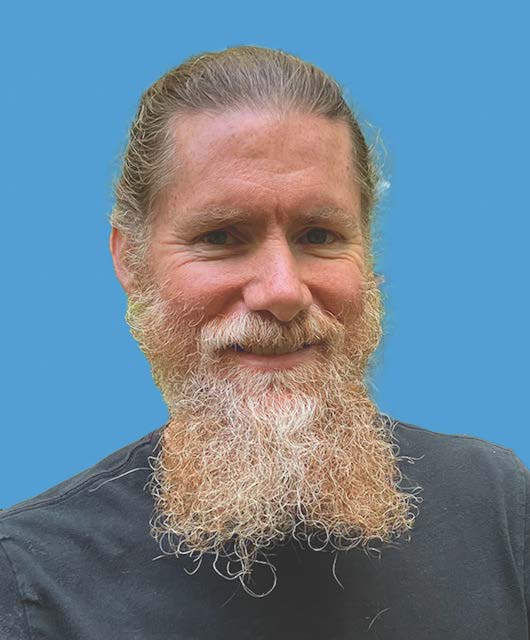
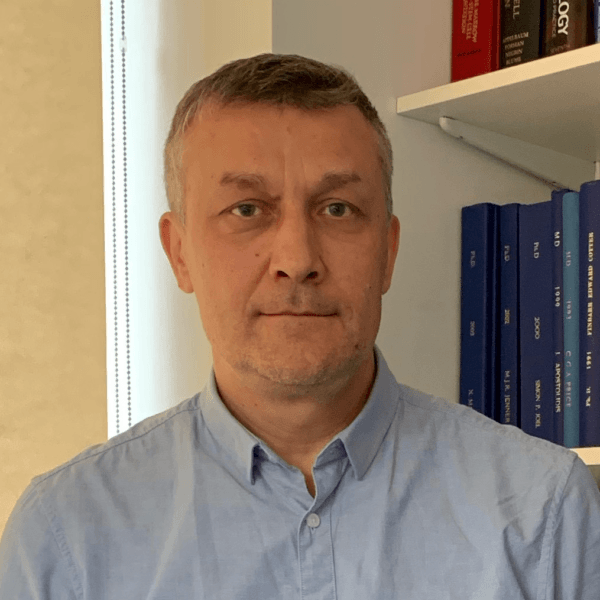
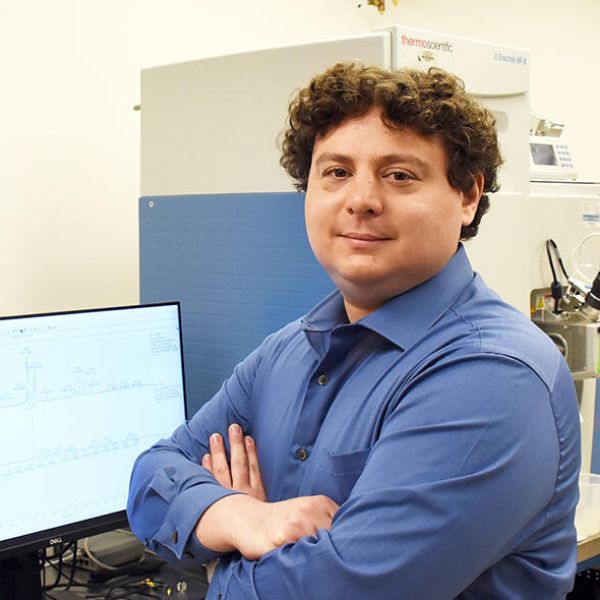
Dr. Gregory Yochum is an Associate Professor at Penn State University, holding dual appointments in the Department of Molecular and Precision Medicine and the Department of Surgery at Penn State College of Medicine. He is affiliated with the Penn State Cancer Institute as a Mechanisms of Carcinogenesis researcher. PhD in Molecular Biology (University of Utah, 1996-2002) Postdoctoral Fellowship at Vollum Institute for Advanced Biomedical Research (2002-2009) Dr. Yochum's research focuses on Wnt/ß-catenin signaling in intestinal biology, with applications to colorectal cancer (CRC) , inflammatory bowel disease (IBD) , and epithelial barrier function . His lab investigates how TCF/ß-catenin complexes regulate gene expression through chromatin architecture and long-range DNA looping, particularly in MYC proto-oncogene dysregulation. A second research pillar examines the RNA-binding protein tristetraprolin (TTP) and its role in intestinal mRNA degradation and disease pathogenesis (UC, CRC). Recent publications reveal expertise in multi-omics analysis for PSC development in pediatric IBD, metabolic reprogramming in CRC metastasis, and microbiome interactions in diverticulitis. Collaborations with Dr. Walter Koltun's surgical team leverage a biobank of 4,500 intestinal disease patients, integrating genetics, environmental factors, and microbiome studies. Current funded projects include: National Cancer Institute : Wnt/beta-catenin in early-onset CRC (2023-2024) National Cancer Institute : TCF7L1 role in CRC (2020-2022) National Cancer Institute : Nuclear AXIN2 in CRC (2019-2021) National Institute of Diabetes and Digestive and Kidney Diseases : c-Myc transcription in intestinal carcinogenesis (2008-2014) His work contributes to UN Sustainable Development Goals through biomedical research and education.
Dr. Terrence (Terry) Furey is a Professor in the Department of Genetics and Biology at the UNC School of Medicine. His research focuses on gene regulatory processes, particularly epigenetically controlled mechanisms, and their role in complex diseases like inflammatory bowel diseases (IBD). The Furey Lab specializes in computational analysis of genome-wide open chromatin, histone modifications, miRNA, and gene transcription data from high-throughput sequencing experiments. Key research areas: Epigenetics, Chromatin Biology, IBD Pathogenesis, Computational Genomics, Microbiome Interactions Specialized methodologies: Development of statistical and computational tools for genomic data analysis Research highlights include investigating genetic and epigenetic contributors to IBD through collaborations with Dr. Shehzad Sheikh, particularly analyzing chromatin reprogramming, miRNA expression, and microbial composition in both IL-10 knockout models and human intestinal tissues. The lab has identified distinct molecular signatures of Crohn's disease associated with clinical phenotypes. Article trends demonstrate expertise spanning Chromatin accessibility analysis in disease states MicroRNA biomarker discovery in IBD Computational tool development (ROCCO, DeFCoM, GSAASeqSP) Multi-omics integration in complex phenotypes Environmental-genetic interaction studies Translational IBD research Dr. Furey actively collaborates with researchers across the Center for Gastrointestinal Biology and Disease (CGIBD), including Drs. Sartor, Sheikh, and Rusyn. His work bridges clinical/translational research with microbiome studies , focusing on how epigenetic landscape alterations contribute to disease progression.
Dr. Sergey Krysov serves as Reader in Molecular Biology and Group Leader at the Barts Cancer Institute, Queen Mary University of London. He holds the position of Director of Undergraduate Studies for the institute and is an active member of the European Research Initiative on CLL (ERIC). His academic role encompasses research leadership, undergraduate program oversight, and specialized teaching in hemato-oncology. Dr. Krysov's research centers on immunogenetics of B-cell malignancies, with primary focus on chronic lymphocytic leukemia (CLL) and follicular lymphoma. He investigates B-cell receptor (BCR) signaling pathways, immunoglobulin glycosylation patterns, and tumor microenvironment interactions. His work spans cancer prevention mechanisms, targeted tumor cell therapies, and cell signaling dysregulation, with particular emphasis on how acquired N-glycosylation sites drive lymphoma evolution and how lectin binding triggers persistent BCR activation. Analysis of his 15 most recent publications (2014-2025) reveals consistent thematic focus on BCR signaling abnormalities in CLL and follicular lymphoma. Key research trajectories include CD180 expression patterns across anatomical compartments, EMT-like activation as a therapeutic target, metabolic reprogramming through glycolysis enhancement, and microbiome interactions via bacterial lectins. His work demonstrates translational potential through identification of novel biomarkers and therapeutic vulnerabilities. Scientific recognition includes: John Goldman Fellowship for Future Science (Leuka, 2016-2018) Dr. Krysov has secured substantial research funding including a Barts Charity Strategic Research Grant (2016-2020, £77,487) investigating peripheral blood composition in CLL patients, a Leuka fellowship (2016-2018, £100,000) studying the BCR-ZEB2 axis, and current Barts Charity project (2021-2024, £256,000) examining EMT-like activation in B-cell malignancies. He leads teaching modules BMD211 Human Molecular Biology and CANM935 Molecular Targeted Therapies for Blood Cancers. As Group Leader within the Centre for Haemato-Oncology Research, he directs a multidisciplinary team utilizing genomic sequencing, primary patient samples, and xenograft models to dissect molecular mechanisms of B-cell malignancies, with current emphasis on therapeutic targeting of EMT-like pathways and microbiome-BCR interactions.
Dr. Md Zahidul Alam serves as an Assistant Professor in the Department of Pathology at the Brody School of Medicine, East Carolina University (ECU). His primary research focuses on macrophage-mediated tissue injury and repair mechanisms using mouse models of pulmonary and intestinal damage. With dual postdoctoral training at the University of Pennsylvania's Perelman School of Medicine, Dr. Alam brings expertise in both pathological mechanisms and microbial interactions to ECU's medical research enterprise. Dr. Alam's educational journey includes an MBBS from Dhaka Medical College (Bangladesh), a PhD from the University of Texas at Arlington, and specialized postdoctoral training in the Haldar lab (Pathology) and Abt lab (Microbiology) at the University of Pennsylvania. These experiences established his foundation in macrophage biology and host-pathogen interactions. His research program centers on identifying molecular cues—including cytokines and stress signals—that drive macrophage polarization toward reparative phenotypes during tissue injury. This work bridges immunology, microbiology, and translational medicine, with particular emphasis on Clostridioides difficile pathogenesis and lung injury models. Dr. Alam employs multidisciplinary approaches combining in vivo modeling, immune cell profiling, and molecular signaling analysis to uncover therapeutic targets for inflammatory diseases. Analysis of Dr. Alam's 15 publications (2014-2024) reveals consistent productivity with 5 papers in 2024 alone. His recent work demonstrates deep expertise in C. difficile infection mechanisms (host immunity, toxin interactions, therapeutic challenges) while expanding into macrophage roles in cancer (medulloblastoma) and heme metabolism. The publication record shows strong collaboration networks and increasing first/corresponding author contributions in high-impact journals. As an active investigator, Dr. Alam's laboratory provides training in advanced immunological techniques and disease modeling. His research program likely receives external funding given the consistent publication output and complex experimental approaches described. The lab maintains productive collaborations with his former institutions while establishing new partnerships at ECU. Dr. Alam's laboratory operates within ECU's Brody Building (Lab 7S 11), focusing on the intersection of innate immunity and tissue repair. The research environment emphasizes translational discovery, with findings directly addressing clinical challenges in infection management and inflammatory disease treatment. Current projects continue to explore macrophage reprogramming strategies for therapeutic intervention in pulmonary and gastrointestinal pathologies.
Prof. Christina Zielinski is a W3-Professor and Chair of the Department of Infection Immunology at the Leibniz Institute for Natural Product Research and Infection Biology (Hans Knöll Institute) and University of Jena. She leads a dynamic research group focused on human T cell regulation in health and disease, with particular expertise in Th17 cells and their role in fungal infections like Candida albicans. Her research addresses fundamental questions about how protective and pathogenic T cell memory responses are shaped in human health and disease. Key areas of investigation include: Regulation of human T cells in physiological and pathological contexts Communication of human T cells with the tissue microenvironment Identification of pharmacological targets for T cell-based immunotherapies Mechanisms of tissue resident immunological memory Reciprocal interactions of T cells with fungi, microbiota, metabolites, and ions Prof. Zielinski's work has important translational implications for chronic infections, autoimmunity, and cancer. Her lab uses a translational and interdisciplinary approach combining analysis of healthy and pathological tissue samples with cutting-edge technologies, gene editing, and high-dimensional data analysis. Recent research has revealed how sodium chloride enhances T cell metabolic fitness in the tumor microenvironment and how Th17 cells engage gasdermin E pores to release IL-1α. Prof. Zielinski has received numerous prestigious awards including the medac research award 2023, Paul Langerhans Preis (2020), and the Celgene Award for Innovation in Inflammation and Immunology Research (2012). She was elected to the Board of the Germany Society for Immunology in 2023 and serves on the Editorial Board of the European Journal of Immunology. As a dedicated mentor, Prof. Zielinski is passionate about supporting junior scientists, particularly female scientists. She leads the Zielinski Lab, a young, ambitious, international, and interdisciplinary team of researchers. The lab is involved in several research projects including the ORGANise-T project funded by the European Research Council and the Collaborative Research Center 'FungiNet' focused on fungal infections.
Joseph Locker, MD, PhD is Professor of Pathology at the University of Pittsburgh School of Medicine, with dual appointments in the Division of Experimental Pathology and Division of Molecular & Genomic Pathology. His research integrates basic transcriptional mechanisms with clinical pathology, focusing on liver disease processes. Dr. Locker's research interests center on liver transcriptional regulation , specifically examining how nuclear receptors like CAR and HNF4 control hepatocyte proliferation and metabolic functions. His work distinguishes cancer-promoting hyperplasia from natural regeneration processes, and investigates transcriptional deregulation in cirrhosis. Current projects utilize NextGen sequencing methodologies for genome-wide characterization of gene expression and chromatin remodeling. His publication record shows consistent productivity from the 1970s through 2025, with recent work spanning liver disease mechanisms, cancer biology, and molecular diagnostics. Research trends indicate increasing integration of genomic methodologies with traditional pathological analysis. As an active NIH-funded investigator, Dr. Locker maintains laboratory operations focused on translational research bridging molecular mechanisms with clinical applications in liver disease. His work provides fundamental insights into transcriptional control of liver regeneration and cancer promotion, with potential therapeutic implications for cirrhosis and hepatocellular carcinoma. Dr. Locker's clinical expertise includes molecular diagnostics, analysis of mutations and translocations, anatomic pathology, and immunohistochemistry. His dual MD/PhD training enables effective translation of basic research findings into clinical applications.
Aaron R. Goldman, Ph.D. is an Assistant Professor in the Molecular and Cellular Oncogenesis Program at The Wistar Institute's Ellen and Ronald Caplan Cancer Center. His research focuses on applying mass spectrometry-based approaches, primarily metabolomics and lipidomics, to examine metabolism in cancer and other human diseases as well as fundamental mechanistic biology. Dr. Goldman's educational background includes: B.S. in Biological Sciences from Carnegie Mellon University Ph.D. in Cell and Molecular Biology from Stanford University Dr. Goldman's laboratory extensively utilizes state-of-the-art high resolution mass spectrometry to study metabolic and lipid changes in cancer and infectious diseases. His primary research areas include lipid remodeling in tumor progression and therapy resistance in melanoma, the role of the gut microbiome in disease, discovery and validation of early pregnancy biomarkers, and development of emerging MS technologies for small molecule studies. His work often integrates metabolomics and lipidomics with other omics approaches to provide comprehensive insights into disease mechanisms. Dr. Goldman's publications reveal a strong focus on cancer metabolism across multiple cancer types including melanoma, ovarian cancer, pancreatic cancer, and leukemia. His research frequently examines how metabolic pathways are reprogrammed in disease states and how these changes can be targeted therapeutically, with particular emphasis on lipid metabolism, gut microbiome interactions, and therapeutic resistance mechanisms. Dr. Goldman leads a research team that includes Research Assistants Sandra Harper and Maria Ladik. His laboratory is actively recruiting for Postdoctoral Fellow and Research Assistant positions to work on projects related to melanoma tumor progression, pregnancy biomarker validation, and development of improved mass spectrometry-based analyses of polar metabolites and lipids.
Rahul S. Shinde, D.V.M., Ph.D., is an Assistant Professor in the Molecular and Cellular Oncogenesis Program at the Ellen and Ronald Caplan Cancer Center of The Wistar Institute. An immunologist by training, his research explores tumor microenvironment dynamics and gut microbiome interactions in cancer progression. He earned his D.V.M. from Nagpur Veterinary College (India) and Ph.D. in Immunology from Augusta University, followed by postdoctoral training at Princess Margaret Cancer Center (Toronto). Research Focus: Dr. Shinde investigates metabolic reprogramming in tumor-associated macrophages (TAMs) and gut microbiome-derived signals that drive therapy resistance. His lab employs molecular profiling, mouse models, and microbiome analysis to identify targets for pancreatic cancer therapy. Key projects include: BCAA catabolism and Krüppel-like factors (KLFs) in TAMs Gut microbial metabolites (e.g., TMAO) influencing anti-tumor immunity Diet-microbiome crosstalk in PDAC progression Publication Trends: Recent work emphasizes microbiome immunology, macrophage metabolism, and aryl hydrocarbon receptor pathways in cancer. Articles consistently integrate mechanistic immunology with translational applications in resistant malignancies. Lab Team: The Shinde Lab includes postdoctoral fellows (Sajad Ahmad Bhat, Marina Domingovidal, Gauri Mirji), graduate student Sarah Kim Reiser, and research assistant Siva Pushpa Gavara. Positions remain open for new postdoctoral researchers.
Dr. Ljiljana (Lili) Paša-Tolić is a distinguished Lab Fellow and Lead Scientist for Visual Proteomics at Pacific Northwest National Laboratory (PNNL), where she works within the Environmental Molecular Sciences Division and the Environmental Molecular Sciences Laboratory (EMSL) user program. She brings world-leading expertise in native-state and top-down proteomics, mass spectrometry, and the Biomolecular Pathways Integrated Research Platform, combining these with Functional Bioimaging and Cell Signaling platforms to develop transformational capabilities for dynamic spatio-temporally resolved proteomic imaging in cells. Shipley Capturing Federal Business Course (2013) Emerging Leader Program (2012) Management Skills Development Program (2003) Postdoc, National High Magnetic Field Laboratory (1995–1997) Postdoc, PNNL (1993–1995) PhD in Chemistry, University of Zagreb (1992) MS in Theoretical and Physical-Organic Chemistry, University of Zagreb (1989) BS in Chemistry, University of Zagreb (1986) Dr. Paša-Tolić specializes in developing sophisticated analytical methods with emphasis on Fourier transform mass spectrometry and micro-separations. Her research focuses on applying these techniques to accurately quantify spatiotemporal changes in protein (metabolite) abundance, identity, and activity. Her work bridges the gap between advanced instrumentation development and biological applications, particularly in environmental systems, microbial communities, and plant-microbe interactions. She has pioneered approaches for single-cell metabolomics, top-down proteomics, and mass spectrometry imaging that have transformed how researchers study complex biological systems at unprecedented resolution. The trend in Dr. Paša-Tolić's recent publications demonstrates her leadership in advancing mass spectrometry technologies while applying them to increasingly complex biological questions. Her work spans environmental science, microbiology, plant biology, and immunology, showing how fundamental advances in analytical methodology can be leveraged across diverse research domains. Key themes include single-cell analysis, interlaboratory standardization, top-down proteomics, and the development of novel instrumentation approaches that push the boundaries of detection sensitivity and spatial resolution. The Analytical Scientist Power List (2019) Spectrometry Global Impact Award (2015) Director's Award, EMSL (2010) Systems Biology Fellows Mentor Award (2007) Outstanding Merit Award, International Immunology (2007) Key Contributor Award, PNNL (2002, 2003) Outstanding Performance Award, PNNL (1998, 1999, 2000) International Institute of Quantum Chemistry and Solid-State Theory Award (1988) As a leader in her field, Dr. Paša-Tolić has served in numerous professional capacities including Treasurer of the American Society for Mass Spectrometry (2020–2022), Editorial Board Member for the Journal of the American Society for Mass Spectrometry (2017–Present), and Member at Large on the Board of Directors for the Consortium for Top-Down Proteomics (2012–Present). She has organized and lectured at the 'Mass Spectrometry in Biology and Medicine' summer school in Dubrovnik, Croatia since 2007, demonstrating her commitment to training the next generation of scientists. Her research has been supported by multiple federal agencies including the Department of Energy, National Institutes of Health, and National Science Foundation. Dr. Paša-Tolić leads a dynamic research team at PNNL focused on visual proteomics, which combines advanced mass spectrometry with imaging techniques to study biological systems at unprecedented resolution. Her group works at the intersection of the Functional and Systems Biology group, the Biomolecular Pathways Integrated Research Platform, and the Functional Bioimaging platform, creating a synergistic environment for innovation. The team has developed novel capabilities for single-cell analysis, top-down proteomics, and mass spectrometry imaging that are being applied to diverse research areas from environmental systems to human health.
Zhangli Thomsen Zuo serves as Assistant Professor in the Department of Biology (Functional Genomics section) and Department of Plant and Environmental Sciences (Section for Plant and Soil Sciences) at the University of Copenhagen's Faculty of Science. With dual appointments reflecting interdisciplinary expertise, Zuo operates from campus locations at Ole Maaløes Vej 5 in Copenhagen N and Thorvaldsensvej 40 in Frederiksberg C. Research focuses on molecular mechanisms governing plant development and stress responses, particularly mRNA decapping pathways in Arabidopsis thaliana . Key interests include: mRNA decay machinery in developmental regulation Plant-pathogen interactions involving viral infection Drought tolerance mechanisms through microbiome interactions Stress-responsive gene expression via post-transcriptional control Recent publications (2018-2024) demonstrate consistent focus on PAT/LSM1 decapping factors, revealing their critical roles in apical hook formation, lateral root development, osmotic stress adaptation, and viral susceptibility. Work integrates molecular genetics, transcriptomics, and microbiome analysis to dissect plant-environment interactions. Zuo maintains active collaboration with the Petersen research group, evidenced by co-authorship across all publications. The research program shows strong translational potential for improving crop stress resilience through fundamental insights into mRNA regulation pathways.
Dr. Yu Shi, M.D., M.P.H., is a Physician Scientist at Mayo Clinic College of Medicine specializing in pediatric anesthesiology and outcomes research. Currently affiliated with the Department of Anesthesiology and Perioperative Medicine and Pediatrics, Dr. Shi leads investigations into anesthesia neurotoxicity, health disparities, and tobacco control. Research interests center on: Pediatric anesthesia safety and neurodevelopmental outcomes (MASK Study) Racial/ethnic disparities in surgical care and ADHD diagnosis Perioperative tobacco cessation interventions Epidemiology of anesthesia complications in children Recent publications span high-impact journals including Circulation , Science , and JAMA Network Open , with 2025 work focusing on vascular biology mechanisms and AI-driven protein modeling. Scientific recognition includes: Full Tuition Scholarship from Johns Hopkins (2007) Board Certification in Anesthesiology and Pediatric Anesthesiology (2016) Dr. Shi directs multiple institutional committees including the Pediatric Research Committee and AI Advisory Committee, with active grants supporting population-based outcomes research and tobacco control program implementation.
Andrea I. Doseff is a Professor at Michigan State University with joint appointments in the Department of Physiology and Department of Pharmacology and Toxicology . Her research explores fundamental mechanisms of apoptosis and cell fate regulation , particularly in immune cells and cancer contexts. Education: B.Sc. in Biology from University of Buenos Aires Ph.D. from State University of New York at Cold Spring Harbor Laboratory Her work integrates multi-omics approaches to define regulatory networks controlling cell death, while pioneering research on phytochemicals that reprogram immune function and reverse disease states. She leads efforts to translate these findings into functional food designs for cancer prevention and chronic disease management. Key publication themes include: RNA splicing in myeloid cells Flavonoid molecular targets Inflammation-cancer axis Systems biology of apoptosis Contact: doseffan@msu.edu
Caroline Helen Johnson, PhD, is a Tenured Associate Professor of Epidemiology in the Department of Environmental Health Sciences at Yale School of Public Health. She holds multiple joint appointments across Yale University, including at the Yale Cancer Center, Department of Microbiology, and Program in Translational Biomedicine. Her research integrates metabolomics with epidemiology to investigate sex-specific differences in colorectal cancer and environmental exposures. Dr. Johnson's primary research focuses on sex-specific differences in colorectal cancer metabolism. In 2020, her lab published the first sex-stratified metabolomics analysis of tumor tissues from colorectal cancer patients, revealing that aberrant asparagine metabolism is a hallmark of tumors from female patients only and associates with poorer clinical outcomes. Her lab also studies early-onset colorectal cancer (under age 50), discovering distinct metabolic profiles in younger patients including downregulated dopamine metabolism and increased phospholipid metabolism. Additionally, her team investigates environmental exposures and their biological impacts using metabolomics, with particular expertise in analyzing dried blood spots to measure early-life exposures that may contribute to later-life cancer development. Dr. Johnson's recent publications (2024-2025) demonstrate a strong focus on sex-specific cancer biology, with multiple papers examining asparagine metabolism in colorectal cancer, sex differences in tumor growth, and the development of comprehensive databases documenting sex-based differences in oncologic diseases. Her work spans multiple disciplines including cancer metabolism, microbiome research, environmental toxicology, and clinical oncology. YSPH Impact Prize (2025) YSPH Team Science Research Award (2024) International Metabolomics Society Career Medal (2023) Metabolomics Association of North America Women in Science (Womix) mentorship award (2023) K12 Calabresi Immuno-Oncology Training Program Award (2021) Dr. Johnson serves as Associate Editor for both Metabolomics and Toxicological Sciences journals and has advised numerous students, including PhD candidate Xinyi Shen. Her lab has developed specialized protocols for metabolite normalization in various clinical matrices and maintains active collaborations across Yale's medical and public health schools. Current research directions include validating findings on early-onset colorectal cancer metabolism, understanding the mechanisms behind sex-specific asparagine metabolism in cancer, and expanding the application of metabolomics to assess environmental exposures and their biological impacts.
Nikhil Joshi, PhD is an Associate Professor with Tenure in the Department of Immunobiology at Yale School of Medicine. He serves as Co-leader of the Cancer Immunology Program at Yale Cancer Center and maintains affiliations with multiple Yale research initiatives including the Yale Center for Immuno-Oncology, Human and Translational Immunology Program, and Immunology Liver Center. His research focuses on understanding immune cell interactions with developing tumors, particularly investigating how T cell subtypes function in the tumor microenvironment using complex mouse models. The Joshi Lab combines advanced genetic modeling with immunologic techniques to address fundamental questions in tumor immunology. Analysis of recent publications (2022-2025) reveals a strong focus on T cell biology in cancer, with particular emphasis on T cell exhaustion mechanisms, immunoediting processes, tertiary lymphoid structures, and metabolic influences on tumor immunity. His work spans both basic immunological mechanisms and translational applications for cancer immunotherapy. Class of 1961 Cancer Research Award, Yale Cancer Center (2023) Basic Science Research Prize, Yale Cancer Center (2023) Young Investigators in Cancer Research, Pershing Square Sohn Prize (2022) Emerging Leader Award, Mark Foundation (2022) James B. Dougherty MD Award, Lung Cancer Research Foundation (2021) Professor Joshi maintains active research funding as evidenced by his substantial publication record in high-impact journals. His lab trains numerous students and postdocs, with frequent collaborators including Kelli Connolly, Gena Gora Foster, and Eric Fagerberg. The lab participates in multiple interdisciplinary initiatives at Yale, providing students with opportunities to work at the intersection of immunology, cancer biology, and computational approaches. The Joshi Laboratory focuses on engineering models to decode T-cell immunity in cancer, with research spanning tumor differentiation, T cell fate in cancer and health, and mechanisms of action for immune cells in tumor development and suppression.
Andrew Pickering, Ph.D., is an Associate Professor in the Department of Integrative Biology and Pharmacology at McGovern Medical School, UTHealth Houston. He directs the Geroscience Core at the Institute on Aging, overseeing initiatives like the Annual Symposium on Aging Research and the Harry E. Bovay, Jr. Foundation Pilot Grants Program, which funds junior faculty in aging research. His research centers on proteostasis in aging and neurodegeneration. Key areas include: Proteasome dysfunction in Alzheimer's disease and development of proteasome-activating therapeutics Mitochondrial thioredoxin systems as metabolic regulators and lifespan extenders Protein translation dynamics, where early-life repression extends lifespan via juvenile hormone pathways Cross-species mechanisms of aging using Drosophila, mice, and comparative biology His recent publications (2019-2024) focus on proteasome augmentation therapies for Alzheimer's, translational regulation of aging, mitochondrial metabolism, and microbiome impacts on neurodegeneration. These reflect a consistent theme: targeting proteostatic mechanisms to combat age-related functional decline. Dr. Pickering leads the Pickering Aging Lab, investigating aging drivers through biochemical, genetic, and pharmacological approaches. The lab collaborates with clinical researchers to translate findings into therapeutic strategies for age-related diseases.