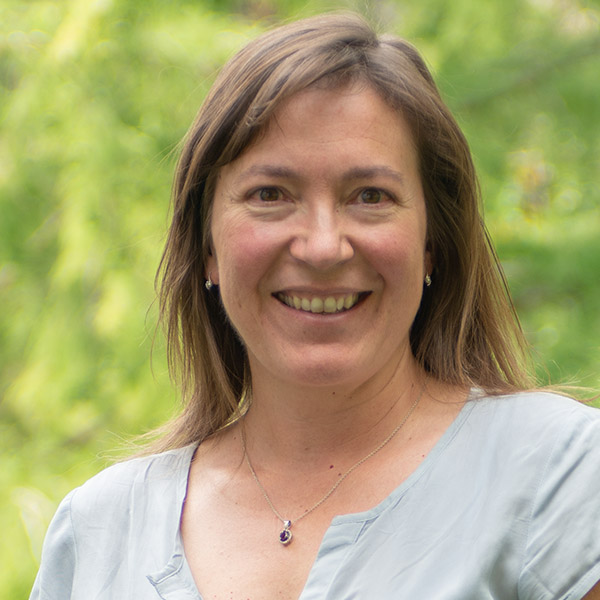
Professor Melanie Gareau leads research on the microbiota-gut-brain axis at the University of California, Davis, focusing on early-life microbiota dysbiosis and its long-term neurological and physiological effects. Her work integrates microbiology, immunology, and neuroscience to address disorders such as Angelman syndrome and postacute COVID syndrome. Education: BS (McGill, 2001), PhD (McMaster, 2006), postdoctoral training (Hospital for Sick Children, Toronto). Grants: Principal Investigator (NIH, FAST Foundation, UC Davis SOM) and Co-Investigator on projects studying microbiome-brain interactions, wound infection impacts, and inflammatory bowel disease models. Research Interests: Microbiota-gut-brain axis development, probiotic interventions, microbial-immune-neural crosstalk, and translational applications in neurological and gastrointestinal diseases. Awards: Chancellor’s Fellow (2023), APS New Investigator Award (2018), multiple travel and fellowship recognitions. Lab: Gareau Lab explores microbiota interactions in health and disease, with projects on microbiome modulation for cognitive benefits and microbiome restoration strategies.
Elena Carbone is an Assistant Professor at the University of Padova, specializing in cognitive aging and dementia interventions. Her research focuses on age-related cognitive decline, individual differences in cognitive mechanisms, and the efficacy of cognitive stimulation programs for older adults and dementia patients. Key research interests include working memory, spatial cognition, and the role of training features in intervention efficacy. She has also explored the psychological impacts of the pandemic on older adults, sleep-related metacognition, and the neuroprotective effects of pharmacological compounds. Her work emphasizes translational research, combining clinical trials (e.g., Primacare_P3 study) with theoretical contributions to cognitive reserve theory via the 2CR survey. She investigates environmental design (e.g., dementia-friendly care home navigability) and innovative interventions such as music therapy, outdoor horticultural programs, and transcranial direct current stimulation. Notable contributions include systematic reviews on dementia drug efficacy and metacognitive memory training interventions. Publications span 2007–2025, reflecting sustained engagement in gerontology, neuropsychology, and translational research. While no awards are explicitly listed, her work demonstrates impactful contributions to improving cognitive health in aging populations. Her research integrates multidisciplinary approaches, addressing both biological mechanisms (e.g., neurodegeneration models) and socio-behavioral factors (e.g., personality influences on spatial learning).
Corbin Jones is a Professor in the Department of Genetics at the University of North Carolina at Chapel Hill (UNC), School of Medicine. He serves as Faculty Director of the UNC High-Throughput Sequencing Facility and is affiliated with the Carolina Center for Genome Sciences (CCGS). His academic roles include dual appointments in Biology and Genetics, and he contributes to graduate programs in Biology, Genetics and Molecular Biology, and Biomedical Engineering (BCB). Dr. Jones' research focuses on evolutionary genetics, particularly using Drosophila species to study adaptive traits. Key projects include analyzing Drosophila sechellia’s genetic resistance and attraction to Morinda citrifolia, investigating mechanisms of new gene formation through chimeric gene studies, and developing statistical tools for QTL mapping accuracy. His lab integrates computational methods, molecular genetics, and genomic data to explore how genetic changes—both regulatory and structural—drive evolutionary adaptations. Collaborations with Dr. Sally Otto and Dr. Philip Awadalla highlight his contributions to theoretical and applied genomics. His work extends to translational research, including studies on human disease genetics (e.g., schizophrenia, lupus) and microbiome assembly dynamics. Recent publications reflect diverse applications of his expertise in virology (SARS-CoV-2 treatment efficacy), cancer biology (evolutionary rescue models), and AI-driven clinical data analysis. Funding for his lab comes from the NSF and NIH, supporting projects that bridge basic and applied sciences. Grants: NSF and NIH-funded research on genomic evolution and disease mechanisms Lab Affiliations: Corbin Jones Lab in the Genome Sciences Building, UNC High-Throughput Sequencing Facility Tools Developed: QTL-based estimator method for genetic mapping, computational pipelines for genomic data analysis Notable research themes include the molecular basis of behavioral adaptations in Drosophila, the role of chimeric genes in evolutionary innovation, and statistical improvements in detecting quantitative trait loci. His studies on D. sechellia’s olfactory-driven behavior reveal insights into gene function beyond mere sensory detection, emphasizing behavioral genetics.
Niels Kokot, MD is a Clinical Professor in the Department of Otolaryngology-Head & Neck Surgery at the Keck School of Medicine of USC , University of Southern California. His clinical and research focus spans head and neck oncology, HPV vaccination dynamics, reconstructive surgery, and health disparities in cancer survivorship. Role: Clinical Professor, Otolaryngology-Head & Neck Surgery Affiliation: Keck School of Medicine of USC Email: kokot@usc.edu Research Interests include head and neck cancer, HPV-related pathogenesis, reconstructive microsurgery, psychosocial determinants of postoperative outcomes, and health equity. He investigates disparities in cancer diagnosis, treatment of minority populations, and the role of digital platforms in patient education. Recent Publications highlight trends in cost-effectiveness of surveillance imaging, free flap outcomes, and the intersection of social media with health communication. His work spans clinical trials, systematic reviews, and epidemiological studies. Collaborations involve multidisciplinary teams, including critical care, endocrinology, and medical oncology. His career bridges basic science (notably cytokine signaling in the 1990s) with contemporary clinical and health systems research.
Dr. Kathleen "Katie" Page is an Associate Professor of Medicine (with Tenure) at the Keck School of Medicine of the University of Southern California . She serves as Co-Chief of the Division of Endocrinology & Diabetes, Director of the Diabetes and Obesity Research Institute, and Co-Director of multiple research cores at USC. Her research program focuses on neuroendocrine regulation of appetite and maternal-fetal programming of obesity/diabetes . Co-Chief, Division of Endocrinology & Diabetes Director, Diabetes and Obesity Research Institute Co-Director, Investigator Development Core at Southern California Center for Latino Health Her BRANCH Lab combines neuroscience, physiology, nutrition, and psychology to study brain regulation of metabolism and early-life contributors to diabetes risk. Key research themes include: Neural mechanisms of appetite regulation Impact of maternal obesity/diabetes on offspring health Neuroimaging of food cue reactivity Non-nutritive sweetener effects on metabolism Recent publications reveal trends in brain connectivity patterns related to insulin sensitivity, hippocampal responses to food cues , and intergenerational metabolic programming . Awards include recognition from the Endocrine Society , American Heart Association , and Western Society for Clinical Investigation .
Jenny van Dongen is an Associate Professor at the Vrije Universiteit Amsterdam, affiliated with the Faculty of Behavioural and Movement Sciences, Biological Psychology Department, and multiple institutes including Amsterdam Reproduction & Development and APH - Mental Health. Her research focuses on epigenetics, DNA methylation, twin studies, and their implications for human biology and disease. She leads the VU-Avera collaborative agreement project on healthy aging and has contributed to over 144 publications. Dr. van Dongen has been awarded the Thompson Award (2013) for her academic contributions. Education & Roles: Full-time faculty member with expertise in twin studies and epigenomics. Research Interests: Epigenetic mechanisms in aging, twin discordance, genetic regulation of traits, and translational applications in mental and reproductive health. Her work bridges genetic, epigenetic, and environmental factors, with recent studies exploring the molecular basis of twinning, smoking's epigenetic effects, and biomarkers for mental disorders. She teaches courses like Epigenomics and Sequencing in Behaviour and Health, and actively collaborates internationally. Media highlights include breakthroughs on identical twin epigenetic signatures and twin pregnancy genetics.
Jonas Wetterö is a Senior Associate Professor of Immunology and Docent of Experimental Rheumatology at Linköping University, affiliated with the Department of Biomedical and Clinical Sciences (BKV) within the Faculty of Medicine and Health Sciences. He serves as Program Director of the international BSc in Experimental & Industrial Biomedicine and Director of Studies for courses in Engineering Biology and Chemical Biology. His research focuses on understanding inflammatory processes in rheumatic diseases, particularly rheumatoid arthritis (RA) and systemic lupus erythematosus (SLE). Key areas include the role of C-reactive protein (CRP) in immune regulation, autoantibody mechanisms, and the interplay between inflammation and biointerphases/biosensors. His work also explores early biomarkers for autoimmune diseases and the impact of environmental factors like gut microbiota on disease onset. Wetterö’s research combines experimental immunology with translational studies, aiming to identify therapeutic targets and diagnostic tools. Notable findings include the dual role of CRP in modulating type I interferon responses and its protective effects in SLE. His lab collaborates on projects such as the Ingrid Asp Kidney Research Center and investigates digital twin technologies for personalized medicine. He actively contributes to education, designing courses that integrate biomedical sciences with engineering principles. Teaching Roles: Program Director of the BSc in Experimental & Industrial Biomedicine, examiner for Immunology and Cell Biology courses. Labs/Teams: Division of Inflammation and Infection (II), Nestor Lab (DNA methylation studies in T-cells). Key Research Themes: Autoimmunity, complement system, neutrophil function, microbiome-immune interactions.
Dr. Ray Boyapati is an Adjunct Senior Lecturer in Medicine at Monash University and a Consultant Gastroenterologist at Monash Health. He specializes in inflammatory bowel disease (IBD), with expertise in gastroscopy, colonoscopy, and intestinal ultrasound. At Monash University, he serves as the Final Year 5D MBBS coordinator at Dandenong Hospital, a 3rd year MBBS Clinical Bedside Tutor, Theme IV Committee Co-Chair, and provides FRACP candidate teaching and mentorship. Dr. Boyapati completed his medical degree (MBBS with Honors I) at Monash University (2002-2006) and later earned a Doctor of Medicine (MD) from the University of Edinburgh (2015-2018). His specialty training was completed at Monash Health and the Austin Hospital, with additional clinical training in IBD at the Western General Hospital in Edinburgh. Dr. Boyapati's research focuses on several key areas within inflammatory bowel disease. His primary interests include investigating the role of mitochondrial damage associated molecular patterns in IBD, de-escalation of therapy in IBD, the role of biomarkers to personalize therapy in IBD, and the application of intestinal ultrasound in IBD management. He is actively involved in advancing precision medicine approaches for IBD patients and exploring novel diagnostic and therapeutic strategies. His work contributes to UN Sustainable Development Goals related to good health and well-being. Analysis of Dr. Boyapati's recent publications reveals a strong emphasis on intestinal ultrasound applications in IBD, particularly in special populations like pregnant women. His work also addresses biomarker development for personalized therapy, postoperative management of Crohn's disease, and novel therapeutic approaches including probiotics. There is a clear trend toward translational research that bridges basic science discoveries with clinical applications for improved patient outcomes. Dr. Boyapati serves in various leadership roles within the Gastroenterological Society of Australia (GESA), including sitting on the FAR (Finance, Audit and Risk) Committee and co-chairing Young GESA. These positions reflect his commitment to advancing the field of gastroenterology and mentoring the next generation of specialists. As an educator, Dr. Boyapati coordinates final year medical students, provides bedside teaching, and mentors FRACP candidates. He is accepting PhD students through Monash University's supervisor connect program, indicating an active research supervision role. His community service extends to various GESA committees where he contributes to shaping gastroenterology practice in Australia. His clinical activities include performing gastroscopy, colonoscopy, and intestinal ultrasound as a Consultant Gastroenterologist at Monash Health.
Marjorie Matocq is a Professor of Population & Evolutionary Genetics and Director of the Ecology, Evolution & Conservation Biology (EECB) Graduate Program at the University of Nevada, Reno (UNR). She is affiliated with the Department of Natural Resources & Environmental Science within the College of Agriculture. Her research focuses on understanding patterns of genetic diversity and the ecological, demographic, and historical processes that shape them, with a particular emphasis on small mammals like woodrats (Neotoma spp.). Matocq completed her B.S. at California Polytechnic State University (1992), M.S. at San Francisco State University (1996), and Ph.D. at UC Berkeley (2000). Her work integrates molecular genetics, morphological analysis, and field studies to address questions at the interface of ecology and evolution. Current projects include studying hybridization dynamics, climate impacts on species distributions, and conservation genetics of endangered species like the pygmy rabbit (Brachylagus idahoensis). Her research emphasizes field-based data collection and genomic approaches, often involving collaborations with natural resource agencies. She mentors students in Conservation Biology and Molecular Ecology courses, emphasizing outreach and applied conservation. Her lab’s work has implications for managing threatened species and understanding evolutionary processes in fragmented landscapes. Matocq’s research spans from molecular-level adaptations to large-scale ecological interactions, with recent studies focusing on toxin tolerance, hybrid zone dynamics, and habitat connectivity. She advocates for bridging traditional ecological knowledge with modern genomic tools to address conservation challenges.
Sherryl A. Broverman is a Professor of the Practice of Biology and Global Health at Duke University, affiliated with Trinity College of Arts & Sciences and the Duke Global Health Institute. She holds a Ph.D. from Indiana University and a B.A. from Cornell University. Her research focuses on HIV prevention in rural Kenya, global health interventions, and inclusive science education. Broverman co-founded the Women's Institute for Secondary Education and Research (WISER) in Kenya, which empowers girls through education and health initiatives. Her work includes developing community-based interventions, such as church-based mental health programs and school curricula for HIV prevention. She has led grants funded by the National Science Foundation and the Josiah Charles Trent Memorial Foundation. Broverman teaches courses like 'AIDS and Other Emerging Diseases' and 'Global Diseases,' emphasizing interdisciplinary approaches to global health challenges. She has mentored numerous students, including those in Duke's virtual DukeEngage program, which connects U.S. students with Kenyan peers. Broverman received the Citizen Science Award in 2015 and has been recognized for her leadership in Trinity College. Her professional activities include advising on global health initiatives, serving on academic councils, and participating in conferences focused on science education and social justice. Her research and service reflect a commitment to equity, particularly through WISER's efforts to improve education and health outcomes for marginalized girls in Kenya.
Dr. Kenneth Rutherford is a Senior Lecturer in Animal Welfare at Scotland's Rural College (SRUC), specializing in the assessment of animal stress, pain, and emotional states in farm animals. His work focuses on developing behavioral tests and measurements to assess negative experiences in animals resulting from farming practices. He is actively involved in multiple research projects related to animal welfare improvement and has strong collaborations with the University of Edinburgh. His educational background isn't explicitly stated in the provided text, but his extensive research supervision of PhD students with Edinburgh University suggests a strong academic foundation in animal science or veterinary medicine. Rutherford's research primarily centers on animal welfare assessment methodologies, with special emphasis on pigs and other livestock species. His work investigates the impact of prenatal stress on animal welfare outcomes, develops behavioral tests for pain assessment, and explores technological solutions like facial recognition for emotion detection in pigs. He examines how stress and suboptimal nutrition affect production and welfare across various livestock species under commercial farming conditions in the UK. His recent publications demonstrate a clear trajectory toward increasingly sophisticated welfare assessment methods, combining behavioral observation with technological innovation. His work spans from fundamental research on stress physiology to applied interventions that directly impact farming practices. The research shows strong interdisciplinary connections between animal behavior, veterinary science, and agricultural technology. Principal Investigator for Evaluation of procaine HCL local anaesthetic for pain control in lambs (2022-2023) Co-Investigator for RESAS Strategic Research Programme on improved husbandry (2022-2027) Co-Investigator for EU Exit Challenges and Opportunities for Animal Welfare project (2022-2027) Principal Investigator for body condition scoring skills project (2018-2022) Co-Investigator for EmotiPig emotion detection project (2018-2022) Dr. Rutherford actively supervises PhD students, primarily in collaboration with the University of Edinburgh, focusing on critical welfare issues including pain mitigation, prenatal stress effects, and castration alternatives. His research has significant practical implications for farming practices, with several projects directly translating scientific findings into on-farm solutions. He maintains strong connections with industry partners including Zoetis and participates in knowledge exchange through media appearances and webinars.
Joanne Conington is Professor and Head of Department at Scotland's Rural College (SRUC), specializing in applied livestock genetics. She holds affiliations with the University of Edinburgh through the Global Academy of Agriculture and Food Security and teaches courses including BSc Animal Science, BSc Agriculture, and MSc Quantitative Genetics and Genome Analysis. Education includes: PhD in Animal Breeding, University of Edinburgh (1999) MSc in Livestock Production Science, University of Aberdeen (1990) BSc in Agriculture and Food Marketing, Newcastle University (1984) Her research focuses on genetic/genomic applications in sustainable livestock systems, with expertise in: Sheep/goat production genetics Greenhouse gas mitigation strategies Disease resistance breeding Maternal trait optimization Genomic selection methodologies Recent publications demonstrate strong emphasis on genome-wide association studies for health, productivity and environmental traits in sheep, with methodological innovations in genetic evaluation and methane reduction strategies dominating her research output since 2022. Leadership roles include: President, Sheep and Goat Commission (EAAP) Chair, ICAR Expert Advisory Group for Small Ruminants Animal Breeding Workstream Leader, Farm Animal Welfare Committee (2008-2018) She leads multiple research consortia including EU projects on sustainable sheep production and coordinates the genetic components of national initiatives to reduce agricultural emissions.
Samitinjaya Dhakal is an Assistant Professor affiliated with the School of Health and Human Sciences at South Dakota State University (SDSU). His research focuses on the intersection of nutrition, gut microbiota, and metabolic health, with an emphasis on understanding how dietary components influence cognitive function, microbial diversity, and systemic metabolism. Key areas of investigation include the effects of red meat consumption on nutritional adequacy and mental health, the role of resistant starch in bile acid metabolism, and the modulation of gut microbiota through controlled dietary interventions. He has conducted randomized controlled trials to evaluate protein sources (e.g., pork vs. chicken) and their impacts on metabolite profiles, microbial communities, and cardiovascular risk markers. Notable studies explore associations between dietary patterns—such as Healthy Eating Index scores—and cognitive outcomes in older adults, as well as weight-loss responses linked to microbiota composition in retail weight-management programs. His work integrates systems biology approaches, metabolomics, and microbiome analysis to address questions in nutritional science, with findings published in peer-reviewed journals since 2019. No specific grants or awards are listed in the available text, but his research demonstrates strong methodological rigor through controlled-feeding trial designs and cross-sectional analyses.
Garret Suen is a Full Professor in the Department of Bacteriology at the University of Wisconsin-Madison. He holds the Alfred Toepfer Faculty Fellow title. His research focuses on herbivore-associated microbial ecology, rumen microbiology, and applications in biofuel production and animal health. Suen's work bridges microbial community dynamics with ecosystem functioning, particularly in ruminants, and explores symbiotic relationships influencing nutrient conversion and host health. Educations: B.Sc. Biological Sciences, University of Calgary (2000) B.Sc. Computer Sciences, University of Calgary (2002) M.Sc. Computer Sciences, University of Calgary (2004) Ph.D. Biology, Syracuse University (2008) Postdoctoral Research at University of Wisconsin-Madison Research interests include understanding microbial evolution across host diets, plant biomass degradation mechanisms, and microbiome impacts on milk production and human health analogs. His lab studies ruminal microbiota interactions, biofuel applications, and gut microbiota development in calves. Key achievements include identifying cellulose-degrading mechanisms in rumen bacteria like Ruminococcus albus and advancing non-invasive sampling methods (e.g., oral swabs for rumen microbiome analysis). Recent studies highlight ergot alkaloid effects on cattle microbiomes, antibiotic resistance in dairy farms, and microbiota shifts during hibernation. Suen collaborates on grants through programs like the Molecular Biosciences Training Grant and Microbes in Health and Disease Training Program. Awards: Alfred Toepfer Faculty Fellow Students: Ariela Burk, Courtney Deblois, Nolan Amon His lab personnel actively investigate microbial community structures, with ongoing projects on dairy cattle microbiota, antibiotic resistance epidemiology, and stable fly pathogen prevalence. Collaborative efforts include cheese ripening board microbiota studies and canine gut health supplements.
Robert Dickson, MD is the Galen B. Toews Legacy Professor of Pulmonary and Critical Care Medicine and Associate Professor in the Departments of Medicine and Microbiology & Immunology at the University of Michigan. He serves as Associate Chief (Research) for the Division of Pulmonary & Critical Care Medicine and Deputy Director of the Weil Institute for Critical Care Research & Innovation. His clinical roles include attending in the Critical Care Medicine Unit and leading the Washtenaw County Tuberculosis Clinic. Dr. Dickson’s research focuses on the microbiome’s role in lung disease and critical illness, integrating molecular microbiology with clinical translational science. Key areas include the microbiome’s influence on sepsis, acute respiratory distress syndrome (ARDS), pneumonia, pulmonary fibrosis, and lung transplantation. His work combines ex vivo models, animal studies, and human clinical trials to explore mechanisms linking microbial communities to disease outcomes. His lab’s research has identified microbiome-derived metabolites (e.g., acetate) as critical mediators of sepsis severity and skeletal muscle atrophy. Recent studies highlight the unintended consequences of broad-spectrum antibiotics on gut microbiota, linking such treatments to worsened kidney injury and hyperinflammatory responses in sepsis. Dr. Dickson directs the Multidisciplinary Training Program in Lung Disease (T32 grant) and co-leads the Pulmonary & Critical Care Medicine Fellowship Program. He is a Senior Editor at Microbiome and serves on editorial boards of European Respiratory Journal and Lancet Respiratory Medicine . His research is supported by NIH grants, the European Commission, and institutional funds. Lab collaborations span pulmonology, microbiology, bioinformatics, and critical care. Current projects aim to develop novel diagnostic tools (e.g., GenomicGapID for microbial identification) and microbiome-based therapies to treat sepsis, ARDS, and lung transplant complications.