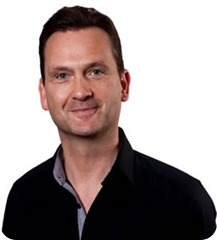
Professor Francis Butler is a Full Professor at University College Dublin's School of Biosystems and Food Engineering, where he has been since 1990. His academic roles include research leadership in food safety, food chain integrity, and microbial risk assessment. He leads the UCD Institute for Food and Health and the UCD Centre for Food Safety as a Principal Investigator. Education: BE, Grad Dip University Teaching & Learning, MBA, and PhD from University College Dublin. Research Focus: His work centers on food safety hazards, quantitative risk assessment, and next-generation sequencing for pathogen identification. Recent projects include Listeria monocytogenes growth modeling, norovirus in oysters, and hepatitis E in pork products. He has secured over €6 million in research grants, including EU-funded projects like FOODINTEGRITY and SIGMACHAIN. Awards & Recognition: European Food Safety Authority Fellowship, Marie Sklodowska-Curie Fellowship, and UCD Teaching Grant. He coordinates international educational programs, including the UCD MSC Food Safety and Risk Analysis. Professional Activities: Member of EFSA advisory committees, editorial boards (e.g., Microbial Risk Analysis ), and international conference chairs. His work bridges academia, industry, and policy to enhance food safety standards globally.
Prof. Zena Moore is a renowned academic and clinician serving as Professor and Head of the School of Nursing & Midwifery at RCSI, University of Medicine and Health Sciences. She holds adjunct professorships at Curtin University (Australia), Griffith University (Australia), Cardiff University (UK), Ghent University (Belgium), and Fakeeh College for Medical Sciences (Saudi Arabia). Her research focuses on wound healing, pressure ulcer prevention, and nursing education, with over 300 publications. She leads the Skin Wounds and Trauma (SWaT) Research Centre and chairs multiple international bodies including the European Pressure Ulcer Advisory Panel. Education: PhD in Wound Healing (RCSI), MSc in Leadership in Health Education (RCSI), MSc in Wound Healing (University of Wales), FFNMRCSI, and Diplomas in Management and Nursing. Research Interests: Wound pathophysiology, pressure ulcer risk assessment, technologies for early detection, and healthcare equity. Awards: 2022 Lifetime Achievement Award from World Union of Wound Healing Societies. Her work spans over 50 funded projects, including grants from Science Foundation Ireland and the National Health and Medical Research Council. She has supervised numerous research projects on topics like pressure ulcer prevention algorithms and eHealth interventions.
Professor Enda Cummins is a faculty member at University College Dublin (UCD), serving as Professor and Deputy Head of the School of Biosystems and Food Engineering. He also holds roles as Head of Teaching and Learning and Visiting Professor at KU Leuven, Belgium. His research focuses on risk assessment, predictive modeling, food safety, and environmental contamination, with an emphasis on chemicals (e.g., acrylamide, nanoparticles) and pathogens (E. coli, Salmonella). He leads a multidisciplinary team and coordinates the EU-funded H2020 ITN project PROTECT, addressing climate change impacts on food safety. Education: BAgrSc, MEngSc, PhD from UCD. Teaching emphasizes problem-based learning and integrates research innovations. He developed the EU-funded Erasmus+ Predictive Modelling and Risk Assessment program and coordinates the MEngSc in Food Engineering. Grants include projects on antimicrobial resistance, nanoparticle toxicity, and urease inhibitor efficacy. Over 100 peer-reviewed publications and 123 conference papers highlight his work on risk assessment, food safety, and environmental modeling.
Dr. David Hughes is a Lecturer/Assistant Professor at University College Dublin (UCD), where he joined the Conway Institute and School of Biomolecular and Biomedical Science in 2018. He serves as a Senior Conway Fellow, Head of the Molecular Epidemiology of Cancer Group (MEC), and Co-Director of the Cancer Biology Therapeutics (CBT) lab cluster. His research focuses on the nutritional, genetic, molecular, and microbial epidemiology of various cancer sites, with colorectal cancer being his primary area of focus. Dr. Hughes' educational background includes: BSc in Biochemistry from the University of Leeds (1990) PhD in Medical Genetics from Queen's University Belfast (1996) Postgraduate Diploma in Health Professions Education from the Royal College of Surgeons in Ireland (2015) Dr. Hughes' research examines how nutritional, genetic, metabolic, microbial, and lifestyle factors (together with their interactive impact on molecular mechanisms) affect the initiation and progression of cancer. His primary focus is on colorectal cancer, but he also conducts research on liver, pancreatic, breast, and gastric cancers. His investigative approaches include nutritional, genetic, molecular, and microbial epidemiology through observational and experimental studies in large European cancer cohorts. A significant portion of his work investigates the relationship between selenium status and cancer risk, particularly for colorectal and liver cancers. Dr. Hughes' recent publications reveal a strong focus on the interplay between the gut microbiome, nutritional factors (particularly selenium), and cancer development. His work increasingly incorporates genetic epidemiology approaches like Mendelian randomization to establish causal relationships. There's a clear progression from studying individual nutrients and microbes to examining complex interactions between multiple factors in cancer pathogenesis. Dr. Hughes has received notable recognition including: Senior Conway Fellow Dr. Hughes is actively involved in mentoring students and securing research funding. His current and recent grants include projects funded by the Health Research Board, the EU, the International Health Cohorts Consortium, the World Cancer Research Fund, and various funders for the EPIC project. He leads the large prospective cohort studies within the European Prospective Investigation into Cancer and Nutrition (EPIC), focusing on the influence of bacterial antigens, gut barrier integrity, and nutritional status of micronutrient minerals on cancer risk. He is also a steering committee member for colorectal cancer projects within the EPIC study and a member of the International Cancer Microbiome Consortium. Dr. Hughes leads the Molecular Epidemiology of Cancer Group (MEC) and co-directs the Cancer Biology Therapeutics (CBT) lab cluster at UCD. His team conducts research within the European Prospective Investigation into Cancer and Nutrition (EPIC) cohort, which includes over half a million participants across 23 centers in 10 Western European countries. The MEC group focuses on nutritional, genetic, molecular, and microbial epidemiology of various cancer sites, with particular emphasis on colorectal cancer.
Stephen Byrne is a Professor at University College Cork (UCC), currently serving as Interim Registrar since November 2020. He previously served as Head of the School of Pharmacy from October 2013 to October 2020 and was Course Director of the MSc in Clinical Pharmacy from October 2010 to August 2014. With a career spanning over two decades, Professor Byrne has established himself as a leading expert in geriatric pharmacology and clinical pharmacy practice. Professor Byrne graduated with a BSc (Hons) in Pharmacy from the University of Sunderland in 1996 and completed his PhD at Trinity College Dublin in 2002, focusing on non-physician management of oral anticoagulant therapy. He joined UCC in 2004 after working as both a community and hospital pharmacist in various locations throughout Ireland. His qualifications include a Dip Stat, Cert Health Econ, Cert Clin Pharm, and MPSI. His primary research interests center around appropriate prescribing of medicines for elderly patients, with particular emphasis on the STOPP/START criteria, anticoagulation therapy, and antimicrobial stewardship. Professor Byrne's work has significantly influenced clinical practice guidelines in geriatric pharmacology, with the STOPP/START criteria now widely adopted internationally. His research has been funded by numerous prestigious grants including EU Framework Programme Seven projects (SENATOR and TRUST), Health Research Board awards, and Enterprise Ireland funding. Professor Byrne has published 67 career publications with 1,716 total citations and an h-index of 20. His research output demonstrates a consistent focus on medication safety, appropriate prescribing, and clinical pharmacy interventions for elderly patients. The STOPP/START criteria, which he helped develop, represents one of his most significant contributions to the field, aiming to improve the quality and safety of medicine prescriptions for elderly patients. As an academic mentor, Professor Byrne has supervised 13 PhD graduates, 1 MD graduate, and 2 MSc by Research graduates between 2008-2014. His leadership extends beyond research to significant administrative roles, including establishing the first pharmacist and nurse-led anticoagulation clinic in Cork University Hospital, which later expanded to other regional hospitals and community settings. Professor Byrne's work bridges clinical practice, research, and policy, with his team developing software engines to implement the STOPP/START criteria at the point of prescribing. His current research continues to address critical issues in medication management for elderly patients, antimicrobial stewardship, and healthcare policy related to pharmaceutical services.
Dr. Yuansheng Hu is an Assistant Professor in the School of Civil Engineering at University College Dublin (UCD), Ireland, specializing in Water and Environmental Engineering. He joined UCD in July 2023 after holding academic positions at Atlantic Technological University Sligo (2022–2023) and Beijing University of Civil Engineering and Architecture (2012–2017). His research focuses on biological wastewater treatment, biosolids valorisation, microalgae biotechnology, and constructed wetlands. Dr. Hu also serves as a module coordinator for courses including Geotechnics, Environmental Engineering Fundamentals, and Design and Communications. His academic journey includes a DPhil from UCD and a postdoctoral role at the National University of Ireland, Galway (2016–2022). He is proficient in English and Mandarin, with expertise in peer review and technical communication. Research highlights include advancing anaerobic digestion processes, nitrogen removal technologies, and sustainable wastewater management solutions. His work bridges environmental engineering with biotechnology, emphasizing practical applications for pollution control and resource recovery. Research Interests: Autotrophic nitrogen removal, anaerobic treatment, microalgae-based biofuels, and low-impact development via constructed wetlands. Teaching: Coordinates modules in geotechnical engineering, environmental fundamentals, and design methodologies. Affiliations: UCD School of Civil Engineering, with prior roles at institutions in Ireland and China. Publications span 20+ years, addressing topics like microplastic contamination, microbial degradation pathways, and innovative wastewater treatment systems. His contributions aim to address global environmental challenges through interdisciplinary research and education.
Dr. Stig Hellebust is a Lecturer in Physical Chemistry at the School of Chemistry, University College Cork (UCC), Ireland. Based in Room 206B of the Kane Building, he can be contacted at s.hellebust@ucc.ie or +353 214902680. His research focuses on atmospheric chemistry, environmental monitoring, and advanced data analysis techniques for understanding air quality and pollution sources across Ireland. Dr. Hellebust's research interests span several key areas of environmental chemistry and data science: Atmospheric observational data analysis, particularly high-dimensional datasets collected over extended time periods Application of multivariate statistical methods and machine learning for environmental data interpretation Source apportionment of atmospheric pollutants using receptor modeling techniques Development of algorithms for processing large environmental datasets Application of clustering and classification techniques to identify pollution sources Fourier-transform infrared spectroscopy data analysis His extensive publication record demonstrates expertise in air quality monitoring, particularly focusing on PM2.5 sources, urban pollution dynamics, and health impacts. He frequently employs advanced statistical methods including principal component analysis (PCA), positive matrix factorization (PMF), and various machine learning approaches to extract meaningful information from complex environmental datasets. His work bridges atmospheric science, public health, and data analytics, with significant contributions to understanding Ireland's air quality challenges. Dr. Hellebust has secured substantial research funding from multiple sources including the Environmental Protection Agency (EPA), Health Research Board, Science Foundation Ireland, and European Union programs. His current major projects include "Sources of PM2.5 in the Air of Irish Towns" (2024-2027, €233,796.00) and "Impact of Agricultural Emissions on Rural and Urban Air Quality" (2022-2025, €119,700.00), demonstrating his leadership in addressing critical environmental challenges. He currently supervises doctoral student Rósín Eileen Byrne and has previously supervised Eimear Heffernan who completed her PhD in 2022 on "Spatial and temporal variation of ambient carbonaceous aerosol in Ireland and strategies for effective monitoring of source contributions." His mentorship extends to interdisciplinary research connecting chemistry, environmental science, and public health. Dr. Hellebust is an active member of UCC's Atmospheric and Environmental Chemistry research group, collaborating with colleagues across Ireland and internationally on air quality monitoring and pollution source identification projects. His work has significant policy implications for urban planning, public health interventions, and environmental regulation in Ireland and beyond.
Frances Lucy is a Professor and the ATU Lead for the EU GREEN European University Alliance, serving as Director & Principal Investigator at the Centre for Environmental Research Innovation and Sustainability (CERIS). Her work focuses on invasive species management, freshwater biodiversity, and climate resilience. She leads interdisciplinary research addressing ecological impacts of nonnative species and policy-driven environmental solutions. Her research interests include invasive species control, aquatic ecosystem dynamics, and the intersection of climate change with freshwater systems. She has pioneered studies on species like Corbicula fluminea and Dreissena polymorpha, contributing to biosecurity strategies across Europe. Her projects often involve international collaborations, such as the GuardIAS initiative aimed at safeguarding European waterways. Lucy’s publications emphasize practical management solutions, including thermal shock treatments for invasive clams and systematic reviews of ecosystem-based adaptation. She actively engages in policy development, bridging scientific findings with actionable frameworks for biodiversity conservation.
Dr. SM Ashekuzzaman is an Assistant Lecturer and Researcher at Munster Technological University's Department of Civil, Structural & Environmental Engineering, part of the Sustainable Infrastructure Research & Innovation Group (SIRIG). He holds a PhD in Environmental Engineering & Technology from the University of Glasgow, alongside M.Sc. and B.Sc. degrees in Environmental and Civil Engineering. His research focuses on advancing bioresource recovery, circular economy solutions, precision agriculture, and sustainable wastewater treatment processes. Education: Ph.D. in Environmental Engineering & Technology (Water Pollution and Decontamination) M.Sc. in Environmental Engineering B.Sc. in Civil Engineering Research interests include green synthesis of bio-based materials, agronomic nutrient recycling, soil health improvement, and reducing environmental footprints through innovative fertilization strategies. He has secured grants from DANIDA, Santander, and Science Foundation Ireland, and contributed to EU-funded projects like Nutri2Cycle and Renu2Farm. Key achievements include developing novel groundwater quality indices and Fenton-based wastewater treatments. He serves on international conference committees (RAMIRAN, ManuREsource) and is a CIWEM RoI Branch Committee Member since 2019. His work spans over 12 years in interdisciplinary projects, emphasizing agro-industrial waste valorization and sustainable farming solutions.
Dr. Neil Rowan is a globally recognized academic and innovator in the Faculty of Science and Health at Technological University of the Shannon (TUS). He holds adjunct and honorary professorships at University of Galway (School of Medicine) and University KwaZulu-Natal (School of Nursing and Public Health). His career spans over 30 years, blending academic leadership with industry collaboration, particularly in medical device innovation, bioscience, and sustainable development. He directs TUS’s Bioscience Research Institute and co-leads projects such as Empower Eco, an EU-funded platform for green innovation. Education & Early Career: He began at Strathclyde University with a Senior Lectureship (top 5* UK Research Assessment). His academic training includes expertise in applied microbiology, biotechnology, and risk mitigation. Research Focus: Dr. Rowan’s work centers on cross-cutting domains like sterilization science, bioeconomy systems, and digital technologies. He pioneers applications of AI in sustainability (e.g., wastewater-to-energy systems) and integrates peatlands into aquaculture for climate resilience. His research aligns with UN SDGs, emphasizing zero-waste, circular economy, and OneHealth principles. Impact & Recognition: Ranked in Stanford’s Top 2% Global Scientists (2023), he advises the European Innovation Council and chairs roles at University Malaya. His work has led to 160+ publications and media recognition for initiatives like the €5M Mount Lucas Bioeconomy Aquaculture Project. Training & Leadership: Mentor to 40+ PhD students and 14 MSc graduates, he emphasizes skill transfer to industry. He evaluates high-risk/high-reward deep tech innovations and leads national strategies like Ireland’s ‘Creating Our Future’ research framework. Labs & Collaborations: Leads CURAM SFI Medical Device Centre and collaborates internationally via projects like MSCA ITN MedTrain. His Empower Eco platform fosters multi-actor innovation for Green Deal initiatives.
Dr. Uma Tiwari serves as a Lecturer in the Department of Food Science & Environmental Health within the Faculty of Sciences and Health at Technological University Dublin (TU Dublin), Grangegorman campus. Her primary contact details are uma.tiwari@tudublin.ie and telephone (01) 220 5674. Her research spans critical intersections of food systems and environmental health, with core interests in: Food Safety and Microbiology Environmental Toxicology Public Health Policy Nutritional Science Environmental Risk Assessment Dr. Tiwari's work addresses how contaminants in food and environmental matrices impact human health outcomes, contributing to evidence-based interventions in food security and ecological health domains.
Kathleen Bennett is Professor of Biostatistics and Head of the Data Science Centre at RCSI's School of Population Health. With over 25 years of medical research experience, she holds a PhD in Statistics from Southampton University (1994) and a BSc in Mathematics with Statistics from Southampton (1988). Her research spans pharmacoepidemiology, cancer epidemiology, and biostatistical methods. Research focuses: Cancer pharmacoepidemiology and medication safety Cardiovascular disease modeling COVID-19 impacts on healthcare utilization Drug-drug interactions in aging populations Health data analytics for policy development She co-leads the EU COLOSSUS program on metastatic colorectal cancer and previously contributed to BREAST-PREDICT. Current grants include BRAIN-Restore (rehabilitation needs in brain tumors) and StrokeCog-R (post-stroke cognitive rehabilitation). Her work employs advanced statistical modeling of population health data to inform clinical practice and health policy.
Patrice James is a Researcher at the Oral Health Services Research Centre within the Cork University Dental School and Hospital at University College Cork. With a BDS in Dentistry from UCC (2000), an MSc in Epidemiology (2009) and a Postgraduate Diploma in Epidemiology (2006) from the London School of Hygiene and Tropical Medicine, their work focuses on preventive dentistry, particularly children's oral health, systematic reviews, and GIS mapping of oral health data. Current projects include the HRB-funded FACCT (Fluoride and Caring for Children's Teeth) and Mapping the Divide (geographic access to oral healthcare). Education: BDS - Dentistry, University College Cork (2000) Postgraduate Diploma in Epidemiology, London School of Hygiene and Tropical Medicine (2006) MSc in Epidemiology, London School of Hygiene and Tropical Medicine (2009) Research Interests: Preventive dentistry for children, systematic review methodologies, GIS applications in oral health, and epidemiological studies. Key projects include developing national oral health guidelines and evaluating fluoride's role in pediatric dental care. Scientific Awards: HRB Cochrane Fellowship (2009) Grants & Projects: HRB-funded FACCT study (children's oral health) Mapping the Divide (geographic access to oral healthcare) Teaching: Dental Public Health with emphasis on evidence-based practice. Professional Contributions: Reviewer for International Journal of Dental Hygiene , member of the International Association for Dental Research.
Dr Andrew Fogarty is a Senior Lecturer at the Department of Bioveterinary and Microbial Sciences, Faculty of Science and Health. His research focuses on environmental toxicology, microbial sciences, and biomimetic models. He investigates nanoparticle ecotoxicity, urinary catheter-associated infections, and climate change impacts on aquatic ecosystems. His work contributes to UN Sustainable Development Goals related to clean water and responsible consumption of chemicals. Expertise: In Vitro Modeling, Nanoparticle Toxicity, Urinary Tract Infections Recent research highlights include developing biomimetic models for catheter-associated infections and assessing nanoparticle risks in aquatic environments. Collaborative projects involve interdisciplinary teams addressing real-world biomedical and environmental challenges. His publications span peer-reviewed journals and book chapters, with notable impact in biomaterials science and environmental toxicology.
Dr. Elena Alexandra Alexa is an Assistant Lecturer in Food Safety and Regulatory Affairs at TU Dublin's Faculty of Sciences and Health. She holds a BSc and MSc in Food Engineering from Dunarea de Jos University of Galati (Romania) and a PhD in Food Science and Biotechnology from the University of Burgos (Spain) and Dunarea de Jos University (Romania). Her career spans fellowships at EFSA and institutions in Austria, Greece, and Germany, as well as postdoctoral research in Spain and Ireland. Education BSc in Engineering and Management in Public Food and Agritourism (2012) MSc in Control, Expertise and Food Safety (2014) PhD in Food Science and Biotechnology (2017) Currently pursuing part-time MSc in Researcher Development (2022-present) Her research focuses on food safety, antimicrobial resistance, biological hazards, and regulatory frameworks. She has contributed to projects like MetaResistBugs, HortAssure, SafeConsumE, and Promise, with expertise in next-generation sequencing and biofilm formation. Dr. Alexa actively collaborates with EFSA and participates in science outreach initiatives such as European Researchers' Night and STEM programs. Notable honors include the EU-FORA fellowship and Short-Term Scientific Missions from COST, Erasmus, and FEMS. She serves as Guest Editor for Microorganisms and reviewer for journals like Frontiers in Microbiology, while maintaining affiliations with the Society for Applied Microbiology, FEMS, and Romanian microbiology societies.