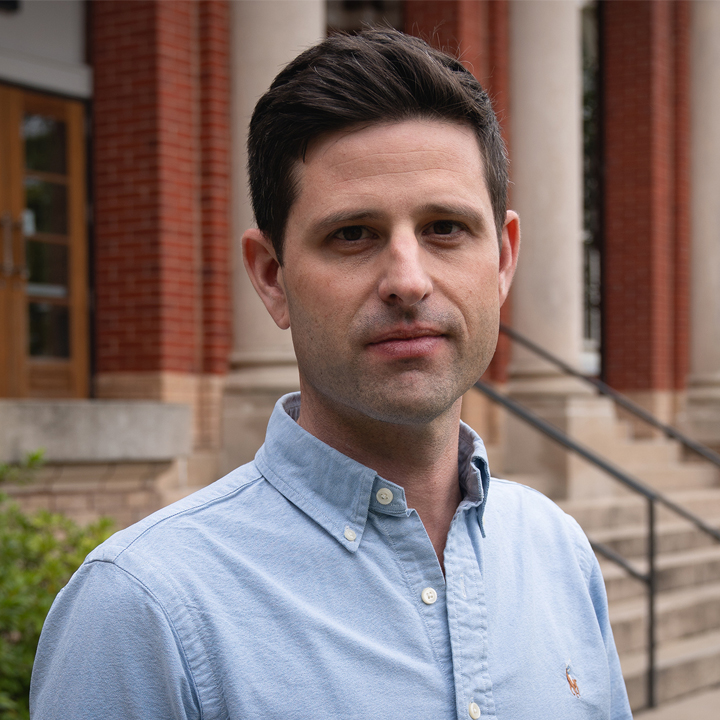
Ulrich H.E. Hansmann is a Professor in the Department of Chemistry and Biochemistry at the University of Oklahoma. He holds a Ph.D. from Freie Universität Berlin (1990), followed by postdoctoral research at Florida State University and ETH Zürich. His research focuses on computational biophysical chemistry, specifically protein folding, aggregation, and enhanced sampling techniques. His lab develops algorithms and software, such as the SMMP package, to study biomolecular processes relevant to diseases like Alzheimer’s and cancer. Recent work includes investigating the role of microbial infections in amyloidogenesis and SARS-CoV-2 interactions with proteins. He leads the Hansmann Group, which collaborates on projects involving protein-ligand binding and membrane interactions. Education: M.A. (1983), Diplom (1985), Ph.D. (1990) from Freie Universität Berlin. Research Keywords: Protein folding, aggregation, enhanced sampling, amyloidosis, computational modeling. His research explores mechanisms of protein misfolding and aggregation, with applications in drug design and disease pathology. Collaborations include studies on viral proteins’ effects on amyloid formation and antibiotic peptide stability. The SMMP software, developed by his group, enables efficient simulations of large biomolecules.
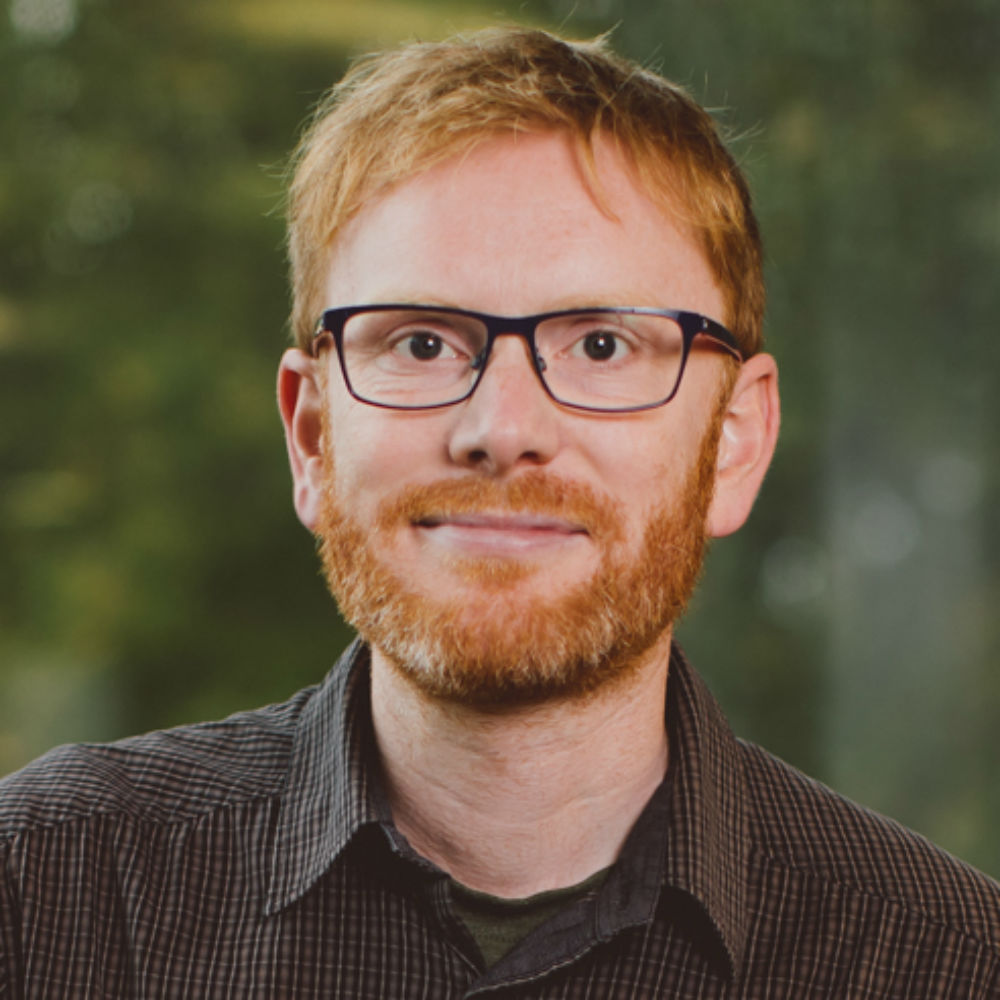
Andrew Kulmatiski , Associate Professor in the Wildland Resources department at Utah State University , specializes in plant-soil interactions and their ecological implications. His research focuses on soil ecology, plant physiology, and climate change adaptation in rangeland systems. PhD in Biology (Plant-soil interactions), Utah State University (2005) Forest Soils training, Yale School of Forestry and Environmental Studies (1999) BA in Biology (Environmental Science, Chemistry), Colby College (1994) Research highlights include: Plant-soil feedback mechanisms driving invasion and productivity Woody encroachment in grasslands linked to precipitation patterns Activated carbon applications for native plant restoration Depth-controlled tracer techniques for water/nutrient uptake Key awards: 2014 Oikos article ranked #16/769 via Altmetrics 2013 Nature Climate Change special feature Top 1% most cited in Ecology (2012) Invited expert in invasion ecology literature (2011) Academic mentorship includes guiding 11 graduate students (MS and PhD), and teaching courses on Wildland Soils , Rangeland Plant Taxonomy , and Plant Physiological Ecology . His lab investigates belowground processes for managing invasive species, enhancing productivity, and restoring native communities.
Professor Lennart Randau is a leading researcher in the field of Genetics at Philipps University of Marburg, affiliated with the Faculty of Biology. His work is conducted in conjunction with the Max Planck Institute for Terrestrial Microbiology in Marburg, Germany, where he investigates molecular mechanisms underlying CRISPR-Cas systems and related biotechnological applications. Research focus on CRISPR-Cas evolution and inhibition mechanisms Investigates structural and functional diversity of prokaryotic defense systems Active in developing genome engineering tools from microbial systems His recent publications highlight CRISPR-Cas transitions from natural immunity to synthetic biology applications, with particular emphasis on anti-CRISPR proteins and transposon-associated gene integration mechanisms. Professor Randau's laboratory employs interdisciplinary approaches combining molecular biology, biochemistry, structural biology, and genomics to unravel the complexities of microbial genetic defense systems and their potential applications in biotechnology.
Professor David Lamb is a leading academic in Biochemistry and Molecular Biology at Swansea University's School of Medicine, affiliated with the Department of Biomedical Sciences. He joined as a Reader in 2004 and was promoted to a personal Chair in 2005. His research focuses on cytochrome P450 biodiversity, with over 25 years of experience studying P450 genes and enzymes, including work at Vanderbilt University and Woods Hole Oceanographic Institute. He holds prestigious awards such as the UK-USA Fulbright Scholarship and is a Fellow of the Royal Societies of Chemistry and Biology. Education: BSc Pharmacology (University of Liverpool), PhD Molecular Biology/Biochemistry (University of Sheffield), DSc (Swansea University, 2011). Research Interests: Cytochrome P450 structure-function relationships, enzyme evolution, antifungal drug development, and microbial genetics. His work bridges biochemistry, microbiology, and evolutionary biology, with contributions to understanding drug resistance mechanisms and enzyme adaptation in extreme environments. Publications: Over 50 peer-reviewed articles, including studies on P450-mediated biosynthesis, viral enzyme occurrence, and deep-sea organism adaptations. Recent work emphasizes structural biology and evolutionary insights into P450 enzymes. Awards: Royal Society of Chemistry Fellowship, Royal Society of Biology Fellowship, Linnean Society Fellowship, UK-USA Fulbright Scholar (2016/17). Collaborations: Active partnerships with institutions like Woods Hole Oceanographic Institute and Vanderbilt University, focusing on P450 systems in marine and viral contexts.
Peter B Reich is a Research Professor in the Department of Forest Resources at the University of Minnesota's College of Food, Agricultural and Natural Resource Sciences. He is affiliated with the Minnesota Invasive Terrestrial Plants and Pests Center and maintains an active research program focused on plant ecology, biodiversity, and ecosystem responses to environmental change. His work spans multiple scales from leaf physiology to ecosystem dynamics, with particular emphasis on forest, prairie, and savanna ecosystems. Dr. Reich's research interests center on understanding how biodiversity influences ecosystem function, particularly in the context of climate change. His work examines plant traits, photosynthetic processes, and the mechanisms by which diverse plant communities enhance productivity and stability. He investigates how ecosystems respond to elevated CO2, warming, and other global change factors, with significant focus on Minnesota ecosystems as model systems for understanding broader ecological principles. His fingerprint analysis reveals strong expertise in grassland ecology, elevated CO2 effects, biodiversity-ecosystem function relationships, photosynthesis, and plant diversity. Analysis of his recent publications (2020-2025) shows a clear trend toward integrating remote sensing approaches with traditional ecological methods to understand biodiversity effects on ecosystem function. His work increasingly focuses on spectral reflectance of trees as an indicator of climate change impacts, stomatal optimization under multiple stressors (drought, heatwaves, elevated CO2), and the long-term responses of ecosystems to environmental change. The research spans theoretical ecology, applied conservation, and climate change mitigation strategies, with strong connections to UN Sustainable Development Goals related to climate action and life on land. Dr. Reich has secured substantial research funding, including multiple active NSF grants such as the Biodiversity Stabilizes Ecosystems project (2023-2027), a project on leaf respiration-photosynthesis relationships with Australian National University (2022-2026), and the BII-Implementation project on plant biodiversity (2020-2026). He is also a key participant in the long-term LTER project studying multi-decadal ecosystem responses (2019-2026). His collaborative network is extensive, with frequent co-authorship with colleagues including Sarah Hobbie, Forest Isbell, Jeannine Cavender-Bares, Rebecca Montgomery, and Adam Stefanski. His work has significant real-world impact, as evidenced by media coverage of his research on saving Minnesota's North Woods from climate change.
Marco Milazzo is a Full Professor in the Department of Earth and Marine Sciences at the University of Palermo (Unipa), Italy. His research focuses on marine ecosystems, particularly in the Mediterranean Sea, with expertise in ocean acidification, climate change impacts, and marine conservation. He maintains regular office hours on Tuesdays from 10:00 to 11:00 at Via Archirafi 20, 4th floor. Professor Milazzo's research interests center on marine ecology and the impacts of climate change on Mediterranean ecosystems. His work extensively examines ocean acidification through natural analogues like volcanic CO2 seeps, which serve as laboratories for understanding future ocean conditions. He investigates how changing environmental conditions affect marine biodiversity, community structure, and ecosystem functioning. His research spans across multiple disciplines including marine protected areas effectiveness, fisheries management, invasive species dynamics, and biogenic habitat conservation. Notably, he has conducted significant research on vermetid reefs, which are threatened biogenic formations in the Mediterranean Sea. Analysis of Professor Milazzo's recent publications reveals a strong focus on climate change impacts, particularly ocean acidification and warming effects on marine organisms and ecosystems. His work increasingly incorporates interdisciplinary approaches, combining ecological studies with social science perspectives, especially regarding small-scale fisheries and marine protected area governance. A significant portion of his research utilizes natural CO2 seeps as experimental sites to study long-term effects of acidification. His publication record shows consistent productivity with over 100 publications spanning two decades, demonstrating sustained research activity and evolving interests that now include technological approaches for marine monitoring and conservation planning. Professor Milazzo has contributed to numerous research projects examining Mediterranean marine ecosystems under changing environmental conditions. His work on marine protected areas has provided valuable insights into their effectiveness for conservation and fisheries management. He has been involved in international collaborations studying natural analogues of future ocean conditions, particularly through volcanic CO2 seeps which serve as natural laboratories for climate change research. His research has important implications for marine conservation policy and management strategies in the face of global environmental change.
Dr. Richard O'Brien is an Associate Professor in the Department of Chemistry at the University of South Alabama , affiliated with the College of Arts and Sciences . His academic career spans decades, with a research focus on ionic liquids , thiol-ene chemistry , and phase transfer catalysis . He earned his B.S. in Professional Chemistry from South Dakota State University (1985), M.S. in Chemistry from the University of North Dakota (1987), and Ph.D. in Chemistry from the University of Nebraska-Lincoln (1992). B.S., Professional Chemistry, South Dakota State University (1985) M.S., Chemistry, University of North Dakota (1987) Ph.D., Chemistry, University of Nebraska-Lincoln (1992) Dr. O'Brien's research, often in collaboration with Dr. John H. Davis Jr., explores novel lipid-inspired ionic liquids synthesized via thiol-ene and thiol-yne reactions. His work investigates how sulfur incorporation and structural modifications affect melting points and thermophysical properties, aiming to develop advanced materials for lubricants, heat transfer fluids, and separation technologies. Recent studies include boronium-based ionic liquids with hydrolytic stability, cyclopropanated lipidic derivatives, and anti-microbial textile dyes. His teaching philosophy emphasizes critical thinking, accountability, and fairness, particularly in laboratory settings. He coordinates chemistry instrumentation for key technologies (NMR, UV-Vis, AA, microwaves, fluorescence, electrochemical systems) and received the Top Prof award from the Azalea Chapter of Mortar Board in 2011. Dr. O'Brien's work bridges synthetic organic chemistry, materials science, and applied engineering, contributing to both academic research and industrial applications.
Cyril Kahn is a Lecturer at University of Lorraine with extensive research in nanoliposome technology and biomaterials development. His work bridges pharmaceutical sciences, tissue engineering, and biomedical applications with a particular focus on drug delivery systems. His primary research interests include Nanoliposome Technology , Drug Delivery Systems , Tissue Engineering , and Biomaterials Development . Kahn's research demonstrates significant innovation in creating targeted delivery systems for neuroprotective agents, particularly using curcumin and other natural compounds. His work on GelMA hydrogels and 3D printing represents cutting-edge approaches to scaffold development for tissue regeneration. Analysis of his recent publications (2023-2025) reveals a strong emphasis on Nanoliposome functionalization for targeted drug delivery Advanced hydrogel systems for tissue engineering Multiscale biomaterial design incorporating natural compounds Microfluidic platforms for drug testing Sustainable biomaterial processing techniques Kahn's research shows consistent progression toward more complex, multi-functional biomaterial systems with therapeutic applications. His technical expertise spans nanoliposome formulation, hydrogel characterization, 3D bioprinting, and in vitro testing of biomaterials. The interdisciplinary nature of his work connects pharmaceutical sciences with tissue engineering and materials science.
Susan A. Gauthier is Professor of Neuroscience at the Brain and Mind Research Institute, Professor of Neurology in the Department of Neurology, and Professor of Neurology in Radiology at Weill Cornell Medical College. She serves as Director of Clinical Research at the Judith Jaffe Multiple Sclerosis Center, where she leads a translational research program focused on uncovering the biological mechanisms of multiple sclerosis using advanced quantitative neuroimaging. Dr. Gauthier completed her undergraduate studies at the State University of New York at Buffalo, earned her D.O. from the Philadelphia College of Osteopathic Medicine, and obtained her MPH from Harvard School of Public Health. After completing neurology residency and chief residency at Boston University Medical Center, she was awarded a Clinical Trial Training Fellowship from the National Multiple Sclerosis Society at Brigham and Women's Hospital. Dr. Gauthier's research focuses on developing imaging biomarkers to track inflammation, demyelination, and clinical disability in multiple sclerosis. Her work spans quantitative susceptibility mapping (QSM), TSPO-PET imaging, brain connectivity analysis, and artificial intelligence applications in neuroimaging. She has made significant contributions to understanding chronic active lesions, paramagnetic rim lesions, and their relationship to disability progression in MS. Analysis of Dr. Gauthier's recent publications (2022-2025) reveals a strong focus on quantitative neuroimaging biomarkers for multiple sclerosis. Her work increasingly integrates advanced computational methods including artificial intelligence and machine learning to analyze structural and functional connectivity. A key theme across her recent work is the validation of imaging techniques against pathological findings, particularly regarding chronic active lesions and iron deposition. She has also contributed to several consensus statements that aim to translate imaging research into clinical practice for MS patients. Sylvia Lawry Fellowship in Clinical Trials, National Multiple Sclerosis Society (2002) Dr. Gauthier has served as Principal Investigator on multiple NIH and National Multiple Sclerosis Society grants, including studies on multi-scale imaging assessment of cognitive impairment in MS, quantification of innate immune activity within chronic lesions, and establishing the clinical relevance of chronic active MS lesions. She has built the MS Center's research infrastructure at Weill Cornell and forged strong collaborations with the Department of Radiology. As a dedicated mentor, she has trained numerous students, residents, fellows, and junior faculty who have gone on to academic and clinical leadership positions. Dr. Gauthier leads a research team within the Judith Jaffe Multiple Sclerosis Center that collaborates closely with the Department of Radiology at Weill Cornell. She serves on the Steering and Executive Committees of the North American Imaging in Multiple Sclerosis (NAIMS) Cooperative, which brings together experts from multiple institutions to advance imaging research in MS. Her team utilizes advanced MRI techniques including 7T MRI and PET imaging to study MS pathophysiology.
Prof. Ellen Decaestecker is a full Professor at KU Leuven's Faculty of Sciences and serves as Chair of the Interdisciplinary Research Facility for Biosciences at Campus Kulak Kortrijk. She is an active member of the Leuven One Health Institute, connecting environmental, animal, and human health research. Her work spans multiple departments within the Department of Biology, with a focus on freshwater ecosystems and host-microbiome interactions. Her research program investigates host-stress interactions in freshwater invertebrates, particularly focusing on three interconnected themes: the role of environmental change in disease emergence, the role of host microbiome in stress responses, and the role of epigenetics in innate immunology and conserved gene expression pathways. Through in vivo experimental setups, theoretical modeling, and molecular approaches, her team examines how freshwater organisms like Daphnia magna respond to environmental stressors including climate change, toxic cyanobacteria, and microplastics. Prof. Decaestecker's research demonstrates that the host microbiome plays a critical role in determining resilience to environmental stressors, with implications for understanding disease dynamics under changing environmental conditions. Her work bridges fundamental ecological questions with practical applications in environmental monitoring and conservation. She serves as Promotor or Co-promotor for numerous research projects funded through KU Leuven, FWO (Research Foundation Flanders), and international collaborations, with current projects extending through 2030. Her research group, MicrobiomeEcoEvo, includes multiple PhD students, postdoctoral researchers, and affiliated scientists working across disciplines. Prof. Decaestecker actively mentors numerous PhD students who investigate various aspects of host-microbiome interactions, with research spanning from microbial transplants and axenic Daphnia experiments to field studies examining natural populations. Her group maintains strong connections with other research units at KU Leuven and international collaborators, particularly in the One Health framework. The MicrobiomeEcoEvo laboratory she leads at Campus Kulak Kortrijk serves as an interdisciplinary hub for research on host-microbiome-environment interactions. The lab utilizes advanced techniques including next-generation sequencing, microbial transplants, and experimental evolution approaches to unravel the complex relationships between hosts, their microbial communities, and environmental stressors.
Prof. Shana Sturla is a Full Professor at the Department of Health Sciences and Technology (D-HEST) at ETH Zurich. Her research focuses on understanding human toxicity through the lens of chemical structure-reactivity relationships, with a particular emphasis on dietary chemicals and nucleic acid interactions. Her work bridges toxicology, biochemistry, and molecular biology, aiming to elucidate mechanisms linking chemical exposure to cancer initiation and treatment. Research interests include Mechanisms of mutagenesis via DNA-damaging agents Biomarkers for precision cancer therapy Safety assessment of nanomaterials Gut microbiota-mediated chemical toxicity Systems toxicology approaches for exposure modeling Recent studies highlight her lab's work on DNA repair pathways (e.g., MGMT protein function), microbiome-driven metabolism of dietary carcinogens, and PBK modeling to predict internal exposure. Her interdisciplinary approach combines synthetic chemistry, bioanalytical techniques, and computational modeling to address translational toxicology challenges. Key methodologies include Genome-wide DNA damage mapping In vitro-to-in vivo extrapolation High-content imaging for toxicity assessment Physiologically based kinetic modeling No scientific awards or grants are explicitly listed in the provided text, but her extensive publication record reflects significant contributions to toxicology and cancer biology.
Mark R. Marten is a Professor and Department Chair at the University of Maryland, Baltimore County, in the College of Engineering and Information Technology, Department of Chemical, Biochemical and Environmental Engineering. He leads the Marten Lab, which focuses on understanding and manipulating microbial expression systems. Education: Ph.D. Chemical Engineering – Purdue University, 1991 M.S. Chemical Engineering – Purdue University, 1988 B.S. Chemical Engineering – State University of New York at Buffalo, 1986 Research interests center on fungal biology and biotechnology, particularly using advanced analytical tools like electron microscopy, atomic force microscopy, and proteomic analysis to study fungal cell walls and stress responses. Current projects investigate autophagy mechanisms and morphology-secretion relationships in filamentous fungi. His recent publications demonstrate a strong focus on Aspergillus nidulans cell wall stress responses, kinase signaling pathways, and mycelial material properties. Research integrates molecular biology with materials science, showing consistent themes in fungal adaptation mechanisms and biotechnological applications. Lab activities include collaborative projects on plant phenotype design, antifungal mechanisms, and nano-mechanical characterization of fungal structures.
Clint Penick is an Assistant Professor of Insect Ecology in the Department of Entomology & Plant Pathology at Auburn University's College of Agriculture. His research focuses on understanding insect ecology and behavior, particularly in urban environments, and translating biological insights into engineering solutions through biomimicry. Key areas include ant diversity patterns, climate change impacts on arthropods, and bio-inspired material design. Penick's work integrates field ecology, laboratory experiments, and computational modeling. He explores how ants adapt to urbanization, investigates antimicrobial defenses in social insects, and studies structural properties of biological materials like cactus wood and marine sponges. His research bridges entomology with engineering, contributing to advancements in robotics, meta-materials, and sustainable design. Notable projects include studying the invasive 'ManhattAnt' (Lasius emarginatus) in NYC, developing motion compensators for insect-like robots (TOLC), and analyzing form-function relationships in natural structures like the Venus flower basket. He collaborates across disciplines, involving engineers, computer scientists, and artists to apply biological principles to human challenges. Penick advises graduate and undergraduate students in his research areas, though specific advisees are not listed here. His work has been supported by various grants and collaborations, though grant details are not explicitly provided in the text. He maintains an active lab focused on ecological and applied entomology projects.
Agneta Andersson is a Professor at Umeå University's Department of Ecology and Environmental Science, and affiliated as Professor at the Umeå Marine Sciences Centre (UMF). She leads research projects in marine ecology and coordinates the strategic EcoChange program. Her work focuses on microbial ecology, eutrophication impacts, and climate change effects on marine ecosystems. She supervises PhD student Meifang Zhong and collaborates with postdoc Alef dos Santos and lab members Sonia Brugel, Kesava Ramasamy, Karolina Eriksson, and Li Zhao. Research Interests Her research explores microbial community dynamics, predator-prey interactions in aquatic systems, and the ecological consequences of terrestrial organic matter inflow. Key topics include mercury contamination in sediments, phytoplankton responses to environmental changes, and the role of dissolved organic matter (DOM) in coastal ecosystems. She investigates how climate-driven environmental shifts affect food web efficiency and toxin bioaccumulation patterns. Current Projects Scientific Coordinator for the strategic EcoChange program Leading a 2025–2026 project assessing eutrophication threats in the Bothnian Bay Developing DNA-based monitoring tools for marine phytoplankton Grants & Collaborations Her work is supported by grants funding studies on Baltic Sea microbial diversity and coastal DOM dynamics. She contributes to international initiatives like the CoastDOM database and collaborates with institutions globally to address climate change impacts on aquatic ecosystems. Labs & Teams Her research group focuses on microbial ecology and environmental monitoring. The lab emphasizes interdisciplinary approaches combining molecular techniques, field observations, and experimental mesocosm studies to address pressing environmental challenges.
Dr. Eoin O'Gorman is a Senior Lecturer in the School of Life Sciences at the University of Essex. His research investigates the impacts of global change across multiple levels of ecological organisation, from individual metabolism to ecosystem processes, with a particular focus on food web dynamics and body size as a functional trait. BSc, University College Cork (2004) PhD, University College Cork (2009) Current research projects include: Warming effects on trophic interactions Anthropogenic stressors in marine and freshwater systems Body size scaling in ecological networks Food web stability under climate change Recent work demonstrates how warming alters plankton body-size distributions (2025), simplifies freshwater food webs through multiple stressors (2025), and reduces trophic diversity in high-latitude ecosystems (2024). His studies span marine, freshwater, and terrestrial habitats, seeking universal responses to environmental change. Current grants include: 2024 WebDNA: Food web reconstruction through environmental DNA analysis (Leverhulme Trust) 2023 Predicting Impacts of Global Environmental Change on Ecological Networks (NERC) 2022 ORBIT: Offshore Renewables and Benthic Communities (NERC) Supervises PhD candidates studying: Zelin Chen: Offshore structures' impacts on North Sea biodiversity Patrick Eskuche Keith: Southern Ocean food web dynamics Anamika Poyil: Environmental biology of marine communities