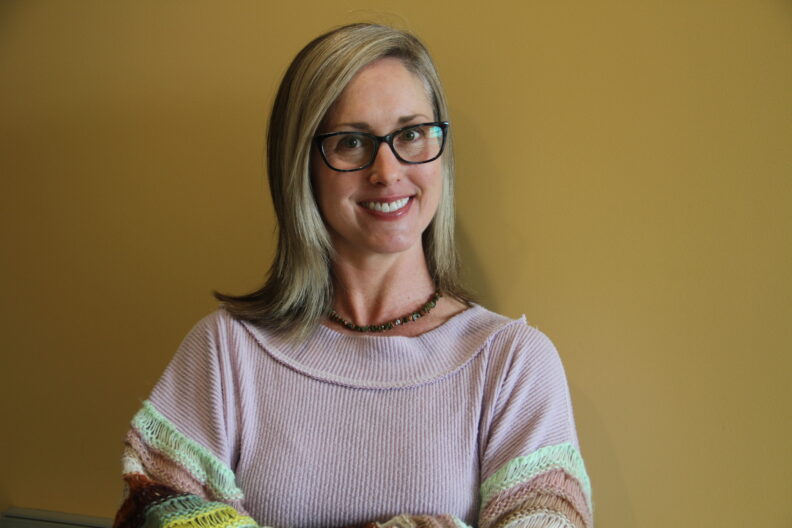
Dr. Matthew Palframan is a Lecturer in Pharmaceutical Chemistry at the School of Pharmacy , University of Wolverhampton . His research focuses on synthetic organic chemistry, particularly natural product synthesis and reaction development involving radicals, carbenes, and photochemistry. BSc in Pharmaceutical Science MPharm courses: 4PY019, 5PY022 4CH003 - Fundamentals of Organic Chemistry 7CH005 - Advanced Topics in Organic Chemistry Education: MChem in Chemistry (University of Oxford, 2002-2006) PhD in Chemistry (University of York, 2007-2010) Research Interests: Dr. Palframan's work centers on synthetic organic chemistry, with emphasis on natural product synthesis, reaction development, and mechanistic studies. Key techniques include radical chemistry, photoredox catalysis, and cycloaddition reactions. Scientific Contributions: His publications span biomimetic synthesis of taxanes, cembranoid chemistry, radical arylation methods, and computational studies of reaction mechanisms. Notable works include studies on sobralene rearrangements and grandifloracin derivatives. Associate Fellowship of the Higher Education Academy (2019) Member of the Royal Society of Chemistry (2015)
Birgit Öhlinger is a Research Associate and Co-Excavation Director of the Monte Iato Project at the Leopold Franzens University of Innsbruck . Her work focuses on the archaeology of the ancient Mediterranean, particularly social transformation processes in cultural contact zones and identity formation through material culture, with a regional emphasis on Sicily. Education: Doctoral studies in Classical and Provincial Roman Archaeology (2010–2014), University of Innsbruck Master’s in Ancient History and Classical Studies (2005–2009), University of Innsbruck Master’s in Classical and Provincial Roman Archaeology (2002–2008), University of Innsbruck Research Interests: Öhlinger specializes in the archaeology of cultural contact zones, ritual and religious practices, and ceramic studies in the Archaic Mediterranean. Her methodological expertise includes digital excavation documentation, experimental archaeology, and material culture analysis, particularly focusing on Monte Iato in Western Sicily. Recent Publications: Her work examines technological choices in local ceramic production, neutron activation analysis applications in Mediterranean archaeology, and ritual consumption practices. She has contributed to debates on cultural hybridity, social identity, and the role of sanctuaries in elite formation. Awards: Anniversary Prize of Böhlau Verlag Vienna (2015) Prize of the Principality of Liechtenstein (2015) Merit Scholarship (2003–2007), University of Innsbruck Doctoral Scholarship (2013–2014), University of Innsbruck Professional Activities: Öhlinger leads projects like "Monte Iato Pots - Experimental Study on Organic Residue Analysis" and "Crime Scene Monte Iato around 500 BC: Microbiological Forensics" . She organizes international conferences and contributes to public outreach through media appearances and exhibitions.
Dr. Scott Napper is a Professor in the Department of Biochemistry, Microbiology & Immunology at the University of Saskatchewan, with a concurrent appointment as Senior Scientist at VIDO-Intervac. His work bridges structural biochemistry and immunology to address challenges in protein misfolding diseases, vaccine development, and host-pathogen signaling. Ph.D., Department of Biochemistry, 1999, University of Saskatchewan B.Sc. Honours, Department of Biochemistry, 1994, University of Saskatchewan Dr. Napper's research focuses on: Vaccine development for prion diseases and proteinopathies Kinome analysis for infectious disease mechanisms Peptide array technology for high-throughput signaling studies Science education outreach to secondary and undergraduate students Recent publications highlight his work in: Prion disease immunization strategies Host kinome responses to prebiotics Epitope immunogenicity prediction Comparative stress response analysis in livestock Scientific recognition includes: Three-time recipient of University of Saskatchewan Teaching Excellence Award His research program integrates computational approaches with experimental validation to identify therapeutic targets in: Infectious diseases of humans and animals Cancer signaling pathways Protein misfolding disorders Food contaminant toxicity
Fletcher Halliday is an Assistant Professor at the Department of Botany and Plant Pathology at Oregon State University, where he leads the Disease Ecology and Diversity Lab . His research focuses on understanding the interplay between host-pathogen communities, climate change, and land-use impacts on disease risk. Primary affiliation: Oregon State University Research lab: Disease Ecology and Diversity Lab Dr. Halliday's work explores how biodiversity moderates disease dynamics, with studies on fungal epidemics, coinfection interactions, and trait-based susceptibility in plant systems. His research spans elevational gradients, successional ecosystems, and climate manipulation experiments to uncover patterns in pathogen distribution and community assembly. Recent publications highlight trends in biodiversity-disease relationships, climate change effects on herbivory and infection, and multiscale ecological interactions. Articles from 2020–2025 emphasize meta-analytic frameworks, priority effects in parasite assembly, and the role of functional traits in disease risk prediction. The Disease Ecology and Diversity Lab investigates disease risk in complex ecological systems, prioritizing integrative approaches to pathogen community structure and climate-driven changes in host-parasite interactions.
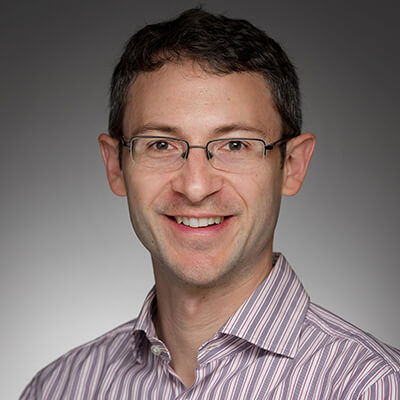
David Medvigy is an Associate Professor in the Department of Biological Sciences at the University of Notre Dame, concurrently affiliated with the Department of Civil and Environmental Engineering and Earth Sciences. His research focuses on terrestrial ecosystems' responses to climate variability and change, particularly in tropical and boreal forests. He earned a PhD from Harvard University and a B.S. from Rutgers University. Affiliations: University of Notre Dame, Department of Civil and Environmental Engineering and Earth Sciences. Education: PhD, Harvard University; B.S., Rutgers University. His research investigates scaling relationships between ecosystem variability and large-scale properties, emphasizing climate change impacts. Key areas include ecosystem modeling, vegetation-climate interactions, and carbon cycle dynamics. Medvigy develops numerical models like the Ecosystem Demography model to predict ecosystem responses to environmental changes. Recent work explores tropical dry forests' sensitivity to precipitation variability, boreal forest vitality under climate stress, and Arctic methane flux dynamics. Collaborations include field experiments in Costa Rica and model-data integration for tropical forests. Advising includes mentoring postdocs, graduate students, and undergraduates. Notable advisees include Anna Trugman (PhD student at Purdue), Jaya Khanna (postdoc at NJDEP), and Su-Jong Jeong (Assistant Professor at South University of Science and Technology of China). The Medvigy Lab leads interdisciplinary projects on ecosystem-climate interactions and global change impacts.
Katarina Hedlund is a Professor at Lund University's Department of Biology and serves as Director and Manager of the Centre for Environmental and Climate Science (CEC). She is also a Professor within BECC (Biodiversity and Ecosystem services in a Changing Climate), a Soil Ecology Profile area member of the LU Profile Area: Nature-based future solutions, and a Professor in Biodiversity and Evolution. Her extensive academic profile demonstrates leadership in multiple interdisciplinary research initiatives focused on environmental sustainability. Dr. Hedlund's research interests span the complex relationships between soil ecology, ecosystem services, and sustainable land management. Her work encompasses molecular studies of functional genes and microorganism interactions, above- and below-ground ecological relationships, and large-scale assessments of soil biodiversity. She investigates how knowledge and values of nature-based solutions can accelerate the transformation toward more sustainable development, with particular focus on soil resources, agricultural biodiversity, and urban ecosystem services. Her research directly contributes to multiple UN Sustainable Development Goals, particularly those related to environmental protection and sustainable resource management. Analysis of her 116 research outputs reveals consistent themes in soil ecology, biodiversity-ecosystem service relationships, and nature-based solutions for climate challenges. Her recent publications demonstrate increasing integration of economic and environmental assessment methods, with growing emphasis on urban applications and policy implementation. The research shows strong European collaboration patterns, particularly in agricultural and urban soil studies across diverse landscapes. Her scientific recognition includes: Excellent Teaching Practice award (2007) The Swedish King's 50th anniversary foundation award (2001) Dr. Hedlund has secured substantial research funding through 19 projects, including multiple Horizon Europe initiatives running through 2027. She has supervised numerous students (10 supervised works documented) and actively contributes to academic discourse through 33 recorded activities including workshops, seminars, and media engagements. Her current major projects include UGPplus (Enhancing urban green planning), NATURESCAPES (Nature-based Solutions for Climate Resilient Communities), and SOLO (Soils for Europe), reflecting her leadership in translating soil science into practical sustainability solutions. She leads research teams within the Centre for Environmental and Climate Science and collaborates extensively through the LU Land network, which brings together over 60 researchers from diverse disciplines to address complex land use challenges. Her work bridges fundamental soil science with practical applications for policymakers and land managers across Europe.
Gaston Courtade is an Associate Professor in Biopolymer Science at the Department of Biotechnology and Food Science, Faculty of Natural Sciences, Norwegian University of Science and Technology (NTNU). He leads research in protein dynamics and interactions between proteins and carbohydrates, focusing on lytic polysaccharide monooxygenases (LPMOs) and their structural-functional relationships. His research explores enzymatic mechanisms in biopolymer degradation, particularly through Characterization of LPMO activity on crystalline and non-crystalline substrates NMR and EPR spectroscopy for protein dynamics Role of carbohydrate-binding modules (CBMs) in enzyme efficiency Development of assays for plastic-degrading enzymes Redox chemistry in enzymatic catalysis His recent publications highlight trends in LPMO engineering , PET hydrolysis , protein expression systems , and oxidative stability of enzymes , with a strong emphasis on structural and functional analysis using advanced biophysical techniques.
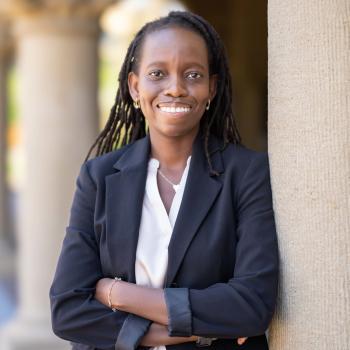
Laura Dassama is an Assistant Professor at Stanford University with appointments in both the Department of Chemistry and Department of Microbiology & Immunology . She is actively affiliated with multiple interdisciplinary institutes including Bio-X , SPARK at Stanford , MCHRI , Sarafan ChEM-H , and Wu Tsai Neurosciences Institute . PhD in Biochemistry and Molecular Biology from Pennsylvania State University (2013) Postdoctoral training at Northwestern University (Molecular Biosciences, 2017) Research Associate position at Boston Children's Hospital/Harvard Medical School/Dana-Farber Cancer Institute (2018) Laboratory research focuses on chemical biology approaches to understand biomolecular interactions, particularly bacterial lipid trafficking and targeted protein degradation . Key methodologies include bioinformatic analyses , structural studies , and machine learning algorithms like SLiPP for lipid-binding pocket prediction. Recent publications emphasize antimicrobial resistance challenges and opportunities, protein delivery systems for erythroid cells, and structure-function relationships in lipid transport proteins. These studies demonstrate innovative approaches to address therapeutic limitations through chemical biology tools and interdisciplinary methods . MAC3 Impact Philanthropies Faculty Fellow (2023-2025) Terman Faculty Fellowship (2022-2025, 2018-2021) Hellman Faculty Scholar (2019-2020) Gabilan Junior Faculty Fellowship (2018-2021) Active advisor to multiple PhD candidates and postdoctoral researchers , with formal advising roles in Biophysics , Cancer Biology , and Microbiology & Immunology graduate programs. Laboratory located at Rm. W215 ChEM-H/Neuro Research Complex .
Allison Kerwin is an Associate Professor of Biology at McDaniel College, specializing in microbial symbioses within marine ecosystems, particularly focusing on cnidarian hosts like the northern star coral Astrangia poculata and the upside-down jellyfish Cassiopea xamachana . She integrates field research, functional ecology, and next-generation sequencing to explore symbiotic relationships, with a strong commitment to involving undergraduate students in her work. Education Ph.D. in Molecular and Cell Biology, University of Connecticut (2017) M.S. in Biology, Northeastern University (2010) B.A. in Biological Sciences, Smith College (2005) Her research delves into the environmental impacts on marine symbiotic systems and the functional mechanisms governing host-microbe interactions. Recent publications highlight her studies on bacterial conservation in symbiotic organisms and environmental influences on microbiome dynamics. Notable awards include the Animal-Microbe Symbioses Gordon Research Conference Award for Best Posters and multiple fellowships from the University of Connecticut. She has mentored undergraduate students such as Leslie Johnson, Kate Karlen, and Jessica Bertenshaw, who have received grants for their work.
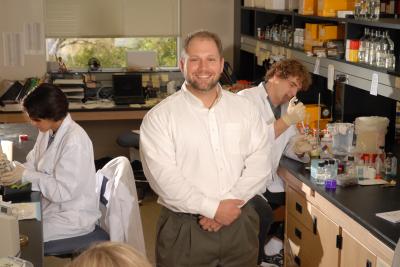
Christopher Blackwood is a Professor in the Department of Plant Biology at Michigan State University, with additional appointments in Plant Soil and Microbial Sciences and the Ecology, Evolution & Behavior Program. Based in the Plant Biology Lab (S124), his research examines soil-plant-microbe interactions and their critical roles in ecosystem processes and soil carbon dynamics. Education: Ph.D. from Michigan State University His research spans community ecology of plants and microorganisms, plant-fungal interactions, root traits, and soil biogeochemistry. Current projects investigate coexistence mechanisms of closely related plant species, cascading effects of tree root traits on pathogens and soil carbon, forest restoration dynamics, and urban green roof performance. His work integrates field studies with molecular approaches to understand belowground ecological processes. Analysis of recent publications (2021-2025) reveals consistent focus on plant-soil feedbacks, fungal community ecology, and soil carbon dynamics. Key themes include mycorrhizal influences on plant-fungal coevolution, root trait evolution across plant lineages, and applications to sustainable land management. His work bridges fundamental ecological theory with practical restoration ecology. Dr. Blackwood leads an active research laboratory funded by competitive grants, mentoring graduate students in plant and soil ecology. His team investigates soil biota across diverse ecosystems including temperate forests, agricultural landscapes, and urban green infrastructure. His laboratory conducts research on soil organism ecology, plant-microbe interactions, and ecosystem functioning, with ongoing projects in forest restoration, green roof optimization, and soil carbon dynamics across multiple spatial scales.
Tarah Sullivan is an Associate Professor and Soil Microbiologist in the Department of Crop and Soil Sciences at Washington State University (WSU), affiliated with the College of Agricultural, Human, and Natural Resource Sciences (CAHNRS). She also holds roles as a Faculty Researcher in Molecular Plant Sciences and an Affiliate with the Center for Native American Research and Collaborations. Her work bridges Western science with Indigenous knowledge to address soil health, microbial ecology, and agricultural sustainability in the Pacific Northwest. Education: Ph.D. in Soil Science (Cornell University, 2010), M.S. in Soil Science (Colorado State University, 2004), B.S. in Restoration Ecology (Colorado State University, 2002). Research Interests: Sullivan investigates soil microbiome functions, including microbial interactions with plant health, metal bioavailability, and soil acidification. Her projects emphasize agroecology, Indigenous partnerships, and sustainable practices for smallholder farmers. Key areas include rhizosphere microbiome dynamics, microbial contributions to soil health, and the use of biochar and cover crops in dryland systems. Grants & Awards: Recipient of the 2025 Francis E. Clark Distinguished Lectureship in Soil Biology. Her work has been funded by NSF-RaMP and other initiatives focused on bridging DEI in science and traditional ecological knowledge. Teaching: Courses include SOIL_SCI 541 (Soil-Plant-Microbe Interactions) and SOIL_SCI 531L (Soil Microbiology Lab), focusing on microbial ecology, bioremediation, and nutrient cycling. Labs & Collaborations: Sullivan’s lab uses molecular techniques and cultivation-based methods to study microbial communities. Partnerships include tribal nations and organizations addressing environmental justice in agriculture and resource management.
Jasper van Ruijven is an Assistant Professor in Forest Ecology and Forest Management at Wageningen University & Research. His research focuses on plant diversity effects, soil-borne pathogens, and ecosystem functioning in grassland and forest ecosystems. He has contributed to over 116 publications, emphasizing biodiversity-productivity relationships and belowground interactions. Research Interests: - Grassland Ecology - Biodiversity and Ecosystem Stability - Plant-Pathogen Interactions - Root Traits and Resource Partitioning Recent Articles: - Explores functional diversity's role in resilience (2024) - Analyzes soil-borne fungal prevalence in China (2024) - Highlights long-term diversity-productivity links (2024) Advising and Grants: - Co-promotor for PhD projects on soil pathogens and intercropping systems. - Collaborates on projects like 'DIGDEEP' exploring diversity-disease relationships. Labs/Teams: - Active in the PE&RC research group, focusing on plant-soil interactions and ecological dynamics.
Ulrich H.E. Hansmann is a Professor in the Department of Chemistry and Biochemistry at the University of Oklahoma. He holds a Ph.D. from Freie Universität Berlin (1990), followed by postdoctoral research at Florida State University and ETH Zürich. His research focuses on computational biophysical chemistry, specifically protein folding, aggregation, and enhanced sampling techniques. His lab develops algorithms and software, such as the SMMP package, to study biomolecular processes relevant to diseases like Alzheimer’s and cancer. Recent work includes investigating the role of microbial infections in amyloidogenesis and SARS-CoV-2 interactions with proteins. He leads the Hansmann Group, which collaborates on projects involving protein-ligand binding and membrane interactions. Education: M.A. (1983), Diplom (1985), Ph.D. (1990) from Freie Universität Berlin. Research Keywords: Protein folding, aggregation, enhanced sampling, amyloidosis, computational modeling. His research explores mechanisms of protein misfolding and aggregation, with applications in drug design and disease pathology. Collaborations include studies on viral proteins’ effects on amyloid formation and antibiotic peptide stability. The SMMP software, developed by his group, enables efficient simulations of large biomolecules.
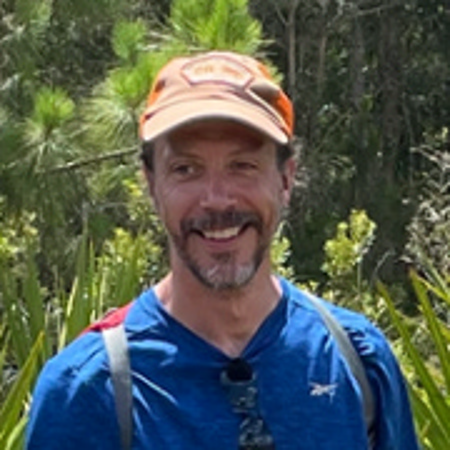
Andrew Kulmatiski , Associate Professor in the Wildland Resources department at Utah State University , specializes in plant-soil interactions and their ecological implications. His research focuses on soil ecology, plant physiology, and climate change adaptation in rangeland systems. PhD in Biology (Plant-soil interactions), Utah State University (2005) Forest Soils training, Yale School of Forestry and Environmental Studies (1999) BA in Biology (Environmental Science, Chemistry), Colby College (1994) Research highlights include: Plant-soil feedback mechanisms driving invasion and productivity Woody encroachment in grasslands linked to precipitation patterns Activated carbon applications for native plant restoration Depth-controlled tracer techniques for water/nutrient uptake Key awards: 2014 Oikos article ranked #16/769 via Altmetrics 2013 Nature Climate Change special feature Top 1% most cited in Ecology (2012) Invited expert in invasion ecology literature (2011) Academic mentorship includes guiding 11 graduate students (MS and PhD), and teaching courses on Wildland Soils , Rangeland Plant Taxonomy , and Plant Physiological Ecology . His lab investigates belowground processes for managing invasive species, enhancing productivity, and restoring native communities.
Professor Lennart Randau is a leading researcher in the field of Genetics at Philipps University of Marburg, affiliated with the Faculty of Biology. His work is conducted in conjunction with the Max Planck Institute for Terrestrial Microbiology in Marburg, Germany, where he investigates molecular mechanisms underlying CRISPR-Cas systems and related biotechnological applications. Research focus on CRISPR-Cas evolution and inhibition mechanisms Investigates structural and functional diversity of prokaryotic defense systems Active in developing genome engineering tools from microbial systems His recent publications highlight CRISPR-Cas transitions from natural immunity to synthetic biology applications, with particular emphasis on anti-CRISPR proteins and transposon-associated gene integration mechanisms. Professor Randau's laboratory employs interdisciplinary approaches combining molecular biology, biochemistry, structural biology, and genomics to unravel the complexities of microbial genetic defense systems and their potential applications in biotechnology.