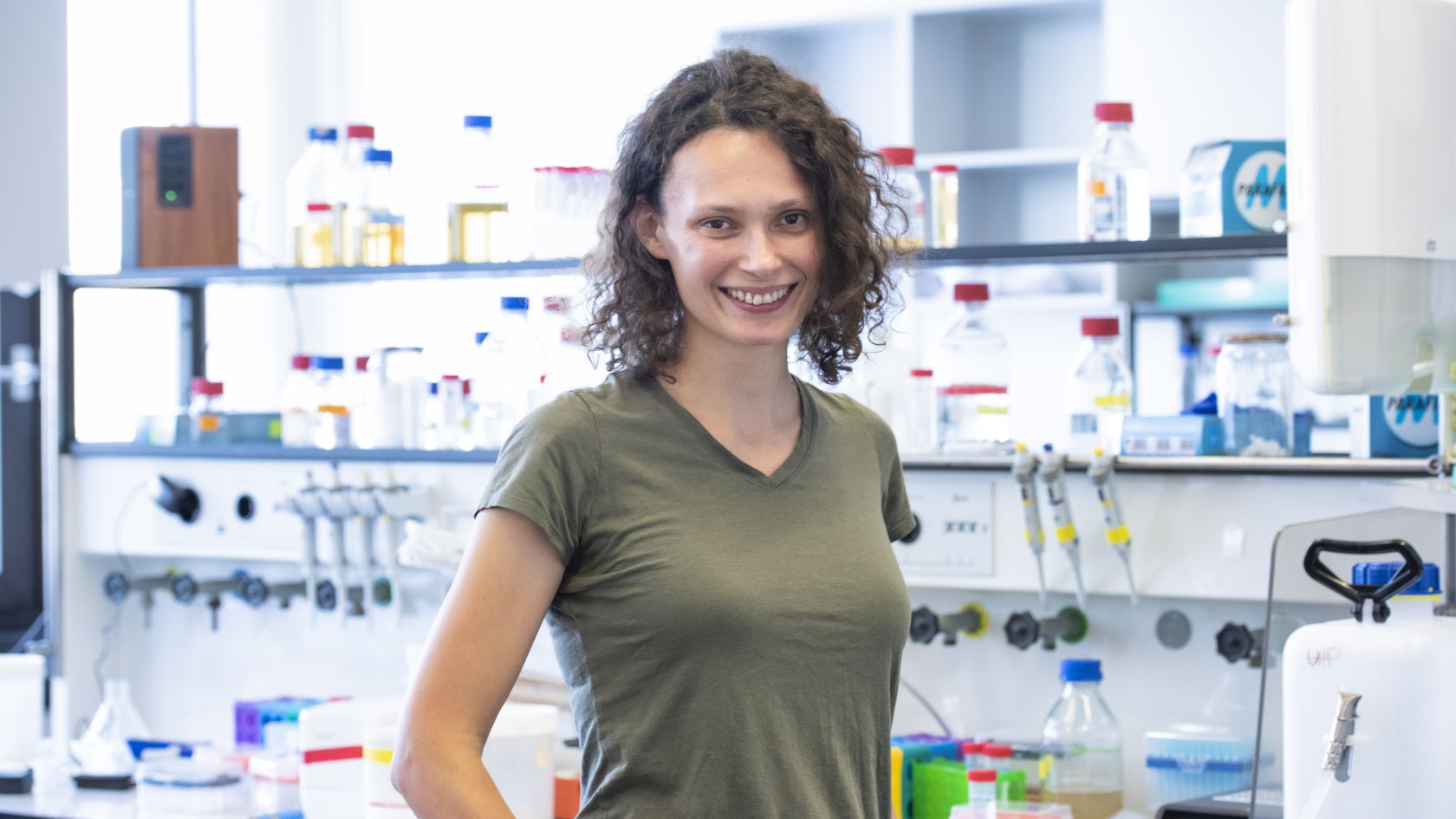
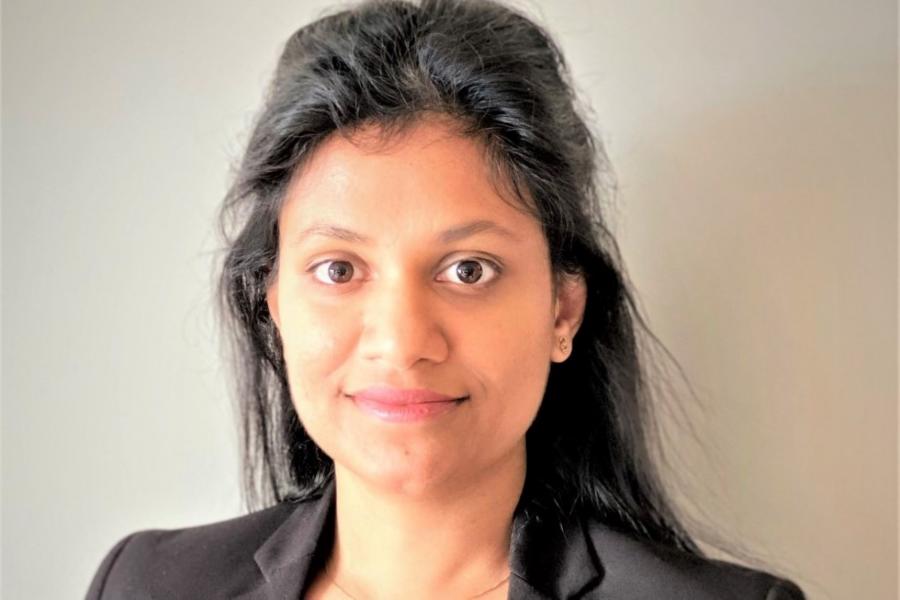
Lorena REBECCHI is a Full Professor in the Department of Life Sciences at the University of Modena and Reggio Emilia. Her research focuses on tardigrade biology, particularly their survival mechanisms under extreme conditions such as desiccation, temperature extremes, and radiation. She explores phylogenetic relationships, symbiotic microbiota, and evolutionary adaptations of these organisms. REBECCHI's work integrates morphological, molecular, and physiological approaches, contributing to understanding anhydrobiosis, stress responses, and tardigrade ecology. Key research areas include tardigrade phylogeny (e.g., resolving their position within Panarthropoda), environmental adaptations (e.g., thermal tolerance and acid resistance), and astrobiology applications (e.g., space flight experiments). She has described multiple new species and revised taxonomic classifications within Tardigrada. REBECCHI collaborates internationally, evidenced by conferences like the 2024 IADCI meeting hosted at her institution. Publications emphasize comparative transcriptomics, symbiont evolution, and the structural basis of tardigrade feeding mechanisms. Her lab's work on Antarctic tardigrades highlights climate change impacts and genetic diversity. REBECCHI's research has practical applications in biotechnology (e.g., space food systems) and environmental monitoring.
Dr. Mary E. Power is a Professor of the Graduate School at the University of California, Berkeley. She specializes in river ecology, focusing on algal-based food webs and their interactions with hydroclimatic regimes. Her research integrates field experiments and long-term monitoring in the South Fork Eel River, examining how flow variations and environmental conditions drive ecosystem state transitions. Primary Research Site: Angelo Coast Range Reserve (Mendocino Co., CA) Key Methodologies: In situ incubations, stable isotope probing, nanoSIMS analysis Current Focus: 2024- study of three alternative algal food web states during summer low flows Her work reveals critical thresholds where reduced summer flows and warming pools shift nutritious algal ecosystems toward toxic cyanobacterial dominance, impacting salmon and cross-ecosystem linkages. Selected Research Trends: Hydrological control of food web structure Cyanotoxin dynamics in river networks Climate change impacts on freshwater ecosystems Long-term ecological reconstructions via sediment cores Top-down and bottom-up regulation of river communities Her lab employs cutting-edge techniques to analyze microbiome elemental exchanges and successional patterns in Cladophora glomerata, a dominant green macroalga in the Eel River system.
Dr. Jonathan B. Clayton is an Assistant Professor in the Department of Biology at the University of Nebraska Omaha and holds cross-appointments at the University of Nebraska-Lincoln (Department of Food Science and Technology) and the University of Nebraska Medical Center (Department of Pathology and Microbiology). He holds a D.V.M. and Ph.D. in Comparative and Molecular Biosciences from the University of Minnesota. His work focuses on host-microbiome interactions in humans and nonhuman primates, particularly exploring how dietary fiber, lifestyle, and environmental factors influence gut microbiome composition and metabolic health. He founded the Primate Microbiome Project (PMP) to map microbiome variation across all primates, linking it to health, evolution, and conservation. Research Interests include microbiome modulations of metabolic diseases (diabetes, obesity) and neurological disorders (stress), using in vitro/in vivo models like germ-free mice and marmosets. His methodologies involve next-generation sequencing, anaerobic culture, and marmoset models. Clayton is affiliated with the Callitrichid Research Center and GreenViet Biodiversity Conservation Center, emphasizing translational research and conservation applications. Teaching focuses on Microbiology and Microbial Ecology. His lab (Clayton Lab) investigates causal mechanisms of microbiome-related diseases and has published extensively on gut microbiome dynamics in captive and wild primates. Recent work highlights antibiotic impacts on gut-brain axis interactions and conservation implications of microbiome diversity.
Dr. Marion Schrumpf is a Group Leader in the Soil Biogeochemistry research group at the Max Planck Institute for Biogeochemistry, affiliated with the Department of Biogeochemical Processes. Her work focuses on soil carbon dynamics, mineral-organic matter interactions, and climate change impacts on soil systems. Research areas: Soil biogeochemistry, carbon cycling, mineral-soil interactions, nutrient stoichiometry, microbial ecology, and climate modeling. Email: mschrumpf@... Phone: +49 3641 57-6182 Office: B2.015 Her recent publications address themes like mineral control over soil carbon stabilization, drought effects on soil processes, microbial stoichiometric adaptation, and the Jena Soil Model's role in simulating carbon-nutrient interactions. She leads efforts to disentangle the complex relationships between land use, mineralogy, and soil organic matter turnover across diverse ecosystems.
Assistant Professor Low Jun Siong is affiliated with the Department of Microbiology and Immunology at the National University of Singapore (NUS), under the Yong Loo Lin School of Medicine. His research focuses on understanding T and B cell biology in the context of infection, cancer, and autoimmunity. He collaborates with clinical partners to characterize immune cell responses in patient cohorts and explores strategies to manipulate these cells for therapeutic purposes. Key areas of interest include antigen specificity, immune cell dysfunction, and immune-based disease interventions. Education: Holds a BSc and PhD (specific disciplines unspecified). Affiliated with the Cancer Science Institute (CSI) and A*STAR Infectious Diseases Labs. His work spans translational immunology, virology, and cancer immunotherapy. Recent projects include studies on SARS-CoV-2 immune responses, tumor microenvironment interactions, and tropical sponge microbiome evolution. He employs high-throughput approaches and machine learning for immune profiling. Research highlights include: Characterizing T/B cell responses against pathogens and cancers Engineering immune cells for enhanced functionality Investigating antibody mechanisms against coronaviruses Dissecting metabolic influences on T cell efficacy in tumors Exploring symbiotic microbiome evolution in marine environments No specific grants or advising roles are detailed in the provided text. He contributes to collaborative initiatives like the Department Safety and Health Programme (DSHP) and the Department Microbial Culture Collection (DMCC).
Bruno A.M. Carciofi is an Assistant Professor in the Department of Biological and Agricultural Engineering at the University of California, Davis. His research focuses on food processing engineering, predictive microbiology, and innovative food technologies. He holds multiple degrees from the Federal University of Santa Catarina, Brazil, including a Ph.D. in Food Engineering. Education: B.S. in Food Engineering (Federal University of Santa Catarina) B.S. in Chemical Engineering (Federal University of Santa Catarina) M.S. in Food Engineering (Federal University of Santa Catarina) Ph.D. in Food Engineering (Federal University of Santa Catarina) Research interests include non-thermal processing technologies, agro-industrial by-product valorization, and mathematical modeling of food systems. Recent work emphasizes cold plasma applications for food safety and sustainability, microwave drying optimization for plant-based products, and microbial growth modeling. His publications span food engineering innovations, such as plasma-activated water for pest control and advanced drying techniques for nutrient retention. He actively contributes to Sustainable Development Goals through biotechnology solutions for food waste reduction. Notable contributions include development of antimicrobial packaging systems and engineered plant-based protein structures. His research bridges food science, engineering, and biotechnology to address global challenges in food safety and resource efficiency.
Sean R. Connolly is a Research Professor at the Smithsonian Tropical Research Institute (STRI) in Panama, where he leads the Connolly Lab focused on coral reef ecology and biodiversity dynamics. He joined STRI in late 2019 after approximately 20 years of research on Central Indo-Pacific coral reefs, and now directs his research toward the coral reefs of the Tropical East Pacific and Caribbean regions. Dr. Connolly's research interests center on understanding the mechanisms that maintain biodiversity in species-rich systems, particularly coral reefs. His work investigates how large numbers of species coexist despite similar resource requirements, what determines the commonness or rarity of different species, how fishing and marine reserves impact reef ecosystems, and how coral reefs respond to climate change. His approach combines empirical field studies with mathematical and statistical modeling across multiple spatial and temporal scales. His publication record demonstrates a strong focus on coral reef community dynamics, biodiversity patterns, climate change impacts, and fisheries management. Recent work increasingly addresses the effects of multiple stressors on reef ecosystems, with growing attention to the Tropical Eastern Pacific as a comparative natural laboratory. His collaborative research spans multiple institutions globally, reflecting the international nature of coral reef science. Dr. Connolly received his B.A. from Earlham College in 1994 and his Ph.D. from Stanford University in 1999. His educational background provided the foundation for his interdisciplinary approach that bridges theoretical ecology with practical conservation applications. His research program currently investigates reef ecosystems on both sides of the Isthmus of Panama, taking advantage of the dramatically different reef conditions in the Tropical East Pacific (where one coral group dominates marginal reef conditions) and the Caribbean (where former community dominants have collapsed to a fraction of historical abundances). This comparative approach provides unique insights into the mechanisms of biodiversity maintenance and ecosystem resilience.
Sophia Lunt is a Professor in the Department of Biochemistry & Molecular Biology and Chemical Engineering & Materials Science at Michigan State University , where she has been since 2015 (Assistant Professor 2015-2021, Associate Professor 2021-2025, Professor 2025-present). She leads the Lunt Lab , focusing on cancer metabolism , particularly metabolic reprogramming in tumor proliferation, heterogeneity, and metastasis . Her work combines mass spectrometry , genetic cancer models , cell biology , and fluorescent agents to develop targeted cancer therapies . Ph.D. (2010) & B.S. (2005) in Chemistry Postdoctoral Fellow at MIT (2010-2015) NSF CAREER awardee (2019) 20+ peer-reviewed publications since 2007 Research Focus : Cancer metabolism (Warburg effect, PHGDH heterogeneity, TIGAR regulation) Photodynamic therapy (counterion-tuned agents, metal halide nanoclusters) Metabolomics (tumor-immune interactions, microbiome effects) Selected Scientific Awards : 2022 MSU College of Natural Science Teacher-Scholar Award 2022 MSU BMB Teaching Award 2020 MANA Young Investigator Award 2019 NSF CAREER & METAvivor Early Career Investigator Awards Her teaching includes BMB 101: Frontiers in Biochemistry (curriculum overhaul for freshman success) and BMB 461: Advanced Biochemistry I , covering metabolic regulation and pathways.
Camilo Mora is a Professor in the Department of Geography at the University of Hawaii at Manoa, where he maintains an active research laboratory and teaches courses on environmental issues, biogeography, and data analysis. His academic journey began with a BSc in Marine Biology from Universidad del Valle in Colombia (1999), followed by a PhD in Biology from the University of Windsor, Canada (2005). He completed postdoctoral fellowships at the University of Auckland (2005), Scripps Institution of Oceanography (2006-2008), and Dalhousie University (2008-2010). BSc, Marine Biology, Universidad del Valle, Colombia (1999) PhD, Biology, University of Windsor, Canada (2005) Postdoctoral Fellow, University of Auckland (2005) Postdoctoral Fellow, Scripps Institution of Oceanography (2006-2008) Postdoctoral Fellow, Dalhousie University (2008-2010) Mora's research spans interconnected lines focused on understanding biodiversity patterns and their modification by human activities, with particular emphasis on climate change impacts. His lab specializes in big data analytics applied to diverse environmental challenges including heatwaves, disease transmission, marine ecosystems, and even unconventional topics like Bitcoin's environmental footprint. The Mora Lab operates on a 'divide and conquer' approach to tackle large research questions by breaking data gathering into individual parts that can be concatenated into central databases. Mora has received the CSS Excellence in Research award (2014) for his significant contributions to environmental science. His influential publications include groundbreaking work on the global risk of deadly heat (2017), the projected timing of climate departure from historical variability (2013), and the finding that over half of known human pathogenic diseases can be aggravated by climate change (2022). CSS Excellence in Research (2014) Highly cited publications in Nature and Nature Climate Change Research featured in major international media outlets Development of innovative research methodologies for large-scale analyses Mora leads an active research group that engages students in the full scientific process from idea generation to publication. His approach to mentoring involves creating yearly classes where graduate students, professors, and international advisors collaborate to tackle significant research questions, with papers typically completed within a single semester. His Carbon Neutrality Challenge project, spearheaded by his daughter Asryelle Mora, provides a practical mechanism for individuals to offset carbon emissions through tree planting. The Mora Lab maintains a distinctive approach to environmental research, working on seemingly diverse topics from reef fishes to Bitcoin, united by their reliance on big data analytics. This interdisciplinary methodology has produced impactful research across multiple domains of environmental science and climate change impacts, establishing Mora as a significant contributor to our understanding of humanity's environmental challenges.
Prof. Tina Perica is an Assistant Professor (tenure-track) in the Department of Biochemistry at the University of Zurich, joining in July 2021. Her research focuses on understanding how biochemical properties of proteins encode systems-level functions in signal transduction and gene regulation. Her lab integrates protein biochemistry, biophysics, functional genomics, and computational biology to study cellular regulation mechanisms. Education: B.Sc. in Biology, University of Zagreb (2008) Ph.D. in Biochemistry, University of Cambridge (2013) Postdoctoral training at University of California, San Francisco (2013–2021) Research Interests: Systems Biochemistry Allosteric Regulation in GTPases and Kinases Genotype-to-Phenotype Mapping Functional Genomics and Computational Biology Her team explores how molecular mechanisms of proteins interact within cellular networks to regulate complex processes, aiming to predict therapeutic effects and disease mutations. Lab Activities: Develops experimental and computational tools to map functional interactions in signaling pathways Focuses on targeted perturbations of proteins to study systems-level effects Emphasizes interdisciplinary approaches blending biochemistry with systems biology
Karl Hemming is a Senior Lecturer in Organic Chemistry at the University of Huddersfield , affiliated with the School of Applied Sciences and the Department of Physical and Life Sciences . He is a member of the Chemical Synthesis and Design Centre , with associate memberships in the Pharmacology and Therapeutics Centre and Microbial Therapeutics and Infection Control Centre . PhD supervision available External Examiner at University of Greenwich (2021–) Royal Society of Chemistry accreditation roles Research Focus: Synthesis of heterocyclic compounds (cyclopropenones, pyrrolobenzodiazepines, isoflavones) for pharmaceutical applications, emphasizing anti-inflammatory and neuroprotective properties. His work bridges organic synthesis, medicinal chemistry, and drug delivery systems. Publication Trends: 1992–2021 output spans Cycloaddition Reactions , Nitrogen Heterocycles , and Anti-inflammatory Agents , with recent emphasis on hybrid molecules combining isoflavones with benzodiazepines or sultams. Methodologies include 1,3-cycloadditions, aza-Wittig reactions, and multicomponent synthesis. External Roles: Actively involved in academic validation (Royal Society of Chemistry), peer-review for Organic Letters and Journal of Organic Chemistry , and local chemistry community leadership (Chair of Royal Society of Chemistry Huddersfield Local Section Committee).
Dr Matthew J Palframan is a Lecturer in Pharmaceutical Chemistry at the School of Pharmacy, University of Wolverhampton, United Kingdom. He joined the institution in September 2019 and holds a PhD in Organic Chemistry from the University of York (2010), following an MChem degree from Oxford University (2006). His research focuses on synthetic organic chemistry, particularly the synthesis of natural products and development of new chemical reactions involving reactive intermediates such as radicals, carbenes, and arynes, with applications in photochemistry, photoredox, and electrochemistry. Education: MChem, University of Oxford (2002-2006) PhD, University of York (2010) His recent publications span topics like biomimetic cycloadditions, pheromone chemistry, and marine natural product synthesis. He is an Associate Fellow of the Higher Education Academy and a member of the Royal Society of Chemistry. Palframan teaches courses including Organic Chemistry and Drug Development at both undergraduate and postgraduate levels, with a focus on medicinal chemistry. Scientific Awards: Associate Fellowship of the Higher Education Academy (2019) Member of the Royal Society of Chemistry (2015)
Dr. Maneka Malalgoda is an Assistant Professor in the Department of Food and Human Nutritional Sciences at the University of Manitoba's Faculty of Agricultural and Food Sciences. Her research focuses on grain chemistry, processing quality, and the development of healthy grain-based food systems. PhD in Cereal Science, North Dakota State University MSc in Cereal Science, North Dakota State University BSc in Medical & Pharmaceutical Biotechnology, University of Applied Sciences, Austria Dr. Malalgoda's research investigates the physicochemical properties of grain proteins and starches, their functionality in food processing, and the biological activity of grain biomacromolecules. She explores how these components contribute to nutritional value, safety, and structural integrity in bakery applications. Her recent publications highlight advancements in protein-enriched wholegrain bread, ancient grain processing optimization, oat protein health benefits, and pesticide residue impacts on cereal chemistry. Key trends include the use of analytical techniques (HPLC, LC-MS) and the intersection of traditional grains with modern nutritional needs. Dr. Malalgoda teaches courses in food science, including FOOD 4100: Current Issues in Food and Human Nutrition , FOOD 3220: Grains for Food and Beverage , and FOOD 3200: Bakery Science and Technology . She supervises graduate research at the University of Manitoba's Ellis Building facility.
Dr. Bei Bei is an Associate Professor at the School of Psychological Sciences, Monash University, and an NHMRC Emerging Leadership (EL2) Fellow. She leads the Behavioural Sleep Medicine service, research, and training at Monash University Healthy Sleep Clinic, focusing on individual differences in sleep-wake behaviors, sleep-mental health relationships, and community dissemination of evidence-based sleep interventions. Doctor of Psychology (Clinical), University of Melbourne PhD, University of Melbourne Her research spans six major areas: Sleep-wake circadian rhythm disorders Cognitive Behavioral Therapy for Insomnia (CBT-I) Psychological/behavioral aspects of sleep Sleep-mental health interactions (mood, anxiety) Adolescent sleep patterns and wellbeing Perinatal/postpartum sleep interventions for women Recent publications (2024-2025) address: Insomnia treatment mechanisms in depression comorbidity Neurodevelopmental impacts of circadian factors Pregnancy-related insomnia risk identification Adolescent sleep facilitators/barriers Integrated models for youth depression and sleep across continents She also contributes to: Antifungal drug tolerance mechanisms RNA polyadenylation dynamics Mitochondrial RNA stability in cancer 3' UTR splice variants in rare diseases Awarded the NHMRC Emerging Leadership (EL2) Fellowship and Early Career Research Grant , Dr. Bei serves on editorial boards for Sleep Medicine Reviews, Sleep, and Behavioral Sleep Medicine journals.
Dr Gordon Florence is a Senior Lecturer in the School of Chemistry at the University of St Andrews. He holds a PhD from the University of Cambridge (2001) and completed postdoctoral research at the University of Minnesota (USA) and Cambridge. He was awarded a Royal Society University Research Fellowship in 2005 and a Leverhulme Research Leadership Award in 2012. His research focuses on synthetic organic chemistry, particularly the synthesis of bioactive natural products for drug discovery against neglected tropical diseases. He leads a multidisciplinary team exploring chemical biology and biocatalysis, with collaborations in infection mechanisms and sustainable metabolite production. Education: PhD in Chemistry, University of Cambridge (2001) National Institutes of Health (NIH) Postdoctoral Research Associate, University of Minnesota (2001–2002) Teaching Roles: Adviser of Studies for the Gateway to Medicine programme Module Convenor for CH3613 and Lab Convenor for CH2601 Academic Monitor for External Placements (CH4441) Director of Teaching in Chemistry (2020–2024) Research Themes: Synthesis of rare bioactive natural products Targeting neglected tropical diseases (e.g., trypanosomiasis) Biocatalytic methods for sustainable production Mechanisms of bacterial and plant pathogens His publications span synthetic strategies, drug target validation, and enzyme mechanisms, with recent work on acetogenin analogs and ATP synthase inhibition. Awards: Leverhulme Research Leadership Award (2012) Royal Society University Research Fellowship (2005) Grants & Collaboration: Leverhulme Trust funding for research leadership Interdisciplinary projects with chemical biology and biocatalysis Lab & Teams: His research group (GJF Group) specializes in organic synthesis and drug discovery, with particular expertise in marine natural products and molecular diversification for healthcare applications.