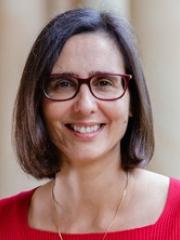
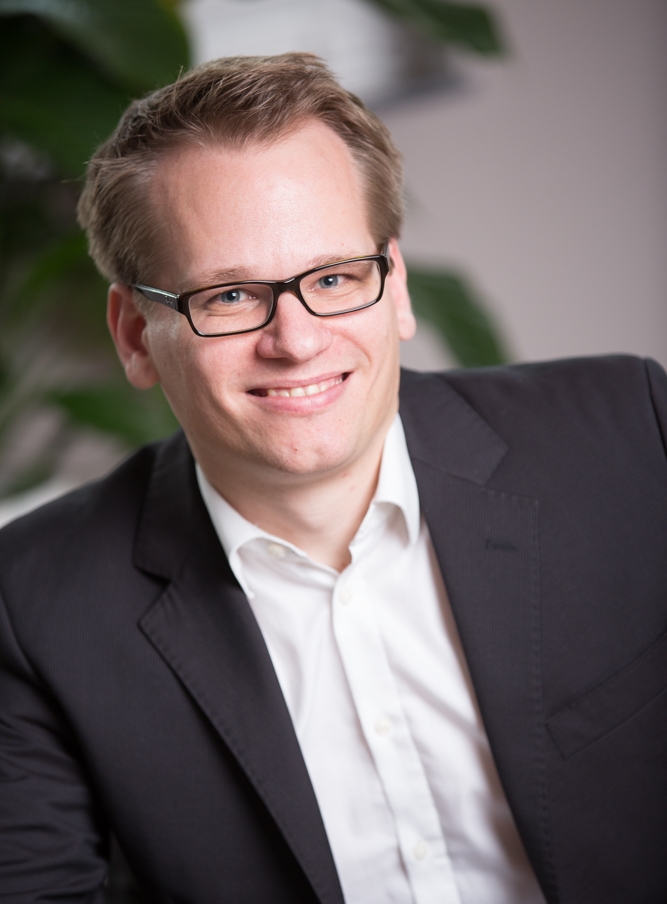
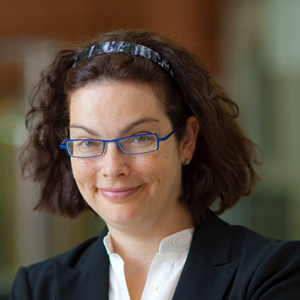
Associate Professor Gilda Carvalho is a leading researcher at the Australian Centre for Water and Environmental Biotechnology (ACWEB) and the School of Chemical Engineering at the University of Queensland. She leads the Drinking and Recycled Water research group and specializes in Environmental Bioengineering , focusing on microbial processes for water/wastewater treatment and resource recovery. Research areas: Chemicals of Emerging Concern (CEC), Biological Nutrient Removal (BNR), biofilm systems, membrane processes, and polyhydroxyalkanoate (PHA) production Key methodologies: Molecular tools linking microbial ecology to process performance Academic output: Over 90 peer-reviewed papers and >40 multinational research projects with industrial partners Educational impact: Coordinator of Postgraduate Programs in Urban Water Engineering and supervisor of >20 PhD students Her recent research explores phage-based biofilm disruption , micropollutant removal via advanced oxidation, and resource recovery from waste streams. Current funding includes projects on biofilm solutions for drinking water and sustainable wastewater reuse. She integrates multidisciplinary approaches across biotechnology, chemical engineering, and environmental science to address global water challenges.
Dr. Markus Brinkmann is an Associate Professor in the School of Environment and Sustainability at the University of Saskatchewan, Canada, and Director of the Toxicology Centre. He holds the Centennial Enhancement Chair in Mechanistic Environmental Toxicology. His research focuses on exposure and risk assessment modeling, toxicokinetic modeling, and aquatic ecotoxicology, with an emphasis on understanding contaminant effects under realistic environmental conditions. Affiliations: Associate Professor, University of Saskatchewan Director, Toxicology Centre Member, Global Water Futures Program Member, Global Institute for Water Security Education: Ph.D. (Biology) - RWTH Aachen University, Germany (2015) M.Sc. (Ecotoxicology) - RWTH Aachen University, Germany (2011) B.Sc. (Biology) - RWTH Aachen University, Germany (2009) Research Interests: Dr. Brinkmann develops computational models to predict contaminant uptake, effects, and cross-species extrapolation. His work integrates toxicology, environmental chemistry, and hydrology to address challenges like flood-related contaminant remobilization and dioxin-like compound toxicity. Key areas include: Mechanistic toxicology of emerging contaminants (e.g., 6PPD-quinone, PFAS alternatives) Sediment toxicity and bioavailability Wastewater surveillance for public health monitoring Grant Highlights: Global Water Futures Program (2018-2023): Hydrological-exposure models for environmental risk assessment Genome Canada (2016-2020): EcoToxChip for chemical prioritization Banting Postdoctoral Fellowship (2016-2018) Awards: Friedrich-Wilhelm-Award (2016) SETAC GLB Young Scientists Award (2016 PhD, 2012 MSc) Borchers medal (2016) Leadership: He advises on strategic research partnerships between Canada and Germany and collaborates globally on projects like the EcoToxChip and Project House Water . His work bridges academic research with practical environmental management solutions.
Linda J. Harris, Ph.D., is a Distinguished Professor of Cooperative Extension in Microbial Food Safety at the University of California, Davis, within the Department of Food Science and Technology. She served as Department Chair from 2016 to 2021. Her research focuses on microbial food safety, particularly in fresh produce and tree nuts, emphasizing pathogen behavior, antimicrobial treatments, and standard microbiological methods validation. She collaborates with food producers, processors, and government agencies to address food safety challenges. Dr. Harris earned her Ph.D. in Food Science from North Carolina State University in 1991. Her work integrates laboratory studies with extension activities to ensure practical applications in food safety. Key areas include evaluating pathogen survival on produce, developing sanitation protocols, and assessing risks associated with low-moisture foods. Her research trends highlight advancements in pathogen detection (e.g., MALDI-TOF technology), contamination prevention in postharvest handling, and consumer practices affecting food safety (e.g., homemade nut-based products). Recent articles address Salmonella and Listeria survival on produce, irrigation impacts on pathogens, and validation of pathogen reduction processes. Awards: 2021 AAAS Fellow 2018 Institute of Food Technologists Fellow 2004 Elmer Marth Educator Award Her advising and grants focus on low-moisture food safety, extension education, and industry partnerships. She leads initiatives like the Scientific Integrity Consortium and collaborates on national food safety guidelines. Dr. Harris is affiliated with the Robert Mondavi Institute for Wine and Food Science at UC Davis.
Dr. Zaheer Nasar is a Reader in Atmospheric Aerosols at Cranfield University's School of Aerospace, Transport and Manufacturing. His work focuses on real-time bioaerosol characterization, indoor/outdoor air quality dynamics, and environmental health impacts of particulate matter. He leads the NERC-funded Light-Induced Fluorescence sensor project and contributes to the BioAirNet network (NE/V002171/1) as Co-I. Research Interests Physico-chemical and biological characterization of aerosols Spatio-temporal dynamics of particulate matter (PM) and bioaerosols Quantitative microbial risk assessment (QMRA) methodologies Low-cost air quality sensor networks and machine learning calibration Urban green infrastructure effects on air pollution Policy development in Hindu Kush Himalayan air quality Recent publications emphasize machine learning-enhanced sensor calibration (2024 IEEE paper), wastewater plant bioaerosol risks (2024 Water Research), and urban air quality interventions across the UK and Lahore. He has secured over £1.6M in grants from NERC, STFC, and UKRI GCRF, with significant work on BTEX exposure in Nigeria and SARS-CoV-2 risks in wastewater facilities. Scientific Recognition Fellow of the Higher Education Academy (FHEA) Co-investigator in multiple NERC/UKRI projects Active participant in BSI bioaerosol standards committee As an advisor, he mentors five postgraduate researchers including Reece Dillon and Hathaikarn Tathong, with a strong publication record in journals like Environmental Science: Atmospheres , Risk Analysis , and BJPsych Open . His work bridges environmental science, public health, and policy implementation through interdisciplinary research.
Katherine J. Franz is a Professor of Chemistry at Duke University, affiliated with the Trinity College of Arts & Sciences and the Duke Cancer Institute. She holds a Ph.D. from MIT (2000) and a B.A. from Wellesley College (1995). Her research focuses on bioinorganic chemistry, particularly metal ion coordination in biological systems, with applications in antimicrobial therapies, cancer metallomics, and neurodegenerative diseases. Key projects include developing prochelators targeting fungal and bacterial pathogens, studying copper's role in antifungal drug efficacy, and designing light-activated metal complexes for controlled drug release. Dr. Franz has received numerous awards including the Camille Dreyfus Teacher-Scholar Award (2009), Sloan Research Fellowship (2008), and the NSF CAREER Award (2005). She leads a lab with 6 current students/mentees and has secured grants from NIH, NSF, and the US-Israel Binational Science Foundation. Her lab's work spans from fundamental metalloprotein studies to translational drug development, emphasizing interdisciplinary approaches in chemistry and biology. Education: Ph.D. in Chemistry, MIT, 2000 B.A. in Chemistry, Wellesley College, 1995 Research Interests: Metal homeostasis in pathogens, copper's role in antifungal resistance, prodrug design for targeted therapy, and mechanistic studies of metalloproteins. Grants: Tri-Institutional Molecular Mycology Training Program (NIH, 2024–2029) Duke PREP Biomedical Sciences Program (NIGMS, 2022–2027) Copper-Mucin Interaction Study (BSF, 2022–2026) Her lab's publications (n=15+ since 2020) highlight breakthroughs in prodrug selectivity, copper-induced protein toxicity, and histatin antifungal mechanisms. The Franz Lab actively collaborates with clinicians and computational scientists to advance therapeutic strategies addressing unmet medical needs in infectious diseases and cancer.
Britt Koskella is an Associate Professor at the University of California, Berkeley, affiliated with the Department of Environmental Science, Policy, and Management within the College of Natural Resources. Her research focuses on evolutionary biology, particularly host-pathogen coevolution and microbial interactions, integrating experimental evolution, field studies, and molecular biology. She leads the Koskella Lab, which investigates how microbial communities, phages, and pathogens influence host health and agricultural sustainability. Research Interests: Dr. Koskella explores the coevolutionary dynamics between hosts and their symbionts, including bacteriophage-bacteria interactions in plant microbiomes. Her work bridges ecological and evolutionary principles to address applied challenges in disease management and sustainable agriculture. Key areas include understanding phage-mediated selection in natural populations, the role of microbiomes in host defense, and the spatial/temporal adaptation of pathogens. Advancing Knowledge: Dr. Koskella’s lab employs experimental evolution in greenhouses and lab settings to test hypotheses derived from field observations. Recent studies highlight the indirect role of phages in plant disease protection and the design of synthetic microbial communities for agricultural applications. She collaborates on initiatives like the Joint Berkeley Initiative for Microbiome Sciences (JBIMS), emphasizing interdisciplinary approaches. Lab Team & Contributions: The lab includes students and researchers such as Eli Mehlferber, Asa Conover, and others, advancing projects on microbiome assembly, phage therapy, and pathogen coevolution. Dr. Koskella’s work has been published in high-impact journals like Current Biology , American Naturalist , and Ecology Letters .
David N. Thomas is a Professor of Arctic Ecosystem Research and Director of the International Masters Programme for Environmental Change and Global Sustainability at the University of Helsinki. He is affiliated with the Faculty of Biological and Environmental Sciences, working within the Ecosystems and Environment Research Programme and the Helsinki Institute of Sustainability Science. Dr. Thomas is a distinguished Marine-Arctic-Antarctic-Climate Biologist with extensive expertise in sea ice research, polar ecosystems, and climate change impacts. His research focuses on the biogeochemical processes within sea ice, carbon cycling in polar regions, and the ecological implications of a changing Arctic Ocean. He has made significant contributions to understanding how sea ice ecosystems function and respond to environmental change, with particular attention to microbial communities, nutrient dynamics, and carbon fluxes. His recent publications demonstrate a strong focus on the changing Arctic Ocean ecosystem, carbon and microbial dynamics in thawing permafrost landscapes, and sea ice biogeochemistry. Dr. Thomas has also contributed to important policy documents such as the PAME Synthesis Report on Ecosystem Status in the Central Arctic Ocean, bridging the gap between scientific research and environmental management. Professor Thomas has recently published the 4th Edition of "Sea Ice: Its Physics, Chemistry, Biology, Geology and Societal Importance," which represents a comprehensive update to this seminal work in polar science. His research spans both Arctic and Antarctic environments, examining how these critical polar regions are responding to global environmental change.
Prof. Dr. Michael Schloter serves as Director of the Research Unit for Comparative Microbiome Analysis at Helmholtz Munich since 2011 and holds a Professorship in Microbiology at the Technical University of Munich since 2010. He concurrently acts as Principal Investigator at both the German Center for Lung Diseases (DZL) and the Central for Food and Nutrition (ZIEL) at TU Munich, driving interdisciplinary research at the intersection of environmental and human health through the "Planetary Health" framework. His educational foundation was built through diploma studies at Ludwig Maximilian University Munich and doctoral research at the University of Bayreuth, followed by formative work in Brazil and the United States where he pioneered bioinocula development for stress-resilient agriculture. At Helmholtz Munich (formerly GSF), he evolved from group leader in soil microbial ecology (2001) to Research Unit Director, expanding his focus from agricultural systems to human microbiome-health connections. Dr. Schloter's research program centers on microbiome-host crosstalk across ecological scales, investigating how environmental microbiota interact with human and plant microbiomes to influence health outcomes. His work integrates ecological theory with microbiome analysis to decode host-microbe co-evolution patterns, with applications spanning sustainable agriculture, allergy prevention, and infection control. Key thematic pillars include holobiont theory, probiotic development, and microbiome-mediated disease prevention through environmental quality improvement. Analysis of his 2025 publications reveals a strategic research portfolio bridging fundamental and applied microbiome science. Agricultural studies dominate (maize, potato, apple systems), examining microbial inoculants and soil management, while human health investigations explore preterm birth complications and Antarctic mammal microbiomes. Computational approaches for antimicrobial resistance assessment and ecosystem-scale projects like JenaTron demonstrate methodological breadth, all converging on translating microbiome functionality into real-world sustainability solutions. Major recognitions include: Election to the Bavarian Academy of Science (2021) Consistent placement among the top 1% of highly cited global researchers (2019-2021) Heinrich Baur Research Award (2011) for agricultural microbiology contributions As Research Unit Director, Schloter leads large-scale collaborative initiatives including the DZL and ZIEL consortia, securing major funding for microbiome standardization projects and international research networks. His leadership extends to developing analytical frameworks for cross-ecosystem microbiome comparisons and establishing protocols for translating microbial ecology principles into clinical and agricultural applications. The Comparative Microbiome Analysis unit operates as a nexus for multi-host microbiome research, employing comparative genomics, field-scale agricultural trials, and clinical cohort studies to investigate microbiome dynamics across environmental, plant, and human systems. Current infrastructure includes advanced sequencing facilities and experimental platforms for plant-microbe and host-microbe interaction studies under controlled and natural conditions.
Sharon Rozovsky is a Professor in the Department of Chemistry and Biochemistry at the University of Delaware's College of Arts & Sciences, where she leads research on oxidative stress response mechanisms and protein quality control pathways. Her work bridges biochemistry, chemical biology, and structural biology with direct implications for understanding neurodegenerative diseases and viral pathogenesis. Her academic foundation includes a B.S. from Tel Aviv University (1994) and a Ph.D. from Columbia University (2000), establishing her expertise in protein dynamics and redox biochemistry. These credentials underpin her innovative approaches to studying cellular stress responses. Rozovsky's research program centers on selenoproteins—proteins containing the rare amino acid selenocysteine—and their critical roles in endoplasmic reticulum (ER) stress resolution. She investigates how membrane-bound selenoproteins like Selenoprotein S and K regulate the ER-associated degradation (ERAD) pathway, with recent work revealing their surprising autoproteolytic activity and involvement in SARS-CoV-2 replication. Her lab pioneers chemical tools including expressed protein ligation and advanced 77Se NMR spectroscopy to characterize these systems at molecular resolution. Analysis of her 2021-2025 publications shows dominant themes in selenoprotein structure-function relationships, ER stress mechanisms, and viral interactions, alongside methodological innovations in cryo-EM grid technology and NMR. This body of work demonstrates consistent focus on redox biochemistry with expanding applications in virology and structural biology. No major scientific awards or fellowships were explicitly documented in the available materials, though her research impact is evident through high-impact publications and methodological contributions. She directs the active Rozovsky Research Group, mentoring graduate students and postdoctoral researchers in biochemical and biophysical techniques. Her laboratory operations are supported by competitive funding including an NSF CAREER award (2011) focused on selenoprotein reactivity, reflecting sustained recognition of her innovative research program.
Jeremy Wang, PhD is an Assistant Professor in the Department of Genetics at the UNC School of Medicine . His research focuses on applying high-performance computational methods and machine learning to analyze high-throughput sequence data using long-read technologies (e.g., Oxford Nanopore) to advance precision personalized medicine . Key disease areas include Inflammatory Bowel Diseases (IBD) Respiratory Infectious Diseases His lab specializes in microbiome analysis , host-pathogen interactions , and computational genomics , working with collaborators in clinical, translational, and computational domains. His publications demonstrate expertise in long-read sequencing applications for Pediatric cancer classification SARS-CoV-2 genomic epidemiology Microbiome spatiotemporal dynamics Murine disease models Drosophilid genome assemblies Metagenomic bias analysis Collaborations span UNC and global institutions, with current work extending to clinical laboratory partnerships for pathogen sequencing and oral microbiome sampling methodology.
Dr. Patrick J. McNamara is an Associate Professor in the Department of Civil, Construction and Environmental Engineering at Marquette University's College of Engineering. He directs the McNamara Research Group, which focuses on understanding how chemicals from consumer products impact public health and the environment once they pass through water treatment systems. His research bridges environmental engineering and microbiology to address critical water quality challenges facing modern infrastructure. Dr. McNamara's educational background includes: Ph.D., 2012, Civil Engineering, University of Minnesota, Twin Cities M.S., 2008, Environmental and Water Resources Engineering, University of Texas at Austin B.S., 2006, Civil Engineering (Minor - Spanish for the Business Professions), Marquette University His research program investigates how consumer product chemicals impact engineering treatment processes that rely on healthy bacteria to treat water. The McNamara Research Group develops non-traditional treatment processes to remove these chemicals from water and mitigate their environmental effects. His work spans antibiotic resistance in water systems, micropollutant removal technologies, pyrolysis of biosolids, PFAS contamination, and electrochemical treatment processes. Specific areas include the impact of corrosion inhibitors on antibiotic resistance, removal of chemicals via drinking water treatment, environmental antibiotic resistant bacteria, beneficial biosolids reuse, and pyrolysis applications. Dr. McNamara's publication record demonstrates a strong focus on emerging water quality challenges, particularly the intersection of chemical contaminants and antibiotic resistance. His recent work examines corrosion inhibitors' impact on antibiotic resistance in drinking water, PFAS mitigation through advanced treatment processes, and environmental drivers of antibiotic resistance in stormwater systems. His research combines fundamental microbiology with practical engineering solutions to address complex water quality issues. Dr. McNamara has received numerous honors and awards: 2022 OCOE Outstanding Researcher Award from Marquette University Marquette University's Campus 2020 KEEN Rising Star Faculty Scholar Award from Provost Office (2019) Central States Water Environment Association Bill Boyle Outstanding Educator Award (2018) Way Klingler Young Scholar Award (Marquette University, 2018) Excellence in Review Award – Environmental Science & Technology (2017) Dr. McNamara has secured significant research funding as Principal Investigator on multiple projects, including NSF grants focused on mitigating antibiotic resistance in drinking water and studying the environmental impacts of quaternary ammonium compounds. His current research portfolio includes projects on PFAS removal through novel electrocoagulation-peroxidation processes, designing green stormwater infrastructure to combat antibiotic resistance, and removing contaminants from greywater using electrocoagulation technology in collaboration with industry partners like Kohler Company. The McNamara Research Group at Marquette University maintains strong collaborations with researchers across multiple institutions and works closely with water utilities and industry partners to translate research findings into practical solutions for water treatment challenges. Their work addresses critical infrastructure needs while protecting environmental and public health through innovative engineering approaches.
Samuel Dorevitch is a Professor in the Department of Environmental and Occupational Health Sciences at the University of Illinois at Chicago (UIC). His primary affiliation is with the School of Public Health. His research focuses on water quality monitoring, environmental health, and occupational hazards, with an emphasis on preventing waterborne diseases and assessing health risks associated with environmental exposures. He has contributed to studies on recreational water safety, lead exposure prevention, and the health impacts of climate change. Key research areas include microbial water quality, occupational safety for healthcare and construction workers, and public health interventions in low-resource settings. He has evaluated novel water treatment methods like solar-powered ozonation and explored the use of wastewater-based epidemiology for disease surveillance. His work spans both local (Chicago) and global contexts, including studies in Kenya. Dr. Dorevitch has published widely on topics such as the health effects of waterborne contaminants, occupational injuries, and the relationship between environmental factors and chronic diseases. His research often bridges epidemiology, environmental science, and public policy to inform practical health protection strategies.
Dr. Joseph Dumpler is a Lecturer at the Department of Health Sciences and Technology at ETH Zürich, specializing in Sustainable Food Processing. He holds a PhD in Dairy Science and Technology from the Technical University of Munich, Weihenstephan, with a focus on UHT treatment of concentrated milk. His work emphasizes advancing food processing technologies, particularly in protein refinement, non-thermal methods, and membrane filtration. Educations: PhD in Dairy Science and Technology, Technical University of Munich, Weihenstephan (2017) MSc Food Engineering, Technical University of Munich, Weihenstephan His research interests include Natural Deep Eutectic Solvents (NADES) for plant protein extraction, microwave vacuum drying of dairy products, and membrane filtration optimization for microalgae and dairy systems. He has pioneered methods to refine rapeseed and pea proteins while minimizing antinutrients, and his work on microfiltration of milk products addresses emerging microbial risks. Key contributions span kinetic modeling of heat-induced protein aggregation, sustainable food processing , and non-thermal concentration techniques . His articles reflect a focus on bridging lab-scale innovations with industrial applications. Awards: J.T.M. Wouters Young Scientist Award Julius Maggi Research Award (2018) Best PhD Thesis Award from the Association of Dairy, Food and Biotechnologists (Weihenstephan) Dr. Dumpler collaborates with industry partners to translate research into scalable processes, such as NADES-based protein extraction and microwave drying systems. His current role at ETH Zürich’s Sustainable Food Processing Lab (Prof. Mathys) focuses on plant-based meat analogs and novel protein refining concepts .
Feng Feng is an Assistant Professor in the Department of Biochemistry and Molecular Biology at Oklahoma State University, where he has been employed since August 2020. His research focuses on understanding how plants interact with microbial communities in their rhizosphere under various environmental conditions. Dr. Feng received his Ph.D. in Plant Molecular Biology from Tsinghua University in Beijing, China (2008-2012), followed by an M.S. in Microbiology and B.S. in Biotechnology from Henan Agricultural University in Zhengzhou, China. Ph.D., Plant Molecular Biology, Tsinghua University, Beijing, China (2008-2012) M.S., Microbiology, Henan Agricultural University, Zhengzhou, China (2005-2008) B.S., Biotechnology, Henan Agricultural University, Zhengzhou, China (2001-2005) Dr. Feng's research interests center on plant-microbe interactions, particularly how plants balance immunity and symbiosis signaling pathways when encountering both pathogenic and beneficial microbes in the rhizosphere. His work examines how environmental conditions affect plant decisions to promote or inhibit microbial colonization, with the goal of developing cropping systems that require less chemical fertilizer and are more resilient to climate change. Using molecular, cell biology, genetic, and biochemical approaches, his lab investigates how abiotic environmental factors regulate plant-microbe interactions and how immunity and symbiosis signaling pathways influence broader microbial communities. Dr. Feng's scholarly output shows a consistent focus on plant immunity and symbiosis mechanisms, particularly involving LysM receptor-like kinases and their role in distinguishing between pathogenic and symbiotic microbial signals. His recent work has increasingly emphasized the ecological context of plant-microbe interactions and the potential applications for sustainable agriculture. Dr. Feng serves as an Associate Editor for Frontiers in Microbiology (since 2022) and has editorial roles with several other journals including Frontiers in Plant Science, Horticultural Plant Journal, and iMeta. Associate Editor, Frontiers in Microbiology (2022-present) Editorial Board, Frontiers in Plant Science (2021-present) Editorial Board, Horticultural Plant Journal (2021-present) Editorial Board, iMeta (2021-present) Dr. Feng actively mentors graduate students and postdoctoral researchers, with his lab currently recruiting Ph.D. students and postdocs interested in plant-microbe interactions. He has secured multiple research grants including funding from the U.S. Department of Agriculture and the Oklahoma Center for the Advancement of Science and Technology (OCAST). His laboratory investigates the molecular mechanisms by which plants regulate their interactions with rhizosphere communities, with particular focus on how environmental conditions influence the balance between immunity and symbiosis signaling pathways.
Professor Tariq Butt of Swansea University's Faculty of Science and Engineering leads the Biocontrol and Natural Products (BANP) group , focusing on entomopathogenic fungi and natural product-based biopesticides for managing pests impacting food security , human health , and agriculture . He co-directs the Natural Products BioHub and Health Technology Solutions Research Institute . His cross-disciplinary research includes collaborations with Dr Joel Loveridge (Chemistry) for chemical ecology, Professor Chedly Tizoui (Engineering) for plant-based molluscicides, and Professor Dan Eastwood (Biosciences) for fungal biocontrol. Externally, he works with experts in Greece, Brazil, Turkey, Saudi Arabia , and companies like Certis Belchim and Lallemand . Recent publications highlight his work on fungal volatile organic compounds for pest control, mosquito repellents , and microbial consortia to reduce chemical dependencies. He has supervised over 35 PhD/MSc students and contributed to 174+ peer-reviewed articles and 14 book chapters .