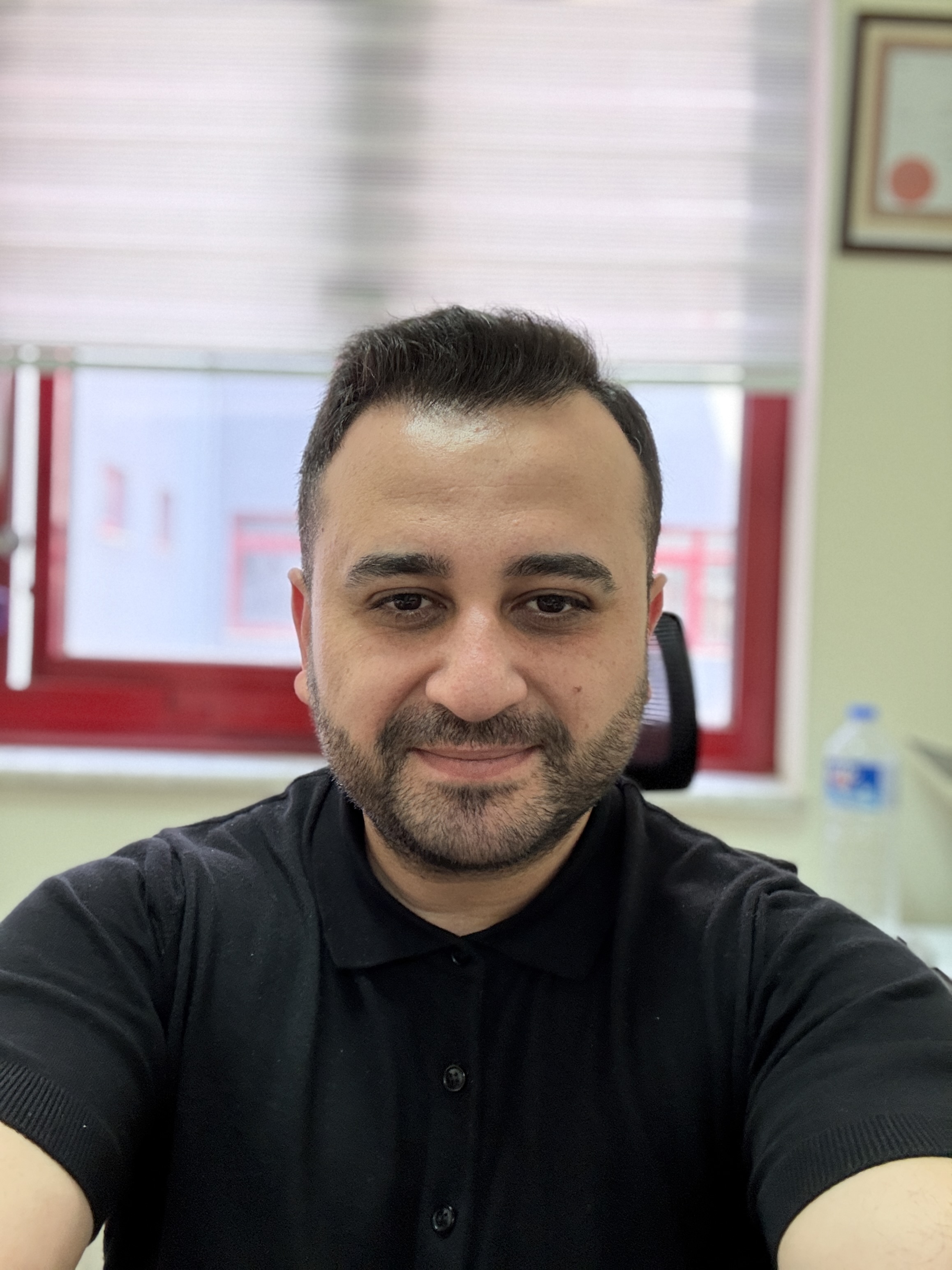
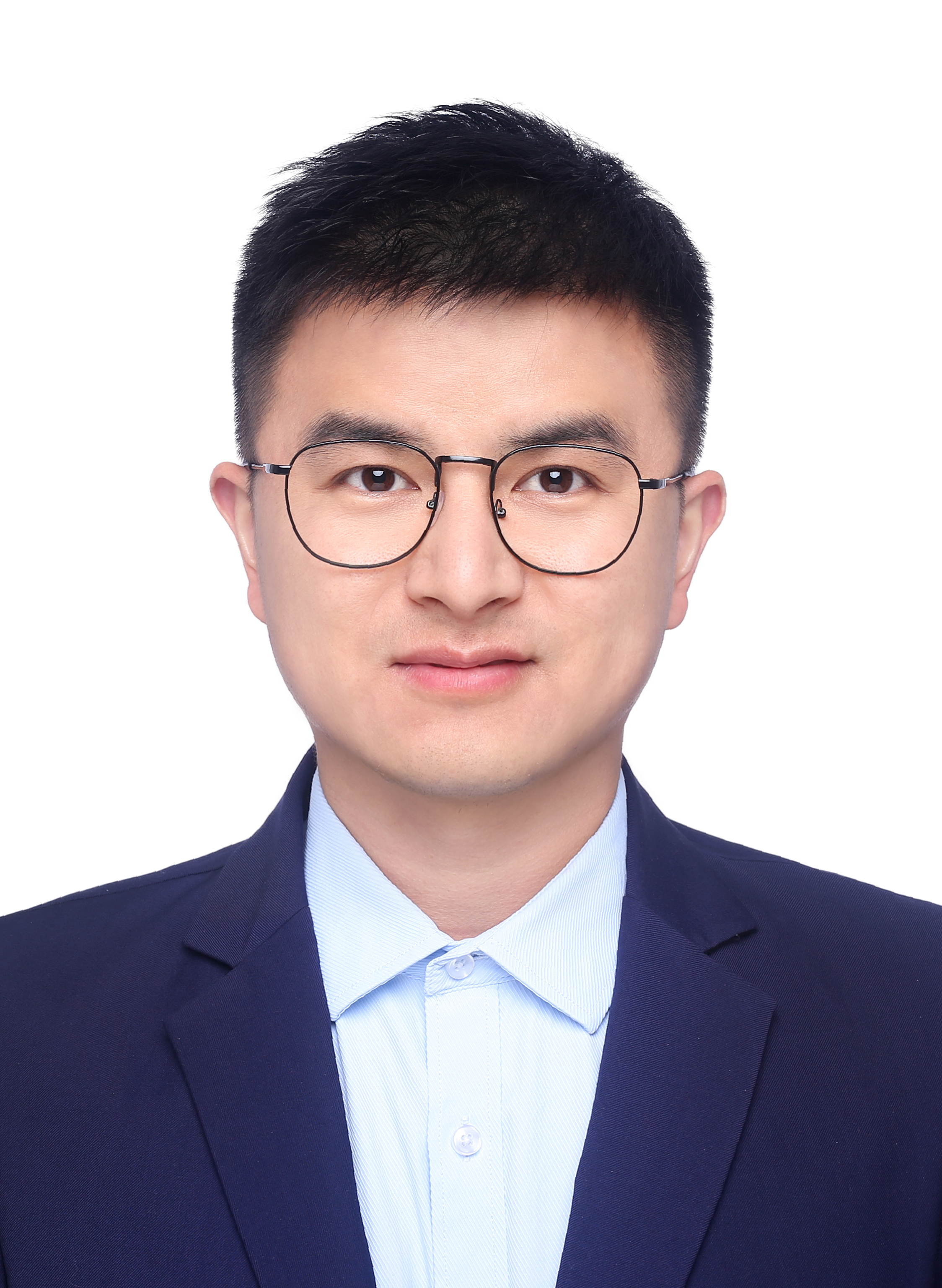
KEMAL OZAN LÜLE is an Assistant Professor at Gaziantep University, Faculty of Medicine, Department of Internal Medicine , with an email contact at ozan@gantep.edu.tr . He holds an ORCID identifier and is registered in the YÖK Academic Information System. Education: Medical License from Dokuz Eylül University (2009–2016), Medical Specialization from Gaziantep University (2017–2021). Professional Experience: Specialist at Gaziantep Abdulkadir Yuksel State Hospital (2021–2024), General Practitioner at Arapgir Ali Özge State Hospital (2016–2017). Administrative Roles: Member of Measurement and Evaluation Board (2024), Internal Medicine Internship Education Coordinator (2024), English Medicine Assistant Coordinator (2024). His research focuses on Internal Medicine , with emphasis on Diabetes , Fatty Liver Disease , Neurocognitive Effects of diabetes treatments, Cancer Development linked to food preparation, Irritable Bowel Syndrome , and Adrenal Incidentaloma . Book Chapters: Development and Natural Course of Diabetic Fatty Liver Disease (2025), Effects of Pharmacological Agents on Neurological Functions (2023), Food Preparation Methods and Cancer (2023). He has co-authored multiple proceedings papers on topics including Temporal Arthritis , Lymphoma , Behçet’s Disease , and Fahr Syndrome , presented at national and international conferences.
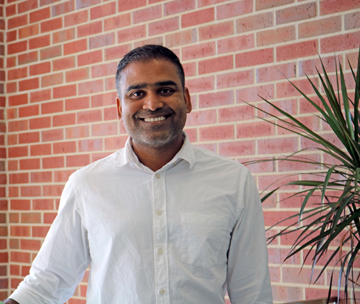
Dr. Gajender Aleti serves as an Assistant Professor in the Department of Agricultural and Environmental Sciences within the College of Agriculture at Tennessee State University (TSU), having joined the institution in August 2022. His academic appointment bridges agricultural sciences, environmental health, and biomedical research through interdisciplinary microbiome studies. His educational credentials include a PhD in Microbial Ecology from the Austrian Institute of Technology & The University of Natural Resources and Life Sciences, Vienna; an MSc in Bioinformatics from the University of Abertay Dundee; an MSc in Biotechnology from Osmania University, India; and a BSc in Botany, Zoology, and Chemistry from Osmania University. Dr. Aleti's research program investigates critical interactions between diet, the gut microbiome, and host health, with three core pillars: Understanding diet-microbiome-gut health interactions Characterizing bioactive small molecules produced by gut microbiota Elucidating gut microbiome-nervous system communication (Gut-Brain Axis) Analysis of his 15 recent publications (2016-2022) reveals a strong translational focus spanning human health contexts (salivary/gut microbiomes in depression, obesity, OCD, and oral cancer) and agricultural applications (rhizosphere microbiomes, bioremediation). His work predominantly employs mass spectrometry-based metabolomics and genomic data mining within large collaborative frameworks, demonstrating methodological innovation in multi-omics integration. While no specific scientific awards are documented in the provided materials, his publication record in journals like Nature Communications , Nature Methods , and BMC Microbiology reflects significant scholarly impact. His research is supported by active grants enabling investigations into microbiome-host dynamics across diverse physiological systems. Dr. Aleti actively mentors graduate researchers within TSU's Department of Agricultural and Environmental Sciences, contributing to the university's research infrastructure through laboratory-based investigations of microbial community dynamics and molecular mechanisms in health and disease contexts.
Professor James St John is a translational neuroscientist and HTH Dean (Research) at Griffith University, leading the Clem Jones Centre for Neurobiology and Stem Cell Research. His work focuses on developing cell-based therapies for spinal cord injury, leveraging olfactory glial cells and three-dimensional nerve bridges. He holds a PhD in Agricultural Science from the University of Melbourne and has secured over $35 million in research funding. Affiliations: Institute for Biomedicine and Glycomics, Griffith University Roles: Professor, Head of Clem Jones Centre, HTH Dean (Research) Research interests include spinal cord injury repair, peripheral nerve regeneration, microbial contributions to neurodegeneration, and olfactory system biology. His team is advancing a Phase I/IIA clinical trial for spinal cord injury therapy using autologous olfactory cell transplantation combined with rehabilitation. Key grants include Perry Cross Spinal Research Foundation funding ($5M+), NHMRC/MRFF support, and philanthropic donations from the Clem Jones Foundation. Supervised over 30 doctoral and master’s students in neural repair research. Labs/Teams: Clem Jones Centre for Neurobiology and Stem Cell Research, collaborating with Making Strides Rehabilitation for clinical trial readiness.
Robin May is a Professor of Infectious Disease at the University of Birmingham's School of Biosciences and Director of the Institute of Microbiology & Infection. He holds an ERC Consolidator Award and Wolfson Research Merit Award from the Royal Society. His research focuses on host-pathogen interactions, particularly how pathogens subvert innate immunity, with a focus on fungal infections like cryptococcosis. Currently, he is seconded to the UK Government as Chief Scientific Adviser to the Food Standards Agency for three days weekly. Educational Background: MA (Oxon) in Biological Sciences, PhD in Cell Biology (University of Birmingham), and postdoctoral fellowships at Utrecht University and Birmingham. Research Interests: Investigates fungal pathogenesis, innate immune evasion, and opportunistic infections in immunocompromised patients. His lab combines microscopy, molecular biology, and genetic approaches to study phagocytic cell interactions with pathogens. Key areas include Cryptococcus neoformans/gattii virulence mechanisms and environmental predation-driven pathogen evolution. Publications: Recent work highlights phagocytosis dynamics, fungal transcriptome responses, and amoeba-predation-driven pathogen adaptation. Key themes include immune evasion strategies, titan cell formation, and extracellular vesicle roles in pathogenesis. Awards & Roles: Fellow of the American Academy of Microbiology, Colworth Medal recipient, and editorial board member for PLOS Pathogens and Science Advances. Previously co-directed the NIHR Surgical Reconstruction and Microbiology Research Centre. Teaching: Contributes to final-year modules on Human Evolution and the MSc in Microbiology and Infection. Advises on lab techniques and research-led teaching. Labs & Teams: Leads the Institute of Microbiology & Infection, fostering collaborative research on infectious disease mechanisms and public health interventions.
Chun-Jun (CJ) Guo is an Associate Professor at Weill Cornell Medicine's Jill Roberts Institute for Research in Inflammatory Bowel Disease, Department of Medicine. His research focuses on developing genetic tools for human microbiota and investigating molecular mechanisms of host-microbe interactions related to IBD and metabolic diseases. Education: B.Sc. in Pharmacy, Fudan University (2009) Ph.D. in Pharmacy, University of Southern California (2015) Research Interests: Dr. Guo's lab integrates bioinformatics, microbial genetics, metabolomics, and chemical biology to study how microbiota-derived molecules influence host immunity and disease. Key areas include CRISPR-based microbiota engineering, bile acid metabolism, and therapeutic reprogramming of host-microbe interactions. Publications: Recent work highlights microbiota-driven bile acid modifications in cancer, probiotic cross-feeding strategies for metabolic diseases, and serotonin's role in neonatal immune tolerance. His tools for genetic manipulation of nonmodel gut microbes enable mechanistic studies in vivo. Scientific Awards: 2023 Scialog Award 2022 Kenneth Rainin Foundation Innovator Award 2020 Noster & Science Microbiome Runner-Up Prize 2020 AGA-Allergan Pilot Award in IBD 2019 NIH New Innovator Award Labs & Teams: The Guo Group develops CRISPR-Cas9 systems for Clostridiales and other gut bacteria, investigates microbiota metabolites in preclinical mouse models, and collaborates on translational studies linking microbial genetics to immune/metabolic diseases.
Sunil Thomas, PhD , is a Research Professor at the Lankenau Institute for Medical Research (LIMR), with a distinguished career in translational science. His work bridges microbiology, immunology, molecular biology, and cell biology to develop diagnostic tools and vaccines for diseases affecting millions globally. He has held academic titles at LIMR since 2012, including Research Assistant Professor, Research Associate Professor, and now Research Professor. Current roles: Research Professor (2022–Present), Editor of Vaccine Design: Methods and Protocols (Springer-Nature), and Visiting Professor at Temple University (2017). Education: BSc in Botany (Kerala University), MSc in Biotechnology (Cochin University of Science and Technology), PhD in Environmental Biotechnology (Cochin University), and Postdoctoral Fellowship at Mount Sinai School of Medicine. Research interests encompass translational studies on immunotherapies for ulcerative colitis and Alzheimer’s disease, focusing on Bin1 monoclonal antibodies. He has pioneered structure-based vaccines for ehrlichiosis, modeled SARS-CoV-2 membrane proteins, and developed diagnostic tools like the ELISA kit for T-cell lipid rafts and Eastern Blotting for post-translational modifications. His lab investigates antibody uptake mechanisms and gut-brain axis interactions using animal models. Recent publications highlight his work on viral protein structure (Camp Hill, Borealpox, Oropouche), microbiome analysis in ICUs, diet-immunotherapy interactions, and advancements in AI-driven vaccine design. He has also contributed to understanding SARS-CoV-2 pathogenesis, monoclonal antibody therapies, and microbiome-host health connections. Patents include methods for disease treatment, Ehrlichia diagnostics, biosimulator technology, heat shock protein peptides, and vaccines against ehrlichiosis. Commercialized products like the IDO1 monoclonal antibody are now diagnostic probes in cancer research.
University of California, San FranciscoUnited States
Geetha Sivasubramanian is an Associate Professor at the University of California, San Francisco (UCSF) within the School of Medicine and Infectious Diseases department. She specializes in Fungal Infections , Health Disparities , and Medical Education . Education: Kasturba Medical College, Manipal, India (Medical School, 03/2002) University of Illinois, Urbana Champaign, IL (Internal Medicine Residency, 07/2007) Wayne State University, Detroit, MI (Infectious Disease Fellowship, 07/2009) Wayne State University, Detroit, MI (Infectious Disease Research Fellowship, 03/2010) Research Interests: Her work spans Fungal Infections (particularly Coccidioidomycosis and Cryptococcosis in Central California), Health Disparities in infectious disease outcomes, and Medical Education innovations. Recent studies examine interactions between fungal infections and immunocompromised states, post-viral complications, and diagnostic challenges in neglected populations. Scientific Awards: Notable recognitions include the ICAAC 2009 George McCracken Infectious Disease Fellow Grant , Humanism and Excellence in Teaching Award (Wayne State), and multiple Teacher of the Year and Scholar of the Year awards during residency. She received 8 awards across India and U.S. institutions for academic excellence in medical school. Collaborations: Works with researchers like Robert Libke , Michele Maison-Fomotar , and Hebah Ghanem at UCSF. Her network includes multicenter consortia such as the Mycoses Study Group Education and Research Consortium (MSGERC) .
Mayo Clinic College of Medicine and ScienceUnited States
Dr. Michael E. Nemergut is a dual-board certified physician at Mayo Clinic in Rochester, Minnesota, specializing in Pediatric Critical Care Medicine and Pediatric Anesthesiology. He holds academic appointments in the Department of Anesthesiology and Perioperative Medicine within the Mayo Clinic Children's Center. Education: University of Virginia (MD, Ph.D.), Johns Hopkins (Fellowship, Residencies) His research focuses on anesthetic neurotoxicity in pediatric populations, pain management protocols, and anticoagulation strategies in critical care. Notable recent publications span topics from NanoLuc luciferase mechanisms to pediatric ECMO hemostasis. Scientific Awards: Multiple Top Doctors recognitions (2021-2023), Excellence Through Teamwork (2019), Howard Hughes Fellowship (1996) Dr. Nemergut maintains extensive professional memberships in anesthesiology and pediatric medical societies, contributing to clinical practice committees and education initiatives at Mayo Clinic.
University of California, San FranciscoUnited States
Sergio Baranzini is a Professor in the Department of Neurology at the University of California, San Francisco (UCSF) School of Medicine and a member of the UCSF Weill Institute for Neurosciences. With a distinguished career spanning over two decades at UCSF, Dr. Baranzini has established himself as a leading researcher in multiple sclerosis (MS) and neuroimmunology. Dr. Baranzini earned his BS/MS and PhD in Biochemistry/Biotechnology and Human Molecular Genetics from the University of Buenos Aires, Argentina, completing his PhD with honors in 1997. He then pursued postdoctoral training in neurogenetics at UCSF before joining the faculty in 2003. His research focuses on the genetic, genomic, and immunological aspects of multiple sclerosis, with particular emphasis on the gut-brain axis and microbiome's role in neuroinflammation. Dr. Baranzini's research employs a multidisciplinary approach integrating wet lab techniques (including DNA microarrays, proteomics, and laser capture microdissection) with dry lab analytical approaches (bioinformatics, complexity theory, and mathematical modeling). His work has revealed critical insights into MS pathogenesis, particularly how gut microbiota influences disease development and progression. Recent groundbreaking studies have demonstrated how specific gut bacteria from MS patients can trigger MS-like disease in animal models and how microbial metabolites affect remyelination processes. His laboratory has secured significant funding through multiple NIH grants, including as Principal Investigator on projects examining the genetic basis of MS progression and post-GWAS approaches to identify cell-specific genetic pathways underlying MS risk. As evidenced by his extensive publication record in top-tier journals including Science, Nature, and PNAS, Dr. Baranzini's work represents some of the most innovative research in neuroimmunology and MS pathogenesis. National Multiple Sclerosis Society (US) Advanced Postdoctoral Fellowship (2001) National Multiple Sclerosis Society (US) Harry Weaver Neuroscience Scholar Award (2009-2014) Department of Neurology UCSF Endowed Chair in Neurology (2010) National Multiple Sclerosis Society Stephen C. Reingold Award (2015) Department of Neurology UCSF Distinguished Professorship in Neurology I (2019) Department of Neurology UCSF Neurology Research Incentive Program 2 (N-RIP2) (2023) Barancik Prize for Innovation in Multiple Sclerosis Research (2024) Dr. Baranzini serves as an ad-hoc reviewer for numerous specialized journals and is an elected member of the American Neurological Association. His laboratory (iMSMS) actively collaborates with interdisciplinary teams worldwide to integrate knowledge across research domains through systems biology approaches. His current NIH-funded research explores automated evidential support from raw data for relay agents in biomedical knowledge graph queries and investigates the genetic basis of progression in multiple sclerosis.
Jacob Bodilsen is a Clinical Associate Professor affiliated with Aalborg University Hospital's Department of Infectious Diseases within the Faculty of Medicine at Aalborg University. He holds a Ph.D. and is an expert in infectious diseases, neurological infections, and epidemiology. His research focuses on conditions like brain abscesses, bacterial meningitis, viral central nervous system infections, and epidemiological trends in encephalitis. He has contributed to over 147 publications, including peer-reviewed articles, reviews, and datasets analyzing treatment protocols, diagnostic markers, and population-based studies. His work emphasizes evidence-based clinical practices and public health strategies. Research Interests: Dr. Bodilsen’s research spans neurological infections (e.g., brain abscess, encephalitis), epidemiological studies of infectious diseases, and the application of medical imaging (MRI/CT) in diagnosis. He explores treatment outcomes for bacterial and viral infections, including corticosteroid therapies and antibiotic timing. His work often integrates population-based cohort studies and meta-analyses to address critical clinical questions. Key Contributions: Notable studies include a meta-analysis on clinical outcomes of brain abscesses post-MRI/CT adoption, a review on viral CNS infection treatment, and a nationwide case-control study linking invasive procedures to brain abscess risk. He has also contributed to understanding the role of cerebrospinal fluid lactate in differentiating meningitis types and the impact of antibiotic timing on meningitis mortality. Media Engagement: Dr. Bodilsen has been featured in media discussions on topics like obesity’s role in severe infections, the effects of blood pressure medications on influenza mortality, and debunking myths about Borrelia-induced psychiatric disorders. He actively communicates research findings to bridge clinical and public understanding of infectious diseases.
University Medical Center Hamburg-EppendorfGermany
Dr. Penelope Felipe Pelczar is a research scientist at the I. Medical Clinic and Polyclinic of the University Medical Center Hamburg-Eppendorf, where she conducts cutting-edge research at the intersection of immunology, gastroenterology, and microbiome science. Her work primarily focuses on understanding the complex interactions between the immune system, gut microbiota, and intestinal inflammation, with particular emphasis on inflammatory bowel diseases, colorectal cancer, and the gut-liver axis. As a key member of the Immunology, immunity, infection (C3i) research group and the Neuro-Immune-Network Hamburg, she collaborates extensively with leading researchers including Samuel Huber and Nicola Gagliani. Her research interests span multiple domains of mucosal immunology and host-microbe interactions. Dr. Pelczar investigates how T cell subsets, particularly those producing IL-22, regulate intestinal homeostasis and inflammation. She explores the role of cytokines, microbiota-derived metabolites, and epithelial-mesenchymal interactions in diseases like colitis and primary sclerosing cholangitis. Her work on the gut-liver axis has revealed novel mechanisms connecting intestinal inflammation with liver diseases, while her research on microbiome-host interactions has uncovered how bacterial metabolites influence cancer development and treatment response. Analysis of Dr. Pelczar's publication record from 2016-2025 reveals a consistent trajectory of high-impact research in immunology and gastroenterology. Her work has evolved from foundational studies on IL-22 signaling in inflammatory bowel disease to more complex investigations of the gut-liver axis, microbiome-cancer interactions, and advanced cellular screening techniques. She frequently publishes in top-tier journals including Nature, Science Immunology, and Gastroenterology, demonstrating the significance of her contributions to understanding immune regulation in the gut and its implications for disease pathogenesis and treatment. While specific awards are not documented in the available information, Dr. Pelczar's extensive publication record in high-impact journals and her leadership roles in collaborative research projects indicate significant recognition within her field. Her work has contributed substantially to our understanding of immune regulation in the gut and its implications for inflammatory diseases and cancer. Based on her publication record showing consistent collaborations and first/last author positions on significant papers, Dr. Pelczar likely plays an active role in mentoring junior researchers and securing competitive research funding. Her work appears supported by the institutional infrastructure of the University Medical Center Hamburg-Eppendorf, including access to core facilities for proteomics, animal models, and clinical samples. She is likely involved in multiple collaborative research projects investigating immune mechanisms in gastrointestinal diseases. Dr. Pelczar works within the research ecosystem of the I. Medical Clinic and Polyclinic, which is part of the broader Hamburg research infrastructure including the Hamburg Center of Neuroscience and the Oncological research (UCCH) program. Her work benefits from access to the university's core facilities for proteomics, animal research, and advanced microscopy, enabling her team to conduct sophisticated analyses of immune cell function and host-microbe interactions in health and disease.
Gaya Amarasinghe is Alumni Endowed Professor of Pathology and Immunology, Professor of Biochemistry & Molecular Biology, and Professor of Molecular Microbiology at Washington University School of Medicine in St. Louis. She is affiliated with the Division of Laboratory and Genomic Medicine and the Roy and Diana Vagelos Division of Biology & Biomedical Sciences (DBBS), where she participates in the Biochemistry, Biophysics, and Structural Biology; Immunology; and Molecular Microbiology and Microbial Pathogenesis programs. She is also associated with the Institute for Public Health and the Bursky Center for Human Immunology & Immunotherapy Programs (CHiiPs). Dr. Amarasinghe received her BS in Biochemistry from City College of New York/CUNY (1997) and her PhD in Biochemistry from the University of Maryland, Baltimore (2001). Her educational background provided the foundation for her interdisciplinary research approach spanning biochemistry, structural biology, and virology. Her research focuses on understanding the molecular mechanisms of host-pathogen interactions, particularly at the host-viral interface during viral hemorrhagic fever infections. Dr. Amarasinghe's laboratory uses a multidisciplinary approach that spans length and time scales to characterize how viruses interact with host immune systems. Her work specifically investigates how viruses like Ebola evade innate immune responses, with emphasis on viral components such as VP35 and their interactions with host factors. She has made significant contributions to understanding viral immune evasion mechanisms, particularly how viruses block interferon signaling pathways. Analysis of Dr. Amarasinghe's publication record reveals a strong focus on viral pathogenesis, structural biology of host-pathogen interactions, and development of diagnostic tools for viral hemorrhagic fevers. Her research spans virology, immunology, structural biology, and biomedical engineering, with particular emphasis on Ebola virus, other filoviruses, and emerging viral pathogens. Recent work shows increasing interest in developing diagnostic tools for viral hemorrhagic fevers and understanding host factors involved in viral entry and pathogenesis. Dr. Amarasinghe has trained numerous students and postdoctoral fellows, creating a research environment that values equity, inclusiveness, and independent scientific inquiry within a team-based setting. Her mission is to train the next generation of biochemists and biophysicists while solving challenging questions at the host-pathogen interface. Her laboratory comprises a diverse team of researchers including staff scientists, postdoctoral research associates, research technicians, MD/PhD students, PhD students, and undergraduate researchers. This collaborative environment supports her multidisciplinary research program that interrogates biological systems from physical and structural perspectives at molecular, cellular, and organismic levels.
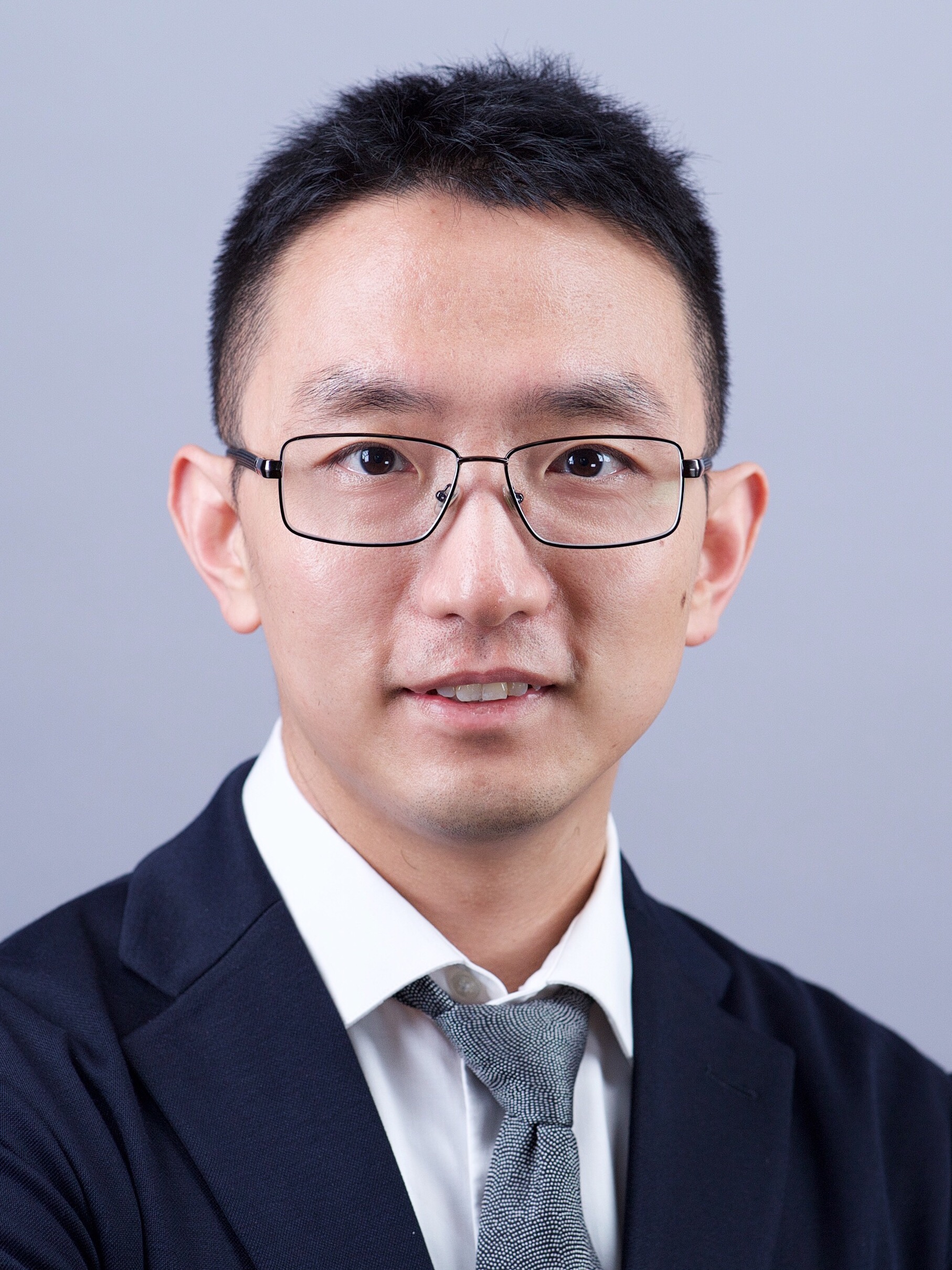
Dr. Jun Yu is a Senior Lecturer in the Department of Finance at the University of Melbourne's Faculty of Business and Economics. His research focuses on MACRO-FINANCE and ASSET PRICING, contributing to financial market dynamics and investment strategies. He is affiliated with the Centre for Asian Business and Economics, exploring economic implications in regional contexts. His academic work demonstrates interdisciplinary engagement, with publications spanning biological and medical research areas such as proteomics, cell biology, and infectious disease mechanisms. These studies include investigations into lipid droplet interactions, neuronal differentiation, and bacterial pathogenesis. Awards and grants are not explicitly mentioned in the provided materials. Dr. Yu collaborates across disciplines, evident in his diverse publication portfolio. His research integrates quantitative methods with empirical analysis, addressing both financial and biomedical challenges.
Associate Professor Gerard Kaiko is an academic at the University of Newcastle's School of Biomedical Sciences and Pharmacy, serving as Theme Leader for Stem Cells and Organoids in Mucosal Diseases at HMRI. His research focuses on mucosal organoids, stem cells, and microbiome-driven therapies for diseases like cystic fibrosis, asthma, and inflammatory bowel disease. He holds an NHMRC CJ Martin Fellowship and has contributed to high-impact journals like Cell , Science , and Science Translational Medicine . Education: PhD in Immunology & Microbiology, University of Newcastle Roles: Associate Professor, Theme Leader, and Principal Investigator in multiple grants Labs/Teams: Leads the Stem Cells and Organoids group at HMRI Research Interests: Mucosal organoids for drug discovery, stem cell biology in tissue repair, microbiome mining for therapies, and precision medicine using patient-derived organoids. His work bridges basic science and clinical translation, including a national clinical trial for cystic fibrosis precision medicine. Articles Trends: Recent work explores ACE2 expression in asthma, maternal microbiome impacts on immunity, and organoid-based platforms for cystic fibrosis therapies. His lab's innovations include 3D organoid culture systems and exosome-based drug delivery. Scientific Awards: NHMRC CJ Martin (Overseas) Fellowship, NHMRC Career Development Fellowship Grants: Over AUD$10 million in funding from NHMRC, industry, and philanthropy
Uniformed Services University of the Health SciencesUnited States
Joseph J. Mattapallil is a Professor in the Department of Microbiology and Immunology at the F. Edward Hébert School of Medicine, Uniformed Services University. His career spans over two decades at the same institution, rising from Assistant Professor (2007–2012) to Associate Professor (2013–2020) and currently Professor (2020–present). Education: Ph.D., Immunology, University of California Davis (1997) M.S., Animal Science, University of California Davis (1994) B.V.Sc, Veterinary Medicine, College of Veterinary Medicine, APAU, India (1986) PMP® Certification, Project Management Institute (2017) Dr. Mattapallil’s research focuses on viral pathogenesis , animal models for emerging viruses , and anti-viral vaccines . He investigates host immune responses , mucosal pathogens , and immunological mechanisms in HIV/SIV infections. His work bridges microbiology , immunology , and translational virology . His publications reflect trends in emerging viruses (e.g., Zika, Dengue, SIV), vaccine development , and immune dynamics . He has contributed to understanding cross-neutralization , antibody-dependent enhancement , and microbiome-HIV interactions . Scientific Awards: Dean's Fellow, Uniformed Services University (2021) Dean's Annual Faculty Teaching Award (2019) Dean's Faculty Impact Award (2017, 2018) Dr. Mattapallil serves as Module Co-Director for 'Bench to Bedside and Beyond' (2016–present) and Director of Graduate Molecular Virology (2008–present). He has also held roles on NIH review panels (2006–2022) and as an Academic Editor for journals like Plos One and Journal of Clinical Medicine .