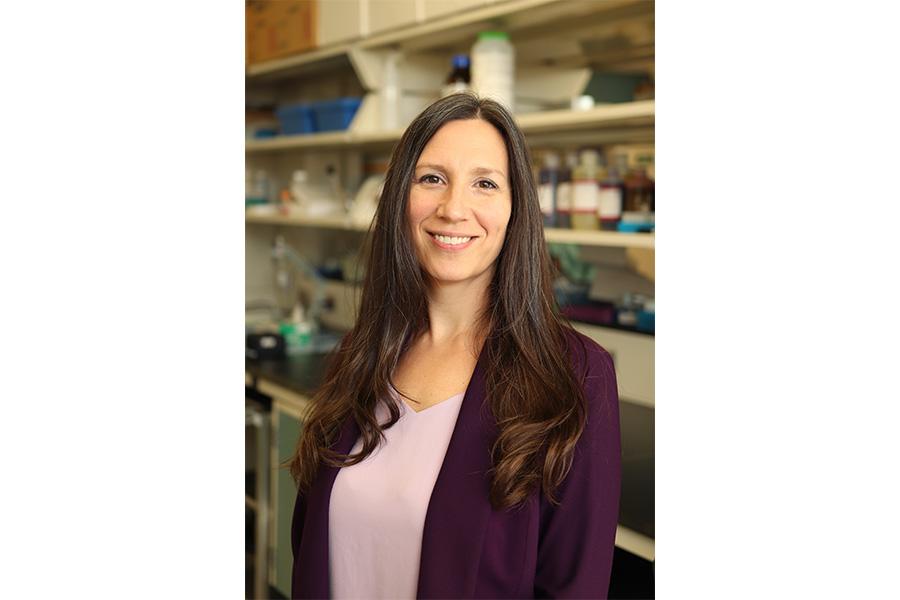
James McDonaldView profile
Academic
James McDonald is an Honorary Professor in the School of Environmental and Natural Sciences at Bangor University, where he leads research in microbial ecology, microbiome analysis, and environmental genomics. His work spans tree health (notably Acute Oak Decline), wastewater pathogen surveillance, and biomass-degrading microbial communities. He has held previous positions as Professor of Environmental Genomics and Senior Lecturer at the same institution. PhD in Microbial Ecology, University of Liverpool BSc in Microbiology with Industrial Experience, University of Manchester His research integrates molecular techniques such as genomics, metagenomics, metatranscriptomics, and metaproteomics to study microbial communities in environmental systems. Key interests include the oak microbiome in health and disease, anaerobic biomass degradation, and engineered microbiomes for biotechnology. He actively supervises postgraduate researchers and welcomes inquiries on these topics. The recent publications reflect a strong focus on environmental microbiology, with themes including wastewater virology (especially SARS-CoV-2 monitoring), forest pathology, microbial diversity in extreme environments, and methodological advances in microbiome profiling. His team frequently employs high-throughput 'omics' technologies and culture-based methods. Adoption of viral environmental surveillance tools to protect public health during the COVID-19 pandemic [REF2021] Professor McDonald has led or contributed to numerous funded research projects, including FUTURE OAK, SYNBIOGAS, and BACSTOP, often in collaboration with government and industrial partners. His work has been instrumental in applying ecological and evolutionary theory to microbiome dynamics. He has also contributed to the development of protocols for pathogen detection in environmental samples and has published in top journals such as Nature , ISME Journal , and Environmental Microbiology . He is affiliated with research initiatives focused on sustainable development and environmental protection, and his lab maintains an active research presence with data shared via platforms like ZENODO.