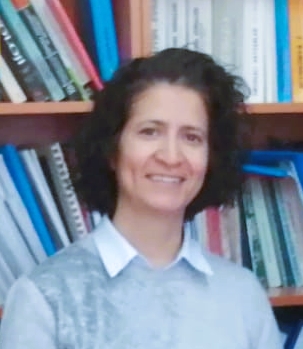
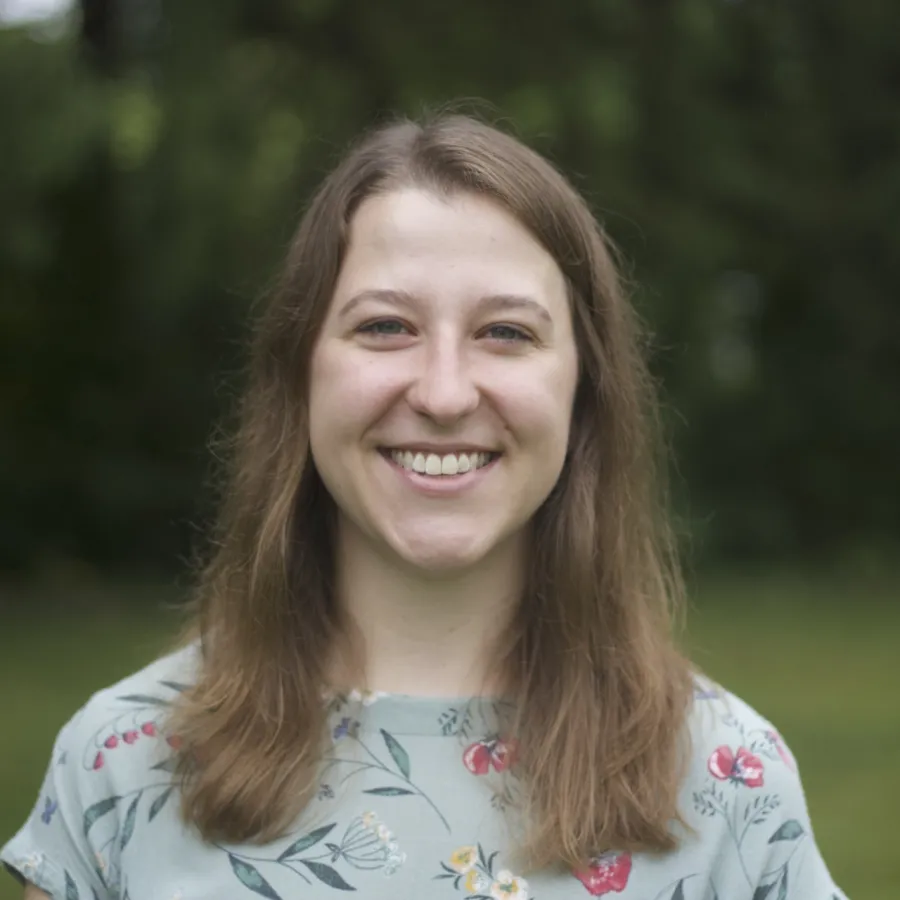
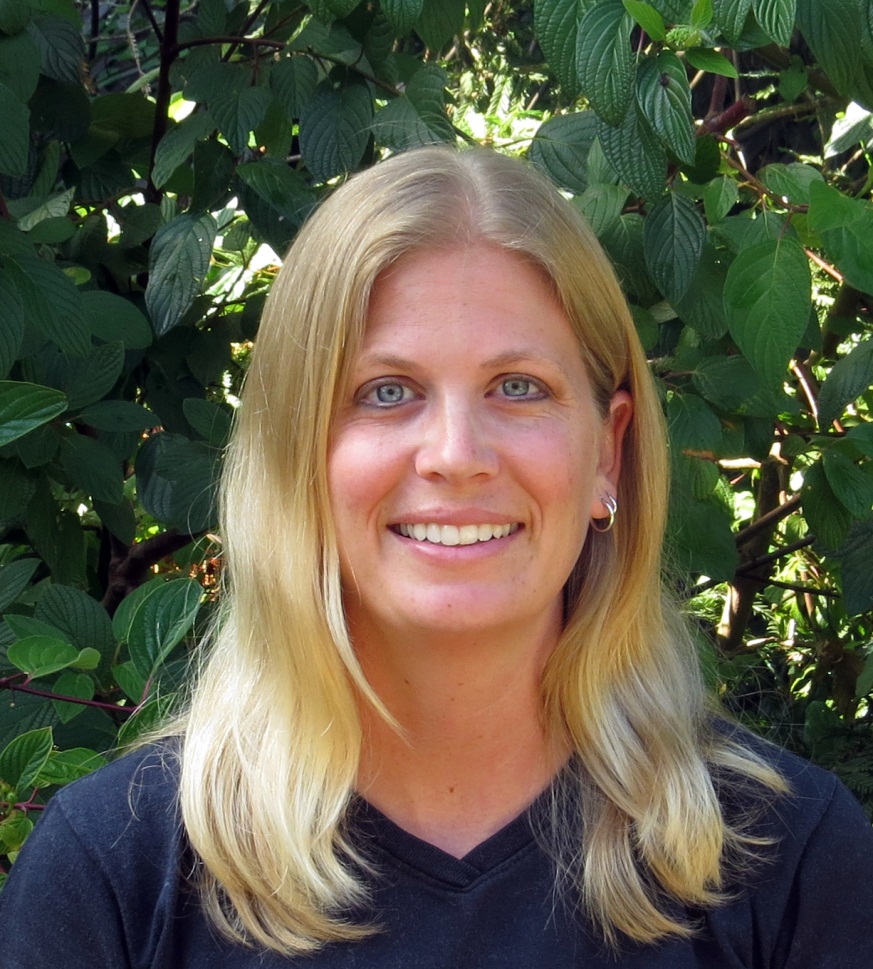
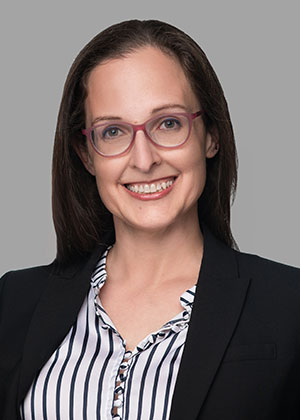
Christine Dupuy is a full Professor at La Rochelle University , affiliated with the CNRS/INSU - LIENSs Laboratory (UMR 7266). Her research focuses on Aquatic Ecology , Microbial Ecology , and Blue Carbon dynamics, particularly in coastal environments like marshes and intertidal zones. Deputy Director of LIENSs Laboratory (2020–present) Member of EMBRC-France (2018–2021) Coordinator of multiple national/international projects (ANR VASIREMI, BIOMIC, TETRAE, etc.) Her research interests center on microbial trophic networks, planktonic-benthic coupling, and climate change impacts on coastal ecosystems. She uses innovative methodologies including ZooScan/ZooCAM imaging systems, stable isotope analysis, and biofilm mesocosm studies. Her publication trends (135+ peer-reviewed papers) reveal a strong focus on: Microbial community responses to environmental changes Carbon cycling in temperate and tropical coastal systems Trophic interactions in anthropized marshes Blue Carbon assessment frameworks Long-term ecological monitoring (Bay of Biscay, Charente-Maritime) She has served as: Expert for ANR CE32 (2018–2021) Member of CNU 67 (2007–2009, 2011–2019) Coordinator of educational programs (BIOSOUM, BIOEM diplomas) Her laboratory (LIENSs) engages in regional and international collaborations through networks like Acclimaterra , NAIADES , and PEPR Faircarbon . Current projects include: ESA Blue Carbon Project (2024–2026) LIFE MARAISILIENCE (2024–2028) PPR RIOMAR (2023–2028)
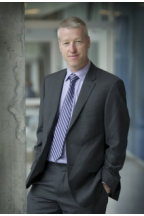
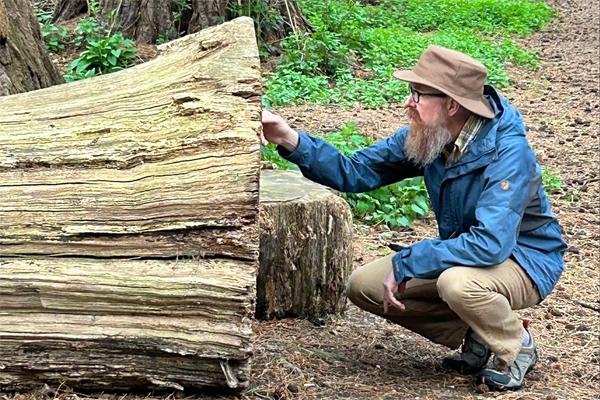
Chris McGonigle serves as a Senior Lecturer in the School of Geography and Environmental Sciences at Ulster University's Faculty of Life & Health Sciences. His academic profile spans marine biodiversity research, acoustic monitoring techniques, and environmental conservation with significant societal impact. Education: PhD in Benthic Habitat Mapping (Ulster University, 2010) PgCHEP in Higher Education Practice (2015) BSc Hons in Marine Science (Ulster University, 2006) His research operates at the critical intersection of marine ecology , acoustic technology , and spatial modeling , focusing on biodiversity conservation in marine environments. Current projects integrate mid-water/ocean floor mapping for fisheries assessment with hydrodynamic modeling for benthic habitat conservation, directly supporting UN Sustainable Development Goals for marine life preservation. Recent publications (2022-2025) demonstrate evolving expertise from foundational acoustic backscatter research toward integrated solutions for marine protected areas, species conservation, and sustainable resource management. Key trends include machine learning applications in habitat mapping and interdisciplinary approaches bridging ecology with cultural heritage conservation. As coordinator of Ulster's Diploma in Professional Practice program, he facilitates industry placements while leading externally funded projects including UK Defra's RESONANCE initiative (2022-2025) and ERC-funded underwater archaeological preservation research. His international collaborations include previous affiliation with Alaska Pacific University (2017-2019).
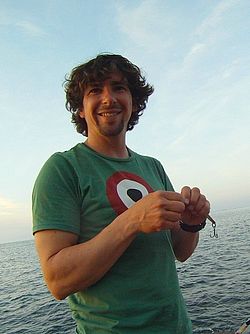
Hugh Broders is a Professor in the Department of Biology at the University of Waterloo. His research focuses on bat ecology, population biology, and wildlife conservation, particularly examining the impacts of white-nose syndrome on endangered species like the little brown bat (Myotis lucifugus) and northern long-eared bat (Myotis septentrionalis). Specializes in animal population dynamics Expert in bat behavioral ecology Current courses include BIOL 211 (Introductory Vertebrate Zoology), BIOL 359 (Evolution: Mechanisms), and BIOL 485 (Conservation Biology) His work bridges evolutionary understanding with practical conservation strategies, using stable isotope analysis, climate modeling, and disease monitoring techniques. Recent studies have explored mercury bioaccumulation in bats, migratory route threats in South Africa, and torpor pattern adaptations in hibernating species. Publications from 2018-2021 show consistent focus on: Bat conservation challenges White-nose syndrome impacts Trophic and migratory ecology Environmental contamination effects Climate change adaptation Parasite-host interactions Active in both field and theoretical ecology, Broders collaborates with conservation organizations and contributes to wildlife policy through his membership in the Terrestrial Mammals Specialist Subcommittee (CSEWIC).
Professor Erdihan Tunç has been a faculty member at Gaziantep University, Faculty of Arts and Sciences, Department of Biology since 2007, currently holding the Professor rank. He holds a PhD in Agriculture from Trier University (Germany) and has led 20 national research projects on soil science. Core research areas: Soil Ecology, Soil-Water Conservation, Agricultural Sustainability Education: Doctorate (1999-2004), Trier University, Agriculture (Germany) Integrated Doctorate (1998-1999), Trier University, Agriculture (Germany) Licence (1992-1997), Hacettepe University, Biology Teaching Research Focus: His work investigates soil erosion dynamics, enzyme activities under environmental stress, and climate change impacts on agricultural soils. He has pioneered studies on nanoplastics and earthquake debris effects on soil properties. Article Trends: Recent publications emphasize soil erosion modeling (2023-2025), nanoparticle toxicity (2022-2024), and remote sensing applications (2014-2021). Key keywords: Soil Conservation, Agricultural Land Use, Enzyme Activity, Climate Change. Scientific Awards: 2019 International Relations Development Award (University of Waterloo) 2012 YÖK International Mobility Scholarship 2003 DAAD PhD Fellowship (Germany) 2002 ERASMUS-SOKRATES Fellowship Advising: Supervised 21 theses (2 PhD, 19 Master's) between 2006-2025, including studies on polystyrene nanoparticle effects , GIS for solar plant mapping , and halophytic plant ecology . Led 20 national projects on soil conservation and agricultural sustainability.
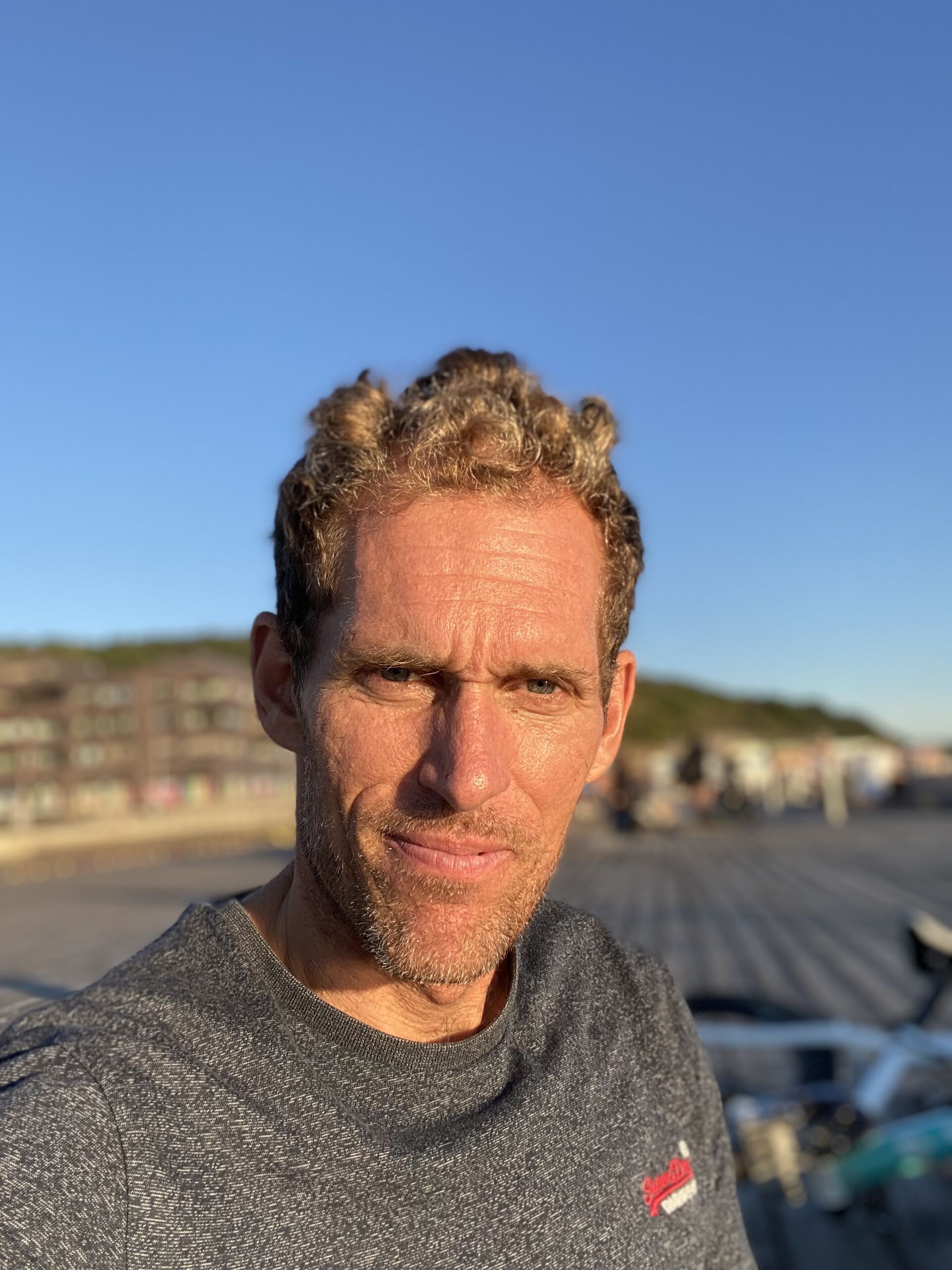
Philipp Schubert is a Researcher at the Helmholtz Centre for Ocean Research (GEOMAR) in Kiel, Germany, where he has worked since May 2009. He is part of Research Area 3: Marine Ecology and the Research Unit: Marine Evolutionary Ecology. Schubert is also the co-founder (2013) of the research diving group submaris and serves as a member of the specialist working group "Benthos" of the Federal/State Committee for the North and Baltic Seas (BLANO), contributing to the implementation of the Marine Strategy Framework Directive (MSFD). Additionally, he is a member of the Nordic Seagrass Network (NSN) and serves as a reviewer for several prominent marine science journals including Marine Ecology Progress Series, AMBIO, Marine Biology, Science of the Total Environment, and Helgoland Marine Research. Dr. Schubert completed his Biology studies at the University of Kiel (1997-2003) with majors in Biological Oceanography and Zoology, and a minor in Physical Oceanography. He graduated with distinction in 2003, having completed his diploma thesis at the Biological Institute of Heligoland on "Interactions between opisthobranchs and their prey organisms." Prior to this, he studied Physical Oceanography at the University of Kiel during 1996-1997. Dr. Schubert's research focuses on marine ecology with particular emphasis on seagrass ecosystems in the Baltic Sea. His work spans multiple disciplines including population genetics of seagrass, the use of stable isotopes to measure water quality, artificial reefs in the Baltic Sea, sublittoral mapping techniques, the importance of seagrass meadows for fish diversity, and the seasonality of coastal small fish. He has extensive field experience as a research diver, having led or participated in numerous expeditions including work in Bocas del Toro, Panama; University of Hawaii; Koldewey Station Ny Alesund in Spitsbergen; Universidad de Antofagasta in Chile; and the UN Decade Project "Sinking Paradise" in Belize. Between 2009-2011, he served as cruise leader on seven LITTORINA expeditions in the Baltic Sea. Analysis of Dr. Schubert's publication record reveals a consistent focus on seagrass (particularly Zostera marina) ecology in the Baltic Sea region. His research spans multiple dimensions including habitat mapping, population genetics, responses to environmental stressors, carbon sequestration potential, and ecosystem services. A notable trend is the integration of traditional ecological methods with advanced technologies like satellite remote sensing (Sentinel-2) for habitat monitoring. His work demonstrates increasing attention to climate change impacts on marine ecosystems and the role of seagrass in climate mitigation (blue carbon). Recent publications also show expansion into fisheries science, particularly regarding illegal discards in coastal waters. Dr. Schubert has made significant contributions to science communication and public outreach. In 2024, he secured funding for a haptic seagrass model and interactive simulations through GEOMAR's EngageComm Call. He has been featured in numerous media outlets including Greenpeace's investigative podcast (2023), BUND Campus lecture series (2023), Panorama 3 broadcast on the Baltic Sea National Park (2023), and multiple documentaries and podcasts focused on marine conservation. His outreach efforts demonstrate a strong commitment to translating scientific findings into public understanding of marine ecosystem importance, particularly regarding seagrass as a "climate savior" and "true lungs of our Earth." Dr. Schubert's laboratory and field work is centered at GEOMAR's facilities in Kiel, with extensive field operations in the Baltic Sea region. His research involves collaboration with multiple institutions including the State Office for Agriculture, Environment and Rural Areas of Schleswig-Holstein (LLUR), Alfred Wegener Institute for Polar and Marine Research, and various international partners. His work with the research diving group submaris supports underwater field studies, while his membership in the Nordic Seagrass Network facilitates international collaboration on seagrass research. The integration of stable isotope analysis, genetic techniques, and remote sensing technologies demonstrates a multidisciplinary approach to marine ecological research.
Alexander Eiler is a Professor at the University of Oslo's Institute of Biosciences, working within the Center for Biogeochemistry in the Anthropocene. His research integrates microbial ecology with biogeochemical processes to understand how microorganisms shape aquatic ecosystems and influence greenhouse gas dynamics in the context of climate change. His work combines advanced molecular techniques with traditional biogeochemical approaches to develop more predictive ecological frameworks. Dr. Eiler's research interests focus on microbial community dynamics in aquatic environments, particularly examining how microbes facilitate the storage, transport, and turnover of key elements that influence greenhouse gas production and water quality. His work spans diverse ecosystems from boreal lakes to thawing permafrost regions, addressing critical questions about climate change impacts on microbial processes. He employs cutting-edge approaches including environmental DNA (eDNA) metabarcoding, metagenomics, and stable isotope tracer studies to investigate microbial food webs and biogeochemical transformations. His recent publications reveal strong trends in climate change research, particularly examining microbial responses to permafrost thaw, glacial retreat, and anthropogenic disturbances. His work increasingly focuses on the intersection of microbial ecology with practical applications for environmental monitoring, conservation, and understanding climate feedback mechanisms. The research spans from fundamental microbial ecology to applied studies addressing antibiotic resistance, waste management, and water quality assessment. Dr. Eiler leads multiple significant research projects including Biogov (Biogeochemical processes governing boreal C cycling), Coastal Ecosystem Dynamics under anthropogenic pressures, MarMip (Impact of marine microplastics associated biofilms), and PEAT-THAW (Thawing permafrost peatlands). These projects reflect his commitment to addressing pressing environmental challenges through interdisciplinary research that bridges microbial ecology with climate science.
Oskar Karlsson , Professor at the Department of Environmental Science , Stockholm University , leads interdisciplinary research integrating experimental models, computational toxicology, and epidemiological studies to explore gene-environment interactions and the exposome’s impact on health. His work bridges molecular mechanisms with ecological and public health implications. Research Focus: Gene-Environment Interactions and Epigenetics Exposome and Endocrine Disruption New Approach Methodologies (NAMs) for Chemical Risk Assessment Persistent Organic Pollutants and Particulate Matter Recent Trends: His publications emphasize transgenerational epigenetic effects, molecular mechanisms of phthalates/PFAS, and ecological impacts of pollutants using Xenopus tropicalis and Daphnia magna . Studies focus on metabolic dysregulation, carcinogenesis, and innovative screening tools for mitochondrial and steroidogenic toxicity. Scientific Recognition: ERC Starting Grant for the PATER project on paternal epigenetic inheritance Editorial Board Member of Epigenomics Laboratory: The Karlsson Laboratory develops advanced toxicological frameworks and trains scientists in omics and computational methodologies. Collaborations span SciLifeLab, Karolinska Institute, and Harvard School of Public Health.
Dr. Cynthia Becker is an Assistant Professor in the Department of Biology at Ithaca College's School of Humanities and Sciences, where she leads research on marine microbial ecology and coral reef health. Her work specializes in understanding microbiome dynamics in coral ecosystems, particularly the impacts of diseases like stony coral tissue loss disease. She employs metagenomics, computational biology, and field studies to identify microbial bioindicators of reef disturbance. Education: PhD in Biological Oceanography from MIT-WHOI Joint Program BS in Biology from Ithaca College BA in Music from Ithaca College Research Focus: Dr. Becker investigates how environmental stressors and diseases alter coral reef microbiomes. Her research integrates seawater microbial ecology, coral disease mechanisms, and advanced DNA sequencing to develop predictive models for reef health. Key themes include microbial bioindicators, metabolomics, and computational analysis of 'big data' from reef ecosystems. Publications Trend: Her recent articles (2022-2025) demonstrate a strong focus on coral disease biomarkers, reef metabolomics, and microbial biogeography. Over 80% leverage metagenomic or metabolomic techniques to diagnose reef health, with consistent emphasis on practical applications for conservation and rapid monitoring. Student Engagement: Dr. Becker actively mentors students in field and computational research, offering projects on coral disease ecology and microbial community analysis. Her lab accepts undergraduates for research on Caribbean reef disturbances and metagenomic data interpretation. Teaching (Fall 2025): BIOL-10900: Life in the Ocean BIOL-12000: Fundamentals of Biology: Ecology-Evolution Labs
Jared DeForest is a Professor and Chair in the Department of Environmental and Plant Biology at Ohio University's College of Arts and Sciences. He is based in Porter Hall 419 and leads the Forest Soil Ecology Lab, focusing on soil-plant-microbe interactions and biogeochemical cycles. His work integrates soil science, microbial ecology, and forestry to understand ecosystem responses to environmental change. Ph.D., University of Michigan, 2004 Dr. DeForest's research centers on ecosystem ecology, particularly how soil microbes regulate carbon, nitrogen, and phosphorus cycling and influence tree productivity through mycorrhizal associations. His long-term projects examine how elevated soil pH and phosphorus affect microbial function and forest carbon sequestration in temperate hardwood forests. He employs interdisciplinary approaches from soil science, microbial ecology, and ecosystem modeling to uncover nutrient dynamics in forest soils. Key interests include ecoenzymatic stoichiometry, nutrient co-limitation, and microbial responses to soil amendments. His recent publications reveal consistent focus on soil enzyme activity, microbial community responses, and tree-mycorrhizal interactions under changing nutrient regimes. Themes include phosphorus limitation, pH effects, nitrification dynamics, and continental-scale subsoil microbial activity. His work bridges field experiments with biochemical analysis, contributing to predictive models of ecosystem function under global change. Dr. DeForest serves as Editor for Soil Biology & Biochemistry , reflecting his scholarly leadership. Though specific awards are not listed, his sustained publication in high-impact journals indicates recognition in the field. He advises graduate students in ecology and environmental biology, though specific names are not provided. His lab, the Forest Soil Ecology Lab, develops optimized protocols for soil testing and investigates long-term nutrient dynamics. He teaches courses including Soils & Ecosystems, Dendrology, and Plant Physiology, contributing significantly to departmental education and service as Chair.
Alex Laini is an Assistant Professor at the Department of Life Sciences and Systems Biology, University of Turin. His research focuses on ecological modeling, biodiversity assessment, and invertebrate community dynamics, with particular emphasis on dung beetles, aquatic ecosystems, and climate change impacts. Department: Life Sciences and Systems Biology University: University of Turin Laini’s work integrates DNA metabarcoding, statistical ecology, and functional trait analysis to study ecosystem services, invasion biology, and conservation strategies. His recent publications explore topics such as n-dimensional hypervolume modeling, behavioral syndromes in insects, and climate-driven shifts in riverine communities. His research leverages advanced methodologies like environmental DNA analysis and ecohydrological modeling to address challenges in biodiversity monitoring and aquatic ecosystem health. Key collaborations span European rivers, hypersaline lakes, and Mediterranean valleys, reflecting a transnational approach to ecological studies.
Jeanine Refsnider is an Associate Professor in the Department of Environmental Sciences within the College of Natural Sciences and Mathematics at the University of Toledo. She holds a Ph.D. from Iowa State University (2012) and Master's/Bachelor's degrees from the University of Minnesota system. Her research program integrates field and laboratory approaches to investigate species' responses to rapid environmental change. Dr. Refsnider's research focuses on vertebrate zoology, evolutionary ecology, and conservation biology with particular emphasis on phenotypic plasticity, adaptive genetic change, and geographic range shifts. Her work combines observational and experimental studies examining how organisms respond to novel environmental conditions, particularly climate change impacts on ectothermic vertebrates. Key research areas include thermal biology of reptiles, nest-site selection behavior, and physiological responses to environmental stressors such as oil spills and algal blooms. Analysis of her 15 most recent publications reveals strong thematic continuity in her research program, with consistent focus on herpetological responses to environmental change. Approximately 70% of recent work centers on turtle ecology and conservation, while 30% examines lizard thermal biology. Her methodology increasingly incorporates advanced tracking technologies and genomic approaches to understand organismal responses at multiple biological levels. Dr. Refsnider maintains an active research laboratory investigating effects of algal blooms on aquatic turtles, community responses to climate change in montane lizards, and thermoregulatory behavior recording methods. Her work demonstrates significant translational impact for conservation planning, particularly regarding climate change adaptation strategies for vulnerable ectothermic species.
Natalie Carroll is a Professor with an 80% appointment in the Department of Youth Development and Agricultural Education and 20% appointment in Agricultural & Biological Engineering at Purdue University. She holds a B.S. in Mathematics, and M.S. and Ph.D. in Agricultural Engineering from Michigan State University. Her research focuses on youth education in natural resources, environmental education, and informal learning methods for young audiences. She teaches ASM 336: Environmental Systems Management. Dr. Carroll's work includes developing curricula like the Soil & Water Science and Weather & Climate Science programs, and leading initiatives like the 4-H Natural Resources Education. She has contributed to projects such as bioindicator water quality guides and medication disposal protocols. Though partially retired, she remains active in educational outreach and has authored over 30 publications spanning environmental engineering, nanotechnology impacts, and pedagogical strategies. Education: B.S. Mathematics (Michigan State University) M.S. Agricultural Engineering (Michigan State University) Ph.D. Agricultural Engineering (Michigan State University) Labs/Teams: Collaborates with Purdue Extension and the 4-H program on environmental education initiatives. Grants/Awards: Not explicitly listed in provided texts.
Nicole Martinez is an Associate Professor at Clemson University's Department of Environmental Engineering & Earth Sciences, with a joint appointment at Oak Ridge National Laboratory's Center for Radiation Protection Knowledge. She holds a PhD in Radiological Health Sciences from Colorado State University and has prior experience as a U.S. Navy nuclear power instructor and radiation health officer. Her research focuses on radiological contaminants' environmental behavior, dosimetric modeling, and ethical/cultural dimensions of radiation science. She teaches courses in environmental radiation protection, radioecology, and nuclear culture. Education: B.S. Applied Mathematical Sciences (Texas A&M, 2004), M.S. and Ph.D. Radiological Health Sciences (Colorado State, 2011/2014). Professional roles include membership in ICRP Committee 4 and leadership in the National Council on Radiation Protection and Measurements. She has pioneered work on veterinary radiological protection and gender equity in STEM. Research emphasizes radionuclide transport in ecosystems, radiation safety culture improvement, and ethical frameworks for protection systems. Her work integrates environmental risk assessment with interdisciplinary approaches, including collaborations with Oak Ridge National Lab. Notable publications include contributions to ICRP's ethical foundations of radiation protection and co-authorship of Quantitative Environmental Risk Analysis for Human Health (2nd Ed.) . Awards include the Bo Lindell Medal (2018) for radiation protection promotion, Elda E. Anderson Award (2019), and teaching accolades. She chairs Clemson's Commission on Women and serves on national committees addressing veteran health and radiation exposure. Her lab explores novel biosensors for radiation detection and integrates ecosystem services into protection strategies.
Dr. Miriam Reverter is a Lecturer in Marine Biology at the University of Plymouth's School of Biological and Marine Sciences (Faculty of Science and Engineering). She specializes in coral reef ecology, aquaculture sustainability, and marine metabolomics. Her research focuses on climate change impacts, benthic community dynamics, and disease management in aquatic systems. She currently supervises one MRes student (Ana Coelho Ferreira studying coral-soft coral shifts) and one PhD student (Sarah Hinckley on limpet chemical ecology). She also guides four MRes students exploring topics like coral thermal stress, sponge bioindication, and allelopathy in marine ecosystems. Teaching responsibilities include leading the Experimental Marine Biology Field Course (MBIO226) and contributing to undergraduate and postgraduate modules such as Marine Biology Field Course (MBIO123), Marine Ecology (MBIO327), and Advanced Research in Marine Biology (MBAM5106). She supervises ~8 undergraduate projects annually. Her work aligns with UN Sustainable Development Goals related to life below water (SDG14) and climate action (SDG13). Research interests encompass coral reef resilience, microbial interactions in marine systems, and application of plant extracts in aquaculture. Recent studies explore thermal acclimation in corals, viral co-infections in farmed species, and metabolomic profiling of sponges and fish mucus. She advocates for sustainable aquaculture practices and integrates metabolomics with ecological analysis to discover new marine compounds. Key collaborations include projects in French Polynesia (sponge allelopathy studies), Indonesia (benthic regime analysis), and the Red Sea (long-term coral community monitoring). Her work emphasizes translating ecological insights into conservation strategies and improving disease management in aquaculture systems.
Andrew Butt serves as an Analytical Science Demonstrator within the Faculty of Science and Technology at Bournemouth University, based at Christchurch House (Room C133) on the Talbot Campus in Poole. His academic background includes: Master of Science (MSc) in Science and Technology from Bournemouth University (2019), with thesis research on pollutant impacts on soil enzyme activity Dr. Butt's research bridges environmental toxicology and analytical chemistry, with dual expertise in ecotoxicological assessment of soil systems and development of fluorescence-based detection methods. His work examines how heavy metals and pesticides disrupt microbial communities while innovating rapid forensic and medical diagnostic tools, demonstrating strong interdisciplinary integration between environmental health and analytical science. Publication trends reveal a strategic shift from foundational ecotoxicology (2019-2022) toward applied sensor development (2024), indicating growing focus on practical forensic and medical applications while maintaining environmental toxicology as a core competency. This evolution highlights his ability to translate fundamental environmental research into tangible analytical solutions. No scientific awards or honors were documented in the available information. While his demonstrator role implies teaching responsibilities, no details regarding student supervision, grant funding, or laboratory leadership were provided in the source materials.