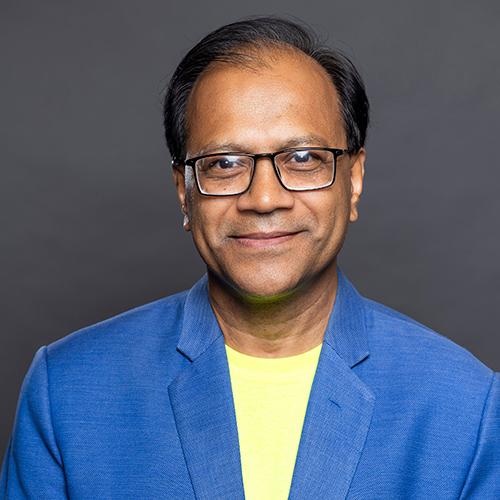
Dr. Ting-Shyang Wei is a researcher at the Helmholtz Center Dresden-Rossendorf (HZDR) within the Deep Biosphere department under the Institute of Resource Ecology. His work focuses on microbial ecology in extreme environments and their implications for nuclear waste repository systems. Key research areas include: • Microbial interactions with nuclear waste containment materials • Biogeochemical processes in extreme environments • Multi-omics analysis of microbial networks • Hormone and plasticizer biodegradation mechanisms Recent publications highlight his expertise in: Metagenomic analysis of halophilic and high-altitude bacteria Microbial corrosion resistance in bentonite barriers Microbial networks removing environmental pollutants Contact: Email: t.wei@hzdr.de Phone: +49 351 260 2759
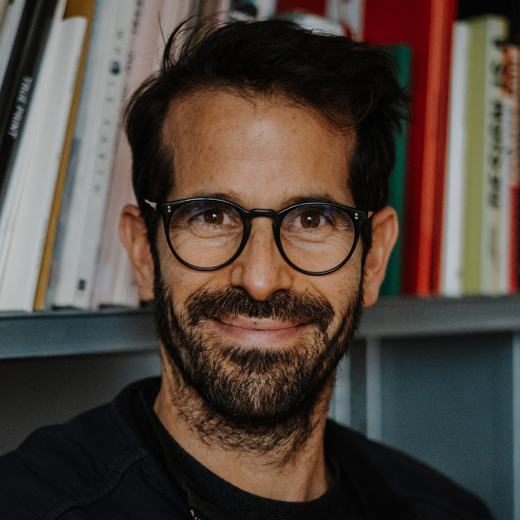
A.K.M. M. Mollah is a Clinical Lecturer in the Biology Department at Iona University. He holds a Ph.D. from the University of Notre Dame, an MBA from Stony Brook University, and a BA from Illinois Wesleyan University. Education: Ph.D., University of Notre Dame MBA, Stony Brook University BA, Illinois Wesleyan University His research focuses on the mechanisms of antibiotic action against drug-resistant Mycobacterium tuberculosis , microbial biodegradation of synthetic materials, and protein folding/stability-structure-function relationships. He teaches general biology, microbiology, and environmental science courses. Contact: amollah@iona.edu | Office: Cornelia Hall, 105-B | Phone: (914) 633-2280
Roles & Affiliations: Associate Professor at the Department of Chemical Engineering, University of Santiago de Compostela. Member of the Center for Interdisciplinary Research in Environmental Technologies (CRETUS) and the BIOGROUP Environmental Biotechnology research group. Previously affiliated with the Faculty of Biology and the GIPA Aquaculture Pathology Research Group. Education: PhD in Microbiology from University of Santiago de Compostela (2012), with a thesis on Vibrio tapetis intraspecific variability. Postdoctoral fellowships at the University of Sheffield (UK) and multiple grants from Xunta de Galicia and Spanish Government. Research Interests: Focuses on bacterial diversity in wastewater treatment systems, particularly microplastic degradation. Explores microbial communities involved in biodegradation, environmental biotechnology, and anaerobic processes. Recent work includes optimizing protein fermentation for volatile fatty acid production and studying antibiotic resistance in urban water systems. Publications & Grants: Over 75 publications, including high-impact journals like Environmental Science & Technology and Microbial Biotechnology . Principal investigator of projects such as 'PlasticBugs' (Spanish Government) and 'Degradation of Myco- and Macroplastics' (Ramón y Cajal Fellowship). Awards include the Distinguished Researcher Fellowship for Talent Retention (Xunta de Galicia). Lab & Collaborations: Leads research in CRETUS and BIOGROUP, collaborating on interdisciplinary projects involving microbial ecology and environmental engineering. Supervises master’s students, such as Jaime Landeira, and actively participates in international conferences (e.g., ISME19 in Cape Town).
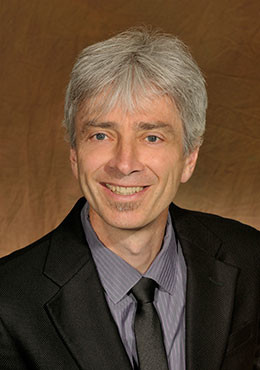
Miguel Mauricio Iglesias is a Full Professor at the Department of Chemical Engineering, University of Santiago de Compostela (USC), affiliated with the Higher Technical School of Engineering and the Center for Interdisciplinary Research in Environmental Technologies (CRETUS). He leads the BIOGROUP Environmental Biotechnology research group. His academic journey includes a BSc in Chemical Engineering (USC, 2006), a PhD in Food Technology (University of Montpellier, 2009), and a postdoctoral fellowship at the Technical University of Denmark (2010–2014) before joining USC as a Marie Curie IEF fellow. Research focuses on modeling-driven solutions for chemical and bioprocess engineering challenges, particularly waste-to-chemical conversion. Key areas include metabolic modeling for VFA (volatile fatty acid) production from organic waste, LCA-based efficiency assessments in wastewater treatment, and biorefinery design. His ENERWATER methodology became the European standard (CEN/TR 17614:2021) for energy efficiency in wastewater plants. He develops hybrid models for real-time process monitoring, such as in lignocellulosic ethanol fermentation, and explores microbial community dynamics in anaerobic systems. Publications emphasize optimizing VFA production from diverse waste streams (fish canning, dairy, agricultural residues), bioplastics lifecycle analysis, and energy benchmarking frameworks. His work bridges computational tools with experimental validation to advance circular bioeconomy goals, including protein fermentation valorization and biofilm-based nitrogen removal systems. Awards include the establishment of the ENERWATER European standard. His lab integrates metabolic models, stochastic optimization, and data analytics to address climate change impacts on the dairy sector and biorefinery scalability. Collaborations focus on active packaging design and industrial internship impacts on chemical engineering education.
Nitzan Cohen is a Professor of Product Design and Dean of the Faculty of Design and Art at the Free University of Bozen-Bolzano. He founded the Design Friction Lab (DFL), a multidisciplinary research initiative focused on sustainable innovation at the intersection of science, industry, and speculative design. His work emphasizes critical design approaches to address environmental challenges through projects like DIYR (Do-It-Yourself Revolution), bioreactors for microbial materials, and biodegradable electronics. Research interests include crafted electronics, open-source production, circular design, nano-electronics, and regenerative design. The DFL collaborates with scientists, artisans, and corporations to translate experimental concepts into real-world applications, prioritizing aesthetics and ethics in sustainable solutions. Recent articles highlight advancements in biodegradable sensors, laser-induced paper-based electronics, and microbial cellulose fabrication. Awards include recognition in international design collections, though specific prizes are not listed. Cohen teaches in the Bachelor of Design program and has advised on projects ranging from smart textiles to fermentation-based biomaterials. Labs/Teams: The Design Friction Lab (DFL) serves as a hub for interdisciplinary innovation, blending design, engineering, and biology to prototype future-oriented solutions. Current projects explore distributed manufacturing, nano-technologies, and circular production systems.
Catarina Leite Amorim is a Researcher at the Centre for Biotechnology and Fine Chemistry (CBQF), affiliated with the Faculty of Biotechnology at Universidade Católica Portuguesa. She holds a PhD in Biotechnology with a specialization in Environmental Science and Engineering and a bachelor’s degree in Biochemistry from the University of Porto. Her work is centered on innovative wastewater treatment technologies, particularly aerobic granular sludge systems, bioaugmentation, and microbiome dynamics. Education: PhD in Biotechnology, Faculty of Biotechnology, Universidade Católica Portuguesa (2009–2013) Bachelor in Biochemistry, Faculty of Sciences, University of Porto (2001–2005) Her research interests focus on the application of granular sludge technology using microalgae and bacteria for wastewater treatment, bioaugmentation processes, adsorption-based removal of pollutants, and the functional dynamics of microbial communities. She explores how microbial systems adapt to stressors such as seawater intrusion and pharmaceutical contaminants, aiming to enhance treatment resilience and efficiency. The most recent articles highlight a strong trend in environmental biotechnology, particularly in the resilience of aerobic granular sludge under saline and pharmaceutical stress, the valorization of waste materials (e.g., bone char) for pollutant adsorption, and the microbial mechanisms enabling nutrient removal. These works reflect a multidisciplinary approach combining microbiology, environmental engineering, and sustainable materials. Scientific Awards: CBQF Annual Scientific Incentive Award (2021, 2022, 2023, 2024) Proof of Concept Grant (Wastewater Field) Proof of Concept Grant (Innovative Biomaterials) Best Oral Presentation, 3rd International Conference on Microbiology (2025) Catarina Leite Amorim has supervised multiple Master’s and PhD students, including Happiness Bob, O. and Miranda, C. She has been involved in significant research grants such as GReAT (as PI), AGeNT, Beer2BioPol, AquaVal, and MobFood, all focused on industrial wastewater treatment and valorization. She teaches at both undergraduate and postgraduate levels and serves on the editorial boards of Frontiers in Bioengineering and Biotechnology , PLOS ONE , and Polymers . She is actively engaged in scientific dissemination, organizing events such as CBQF Day 2024 and BIOFASE, and contributing to public outreach through media appearances and participation in initiatives like the European Researchers’ Night and International Microorganisms Day. Her work contributes to UN Sustainable Development Goals related to clean water, sanitation, and responsible consumption.
Alvise Benedetti is a Senior Researcher at Ca' Foscari University of Venice, affiliated with the Department of Molecular Sciences and Nanosystems and the European Center for Living Technology. His research focuses on advanced materials science, including nanomaterials synthesis, catalysis, green chemistry, and cultural heritage conservation. He holds expertise in physical chemistry of materials, surface characterization, and environmental impact assessment. Key projects include studies on supported metal catalysts, luminescent nanomaterials, and silica-based nanosystems for biomedical and industrial applications. He collaborates on EU-funded initiatives like the Indo-Italian Center of Excellence for Restoration and the Erasmus+ programs in Japan and Mongolia. Benedetti’s work bridges fundamental research with applied solutions, addressing challenges in sustainability, environmental monitoring, and heritage preservation. His teaching contributions include courses on bio/nanomaterials science, solid-state chemistry, and cultural heritage conservation. Benedetti’s research is supported by grants from MIUR, MAECI, and private industries, emphasizing interdisciplinary innovation and societal impact.
Dr. Callum Banfield is a staff scientist and lab manager at the University of Tübingen's Department of Geosciences, within the Faculty of Science. He specializes in isotope applications (both stable and radioactive) across field and lab scales, with a focus on solving technical challenges in analytical and experimental setups. His current role includes managing radioisotope labs (14C, 33P, 3H, 55Fe) and CSIA labs (15N, 18O, 2H, 13C), radiation safety for Mössbauer spectrometers, and biosafety coordination for multiple research groups. He also oversees the EU pest quarantine station and trains lab technicians as an instructor. Education: PhD in Geoecology (2014-2018), University of Göttingen MSc in Geoecology (2007-2013), Karlsruhe Institute of Technology (KIT) Research focuses on soil microbial dynamics, isotopic tracing in environmental systems, and subsoil hotspots. Notable contributions include elucidating carbon storage mechanisms in microorganisms and developing novel isotope labeling techniques. His work integrates advanced methods like GC-MS, LC-MS, and phosphor imaging. Scientific achievements include the 2019 Ulrich-Babel Medal for his dissertation. He leads the German Soil Science Society's 'Isotopes in Soil Science' working group and collaborates internationally on projects like the DFG-funded 'Microbial Storage Compounds' and BMBF's 'RootWayS.' Lab management innovations include 3D printing for experimental setups and radiation safety protocols. He advises on biodegradable mulching films' environmental impacts and co-leads studies on perennial crop domestication in Denmark and Korea.
Dr. VICTORIA DIAZ TOME is a Postdoctoral Researcher at the University of Santiago de Compostela, affiliated with the Department of Pharmacology, Pharmacy and Pharmaceutical Technology under the Faculty of Pharmacy. She is a member of the PARAQUASIL Interdisciplinary Group, focusing on Pharmaceutical Technology and Parasitic Immunobiology. Her doctoral thesis (2023) centered on Development of topical ophthalmic formulations for fungal keratitis treatment , supervised by Dr. Francisco Javier Otero Espinar and Dr. Ángel Fernández Ferreiro. Her research interests span ophthalmic drug delivery systems, nanomedicine, antifungal therapies, and formulation strategies to enhance drug bioavailability. She has contributed to innovations in hydrogel-based treatments for gastric polyps, PLGA-based intravitreal implants for retinal diseases, and cyclodextrin-enhanced drug delivery for corneal conditions. Her work integrates preclinical characterization, biopharmaceutical assessment, and translational applications in pediatric and adult ocular health. Key contributions include studies on mucoadhesive nanoparticles for lactoferrin delivery, thermosensitive hydrogels for endoscopic interventions, and combination antifungal therapies for fungal keratitis. Her publications emphasize interdisciplinary approaches bridging material science, pharmacology, and clinical ophthalmology.
Prabin Kumar Dhangada Majhi is a Research Assistant Professor in the Department of Veterinary and Animal Sciences at the University of Massachusetts Amherst. He is affiliated with the Jerry Lab and conducts research on genomic integrity and breast cancer susceptibility influenced by environmental factors. His office is located in 465A ISB, and he can be reached at pdhangadamaj@umass.edu or by phone at 413-545-1129. Research Interests: Dr. Majhi's research focuses on understanding the impact of xenoestrogens—environmental chemicals that mimic estrogen—on genomic stability and identifying genetic factors that contribute to variable susceptibility to breast cancer. His foundational work involved microbial degradation of aromatic hydrocarbons, linking environmental microbiology with toxicology and disease mechanisms. His scientific background bridges environmental science and molecular oncology, contributing to interdisciplinary studies on how pollutants influence cancer risk. Though no recent publications are listed, his ongoing work in the Jerry Lab suggests active engagement in molecular and genetic studies related to carcinogenesis. Scientific Awards: Advising and Grants: There is no public information available regarding students advised or grants received. However, his role as a Research Assistant Professor in a prominent lab indicates likely involvement in collaborative research projects and potential grant-supported work. Labs and Teams: Dr. Majhi is a key member of the Jerry Lab at UMass Amherst, a research group focused on cancer biology, particularly the genetic and environmental factors influencing breast cancer development.
Dr. Frank Loeffler is a Professor and the Goodrich Chair of Excellence in the Department of Civil and Environmental Engineering at the University of Tennessee, Knoxville, with a joint appointment in the Department of Biosystems Engineering and Soil Science. His research integrates microbiology, biochemistry, and environmental engineering to study biogeochemical processes related to contaminant degradation and bioremediation. Education: BS in Biology and Agricultural Sciences, University of Hohenheim, Germany, 1986 MS in Microbiology and Biochemistry, University of Hohenheim, Germany, 1990 PhD in Technical Biochemistry/Microbiology, University of Harburg/Hohenheim, 1994 Postdoctoral Training in Microbial Ecology, Michigan State University, 1994–1999 Dr. Loeffler’s research focuses on environmental microbiology , particularly the microbial degradation of chlorinated solvents via organohalide respiration. His lab employs a systems biology approach combining cultivation-based techniques with genetic, biochemical, meta-omics, and computational methodologies to understand microbial communities in soil, sediment, and water environments. Key research themes include bioremediation of anthropogenic contaminants, molecular biological tools for monitoring, natural organohalogens, and the cultivation of novel microorganisms. The publication trends reflect a strong focus on microbial ecology, biodegradation mechanisms, and environmental applications. His work bridges fundamental science with practical solutions for contaminated site cleanup and has substantial public relevance. Articles emphasize systems-level understanding, methodological integration, and field implementation. Scientific Awards and Recognitions: Fellow, American Academy of Microbiology (2016) ESTCP Project-of-the-Year Award for Environmental Restoration (2015) ASM Divisions N, Q, R Lecturer (2015) Shimizu Visiting Professorship, Stanford (2009) ITRC Bioremediation Team of the Year (2008) SERDP Cleanup Project of the Year (2004, 2006) NSF CAREER Award (2001) Feodor Lynen Research Fellowship (1994) Dr. Loeffler has secured significant research funding from programs such as SERDP and ESTCP, indicating strong support for his work in environmental restoration. He actively mentors students and postdocs, fostering the next generation of environmental scientists and engineers. His lab collaborates with remediation practitioners to ensure rapid translation of findings into real-world applications. The Löffler Lab is a multidisciplinary research group equipped with advanced facilities for microbial cultivation, molecular analysis, and computational modeling. It serves as a hub for innovation in environmental microbiology and bioremediation, contributing to both scientific advancement and environmental protection.
Prof. Dr. Filiz B. Dilek is a distinguished academic at the Environmental Engineering Department of Middle East Technical University (METU) , where she has served since 1982. She was promoted to Professor in 1999 and has held administrative roles including Chairperson of the Biotechnology Graduate Program (2013-2015) and Environmental Engineering Department (2003-2006). Her academic journey began with a B.S. (1982), M.S. (1985), and Ph.D. (1991) in Environmental Engineering from METU. Research focuses include Water and wastewater treatment Industrial wastewater management Biological treatment processes Life Cycle Assessment (LCA) applications Physico-chemical treatment technologies Emerging micropollutant removal Recent publications emphasize waste valorization in agriculture, pesticide removal from water, and LCA studies. Over the last 5 years, her research team has published >15 articles in journals like ACS Sustainable Chemistry & Engineering and Journal of Environmental Management , demonstrating consistent contributions to water sustainability and industrial pollution control. Scientific recognition includes 1st graduate of 1982-1983 Environmental Engineering cohort British Council postdoctoral fellowship (1993-1994) Leadership in TÜBİTAK and EU-funded projects She has advised 25+ graduate students and led research on topics ranging from ozonation of pharmaceutical wastewater to algal treatment of pulp effluents. Her work integrates laboratory-scale experimentation with industrial applications, particularly in textile and chemical sectors.
Kaare Magne Nielsen is a Professor and Vice Dean for Research and Innovation at the Faculty of Health Sciences, OsloMet. He previously served as Head of the Department of Life Sciences and Health at OsloMet (2014-2021), and was a Professor and research group leader at UiT The Arctic University of Norway (2001-2014). His research focuses on antimicrobial resistance (AMR) across environmental, agricultural, and clinical contexts, including horizontal gene transfer , microbial ecology , and the implications of genetic techniques and biotechnology for public health and food safety. He has authored over 100 scientific publications with >10,000 citations (H-index: 51). Key scientific activities include advisory roles for the European Research Council (review panel member/chair in 2013, 2015, 2017, 2019) Norwegian Scientific Committee for Food and Environment (risk assessments on GMOs and AMR) European Food Safety Authority (EFSA) and Genøk-Center for Biosafety
Jeremy Webb is Professor of Microbiology at the University of Southampton's Department of Biological Sciences and co-Director of the UK's £26m National Biofilms Innovation Centre (NBIC). His research focuses on understanding complex microbial consortia and biofilms, their ecology, physiology, and responses to environmental stresses. NBIC serves as a multi-institutional hub connecting academia and industry to address biofilm-related challenges in water security, food safety, energy infrastructure, and antimicrobial resistance. Education includes: PhD Microbiology - University of Manchester (1996-2000) MSc (Distinction) - University of Exeter (1995-1996) BSc (Hons) Biological Sciences - University of Exeter (1992-1995) Research interests span microbial biofilm dynamics, adaptive evolution of microorganisms, biofilm-associated infections, and environmental biotechnology applications. His work integrates microbiology with materials science, nanotechnology, and public health to develop innovative biofilm control strategies. Recent publications (2023-2025) demonstrate interdisciplinary approaches to biofilm challenges, with consistent focus on: Industrial applications including corrosion control and nanodroplet technology Clinical applications for infection management Environmental solutions for agriculture and sustainability Molecular mechanisms of biofilm regulation Major scientific awards: BBSRC David Phillips Fellowship (2006-2011) Australian Research Council APD Fellowship (2002-2006) Leverhulme Trust Study Abroad Award (2000-2002) Currently supervising 11 PhD students across biological sciences, chemistry, and health disciplines. Leads numerous research projects including the £26m National Biofilms Innovation Centre Phase 2, funded by BBSRC and involving multi-institutional collaboration. Other significant projects address biofilm control in medical, industrial and agricultural contexts. Directs the National Biofilms Innovation Centre coordinating UK-wide biofilm research. Member of multiple research groups including Microbiology, Precision Biosciences Innovation Hub, Institute for Life Sciences, and Southampton Marine and Maritime Institute.
Claudia Pabón is an Assistant Professor at the UC School of Management and a researcher at the UC Institute for Sustainable Development, Pontifical Catholic University of Chile. She holds a PhD in Environmental Sciences and Ecology from Wageningen University, Netherlands, and an Industrial Engineering degree from Pontificia Universidad Javeriana, Colombia. Ph.D. in Environmental Sciences and Ecology, Wageningen University, Netherlands M.Sc. in Environmental Sciences, Wageningen University, Netherlands Industrial Engineer, Pontificia Universidad Javeriana, Colombia Her research focuses on the circular economy , urban circular metabolism , nutrient management , and new regenerative business models . She explores sustainability transitions in organizations , particularly in the agricultural and construction sectors, and contributes to ESG reporting frameworks. Recent publications highlight her work on system dynamics in construction , green chemistry policy , and decentralized waste valorization . Her studies span anaerobic digestion , vermicomposting , and urban circularity metrics , with applications in Santiago de Chile and Colombia.