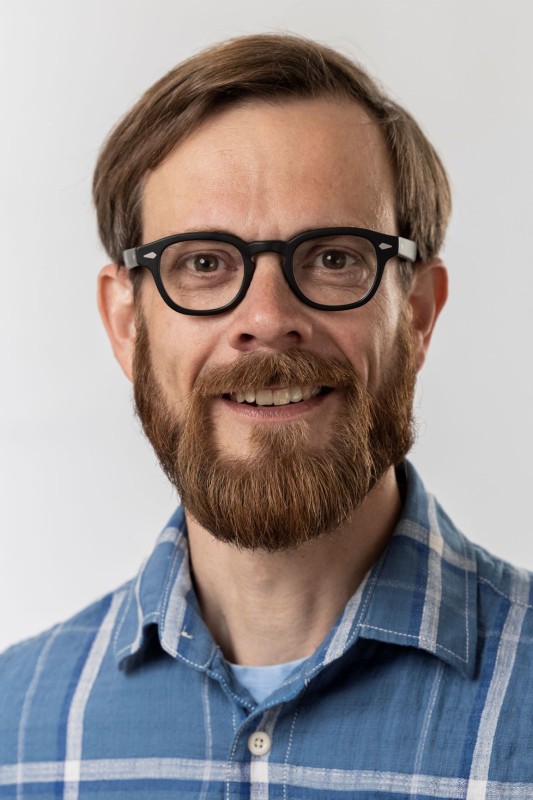
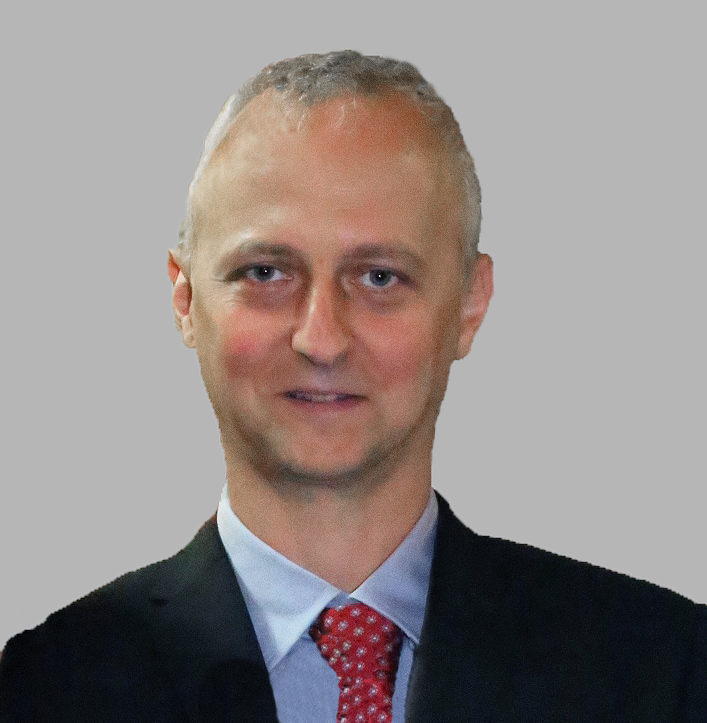
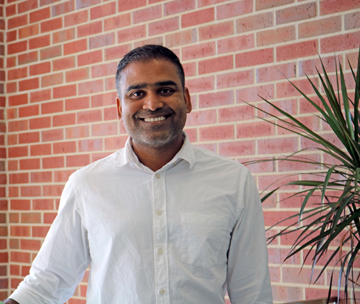
Chiu Ping Cheng is a Professor in the Department of Biology at the University of Minnesota, USA, specializing in Molecular Biology and Plant-Microbe Interactions . With over two decades of research on Ralstonia solanacearum and its interactions with solanaceous crops, Dr. Cheng has pioneered studies on plant defense mechanisms against bacterial wilt, regulatory gene functions, and biocontrol agent applications. Current research: Plant-pathogen interactions Special techniques: Genomic screening, bacteriophage-derived proteins Key pathogens: Ralstonia solanacearum, Pectobacterium carotovorum His recent publications (2024) explore tomato cultivar resistance variation , NADPH oxidase-effector interactions , and phenylpropanoid metabolism in wild mungbean . Though no formal scientific awards are listed, his work has been featured in leading journals like Plant Cell & Environment and New Phytologist . Dr. Cheng operates from the Life Science Building R942 laboratory.
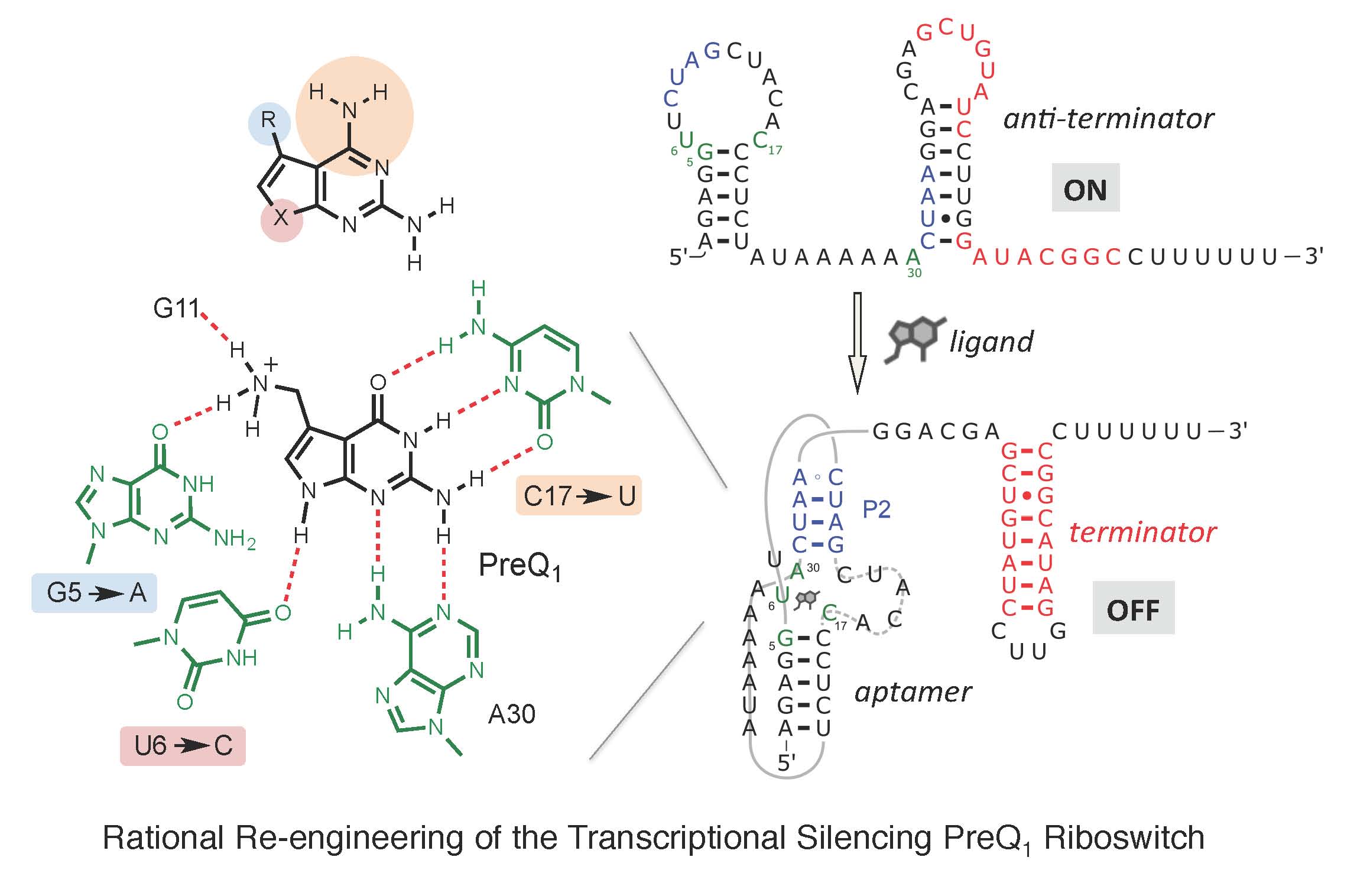
Jason Micklefield is a Professor of Chemical Biology at the University of Manchester's School of Chemistry and Manchester Institute of Biotechnology. His research focuses on sustainable bio-inspired molecular synthesis, integrating organic chemistry, enzymology, and molecular microbiology. He holds an honorary Visiting Professorship at East China University of Science and Technology. Micklefield earned his PhD in Chemistry from the University of Cambridge in 1993 and completed postdoctoral work at the University of Washington before joining Manchester in 1998. His lab specializes in biosynthesis pathway engineering, biocatalysis, and nucleic acid chemistry. Education: PhD in Chemistry (1993), University of Cambridge NATO Postdoctoral Fellowship, University of Washington, USA (1993–1995) Lecturer in Organic Chemistry, Birkbeck College, University of London (1995–1998) Research Themes: Biosynthesis of novel antibiotics to combat AMR, including pathway engineering for agrochemicals and drug discovery. Biocatalysis and integrated catalysis for sustainable synthesis of pharmaceuticals, focusing on amide ligases and halogenases. Nucleic acid therapeutics and riboswitch engineering for synthetic genetic control. Key Achievements: Discovered CfaL ligases enabling amide synthesis without protecting groups. Engineered vitamin K-dependent carboxylases for novel antibiotic pathways. Developed orthogonal riboswitches for synthetic biology applications. Awards: RSC Bader Award (2019) NPR Lecture Award Lab & Collaborations: The interdisciplinary Micklefield Lab includes chemists, biochemists, and bioinformaticians. Projects include MESNA (modified nucleic acid synthesis) and collaborations on sustainable chemical manufacturing.
Associate Professor Nikolas Fokialakis is affiliated with the Department of Pharmacy at the National and Kapodistrian University of Athens, specifically within the Section of Pharmacognosy and Chemistry of Natural Products. His academic journey includes a PhD in Pharmacognosy, postdoctoral research at the USDA, and advanced degrees in Pharmacognosy and Pharmacy. His research focuses on natural products from plants, microorganisms, and marine organisms, with emphasis on anti-aging compounds, cosmeceuticals, and bioactive molecule discovery. Notable awards include the Arthur Neish Award (2010) and the ASP Award (2006). He holds editorial roles in international societies and has contributed to over 150 publications. His work integrates biotechnology for sustainable production of bioactive agents and explores microbial biodiversity for drug leads. Teaching responsibilities include courses in Pharmacognosy, Biotechnology, and Pharmaceutical Analysis. Education Highlights: PhD in Pharmacognosy (University of Athens, 2004) Postdoc at USDA Natural Products Lab Postgraduate Diploma in Pharmacognosy (2000) Pharmacy Degree (University of Athens, 1998) Research Interests: Isolation of bioactive small molecules from terrestrial and marine sources Anti-aging mechanisms targeting proteostasis Cosmeceutical development using microbial metabolites Phytochemical analysis of Mediterranean plants Publications Trends: Recent work emphasizes marine microbiota for anti-aging agents, pyrrolizidine alkaloid profiling, and sustainable bioengineering of microbes for industrial metabolites. Over 150 indexed articles demonstrate cross-disciplinary impact in natural products research. Awards: 2011-2019: Board Member, Society for Medicinal Plant Research ANR Research Committee (2015-2018) OECD Scholarship (2005-2006) Advising & Grants: Active in mentoring graduate students in natural products and biotechnology projects. Leads EU-funded initiatives on microbial diversity exploitation. Collaborates internationally on marine invertebrate chemistry and cosmeceutical development. Labs/Teams: Coordinates the Pharmacognosy and Natural Products Chemistry lab at University of Athens, focusing on metabolomics and bioactive compound discovery pipelines.
Prof. Michael Sander is a Lecturer at ETH Zurich's Department of Environmental Systems Science, specializing in environmental organic chemistry and polymer biodegradation. His research focuses on understanding the environmental fate of synthetic polymers, soil organic matter dynamics, and microplastic contamination. He teaches courses such as 'Introduction to Environmental Organic Chemistry' and contributes to interdisciplinary studies on sustainable materials and climate change impacts. Key research areas include polymer degradation mechanisms, redox properties of peat, and the design of biodegradable agricultural materials. His work integrates analytical chemistry, biogeochemistry, and environmental engineering to address global challenges like plastic pollution and soil health. He has published extensively on topics such as microplastic analysis in soils, biodegradation pathways of polyesters, and the redox cycling of peat organic matter. Collaborative projects involve developing sustainable polymer alternatives and assessing their environmental compatibility. Sander's research emphasizes practical solutions for reducing plastic waste and enhancing soil resilience.
Lorena REBECCHI is a Full Professor in the Department of Life Sciences at the University of Modena and Reggio Emilia. Her research focuses on tardigrade biology, particularly their survival mechanisms under extreme conditions such as desiccation, temperature extremes, and radiation. She explores phylogenetic relationships, symbiotic microbiota, and evolutionary adaptations of these organisms. REBECCHI's work integrates morphological, molecular, and physiological approaches, contributing to understanding anhydrobiosis, stress responses, and tardigrade ecology. Key research areas include tardigrade phylogeny (e.g., resolving their position within Panarthropoda), environmental adaptations (e.g., thermal tolerance and acid resistance), and astrobiology applications (e.g., space flight experiments). She has described multiple new species and revised taxonomic classifications within Tardigrada. REBECCHI collaborates internationally, evidenced by conferences like the 2024 IADCI meeting hosted at her institution. Publications emphasize comparative transcriptomics, symbiont evolution, and the structural basis of tardigrade feeding mechanisms. Her lab's work on Antarctic tardigrades highlights climate change impacts and genetic diversity. REBECCHI's research has practical applications in biotechnology (e.g., space food systems) and environmental monitoring.
Dr. Ramanjulu Sunkar is a Regents Professor in the Department of Biochemistry & Molecular Biology at Oklahoma State University. He leads research on epigenetic and small RNA mechanisms in plant stress responses, focusing on gene regulation under drought, heat, and abiotic stresses. His work integrates genomic tools like ChIP, RNA sequencing, and CRISPR/Cas9 to study stress tolerance in crops. Education: B.Sc. (Sri Venkateswara University), M.Sc. and Ph.D. (Sri Krishnadevaraya University, India), followed by postdoctoral research at the Weizmann Institute (Israel), University of Bonn (Germany), and UC Riverside (USA). He joined Oklahoma State University in 2006, becoming Professor in 2016 and Regents Professor in 2024. Research Interests: Epigenetic modifications (DNA methylation, histone changes), microRNA-guided gene regulation, plant stress memory, and translational control mechanisms. His lab uses model systems like Arabidopsis, rice, and sorghum to study adaptive responses to environmental challenges. Grants: Over 15 grants, including USDA-funded projects on microRNA roles in photosynthesis, epigenetic control of drought tolerance, and systems genetics in rice. NSF-EPSCoR support for bioenergy research. Teaching: Courses include 'Plant Biochemistry,' 'Epigenetics,' and graduate supervision through research credits. Developed new courses on plant stress biology and molecular techniques. Labs/Teams: Leads a research group focused on epigenomics and RNA regulation in plants. Collaborates internationally on projects like the Arabidopsis transcriptome and stress memory mechanisms.
Laura Sanchez is an Associate Professor in the Department of Chemistry and Biochemistry at the University of California, Santa Cruz (UCSC). She leads a research lab focused on imaging mass spectrometry and natural products discovery, with a particular emphasis on microbial interactions, metabolomics, and applications in women’s health. Previously, she was at the University of Illinois at Chicago (UIC) before relocating to UCSC in 2021. Education: B.A. in Chemistry from Whitman College (Walla Walla, WA) followed by a Ph.D. in Chemistry at UCSC under Professor Phil Crews. Postdoctoral training included work under Professors Roger Linington (UCSC) and Pieter Dorrestein (UC San Diego as an NIH IRACDA Fellow). Her research integrates advanced mass spectrometry techniques with biological systems to study small molecule communication in microbial communities and cancer metabolism. Research Interests : Specialization in imaging mass spectrometry (MALDI-TIMS-MS2), microbial metabolomics, and development of novel techniques like SICRIT (Soft Ionization by Chemical Reaction in-Transfer). Her lab investigates how microbial interactions influence metabolite production and explores metabolomic signatures in ovarian cancer progression. Recent work includes spatial quantification of signaling molecules (e.g., c-di-GMP in biofilms) and the role of neurotransmitters like norepinephrine in cancer cell survival. Awards : K12 BIRCWH Scholar (2016–2017) 2019 UIC Rising Star in the Life Sciences 2022 ACS Infectious Diseases Young Investigator Award 2022 American Society for Pharmacognosy Matt Suffness Young Investigator Award Grants & Collaboration : Developed the Natural Products Atlas (open-access knowledge base) and contributed to workflows like TIMSCONVERT. Collaborations span microbiology, oncology, and bioinformatics, with a focus on translational research in women’s health. Current projects include analyzing fallopian tube-ovary cross-talk in high-grade serous ovarian cancer and optimizing mass spectrometry for high-throughput screening. Labs & Teams : Directs an interdisciplinary lab at UCSC, emphasizing open-source method development and collaborative microbiome research. Her team includes graduate students and postdocs working on microbial communication, cancer metabolomics, and imaging technology innovation.
Priyanka Pundir is an Assistant Professor in the Department of Molecular and Cellular Biology at the University of Guelph. Her research focuses on innate immunity, particularly mast cell-mediated host-microbe interactions, and the role of G protein-coupled receptors (GPCRs) in immune responses against infections. She holds a B.V.Sc. from G. B. Pant University of Agriculture & Technology, a Ph.D. from the Atlantic Veterinary College (University of Prince Edward Island), and completed postdoctoral training at Johns Hopkins University. Education: B.V.Sc. – College of Veterinary Sciences, G. B. Pant University of Agriculture & Technology Ph.D. – Atlantic Veterinary College, University of Prince Edward Island Postdoctoral Fellowship – School of Medicine, Johns Hopkins University Her lab investigates how mast cells detect microbial signals (e.g., quorum-sensing molecules) and trigger immune defenses. Key discoveries include identifying the Mrgprb2 receptor’s role in antibacterial immunity and its implications for therapeutic development. Current projects explore neuroimmune interactions during infections and the functions of orphan Mrgprs. Her lab actively recruits motivated students and offers a PhD position starting in 2024. Contact: ppundir@uoguelph.ca .
Prof. dr hab. inż. Łukasz Chrzanowski is a faculty member at the Institute of Chemical Technology and Engineering of the Poznań University of Technology , Poland. He holds a habilitation in Technical Sciences, Biotechnology (2013) and a PhD in Chemical Sciences, Chemical Technology (2005), both from Poznań institutions. His academic journey began with an MS in Chemical Technology (2001) at Poznań University of Technology. Current Roles: Professor, Department of Organic and Bioorganic Chemistry; Editorial Board Member of Polish Journal of Microbiology , Molecules , Polish Journal of Environmental Studies , and Toxics . Collaborations: Helmholtz Centre for Environmental Research (Germany), Technical University of Denmark, University of Applied Sciences and Arts Northwestern Switzerland, BOKU-University of Natural Resources and Life Sciences (Austria), The University of Alabama, and Université Rennes 1 (France). His research focuses on biodegradation of xenobiotics (surfactants, hydrocarbons, pharmaceuticals, herbicides, ionic liquids) in natural environments, emphasizing microbial adaptation mechanisms , plant-microbe interactions, and geomicrobiological processes . Recent work explores herbicidal ionic liquids, bioaugmentation strategies, and biosurfactant impacts on environmental remediation. Key trends in his publications include: Bioremediation of diesel/biodiesel blends and PAHs Microbial degradation of ionic liquids and pharmaceuticals Soil-water microbial dynamics and surfactant ecology Applications of geomicrobiology in pollution management Awards: Minister of Science and Higher Education Scholarship for Young Scientists (2012) Nowicki Foundation/Deutsche Bundesstiftung Umwelt grant He has supervised over 40 scientific popular articles and edited multiple journals, including Polish Journal of Microbiology and Molecules .
Lea Atanasova is a Senior Researcher and Principal Investigator at the Institute of Food Technology, Department of Biotechnology and Food Science, University of Natural Resources and Life Sciences Vienna (BOKU). She holds a PhD (Dr. rer. nat.) and a Master’s degree (Mag. rer. nat.) and has extensive postdoctoral experience in fungal molecular biology and genomics. Her research is centered on mycoparasitic fungi such as Trichoderma and Clonostachys , with a focus on carbohydrate-active enzymes, signal transduction, gene expression, and ecological genomics. Her research interests span molecular biology, genetics, genomics, microbiology, mycology, and enzyme technology. She investigates the functional roles of genes and proteins in fungal biocontrol, nutrient acquisition, and host interactions. Her work integrates comparative genomics, transcriptomics, and functional proteomics to understand fungal evolution and ecological niches. The most recent publications highlight a strong trend in understanding fungal signaling pathways (e.g., TOR and MAPK), enzyme diversification (e.g., CDHs, pectate lyases), and the molecular mechanisms of mycoparasitism. Her work also extends to fungal secondary metabolites, host-microbe interactions, and advanced imaging techniques for protein localization. Scientific Awards: Carl Trygger scholarship for research at SLU (Uppsala, Sweden) GSA fungal meeting award, Genetics Society of America (Asilomar, CA, United States) FEMS Young Scientist Meeting Grant, Federation of European Microbiological Societies (Sant Feliu de Guíxols, Spain) Price Award for best Master-/Diploma research, Ecological Society of Germany, Austria and Switzerland (GFÖ) (Bayreuth, Germany) Austria National Park Research Award, Austrian Federal Ministry of Agriculture, Forestry, Environment and Water Management (Vienna, Austria) Ad Futura Special Achievements Fellowship for studies abroad, Slovene human resources development and scholarship fund (Ljubljana, Slovenia) Lea Atanasova has supervised several Master’s and Diploma theses on topics related to fungal biotechnology and enzymology. She leads an Austrian Science Fund (FWF)-funded project on GMC oxidoreductases in Clonostachys rosea . She is actively engaged in the scientific community, serving on editorial boards and as a guest editor. She has organized and chaired sessions at major conferences, including ECFG, and frequently presents her research internationally. She is a key member of the research community at BOKU, contributing to knowledge transfer through student supervision, editorial roles, and conference participation. Her work bridges fundamental fungal biology with applications in agriculture and biotechnology.
Dr. Huazhong Shi is a Professor in the Department of Chemistry and Biochemistry at Texas Tech University. His research focuses on molecular biology, biochemistry, and plant stress response mechanisms, with a particular emphasis on gene editing for crop improvement, herbicide resistance development, and computational simulations of protein-small molecule interactions. Ph.D., Wuhan University, China, 1995 Research Associate, University of Arizona, 1999-2001 Research Associate, University of California, 2001-2003 Research Associate, Purdue University, 2003-2004 Dr. Shi’s research explores gene editing strategies to enhance crop traits such as clonal seed production, haploid induction, and herbicide resistance. His lab also investigates molecular dynamics simulations to understand enzyme-herbicide interactions and stress-inducible gene regulation. Key projects include engineering salt-tolerant crops via Na+/H+ antiporter optimization and elucidating the roles of SHI genes in stress response pathways. The 15 most recent publications highlight advancements in gene editing for hybrid vigor preservation, directed evolution of herbicide-resistant enzymes, and computational modeling of stress tolerance mechanisms. These works span disciplines including plant biotechnology, environmental toxicology, and agricultural sustainability, with subfields such as RNA splicing, redox biology, and nutrient-stress interactions. Dr. Shi’s lab includes graduate students Yihui Yuan, Hongjia Qian, Amna Aqdas, Karthik Kalvakuntla, and Shoumik Kundu, alongside research associate Dr. Jianfei Guo. His work contributes to global food security through biotechnological innovations in crop resilience to environmental stresses.
Dr. Gajender Aleti serves as an Assistant Professor in the Department of Agricultural and Environmental Sciences within the College of Agriculture at Tennessee State University (TSU), having joined the institution in August 2022. His academic appointment bridges agricultural sciences, environmental health, and biomedical research through interdisciplinary microbiome studies. His educational credentials include a PhD in Microbial Ecology from the Austrian Institute of Technology & The University of Natural Resources and Life Sciences, Vienna; an MSc in Bioinformatics from the University of Abertay Dundee; an MSc in Biotechnology from Osmania University, India; and a BSc in Botany, Zoology, and Chemistry from Osmania University. Dr. Aleti's research program investigates critical interactions between diet, the gut microbiome, and host health, with three core pillars: Understanding diet-microbiome-gut health interactions Characterizing bioactive small molecules produced by gut microbiota Elucidating gut microbiome-nervous system communication (Gut-Brain Axis) Analysis of his 15 recent publications (2016-2022) reveals a strong translational focus spanning human health contexts (salivary/gut microbiomes in depression, obesity, OCD, and oral cancer) and agricultural applications (rhizosphere microbiomes, bioremediation). His work predominantly employs mass spectrometry-based metabolomics and genomic data mining within large collaborative frameworks, demonstrating methodological innovation in multi-omics integration. While no specific scientific awards are documented in the provided materials, his publication record in journals like Nature Communications , Nature Methods , and BMC Microbiology reflects significant scholarly impact. His research is supported by active grants enabling investigations into microbiome-host dynamics across diverse physiological systems. Dr. Aleti actively mentors graduate researchers within TSU's Department of Agricultural and Environmental Sciences, contributing to the university's research infrastructure through laboratory-based investigations of microbial community dynamics and molecular mechanisms in health and disease contexts.
Yoselin Benitez-Alfonso is a Professor of Interdisciplinary Plant Sciences at the School of Biology, Faculty of Biological Sciences, University of Leeds. She leads the Benitez-Alfonso Lab (PD Wall Structural Mechanics) and holds a prestigious UKRI Future Leaders Fellowship. Her research integrates plant biology, biophysics, and materials science to study plasmodesmata and cell wall polymers. Research Interests: Regulation of intercellular communication via plasmodesmata Role of callose and cellulose in cell wall mechanics Plant development and environmental resilience Sustainable biomaterials from plant polymers Diagnostic applications of β-1,3-glucans in fungal infections Her recent work shows strong interdisciplinary trends, combining genetic, molecular, and physical approaches to understand how plant microchannels regulate development and stress responses. Publications reveal a focus on callose metabolism, plasmodesmata proteomics, and innovative applications in biotechnology and materials science. Scientific Awards: UKRI Future Leaders Fellow HEA Fellow She is actively involved in advising postgraduate researchers and securing competitive grants from EPSRC, The Royal Society, Leverhulme Trust, and UKRI. She collaborates with the Department of Physics, Astbury Centre, Braggs Centre, and clinical teams at Leeds Teaching Hospitals. She also founded the ‘Black in Plant Science’ network to promote equity and inclusion. Labs and Teams: The Benitez-Alfonso Lab focuses on cross-disciplinary research in plasmodesmata structural mechanics, with active projects in plant biotech, biomaterials, and diagnostics. The team uses advanced tools including NMR, rheology, and AFM nanoindentation.
Bradley Moore is a Professor at the University of California San Diego (UCSD), holding dual appointments in the Scripps Institution of Oceanography (Center for Marine Biotechnology and Biomedicine) and the Skaggs School of Pharmacy and Pharmaceutical Sciences . His research focuses on marine chemical biology, natural products chemistry, microbial genomics, and environmental toxicology. He earned a B.S. from the University of Hawaii, a Ph.D. from the University of Washington, and completed postdoctoral training at the University of Zurich. His work spans marine drug discovery, toxin mechanisms, and microbial metabolomics. Notable contributions include elucidating biosynthetic pathways for anticancer agents like salinosporamide A and studying the ecological roles of marine natural products. He actively investigates marine microbiome-driven processes, including coral genome conservation and harmful algal bloom dynamics. Recent publications highlight advancements in genome assembly (e.g., Corallium rubrum), enzymatic mechanisms (diiron oxidases), and toxin prediction models. His lab integrates bioinformatics, synthetic biology, and field studies to address environmental and biomedical challenges. Dr. Moore collaborates across disciplines to advance marine biotechnology and has contributed to initiatives like molecular forecasting of domoic acid blooms. His research emphasizes translating marine natural products into therapeutics while addressing ecological impacts of climate change and pollution.
Dr. Kim O'Sullivan is a Senior Research Fellow and head of the Translational Kidney Therapies Group at the Centre for Inflammatory Diseases (CID), Monash Health Translational Precinct, affiliated with Monash University’s Faculty of Medicine, Nursing and Health Sciences. She holds a PhD in Immunology from Monash University and completed her undergraduate and Master’s studies in Anatomy and Structural Biology at the University of Otago, New Zealand. Her work is centered on developing novel therapies for autoimmune kidney diseases, particularly ANCA-associated vasculitis (AAV), glomerulonephritis, and lupus nephritis. Her research focuses on: Neutrophil Extracellular Traps (NETs) and their role in inflammation Gene therapy using adeno-associated viral vectors to deliver DNase I Therapeutic potential of bacterial exosomes Gut microbiome interactions, especially Muribaculaceae and SCFAs Immune tolerance and host defense preservation Her recent publications (2023–2024) reflect a strong trend in translational immunology, with emphasis on microbiome-immune crosstalk, novel biologics, and gene-based interventions. She has published in high-impact journals such as Frontiers in Immunology , International Journal of Molecular Sciences , and Journal of Immunology . Her scientific contributions have been recognized through several awards: Australian and New Zealand Society of Nephrology Young Investigator Award (Winner, 2016) ANZSN Basic Science Award (Finalist, 2020) Multiple ANZSN Travel Awards (2014, 2016, 2017) Kim O'Sullivan actively supervises Honours and PhD students and leads multiple research projects funded by NHMRC and MRFF. She serves on the ANZSN Scientific Programme and Awards Committee (SPARC), is a Review Editor for Frontiers in Immunology , and sits on the editorial boards of International Journal of Molecular Sciences and Journal of Integrated Medicine in Nephrology and Andrology . She is also a peer reviewer for top journals including Journal of Clinical Investigation and Kidney International . She leads the CID weekly seminar series and chaired the ImmuMON21 symposium. Her commitment to equity in STEM includes mentoring through BrainSTEM and past involvement in the ANZSN Equity, Diversity and Inclusion Committee.